The frequencies that actually help plants grow are watering every 1–7 days (depending on your plant, pot, soil, and weather), fertilizing every 2 weeks to 3 months (depending on the product and growth stage), and giving most plants 12–16 hours of light per day. There is no single magic interval. The right schedule is the one matched to your specific plant and conditions, not a number you find on a general chart. Once you understand the few variables that shift these intervals, setting a reliable routine takes about five minutes.
What Frequency Helps Plants Grow: Water, Fertilizer, Light
Marcus Holloway
13 May 2026
Why "frequency" is the right question, but not in the way most people mean it
A lot of gardeners search for a magic number: water every three days, fertilize every two weeks, give 14 hours of light. So if you are wondering whether does electricity help plants grow, it is really about the right light and energy inputs, not about a specific electrical trick water every three days, fertilize every two weeks, give 14 hours of light. The instinct makes sense.
But plant growth is driven by getting the right inputs at the right intervals for that plant in those conditions, not by hitting a universal schedule. Soil type, container size, temperature, humidity, and growth stage all shift the intervals considerably. What I can give you are ranges grounded in plant science, plus the simple tests that tell you when your specific plant is ready for more water, more food, or more light.
One thing worth clearing up right away: "frequency" in the context of plant growth does not mean sound frequency, vibration, or anything mystical. The measurable frequencies that drive growth are the ones you can control with a watering can, a fertilizer bottle, and a timer on a grow light.
How often to water plants
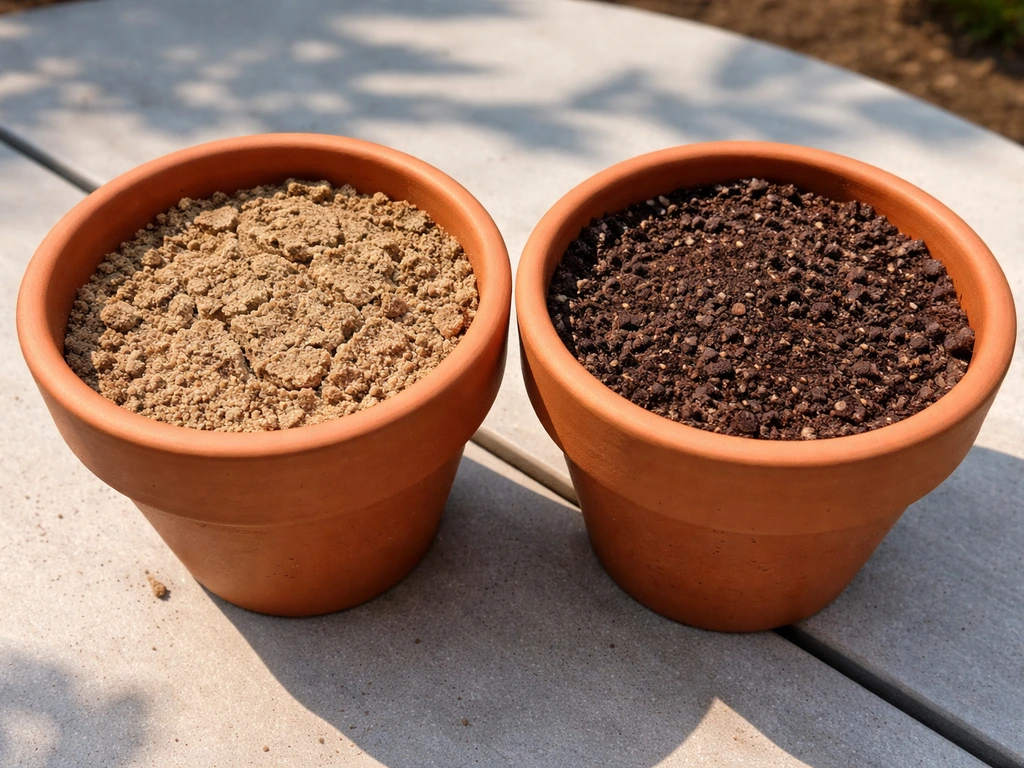
Soil type is one of the biggest drivers of watering frequency. Sandy soils drain fast and dry out quickly, so they need water more often. Clay or loamy soils rich in organic matter hold moisture much longer, and a once-a-week schedule is often fine for vegetables and garden beds in those conditions. A practical cue: water when the soil is dry about two inches below the surface. That two-inch finger test is the most reliable tool you have, and it costs nothing.
Containers are a completely different situation. A small pot in hot, windy weather may need watering once or twice a day. A large container in cool, shaded conditions might only need water once or twice a week. The volume of soil, the drainage, the pot material, and the weather all change the answer. Lifting a container is a surprisingly useful technique: if it feels light, it needs water. Once you get used to the weight when it is wet versus dry, you barely need to think about it.
Indoor plants add another layer of complexity because humidity, indoor temperature, and light levels all influence how fast the soil dries. Factors like the potting mix, container size, and drainage change how quickly plants use water. During winter, keep soil on the drier side since plant growth slows, but never let plants wilt. In summer near a sunny window, the same plant in the same pot might need water twice as often.
Watering frequency by plant type and conditions
| Plant/Situation | Typical Watering Interval | Key Variable to Watch |
|---|---|---|
| Outdoor vegetable garden (loamy/clay soil) | Once a week | Check 2 inches deep; water at dryness |
| Outdoor vegetable garden (sandy soil) | Every 2–4 days | Sandy soil drains fast; check more often |
| Container plants (hot, windy, small pot) | Once or twice daily | Soil volume is low; dries very fast |
| Container plants (cool weather, large pot) | Once or twice a week | Less evaporation, more soil reserve |
| Indoor houseplants (average conditions) | Every 5–10 days | Finger-test to 2 inches before watering |
| Indoor succulents and cacti | Every 10–21 days | Soil must be bone dry before next watering |
| Indoor herbs on a sunny windowsill | Every 3–5 days | Small pots dry out faster than you expect |
The most common mistake is following a fixed calendar instead of testing the soil. Relying on a set schedule ignores the fact that a cloudy week, a cool snap, or a repotting can change how fast your plant uses water. Test first, then water.
How often to fertilize (and what "feeding frequency" really means)
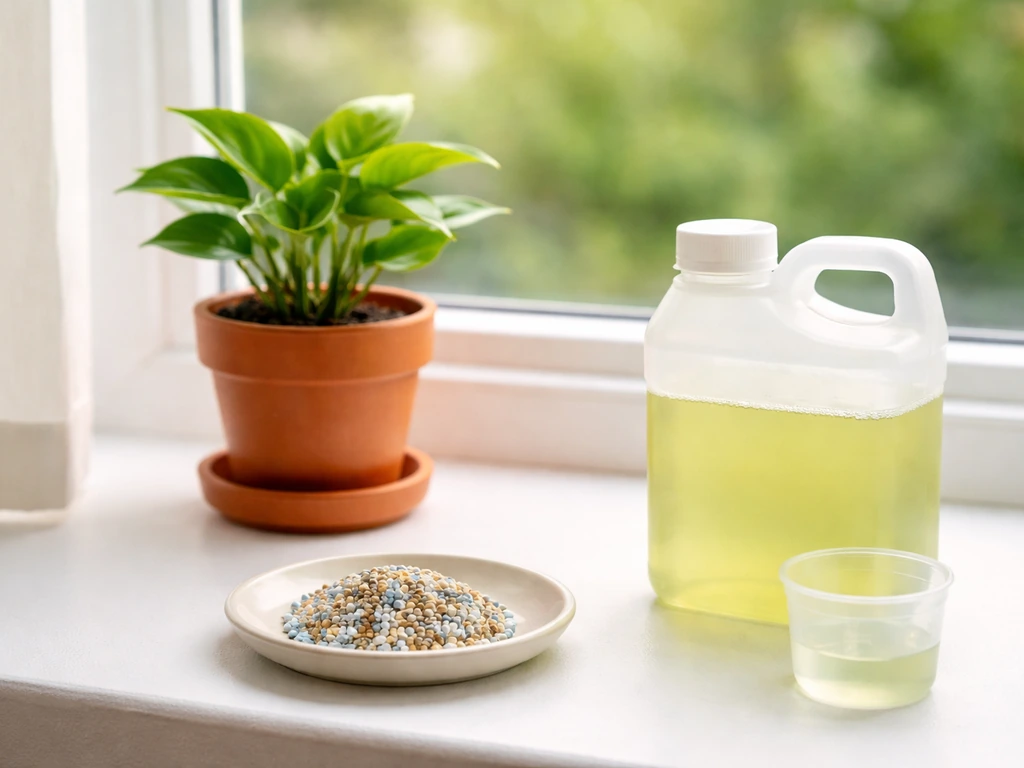
Fertilizing frequency depends on three things: the product you are using, your plant's growth stage, and whether it is a light or heavy feeder. Slow-release pellets work for 3–4 months per application, so you apply them a few times a year and mostly forget about them. Liquid fertilizers act fast but wash out quickly, so they need more frequent application. Most houseplants do well with a liquid feed once every one to three months. Herbs are hungrier and respond to a diluted liquid feed every two weeks indoors, or every three to four weeks for outdoor containers.
The important nuance: more frequent fertilizing is not better. Over-fertilization is a real and common problem. Excess salts accumulate in the potting mix, damage roots, and cause the same tip-burn and marginal leaf damage that people often misdiagnose as a watering issue. You will often see a crusty white deposit on the surface of the potting medium as a warning sign. The fix is leaching: pour several volumes of water through the pot to flush salts out, then back off fertilizer frequency. A good habit is to leach your indoor pots every four to six months even if you think you have been feeding correctly.
When plants slow down, their need for fertilizer drops sharply. Moving a plant from a sunny summer spot to a dimmer winter window without cutting back on feeding is one of the most reliable ways to cause fertilizer burn. Match your feeding frequency to how actively the plant is growing, not to a fixed calendar date.
Feeding frequency by product and plant type
| Fertilizer Type / Plant | Recommended Interval | Notes |
|---|---|---|
| Slow-release pellets (houseplants) | Every 3–4 months | Apply at start of season; easy to over-apply |
| Liquid fertilizer (general houseplants) | Every 1–3 months | Use at half or quarter label strength |
| Liquid fertilizer (indoor herbs) | Every 2 weeks | Low dose; water-soluble formula works best |
| Liquid fertilizer (outdoor container herbs) | Every 3–4 weeks | Outdoor growth is faster; nutrients leach quickly |
| Heavy feeder vegetables (tomatoes, peppers) | Every 1–2 weeks (liquid) | Start at transplant; scale up during fruiting |
| Low-feeder plants (succulents, cacti) | Every 2–3 months in growing season | Skip entirely in winter dormancy |
A practical default for most indoor gardeners: use a balanced liquid fertilizer at half the label strength once a month during the active growing season (roughly April through September), then drop to once every two to three months in winter. Adjust based on what you see, not what the calendar says.
Light timing and frequency: hours, consistency, and seasonal changes
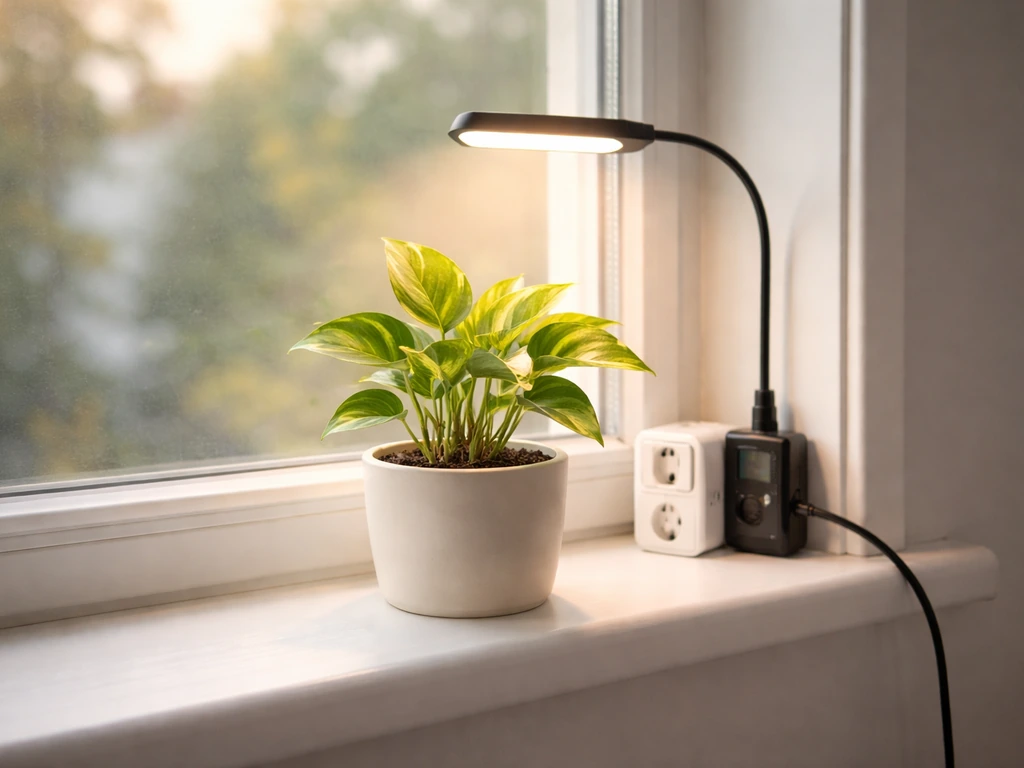
Light is where the concept of "frequency" gets most interesting for plant growth, because both light intensity and duration (photoperiod) matter, and they affect different processes. So, when people ask do solar lights help plants grow, the key is whether the light provides the right intensity and duration for photosynthesis, not the power source. Thunder is not something plants rely on to grow, so focus on light, water, and nutrients instead.
For daily light duration, most seedlings thrive with 16–18 hours per day, while hydroponic lettuce and herbs do well on 12–14 hours. The ceiling most plants want is 16 hours of light, because virtually all plants need a period of uninterrupted darkness. Running grow lights around the clock does not accelerate growth and can actually disrupt plant metabolism.
Seasonal changes in day length are not just a comfort variable. They actively trigger flowering in many plants. Short-day plants like chrysanthemums flower when darkness exceeds a critical threshold, often around 12 hours or more of uninterrupted dark. Long-day plants need extended light periods to flower. If you are growing plants that are not flowering when expected, the problem is often day length, not nutrients or water. You can manipulate this with a timer on a grow light to extend or shorten days as needed.
Light intensity (measured in foot-candles or PPFD) is separate from duration and varies enormously with season and location. A plant sitting a few feet from a window in January gets a fraction of the light it would get in July even if the number of daylight hours is similar. Succulents and cacti typically want a PPFD around 100–200 micromoles per square meter per second, while fruiting vegetables want much more.
Spectrum also matters: blue and red wavelengths drive the most photosynthetic activity. A standard incandescent bulb left on for 16 hours provides almost no useful photosynthetic light, which is why the question of whether daylight bulbs or solar garden lights meaningfully help plants grow comes down to whether they actually deliver the right spectrum and intensity, not just whether they are on for long enough.
Light duration quick reference
| Plant Type | Recommended Daily Light Duration | Notes |
|---|---|---|
| Seedlings (all types) | 16–18 hours | Use a timer; consistency matters |
| Hydroponic lettuce and herbs | 12–14 hours | More is not better beyond this range |
| Fruiting vegetables (indoors) | 14–16 hours | Cap at 16 hours; provide dark period |
| Short-day flowering plants (e.g., chrysanthemums) | Less than 12 hours light (12+ hours dark) | Covering plants forces flowering |
| Typical houseplants (foliage) | 12–14 hours | Consistent schedule beats irregular long sessions |
| Succulents and cacti | 12–16 hours | High intensity preferred over long duration alone |
Air, humidity, and temperature: the cycles most gardeners ignore
Temperature and humidity do not get scheduled the way watering and fertilizing do, but maintaining the right cycles makes everything else work better. A useful rule of thumb for most indoor plants is keeping night temperature about 10 to 15 degrees Fahrenheit lower than the daytime temperature. This mimics natural outdoor cycles and supports healthy metabolism. Temperatures that are consistently too high stop growth and cause leaf drop or spindly, weak stems. Consistently cold roots slow nutrient uptake even when the soil has plenty of fertilizer.
Humidity matters more than most gardeners realize. Most tropical houseplants prefer 40–60% relative humidity. Indoor heating in winter can push humidity below 20%, which causes leaf tip browning that gets blamed on watering problems. Grouping plants together, setting pots on trays of damp gravel, or running a small humidifier near your plant collection are practical fixes. One indirect benefit: good humidity regulation reduces how fast your potting mix dries out, which takes pressure off your watering frequency.
Air circulation is the third variable. Stagnant air promotes fungal problems and can actually limit CO2 availability at leaf surfaces. A gentle fan running a few hours a day is enough. You are not trying to simulate a wind tunnel, just preventing the dead air that encourages disease.
When to adjust: reading the signals your plant sends
Your plant will tell you when the frequency is off. The tricky part is that overwatering and underwatering, over-fertilizing and under-fertilizing, can all produce similar symptoms: wilting, yellowing, and brown leaf edges. Context is everything.
Signs your watering frequency is off
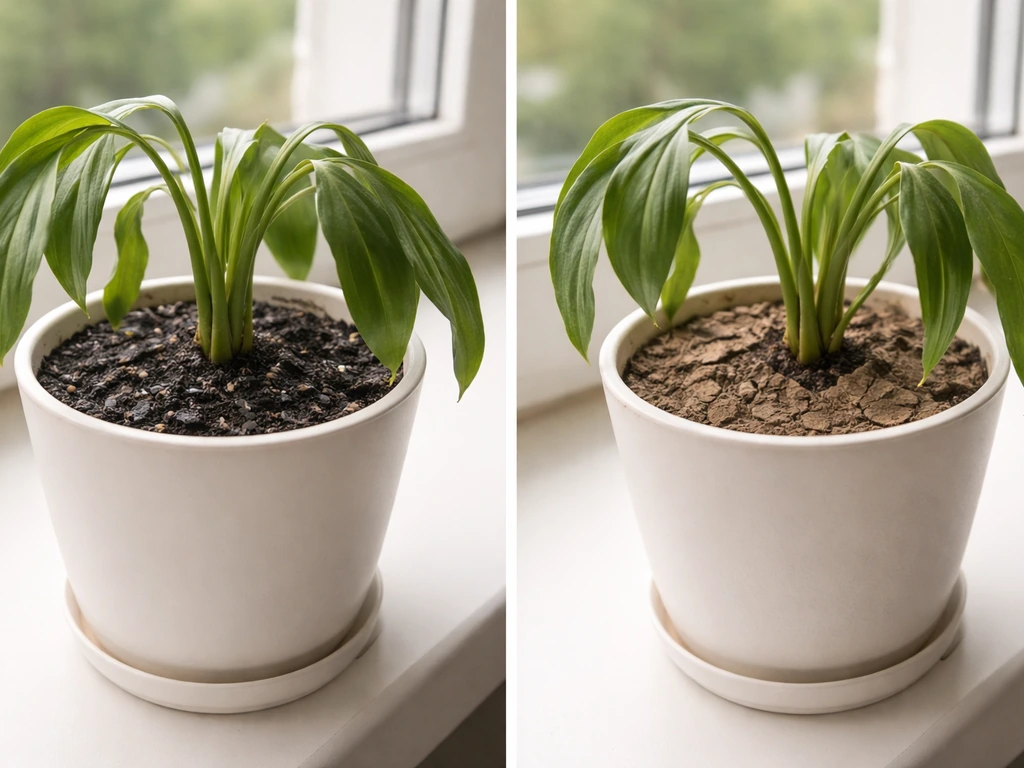
- Wilting with moist soil: almost always overwatering or root rot, not drought
- Wilting with dry soil: straightforward underwatering; water deeply and immediately
- Brown, crispy leaf tips in dry indoor air: low humidity, not always overwatering
- Yellow lower leaves with soggy soil: root suffocation from too-frequent watering
- Limp, scorched, or drooping foliage despite recent watering: drought stress, water more often or more deeply
- Soil pulling away from pot edges: soil has become hydrophobic; water slowly and deeply, or soak the pot
Signs your fertilizing frequency is off
- Pale green or yellow older leaves: likely nitrogen deficiency; nitrogen deficiency typically shows first on older/lower leaves
- Slow, stunted growth during active season: possible underfeeding, or insufficient light
- Brown leaf tips and margins with white crusty deposits on soil surface: classic salt buildup from over-fertilization
- Leaf tip burn after a recent feeding: fertilizer concentration too high or applied to dry soil
- Sudden leaf drop after moving plant: if you maintained the same feeding schedule after reduced light, over-fertilization is likely
How to correct course
- For suspected overwatering: stop watering, check roots for rot, improve drainage, and let soil dry fully before the next water
- For suspected underwatering: water deeply (until it drains from the bottom), then recheck in 24 hours to see if the plant recovers
- For salt buildup from over-fertilizing: flush the pot with several volumes of water, let it drain completely, and skip fertilizer for 4–6 weeks
- For nitrogen deficiency: apply a diluted balanced liquid fertilizer and check light levels, since poor light limits the plant's ability to use nitrogen regardless of how much you apply
- For inconsistent light: set a timer on your grow light to deliver the same daily duration every day; plants respond to consistent photoperiods better than variable ones
Simple starter schedules you can set up today
These are starting points, not fixed rules. Test and adjust based on what you observe. The finger-test for watering and the visual cues above should always override the calendar.
Schedule 1: Typical indoor houseplant (tropical foliage, medium pot)
- Watering: Check soil every 3–4 days by pressing a finger 2 inches deep. Water thoroughly when dry at that depth. In winter, expect to water less often.
- Fertilizing: Apply a balanced liquid fertilizer at half label strength once a month from April through September. Drop to every 6–8 weeks in winter.
- Light: Position near a bright window for 12–14 hours of natural or supplemented light. Set a grow light timer if natural light is insufficient.
- Temperature/humidity: Keep daytime temps between 65–75°F, nights 10–15°F cooler. Mist or use a humidity tray if indoor air is dry.
- Leaching: Flush the pot thoroughly every 4–6 months to clear salt buildup.
Schedule 2: Indoor herbs (basil, parsley, chives)
- Watering: Check daily; small herb pots dry out fast. Water when the top inch is dry, typically every 2–4 days.
- Fertilizing: Apply a water-soluble fertilizer at low dose every 2 weeks indoors, or every 3–4 weeks if the pot is outdoors in summer.
- Light: Herbs want 14–16 hours of bright light. A south-facing window plus a simple grow light on a timer is ideal.
- Harvesting: Regular harvesting (cutting stems back) encourages denser growth; it is essentially a frequency variable too.
Schedule 3: Outdoor container vegetables (tomatoes, peppers) in summer
- Watering: Check daily in hot weather. Small to medium containers may need water every day or every other day. Large containers every 2–3 days.
- Fertilizing: Apply a liquid balanced fertilizer every 1–2 weeks during fruiting. Use slow-release pellets at the start of the season as a base layer.
- Light: Outdoors in full sun provides what vegetables need. Aim for at least 6–8 hours of direct sunlight.
- Temperature: If temps exceed 90°F consistently, growth and fruit set can stall regardless of watering and feeding.
Schedule 4: Seedlings under grow lights
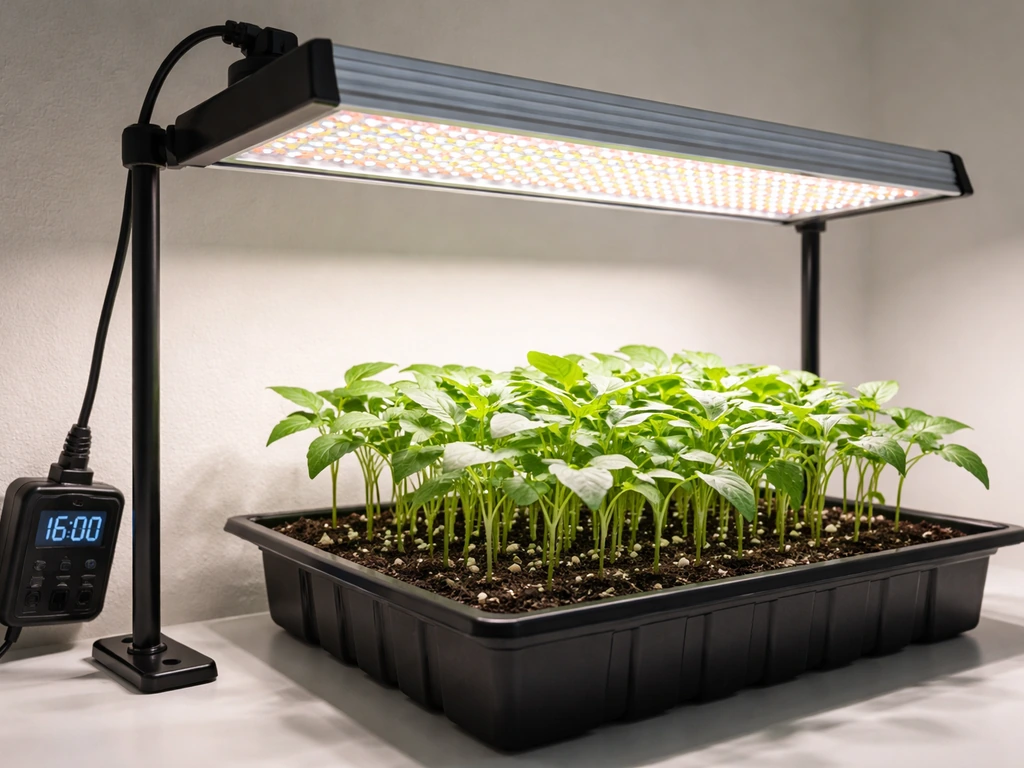
- Light: Run lights for 16–18 hours per day on a timer. Keep lights 2–4 inches above seedlings for most LED grow lights.
- Watering: Seedlings need consistent moisture, not soggy soil. Check daily and mist or water lightly when the surface starts to dry.
- Fertilizing: Hold off on fertilizer for the first 2–3 weeks if using a seed-starting mix with nutrients. Introduce a diluted half-strength liquid feed once the second set of true leaves appears.
- Temperature: Keep at 65–75°F. Bottom heat (a seedling heat mat) helps germination speed but is less critical once seedlings are established.
The throughline in every schedule is the same: observe your plant, test before you water, scale fertilizer to growth rate, and give consistent light on a timer. More frequent attention helps only when paired with accurate observation. Watering every day without checking whether the plant actually needs it is how most houseplants die. The best gardening frequency is the one you can sustain, combined with regular quick checks that tell you whether to act or wait.
FAQ
If I water “every 3 days,” how do I know it is not too much or too little?
Use the plant, not a date. If the top 1 inch of soil is dry, water only enough to fully re-wet the root zone (not just the surface), then check again in a day or two. For most indoor pots, the “every X days” number shifts most when temperature or window sun changes, so re-test after a cloudy week or a new light schedule.
What should I do if my plant is wilting but the soil still feels moist?
Start by checking drainage and soil moisture, not just the watering interval. If leaves look limp but the soil is wet, you are likely dealing with root stress from excess moisture, poor aeration, or cold roots, not simple underwatering. Let the soil dry back to about 2 inches below the surface, then resume a lighter cadence based on the finger test.
Does the watering and fertilizing frequency change after repotting?
Repotting resets the schedule because fresh mix holds water differently and roots may not uptake as fast for a couple of weeks. After repotting, use the finger test for watering, and delay fertilizing until you see active new growth (often 2 to 4 weeks for many houseplants).
How often should I water a small pot compared with a larger one?
Yes, in small pots you can often need more frequent watering, even daily in hot, windy conditions, because the soil volume is tiny. Instead of increasing frequency blindly, water thoroughly and then observe the drying pattern, lift the pot to learn the wet versus dry weight, and adjust to how quickly it reaches your “dry 2 inches down” point.
In winter, do I keep the same watering and feeding schedule?
Treat winter as a growth slow-down, not a “pause button.” Cut back water slightly when the soil stays damp longer, but never aim for bone-dry if the plant starts wilting. For fertilizing, the safest move is to reduce to once every 2 to 3 months for most houseplants, unless the plant is actively growing under strong lights.
My pot has a white crust, is that always from over-fertilizing?
“Crusty white” can be salt buildup, but also sometimes mineral deposits from hard water. If the plant shows leaf edge burn or the surface looks salt-stained, leach by running several volumes of water through the pot until it drains freely, then allow it to dry to your usual test depth before the next watering.
What if I think I over-fertilized, can I fix it by increasing watering or light?
For most indoor gardeners, that usually means reducing fertilizer frequency or concentration, not increasing light time to compensate. If you overfed, leaching helps remove accumulated salts, and growth will often look better once feeding matches the plant’s slower winter growth rate. Check that lights are also providing reasonable intensity, not just long hours.
Is it better to run grow lights for more hours or use stronger lights?
Pick a timer routine, then confirm intensity and plant response. If leaves stretch, they tend to be reaching for more light, and adding photoperiod might help only if the light is adequate. If you see stable, compact growth, increasing hours can waste energy and may disrupt the required dark period.
Can I run my grow lights 18 hours a day, then again overnight to avoid “dark”?
Do not run lights 24/7. Even though some plants tolerate longer days, most need a period of uninterrupted dark for normal metabolism and, for many flowering types, for triggering blooms. If you extend day length, use a timer so “dark” stays consistent.
My plant is not flowering, how do I troubleshoot day length versus nutrients?
Day length issues show up most with plants that flower based on photoperiod. If your plant is staying vegetative when it should flower, adjust the dark period first using the timer, especially for short-day plants that need longer uninterrupted darkness (often around 12 hours or more).
How does the day-night temperature change affect fertilizer needs?
Aim your temperature shift based on your day and night settings, keep night cooler by about 10 to 15 degrees Fahrenheit when possible, and avoid letting roots stay cold for long periods. Cold roots can slow uptake even if the soil has fertilizer, so the “symptom” may look like under-feeding.
If humidity is low and tips brown, should I water more often?
Yes. If humidity is very low, leaves can brown at tips and the plant may also drink more or less than you expect depending on airflow and pot mix. Raise humidity to a reasonable range (often 40 to 60% for many tropical houseplants) and reduce fan-on-the-leaves drying, then re-check watering frequency after conditions stabilize.
How do I tell the difference between watering problems and fertilizer problems?
Often, symptoms overlap. Use context: check soil moisture before adjusting anything. If soil is dry and leaves droop, increase watering frequency slightly and water thoroughly. If soil is wet and leaves yellow or drop, reduce watering and improve air and light. For fertilizer confusion, look for salt crusting and consider leaching before changing the fertilizer schedule again.
Should I run a fan constantly, and will it change my watering schedule?
A fan a few hours per day is usually enough, but do not blast directly at seedlings or tender leaves, which can cause stress. Better airflow also helps soil dry more evenly, so after adding a fan you may need to re-learn your pot’s drying timeline with the finger test.
Next Articles
How Do Microorganisms Help Plants Grow: Practical Guide
Learn how microbes in the rhizosphere fix nitrogen, boost phosphorus, aid roots, suppress disease, and how to grow them.
How Does Yeast Help Plants Grow? Safe, Practical Guide
Learn how yeast boosts plant growth via soil microbes, safe dilution and timing, plus myths, limits, and troubleshooting
Do Mushrooms Help Plants Grow? Science and How to Use
Science-backed answer on whether mushrooms help plants grow, plus how to use mycorrhiza, compost, and test results.