If you searched 'does Plantasia help plants grow,' the first thing worth knowing is that 'Plantasia' is not a fertilizer, biostimulant, or soil amendment. It's a plant tracker app, a landscaping company name, a garden nursery brand, and even an indie video game, depending on which result you clicked. None of those things will directly feed your plants.
Does Plantasia Help Plants Grow? Evidence, Tests, and Next Steps

Marcus Holloway
19 May 2026
So the honest answer is: as a stand-alone product category, there is no single 'Plantasia' supplement on the market with a reproducible track record of boosting plant growth. But that doesn't mean your question is pointless. If you found a local nursery, app, or branded product using that name and you want to know whether it's worth your time, this guide will help you figure it out fast and show you what actually moves the needle for plant growth.
What 'Plantasia' actually is (and what it isn't)
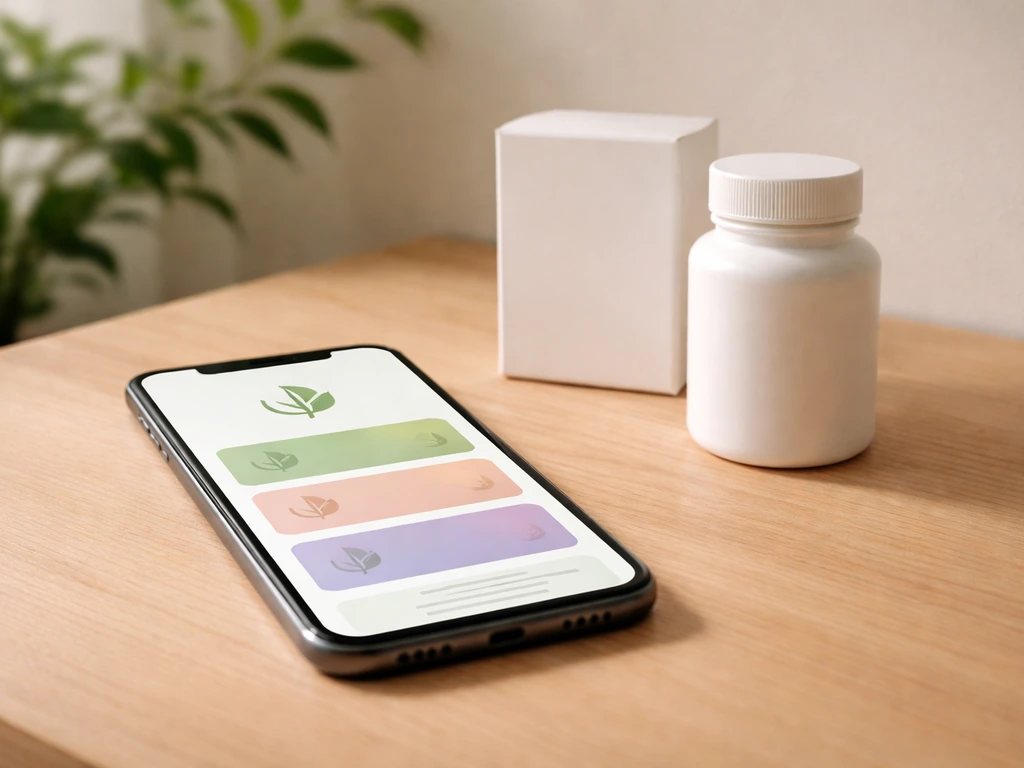
Let's clear this up because the search results for 'Plantasia' are genuinely all over the place. The most prominent digital product is a mobile app listed in the Apple App Store under Utilities. It does plant identification, sends watering and fertilizer reminders, and lets you track growth with a photo gallery. The Plantasia site describes it as a tool for plant identification, watering, and care reminders, along with growth tracking via photos [plant identification, watering and care reminders](https://plantasia.
xyz/). That's useful for organization, but it's a care assistant, not a growth input. Separately, Plantasia Design is a licensed plantscaping company founded in 1998 that installs and maintains plants in commercial spaces.
There's also at least one garden nursery called Plantasia that sells seeds and fertilizers (abonos) in South America. And then there's Plantasia, a cozy semi-idle gardening game on Steam set in a solarpunk universe, which is delightful but obviously won't grow your ficus.
The point is: 'Plantasia' is a brand name used by multiple unrelated businesses, and none of the widely indexed versions is a proprietary plant supplement with published ingredient lists or clinical trial data. If you found a product at a local nursery labeled Plantasia that contains fertilizers or soil amendments, then you're essentially asking whether that nursery's house-brand product works. In that case, the section below on how to judge any growth product claim applies directly to you.
How plant-growth products are actually supposed to work
Before you evaluate any product called Plantasia or anything else, it helps to understand the real mechanisms behind plant growth. Plants need a fairly short list of things to grow well: light in the right spectrum, water, carbon dioxide, and 17 essential mineral nutrients. The macronutrients nitrogen, phosphorus, and potassium are needed in the largest amounts. Secondary macronutrients like calcium, magnesium, and sulfur matter a lot too. Micronutrients like iron, manganese, and zinc are needed in tiny amounts but cause visible problems when they're missing.
Legitimate plant-growth products fall into a few categories, each with a real biological mechanism behind it. Knowing which category something belongs to tells you a lot about whether it can actually help.
| Product Type | Mechanism | When It Helps |
|---|---|---|
| Balanced fertilizer (N-P-K) | Delivers macronutrients directly to roots or foliage | When soil is nutrient-depleted or fast-growing plants need a boost |
| Biostimulant (seaweed, humic acid) | Contains hormone-like compounds and trace minerals that stimulate root development and stress tolerance | After transplanting, during drought stress, or when root establishment is slow |
| Microbial inoculant (mycorrhizae, rhizobacteria) | Colonizes roots to expand nutrient-absorption surface area and improve phosphorus uptake | In sterile or degraded soils lacking native microbial populations |
| Soil amendment (compost, perlite, lime) | Improves soil structure, drainage, aeration, and pH to make existing nutrients more bioavailable | When soil is compacted, waterlogged, or has incorrect pH |
| Rooting hormone (auxins) | Stimulates cell elongation and lateral root initiation | When propagating cuttings or establishing transplants |
| Foliar spray (chelated micronutrients) | Delivers nutrients directly through leaf stomata, bypassing soil chemistry | When soil pH locks out micronutrients despite adequate soil supply |
If a product claiming to be Plantasia doesn't clearly state which of these mechanisms it uses, and can't back it up with an ingredient list, that's a yellow flag. Marketing language like 'supercharges growth' or 'unlocks potential' without a corresponding explanation of how is almost always a sign the product is leaning on folklore rather than science.
How to judge whether any Plantasia product will actually help
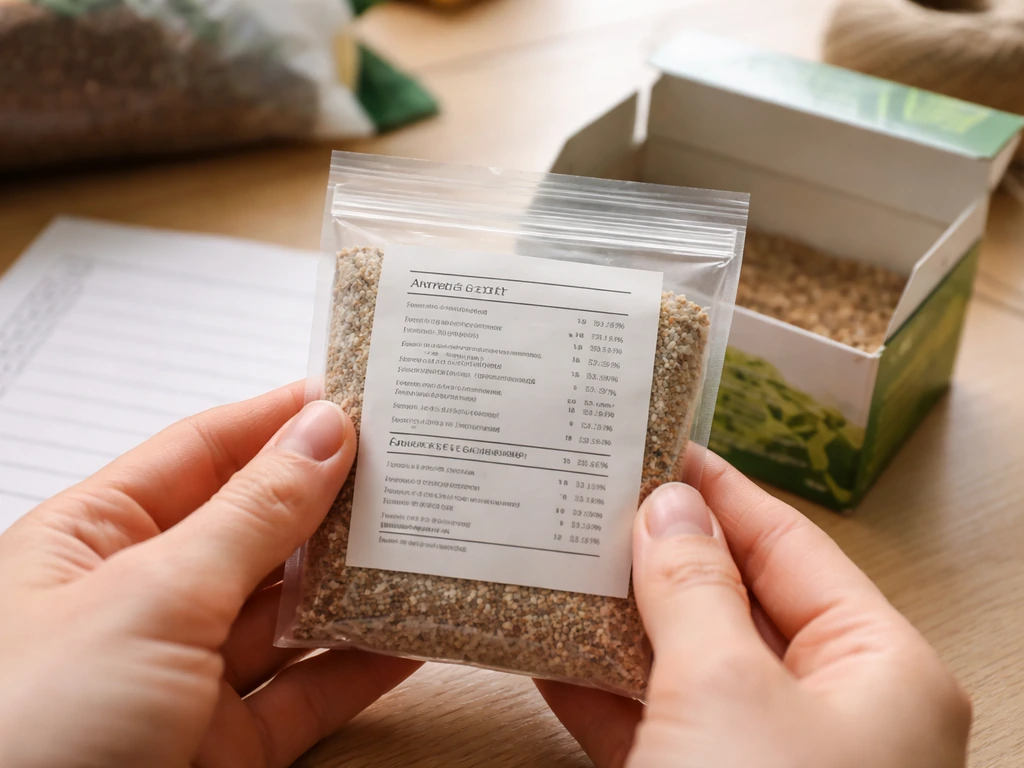
Whether you're evaluating a nursery product, a branded fertilizer, or any plant amendment, the same checklist applies. I use this whenever I'm handed something new at a garden center with big claims on the label.
- Read the ingredient list, not just the name. A product with an NPK ratio (like 5-3-3) is a fertilizer. One with Bacillus subtilis or mycorrhizal fungi is a microbial inoculant. If there's no ingredient list, move on.
- Match the product to your plant's actual limiting factor. If your plant is yellowing from low light, no fertilizer on earth will fix that. If the soil has adequate nutrients but poor drainage, a liquid supplement won't help.
- Check the application rate and frequency. Legitimate products have specific, conservative dosing. Anything that says 'use as much as you want' is either water or likely to cause fertilizer burn.
- Look for third-party testing or certifications. OMRI listing (for organic inputs), CDFA registration, or university extension recommendations add credibility.
- Search for the active ingredient, not the brand name. If Plantasia contains seaweed extract (ascophyllum nodosum), you can search that ingredient's research record independently.
If the Plantasia product you found is the app, you can still use it to indirectly support growth. Consistent watering reminders and fertilizer scheduling based on actual plant needs mean your plants spend less time stressed by neglect. That's real, if indirect, value.
Run this simple experiment today
If you have a Plantasia product in hand and genuinely want to know if it works in your conditions, don't just apply it and hope. Run a controlled comparison. It takes about five minutes to set up and four to eight weeks to get a usable answer.
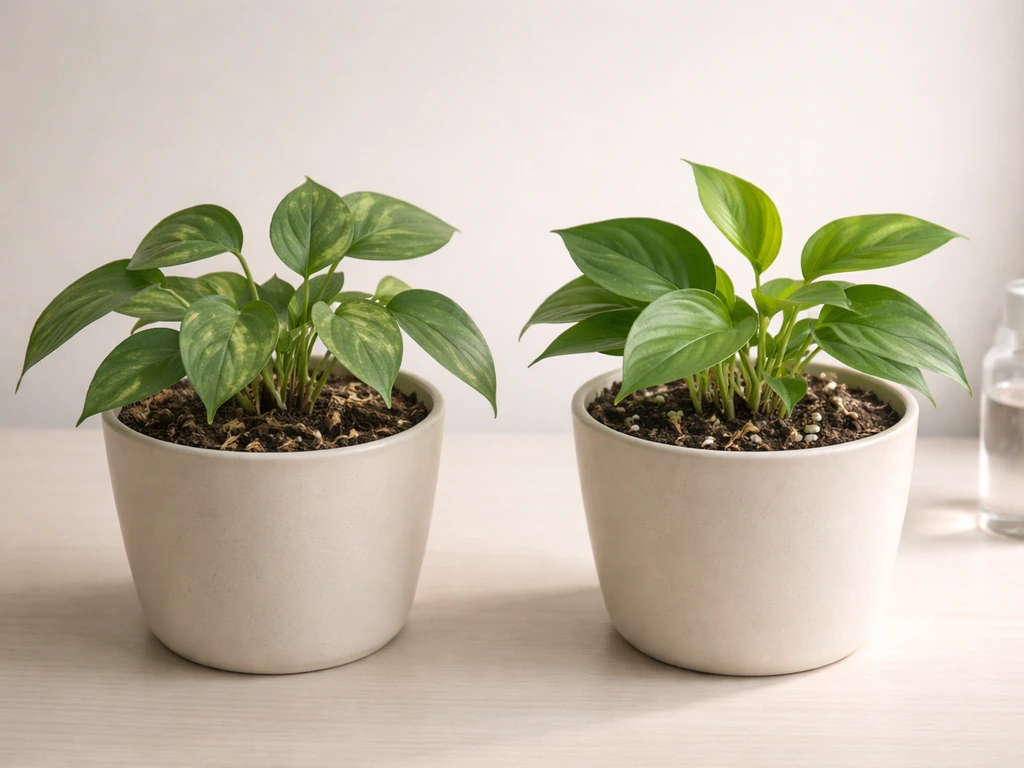
- Choose two plants of the same species, roughly the same size, in the same type of pot with the same soil mix. Propagating two cuttings from the same mother plant works even better.
- Place both plants in identical light conditions, same shelf or same spot in a room, rotated equally if near a window.
- Water both plants on the same schedule with the same amount of water. Use a measuring cup to eliminate guesswork.
- Apply the Plantasia product to one plant only, following label directions exactly. The other plant gets nothing extra. Label them clearly.
- Every seven days, photograph both plants from the same angle and distance. Measure the height of the tallest stem and count new leaves or shoots.
- After four weeks, compare photos and measurements. Look for statistically meaningful differences: 20% more growth, noticeably darker green color, more new shoots, or better root development if you can check the root ball.
- If you see no difference after eight weeks under identical conditions, the product is not providing a meaningful benefit in your environment.
The key is holding every variable constant except the one thing you're testing. This is the same logic used in formal plant science trials, just scaled down to your windowsill. It's not perfect science, but it's honest and actionable. If you want a growth tracker for your photos and measurements, the Plantasia app actually works well for exactly this kind of ongoing documentation.
When it'll help, when it won't
Scenarios where a growth product might actually make a difference
- Your plant is in nutrient-depleted potting mix that's over a year old and hasn't been fertilized. A balanced fertilizer will show noticeable improvement within two to three weeks.
- You've just transplanted or repotted and roots are stressed. A biostimulant with seaweed extract or mycorrhizal inoculant can speed up root re-establishment within four to six weeks.
- Leaves show classic deficiency symptoms: yellowing between veins (iron or magnesium deficiency), purple undersides (phosphorus), or brown leaf edges (potassium or calcium). A targeted supplement addressing the specific deficiency will produce visible improvement.
- You're growing fast-turnover crops like lettuce, basil, or radishes that deplete nutrients quickly and benefit from supplemental feeding every two weeks.
Scenarios where no supplement will save you
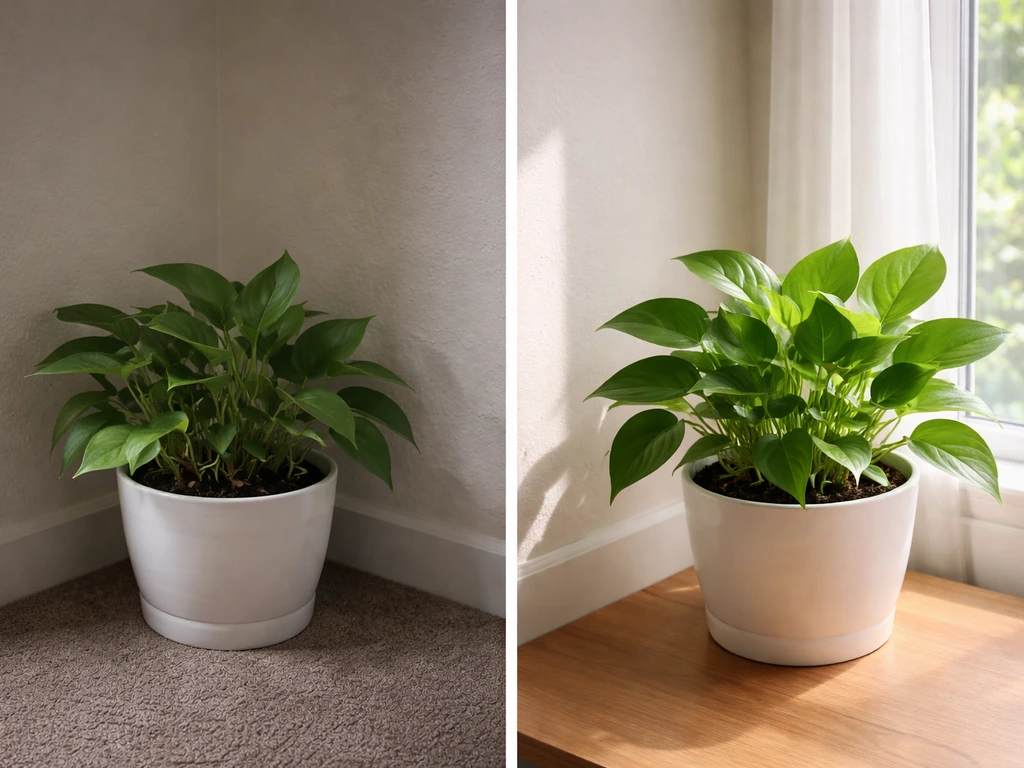
- Your plant is in low light. Photosynthesis is the engine of growth and it runs on light. No fertilizer compensates for a plant sitting two meters from a north-facing window.
- Your soil drains poorly or you're overwatering. Waterlogged roots can't absorb nutrients regardless of what's dissolved in the water. You'll see root rot, not growth.
- Soil pH is off. Most nutrients become chemically unavailable outside a pH of 5.5 to 7.0. Iron, in particular, locks up in alkaline soils. Fix the pH first.
- The plant is rootbound or severely pot-bound. There's no room for new root growth to support above-ground expansion. Repot before adding any supplement.
- You're dealing with a pest or disease problem. Fertilizing a plant under insect attack or fungal stress often makes things worse by pushing soft, vulnerable new growth.
This connects to a broader truth worth keeping in mind: most plant growth problems come from light, water, or soil issues, not a lack of specialty supplements. If you're exploring what actually helps indoor plants thrive, the fundamentals almost always matter more than any additive.
What reliably helps plants grow (proven alternatives)
Here's where the real leverage is. These interventions have decades of horticultural research behind them and produce consistent, visible results when applied correctly.
| Intervention | What It Does | Expected Timeline for Results |
|---|---|---|
| Increase light intensity or use the right spectrum (6500K for veg, 3000K for flowering) | Directly powers photosynthesis and biomass production | 2 to 4 weeks for noticeable change in leaf size and color |
| Repot into quality potting mix with good drainage | Restores aeration, drainage, and starting nutrient supply | 2 to 3 weeks for recovery, then accelerated growth |
| Balanced slow-release fertilizer (e.g., 14-14-14 granular) | Provides consistent macronutrient supply over 3 to 6 months | First flush of new growth within 3 to 4 weeks |
| Correct soil pH with lime (to raise) or sulfur (to lower) | Unlocks existing nutrients already in the soil | Nutrient uptake improvement within 2 to 4 weeks |
| Water deeply and less frequently (allow top inch to dry) | Encourages deep root growth and prevents root rot | Root health improvement within weeks; less disease long-term |
| Add compost (20 to 30% by volume in potting mix) | Feeds soil microbes, improves water retention, adds trace minerals | Microbial boost within 2 weeks; soil structure improvement ongoing |
| Mycorrhizal inoculant at transplanting | Extends root absorption area by up to 700% in some studies | Root establishment 30 to 50% faster in sterile or depleted soils |
These are the levers worth pulling before spending money on any branded supplement. If you want to go further into companion planting strategies and how plants support each other's growth, that's a genuinely interesting area where the science has some real surprises. If you want to explore how plants support each other's growth with proven methods, companion planting is one of the most practical ways to apply that idea companion planting strategies.
Safety, usage, and mistakes worth avoiding
If you do have a Plantasia-branded fertilizer or soil product and decide to use it, the principles below apply to virtually every plant supplement on the market.
- Never exceed the recommended application rate. More fertilizer does not mean more growth. Fertilizer burn (brown tips, wilting, root damage) is one of the most common causes of plant decline in home gardens, and it looks identical to underwatering.
- Always water before applying liquid fertilizers. Feeding into dry soil concentrates salts around roots and causes chemical burn.
- Don't fertilize a stressed plant. If your plant is wilting, recently repotted, sick, or dormant in winter, hold off until it shows active growth.
- Flush soil every two to three months. Salt buildup from repeated fertilizing can accumulate and block nutrient uptake. Run water through the pot until it flows freely from the drainage hole.
- Store products properly. Microbial inoculants in particular are sensitive to heat and UV light. A bottle left in a hot car for a week may be biologically dead.
- Keep records. Date, dosage, and observations over time are the only way to know if something is actually working. A simple notebook or the Plantasia app both work for this.
- Don't mix multiple fertilizers without understanding their chemistry. Combining products can cause nutrient lockout, pH swings, or toxic concentrations of specific elements.
The bottom line and your next steps
Plantasia, in its most common form, is a plant care app, not a growth supplement. If a local nursery sold you something under that name, treat it like any other branded product: read the ingredients, match it to your plant's actual limiting factor, and run a controlled comparison before deciding it's working. Most of the time, the biggest gains in plant growth come from fixing light, drainage, and basic nutrition, not from adding a specialty product on top of a broken foundation. Start there, track your results, and you'll have a much clearer picture of what your plants actually need.
FAQ
If Plantasia is an app, can it still help plants grow?
If the Plantasia item is an app, it does not supply nutrients, but it can improve outcomes by preventing two common mistakes, missed watering and inconsistent feeding. To make the “indirect help” measurable, pair the reminders with basic inputs you already control, like soil moisture checks and a consistent fertilizer schedule based on the specific plant’s needs, not on the app’s generic cadence.
How do I tell whether a Plantasia product is actually a fertilizer or just marketing?
The fastest way to tell whether a Plantasia-branded product is likely to work is to look for an ingredient list that maps to a known growth mechanism, such as a complete fertilizer (N-P-K and micronutrients) or a specific amendment with a named role (for example, improving drainage or supplying a particular nutrient). If it only lists vague claims, percentages are missing, or the active components are not stated, treat it as untestable and prioritize fixes like light and watering first.
Could Plantasia help my plants even if they already look healthy?
Yes, but only if it matches your plant’s actual limiting factor. For example, adding more fertilizer will not correct low light, and adding minerals will not compensate for chronic overwatering. A practical decision aid is to diagnose first: check light level, confirm drainage and watering frequency, then test or observe nutrient deficiency signs before applying any branded product.
What common mistakes make a “controlled comparison” with Plantasia products unreliable?
If you apply a fertilizer or amendment without changing anything else, you can still get misleading results because other variables drift over 4 to 8 weeks, especially light exposure and watering habits. Keep the plant in the same location, use the same pot, keep watering volumes consistent, and avoid rotating plants unless you also rotate them the same way for both groups.
How can I test Plantasia if I only have one plant?
When you have only one plant, a parallel comparison is still possible by splitting the set into matched groups. If you cannot split the plant, use a repeated-measures approach across similar plants under the same conditions, such as using multiple cuttings of the same species, then tracking new growth rate and leaf color over the same time window.
What should I look for to know Plantasia is not helping, or might be harming my plants?
Watch for signs that your Plantasia-named fertilizer might be inappropriate for your conditions. Common red flags include fertilizer burn (crispy leaf tips), stunted growth after initial improvement (often due to salt buildup), and worsening yellowing that looks like toxicity rather than deficiency. If you see these, stop the product and flush the pot with clean water according to your plant’s drainage setup, then reassess before trying again.
Can I use Plantasia alongside other fertilizers or soil amendments?
Avoid stacking products. If you are also using compost, other fertilizers, or a separate soil amendment, you will not know whether “Plantasia” is the cause. If you must combine, change only one thing at a time, record exactly what you changed, and keep the other inputs constant so your comparison answers one question.
What metrics should I track if I want to know whether Plantasia is helping?
The biggest benefit from a Plantasia app typically comes from improving consistency, not from expecting a dramatic growth jump. A good next step is to define success metrics you can actually see within your timeline, such as new leaf count, stem length, or weekly photo comparisons under the same lighting.
What should I do first if I am unsure whether Plantasia is worth buying?
If a Plantasia product claim does not tell you the actual mechanism, the active ingredients, or the intended nutrient role, it is reasonable to treat it as higher risk. Instead, prioritize interventions with direct leverage, like adjusting light intensity, fixing drainage, and using a fertilizer matched to the plant’s growth stage (seedling versus flowering) at a dose that aligns with the label.
Next Articles
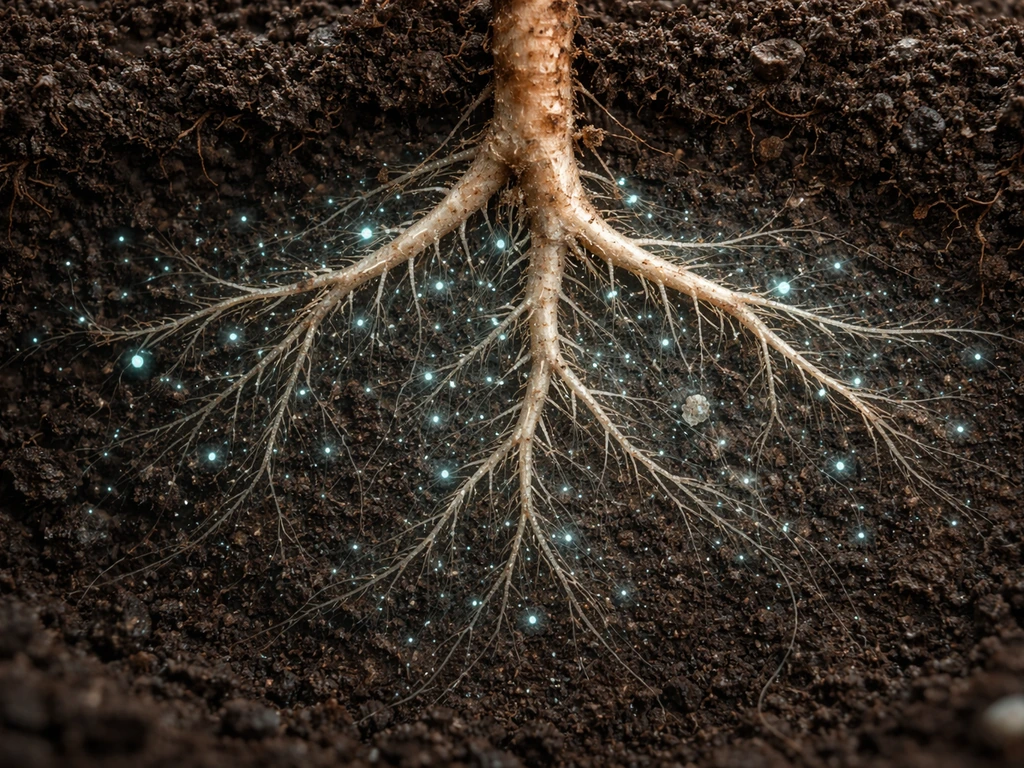
How Do Microorganisms Help Plants Grow: Practical Guide
Learn how microbes in the rhizosphere fix nitrogen, boost phosphorus, aid roots, suppress disease, and how to grow them.
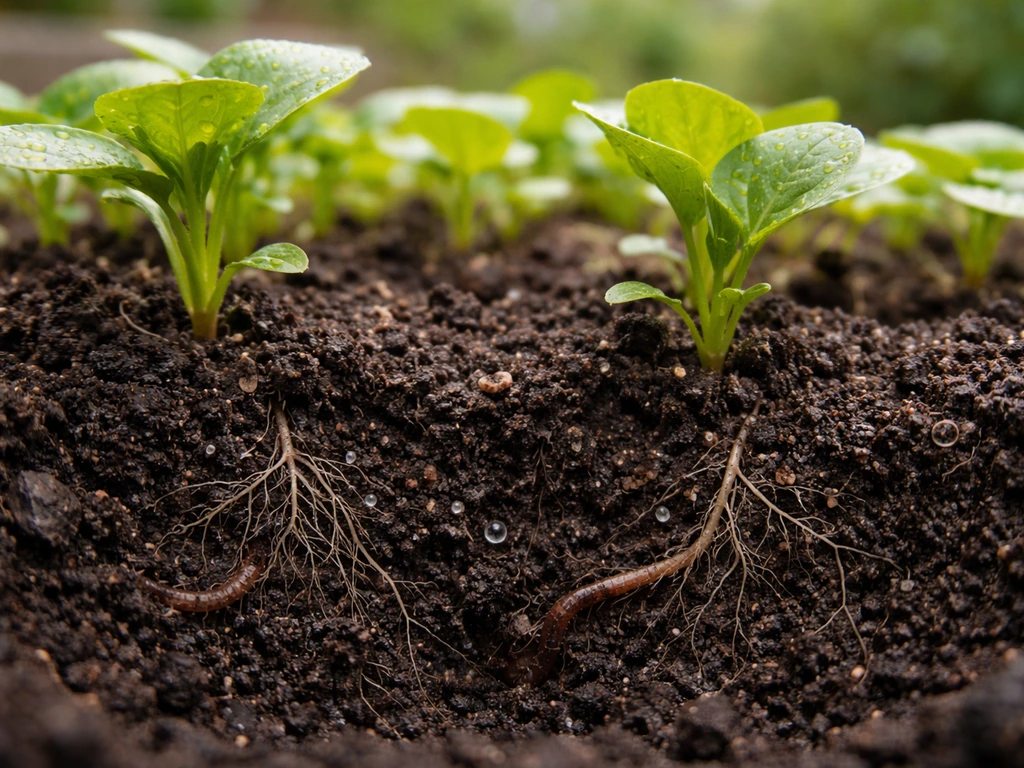
How Does Yeast Help Plants Grow? Safe, Practical Guide
Learn how yeast boosts plant growth via soil microbes, safe dilution and timing, plus myths, limits, and troubleshooting
Do Mushrooms Help Plants Grow? Science and How to Use
Science-backed answer on whether mushrooms help plants grow, plus how to use mycorrhiza, compost, and test results.