Yes, ammonia can help plants grow, but only after it converts into forms plants can actually absorb. Plants cannot take up ammonia gas (NH3) directly. What happens is this: ammonia reacts with soil water to form ammonium (NH4+), and soil bacteria then convert much of that ammonium into nitrate (NO3-). Both ammonium and nitrate are the real nitrogen forms plants use at the root level. So ammonia's role in plant growth is indirect but genuinely important when handled correctly.
How Does Ammonia Help Plants Grow? Nitrogen, Safety, and Use

Marcus Holloway
4 May 2026
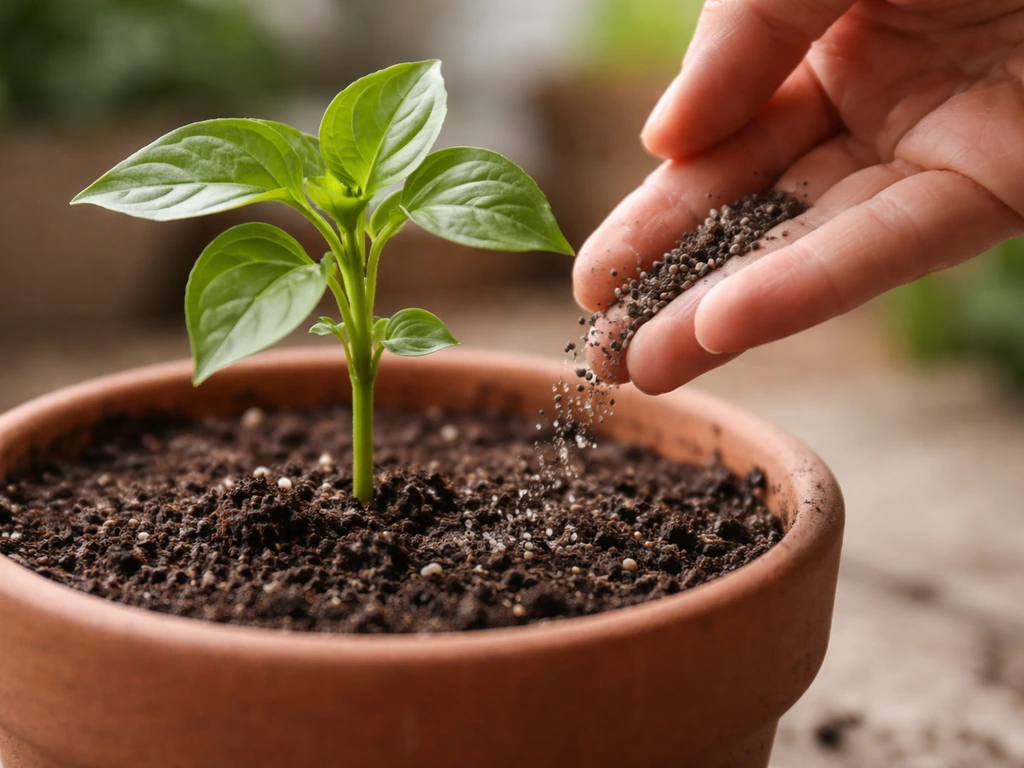
How ammonia helps plants: nitrogen and its conversion in soil
Nitrogen is one of the three macronutrients plants need in large amounts (the N in NPK), and it is central to building amino acids, proteins, and chlorophyll. Plants build amino acids and chlorophyll from nitrogen, and that protein-building process is a key part of how protein helps plants grow. Without enough nitrogen, plants stall, yellow, and underperform. Ammonia (NH3) is a nitrogen-rich compound that shows up in the garden world in several forms: anhydrous ammonia injected into agricultural soils, ammonia-based fertilizer products, and even as a byproduct of organic matter decomposition in your soil.
When ammonia enters soil, it reacts quickly with soil water to become ammonium (NH4+). That ammonium is a positively charged ion, which means it binds to negatively charged soil particles and organic matter through a process called cation exchange. This is actually a good thing: bound ammonium is held in the soil rather than washing away immediately. From there, nitrifying bacteria (particularly Nitrosomonas and Nitrobacter) convert ammonium into nitrate (NO3-) through a two-step process called nitrification. Nitrate then moves freely through the soil solution and is taken up by plant roots. Once inside the plant, nitrate gets reduced back to ammonium, which is then incorporated into amino acids and from there into every protein and enzyme the plant builds.
So when you hear that ammonia 'feeds plants,' what is really happening is a multi-step soil conversion chain: NH3 becomes NH4+, NH4+ becomes NO3-, and NO3- gets absorbed and processed by the plant. Skip any part of that chain and the nitrogen benefit disappears or turns into a problem.
Ammonia vs ammonium vs nitrate: what plants can actually use
This is where a lot of confusion (and some dangerous gardening myths) come from, so let's be clear about the distinctions.
| Form | Chemical | Plant usable? | Soil behavior | Key notes |
|---|---|---|---|---|
| Ammonia gas | NH3 | No (toxic in gas form) | Reacts with water to form NH4+ | Can damage roots and seeds if concentrated |
| Ammonium | NH4+ | Yes (directly absorbed) | Held by soil particles (cation exchange) | Converted to nitrate by bacteria in warm, moist, aerated soil |
| Nitrate | NO3- | Yes (primary uptake form) | Moves freely in soil water; can leach | Most plants prefer this form; can be lost to runoff |
| Urea | CO(NH2)2 | Not directly; must convert | Hydrolyzes to NH4+ via urease enzyme | Passes through ammonia phase before becoming ammonium |
| Household ammonia cleaner | NH3 + surfactants | Not recommended | Unpredictable; may introduce harmful chemicals | Different from horticultural products; avoid on plants |
A common myth is that ammonia 'instantly feeds' plants the way a liquid fertilizer does. It does not. Plants absorb nitrogen as nitrate or ammonium ions through their roots. Ammonia gas sprayed on foliage or poured onto soil in high concentrations is more likely to burn tissue than nourish it. Household ammonia cleaners are especially problematic because they often contain surfactants and dyes that have no place in your garden soil. Horticultural ammonia products are formulated at concentrations and in forms designed for safe soil application, which is an entirely different thing.
Urea (the active ingredient in many common granular fertilizers) is worth mentioning here because it is closely related. Urea hydrolyzes in soil via the enzyme urease, passing through an ammonia phase before settling into ammonium. This means urea, ammonia, and ammonium are all part of the same nitrogen story. If you are comparing options, urea-based fertilizers are often the most practical and cost-effective route to the same nitrogen destination.
When and why it helps: growth stages, soil conditions, and pH
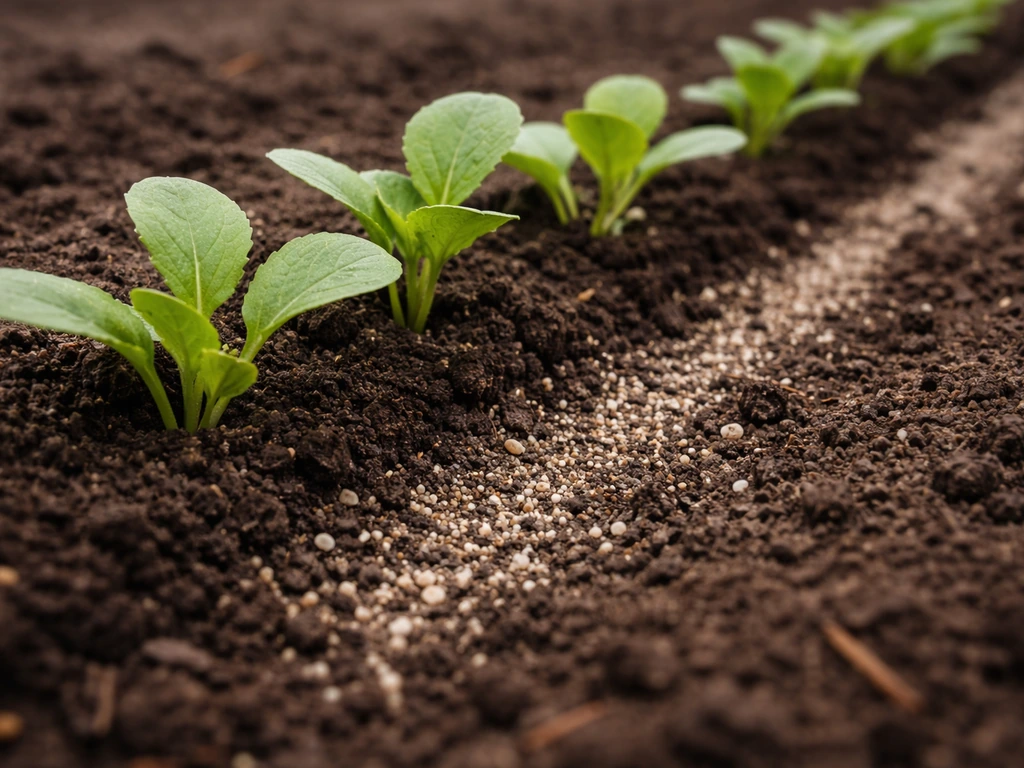
Nitrogen from any source, including ammonia-derived forms, matters most during active vegetative growth: seedling establishment, leaf expansion, and the rapid shoot growth phase before flowering. Once plants shift energy toward fruiting and flowering, phosphorus and potassium become relatively more important, and excess nitrogen can actually work against you by promoting leafy growth at the expense of blooms or fruit.
Soil conditions determine how efficiently ammonia-to-ammonium-to-nitrate conversion happens. Nitrification is fastest in warm, moist, well-aerated soils with a pH between 6.0 and 8.0, with an optimal range around 75 to 85°F. In cold, waterlogged, or very acidic soils, nitrification slows significantly, meaning ammonium builds up rather than converting to nitrate. That buildup is not always bad (some crops like rice actually prefer ammonium), but for most garden vegetables and ornamentals, you want active nitrification producing nitrate.
pH has a second important effect: it controls how much of your soil's ammonium stays as NH4+ versus converting back to NH3 gas and escaping into the air. At soil pH below 7, ammonium ion dominates and volatilization is low. Above pH 7, the balance shifts toward ammonia gas, and you can lose significant nitrogen to the atmosphere before plants ever use it. This is why surface-applied ammonia or urea on alkaline soils without incorporation or irrigation is such a wasteful practice.
Risks and side effects: toxicity, root burn, microbial harm, and environmental concerns
Ammonia is not a gentle nutrient source. Apply too much, apply it wrong, or use the wrong product and you will do real damage.
- Root and seed burn: Free ammonia forms a 'toxic zone' near the application point in soil, especially with surface-applied urea or injected anhydrous ammonia. Seeds or young roots in contact with this zone can be killed. NDSU research confirms that for most nitrogen fertilizers, ammonia toxicity is the leading cause of seed damage when fertilizer is placed too close to the seed.
- Ammonium toxicity: When ammonium builds up faster than plants can use it (especially in cool soils where nitrification is slow), plants can suffer ammonium toxicity. Leafy crops like lettuce are particularly vulnerable, showing distorted growth, brown margins, and stunted roots.
- Microbial disruption: High ammonia concentrations can suppress or kill the very nitrifying bacteria you need to convert ammonium to nitrate. This is counterproductive because those bacteria are essential to the nitrogen cycle in your soil.
- pH shifts: Ammonia-based nitrogen can acidify soil over time because nitrification releases hydrogen ions. Repeated heavy applications without monitoring can push soil pH below the ideal range for most plants.
- Volatilization losses: Surface-applied ammonia or ammonium products can lose 50 to 90% of their nitrogen as ammonia gas if not incorporated or irrigated within hours of application, particularly in warm, alkaline, or dry conditions.
- Runoff and leaching: Nitrate (the end product of nitrification) is negatively charged and does not bind to soil particles. In rain-heavy conditions or with over-irrigation, it leaches easily into groundwater and nearby waterways, contributing to algal blooms and contamination.
The environmental dimension here is real and worth taking seriously. Ammonia volatilization is a net nitrogen loss from the soil system. What escapes into the air is not just wasted money; atmospheric ammonia deposits on sensitive ecosystems and contributes to blank" rel="noopener noreferrer">nitrogen pollution. Nitrate runoff is a well-documented water quality problem. Responsible ammonia-based nitrogen management is not optional.
How to apply ammonia safely (or avoid it entirely): testing, timing, method, and common mistakes
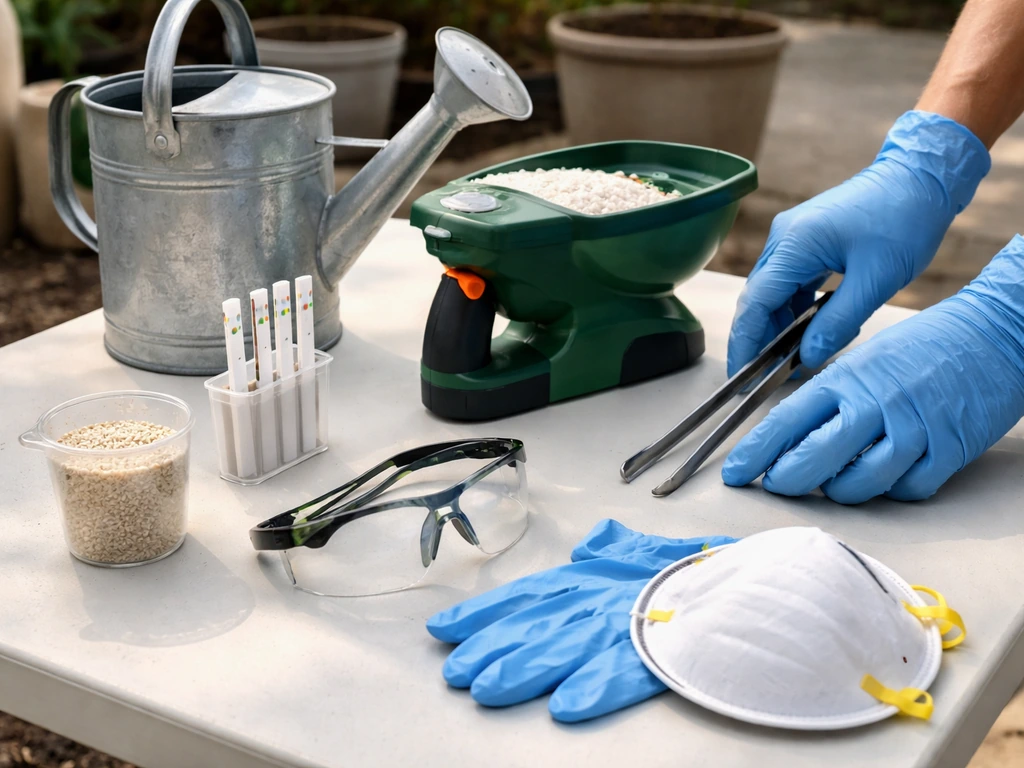
If you are a home gardener, the honest advice is to skip straight to a fertilizer product that delivers ammonium or nitrate directly rather than working with raw ammonia. Granular ammonium sulfate, ammonium nitrate, or balanced NPK fertilizers give you the same nitrogen endpoint with far more predictable behavior and far less risk of volatilization, burn, or toxicity. Anhydrous ammonia (the agricultural ammonia gas injected into fields) requires specialized equipment and is genuinely dangerous to handle without training.
Purdue Extension (S-71) also recommends using appropriate chemical splash goggles and rubber gloves when handling anhydrous ammonia, along with other basic safety precautions [anhydrous ammonia (the agricultural ammonia gas injected into fields) requires specialized equipment and is genuinely dangerous to handle without training](https://www. extension. purdue. edu/extmedia/S/S-71.
html). Household ammonia cleaners belong in your cleaning cabinet, not your garden.
If you are working with ammonia-based or ammonium-releasing fertilizers (including urea, ammonium sulfate, or liquid urea-ammonium nitrate solutions), here is how to do it responsibly:
- Test your soil first. A basic soil test tells you your current nitrogen level, soil pH, and organic matter content. If you are at pH 7.5 or above, ammonia-based fertilizers will lose nitrogen quickly to volatilization unless you incorporate them. If pH is already low (below 6.0), adding more nitrogen without liming first will make acidification worse.
- Choose the right timing. Apply during active plant growth when uptake demand is high. Avoid applying before heavy rain (leaching risk) or in hot, dry, alkaline conditions (volatilization risk). In warm soils above 60°F, nitrification happens quickly and nitrogen becomes available within days to weeks.
- Incorporate or irrigate immediately. Surface-applied ammonium or urea should be incorporated into soil or followed by at least 0.5 inch of irrigation or rainfall within a few hours to prevent ammonia volatilization. Do not leave it sitting on the surface.
- Keep fertilizer away from seeds and young roots. Place granular products several inches from the seed row or plant stem to avoid the toxic zone effect. Side-dressing established plants is much safer than banding near seeds.
- Avoid foliar contact. Ammonia-based products are not foliar fertilizers. Contact with leaves causes burn. Water in granules thoroughly if any dust or particles land on foliage.
- Do not over-apply. More nitrogen does not mean faster growth above a threshold; it means more salt stress, more toxicity risk, more volatilization waste, and more environmental damage. Follow product label rates or your soil test recommendations.
One common mistake worth calling out specifically: some gardening forums suggest diluting household ammonia (the cleaning product) and using it as a quick nitrogen fix. This is risky. Household ammonia concentrations are not standardized for plant use, the surfactants in most formulations can damage soil structure and plant tissue, and the risk of burning roots is high. There are simply better, safer, and more predictable options available.
Signs of success vs signs of overdoing it
Knowing what to look for after applying any nitrogen source, including ammonia-based products, is how you stay in control of your garden's nutrition.
Signs nitrogen is working (deficiency being corrected)
- Leaves that were pale yellow or light green (especially older, lower leaves) deepen to a healthy mid-green over one to two weeks
- New growth is vigorous, upright, and normally colored rather than stunted or pale
- Stem internodes lengthen appropriately and the plant fills out its natural form
- Overall growth rate picks up relative to the sluggish pace of a nitrogen-starved plant
Signs you have overdone it (burn or toxicity)
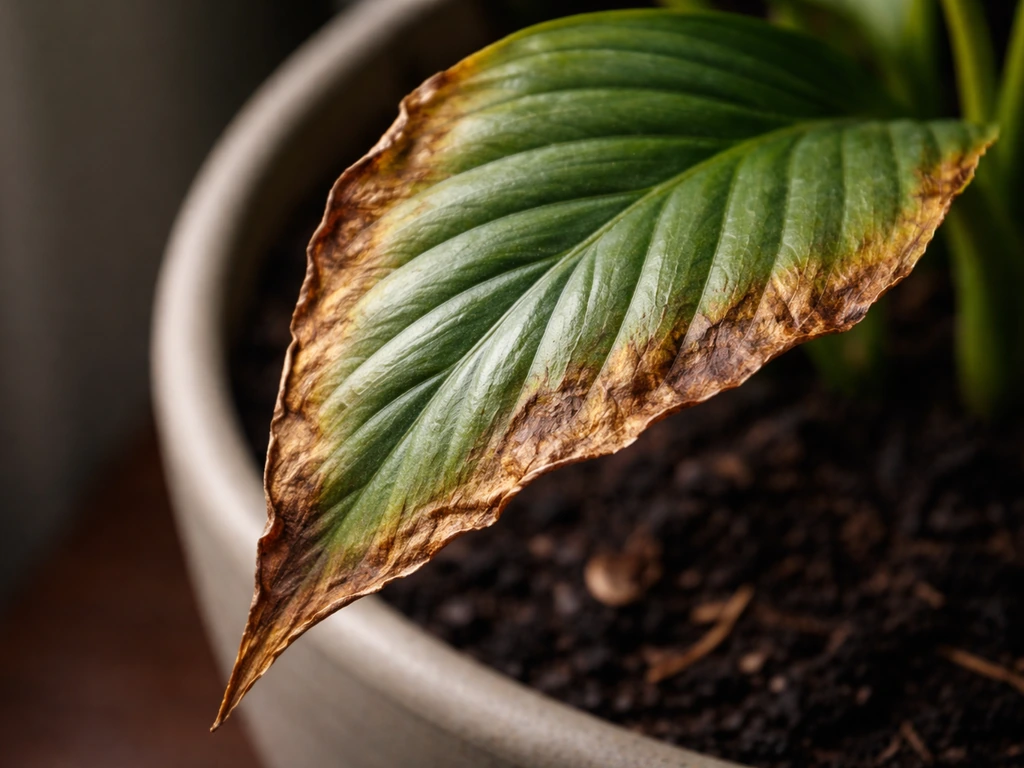
- Leaf margins and tips turn brown or bronze, especially on younger leaves, indicating fertilizer burn from salt concentration
- Leaves appear scorched, crispy, or wilted even when soil moisture is adequate
- Plants show rapid, soft, dark-green leafy growth with weak stems (excess vegetative nitrogen, especially problematic in fruiting plants)
- Roots appear brown, stunted, or damaged when you gently check near the application zone
- In cases of ammonium toxicity, you may see distorted or cupped leaves, particularly on sensitive crops like lettuce and spinach
- The soil smells strongly of ammonia near the application point, which indicates high free ammonia concentrations before conversion
If you see burn signs, flush the soil deeply with water to dilute the nitrogen concentration and move excess salts away from the root zone. Do not add more fertilizer. Give the plant a week or two to recover before reassessing. If the damage is severe, prune affected tissue and focus on consistent watering and good aeration to support root recovery.
Better alternatives and the bigger growth picture
Ammonia-derived nitrogen is genuinely useful, but it is one piece of a much bigger puzzle. Plenty of gardeners reach for a nitrogen fix when the real limiting factor is something else entirely: compacted soil blocking root expansion, pH locking out nutrients that are already present, inadequate light preventing the photosynthesis that drives nutrient demand, or inconsistent watering that disrupts uptake. No amount of nitrogen will compensate for those fundamental problems.
If you are looking for safer, more soil-friendly ways to deliver nitrogen, worm castings and compost release nitrogen slowly as organic matter breaks down, feeding the same microbial processes that convert ammonium to nitrate naturally. Sulfur-containing fertilizers like ammonium sulfate provide nitrogen while also gently acidifying soil that runs too alkaline, which is useful in high-pH gardens.
Sulfur can also support plant growth indirectly by helping soil chemistry and nutrient availability, which is why sulfur-containing fertilizers are often beneficial for healthy plants Sulfur-containing fertilizers like ammonium sulfate. Urea is the most nitrogen-dense and cost-effective synthetic option for most gardeners, passing through the same ammonia and ammonium phases described above before plant uptake. Products like urea-ammonium nitrate (UAN) solutions deliver a mix of immediate nitrate and slower-converting urea in a single application.
Nitrogen also does not act alone. Phosphorus supports root development and flowering. Potassium improves stress tolerance, water regulation, and fruit quality. Humus and organic matter improve the soil structure that allows roots to explore and absorb anything you apply. Fertile, biologically active soil does a lot of the nutrient work for you by cycling nitrogen through organic matter continuously. Healthy soil biology, good aeration from proper soil structure (or even from well-timed tillage), and consistent moisture create the conditions where both applied nitrogen and naturally cycling nitrogen become available at the right times. Plowing can help by improving soil structure and aeration, which supports the microbial conversion of ammonia-derived nitrogen into plant-usable forms.
The practical takeaway: test your soil before reaching for any nitrogen product. If you genuinely need nitrogen, choose a stabilized ammonium or nitrate-based fertilizer appropriate to your soil pH and crop type, apply it at the recommended rate, incorporate it or irrigate immediately, and keep it away from seeds and roots.
NDSU Agriculture recommends applying ammonia with spacing from the seed row, such as at least 3 inches when ammonia is applied at planting, to reduce nitrogen loss and the risk of seed or root damage keep it away from seeds and roots. Monitor your plants' response over two weeks rather than reapplying prematurely.
And remember that the fastest route to better plant growth is usually fixing the fundamentals first: light, water, soil pH, and organic matter. Ammonia-derived nitrogen is a real and useful tool, but only when the soil is ready to convert it and the plant is in a position to use it. Auxin helps plants grow by guiding cell growth and root development toward light, nutrients, and water Ammonia-derived nitrogen.
FAQ
Does ammonia “instantly feed” plants like a liquid fertilizer?
No, plants generally cannot use ammonia gas (NH3) as a nutrient. It must first react in soil water to form ammonium (NH4+), then soil microbes convert some of that into nitrate (NO3-) that roots take up. If ammonia is applied in ways that favor volatilization (for example, surface application on high-pH soil), plants will never get much usable nitrogen.
Can I dilute household ammonia to use it as a quick nitrogen fix?
Avoid using household ammonia as a garden fertilizer. Its concentration is inconsistent, and many products include surfactants and other additives that can damage roots or soil structure. Even if you dose it “correctly,” the risk of burn and nitrogen loss is much higher than with purpose-formulated fertilizers.
When is ammonia-derived nitrogen most helpful, and when can it hurt?
Application timing depends on plant stage and soil conditions. Nitrogen is most beneficial during active vegetative growth (seedlings, leaf expansion, rapid shoot growth). Before flowering and fruit set, excess nitrogen can shift growth toward leaves instead of blooms, often reducing yield.
What happens if my soil is cold or waterlogged after applying ammonia-derived fertilizer?
If you apply ammonia-based fertilizer and the soil stays cold, waterlogged, or poorly aerated, conversion of ammonium to nitrate slows. That can leave nitrogen lingering as ammonium, which may suit some crops but often reduces effectiveness for typical vegetables and ornamentals. Improving drainage and aeration helps the soil biology do the conversion.
How does soil pH affect whether ammonia nitrogen stays in the soil or escapes?
Yes. High soil pH increases the risk that ammonium shifts toward ammonia gas and escapes to the air. Surface application on alkaline soil without immediate irrigation or incorporation is especially wasteful, because more nitrogen can be lost before roots can absorb it.
How can I reduce nitrogen loss after applying ammonium or ammonia-releasing products?
Some fertilizers are designed to reduce volatilization, for example those that keep nitrogen in ammonium-friendly forms or include stabilization. For ammonia-derived sources, the safest approach is usually to irrigate or incorporate soon after application (within the same day when feasible) to move nitrogen into the soil where conversion and uptake are more reliable.
How do I recognize nitrogen burn from ammonia-based fertilizer, and what should I do?
Signs of nitrogen burn can include scorched or darkened leaf tips, browning at the root zone, and general wilting that appears shortly after application. If you suspect overapplication, the practical response is to flush the soil to dilute salts and avoid adding more fertilizer. Recheck after about 1 to 2 weeks before making further changes.
Should I be worried if my soil doesn’t convert ammonium to nitrate right away?
If nitrification is slow (for example, due to low temperature or poor aeration), ammonium can accumulate. That is not automatically “bad,” but for many garden crops it can delay uptake timing. The decision aid is to base your product and application approach on your soil test results, then monitor plant response rather than reapplying quickly.
Is anhydrous ammonia or ammonia injection something I should consider in a home garden?
Raw ammonia injection is not a home-garden option. It requires specialized equipment and safety training. For most gardeners, the better strategy is to use fertilizers that already deliver ammonium or nitrate in predictable forms, such as ammonium sulfate, ammonium nitrate, or balanced NPK products.
How do I know whether I actually need ammonia-derived nitrogen, or if something else is limiting growth?
If nitrogen is not the limiting factor, adding more will not fix the problem. Common blockers are insufficient light, compacted soil limiting root growth, pH issues locking out nutrients, and inconsistent watering disrupting uptake. A soil test plus an observation of plant symptoms (leaf color, growth rate, and timing) helps you confirm whether nitrogen is truly the missing piece.
Next Articles
How Do Microorganisms Help Plants Grow: Practical Guide
Learn how microbes in the rhizosphere fix nitrogen, boost phosphorus, aid roots, suppress disease, and how to grow them.
How Does Yeast Help Plants Grow? Safe, Practical Guide
Learn how yeast boosts plant growth via soil microbes, safe dilution and timing, plus myths, limits, and troubleshooting
Do Mushrooms Help Plants Grow? Science and How to Use
Science-backed answer on whether mushrooms help plants grow, plus how to use mycorrhiza, compost, and test results.