Pennies do not help plants grow in any meaningful, reliable way. The copper content in a modern U.S. penny is tiny (just 2.5% copper coating over a zinc core), it releases into soil incredibly slowly, and a controlled experiment testing buried copper wire directly found zero improvement in plant yield compared to a control group. There are edge cases where copper matters to plants, but dropping coins in a pot is not how you get there. Here is what is actually going on, what the risks are, and what you should do instead.
Do Pennies Help Plants Grow? What Copper Coins Can and Can’t Do

Marcus Holloway
4 May 2026

Quick verdict: do pennies actually help plants grow
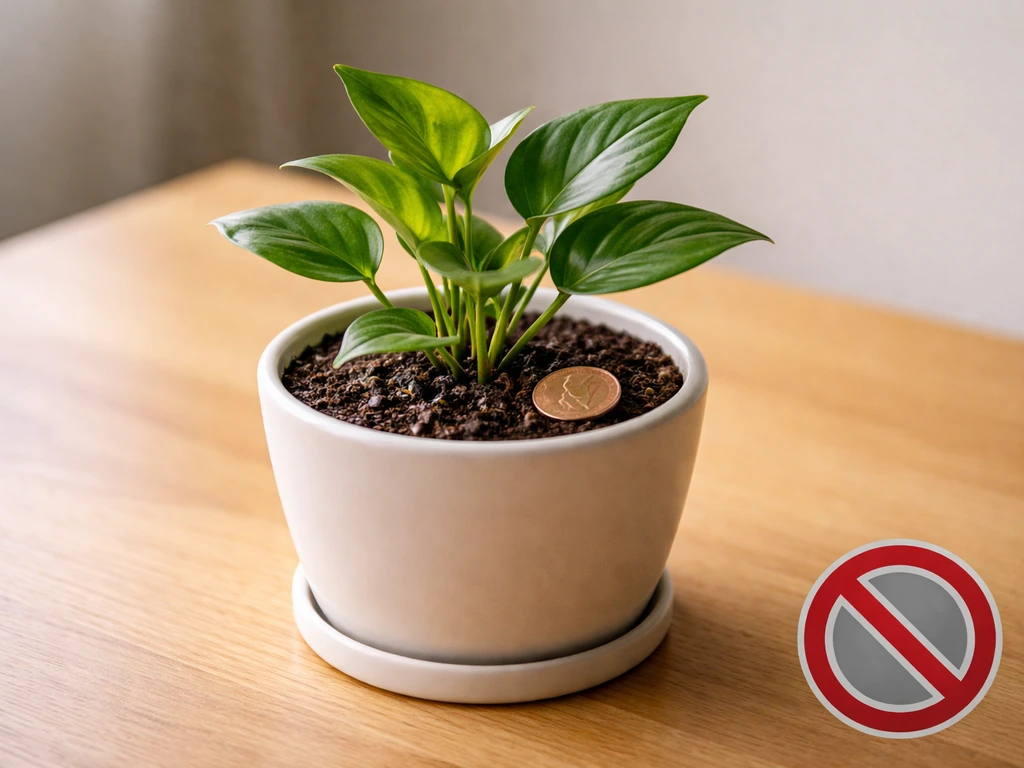
No, with rare and highly specific exceptions. Copper is a genuine essential micronutrient for plants, so the logic behind the idea is not completely invented. But the pathway from a buried penny to a thriving plant has too many gaps to cross. The amount of copper that actually leaches out of a coin is negligible. Your soil chemistry controls whether any of that copper ever reaches plant roots in a usable form. And if you somehow overdid it, copper toxicity is one of the harder soil problems to fix because copper binds tightly to soil particles and persists. For the vast majority of gardeners, burying pennies does nothing except put metal in your soil where it does not belong.
What's in a penny and what copper does for plants
If you have a U. S. penny minted after 1982, you are holding a zinc coin with a copper skin. The U.
S. Mint lists the composition as 97. 5% zinc and 2. 5% copper.
Pre-1982 pennies were 95% copper, which is a meaningful difference, but neither type is a useful copper delivery system for your garden. The copper layer on a modern penny is a thin electroplated shell. It corrodes slowly, and corrosion rates in soil depend heavily on moisture, pH, and chloride levels. Measured corrosion rates for buried copper in comparable conditions run on the order of 0.
002 to 0. 003 mm per year, which tells you that a coin sitting in your pot is releasing copper in amounts far too small to move the needle on soil chemistry.
That said, copper does real work inside a plant. It acts as a cofactor for key proteins, plays a role in photosynthesis and respiration, and is involved in cell wall formation and enzyme systems. Plants have sophisticated copper homeostasis systems, with specialized transporters in roots that regulate uptake, vacuolar storage mechanisms, and xylem loading to move copper where it is needed. Unpolluted soils already contain roughly 2 to 40 mg of copper per kilogram of soil, which is usually enough. Genuine copper deficiency is uncommon and tends to show up on sandy, low-organic-matter soils or heavily leached agricultural land, not in typical backyard or container gardens.
Why the penny claim is usually a myth (and when it could be relevant)
The claim circulates in a few different forms. Some people put pennies in vases to keep cut flowers fresh (copper has some antimicrobial properties, and this is at least chemically plausible for that narrow use). Others bury coins in pots or garden beds believing the copper feeds the plant or stimulates root growth. There is also an 'electroculture' variation where copper is framed as creating some kind of beneficial electrical or energetic effect in soil. A peer-reviewed study published in PLOS ONE tested passive electroculture directly, using both exposed and buried copper rods in container vegetable gardens. Neither treatment improved plant growth or yield compared to the control. That is not folklore, that is a controlled experiment.
For the penny claim to work biologically, several things would have to be true at once: enough copper would have to corrode off the coin, it would have to dissolve into soil solution in a form plants can actually absorb, the existing soil copper would have to already be deficient, and the plant's own uptake regulators would have to accept additional copper rather than downregulate absorption. Copper bioavailability in soil is strongly controlled by pH, dissolved organic carbon, and soil texture. Soil pH alone can dramatically shift how much free copper ion is available to roots. In most garden soils, that cascade of conditions just does not line up in a way that makes a buried penny meaningful.
The one scenario where it could theoretically be relevant is a severely copper-deficient, sandy, acidic soil where every other nutrient and growing condition is already well managed. Even then, a penny is a wildly imprecise way to address it compared to a targeted soil amendment.
Risks and downsides of burying pennies in soil
Modern pennies are mostly zinc, and zinc is actually more mobile in soil than copper. Excessive zinc is toxic to plants and soil organisms. Copper toxicity is also a genuine concern, not just a theoretical one. University of Minnesota Extension research notes that copper toxicity is persistent and difficult to correct because copper binds tightly to soil particles and does not flush out easily. At toxic concentrations, copper inhibits seed germination and stunts root development. Copper is also more toxic to earthworms than zinc, and earthworms are critical to soil health. Acidic soils make copper more bioavailable, meaning a low-pH soil increases the chance that whatever copper does leach out causes harm rather than benefit.
- Zinc from the coin core can leach into soil and reach phytotoxic levels over time
- Copper buildup is hard to reverse once it accumulates above healthy thresholds
- Earthworms and beneficial soil organisms are sensitive to elevated copper levels
- Uneven metal release creates hot spots of exposure rather than consistent micronutrient delivery
- Corroding coins alter soil pH locally, which can affect nutrient availability beyond just copper
What plants really need instead: soil, light, water, nutrients
Almost every time a gardener is reaching for a folk remedy like coins in a pot, the underlying problem is something much more straightforward. The factors that actually drive plant growth are light, water consistency, soil structure, macronutrients, and pH. Get those right and your plants will outperform any coin-enriched setup without question.
Light is non-negotiable. Most fruiting vegetables and flowering plants need 6 to 8 hours of direct sun or equivalent artificial light intensity. Soil structure determines whether roots can expand, drain, and access oxygen. Compacted or waterlogged soil is one of the most common reasons plants fail to thrive, and no amount of copper corrects that. Watering consistency matters too: both overwatering and underwatering can prevent plants from accessing nutrients that are already present in the soil, because nutrient uptake is tied to water movement through the plant. Macronutrients (nitrogen, phosphorus, potassium) run out in container soils within a growing season and need to be replenished. Micronutrients including copper are rarely the limiting factor unless you have a diagnosed deficiency.
Practical next steps today: diagnosing the problem and improving growth
If your plant is struggling right now, here is how to approach it without wasting time on remedies that do not work. Start by eliminating the obvious physical causes before worrying about micronutrients at all. Visual symptoms are helpful but can be misleading because water stress, pest damage, and multiple nutrient deficiencies can look similar. University of Arizona Extension specifically warns that multiple stresses occurring at the same time make symptom-based diagnosis unreliable. University of Arizona Cooperative Extension advises that confirming nutrient stress often requires plant or soil testing beyond symptoms alone, since symptoms can be misleading without confirmation symptom-based diagnosis unreliable.
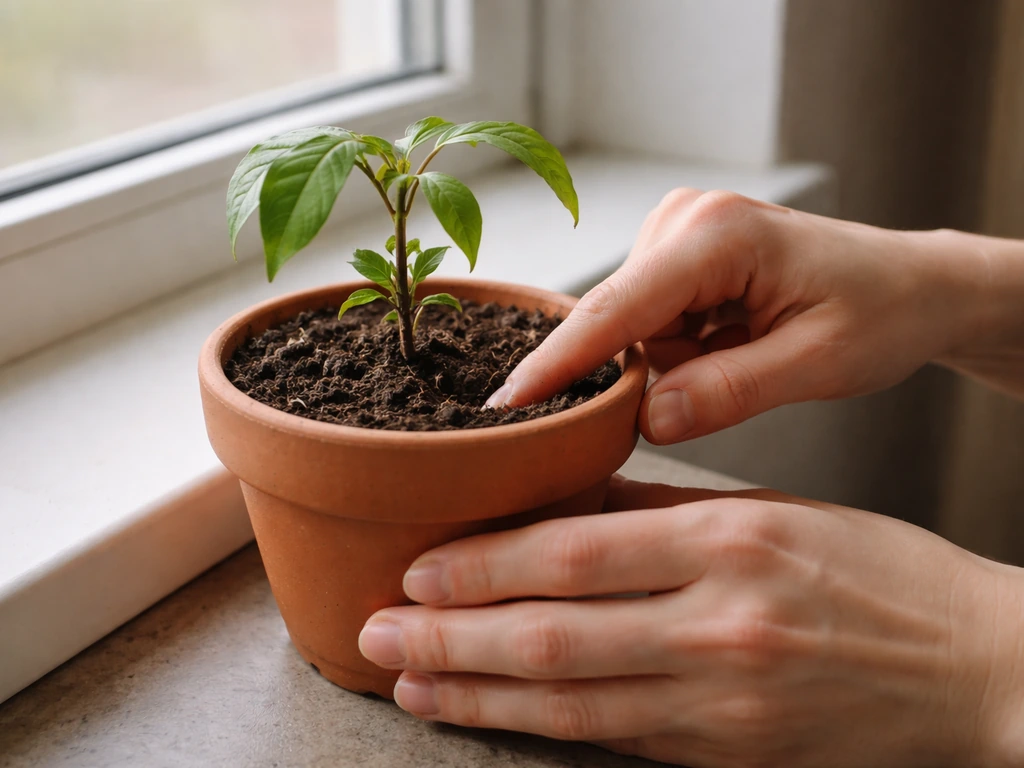
- Check your watering: stick a finger 2 inches into the soil. If it is dry at that depth for a moisture-loving plant, water deeply. If it is still wet from the last watering, hold off and check drainage.
- Assess light honestly: count actual hours of direct sun hitting the plant, not just time near a window. Supplement with a grow light if you are under 4 to 6 hours.
- Look at the soil: if it is hard, compacted, or draining poorly, that is your primary problem. For container plants, repot into fresh potting mix with adequate drainage holes.
- Feed with a balanced fertilizer: for actively growing plants showing pale or stunted growth, a complete fertilizer covering nitrogen, phosphorus, and potassium addresses the most likely deficiencies.
- Check pH if you can: a simple home pH test kit costs a few dollars. Most vegetables and flowers grow best between pH 6.0 and 7.0. pH outside that range locks out nutrients regardless of what is in your soil.
Safer fixes: soil testing and micronutrient correction options
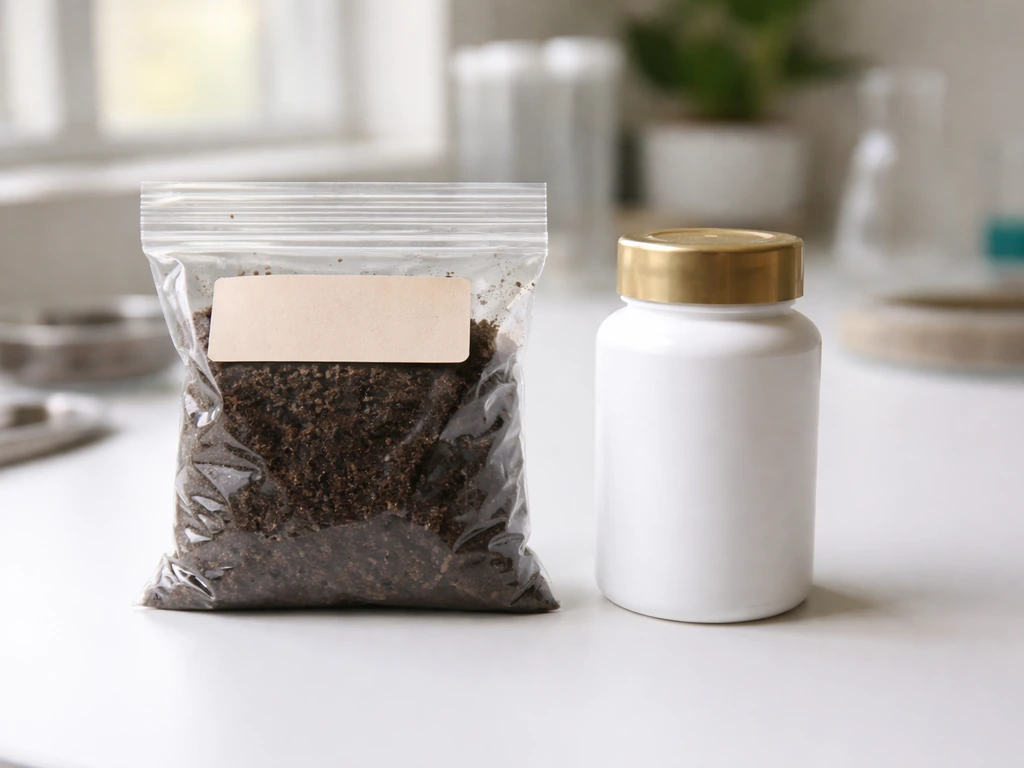
If you have ruled out the basics and still think a micronutrient deficiency might be the issue, a proper soil test is the only way to know for sure. Do not guess with amendments, including copper. University of Missouri Extension recommends collecting soil samples from the top 0 to 6 inches for standard fertility testing. Send samples to your state extension lab or a private soil testing service. Results will show actual copper levels alongside macronutrients and pH, giving you a real picture instead of a guess.
If a test confirms low copper, the correct fix is copper sulfate, not coins. University of Maryland Extension guidance for vegetable gardens lists copper sulfate as the appropriate copper correction product, applied at roughly 0.1 to 0.2 pounds per 1,000 square feet depending on deficiency severity. That is a precise, water-soluble form of copper that delivers a known quantity to the soil rather than slow-releasing an unknown amount from a corroding coin over years. Rutgers NJAES also has extension resources specifically on evaluating copper micronutrient needs in soils if you want to go deeper on interpreting test results.
| Approach | Does it work? | Risk level | Cost | Recommended? |
|---|---|---|---|---|
| Burying pennies in soil | No evidence of benefit | Low to moderate (zinc/copper buildup over time) | Free | No |
| Burying copper wire or rods | No (controlled study found zero improvement) | Moderate | Low | No |
| Soil testing | Yes, identifies the actual problem | None | Low ($15–30 typically) | Yes, always start here |
| Copper sulfate amendment | Yes, if deficiency confirmed | Low if dosed correctly | Low | Yes, only after soil test |
| Balanced complete fertilizer | Yes, for most common deficiencies | Low if label followed | Low to moderate | Yes, good first step |
One pattern worth recognizing: the penny question belongs to a broader family of 'does X household item help plants grow' questions. Things like foil, cardboard, and algae each have their own specific mechanisms and evidence levels worth looking into separately if you are troubleshooting. For aluminum foil specifically, the evidence is similarly mixed and it is not a dependable way to boost plant growth Things like foil, cardboard, and algae. Does foil help plants grow?
If you are curious, it depends on the specific situation, but it is usually not the reliable fix people assume. Algae can sometimes help plants indirectly by improving nutrient availability in the soil or water, but it is not a guaranteed growth booster. Cardboard can sometimes affect moisture retention or soil conditions, but there is no strong reason to expect it to directly help plants grow in the way people often claim.
But for pennies specifically, the answer is clear enough that you can skip the experiment and put your energy into the things that reliably move the needle: good soil, consistent water, appropriate light, and nutrients delivered in forms plants can actually use. Algae-based fertilizers can sometimes add nutrients to soil or irrigation water, but they are not a substitute for the basics that actually control plant growth does algae help plants grow.
FAQ
I already buried some pennies, should I worry about harming my plants?
In most cases, no. If you already have pennies in the soil, remove them only if they are easy to pull out, but focus your effort on fixing the real limiting factors (light, water, drainage, and fertility). Occasional tiny amounts of copper are unlikely to cause sudden harm, the risk is more about long-term accumulation or very acidic, sandy conditions.
What should I do instead if my soil test shows copper is low?
Don’t use pennies as a substitute for soil testing. If a test shows low copper, use a measured copper product (commonly copper sulfate) at the tested-rate for your soil and crop, and re-test later because copper binds to soil and can build up over time.
Can I diagnose copper deficiency by looking at my plants and then just add pennies?
Even if copper deficiency symptoms seem possible, visual diagnosis is unreliable when other stresses exist (overwatering, root damage, pests, or multiple nutrient gaps). Treat symptoms as a clue, then confirm with a proper soil test before adding copper.
Do pre-1982 pennies work better than modern pennies for plant growth?
No, especially with modern U.S. pennies. They are mostly zinc with a thin copper coating, and zinc is more mobile in soil. Excess zinc can be toxic, so any “copper help” from a coin is not reliably achievable and can introduce another risk.
Do copper pennies in a vase help keep cut flowers fresh?
If your goal is cut-flower longevity, a copper-containing item in a vase is a different scenario than feeding a potted plant. Still, it’s not a guarantee because water chemistry and sanitation matter more than trace metal release.
How can I make copper more available to roots if I actually need it?
If you want to adjust copper availability, start with soil pH and organic matter management rather than metal additions. Copper bioavailability is strongly affected by pH and dissolved organic carbon, so targeted soil amendments can reduce the chances of creating harmful “free copper” rather than relying on coin corrosion.
Is burying pennies more risky in containers than in garden beds?
Yes, containers can increase risk. Limited soil volume means nutrients and contaminants concentrate more quickly, and drainage conditions are often less buffering than in-ground beds. If you are experimenting in a pot, don’t add metals, and instead correct through tested fertilizer and pH adjustments.
Will adding a little extra copper from coins help if my plants are growing slowly?
No. Copper acts as a micronutrient only in narrow ranges, and excess copper can inhibit germination and stunt roots. If you suspect nutrient imbalance, address the broader essentials first (pH, drainage, nitrogen, phosphorus, potassium), then treat copper only if confirmed low.
What is the quickest, most reliable troubleshooting checklist for struggling plants?
Think in “what variable is most likely limiting” order. Start with adequate sun, consistent watering, and aerated soil structure. Then check macronutrients and pH. Only after that consider micronutrients, and confirm with a soil test, because copper is rarely the limiting factor in typical gardens.
Next Articles
How Do Microorganisms Help Plants Grow: Practical Guide
Learn how microbes in the rhizosphere fix nitrogen, boost phosphorus, aid roots, suppress disease, and how to grow them.
How Does Yeast Help Plants Grow? Safe, Practical Guide
Learn how yeast boosts plant growth via soil microbes, safe dilution and timing, plus myths, limits, and troubleshooting
Do Mushrooms Help Plants Grow? Science and How to Use
Science-backed answer on whether mushrooms help plants grow, plus how to use mycorrhiza, compost, and test results.