Aluminum foil can help plants grow in specific, limited situations, but it is not a reliable all-purpose growth booster. Used as a reflective surface mulch around small vegetable transplants, it can bounce extra light onto lower leaves, repel aphids and whiteflies during early growth, and help regulate soil temperature. In cooler climates it can warm the root zone by a few degrees; in hot climates it does the opposite and keeps soil cooler. Outside of those specific scenarios, wrapping foil around pots, stems, or cages delivers very little real benefit and can actually cause problems if airflow or moisture gets trapped.
Does Aluminum Foil Help Plants Grow? What Works and What Doesn’t
Marcus Holloway
24 May 2026
How gardeners actually use foil around plants
There are a handful of ways people put foil to work in the garden, and they are not all doing the same thing. Knowing which method you are using matters a lot, because each one targets a different variable.
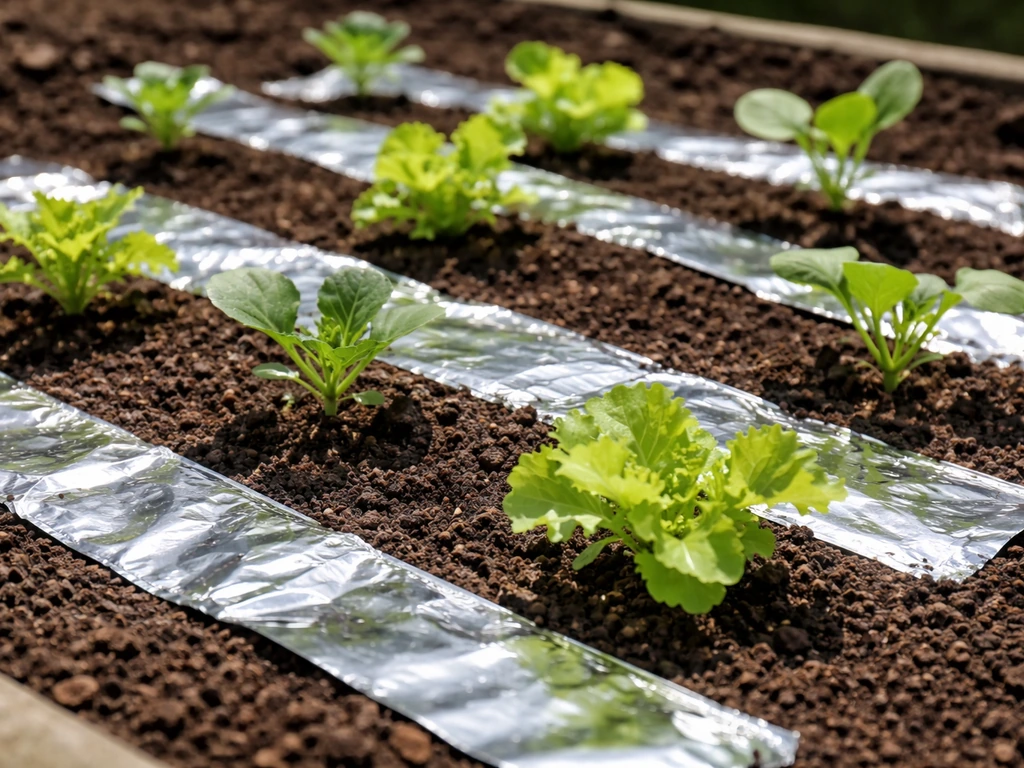
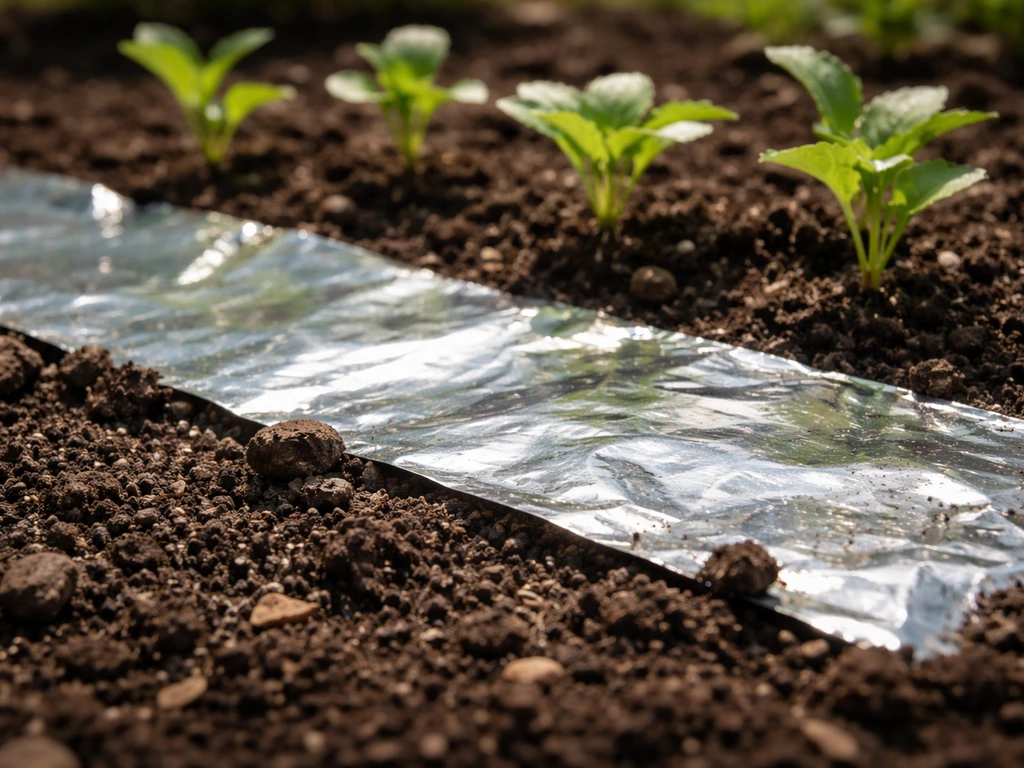
- Flat reflective mulch laid on the soil surface: This is the most research-backed application. You lay sheets of heavy-duty aluminum foil flat on the ground around your plants, bury or weight the edges, and cut small planting holes. It reflects light upward, modifies soil temperature, and suppresses some pest pressure.
- Lining the inside of pots or raised beds: Some gardeners press foil against the interior walls of containers hoping to reflect light inward or retain warmth. The effect on plant growth is minimal because roots do not need light and the reflective area is too small to meaningfully redirect usable PAR (photosynthetically active radiation) to leaves.
- Wrapping stems or cages: Wrapping foil around tomato cages or individual stems is sometimes done to deter pests or reflect light. Extension guidance suggests foil near the base of plants is unlikely to injure stems, but the practical light-reflection benefit is marginal compared to a flat ground cover.
- DIY 'heat trap' hacks: Some growers wrap pots entirely in foil thinking it traps warmth like an insulator. Foil is actually a poor insulator; it reflects radiant heat rather than retaining conducted heat, so this mostly just changes the aesthetic of the pot.
- Reflective foil-covered cardboard as a budget mulch: UC IPM extension guidance specifically mentions covering cardboard pieces with aluminum foil as a legitimate DIY reflective mulch alternative. This is a reasonable low-cost option that gives you most of the benefits of purpose-made reflective plastic film.
Light reflection and what it actually does for your plants
The main claim behind foil in the garden is that it bounces more light onto your plants. That part is real. Aluminum foil reflects photosynthetically active radiation (the 400 to 700 nm wavelength range that drives photosynthesis) back upward from the soil surface. When plants are young and small, the lower leaves and inner canopy are often light-starved because the upper leaves intercept most of the incoming sun. A reflective ground cover can push some of that light back into the understory.
Research measuring PAR reflection from aluminum foil in field conditions confirms this is a real, measurable effect. The catch is that the reflection is not fixed. As foil gets contaminated with soil, dust, or water, its reflectance performance changes, sometimes improving UV-B reflection but shifting in PAR output. More practically, once your plant canopy covers more than about 60% of the soil surface, the foil underneath is doing almost nothing for light or pest control because it is simply shaded out. University of California IPM materials make this point directly: reflective mulches are most effective during early growth when plants are small.
So the honest answer on light reflection is: yes, it works, but only during a narrow window of early plant development and only when the foil is actually exposed to direct sunlight. It is not a substitute for a grow light, a sunnier window, or moving a shade-stressed plant to a better spot.
What foil does to root-zone temperature (and why this cuts both ways)
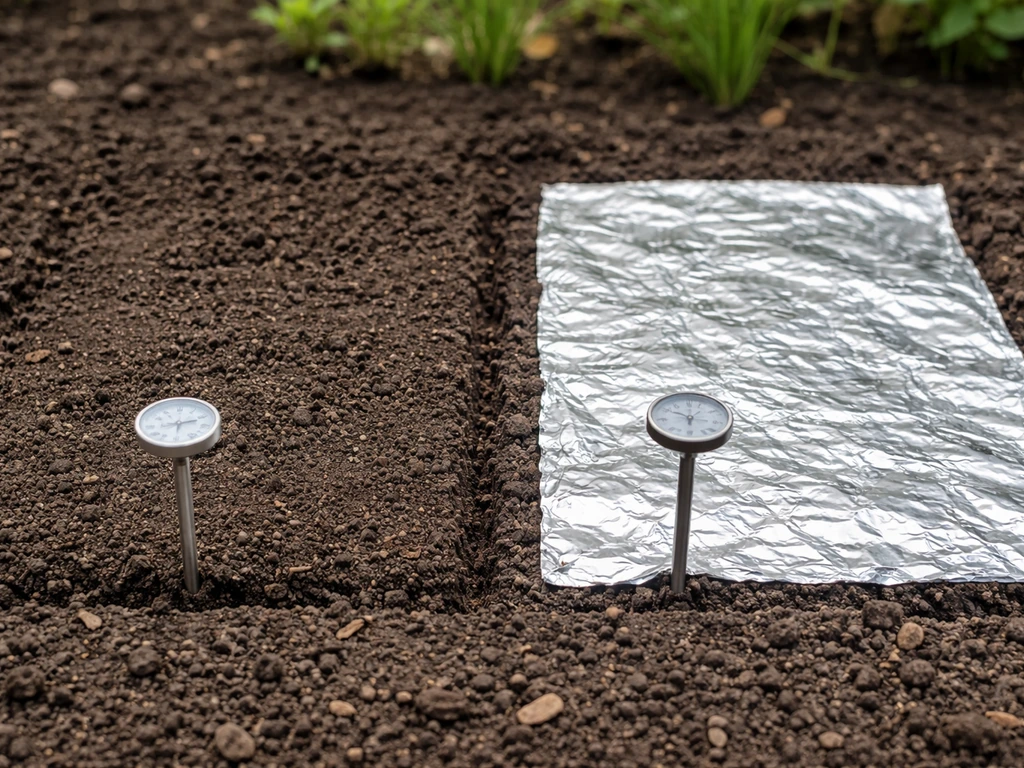
Soil temperature is one of the most underrated factors in plant growth. Root systems have temperature sweet spots depending on the species, and pushing outside those zones slows nutrient uptake and can stress or kill roots. This is where foil as a mulch gets interesting and complicated at the same time.
In cooler conditions, aluminum foil can keep soil 3 to 6 degrees Celsius (5 to 10 degrees Fahrenheit) warmer than bare soil, according to postharvest horticulture research from UC. In some comparison contexts the difference can reach 6 to 8 degrees Celsius. That warming effect is actually why some studies show improved plant growth with foil mulch: warmer soil in spring speeds root activity and nutrient uptake. A 1999 HORTSCIENCE study reported aluminum mulch increased plant height in its study context, likely partly because of this root-zone warming.
But in hot-summer conditions, that same reflective property cools the soil instead of warming it. Oklahoma State University extension explicitly recommends reflective or white aluminum mulch specifically where soil cooling is the goal, such as establishing fall crops during summer heat. HORTSCIENCE research on metalized plastic mulch in strawberry production reported root-zone temperature reductions of up to 3.1 degrees Celsius versus black mulch during autumn, reducing the hours plants spent above the heat-stress threshold of 30 degrees Celsius by 119 hours over just two months.
The flip side: in winter or in unheated greenhouses, highly reflective mulches are actively discouraged because they prevent the soil from absorbing the daytime heat that would otherwise buffer overnight lows. If you use foil mulch in cold conditions expecting warmth, you may actually be working against yourself.
The pepper study from Phytoparasitica is worth mentioning here because it illustrates the risk plainly. In one growing season, aluminum-mulched pepper plants showed retarded growth compared to other treatments, with lower soil temperature identified as the likely cause. Foil is a tool, not a blanket solution, and the temperature effect it produces depends entirely on your existing climate.
Plant safety, moisture, and the real downsides of using foil
Extension guidance suggests that aluminum foil near plant stems is unlikely to cause direct injury, which is reassuring. But that does not mean foil is risk-free in all applications.
- Heat stress on leaves: If foil is positioned at an angle that concentrates reflected light directly onto low-growing leaves rather than spreading it diffusely, localized heat can build up and cause leaf scorch. This is more likely with vertical foil placements (like cage wraps) than with flat ground mulch.
- Moisture and airflow trapping: Foil is not breathable. If you lay foil tightly against soil or wrap it around containers without gaps, you can trap humidity against the root zone or soil surface. In humid climates or overwatered setups, this creates conditions where fungal problems thrive.
- Runoff and waterlogging: Unlike organic mulches, foil does not absorb water. Rain or irrigation water runs off the surface and can pool at the edges or planting holes if the slope or drainage is not set up correctly.
- Pest and disease habitat: Foil that lies flat and unburied at the edges can create lifted pockets where slugs, fungus gnats, and other pests shelter, especially in moist conditions.
- It does not feed your soil: This sounds obvious but it matters. Organic mulches like compost or wood chips break down and improve soil structure and fertility over time. Foil gives you none of that. If your growth problem is rooted in poor soil or nutrient deficiency, foil will not address it at all.
When foil is actually worth trying (and exactly how to set it up)
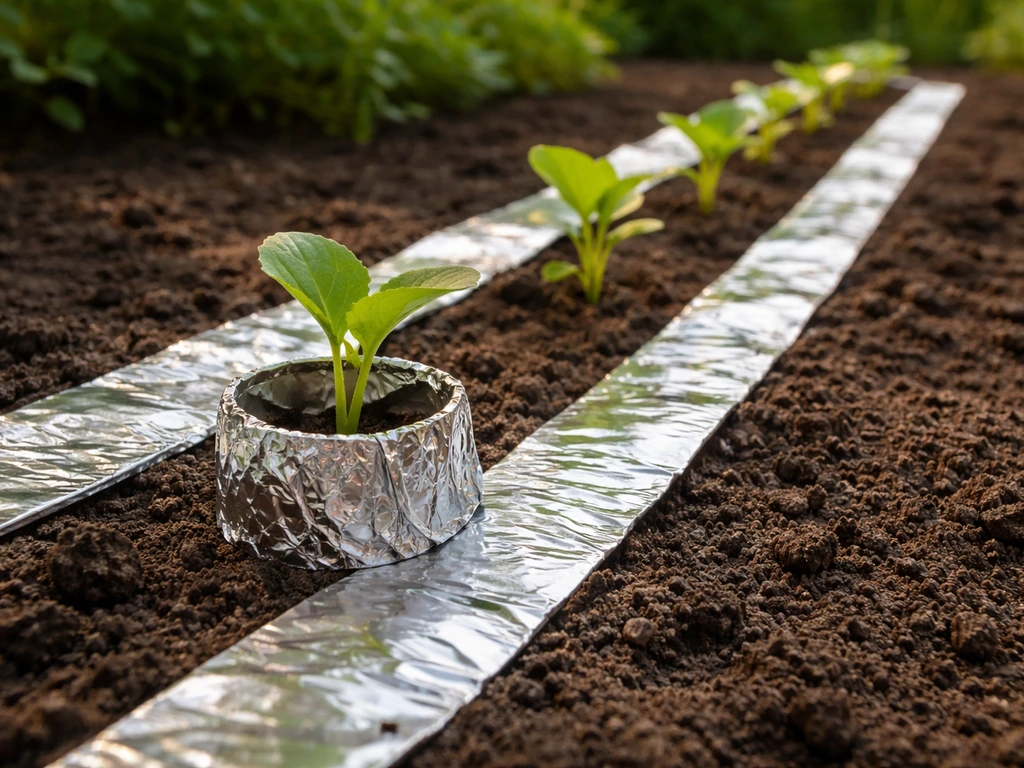
There is a real use case for aluminum foil in the garden. It is just narrower than most gardening folklore suggests. Here is when it genuinely makes sense to try it and how to do it correctly.
The ideal scenario: you are growing small vegetable transplants (peppers, tomatoes, cucumbers, squash) in a sunny spot during the warm growing season, aphids or whiteflies are a recurring problem in your garden, and you want to push a bit more light into the lower canopy during early establishment. That is the sweet spot.
- Lay heavy-duty aluminum foil flat on the soil surface around your transplants before or at the time of planting. Cover the planting area as completely as you can.
- Bury or weight the edges with soil, stones, or staples so wind does not lift it. Loose foil is useless and creates the pest-shelter problem mentioned above.
- Cut planting holes 3 to 4 inches in diameter (UC IPM's recommended size) for each transplant or seed station. Do not make them larger than necessary or you lose reflective surface area.
- Make sure the foil is as clean and flat as possible when you lay it. Crumpled, wrinkled foil reflects light at chaotic angles and performs worse than a smooth surface.
- Monitor soil moisture closely. Since foil blocks evaporation feedback (you cannot see or feel the soil drying out), you may need to water on a schedule rather than by touch. Check through the planting holes.
- Watch for leaf scorch on the lowest leaves, especially on hot sunny days in the first week. If you see bleached or papery patches on low leaves, the reflected light intensity is too high for your conditions.
- Remove the foil once the plant canopy covers more than half the soil surface. At that point the foil is contributing almost nothing for light or pest control, and you are just keeping a warm, potentially moist barrier in place for no benefit.
If you are trying this in late summer to cool soil for fall crop establishment, the same setup applies but you are now leaning on the cooling effect rather than the warmth. Either way, the flat-mulch method is the only application with real research behind it.
Better alternatives, and how to troubleshoot if your plants still are not growing
If you tried foil and growth is still stalling, or if you want to skip the foil entirely and go straight to what works more reliably, here is what actually moves the needle. If you are wondering does algae help plants grow, think of it as a different, more biology-driven option than reflective foil mulch.
Better alternatives to aluminum foil
| Alternative | What it does better than foil | Best for |
|---|---|---|
| Metalized reflective plastic mulch film | More durable, consistent reflectance, commercially calibrated | Vegetable rows, strawberries, peppers |
| White or silver woven ground cover fabric | Breathable, better moisture management, reusable for multiple seasons | Raised beds, perennial beds, anywhere drainage matters |
| Organic mulch (compost, straw, wood chips) | Feeds soil, retains moisture, suppresses weeds, regulates temperature gently | Any bed where soil fertility or water retention is the real problem |
| Full-spectrum grow lights | Provides precise, consistent PAR regardless of weather or season | Indoor plants, seedlings, grow tents, low-light rooms |
| Shade cloth | Reduces heat stress without creating reflective hotspots | Hot climates, summer crops prone to bolting or leaf scorch |
| Balanced fertilizer or compost tea | Directly addresses nutrient deficiency, which foil cannot touch | Any plant showing yellowing, slow growth, or poor fruiting |
Troubleshooting: finding the real limiting factor
If your plants are not growing well, foil is almost certainly not the missing ingredient. Before trying any reflective hack, diagnose which of these core factors is the actual bottleneck.
- Light: Is the plant getting at least 6 hours of direct sun (for fruiting vegetables) or appropriate light for its species? No amount of reflected light fixes a fundamentally low-light situation. If you are growing indoors, add a grow light rather than wrapping pots in foil.
- Watering: Overwatering is the most common killer of container plants and a frequent cause of slow growth in beds. Check whether soil dries out between waterings. Foil mulch can mask drying, making overwatering more likely.
- Soil and nutrients: A simple soil test (available at most garden centers or through cooperative extension services) will tell you if nitrogen, phosphorus, potassium, or pH is out of range. This is the cheapest and most direct way to find out why growth has stalled.
- Root-zone temperature: If you are growing warm-season crops in cool spring soil or cool-season crops in summer heat, temperature is the problem. Address it with the right mulch type (black plastic to warm spring soil, reflective or white mulch to cool summer soil) rather than guessing.
- Pest or disease load: Stunted, distorted, or discolored growth usually points to pests or disease rather than a light or soil issue. Inspect leaves top and bottom before reaching for any growth hack.
It is worth noting that aluminum foil is just one in a lineup of unconventional growth hacks that gardeners have tried over the years. Some, like using cardboard as a weed-suppressing mulch layer, have genuine utility. Some gardeners wonder whether cardboard can help their plants thrive, but results depend on how it is used cardboard help plants grow. Others, like placing pennies in pots, have almost no botanical mechanism to explain any effect. Foil lands somewhere in the middle: real but narrow, and easy to misapply in ways that do more harm than good.
The bottom line is that aluminum foil can play a legitimate supporting role as a reflective surface mulch during the early establishment of small vegetable plants, especially where pest pressure or temperature management is a concern. It is not magic, and it is not the thing standing between you and a thriving garden. Identify your actual limiting factor first, and if foil fits the situation, use it right: flat, weighted, with tidy planting holes, and removed before the canopy takes over.
FAQ
Will aluminum foil help if my plants are already mature and the canopy is dense?
Usually not. Once your plants cover most of the soil surface, the foil is shaded out, so it stops contributing much light reflection or pest interference. Foil helps most when plants are small and lower growth is light-limited, typically early establishment.
What is the correct way to place foil mulch so it doesn’t cause moisture or airflow problems?
Use it as a flat ground cover between rows or around small transplants, and keep it from tightly wrapping stems, cages, or pot walls. If foil traps water against the soil surface, it can worsen fungal conditions, so aim for a smooth mulch layer that stays exposed to sun and avoids covering crowns.
Does foil help in containers, raised beds, or only in-ground gardens?
Foil is most practical and reliable in ground or bed-scale flat mulching, because you can cover open soil without contacting stems. Wrapping foil around pots or roots often adds little benefit and can increase the chance of heat or moisture pockets. For containers, consider reflective mulch only at the soil surface, not as a sleeve.
How do I know whether foil will warm or cool my soil before I try it?
Look at your daytime conditions and what you are trying to solve. In spring or mild weather, reflective mulch tends to raise root-zone temperature a few degrees. In hot-summer establishment, it often lowers soil temperature and can reduce heat stress. If you are near or above heat-stress thresholds for your crop, expect cooling rather than warming.
When should I remove aluminum foil mulch during the season?
Remove it once the plant canopy expands enough to shade the foil (commonly before mid-season canopy overlap). Keeping foil longer adds diminishing returns and can interfere with normal watering and airflow. A simple rule is to take it away when most of the intended soil area is no longer exposed to sun.
Can aluminum foil increase pest problems instead of preventing them?
Foil can deter aphids and whiteflies early by changing the reflective backdrop, but it is not a complete pest solution. If you have ongoing infestations, use integrated control like monitoring, targeted insecticidal soap or neem where appropriate, and managing weeds that can host pests.
Does foil mulch work the same for all plants, like herbs, flowers, and leafy greens?
The strongest case is for small vegetable transplants that are establishing in full sun. Leafy greens and herbs may respond less dramatically because they are often grown for fast top growth, and the light-limitation pattern differs. If you try it, focus on early growth and check whether lower leaves actually receive improved light rather than just expecting faster growth.
Is there a safe alternative to aluminum foil if I want similar effects?
If your main goal is light reflection, other reflective mulches (such as some metalized or reflective plastic products) can provide similar ground-surface effects. If your main goal is soil temperature in cold periods, note that reflective mulches can block daytime heat buffering overnight lows, so a different strategy like low tunnels or row cover may fit better.
What should I check first if my plants still stall after using foil?
Re-check the basics that foil cannot fix: soil moisture consistency, nutrient availability (especially nitrogen and potassium), transplant shock, and sunlight exposure (actual hours of direct sun). Also inspect for root issues, compacted soil, or pests that foil cannot suppress once the canopy develops.
Next Articles
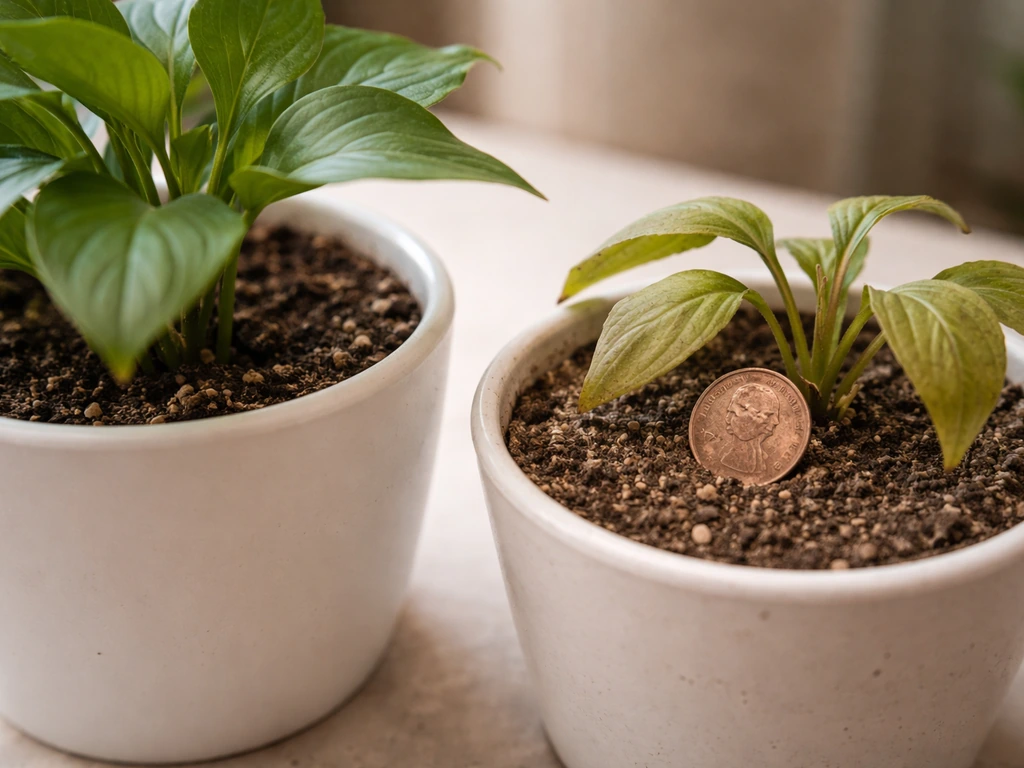
Do Pennies Help Plants Grow? What Copper Coins Can and Can’t Do
Myth-bust whether buried pennies help plants, explain copper needs, risks, and offer safe alternatives for micronutrient
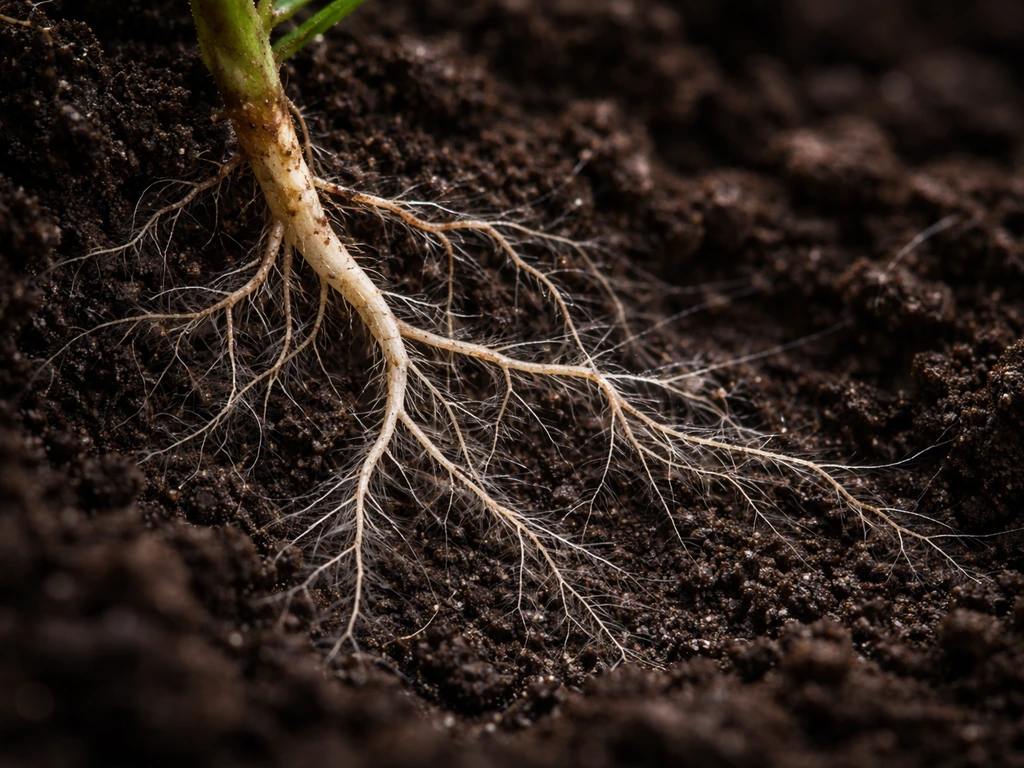
Does Fungi Help Plants Grow? How to Boost Health and Size
Yes. Learn how mycorrhizal fungi boost plant size and health by improving nutrients, drought tolerance, and resilience,
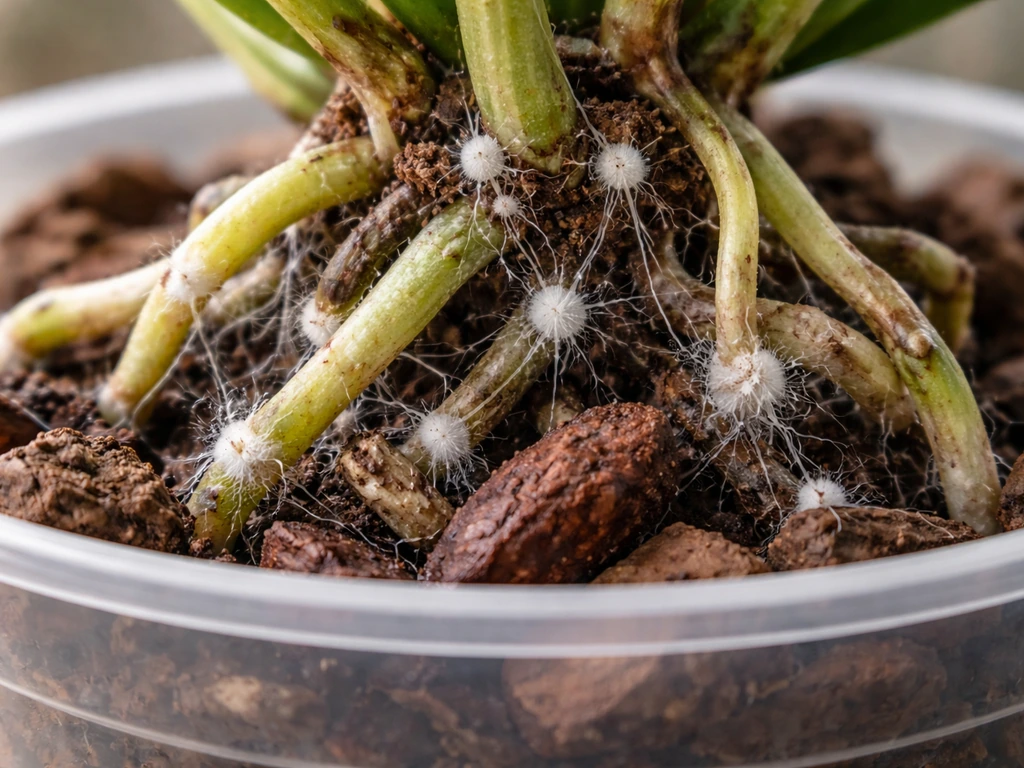
How Can Fungi Help an Orchid Grow: A Practical Guide
Learn which mycorrhizal fungi help orchids root, access nutrients, resist stress, and how to apply them safely today.