Breathing on your plants gives them a tiny, fleeting puff of extra CO₂ that disperses within seconds and has no measurable effect on growth under normal home or garden conditions. The idea isn't completely without logic, but the reality is that any CO₂ benefit from your breath is so small and so short-lived that it gets completely swamped by the factors that actually drive plant growth: light, water, nutrients, and soil health.
Does Breathing on Plants Help Them Grow? The Truth

Marcus Holloway
18 May 2026
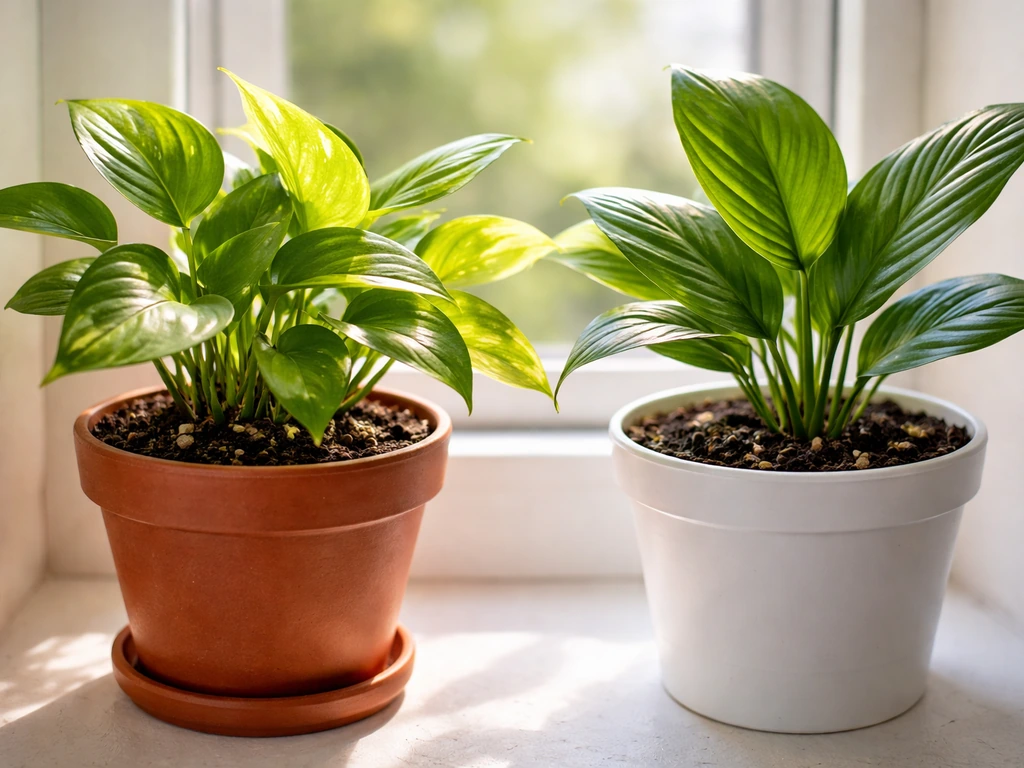
What breathing on a plant actually changes
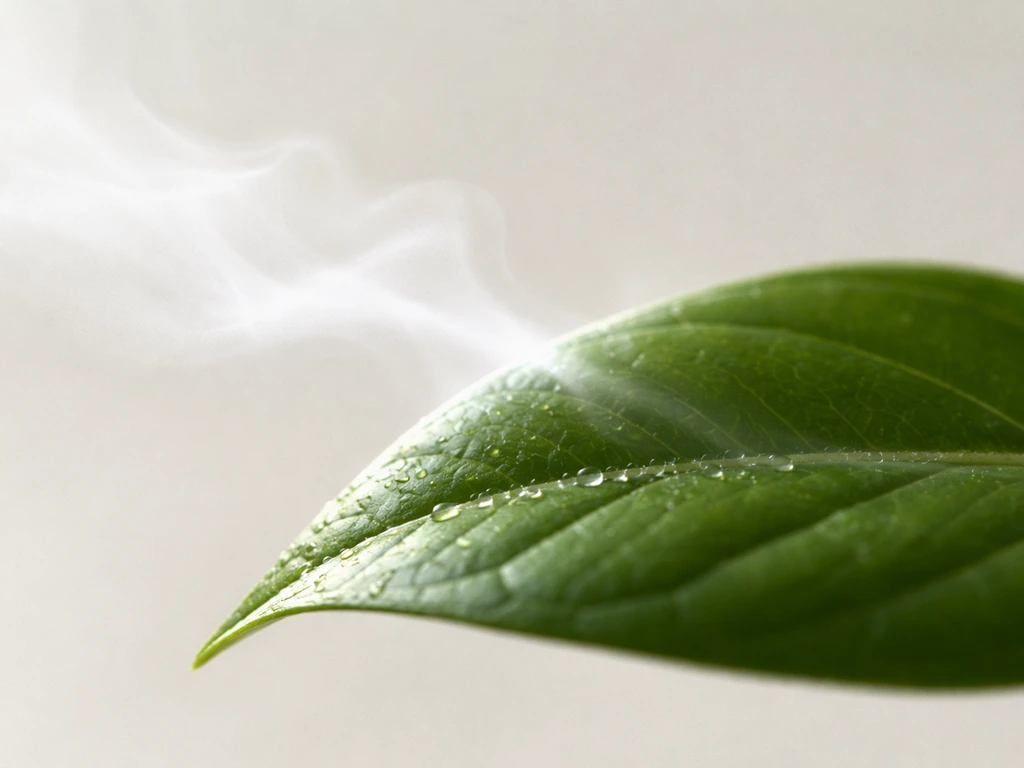
When you exhale near a plant, four things change temporarily in the immediate air around the leaf surface: CO₂ concentration, humidity, temperature, and airflow. Your breath carries CO₂ at around 40,000 ppm, which sounds impressive until you realize it dilutes almost instantly into the surrounding room air, which already sits somewhere between 400 and 1,000 ppm indoors. The net result near the leaf is a brief, localized spike that dissipates in seconds. Beyond CO₂, your breath is warm and moisture-laden, so you're also adding a small amount of heat and humidity right at the leaf surface, and the act of exhaling creates a tiny burst of airflow. None of these effects last long enough or reach the threshold needed to meaningfully change what the plant is doing biologically.
Why CO₂ only helps in very controlled conditions
Plants do use CO₂ as a raw material in photosynthesis, so in principle, more CO₂ equals more photosynthesis potential. The catch is that photosynthesis is constrained by whichever factor is in shortest supply, and in most homes that limiting factor is light, not CO₂. Greenhouse growers who want a real CO₂ benefit typically enrich their growing environments to around 800 to 1,000 ppm sustained, often alongside supplemental lighting. At those levels and sustained over hours, CO₂ enrichment can push crop yields up by as much as 30%. Studies comparing growth at 200 ppm versus 1,000 ppm CO₂ under controlled chamber conditions show a clear difference, but the word "controlled" is doing a lot of work there. To actually see that response, you need stable enriched concentrations, appropriate light levels, and consistent temperature, not a few seconds of warm breath directed at a leaf.
There's also a ceiling effect worth knowing about. CO₂ concentrations above roughly 1,000 ppm can actually begin to cause leaf injury and growth reductions in some species, so the idea that more breath equals more benefit doesn't hold even in theory. The sweet spot for CO₂ enrichment is narrow, deliberate, and only meaningful when light and other conditions are already dialed in. A dimly lit houseplant sitting near a window doesn't have the photon flux to take advantage of extra CO₂ even if you could somehow supply it consistently.
What actually drives plant growth (and breathing can't replace)
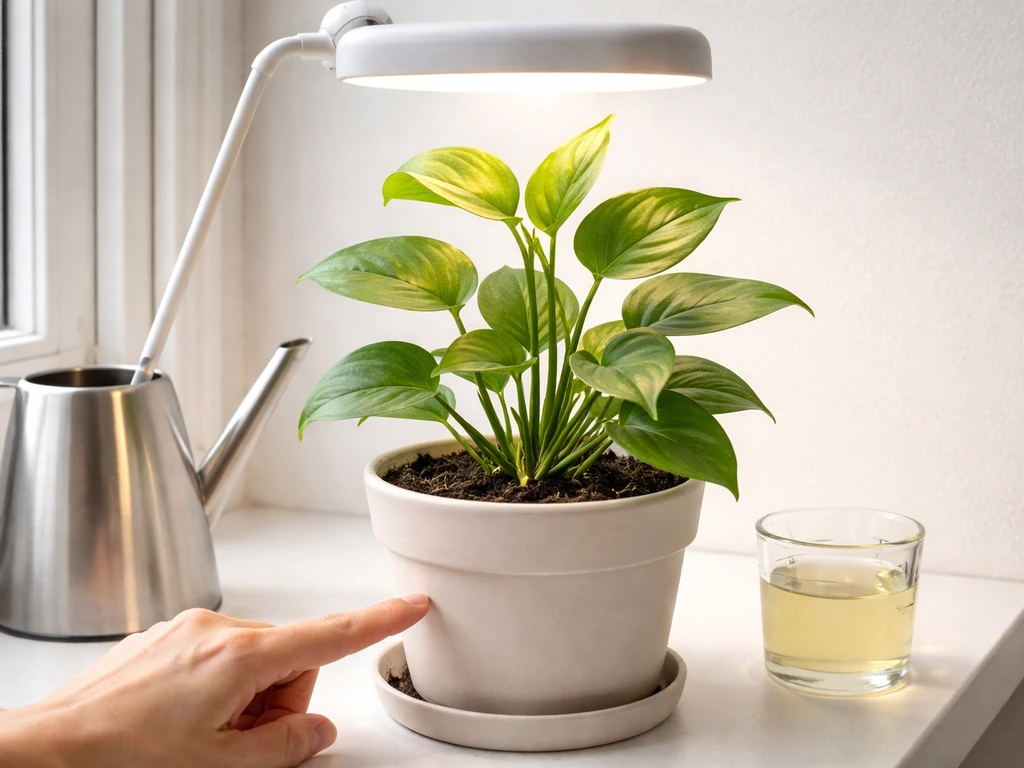
Light is almost always the first lever to pull. Most indoor environments deliver far less photosynthetically active radiation than plants would experience outdoors, and the gap between a bright windowsill and a plant sitting three feet back from it is enormous in terms of photon flux. If you've ever measured light with a PAR meter, the drop-off is eye-opening. After light, watering consistency matters more than almost anything else. Both overwatering and underwatering tank growth, but overwatering is particularly damaging because saturated soil displaces the oxygen roots need, leading to root asphyxiation and eventual rot. Getting the watering cadence right for your specific plant and pot size does more for growth than any atmospheric tweak.
Nutrients are the third pillar. Pale foliage, stunted new growth, and small leaves are almost always a sign of nutrient deficiency, especially nitrogen, rather than a CO₂ problem. Leaves help plants grow by capturing light for photosynthesis and using that energy to build new tissues. A balanced fertilizer routine matched to the plant's active growing season will show visible results within weeks. Soil structure and potting mix quality also matter: compacted or depleted potting media restricts both water movement and root oxygen, undoing everything else you're trying to do. If a plant is rootbound or sitting in old, broken-down mix, no amount of CO₂ from your breath is going to compensate.
| Growth Factor | Typical Impact | Breathing Can Replace It? |
|---|---|---|
| Light (PPFD/DLI) | Often the primary growth limiter indoors | No |
| Watering consistency | Critical; too much or too little both cause serious damage | No |
| Nutrients (N-P-K + micronutrients) | Deficiency causes stunting and pale foliage quickly | No |
| Soil structure and oxygen | Compacted or waterlogged media kills roots | No |
| CO₂ concentration (sustained) | Beneficial only at 800–1,000 ppm, maintained over hours | No — breath dissipates in seconds |
The real risks of breathing directly on your plants
There are a few legitimate downsides to habitually breathing directly on your plants, and they're worth taking seriously. The most significant one is pathogen transfer. Human breath and saliva carry bacteria and microorganisms, and research confirms that biological material from aerosols and saliva can deposit on surfaces nearby, especially as humidity rises and condensation forms. Some plant pathogens thrive in exactly the warm, moist conditions that repeated close exhalation would create on leaf surfaces. Fungal issues like powdery mildew and botrytis love high humidity at the leaf level, so if you're regularly huffing on the same plant, you may actually be increasing its disease risk rather than helping it.
There's also the condensation angle. Warm, moisture-laden breath hitting a cooler leaf surface can leave a fine film of moisture, which is fine occasionally but problematic if it becomes a habit. Wet leaf surfaces are an invitation for fungal spores to germinate. And if you're close enough that your breath is physically disturbing the leaves repeatedly, that mechanical stress, while minor, adds up to nothing useful. Airflow is actually good for plants (it strengthens stems and improves gas exchange), but chaotic, irregular breath bursts aren't the same thing as steady, gentle air movement.
What to do instead: practical ways to boost growth today
Start with light. Move your plant to the brightest spot available, or invest in a grow light if your space is genuinely dim. Even a modest full-spectrum LED positioned correctly can dramatically outperform the indirect light most houseplants receive. This single change will do more for growth than any atmospheric adjustment. Using a fan can help by improving steady airflow so leaves dry evenly and air circulates, which supports healthier growth conditions fan help plants grow.
- Check your watering: stick your finger an inch or two into the soil before watering. Most houseplants want to dry out slightly between waterings. If the pot feels heavy or the soil is still damp, hold off.
- Fertilize during the growing season: use a balanced liquid fertilizer every two to four weeks from spring through late summer. If you haven't fertilized in over a year, start there.
- Repot if needed: if roots are circling the bottom of the pot or pushing out of drainage holes, move up one pot size and use fresh, well-draining potting mix.
- Improve airflow: a small fan running nearby on low improves gas exchange at the leaf surface, strengthens stems over time, and reduces the stagnant humidity that encourages fungal disease. This is the legitimate version of what breathing hopes to do.
- If you genuinely want to raise CO₂ in a controlled setup: use a CO₂ generator or CO₂ bags designed for grow tents, paired with a controller and adequate lighting. This is the only way to hit the 800 to 1,000 ppm sustained threshold where you'd actually see a measurable growth response.
It's worth noting that CO₂ is just one piece of the air-quality puzzle for plants. Questions about how oxygen reaches roots, whether air purifiers affect plant growth, or how fan placement changes the growing environment are all related threads that point back to the same conclusion: managing the whole growing environment intentionally beats any single folk remedy. The myth of breathing on plants persists because there's a kernel of real science underneath it, but that kernel only becomes useful in conditions most home growers never create. Fix the light, nail the watering, feed the plant, and the CO₂ takes care of itself.
FAQ
If I only breathe on a plant for a few seconds, will it still harm it or increase disease risk?
For most people and most plants, occasional exhalation is unlikely to cause measurable harm. The bigger concern is repeated, close-range contact that keeps leaf surfaces consistently humid (for example, doing it several times a day), because that can favor fungi and other leaf pathogens over time.
Does breathing out more CO₂ (for example, through a focused puff) make a bigger difference?
No. Even if you aim your breath at a leaf, the CO₂ spike dilutes quickly into room air, and the effect is still too brief to matter compared with limiting factors like light and consistent watering. CO₂ enrichment that works requires stable concentrations over hours, not seconds.
Could breathing on plants help seedlings or indoor cuttings more than mature plants?
Not in a meaningful, reliable way. Seedlings and cuttings are more sensitive to humidity and microbial issues, so close-range exhalation can be a net negative if it increases leaf wetness. Better gains usually come from stable light levels, gentle airflow, and an appropriate watering routine.
What’s the main condition that would make CO₂ enrichment actually help plants?
You need sustained, consistently elevated CO₂ along with adequate light. If light is weak, adding CO₂ does little because photosynthesis is limited by photon availability. In practice, growers who see strong results run higher CO₂ for hours while also providing supplemental lighting and stable temperature.
Is there a safe level of CO₂ for plants at home, or is “more” always bad?
More is not always better. Some species can show reduced growth or leaf injury when CO₂ is pushed too high for extended periods. If you ever consider CO₂ enrichment at home, treat it as an environmental system (light, temperature, ventilation), not just a single adjustment.
If I want to increase CO₂, is opening windows or using ventilation enough?
Usually not. Fresh outdoor air can change CO₂ slightly, but indoors it rarely creates the sustained enrichment that trials show to improve yields. If your goal is photosynthesis gains, prioritize light and watering first, and consider CO₂ only if you can also control lighting and other variables.
Could my breath’s humidity help plants if my home air is very dry?
Brief humidity addition from breath is unlikely to outweigh the downsides, especially because it lands on leaves. Dry-air issues are better addressed with consistent humidity management (for example, a humidifier or correct watering/soil moisture) rather than repeatedly wetting leaf surfaces locally.
Does breathing on plants work better when the leaves are already wet or the plant has stomata open?
Even if stomata are open, the limiting factor at home is typically not CO₂ availability. Also, wet leaves increase the chance for fungal spores to germinate, so exhaling onto already-wet foliage can raise disease risk without providing a dependable CO₂ benefit.
Should I avoid breathing on all plants, or only certain ones?
Avoid it especially for plants prone to fungal problems (like many ornamentals that get powdery mildew or botrytis) and for situations where leaves stay humid (poor airflow, crowded shelves, cold surfaces). For plants with strong airflow and dry leaves, occasional proximity is less risky, but it still offers no clear growth advantage.
Citations
During photosynthesis, the concentration of CO₂ in leaf intercellular spaces ([CO₂]ᵢ) determines the CO₂ flux into the leaf if stomatal aperture and external concentration are held constant.
https://www.nature.com/articles/1971320a0
Leaf-level studies show net photosynthesis can respond to step changes in CO₂ under controlled conditions; for example, one study reports substomatal/leaf internal CO₂ responses when leaves are exposed to different CO₂ concentrations (400 vs 800 ppm) with associated changes in net photosynthesis.
https://pmc.ncbi.nlm.nih.gov/articles/PMC4849023/
In typical indoor air, CO₂ is commonly around ~400–1,000 ppm, and human exhalation is the primary source of indoor CO₂ increases; typical indoor conditions therefore stay near ambient rather than reaching enrichment levels used in horticulture.
https://www.iqair.com/us/newsroom/indoor-carbon-dioxide-co2
EPA guidance notes that exhaled breath is the main source of CO₂ in buildings and uses ventilation targets expressed in terms of keeping indoor minus outdoor CO₂ below ~700 ppm or ~500 ppm (15 vs 20 cfm per occupant) as a ventilation adequacy indicator.
https://19january2017snapshot.epa.gov/indoor-air-quality-iaq/iaq-building-education-and-assessment-model-ibeam-diagnosing-and-solving_.html
A mechanistic limitation: photosynthesis is often constrained by photon flux (light) and stomatal conductance/CO₂ diffusion resistances; a leaf cuvette/leaf-level experimental context is used to relate gas exchange and internal CO₂ behavior over time.
https://pmc.ncbi.nlm.nih.gov/articles/PMC3492360/
CO₂ enrichment in greenhouse literature is commonly discussed around ~800–1,000 ppm as a target for yield response, implying that normal indoor/ambient CO₂ is typically far below horticultural enrichment levels.
https://www.mdpi.com/2071-1050/17/7/2809
Review/technical greenhouse sources state CO₂ can drop in airtight greenhouses during daytime due to crop uptake and that values like 100–250 µmol mol⁻¹ (ppm) can occur—still far above typical indoor ambient—supporting that CO₂ enrichment is controlled and measurable, not a brief diffusion from breath.
https://www.frontiersin.org/journals/plant-science/articles/10.3389/fpls.2022.1029901/full
Houseplant water and root oxygen status strongly affect growth: standing water/waterlogging can displace oxygen in the root zone and cause root asphyxiation, which is described as a serious problem for plants.
https://ipm.ucanr.edu/PMG/GARDEN/ENVIRON/poorwater.html
Extension guidance emphasizes that too much water saturates soils, starving roots of oxygen; saturated soils can lead to root death and negatively affect water uptake.
https://extension.usu.edu/planthealth/ipm/ornamental-pest-guide/abiotic/overwatering
Overwatering can also increase disease risk and stunting; extension content frames “Goldilocks” watering as critical because too much water (and too little) can both harm plants and drive problems such as rot and fungal issues.
https://site.extension.uga.edu/lincoln/the-goldilocks-dilemma-watering-your-landscape/
Humidity/condensation and wet surfaces matter for leaf disease risk: research on saliva/aerosol transfer shows that relative humidity affects transfer of human saliva material from surfaces, indicating that exhalation can increase deposition/wetting potential near contact points.
https://www.mdpi.com/1999-4915/14/5/1048
Human contact with plant/soil surfaces can rapidly establish or change microbial communities on skin after a simulated touch event, demonstrating that mouth/skin-associated microbes can transfer under realistic touching scenarios (even if this is about skin microbiota, it supports the plausibility of microbe transfer from humans onto plant surfaces).
https://environmentalmicrobiome.biomedcentral.com/articles/10.1186/s40793-022-00457-7
In enclosed or controlled environments, CO₂ enrichment can be achieved with controlled setpoints; one controlled growth study/enrichment review indicates temperature and other environment parameters must be appropriate (CO₂ can be set, but growth response depends on non-CO₂ factors too).
https://www.sciencedirect.com/science/article/pii/S0168192306003893
A greenhouse CO₂ control/review source notes CO₂ enrichment is a ‘common practice’ to increase crop yields (reported ‘up to 30%’ in greenhouse contexts), and that optimal CO₂ concentration is often around ~1000 ppm in greenhouse production literature—conditions that are far more sustained than any breath event.
https://www.sciencedirect.com/science/article/pii/S1537511017308796
Controlled-environment studies in greenhouse conditions discuss a day-time CO₂ target and control strategy; one review states that crop uptake can reduce greenhouse CO₂ to much lower values (e.g., 100–250 µmol mol⁻¹ in daytime in some settings), showing why maintaining setpoints matters for measurable response.
https://www.frontiersin.org/journals/plant-science/articles/10.3389/fpls.2022.1029901/full
Greenhouse/controlled-environment CO₂ regimes can be studied as setpoints; one study (on lettuce cultivars) compares 200 vs 1000 ppm CO₂ under growth chamber conditions as a way to create measurable differences in growth/yield.
https://www.sciencedirect.com/science/article/pii/S0168192306003893
Caution about very high CO₂: an older review notes that CO₂ concentrations higher than 1000 µL L⁻¹ might cause growth reductions/leaf injury and discusses increased losses via leakage at higher concentrations—indicating that benefit is not ‘more is always better.’
https://www.sciencedirect.com/science/article/pii/0304423887900288
In NASA space/controlled crop contexts, elevated CO₂ effects are evaluated at multiple concentrations; NASA’s 2024 salad-crop report includes testing at 400, 1000, 5000, and 10,000 ppm CO₂ in chamber experiments, demonstrating the controlled CO₂ levels needed for measurable biological effects.
https://ntrs.nasa.gov/api/citations/20240000824/downloads/J%20Plant%20Int%202024%20CO2%20Effects%20on%20Salad%20Crops.pdf?attachment=true
Evidence that growth/yield response to CO₂ enrichment depends on other factors: a systematic review of controlled/greenhouse CO₂ enrichment reports environment requirements (light integral and other factors) alongside enrichment (e.g., supplemental lighting plus ~800 ppm CO₂ producing sizable increases).
https://www.mdpi.com/2071-1050/17/7/2809
Plants in typical homes are strongly limited by light availability; PPFD is a standard measure of photosynthetic photon delivery (400–700 nm) and indoor conditions can be far below outdoor sun, making light a primary limiter for many houseplants.
https://en.wikipedia.org/wiki/Photosynthetically_active_radiation
Light measurement in practice is usually expressed in PPFD (µmol m⁻² s⁻¹) and is often paired with Daily Light Integral (DLI) to account for total photons over a day—both are necessary to predict growth limitations compared with CO₂ effects.
https://en.wikipedia.org/wiki/Daily_light_integral
Houseplant watering guidance emphasizes that too little or too much water both reduce growth and cause problems (e.g., too much water saturates soil and limits oxygen; too little leads to stunting/wilting).
https://hort.extension.wisc.edu/articles/houseplant-care/
Nutrient deficiency or imbalance can limit growth; extension handbooks for houseplants explain that pale foliage/stunted growth can indicate too little fertilizer and that rootbound/potting conditions also affect vigor (root-zone constraints can dominate over any CO₂ effect).
https://extension.okstate.edu/fact-sheets/houseplant-care.html
Root-zone aeration and moisture status can dominate outcomes: UC IPM notes that insufficient oxygen in the root zone due to waterlogging results in serious root asphyxiation/root failure.
https://ipm.ucanr.edu/PMG/GARDEN/ENVIRON/poorwater.html
Evidence-based risk angle: human breath/aerosols/saliva can transfer biological material dependent on environmental conditions; saliva-transfer research indicates that humidity changes transfer efficiency from surfaces, supporting that exhalation could increase deposition/wetting near leaves rather than provide a growth benefit.
https://www.mdpi.com/1999-4915/14/5/1048
Research indicates touch/contact can temporarily establish bacteria from indoor plant leaves and substrates onto human skin, demonstrating that human-plant contact events can transfer microbes (a plausible pathway for cross-contamination in both directions).
https://environmentalmicrobiome.biomedcentral.com/articles/10.1186/s40793-022-00457-7
Air quality/infection control context: CDC describes airborne/droplet-nuclei transmission mechanisms for pathogens in indoor settings, supporting the general principle that exhalation-related aerosols can spread biological material under certain circumstances (even though plant-growth effects are different from human infection).
https://www.cdc.gov/infection-control/hcp/environmental-control/air.html
Practical watering guidance: extension notes that applying too much water at one time can leach nutrients and that watering too frequently limits root access to oxygen; both reduce growth compared with any transient CO₂ contribution from a person nearby.
https://extension.unr.edu/publication.aspx%3FPubID%3D3526
Houseplant extension guidance emphasizes watering based on plant category (water when soil is dry to touch vs evenly moist) and warns too large pots/pooling water increases root-rot favorable conditions—indicating the importance of potting/mix and watering schedule over any ‘breathing’ claim.
https://hort.extension.wisc.edu/articles/houseplant-care/
For immediate growth improvement, light is typically the first lever: PPFD (photon flux at leaf) is the measurement standard for photosynthetic light and is used to make decisions about placement/distance and whether supplemental lighting is needed.
https://www.esalq.usp.br/lepse/imgs/conteudo_thumb/Plant-Lighting-Fundamentals.pdf
CO₂-agnostic conclusion from controlled-environment literature: reviews emphasize that greenhouse/controlled CO₂ responses depend strongly on lighting and other environmental parameters; therefore, in homes where CO₂ is not significantly elevated for sustained periods, light/water/nutrients are usually the dominant limitations.
https://www.frontiersin.org/journals/plant-science/articles/10.3389/fpls.2022.1029901/full
Next Articles
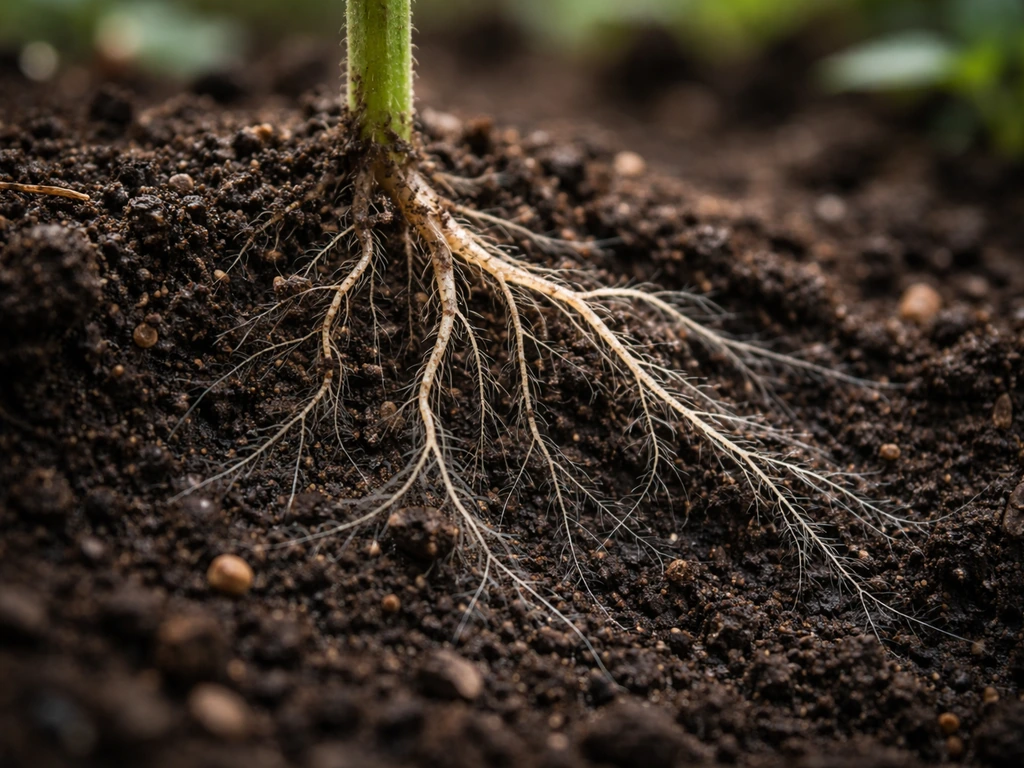
Do Mushrooms Help Plants Grow? Science and How to Use
Science-backed answer on whether mushrooms help plants grow, plus how to use mycorrhiza, compost, and test results.
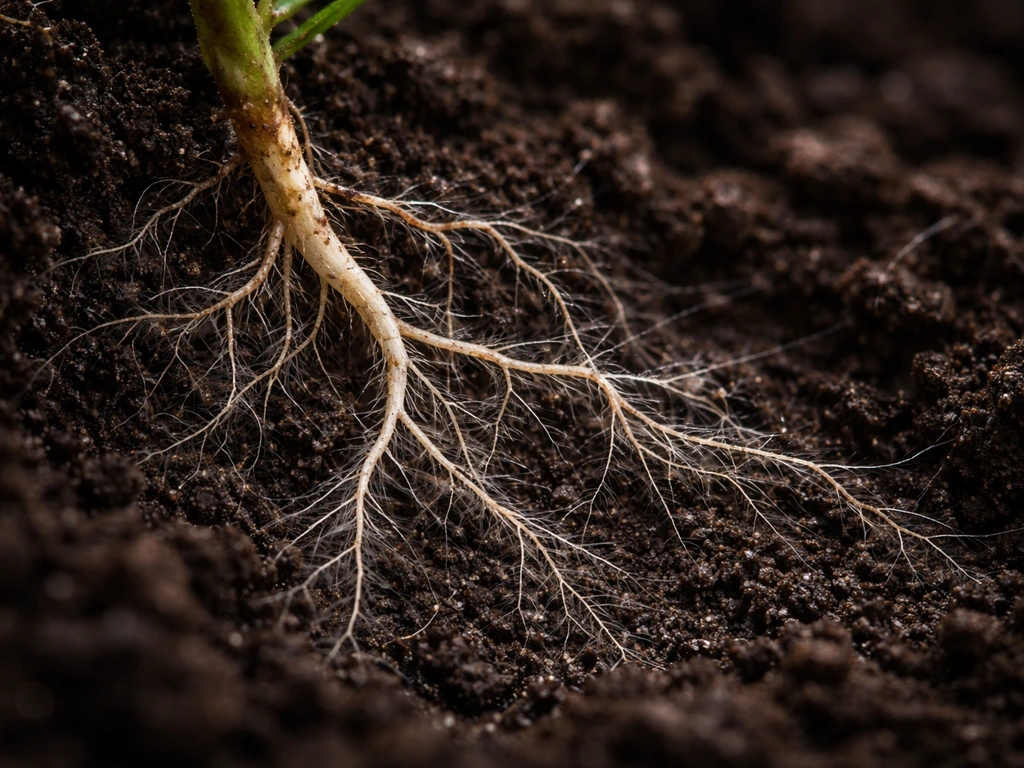
Does Fungi Help Plants Grow? How to Boost Health and Size
Yes. Learn how mycorrhizal fungi boost plant size and health by improving nutrients, drought tolerance, and resilience,
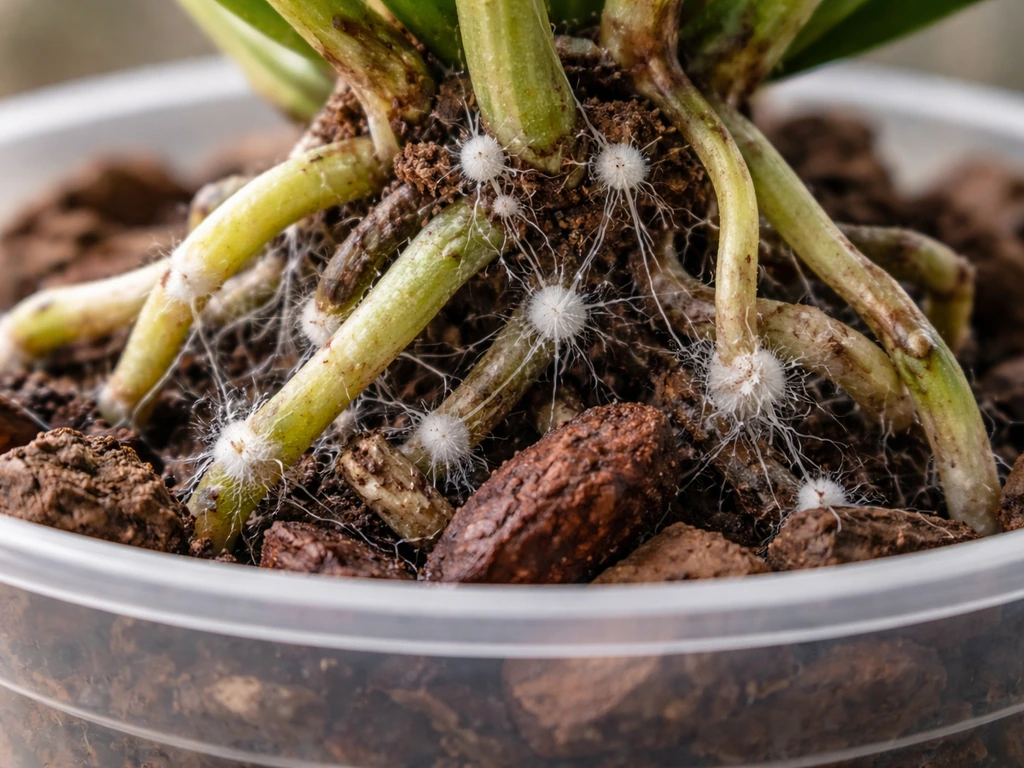
How Can Fungi Help an Orchid Grow: A Practical Guide
Learn which mycorrhizal fungi help orchids root, access nutrients, resist stress, and how to apply them safely today.