Rainwater genuinely does make plants grow faster in most situations, and there are real, measurable reasons why. It comes down to four things working together: rainwater is softer and lower in pH than most tap water, it carries dissolved oxygen into the root zone, it tends to fall at cooler temperatures that help roots absorb more efficiently, and the natural pattern of a good soaking rain wets soil deeply rather than keeping the surface chronically damp. None of this is folklore. Each mechanism has a clear biological explanation, and understanding them tells you exactly how to replicate the benefits when rain isn't falling.
Why Does Rain Water Make Plants Grow Faster? Science and Tips

Marcus Holloway
12 May 2026
What rain actually changes in your soil
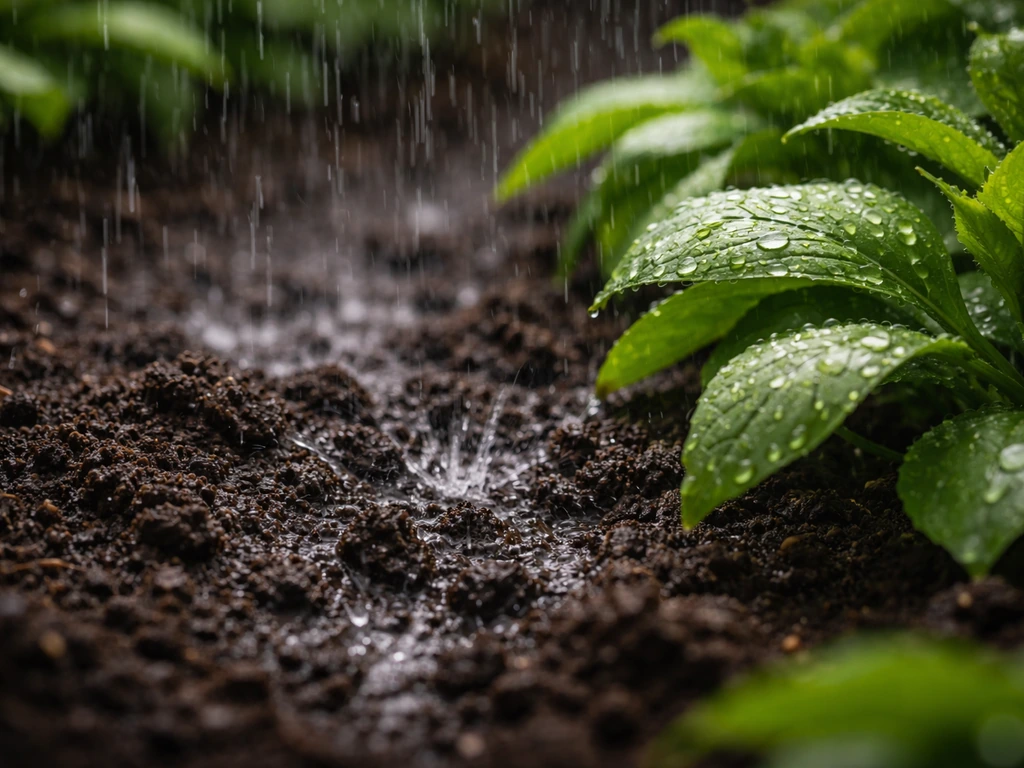
The most underappreciated effect of rain happens underground, in the microbial world. Soil bacteria are largely dormant or sluggish in dry conditions because they need water films to move and to access nutrients. When rain wets the soil after a dry period, microbial activity surges. You can measure this as a spike in soil CO₂ flux, which researchers call a 'rain-induced soil CO₂ pulse.' That pulse represents a burst of microbial respiration, which accelerates organic matter breakdown and releases plant-available nutrients, especially nitrogen, into the soil solution. Plants effectively get a nutrient hit not because rain itself is fertilizer, but because rain wakes up the organisms that process nutrients into usable forms.
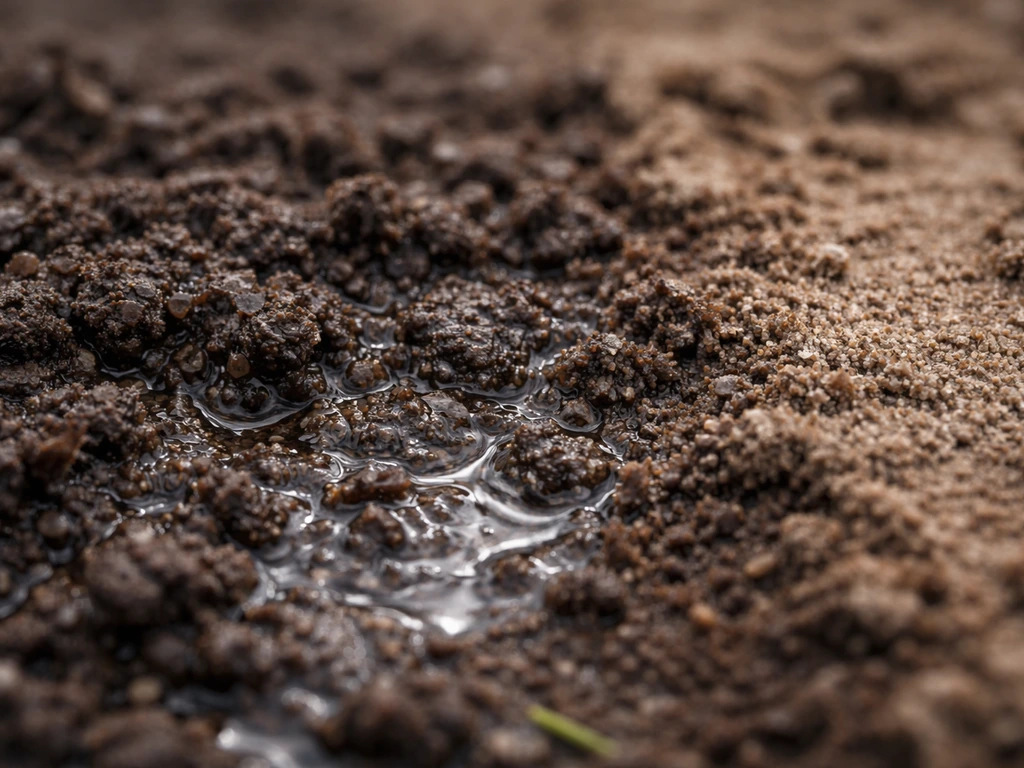
This wetting-and-drying cycle also matters for soil structure. Healthy soil has aggregates, clumps of particles held together by organic matter and fungal threads, with pores between them that hold air and water. Rain that infiltrates gently restores moisture to those pores without displacing the air entirely, so roots keep access to both water and oxygen. That balance is what plants actually need, and it's harder to achieve with the wrong kind of irrigation.
Rainwater chemistry: pH, hardness, and dissolved gases
Clean, unpolluted rainwater has a pH of about 5.6. That slight acidity comes from dissolved CO₂ forming carbonic acid in the atmosphere. Most tap water is deliberately treated to sit around pH 7 to 8.5 to prevent pipe corrosion, and in hard-water areas it can carry significant calcium and magnesium in dissolved form. That alkalinity isn't immediately toxic to plants, but over time regular watering with hard, alkaline tap water raises soil pH, which locks up nutrients like iron, manganese, and zinc in forms roots can't access. Rainwater, being softer and slightly acidic, gently nudges soil back toward the pH range where most garden plants thrive, roughly 6.0 to 6.8.
It's worth noting that in heavily polluted regions, rain can be significantly more acidic than the clean baseline. Regional averages near urban areas have been recorded as low as pH 4.2 to 4.4, which is acidic enough to stress acid-sensitive plants over time. So rain isn't automatically ideal everywhere. In most suburban and rural gardens though, the pH benefit of rain over alkaline tap water is real and consistent.
Dissolved gases matter too. Rainwater picks up oxygen as it falls through the atmosphere and carries it into the soil as it infiltrates. Cold water holds more dissolved oxygen than warm water: solubility ranges from about 15 mg/L near freezing down to around 8 mg/L at 30°C. Cool rain delivers a measurable oxygen boost to the root zone, which directly supports root cell metabolism, nutrient uptake, and the aerobic microbes that make nutrients available.
How oxygen and water temperature affect roots directly
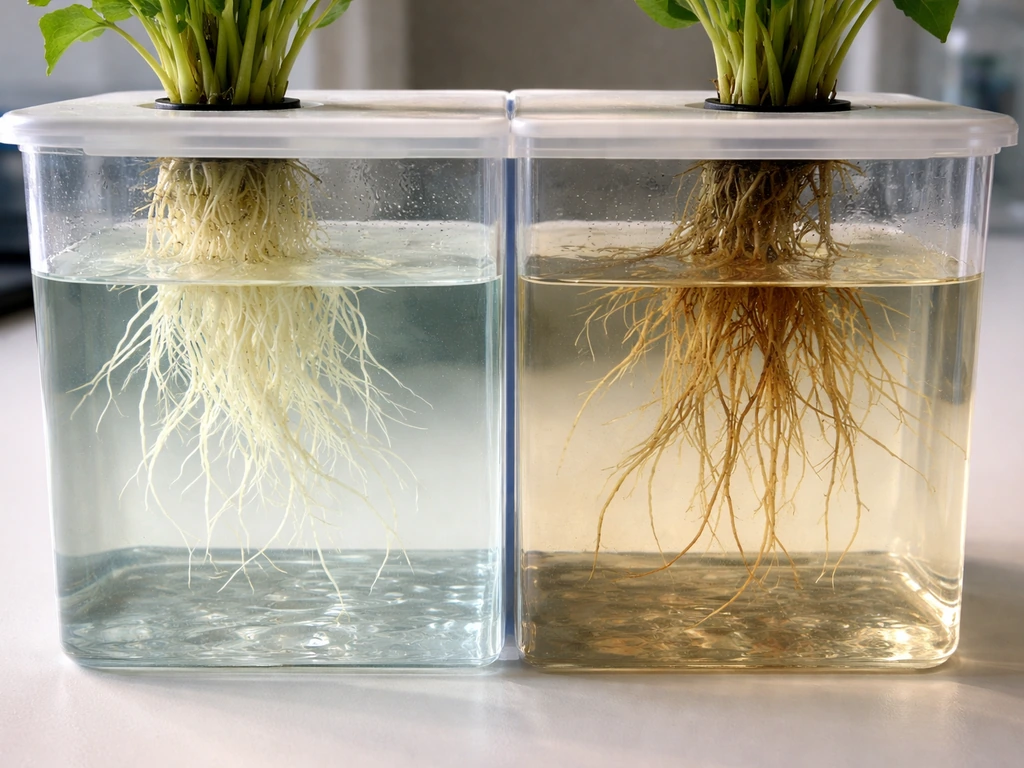
Roots need oxygen to function. In the discussion, commenters note that roots need oxygen and that waterlogged soil depletes it faster than it can diffuse, which can cause root rot and plant decline blank" rel="noopener noreferrer">waterlogged soil depletes oxygen faster than it can diffuse. This is a point that gets glossed over in most gardening advice, but it's fundamental. Root cells use aerobic respiration to generate the energy they need to pump nutrients actively from soil into plant tissue. When oxygen in the root zone drops, that active transport slows down, and plants can't take up nutrients efficiently even when those nutrients are present in the soil. In waterlogged conditions, oxygen in the root zone can deplete within hours, which is why flooded plants show nutrient deficiency symptoms fast.
Rainwater's dissolved oxygen contribution is part of why plants respond visibly to rain even when nutrients haven't changed. Add to that the temperature effect: summer rain is often 10 to 15 degrees cooler than the sun-warmed soil surface, which slightly lowers root-zone temperature and reduces heat stress on root membranes. Cooler roots absorb water more efficiently, and the soil holds more dissolved oxygen at lower temperatures. The combination is genuinely better for plant physiology than a hot midday sprinkler run.
Why rain's watering pattern matters more than people realize
A steady rain that delivers an inch of water over several hours infiltrates deeply, often reaching 6 to 12 inches into the soil profile. That depth is where roots grow when given the opportunity. When water consistently reaches only the top 2 to 3 inches, roots congregate there because that's where the moisture is. Shallow roots mean a plant that wilts fast in a dry spell and can't access the more stable nutrient and moisture reserves deeper in the soil.
Most short irrigation cycles, say 15 to 20 minutes on a sprinkler system three times a week, wet the top few inches repeatedly without ever soaking deep. That pattern keeps the surface chronically moist, which limits oxygen movement into shallow soil and encourages roots to stay near the surface. Rain naturally provides the deep, infrequent soak that extension guidance consistently recommends: wet the soil thoroughly to a depth of 6 to 12 inches, then let the top few inches start to dry before watering again. Montana State Extension and others frame this as the single most important watering habit for promoting deep, resilient root systems.
When rain helps vs when it won't
Rain genuinely helps when soil is well-structured, well-draining, and has enough organic matter to absorb and hold water without sealing up. Potato water can also give plants a boost, but it is not a substitute for the kind of oxygen, pH balance, and deep soil soaking that rain provides Rainwater genuinely helps when soil is well-structured. It helps when plants are in the active growth phase and when light, temperature, and soil fertility are already adequate. In those conditions, rain's soft water, dissolved oxygen, pH benefit, and deep infiltration all compound to produce noticeably faster growth compared with alkaline tap water applied in short, frequent bursts.
But there are real limits and genuine risks:
- Heavy intense rain causes soil surface sealing and crusting. Raindrop impact physically breaks apart soil aggregates, and fine particles clog surface pores. Once a crust forms, infiltration drops sharply and most subsequent rain runs off, taking soluble nutrients with it. Studies using rainfall simulations have found that nitrogen and phosphorus losses in surface runoff can be very high after intense storms, with dissolved nitrate accounting for a large fraction of total nitrogen loss.
- Waterlogging is the opposite of helpful. Once the soil is fully saturated, oxygen depletes fast and roots suffer. This is especially damaging in heavy clay soils or anywhere drainage is poor. Plants that look green after a gentle rain can turn yellow and wilted after several days of saturation.
- Rain doesn't feed plants in any major direct way. The old idea that rain carries nitrogen from lightning fixation is technically true but wildly overstated as a practical source of plant nutrition. The nitrogen contribution from a typical rain event is a small fraction of what plants need. The real fertilizer benefit of rain is indirect, through microbial activation.
- Contaminated rain and roof-collected rainwater can introduce heavy metals and other pollutants. Studies of rooftop-harvested water have found iron and aluminum concentrations exceeding EPA secondary limits after the first flush off certain roofing materials. If you're collecting roof runoff for irrigation, the first portion of water that comes off the roof after a dry period should be discarded.
- Rain won't rescue a plant that's failing because of poor soil fertility, inadequate light, or a drainage problem. If those are the bottlenecks, rain is just more water arriving in a slightly better form. It won't fix root rot, nutrient deficiency from exhausted soil, or a plant growing in deep shade.
How to replicate rain's benefits when the sky isn't cooperating
If you're in a dry stretch or relying heavily on tap water, you can get most of rain's advantages with a few targeted changes. None of this is complicated, but it does require being deliberate about how and when you water.
Use softer, lower-pH water when possible
If your tap water is hard and alkaline (above pH 7.5), mixing it with collected rainwater, or using a barrel to store and use actual rain when it does fall, will help. Even a 50/50 blend shifts the pH meaningfully. If you're curious about other water sources, the benefits of fish tank water, potato cooking water, or other alternatives each come with their own profiles. The consistent theme is that soft, slightly acidic water keeps soil pH from creeping up over time.
Water deeply and less often
This is the single most effective change most gardeners can make. Instead of running a sprinkler for 20 minutes every other day, water thoroughly once a week and let the soil dry slightly in between. Target 6 to 12 inches of penetration. Use a long screwdriver or soil probe to check actual depth after watering. You want it moist but not waterlogged. This pattern encourages roots to grow down, improves soil oxygen access between waterings, and mimics the natural infiltration pattern of a real rain event.
Improve soil structure so water infiltrates instead of running off
Adding organic matter (compost, aged wood chips as mulch) protects the soil surface from the physical impact of irrigation water and actual rain, which reduces crusting. A 2 to 3 inch layer of mulch over bare soil dramatically improves infiltration, holds moisture between waterings, and keeps the soil temperature more stable. Core aeration in lawns and compacted beds breaks up sealed layers and restores the pore structure that water and oxygen need to move through. Colorado State Extension specifically recommends aeration as a way to increase water infiltration capacity.
Water at the right time of day
Early morning watering means water enters cooler soil, holding more dissolved oxygen and reducing evaporation loss. Midday irrigation on hot soil is less efficient: water temperature rises quickly, dissolved oxygen drops, and a larger proportion evaporates before reaching roots. Evening watering is better than midday but increases fungal disease risk by leaving foliage wet overnight. Morning is the closest you can get to the natural temperature and oxygen benefit of rain.
A quick comparison: rainwater vs common alternatives
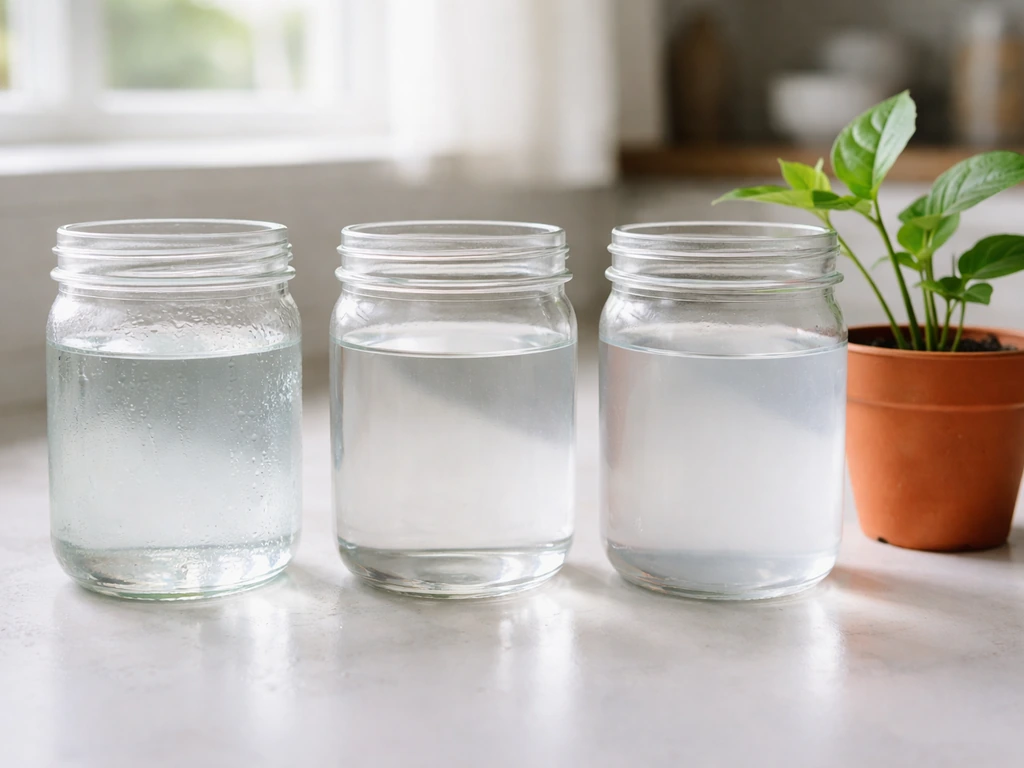
| Water source | Typical pH | Hardness | Dissolved oxygen | Practical notes |
|---|---|---|---|---|
| Rainwater (clean/rural) | ~5.6 | Very soft | High (cool water) | Best all-around for most plants; avoid first flush from rooftops |
| Tap water (hard, alkaline) | 7.0–8.5 | Moderate to high | Lower (often warmer) | Can raise soil pH over time; fine short-term for most plants |
| Tap water (softened) | ~7.0 | Low calcium/magnesium, but high sodium | Lower | Sodium buildup can damage soil structure; not ideal long-term |
| Collected roof runoff | Variable | Low | Moderate | Watch for metal contamination; discard first flush |
| Standing collected rainwater (barrel) | ~6.0–6.5 | Very soft | Moderate (warms in storage) | Good option; use before algae develops |
The takeaway is that clean rainwater is genuinely superior to hard tap water for regular use, but the gap isn't so large that tap water damages healthy plants in the short term. So, in the milk-versus-water question, plain water generally beats milk because it won't add sugars or residues that can disrupt soil oxygen and structure. The real long-term advantage of rain is its cumulative effect on soil pH and structure over a full growing season, not any single watering event.
Signs rain is actually making a difference in your garden
After a good soaking rain following a dry spell, you'll typically see new leaf unfurling within 24 to 48 hours in fast-growing plants, and noticeably deeper green color in foliage within a few days. This is partly the direct hydration effect and partly the microbial burst releasing available nitrogen. Soil will feel looser and more crumbly in the top few inches rather than compacted, which reflects improved aggregate structure. If you're not seeing these responses after rain, it's worth checking whether the rain actually penetrated deeply (probe the soil) or whether it ran off the surface, which suggests a crusting or compaction problem worth addressing before the next rain event.
FAQ
Why do some gardens not seem to grow faster after rain?
Not always. The biggest drivers are deep infiltration, soil oxygen availability, and whether the water is soft enough not to raise soil pH over time. If your ground is compacted or crusted, rain may run off or wet only the surface, which reduces the “oxygen and root-zone access” benefits even if the rain chemistry is good.
Does the timing of rain after dry weather change the growth effect?
If rain comes after long drought, the microbial and nutrient “pulse” can be stronger, so you may notice faster greening or new leaf growth shortly after. If rain follows only a short dry period, microbes may already be active and the visible jump can be smaller.
Is drizzle as helpful as a heavy soaking rain?
Yes, rain type matters. A light drizzle that wets only the top layer can leave shallow soil stays moist but oxygen-poor, encouraging surface-rooting. A longer soak that penetrates roughly 6 to 12 inches better supports the aerobic root and microbial conditions described in the article.
Can rain water be too acidic to be good for plants?
Rain can be acidic enough in polluted or urban areas to stress sensitive plants, especially if it is consistently low pH over time. If you see leaf scorch, slowed growth, or persistent pale foliage after frequent rain in the same season, test soil pH and consider buffering with appropriate amendments rather than assuming all rain is beneficial.
Does the temperature of the rain affect how fast plants grow?
Colder rain often improves dissolved oxygen and reduces root heat stress, which can support faster uptake. In very cold conditions, plant growth itself may slow because enzymatic and metabolic rates drop, so the “oxygen advantage” might not translate into faster visible growth right away.
How can I tell if rain actually soaked deeply enough to help my plants?
Yes. Use a soil probe or long screwdriver to confirm penetration depth, because “volume” and “time watering” can be misleading. If you consistently find water only in the top few inches after rain or irrigation, growth may lag and you may need to fix compaction or surface crusting.
Does rain water act like fertilizer, or do plants still need nutrients?
Plants can respond even without added fertilizer when rain wakes up microbes that convert existing organic matter into plant-available forms. Still, if your soil is truly nutrient-poor, rain can speed uptake but cannot create nutrients that are missing in the first place.
What happens if my plants sit in water after heavy rain?
Rain generally wets soil rather than creating a continuous saturated zone, but prolonged flooding can deplete oxygen in hours. If plants show rapid wilting, yellowing, or stunted growth after standing water, it is likely an oxygen problem, not a lack of rainwater.
How do I mimic rain’s benefits with sprinklers or hoses?
It depends on your irrigation pattern. Short, frequent sprinkler cycles can mimic surface-moist conditions that reduce oxygen movement downward, while deeper, less frequent watering better replicates the infiltration pattern of rain. The goal is moist but not waterlogged soil, with drying at the top between soak-and-wet cycles.
Should I test soil pH if I use tap water instead of rain?
Yes, especially if you rely on alkaline hard water. A practical approach is to blend hard tap with collected rainwater (even a partial mix can shift pH), and periodically test soil pH so you do not slowly lock nutrients out over months.
Does mulch change how much rain actually helps?
Mulch can strengthen the rain effect by improving infiltration and reducing crusting, but too much or too thick a layer can sometimes keep soil overly cool or prevent drying at the right pace. If you see persistently soggy soil under mulch, thin it or adjust watering schedules to ensure the top layer dries between events.
Next Articles
Does Fish Water Help Plants Grow? Safe How to Use It
Learn if fish tank water helps plants grow and how to use fish waste safely, avoiding ammonia, salt, and algae issues.
How Do Microorganisms Help Plants Grow: Practical Guide
Learn how microbes in the rhizosphere fix nitrogen, boost phosphorus, aid roots, suppress disease, and how to grow them.
How Does Yeast Help Plants Grow? Safe, Practical Guide
Learn how yeast boosts plant growth via soil microbes, safe dilution and timing, plus myths, limits, and troubleshooting