
Playing music to your plants probably won't hurt them, but the honest answer from controlled research is that music is not a reliable growth booster. A handful of lab studies have found measurable responses to specific sound frequencies under tightly controlled conditions, but those results don't translate cleanly to your living room playlist. The factors that actually move the needle on plant growth, things like light intensity, water consistency, and soil nutrients, dwarf any effect that sound waves could plausibly produce in a home garden.
Does Music Help Plants Grow? Mythbusters-Style Test and Evidence

Marcus Holloway
15 May 2026
What the Mythbusters question is really asking
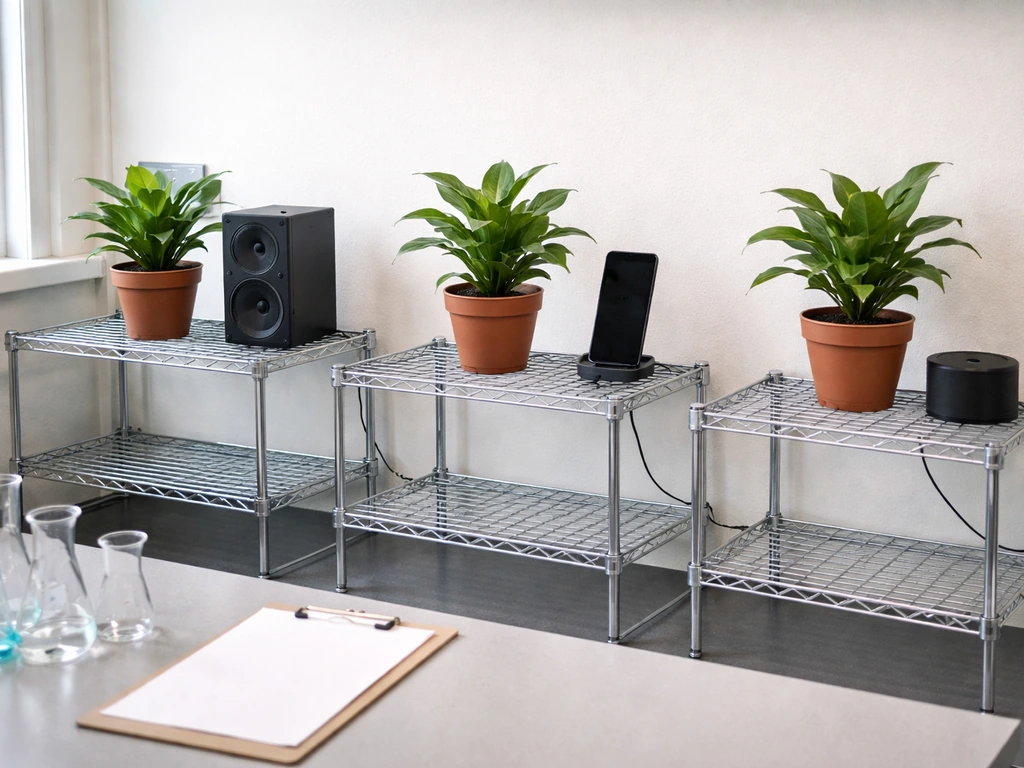
When people search 'does music help plants grow Mythbusters,' they're usually asking whether there's real, testable evidence behind the folk idea that serenading your tomatoes makes them happier. The Mythbusters framing is useful because it implies a controlled test: does playing music produce a measurable difference in growth compared to a silent control, with everything else held equal? That's actually the right question, and it's exactly what plant scientists have started asking more rigorously over the past couple of decades.
The myth persists partly because it's charming and partly because there's just enough real science around sound and plant biology to keep things ambiguous. But 'plants respond to sound under laboratory conditions' is a very different claim from 'playing Beethoven in your greenhouse will grow bigger basil.' The gap between those two statements is where most gardeners get misled.
What plant science actually says
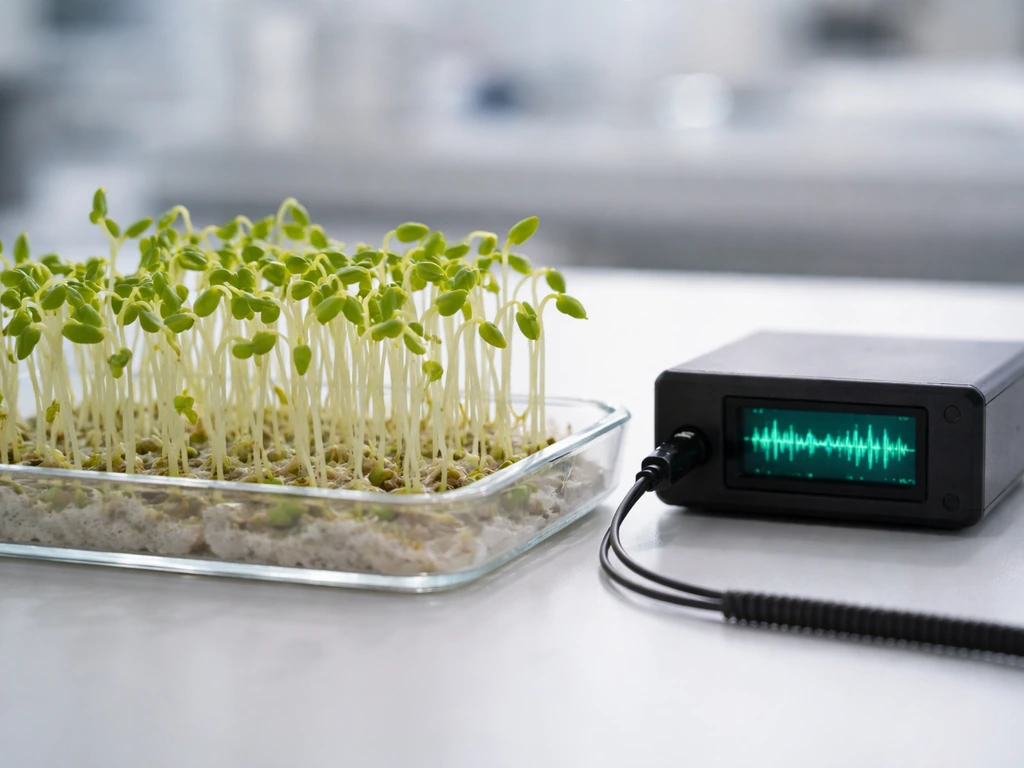
There are genuine peer-reviewed studies on this. blank" rel="noopener noreferrer">A controlled experiment on mung bean sprouts found that audible sound treatments at specific sound pressure levels and frequency bands reduced germination time and improved early seedling growth. A separate study on Arabidopsis thaliana exposed seeds to sound waves for 15 hours a day over three days and reported significantly longer root growth compared to untreated controls. That same study went further and found that blank" rel="noopener noreferrer">sound-wave exposure altered root phytohormone content, specifically affecting auxin and cytokinin signaling pathways. That's not nothing. It suggests plants can produce real physiological changes in response to sound, not just visual ones.
But here's the important context: these studies use precisely calibrated frequencies (100 kHz and combinations thereof in the Arabidopsis work), controlled decibel levels, and exposure durations of 15 hours per day. Your Spotify playlist is doing none of those things. Music is a chaotic mix of frequencies, volumes, and rhythmic patterns that changes constantly. Lab sound treatments are the opposite of that. The research tells us that specific acoustic parameters can influence plant physiology. It doesn't tell us that random music exposure does the same.
Reviews published in journals like Frontiers in Plant Science and the Journal of Experimental Botany have also documented phonotropism, a root-bending response toward sound sources observed in hydroponic systems, along with broader evidence that plants detect and respond to pressure waves. These reviews are careful to note the limitations: sound effects on growth are small, highly dependent on frequency and intensity, and most evidence comes from controlled settings that are hard to replicate outside a lab.
How plants might actually sense sound
Sound is a pressure wave. When a speaker vibrates air, those vibrations physically move cell walls, membranes, and fluid inside plant tissues. Plants have mechanosensitive channels in their cell membranes, including stretch-activated channels and calcium-specific mechanosensitive channels, that can detect this kind of mechanical input and trigger downstream signaling. This is the same general system plants use to detect wind, touch, and gravity. So there's a plausible biological pathway: sound pressure moves membranes, mechanosensitive channels open, calcium ions flood into cells, and a cascade of hormonal and gene-expression changes follows.
This is also why talking to plants (a topic closely related to this one) has some biological plausibility beyond pure folklore. The vibration from your voice is a real physical input. The key questions are always intensity, frequency, and duration. The vibrations reaching your houseplant from a speaker a meter away, at normal listening volumes, are genuinely small. Whether they cross the threshold to produce a meaningful growth response under real-world conditions hasn't been convincingly demonstrated.
What actually drives plant growth (and dwarfs any music effect)
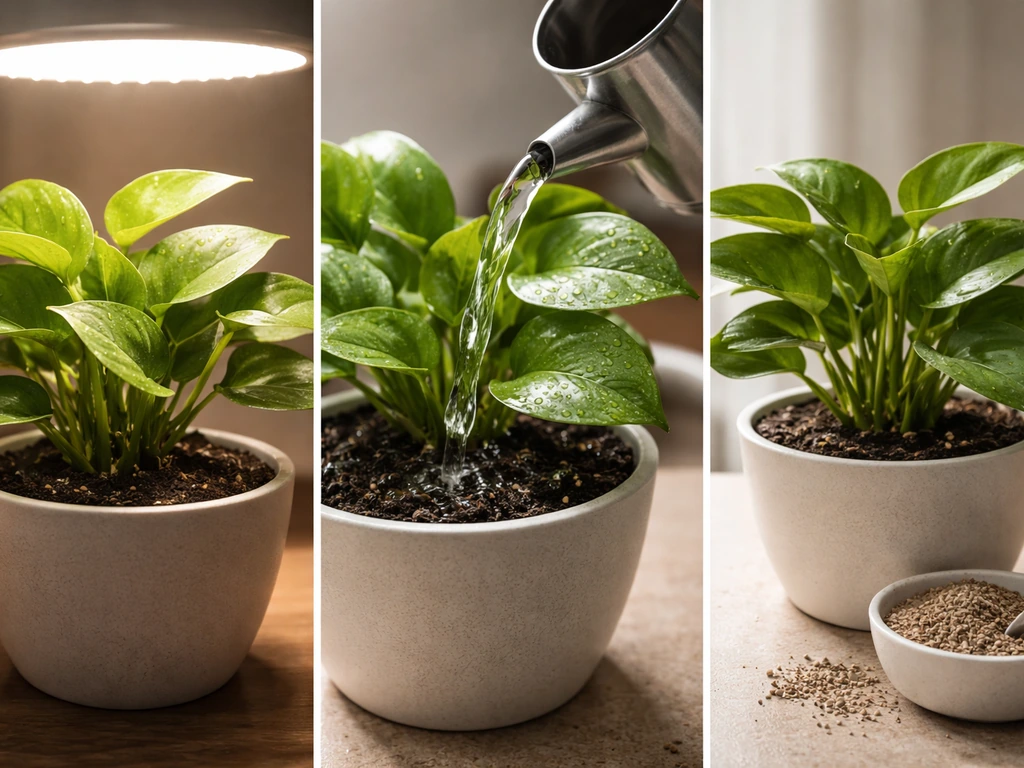
If you want to move the needle on plant growth today, here's where to focus your energy. Each of these factors has orders of magnitude more impact than any realistic sound exposure. Magnetic treatments are a different kind of input than sound, and the evidence for “do magnets help plants grow” is mixed and not as straightforward as improving light, water, and nutrients Each of these factors.
| Factor | Why it matters | Quick fix |
|---|---|---|
| Light intensity and spectrum | Drives photosynthesis directly; red (630-660nm) and blue (450-470nm) wavelengths are most important | Move plants closer to a window or add a full-spectrum grow light |
| Watering consistency | Irregular watering causes root stress, nutrient lockout, and growth stalls | Water on a schedule based on soil moisture, not calendar days |
| Soil and nutrients | Nitrogen drives vegetative growth; phosphorus supports roots; potassium strengthens cell walls | Use a balanced slow-release fertilizer or amend soil before planting |
| Temperature and airflow | Most plants grow fastest in a 65-75°F range; stagnant air increases disease pressure | Keep plants away from cold drafts and heat vents; use a small fan for airflow |
| Root space | Pot-bound plants stall; roots need room to expand for nutrient and water uptake | Repot when roots circle the bottom or emerge from drainage holes |
These aren't exciting. Nobody makes a viral video about moving a plant four inches closer to the window. But a plant getting 200 more foot-candles of light every day will visibly outgrow an identical plant next to a speaker playing classical music within two weeks, every single time.
How to test it yourself at home
If you want to run your own Mythbusters-style trial, the setup doesn't need to be complicated. The key is controlling every variable except sound. Here's how to do it properly. If you are building a science fair project around the question does music help plants grow, focus on controlling variables like light and temperature.
- Start with at least four identical plants from the same seed batch or parent plant. Basil seedlings, bean sprouts, or radishes all work well because they grow fast enough to see results in two to three weeks.
- Use identical pots, the same potting mix from one bag, and place all plants in the same room at the same distance from the light source.
- Water all plants from the same container at the same time with the same amount. Keep a log.
- Divide into two groups: music group and silent control group. Put the music group near a speaker playing consistently (same playlist, same volume, same hours per day). Keep the silent group in a space where they won't receive that sound. Ideally separate rooms, or at least separated by a sound-absorbing barrier.
- Measure stem height, count leaves, and photograph all plants at the same time every three days.
- After three weeks, compare results. If the music plants are measurably taller or leafier and your conditions were truly matched, you have something worth repeating.
The honest caveat: most home trials fail to adequately control light and temperature between the two groups. If the music plants happen to sit two inches closer to a sunny window, that light difference will swamp any sound effect. Be ruthless about the controls, or the results won't mean anything.
Want the 'vibration benefit' without the myth? Do this instead
If the underlying idea that gentle mechanical stimulation helps plants appeals to you, there's a more reliable and well-documented version of it: airflow. Running a small oscillating fan near your plants so they experience gentle stem movement consistently produces measurable benefits. The mechanical stress from moving air triggers a response called thigmomorphogenesis, where plants develop thicker, stronger stems in response to physical stimulation. This is the same type of mechanosensitive pathway that sound vibration is theorized to activate, but airflow triggers it far more reliably and at the right intensity.
Beyond airflow, the best practical next steps for anyone who arrived here wanting to give their plants an edge are straightforward. Audit your light first. Most indoor plants are chronically light-starved, and a $30 grow light will produce more growth improvement than any amount of musical enrichment. Then look at your watering habits and soil health. If you're doing all of those things well and you still want to run a music experiment, go ahead. It won't hurt, and it might be genuinely interesting. Just don't expect it to substitute for the basics. Bird activity can support plant growth by dispersing seeds and spreading nutrients, but it works in a very different way than sound or music do birds help plants grow.
- Add a full-spectrum grow light if your plants are more than 18 inches from a natural light source
- Use a soil moisture meter instead of guessing when to water
- Feed with a balanced liquid fertilizer every two to four weeks during active growth
- Place a small oscillating fan nearby to improve airflow and stimulate stem development
- Repot any plant that hasn't been repotted in over a year into a container one size up
- Keep temperatures stable, avoiding cold windowsills in winter or hot spots near vents
The science on plant sound responses is genuinely interesting and still developing. Some of the same curiosity that drives the music question also applies to whether shaking or touching plants influences growth, and there's real mechanosensory biology underlying those questions too. Touching plants can have effects too, but the key outcomes depend on what kind of touch it is and the conditions where the plant is growing does touching plants help them grow. If you're wondering, the same general mechanosensory pathways are what would make shaking potentially affect growth, but the effect is still far from guaranteed in real-world conditions shaking plants. But in practical terms, if your goal is visibly healthier, faster-growing plants, the environmental basics will get you there faster than any playlist. Get the light, water, and nutrients right first. Then, if you want to run the music experiment for fun, you'll at least know your results mean something.
FAQ
If lab studies show plants respond to sound, does that mean my music can still work, just less reliably?
Possibly, but the real-world challenge is calibration. Most positive findings depend on tightly controlled frequency, sound pressure level, and exposure schedule. If your music delivers a constantly changing mix of tones at ordinary listening volumes, any effect would be small and inconsistent, so you should treat it as a hypothesis to test, not a dependable growth strategy.
Should I use a specific type of music, like classical or certain beats, to get better results?
There is no proven playlist category that matches the specific acoustic parameters used in studies. If you want to be more scientific than “classical versus rock,” use repeatable tones or a generator app, keep volume and distance fixed, and predefine exposure length. Otherwise, “type of music” is mostly noise compared with light, water, and nutrients.
Will playing music at night help, especially for plants that grow slower in the dark?
Nighttime sound is unlikely to override the plant’s light-driven growth limits. If your plants are light-starved, darkness matters more than any potential sound response. If you run an experiment, match the light schedule across groups first, then compare sound during the same hours.
How loud would sound need to be for a measurable effect?
In experiments, researchers specify decibel levels and calibrated sound pressure. At home, typical speaker volumes at a meter away are often far below what would be required for a robust, repeatable physiological shift. To avoid guesswork, measure or standardize volume with an app plus a consistent distance, and remember that small changes in placement can matter.
Does speaker distance or placement change anything?
Yes. Sound intensity drops quickly with distance, and placement affects what parts of the plant receive the highest pressure. For a fair test, keep every plant’s position, pot size, soil volume, and distance to the speaker identical. Randomly placing plants will confound the results.
What’s the most common reason DIY music experiments give misleading results?
Uncontrolled light and temperature differences. Even a couple inches near a window can change daily light dramatically, and room air currents can alter temperature and humidity. Another common mistake is uneven watering, where one group dries faster due to airflow from the setup.
Can I run a Mythbusters-style trial with just a few plants?
You can, but small sample sizes make it hard to distinguish real effects from normal variation. Use enough replicates for each condition (sound on versus silent), randomize plant placement within each lighting zone, and track the same metrics over time (height, leaf number, root mass or a proxy) rather than relying on one visual snapshot.
If music does not help growth, could it still affect germination or root development?
Some controlled studies report changes in early growth and root-related physiology, but those effects are tied to specific exposure parameters. If you’re testing this at home, focus on consistent germination conditions and an objective outcome (time to germinate, root length at a set day). Keep the rest of the environment identical.
Would touching plants or gently shaking them be more effective than playing music?
It can be more directly mechanosensory, but results still depend on how the touch or movement is applied and the growth conditions. A consistent, mild and repeatable stimulus is more likely to be interpretable than occasional handling. Still, you should expect airflow to be more reliable than ad-hoc shaking.
Is airflow (like an oscillating fan) a better experiment than music?
Usually yes, because airflow can be standardized more easily and tends to trigger mechanosensory pathways at usable intensities. If your goal is to test whether mechanical stimulation helps, compare airflow to a no-airflow control first, then if you still want, add a sound condition while keeping airflow equal across all groups.
If I want results to matter, what should I measure besides plant height?
Height alone can miss subtler effects. Consider measuring leaf area, time to first true leaves, dry mass after drying (if you can), and a consistent root metric such as root length or biomass at a scheduled harvest. Using the same measurement protocol each day reduces bias.
Next Articles
Do Mirrors Help Plants Grow? Indoor Guide and Best Practices
Do mirrors boost indoor plant growth by redirecting light? Learn best placement, angles, tests, and risks.
How Do Microorganisms Help Plants Grow: Practical Guide
Learn how microbes in the rhizosphere fix nitrogen, boost phosphorus, aid roots, suppress disease, and how to grow them.
How Does Yeast Help Plants Grow? Safe, Practical Guide
Learn how yeast boosts plant growth via soil microbes, safe dilution and timing, plus myths, limits, and troubleshooting