Compost genuinely does help plants grow, and the science behind it is solid. It improves soil structure, boosts water retention, feeds soil microbes, and slowly releases nutrients that plants can actually use. That said, compost is not a magic growth accelerator. Whether it makes your plants visibly faster or bigger depends heavily on what's limiting them right now. If your soil is the problem, compost can make a dramatic difference quickly. If your plants are struggling because of low light or wrong watering, compost won't move the needle much at all.
How Does Compost Help Plants Grow Faster and Better
Marcus Holloway
27 Apr 2026
How compost actually improves plant growth
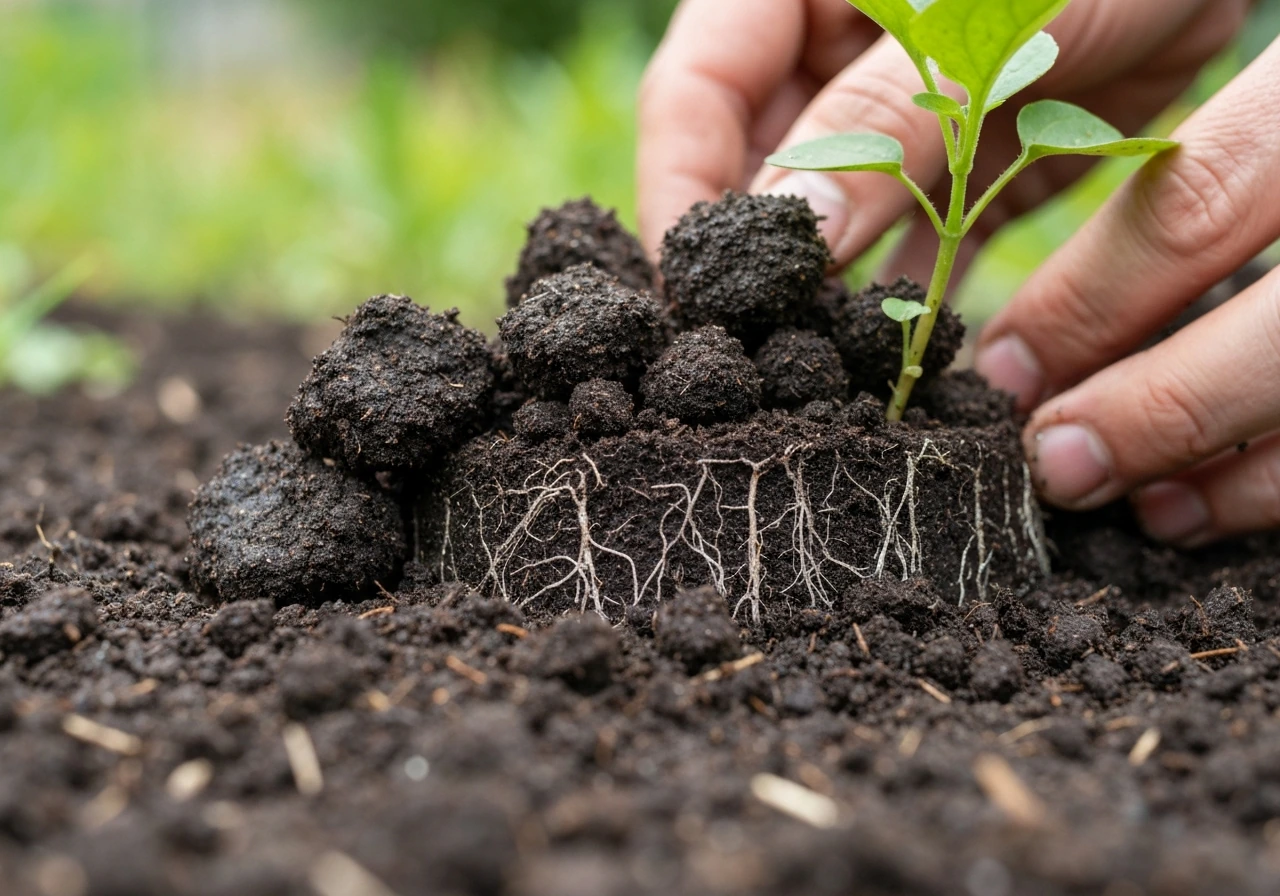
Compost works through several interconnected mechanisms, not just one. Understanding those mechanisms helps you use it smarter and set realistic expectations.
Better soil structure means deeper, healthier roots
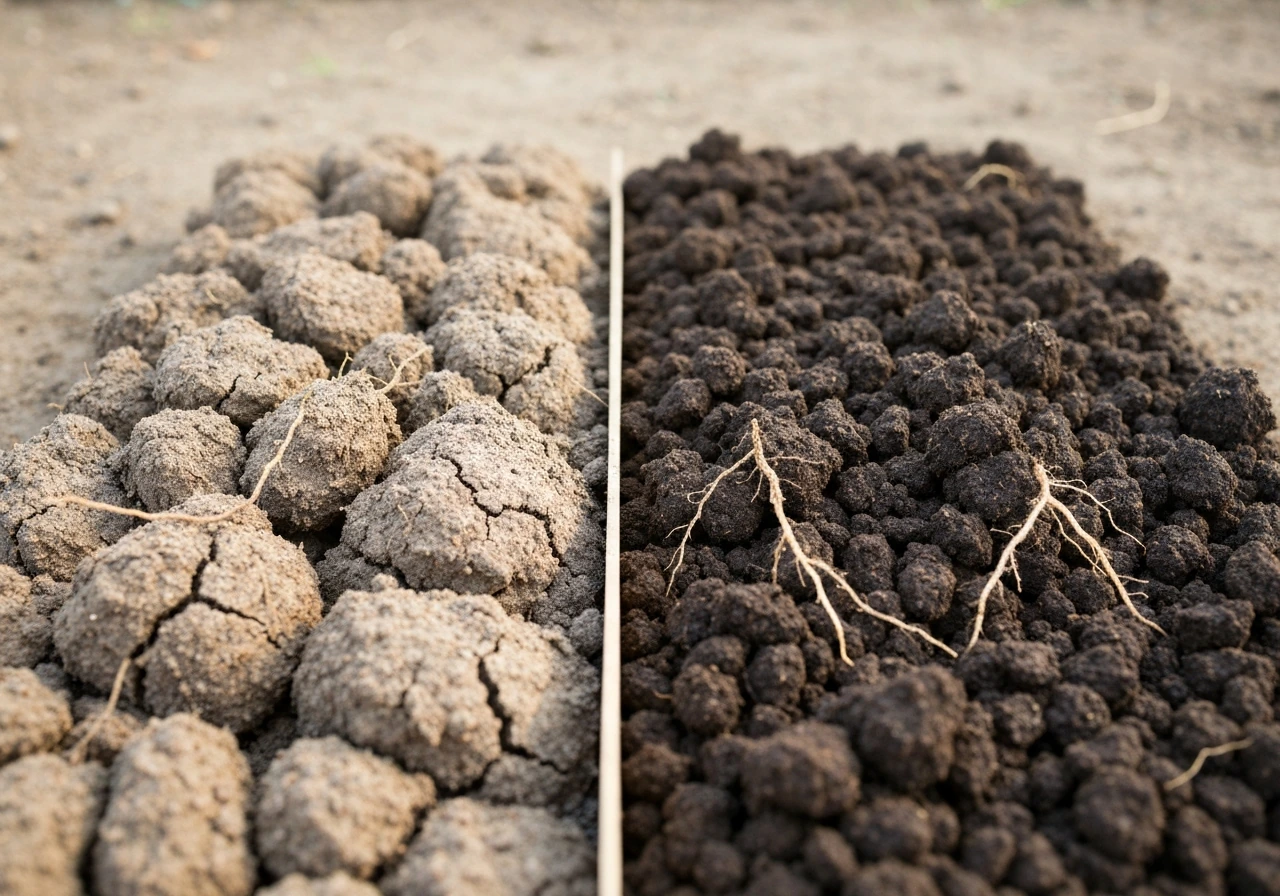
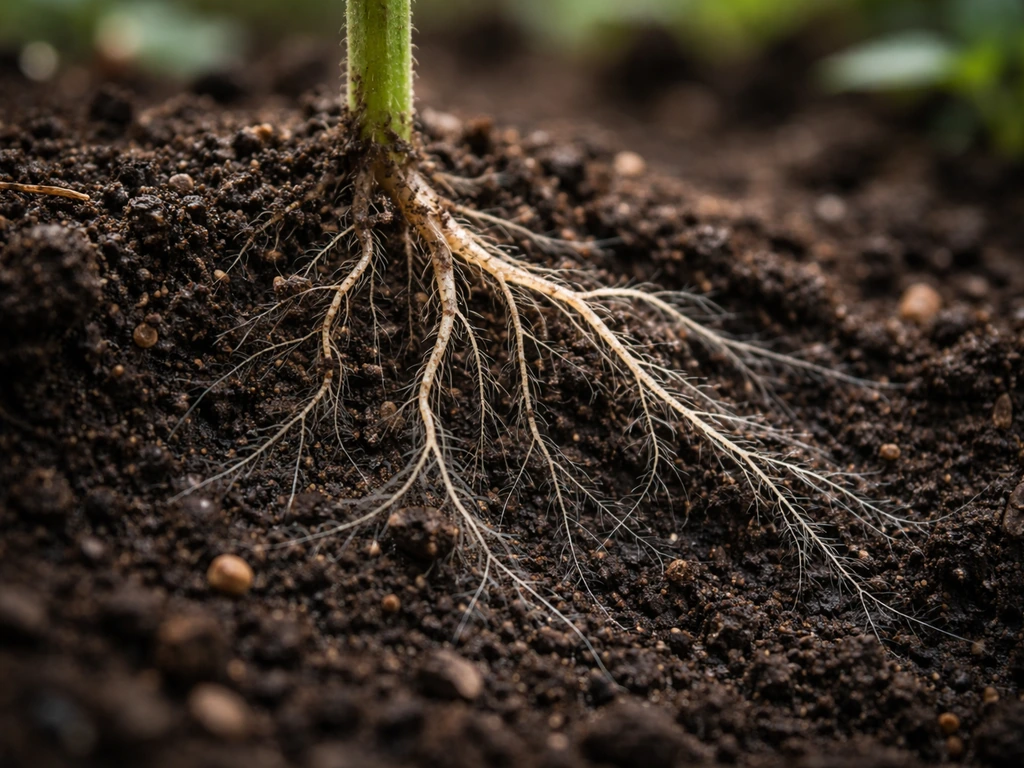
Compost adds organic matter that binds soil particles into aggregates, creating pore spaces that roots can penetrate more easily. Those pore spaces also allow air and water to move through the soil the way they should. The USDA NRCS has documented that soil health practices including compost can increase rooting depth and improve nutrient uptake directly because of this structural improvement. A plant with a deeper, wider root system can pull in more water and nutrients, which shows up as stronger growth above ground.
Water retention without waterlogging
This is one of the most underappreciated things compost does. In sandy soils, it dramatically increases how much water the soil can hold. A Michigan State University study found that incorporating a 3-inch layer of leaf compost rototilled to a 6-inch depth increased water holding capacity by roughly 2.5 times in sandy soil, providing almost a 7-day supply of plant-available water compared to the native soil. That's not a small difference. In clay soils, compost improves drainage and reduces compaction, so roots don't sit in waterlogged conditions. Either way, plants have more consistent access to the water they need.
Nutrients that plants can actually access
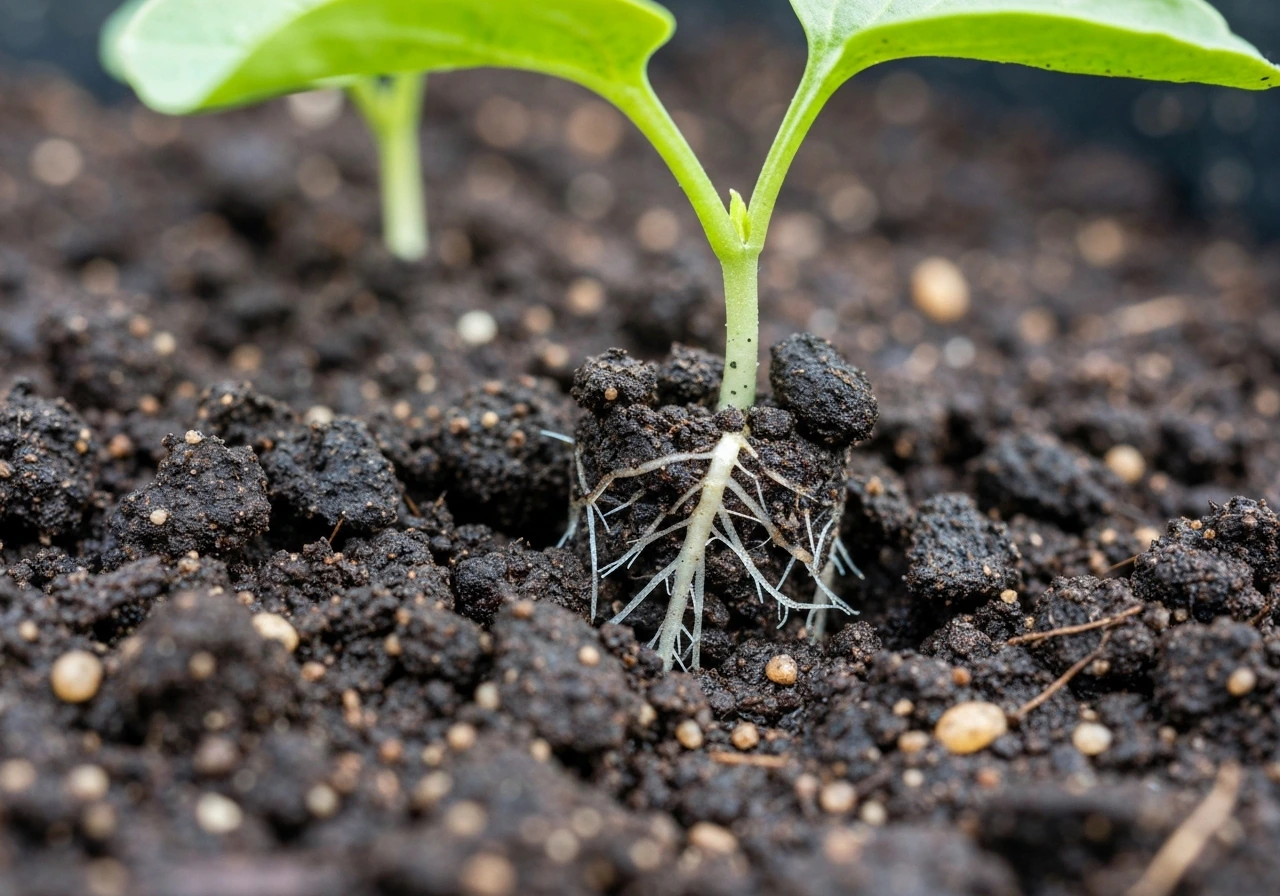
Compost releases nutrients slowly as soil microbes break it down further. One of those nutrients is ammonium nitrogen, a form plants can take up directly. The slow release nature means lower risk of the boom-bust cycles you get with synthetic fertilizers. Research published in Scientific Reports in 2026 confirmed that compost increases nutrient availability and stimulates microbial activity, both of which are tied to measurable improvements in crop growth and yield. University extension research also notes that nitrogen release from compost can continue for 3 to 4 years after a single application, decreasing over time. So you're not just feeding plants this season.
Microbial activity: the hidden engine
Compost is teeming with beneficial microorganisms. When you add compost to soil, you're essentially seeding the soil food web. Those microbes decompose organic matter further, cycle nutrients into plant-available forms, suppress some soil pathogens, and help aggregate soil particles. This is why compost works differently from synthetic fertilizers. You're not just feeding the plant directly. You're building a living system that feeds the plant on an ongoing basis.
Does compost make plants grow faster? What to actually expect
Here's where I want to be direct with you: compost speeds up plant growth primarily when poor soil is the main thing holding plants back. If you're gardening in sandy, nutrient-poor, or compacted soil, adding compost can lead to noticeably faster establishment and stronger early growth. The U.S. Fish and Wildlife Service has noted short-term benefits from compost including increased soil water holding capacity within just 1 to 2 years, which translates to real plant productivity gains fairly quickly. The U.S. Fish & Wildlife Service also notes that compost can increase soil water holding capacity within 1 to 2 years after a single application blank" rel="noopener noreferrer">increase soil water holding capacity within just 1 to 2 years. Fish poop can be an organic fertilizer too, but whether it helps plants grow depends on how it is processed and whether salts and pathogens have been addressed.
But if your plants are in decent soil and they're still growing slowly, compost probably isn't the fix. Light is the most common real limiter. Temperature matters too, especially early in the season. Watering frequency and technique, drainage, and whether your plants are getting the right balance of nutrients all play bigger roles than any amendment once your soil is reasonably healthy. Adding more compost to a plant that's struggling because it's in a shady spot won't do much. I've seen this mistake plenty of times, including in my own garden.
The honest expectation: compost is a long game. Soil improvement compounds over time. The Wisconsin Extension describes compost as a soil conditioner that supports plant vigor, not a quick-fix booster. Use it consistently and your soil will genuinely get better season after season, making all your plants perform better across the board. That's more valuable than a short-term growth spike from a synthetic fertilizer.
When and how to use compost for best results
Timing
The best times to apply compost are in fall after the growing season ends, giving it time to integrate into the soil over winter, or in early spring before planting. Fall application is especially useful for heavy clay or compacted soil because freeze-thaw cycles help work the organic matter in. Spring application right before planting directly feeds establishing roots when they need it most. You can also top-dress during the growing season as a slow-release feed, just keep it light.
How much to use and how to apply it
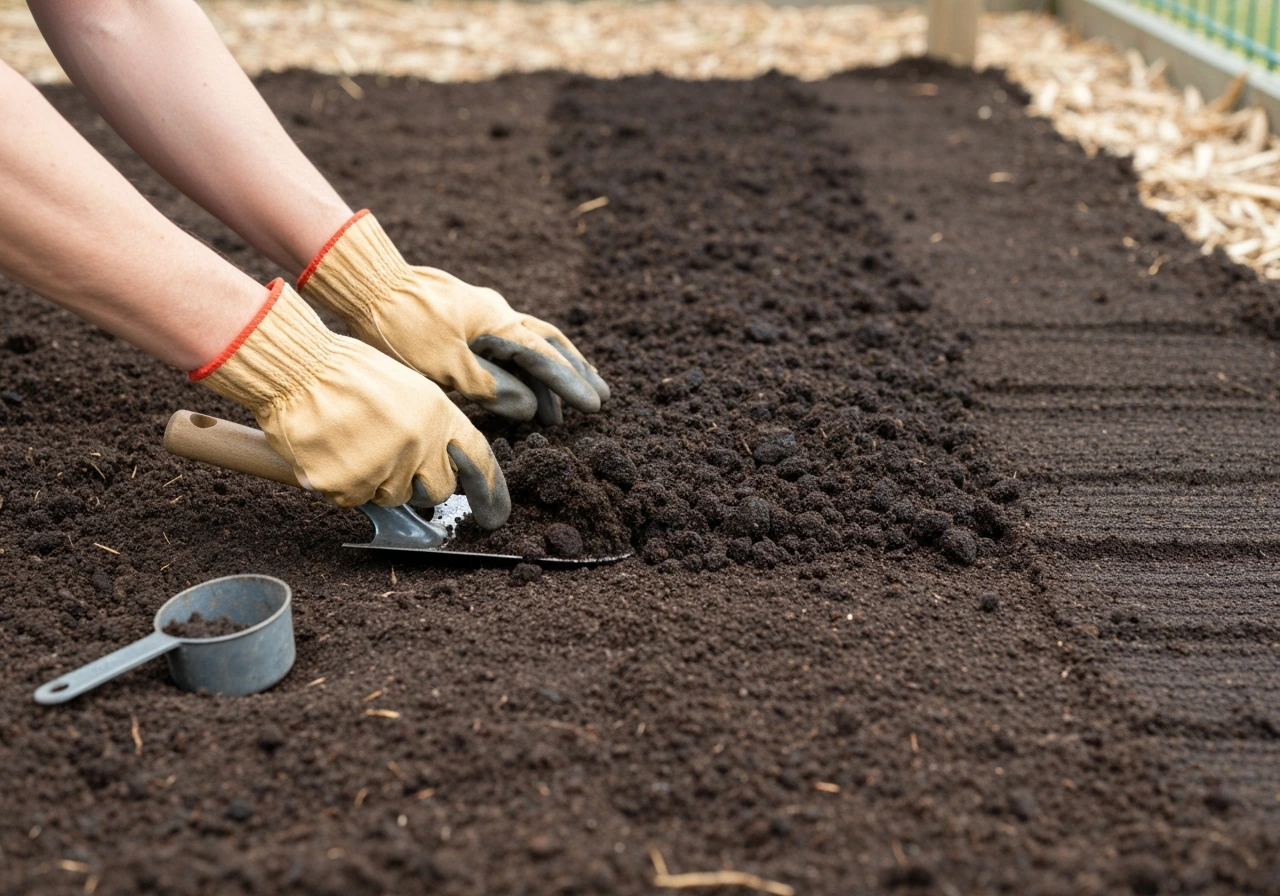
For new garden beds or lawn areas, Oregon State University Extension recommends mixing compost into the soil to a depth of 6 to 8 inches. A good starting point is a 2-inch layer of compost worked into the top 4 to 6 inches of soil. For established lawns, Penn State Extension describes applying a 1 to 2 inch compost layer to the surface and then incorporating it to a depth of 4 to 6 inches, which works out to roughly 3 cubic yards of compost per 1,000 square feet for a 1-inch incorporated layer. Colorado State University Extension adds an important practical note: don't apply compost in clumps or chunks. Uneven application can interfere with root growth and water movement through the soil.
Top-dressing vs. mixing in
| Method | Best For | How To Do It | Key Consideration |
|---|---|---|---|
| Mixing in (incorporation) | New beds, compacted or poor soil, pre-planting | Work 2 inches of compost into 4–6 inches of soil with a fork or tiller | Most effective for structural improvement; disturbs existing roots |
| Top-dressing | Established beds, lawns, trees and shrubs | Apply a 0.5–1 inch layer around plants; avoid touching stems | Won't disrupt roots; slower to integrate but still effective |
| Planting hole amendment | Individual transplants, seedlings | Mix compost no more than 25–30% of the hole's total volume | Too much concentrated compost can cause salt stress near roots |
Match compost type to your soil and plants
Not all compost is the same. Leaf compost is excellent for improving structure and water retention in sandy soils. Food-waste compost tends to be richer in nitrogen and works well for heavy feeders like vegetables. Manure-based composts (well-finished) provide a broader nutrient profile but can run higher in salts. University of Minnesota Extension recommends getting a compost report or soil test first so you know what you're actually adding, not just assuming all compost is equivalent.
Common compost mistakes that make it seem like it's not working
Using unfinished compost
This is one of the most common and damaging mistakes. Unfinished compost is still actively decomposing, which means the microbes breaking it down will compete with your plants for nitrogen, a process called nitrogen immobilization. In a Reddit thread on r/composting about whether wood or logs steal nitrogen, gardeners raised concerns about blank" rel="noopener noreferrer">nitrogen immobilization when carbon-rich materials have an unfinished, overly active decomposition stage. The result is that your plants can actually grow worse after you add it, not better. Finished compost looks and smells like rich dark soil, not like rotting material. If it still has recognizable food scraps or a sour odor, it's not ready.
Applying too much
More is not better with compost. Washington State University Extension is clear that compost can damage plants at high application rates, especially sensitive ones like seedlings. The main culprit is soluble salts. Colorado State University Extension warns that soluble salts from overapplying compost or other amendments can cause salt-burn and plant injury. Too much compost, especially from manure-heavy or food-waste sources, can raise soil salt levels to the point where plants wilt and yellow even with adequate watering. This is called salt toxicity and it looks a lot like drought stress, which makes it confusing to diagnose. University of Minnesota Extension recommends using soil tests to track nutrient and salt levels if you're applying compost regularly, especially if you're adding it every year.
Burying compost too deeply
Compost works best in the upper soil layers where most root activity, microbial life, and water exchange happen. University of Nebraska-Lincoln extension guidance specifies incorporating compost no deeper than one-third the depth of the rototiller, and working a 1-inch layer into roughly 3 inches of soil. Burying compost too deep reduces its effectiveness and can affect drainage in ways that hurt more than help.
Weed seeds and contamination
Compost that wasn't heated to the right temperature during production can contain viable weed seeds. Hot composting reaches 130 to 160 degrees Fahrenheit to kill seeds and pathogens. If you're buying bagged compost, look for products that specify they were thermophilically processed. If you're making your own, make sure your pile reached adequate temperatures throughout, not just in the center.
Forgetting to water after application
Compost needs moisture to integrate into the soil and for microbial activity to kick in. If you top-dress and then leave it dry, it just sits there. Water the area after applying compost and make sure your regular irrigation is consistent. This is especially important in the first few weeks after application.
Slow plant growth? Here's how to troubleshoot it
If your plants are still growing slowly after adding compost, the problem almost certainly isn't the compost. Work through this checklist before adding more amendments.
- Check your light levels first. Most vegetables and flowering plants need 6 to 8 hours of direct sun. Low light is the single most common undiagnosed cause of slow, weak plant growth.
- Review your watering. Inconsistent watering, either too much or too little, stresses roots and slows growth even in great soil. Stick your finger 2 inches into the soil before watering.
- Test your soil. A basic soil test (available through most county extension offices for under $20) tells you pH, nutrient levels, and organic matter percentage. Compost slightly acidifies soil over time, which can help or hurt depending on what you're growing.
- Consider soil temperature. Seeds won't germinate and transplants won't establish well in cold soil. Most warm-season vegetables need soil temperatures above 60 degrees Fahrenheit to really move.
- Check whether the compost you used was actually finished. If plants declined or yellowed after you added compost, nitrogen immobilization from unfinished material is the likely cause.
- Look at your plant spacing. Crowded plants compete for light, water, and nutrients regardless of soil quality. Thinning or transplanting can unlock faster growth quickly.
- Consider other organic inputs if nutrients are still short. Compost is a soil builder but it's relatively low in concentrated nutrients. For heavy feeders in the active growing season, you may need to pair compost with an appropriate fertilizer based on your soil test results.
It's also worth noting that organic materials similar to compost, like manure, work through many of the same mechanisms: adding organic matter, feeding microbes, and slowly releasing nutrients. If you are using manure-based compost, it can still help plants grow, but getting it fully finished and avoiding salt issues matters. Dog poop is another organic source, but whether it helps plants depends on how it was handled and whether pathogens and excess salts have been addressed. The key differences are in nutrient concentration, salt content, and how long they take to become plant-safe. If you're curious about how those compare to compost for your specific situation, the same principles of soil testing and matching the amendment to your actual deficiency apply across the board.
Compost is one of the most genuinely useful things you can add to a garden. It's not folklore and it's not hype. But it works best as part of a complete picture: good light, consistent water, appropriate nutrients, and healthy soil structure working together. Dead bodies can contribute nitrogen and other organic material, but for safe, real plant growth you should not use them directly in gardens dead bodies help plants grow. Fix the soil with compost, then make sure everything else is dialed in, and you'll see results.
FAQ
How long should I wait after adding compost before I see plant improvements?
If compost is fixing soil structure and water issues, you can often notice changes in root establishment and vigor within weeks. For nutrient effects and full soil-food-web benefits, improvements typically build over multiple seasons, especially with fall applications that integrate through winter.
Can compost make plants grow faster in containers or raised beds?
Yes, but dose and mixing matter more in containers because salts and nitrogen dynamics concentrate in a smaller root zone. Use finished compost mixed into the potting mix (not as a thick top layer), and avoid repeated heavy applications that can raise soluble salts.
What signs tell me compost is helping versus actually harming my plants?
Helping usually looks like better color and steady growth without wilting during normal watering, plus improved root vigor. Harm often shows yellowing, leaf burn, or wilting that resembles drought, especially if you over-applied or used salt-heavy compost.
How can I tell if the compost is “finished” enough to use safely?
Finished compost typically looks like dark, crumbly soil and smells earthy, not sour or like active rotting. If you still see recognizable food scraps or get a strong decaying odor, it may still be decomposing and can cause nitrogen immobilization.
How do I avoid nitrogen immobilization when using compost?
Use only finished compost and avoid fresh or partially decomposed material. If you do incorporate a compost batch that might be “hot” or unfinished, wait longer before planting, or choose a well-aged alternative for beds where seedlings are starting.
Is it safe to apply compost every year?
It can be, but more is not better. Track what you’re adding, and consider soil testing for nutrients and salts if you reapply annually, particularly with food-waste or manure-based composts that can accumulate soluble salts.
What’s the best way to apply compost so it doesn’t interfere with water movement?
Avoid clumps and chunks, and incorporate evenly rather than leaving uneven islands. Compost works most effectively when distributed in a thin, uniform layer, then watered in so it can integrate and rewet consistently.
How much compost should I use for seedlings and young transplants?
Keep rates light, especially right around sensitive seedlings. Too much compost can raise salts and stress young plants, so it’s safer to mix into the soil moderately rather than thick top-dressing near new growth.
Does compost fix problems caused by shade, heat, or watering mistakes?
Compost supports soil function, but it cannot replace correct light, temperature, and irrigation. If the main limitation is low light, inconsistent watering, or poor drainage, compost benefits will be smaller or take longer than you expect.
Should I apply compost to the surface (top-dress) or mix it in?
Top-dressing works as a slow feed, but mixing or light incorporation is often better for improving structure and water exchange in the active root zone. For new beds, incorporation gives more immediate soil contact, while established beds can benefit from surface layers followed by watering.
How deep should I incorporate compost, and what happens if I bury it too deep?
In general, keep compost in the upper soil layers where most roots and microbial activity are active. Burying too deep reduces benefits and can change drainage or aeration in a way that slows root development.
Can compost contain weed seeds, and how do I prevent that?
Yes, especially if the compost wasn’t heated to thermophilic temperatures during processing. Use compost that specifies thermophilic processing (or verify your homemade pile reached adequate temperatures throughout), and avoid spreading compost that looks unfinished.
What compost type is best if my soil is sandy versus clay-heavy?
For sandy, nutrient-poor soils, leaf-based compost often shines for improving water retention and structure. For compacted or clay soils, compost helps reduce compaction and improve drainage, but consistent moisture management still matters.
Do I need a soil test before adding compost?
It’s a smart decision if you apply compost regularly or if plants are repeatedly struggling. A test can show nutrient levels and, crucially, salt or nutrient imbalances so you can choose the right compost type and avoid overdoing it.
If my plants look like they have a nutrient deficiency, will compost automatically correct it?
Often it helps, but not always. Compost mainly improves soil function and provides nutrients slowly, so if you have a severe micronutrient imbalance or a pH issue, compost alone may not correct it. Soil testing can guide whether you need targeted amendments beyond compost.
Next Articles
How Do Microorganisms Help Plants Grow: Practical Guide
Learn how microbes in the rhizosphere fix nitrogen, boost phosphorus, aid roots, suppress disease, and how to grow them.
How Does Yeast Help Plants Grow? Safe, Practical Guide
Learn how yeast boosts plant growth via soil microbes, safe dilution and timing, plus myths, limits, and troubleshooting
Do Mushrooms Help Plants Grow? Science and How to Use
Science-backed answer on whether mushrooms help plants grow, plus how to use mycorrhiza, compost, and test results.