Plowing helps plants grow better primarily by breaking compacted soil so roots can actually push through it, improving how air and water move around the root zone, and giving you a chance to mix in organic matter like compost or manure before planting. Done at the right time and depth, it can dramatically improve early establishment. But plowing is also one of those techniques that gardeners reach for out of habit when it isn't always the right call, and doing it wrong can leave you with worse soil than you started with.
How Does Plowing Help Plants Grow Better? Benefits and Tips
Marcus Holloway
17 May 2026
What plowing actually does to your soil and roots
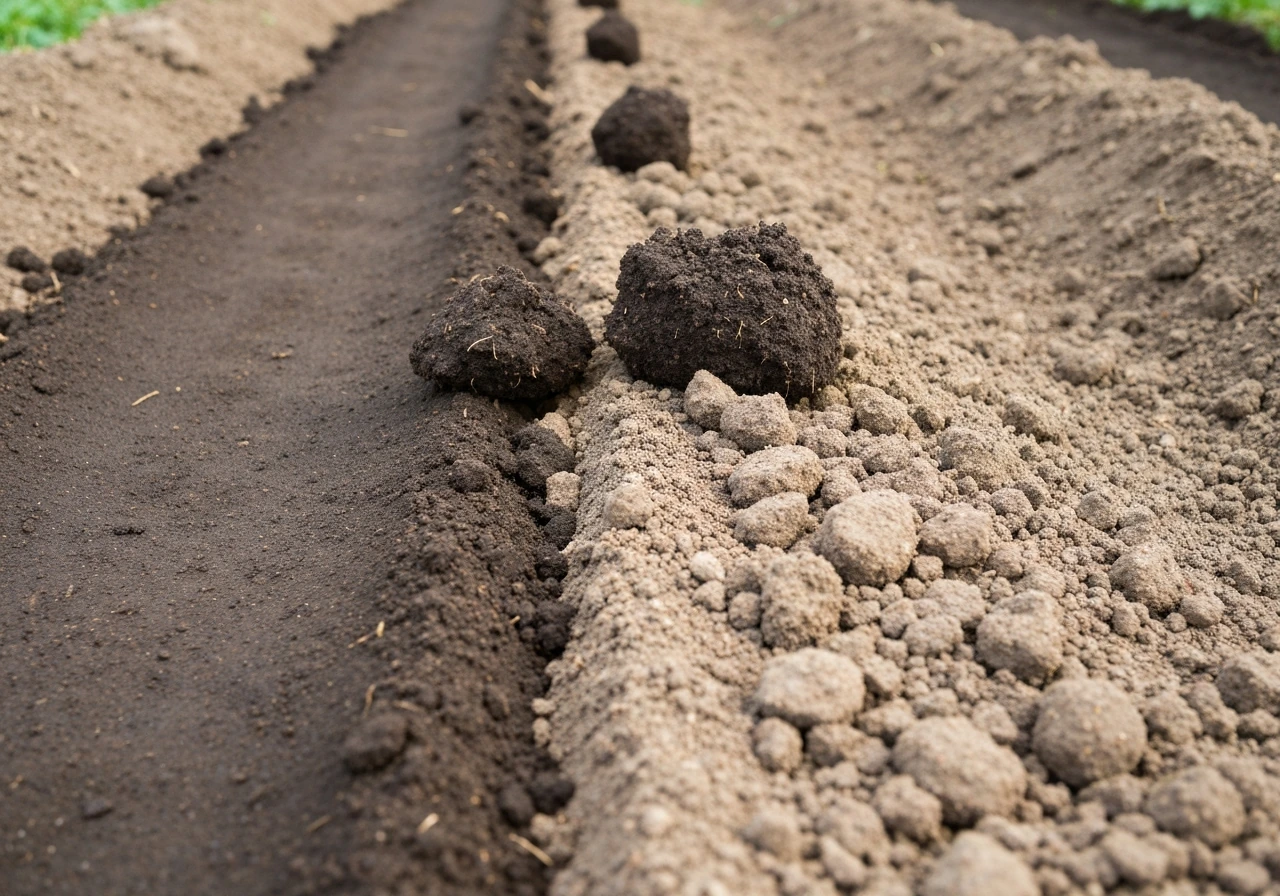
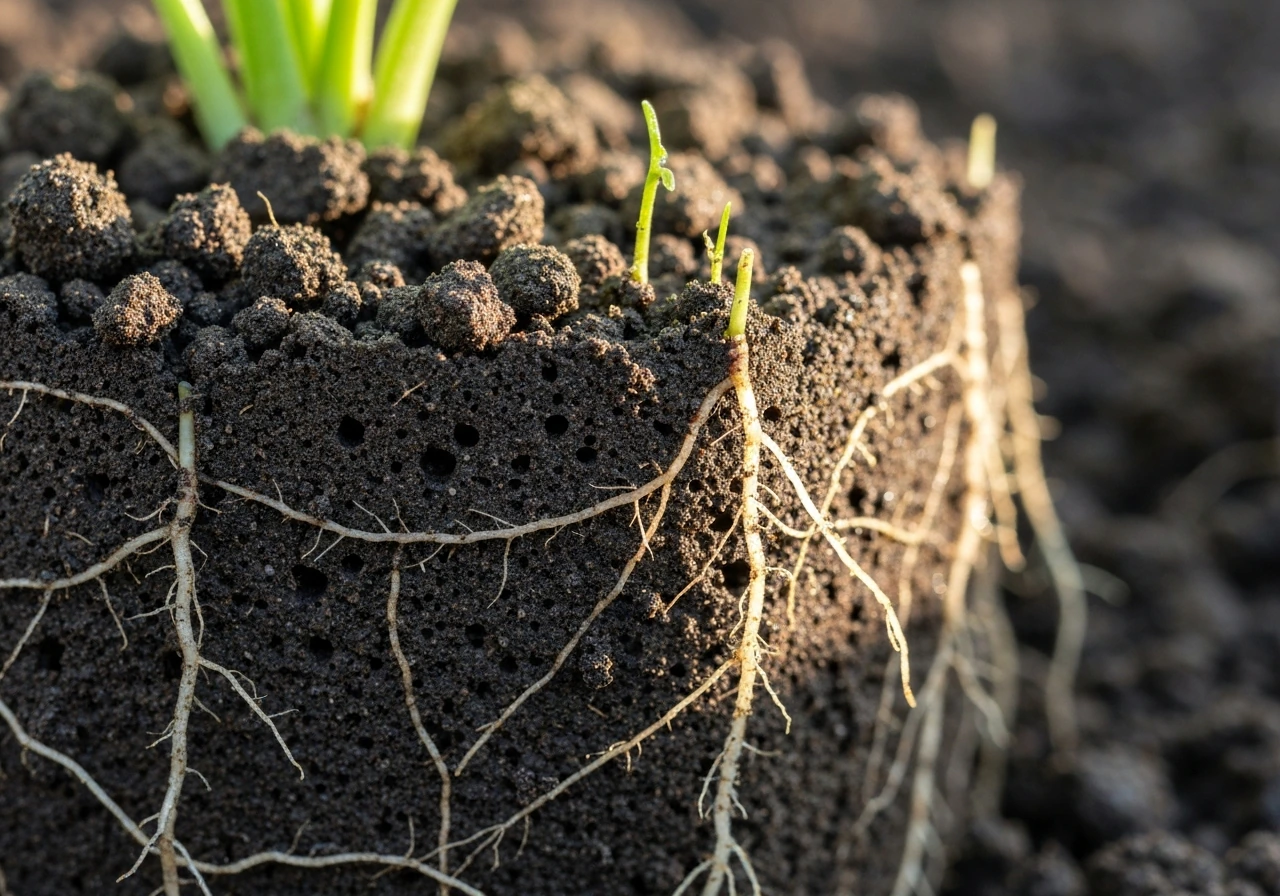
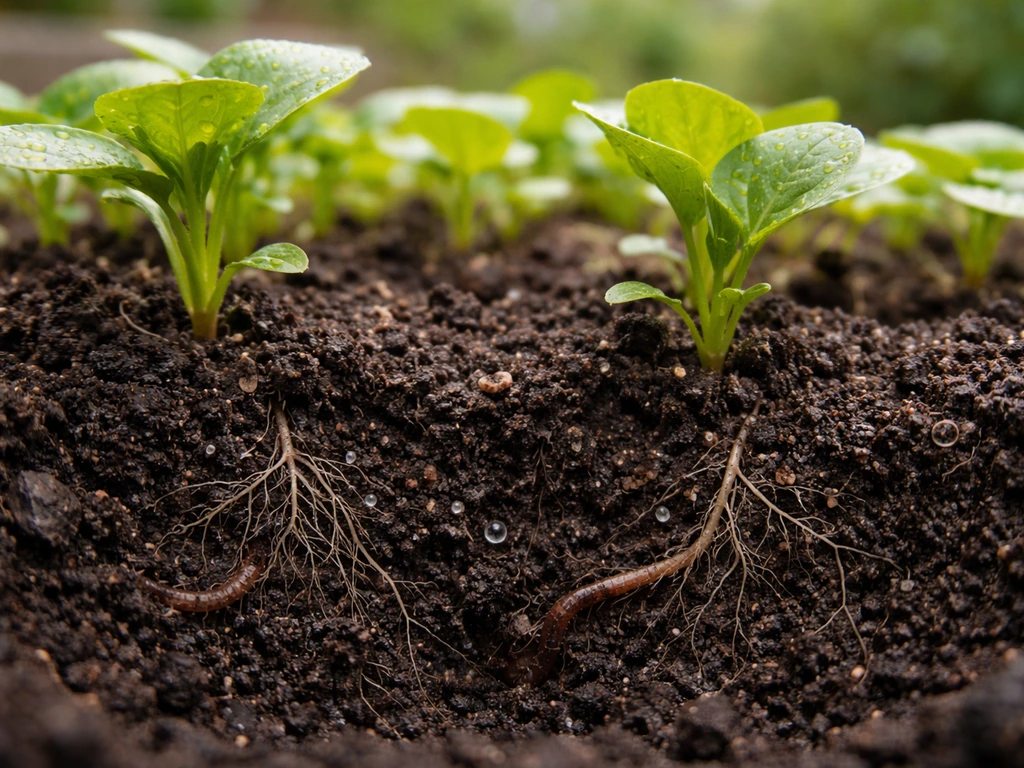
The most immediate thing plowing does is break up soil compaction, which is the single biggest physical barrier to root growth in most home gardens. When soil gets walked on, driven over, or just rained on for years, the particles pack tightly together and the large pore spaces collapse. Roots need those pore spaces to grow through, and so does water and air. Research on how tillage affects soil structure confirms that compacted soils have fewer large pores (bigger than 250 micrometers) and more small, tightly packed ones. Large pores are exactly what roots and water need to move freely. Plowing physically breaks that compaction and restores some of those larger channels.
Plowing also lets you bury or incorporate surface debris, turning it into the soil profile where it can break down and contribute organic matter. If you're adding compost, aged manure, or other amendments, plowing is the most efficient way to get those materials mixed into the top 7 to 8 inches rather than just sitting on the surface. That matters a lot for nutrient availability and for the biological activity that makes soil fertile over time.
On the weed front, plowing cuts both ways. Inversion-style plowing (like moldboard plowing, which literally flips the soil layer) buries surface weed seeds deep enough that many won't germinate. But it also brings up seeds that were already buried and dormant, which can surprise you with a flush of weeds you weren't expecting. The net effect on your weed pressure depends on what's already in your seedbank.
What plowing doesn't do is fix nutrient deficiencies, compensate for poor light, or solve drainage problems caused by a high water table. It's a physical intervention, not a chemical or biological fix on its own. Gardeners sometimes plow repeatedly hoping to 'improve' soil and end up disrupting the soil ecosystem more than they help it.
When plowing helps (and when it hurts)
Plowing genuinely helps in a few specific situations. If you're breaking new ground on a lawn or overgrown area, starting a vegetable bed in heavy clay, or incorporating a large volume of compost or manure before a planting season, a single thorough pass makes a lot of sense. It gives you a workable seedbed that would take years to achieve with surface-only amendments.
Where plowing starts to hurt is when you do it repeatedly, season after season, especially in soils that are already in decent shape. Each tillage pass physically destroys fungal networks, breaks up earthworm burrows, and exposes organic matter to rapid oxidation. Long-term conventional tillage is consistently linked to lower soil organic matter, reduced aggregate stability, and depressed earthworm populations compared to no-till or minimum-till systems. Earthworms matter more than people realize: their burrows create continuous channels that roots and water follow down into deeper soil layers, effectively extending your rooting zone for free. Plowed fields can have dramatically fewer earthworms than no-till fields, and that biological infrastructure takes years to rebuild once it's disrupted.
There's also an erosion risk. Freshly tilled bare soil is highly vulnerable to runoff, especially on any slope. Studies comparing inversion tillage to no-till confirm that tilled plots shed significantly more sediment and runoff under rain events. If your garden beds sit on even a gentle slope, leaving soil bare after plowing for more than a few days is asking for trouble.
One more underappreciated downside: even a single tillage event in an otherwise no-till system can reduce arbuscular mycorrhizal (AM) colonization of plant roots. Mycorrhizal fungi form symbiotic relationships with most vegetable and garden plants, essentially extending root surface area to pull in phosphorus and other nutrients. Protein helps plants grow by supporting cell growth, chlorophyll production, and healthy root development so they can capture water and nutrients more effectively. Break up the fungal network with a plow and you can measurably reduce phosphorus uptake in the plants you grow that season. This isn't a reason to never plow, but it's a real cost that gardeners who rely on soil biology for fertility should factor in.
Best timing and depth for different garden goals
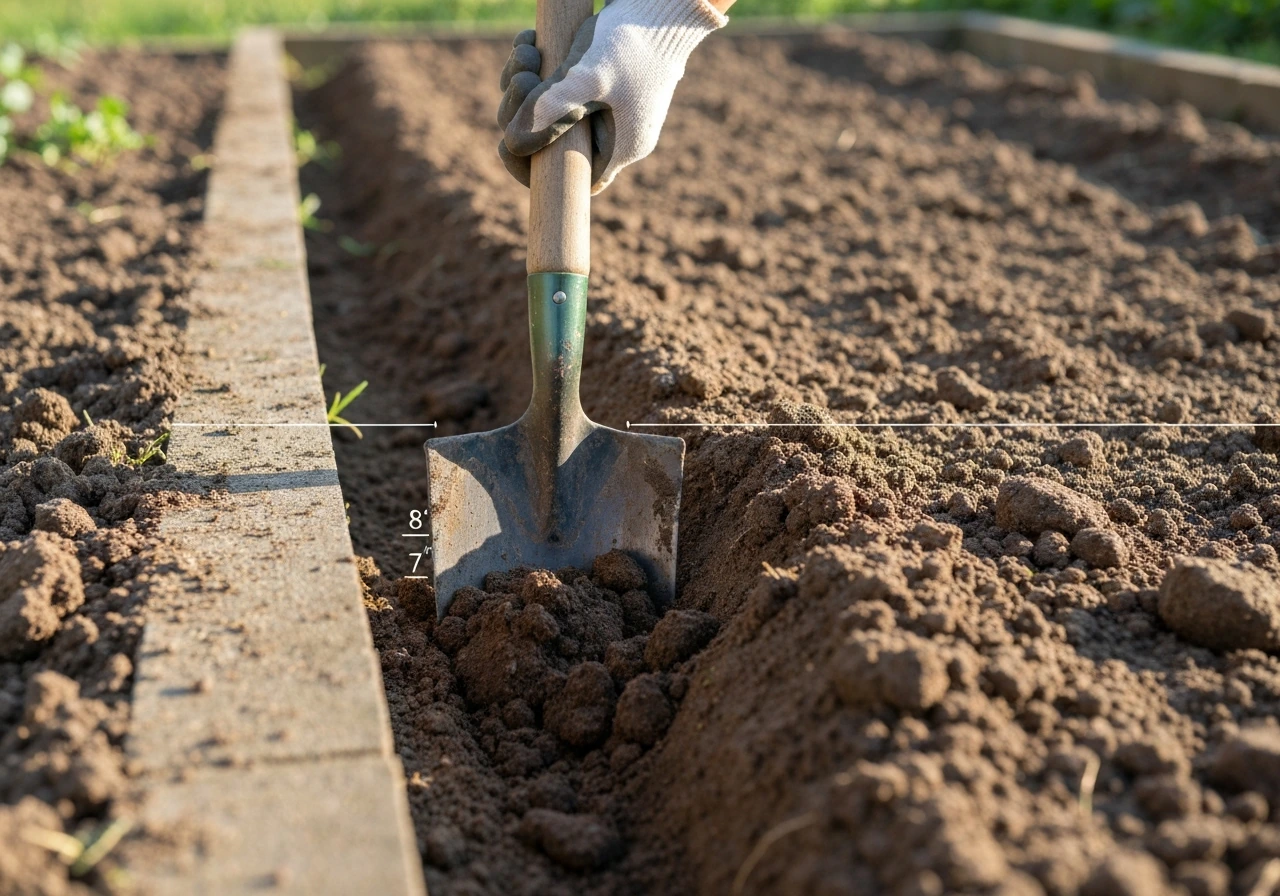
The single most important variable in plowing is soil moisture. Tilling wet soil is one of the fastest ways to create hard, dense clods that take the rest of the season to break down. Extension guidance is consistent on this: wait until soil crumbles rather than smears when you squeeze a handful. blank" rel="noopener noreferrer">The sweet spot is roughly 50 to 75 percent of field capacity, meaning moist but not saturated. In spring, this often means waiting a week or two after rains before you touch the soil, even if you're eager to get started.
For standard garden bed preparation, a depth of 7 to 8 inches is the practical target for most home gardeners. That's deep enough to break compaction in the main root zone, incorporate amendments, and bury annual weed debris, without going so deep that you bring up raw, nutrient-poor subsoil. If you're working through particularly dense clay or want to pocket amendments deeper, a chisel plow or broadfork can penetrate to around 18 inches without full inversion, which is gentler on soil structure.
| Goal | Recommended Depth | Timing | Tool |
|---|---|---|---|
| New bed from lawn or overgrown area | 7–8 inches | Fall or early spring when soil is workable | Rotary tiller or spade |
| Incorporating compost/manure | 7–8 inches | Before planting, once soil moisture is right | Rotary tiller or garden fork |
| Breaking heavy clay compaction | Up to 18 inches | Fall preferred; spring once dry enough | Chisel plow or broadfork |
| Renovating an existing bed | 6–8 inches | End of season or early spring | Garden fork or shallow tiller |
| Light seedbed finishing | 2–4 inches | Just before seeding | Rake or cultivator |
Fall plowing has real advantages if you plan ahead: the soil has time to settle and weather over winter, freeze-thaw cycles break down clods naturally, and you can incorporate amendments that need months to break down. Spring plowing works fine too, but be disciplined about waiting for proper moisture and don't leave the soil sitting bare and rough for more than a day or two before finishing your seedbed.
Plowing vs. no-till: the honest soil health tradeoff
The no-till movement has strong science behind it, particularly for long-term soil health. Continuous no-till systems tend to accumulate more soil organic carbon, have better aggregate stability, higher earthworm populations, and better water infiltration than conventionally tilled systems over time. Meta-analyses of long-term trials consistently show that conservation and no-till approaches improve soil organic matter storage and nutrient stocks compared to conventional tillage.
That said, no-till isn't perfect either. It can slow nutrient mineralization in spring because cooler, undisturbed soils warm up more slowly, which can delay early-season nutrient availability. A longer-term conservation tillage trial in organic farming similarly notes that conservation tillage can slow mineralization in spring, which may restrict early nutrient availability depending on conditions slow nutrient mineralization in spring. Weed seeds also tend to stay concentrated near the surface in no-till systems, which can mean dense surface weed pressure if you're not managing it well with mulch or cover crops.
For most home gardeners, the practical answer is somewhere in the middle. Use tillage as a one-time intervention to establish a new bed or fix a serious compaction problem, then transition to minimum-till or no-till maintenance. Add compost and organic matter to the surface rather than tilling it in every year. Let earthworms, fungal networks, and soil biology do the mixing work. Worm castings are one organic option that can further support plant growth by improving soil biology and helping plants access nutrients more effectively. The soil gets better over time, and you do less physical work, not more.
What to do right after plowing
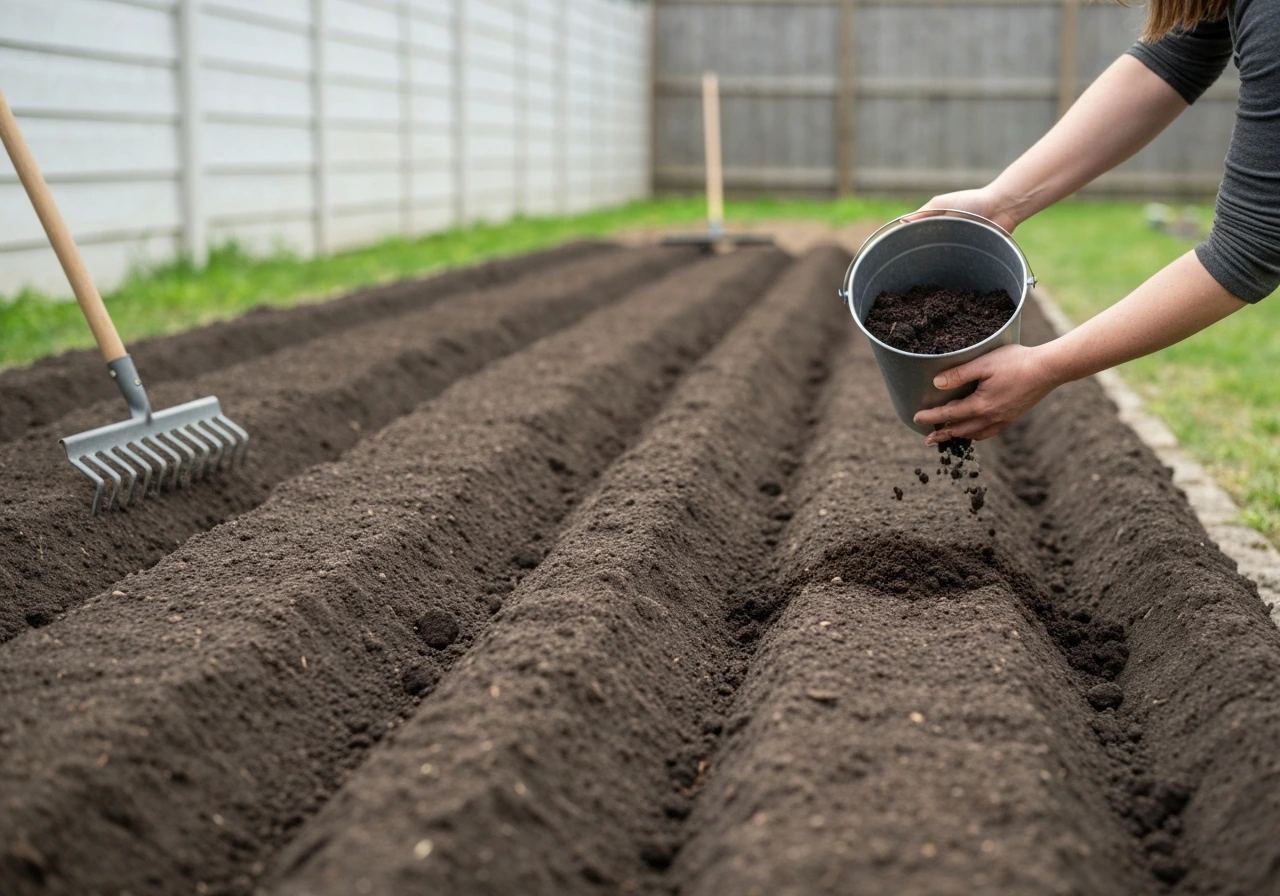
Freshly plowed soil needs attention within 24 to 48 hours. Left sitting rough, it dries out fast and the surface forms hard clods and a crust that's almost as hostile to seedlings as the compacted ground you just broke up. Here's the sequence that actually works:
- Add amendments immediately. If you haven't already incorporated compost, aged manure, or other organic matter, do it now while the soil is open. Spread 2 to 3 inches of compost over the surface and work it in lightly with a rake or second shallow pass. This is also the moment to add lime or sulfur if a soil test has indicated pH correction is needed.
- Level and break up clods. Use a rake to knock down large clumps and create an even surface. Firm the bed lightly with the back of a rake or a roller to restore soil-to-seed contact without re-compacting. Seed germination is directly tied to how well the seed touches soil particles, so don't skip this step.
- Wait the right amount of time before planting. For transplants, you can plant within a day or two once the bed is leveled. For direct-seeded crops, wait until the surface layer has settled and firmed slightly, typically 2 to 4 days if soil moisture is adequate. Planting into fluffy, unsettled soil leads to uneven germination and seedlings that can't anchor properly.
- Water carefully. After plowing and leveling, water gently to settle the soil without creating puddles or surface crusting. A soaker hose or drip irrigation is ideal. Overhead sprinklers on full blast will compact the surface again and undo some of your work.
- Mulch bare areas. Any bed space you're not immediately planting should get a layer of mulch or a cover crop seeded into it. Bare tilled soil erodes and loses moisture quickly, and it's an open invitation for weed seeds to germinate.
Common mistakes and how to fix them
Plowing wet soil
This is the most common and most damaging mistake. Wet soil smears and compacts under tillage equipment instead of crumbling apart, creating dense clods that can take months or even a full growing season to break down. If you've already done this and your soil has hardened into brick-like chunks, your best option is to water the area lightly, let it partially dry, and then work it again with a rake or hand cultivator. Adding compost helps, but you may need to accept a rougher seedbed this season and commit to better timing next year.
Plowing too deep
Going deeper than 8 to 10 inches with a rotary tiller or plow in most home garden situations brings up subsoil that is low in organic matter, often has a different pH, and may have worse structure than the topsoil you just mixed it with. If you accidentally went too deep, the fix is to add extra compost to compensate for the dilution of topsoil organic matter, and give the bed a full growing season to re-establish biological activity before expecting peak performance.
Expecting plowing to fix nutrient or light problems
Plowing improves the physical environment for roots. Fertile soil helps plants grow by supplying nutrients and creating the right structure for roots to spread and access water and air. Auxin is one of the key plant hormones that helps guide root and shoot growth toward light and nutrients. It does not fix a nitrogen deficiency, balance your soil pH, or compensate for a shady location. Sulfur can also support plant growth by helping form key amino acids and making some nutrients easier for plants to use. Ammonia-based nitrogen can help plants grow when they need more nitrogen, because it supports leaf and overall growth does not fix a nitrogen deficiency. If your plants are struggling and you reach for the tiller as the default fix, pause and get a soil test first. The issue could be something that plowing actively makes worse, like disrupting mycorrhizal networks that were helping your plants access phosphorus. Fertility comes from organic matter, nutrients, and biology working together, which connects to how inputs like compost, worm castings, or urea-based fertilizers are incorporated and whether the soil biology is intact enough to process them.
Not finishing the seedbed after plowing
Chisel plows and deep tillers in particular leave very rough seedbeds with large clod sizes. If you skip the finishing step with a rake or harrow, you'll get uneven germination, poor root-to-soil contact, and air pockets that let roots dry out. Always follow primary tillage with secondary finishing before you seed or transplant.
Plowing every year out of habit
Repeated annual tillage progressively degrades the soil biology that makes your garden work. Earthworm populations drop, fungal networks are repeatedly destroyed, and organic matter oxidizes faster than it accumulates. If your beds are already established and in decent shape, surface-apply compost and mulch instead. Reserve tillage for situations where there's a genuine physical problem to solve, not as a seasonal ritual.
FAQ
How does plowing affect watering and drainage right after you do it?
Plowing often improves infiltration for a short window, but the benefit disappears quickly if the surface dries and crusts. Plan to finish with a fine rake/harrow and keep the top layer lightly moist until transplanting or seeding, especially in hot or windy weather.
Is plowing ever helpful for sandy soil, or is it mainly for clay?
Plowing is less likely to create a lasting benefit in sandy soils because compaction and pore collapse are often minor compared with clays. If you do it in sand, keep depth shallow and minimize passes, because you can lose moisture faster and reduce the biological structure you rely on for fertility.
How deep should I plow if my main goal is root growth rather than weed control?
Target roughly the main root zone you want to loosen, usually 7 to 8 inches for most beds. Going deeper with a rotary tiller tends to bring up less-organic, lower-quality subsoil, which can offset the root-growth advantage unless you amend and allow time to rebuild soil life.
What’s the best alternative if my soil is too wet to plow without smearing?
Wait for the soil to crumble when squeezed (not smear). If timing is tight, you can delay tillage and instead use a cover crop or lay mulch to protect the surface until you can work it properly, then finish seedbed prep in one correctly timed pass.
How do I reduce weed outbreaks if I have to invert or incorporate weed debris?
Expect a flush from buried seeds, then manage it proactively. Use a short interval between tillage and planting, keep the surface covered with a thin mulch after finishing, or use flame weeding or shallow cultivation before seedlings emerge.
Can I plow and still keep soil biology, or is any tillage always harmful?
Single, well-timed tillage for bed establishment can be reasonable, but the harm comes from repeated disruption. A practical approach is one-time plowing to fix compaction, then switch to minimum disturbance (surface compost, mulch, and spot cultivation) so fungal networks and earthworm channels recover.
Do I need to add fertilizer after plowing, or will the soil nutrients be “reset”?
Plowing does not automatically correct nutrient deficiencies, and it can temporarily change nutrient availability by breaking organic matter down faster or disrupting mycorrhizae. If plants are struggling, get a soil test first, then apply nutrients based on the results rather than assuming tillage will fix fertility.
What should I do if I already plowed and the bed turned into hard clods or a crust?
Lightly water to soften just the top layer, let it partially dry, then rework with a rake or hand cultivator to restore a crumbly surface. Plan for a rougher first season if the clods are deep, and focus on consistent moisture to help seeds or transplants establish.
Is fall plowing always better than spring plowing?
Fall plowing can help with settling, freeze-thaw breakdown, and longer weathering, but the “better” choice depends on drainage and erosion risk. If you have any slope, consider covering the bed over winter (cover crop or mulch) to reduce runoff until spring finishing.
Why did my plants look worse after tilling, even though the bed “should be better”?
Common causes include disruption of mycorrhizal networks affecting phosphorus uptake, poor root-to-soil contact from leaving a rough seedbed, and nutrient availability timing mismatches early in the season. Re-check moisture and seedbed finish, then address fertility with a soil test rather than repeating tillage.
Next Articles
How Does Ammonia Help Plants Grow? Nitrogen, Safety, and Use
Explains how ammonia provides plant-usable nitrogen via conversion to ammonium and nitrate, plus safe use and risks.
How Do Microorganisms Help Plants Grow: Practical Guide
Learn how microbes in the rhizosphere fix nitrogen, boost phosphorus, aid roots, suppress disease, and how to grow them.
How Does Yeast Help Plants Grow? Safe, Practical Guide
Learn how yeast boosts plant growth via soil microbes, safe dilution and timing, plus myths, limits, and troubleshooting