Manure helps plants grow because it delivers nitrogen, phosphorus, and potassium directly to the soil, feeds the microbial communities that make nutrients plant-available, and adds organic matter that improves soil structure over time. It is not magic, and it is not instant, but used correctly it is one of the most complete and cost-effective soil amendments a gardener can apply.
Why Manure Helps Plants Grow and How to Use It Safely

Marcus Holloway
30 Apr 2026
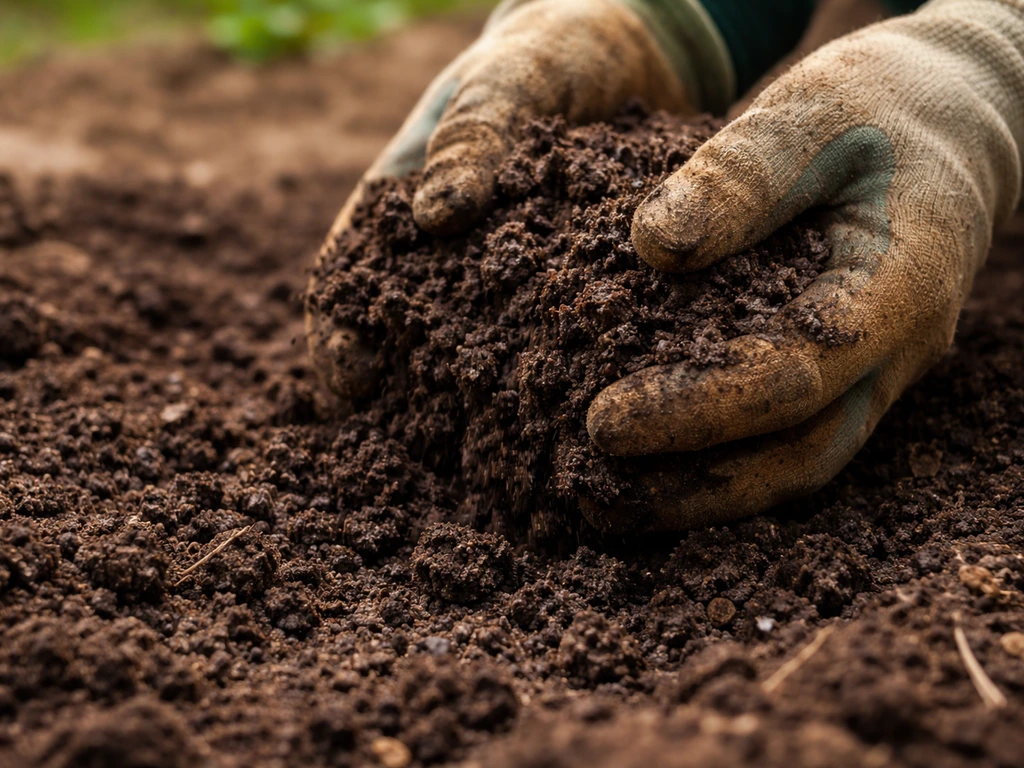
What manure actually contributes to your soil
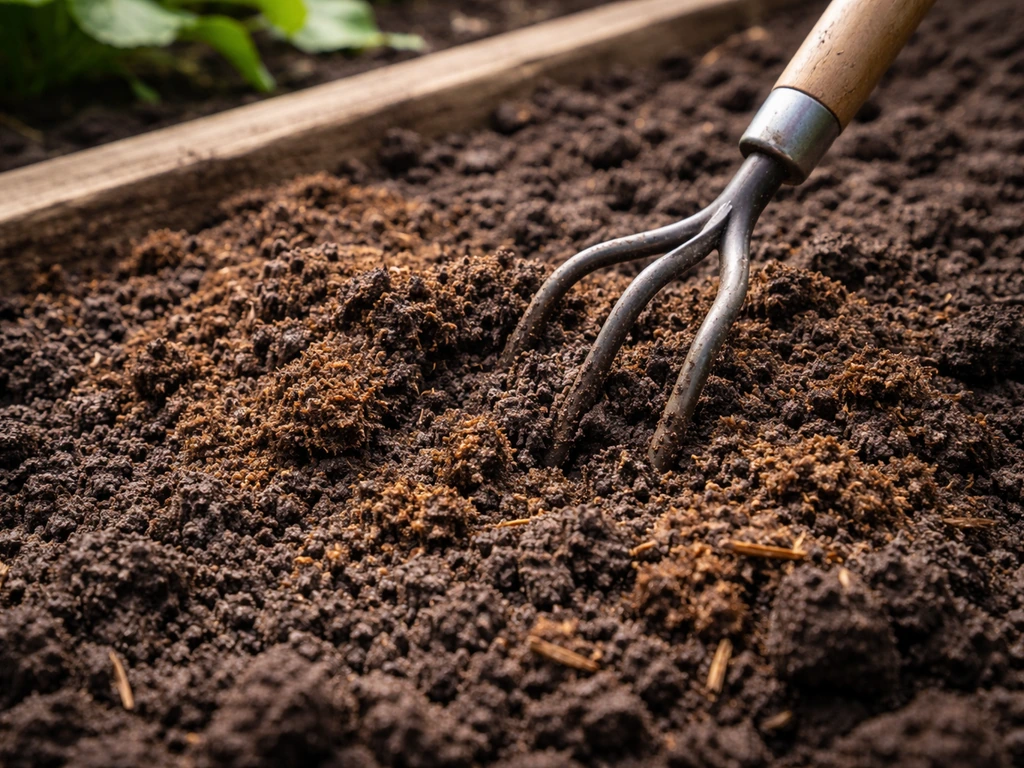
When you work manure into a garden bed, two separate things happen. First, you are adding nutrients that plants need to grow. Second, you are adding organic matter that changes how the soil itself behaves. Both matter, and it helps to understand them separately so you know what to expect.
On the nutrient side, manure supplies the three macronutrients plants demand most: nitrogen (N), phosphorus (P), and potassium (K), plus a range of secondary nutrients and micronutrients like calcium, magnesium, sulfur, iron, and zinc. These are the same elements found in bagged synthetic fertilizers, just packaged very differently.
On the structural side, manure introduces organic matter into the soil, which feeds bacteria and fungi, binds soil particles into aggregates, and can improve drainage in clay-heavy soils or water retention in sandy ones. Research from the University of Nebraska-Lincoln links manure-derived organic matter directly to improved soil aggregation, which is one of the markers of genuinely healthy soil. That said, a Wisconsin soil health synthesis found that water-holding capacity improvements are not guaranteed in every scenario, so do not expect a single application to transform compacted clay overnight.
What's in manure: NPK, micronutrients, and organic matter
The nutrient profile in manure varies a lot depending on the animal it came from, what that animal ate, how the manure was stored, and whether bedding material was mixed in. Composted poultry manure and horse manure with bedding, for example, can have substantially different first-season available nutrient values according to NRCS documentation from Idaho. Poultry manure is generally higher in nitrogen and phosphorus per pound. Horse manure with bedding tends to be more dilute but adds more bulk organic matter. Cow manure sits somewhere in the middle.
| Manure type | Nitrogen (relative) | Phosphorus (relative) | Best use |
|---|---|---|---|
| Poultry (composted) | High | High | Vegetable beds, lawns needing a boost |
| Cow/dairy | Moderate | Moderate | General garden beds, perennial borders |
| Horse (with bedding) | Lower | Lower | Soil building, mulching, compost feedstock |
| Rabbit | High | Moderate | Direct application, cold manure (won't burn) |
| Sheep/goat | Moderate-high | Moderate | Raised beds, mixed into compost |
Beyond NPK, manure carries micronutrients that synthetic fertilizers often omit entirely. Calcium, magnesium, boron, copper, and zinc show up in measurable quantities in most animal manures. These trace elements play real roles in plant biology, from cell wall formation to enzyme activation, and they accumulate in soil gradually with repeated manure applications. That cumulative effect is part of why farms and gardens that have used manure for decades often have noticeably richer, more productive soil.
How manure actually releases nutrients to plants
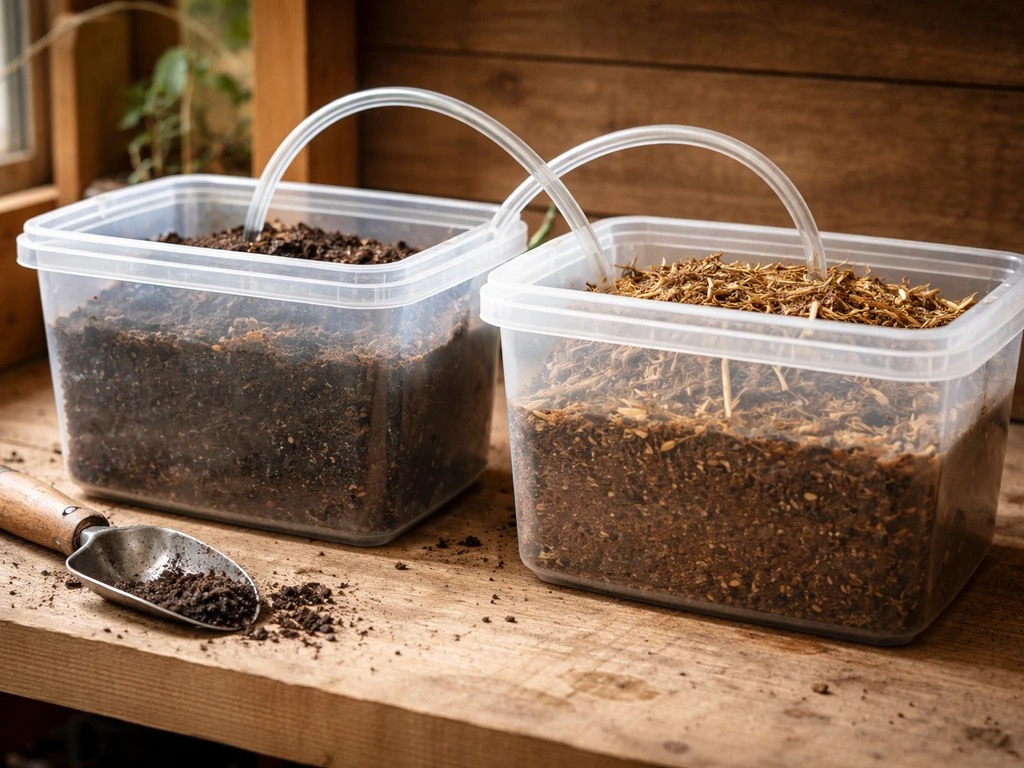
Here is something a lot of gardeners miss: most of the nitrogen in manure is not immediately available to plants. OSU Extension is clear on this point. Nitrogen in animal manure must first be converted through a process called mineralization, where soil microbes break down organic nitrogen into inorganic forms, specifically ammonium and then nitrate, before plant roots can absorb it. This takes time and depends heavily on soil temperature, moisture, and the activity level of your microbial community.
Ammonium nitrogen, which is the form already present in raw manure at application, is available to plants in the first season but is also vulnerable to loss. If you spread manure on the surface and leave it, ammonium can volatilize into the atmosphere as ammonia gas, especially in warm weather. Incorporating manure into the soil reduces those losses significantly. Purdue Extension notes that nitrogen release from manure continues across multiple years after a single application, with measurable contributions estimated into the second, third, and sometimes fourth year. This is fundamentally different from a synthetic fertilizer that delivers its full dose immediately and then it is gone.
The takeaway: manure feeds soil life, soil life mineralizes nutrients, and then plants access those nutrients. The soil microbiome is the bridge. This also explains why manure tends to improve results season over season rather than delivering a dramatic first-year spike. If you are comparing manure to compost in your mind, the mechanism is very similar, though the nutrient concentrations and pathogen considerations differ.
When manure doesn't help (or actively hurts)
Manure is not automatically beneficial, and this is where a lot of gardeners go wrong. The most common mistake is applying fresh, raw manure directly to plants or to beds right before planting. If you are wondering whether dog poop specifically helps plants grow, the same overall principle applies: it can add nutrients, but it also brings higher risks like pathogens and nutrient imbalances dog poop help plants grow. Fresh manure is high in ammonium nitrogen and soluble salts.
Applying too much, or applying it at the wrong time, can literally burn plant roots through nitrogen toxicity or salt stress. I have seen gardeners pile fresh chicken manure around tomato transplants and wonder why the leaves scorched within days. The damage looks like fertilizer burn because it is fertilizer burn.
The pathogen risk with raw manure is also real. The FDA distinguishes clearly between raw and composted manure under produce safety rules, and for good reason. Raw manure can carry E. coli O157:H7, Salmonella, and other pathogens that survive in soil and can contaminate edible parts of plants, especially root vegetables and low-growing leafy greens. Early FDA rulemaking referenced a concept of waiting up to nine months between raw manure application and harvest for certain crops, though specific interval rules are still being finalized. The practical point stands: do not apply raw manure to crops you will eat soon.
Weed seed contamination is another underappreciated problem. Animals do not fully digest all the seeds in their feed, and many of those seeds pass through intact and viable. University of Nebraska-Lincoln research on this is blunt: do not assume animal digestion handles it. Heat during composting is what kills weed seeds, not digestion. If your manure was not properly composted, you may be planting a weed crop along with your vegetables.
Finally, there is the phosphorus accumulation problem that extension services flag repeatedly. When gardeners apply manure at rates calculated to meet their crop's nitrogen needs, they often overapply phosphorus and potassium. Over several seasons, P levels in particular can build to excessive concentrations that create nutrient imbalances and, in some settings, runoff concerns. Ohio State Extension recommends accounting for all nutrients, not just nitrogen, when setting application rates.
How to use manure safely and effectively
Fresh vs composted: which one to use
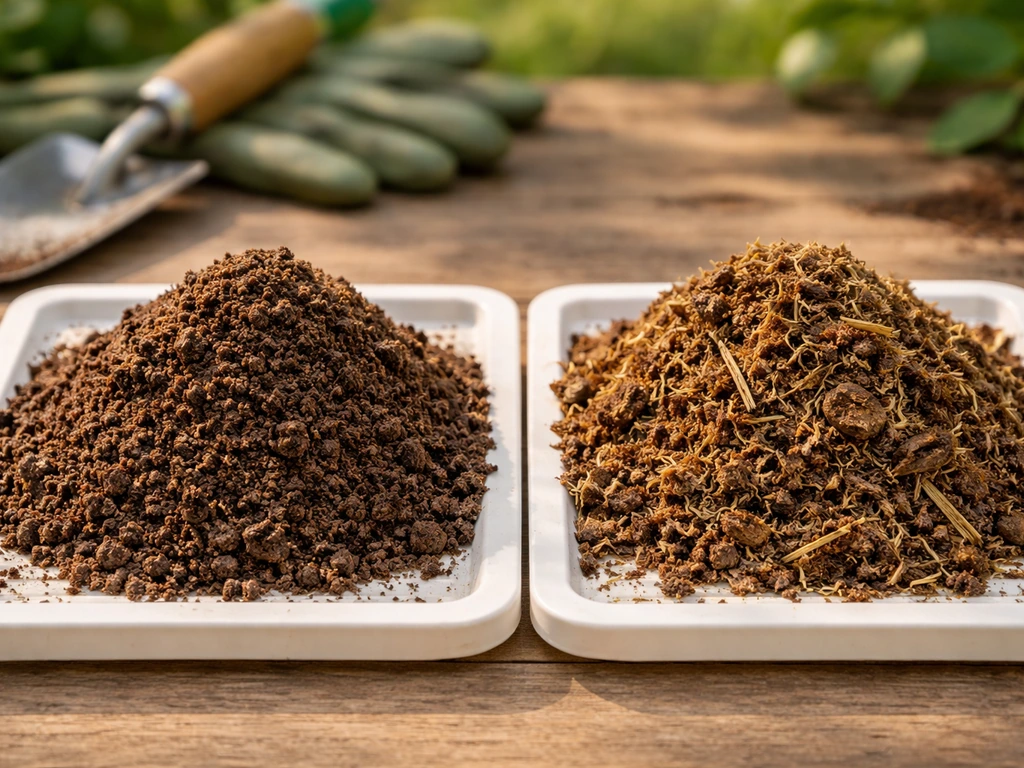
For most home gardeners, composted manure is the right choice almost every time. It has gone through a heating process that kills pathogens and weed seeds, the nutrient forms are more stable, and you can apply it much closer to planting without risking burn. Proper hot composting targets internal temperatures of around 130 to 140 degrees Fahrenheit, and EPA pathogen reduction guidelines specify maintaining at least 131 degrees Fahrenheit (55 degrees Celsius) for three days as a benchmark for effective pathogen treatment. Commercially bagged composted manure from a garden center has typically met these standards.
Fresh manure has a role too, but it requires more planning. The best use is to blank" rel="noopener noreferrer">apply it in fall, after your growing season ends and after soil temperatures have dropped below 50 degrees Fahrenheit. University of Minnesota Extension specifically recommends this timing to reduce nutrient loss and runoff risk. blank" rel="noopener noreferrer">Fall application gives the manure months to break down and integrate before spring planting, which handles both the burn risk and reduces pathogen concerns substantially.
Application rates and timing
A general starting point for composted manure in a vegetable garden is about 1 to 3 inches incorporated into the top 6 to 8 inches of soil before planting. For fresh manure applied in fall, quantities vary by animal type and how nutrient-rich it is, which is why UMN Extension and Purdue Extension both recommend basing rates on actual nutrient content and crop needs rather than a one-size number. If you are using poultry manure, you need far less volume than horse manure because the nutrient concentration is much higher.
For mid-season side-dressing around growing plants, incorporate manure between rows and do it as soon as possible after application to prevent nitrogen loss through volatilization. Surface applications that sit in the sun and wind lose a meaningful fraction of their ammonium nitrogen before it ever reaches plant roots.
Quick practical checklist
- Use composted manure for spring planting or in-season applications
- Apply fresh manure only in fall, after soil cools below 50°F
- Incorporate manure into the soil rather than leaving it on the surface
- Avoid applying raw manure to root crops, leafy greens, or anything with a short harvest window
- Do not overapply: more is not better and can create phosphorus buildup over time
- Get a soil test every few years if you use manure regularly, so you know where P and K stand
How to tell if it's working
Healthy response to well-applied manure looks like this: deep green leaf color, steady stem elongation, robust root development when you pull a plant at season end, and noticeably better soil texture that crumbles rather than clumps or cracks. If you applied composted manure in spring and your tomatoes or corn are showing consistent dark green color and vigorous growth without yellowing, that is the nitrogen and organic matter doing their job.
Signs that something is off include yellowing of older leaves first (nitrogen deficiency despite application, which may indicate it was not incorporated well or was applied too late), leaf tip burn or scorched margins (nitrogen or salt burn from too much fresh manure), or stunted growth with purplish leaf tints (phosphorus tied up by soil chemistry problems, sometimes worsened by excessive P accumulation over time). These signals tell you to adjust rate, timing, or type next season.
One thing worth keeping in mind: manure's soil-building benefits compound over years. The first season you use it, you may see modest improvement. By the third or fourth year of consistent, well-timed application, the soil structure, microbial activity, and baseline fertility should be measurably better. That long-game improvement is what separates manure from a quick synthetic fix, and it is the same principle that makes compost so valuable for soil health over time.
In particular, the idea that do dead bodies help plants grow usually comes down to how animal remains break down into nutrients and soil-friendly organic matter compost so valuable for soil health over time. If you are curious how manure compares to compost on this front, or whether alternatives like fish waste offer similar benefits, those are worth exploring as you build your soil program.
Fish poop, often used as fish emulsion or fish meal, can provide nutrients and organic matter that support plant growth when applied appropriately.
FAQ
Can I put manure directly on vegetable plants or seedlings?
It depends on whether the manure is composted or raw. Composted manure can usually be applied as an amendment in spring with less risk of root burn, while fresh manure generally should not be put on beds right before planting. If you only have fresh manure, the safer workflow is fall application (after the season ends) and incorporation, then wait until spring to plant.
What’s the safest way to use manure for mid-season feeding without burning plants?
Yes, but only if it is properly composted, and you still need to use it like a soil amendment rather than a concentrated feed. For side-dressing near living plants, incorporate it shallowly between rows or keep it slightly away from stems, and avoid thick bands. Also reassess each season’s P levels if you are using manure repeatedly.
Why do my manure results vary so much from one year to the next?
Do not rely on the volume you used last year. Manure nutrient content varies by animal, feed, bedding, and storage, so the right rate should come from a nutrient test or manufacturer label for bagged product, then matched to your crop nitrogen needs and the available nutrient release timeline described in the article.
How can I tell whether manure is helping because of nutrients or because of soil structure changes?
If you see dark green growth soon after applying composted manure, that does not automatically mean you have “extra nitrogen.” It can also reflect improved soil biology and mineralization, plus better water retention. To verify, look for changes over time and pair observations with soil testing, especially if you suspect phosphorus buildup or micronutrient imbalance.
Will adding extra manure help plants recover faster from yellowing or stunting?
Probably not, and the risk is highest for raw manure. Manure can raise nitrogen availability, but too much, too fast can cause salt or ammonium injury, and repeated applications can skew nutrient ratios, including excessive phosphorus. Use the same kind of application planning you would for vegetables, and check nutrient levels rather than assuming more is better.
If manure releases nitrogen slowly, how do I manage quick nitrogen needs during the growing season?
Measure and account for timing of nitrogen release. Nitrogen from manure is driven by mineralization, so it often under-delivers early if you apply too late and over-delivers later if you apply too much or repeatedly. A practical fix is to use composted manure earlier in the season for base fertility, then consider a small supplemental fertilizer if your crop still needs immediate nitrogen.
If I use composted manure, can I still get weeds or disease problems?
Composted manure generally has far lower pathogen risk than raw, but weed seed and nutrient issues still depend on proper composting and application rates. If your composted manure seems to “sprout weeds,” the compost may not have reached sufficient heat or it may have been contaminated after processing, so adjust sourcing and compost quality.
How often should I test soil phosphorus when using manure every year?
Yes. Phosphorus accumulation can happen even if you apply manure “for nitrogen needs,” because manure often carries meaningful P per pound. If you plan multiple years of manure use, test soil phosphorus periodically and adjust manure type or rate to prevent nutrient imbalances and potential runoff concerns.
What should I do if I want to use manure but I cannot apply it in fall?
In many home settings, the best approach is to stop guessing and match manure type to crop demand, soil tests, and your time window. For example, if you need spring planting with minimal risk, choose commercially composted manure, incorporate before planting, and avoid heavy fresh manure inputs in-season unless you have planned for fall application.
Is fish-based waste a good replacement for manure in a garden nutrient plan?
It can contribute, especially through soil organic matter and microbes, but it is not a direct swap for manure. Fish emulsion and fish meal can add nitrogen and some minerals, yet they are typically more concentrated in nutrients than composted manure and can behave differently in the soil. Treat it as a separate product with its own rate, timing, and salt considerations, and do not ignore the phosphorus accumulation issue.
Next Articles
How Does Compost Help Plants Grow Faster and Better
Learn how compost boosts soil, water retention, and nutrients to improve plant growth speed and health, plus when it won
How Do Microorganisms Help Plants Grow: Practical Guide
Learn how microbes in the rhizosphere fix nitrogen, boost phosphorus, aid roots, suppress disease, and how to grow them.
How Does Yeast Help Plants Grow? Safe, Practical Guide
Learn how yeast boosts plant growth via soil microbes, safe dilution and timing, plus myths, limits, and troubleshooting