
Yes, carbon dioxide genuinely helps plants grow, and this is not gardening folklore. CO₂ is one of the three raw ingredients plants use to build themselves from scratch, the others being water and light. Without enough of it, photosynthesis slows down, and growth follows. But here is the part that most articles skip: extra CO₂ only accelerates growth when your plants already have enough light, water, and nutrients. Stack the right conditions and CO₂ enrichment can meaningfully boost yields. Miss even one of those conditions, and pumping more CO₂ into the air does almost nothing useful.
Does Carbon Dioxide Help Plants Grow? What Works

Marcus Holloway
26 Apr 2026

How CO₂ fits into what plants actually do

Photosynthesis is, at its core, a carbon-capture process. Plants pull CO₂ from the air through tiny pores called stomata, combine it with water using energy from light, and convert it into sugars. Those sugars become the leaves, stems, roots, and fruit you see. The enzyme responsible for grabbing CO₂ molecules, called Rubisco, works faster when there is more CO₂ available. That is the basic mechanism behind why elevated CO₂ tends to increase net photosynthesis in most common garden plants.
One thing worth clarifying: when people search for 'does carbon help plants grow,' they sometimes mean carbon as a solid element, like charcoal or biochar, rather than CO₂ gas. Those are genuinely different things. Carbon-based soil amendments affect soil structure and microbial life, which is a separate and interesting topic. What drives photosynthesis is the gas, CO₂, not solid carbon. The two get conflated because the element is the same, but the plant biology is completely different.
Most garden plants, including tomatoes, cucumbers, peppers, lettuce, and the vast majority of flowering plants, are classified as C3 plants. These benefit most from elevated CO₂ because their photosynthetic chemistry has a weak point where oxygen competes with CO₂ at the Rubisco enzyme, a wasteful process called photorespiration. More CO₂ in the air suppresses that competing reaction and lets the plant fix carbon more efficiently. A review perspective in the Journal of Integrative Plant Biology explains that photorespiration is energy-expensive in C3 plants and can be reduced under very high CO2 (or very low O2), which helps explain why elevated CO2 increases net carbon gain in C3 crops More CO₂ in the air suppresses that competing reaction. A smaller group of plants, including corn and sugarcane, are C4 plants with a built-in CO₂-concentrating mechanism that largely bypasses this problem, so they see less of a growth response from elevated CO₂.
When your plants will actually respond to more CO₂
This is where it gets practical. CO₂ enrichment is not a universal growth booster you can apply in any situation. For it to move the needle, a specific set of conditions has to be true at the same time.
- Light intensity is high enough: CO₂ and light work together in photosynthesis. If your plants are in dim conditions, they cannot use extra CO₂ because the light-driven reactions are the real bottleneck, not the carbon supply. In greenhouses, CO₂ enrichment is typically paired with supplemental lighting for exactly this reason.
- Nutrients, especially nitrogen, are sufficient: Research consistently shows that plants growing under elevated CO₂ need more nitrogen to sustain the growth gains. When nitrogen is limited, plants partially down-regulate their photosynthetic machinery over time, reducing Rubisco capacity and blunting the CO₂ response. More CO₂ with poor soil nutrition is a dead end.
- Water is adequate: Stomata open to let CO₂ in, but they also let water vapor out. Under stress conditions, plants close their stomata to conserve water, which cuts off CO₂ entry at the same time. A water-stressed plant cannot take advantage of elevated atmospheric CO₂.
- Temperature is in a favorable range: Photosynthesis has a temperature optimum. Too cold slows enzyme activity; too hot causes other problems. CO₂ enrichment works best when temperatures support active plant metabolism.
- The plant has somewhere to put the extra carbon: If a plant is already heavily loaded with fruit, or if its root and leaf system cannot grow further, the extra carbohydrates from increased photosynthesis have nowhere to go, and the plant adjusts by reducing photosynthetic output on its own.
What raising CO₂ actually looks like in practice
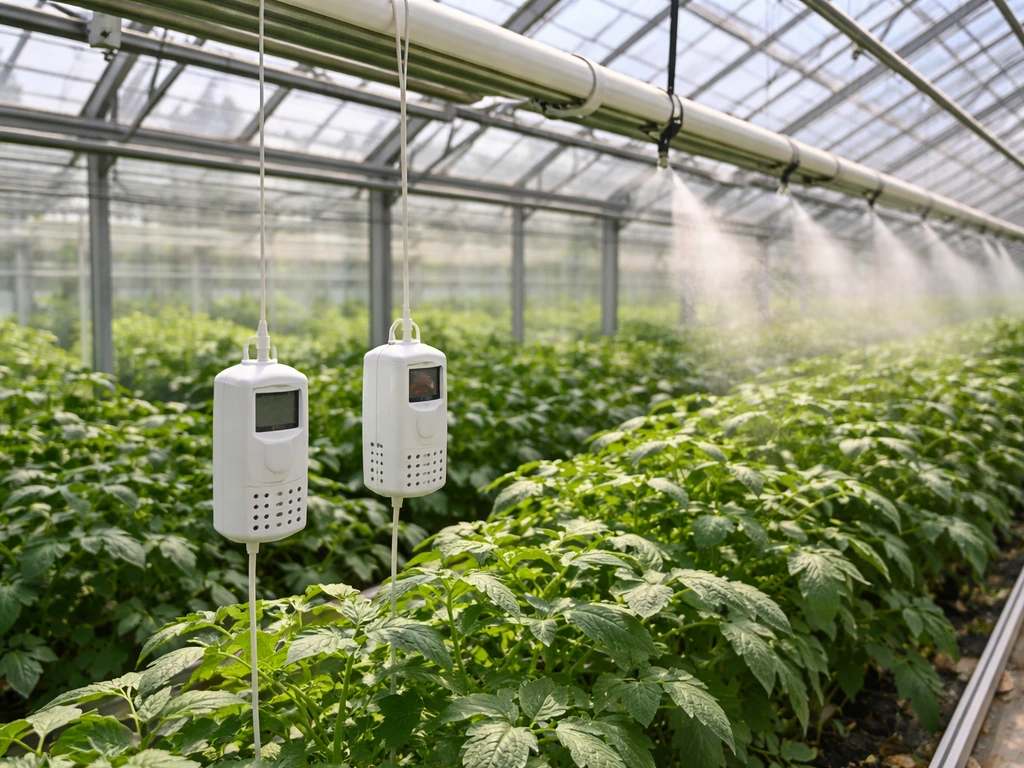
In greenhouses
Commercial greenhouses are where CO₂ enrichment really earns its reputation. A sealed or semi-sealed greenhouse is the ideal environment because plants can deplete CO₂ below ambient levels on bright days, especially when the greenhouse is closed up to retain heat. Normal outdoor air runs around 420 parts per million (ppm) of CO₂. Greenhouse growers often enrich to 800 to 1200 ppm, which can produce meaningful increases in growth rate and yield for crops like tomatoes, cucumbers, and herbs. The enrichment is delivered through CO₂ generators or bottled gas systems, and it is typically paired with adequate nutrition programs because, as mentioned, the plants will burn through more nitrogen and other nutrients to support the accelerated growth.
In indoor grow setups
Indoor growers, especially those running sealed rooms with high-intensity lighting, sometimes add CO₂ systems. The logic is the same as in a greenhouse: the enclosed space can become CO₂-depleted during active photosynthesis, and enrichment can push growth. That said, CO₂ systems for home indoor grows add real cost and complexity, and unless your lighting is already strong (think full-spectrum LEDs running at high intensity), you will not see much return. Fix the light first. CO₂ enrichment as an afterthought in an underpowered grow room is wasted money.
Outdoors
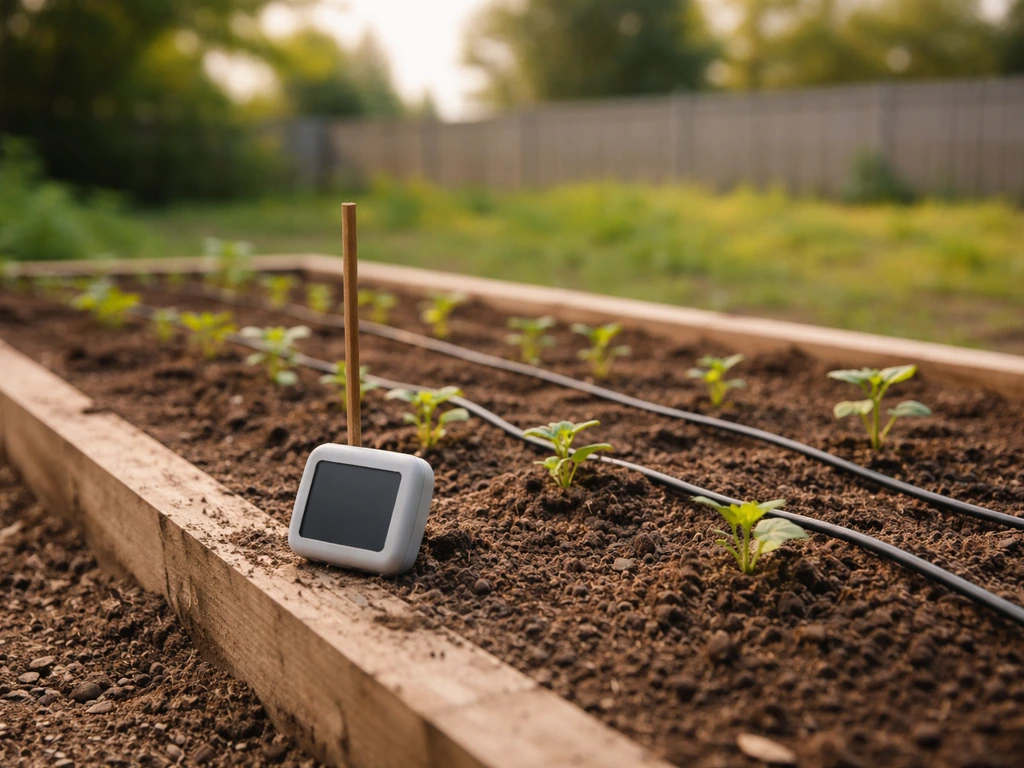
Outdoor gardens are essentially impossible for home gardeners to CO₂-enrich in any practical way. Atmospheric CO₂ disperses instantly, and any CO₂ you add to open air is gone before your plants can use it. The only real lever here is the global atmospheric concentration, which is something individual gardeners cannot control. What you can do outdoors is ensure your plants can make full use of the ambient CO₂ that is already there, by addressing light, water, and nutrients. On the carbonated water side of things, some gardeners have experimented with CO₂-infused water as a delivery method, but the quantities involved are too small relative to what plants absorb through their leaves to drive meaningful growth increases. It is an interesting idea but not a practical strategy. Some people wonder, too, whether does Coca-Cola help plants grow, but the answer depends on providing usable CO₂ and the right growing conditions rather than just adding soda water coca cola.
The limits: when more CO₂ stops helping or causes problems
CO₂ enrichment has a ceiling effect that is well documented. Beyond roughly 1000 to 1500 ppm, most plants show diminishing returns on growth, and the photosynthetic gains plateau. At very high concentrations above 2000 ppm, CO₂ can actually reduce stomatal conductance significantly enough to interfere with normal gas exchange, which creates problems with temperature regulation and water balance in the leaf.
There is also a longer-term adaptation effect worth knowing about. Studies on C3 plants show that when CO₂ enrichment is sustained without matching increases in nitrogen supply or plant sink capacity, plants begin to down-regulate their own photosynthetic machinery. Over weeks and months, Rubisco content and photosynthetic enzyme activity can decrease, partially reversing the initial growth gains. The plant is essentially adapting to having more carbon available than it can process. This is why greenhouse operations pair CO₂ enrichment with active nutrient management rather than treating it as a set-and-forget intervention.
For home gardeners, the practical takeaway is straightforward: CO₂ enrichment without a well-fed, well-lit, well-watered plant is not going to produce the results you hope for, and it may produce no measurable difference at all.
What to actually fix first: a practical checklist
If you are trying to maximize plant growth, CO₂ is rarely the first thing to address. Here is a sensible order of operations, based on what actually limits most home gardens and indoor grows.
- Check your light: Measure or realistically assess the light your plants are getting. Outdoor plants in partial shade, and indoor plants under weak or poorly positioned lights, are limited by photons, not CO₂. Improve light intensity and spectrum before anything else.
- Test and amend your soil or nutrient solution: Nitrogen, phosphorus, potassium, and micronutrients all matter. A basic soil test costs very little and tells you exactly what is missing. For indoor hydro or container grows, make sure you are running a complete nutrient profile at appropriate concentrations.
- Sort out your watering: Inconsistent watering, both over and under, creates stress that closes stomata and blocks CO₂ uptake regardless of what is in the air. Consistent moisture appropriate to the plant and stage matters more than atmospheric CO₂.
- Improve airflow and temperature control: Good airflow prevents CO₂ depletion right at the leaf surface (a phenomenon called boundary layer resistance), removes excess humidity, and keeps temperatures in the range where photosynthesis is most efficient. A simple oscillating fan in an indoor grow solves a surprising number of problems.
- Consider CO₂ enrichment only after the above are in order: If you are running a sealed or semi-sealed indoor or greenhouse environment with strong lighting and solid nutrition, CO₂ enrichment becomes a genuinely useful next step. At that point, look at CO₂ generators or bottled CO₂ systems and aim for 800 to 1000 ppm as a starting target.
A quick comparison: CO₂ enrichment scenarios
| Scenario | CO₂ enrichment practical? | Expected benefit | Priority fix instead |
|---|---|---|---|
| Outdoor garden | No, not feasible | None from enrichment | Light, soil nutrition, irrigation |
| Indoor grow, weak lighting | Not yet | Minimal | Upgrade lighting first |
| Indoor grow, strong lighting | Yes, with good nutrition | Moderate growth increase | Maintain nutrients alongside CO₂ |
| Sealed greenhouse, commercial | Yes, standard practice | High, 10 to 30% yield gains reported | Active nitrogen/nutrient management |
| Greenhouse, vented/open | Limited | Low, CO₂ disperses | Improve ventilation efficiency or seal greenhouse |
The bottom line
CO₂ is a genuine and essential driver of plant growth, not a gardening myth. But it works as part of a system, not as a standalone input. If your plants are already limited by low light, poor nutrition, or inconsistent water, adding more CO₂ to the equation will not fix the real problem. USDA ARS reports that elevated CO2 can decrease photosynthetic rate, stomatal conductance, and transpiration at specific growth stages (for example at 42 and 47 days after planting), and that the response depends on nutrient availability and soil moisture. Start with the basics, get those right, and then CO₂ enrichment, in the right setup, is a legitimate tool for pushing growth further. For most home gardeners working outdoors or in poorly equipped indoor spaces, the bigger wins are almost always in soil health, light, and water management first.
FAQ
How do I know if my plants will actually respond to added CO₂?
For most home setups, extra CO₂ makes sense only when plants are already operating near their photosynthesis ceiling, which usually means strong lighting, adequate watering, and sufficient nitrogen and other nutrients. If plants are pale, slow-growing despite decent light, or show signs of nutrient limitation (for example, lower leaves yellowing from nitrogen deficiency), the CO₂ boost will likely be wasted.
Why does CO₂ sometimes fail to increase growth, even if I add plenty of it?
CO₂ enrichment targets carbon uptake, not plant “energy” directly. When nutrients are limiting, faster photosynthesis increases the demand for nitrogen and minerals, so growth can plateau or leaves can look stressed. In greenhouses, growers typically pair CO₂ delivery with a nutrition program to prevent this mismatch.
Do all plants benefit equally from higher CO₂ levels?
Yes, but it depends on plant type. C3 plants usually show a stronger response because elevated CO₂ suppresses photorespiration at Rubisco. C4 plants like corn and sugarcane have a built-in CO₂ concentrating mechanism, so their growth gains from CO₂ enrichment are often smaller.
Will CO₂ help on cloudy days or during low-light hours in a greenhouse or indoor tent?
The best response generally occurs in bright, actively growing conditions because stomata open and photosynthesis demand is high. On cloudy days or during low-light periods, plants cannot use the extra CO₂ efficiently, so you may see little difference even in an enclosed space.
Is there a safe or effective upper limit for CO₂ enrichment?
At higher CO₂ concentrations there is a ceiling effect, commonly around the 1000 to 1500 ppm range for diminishing returns in many crops. Above that, benefits can flatten, and very high levels (often above 2000 ppm) can reduce stomatal conductance enough to disrupt normal water and temperature regulation.
Does it matter where I put the CO₂ system in my grow space, and will leaks ruin the effect?
Indoor CO₂ can matter more in sealed rooms, but home systems often underdeliver or create uneven distribution. Fans, airflow patterns, and venting schedules determine whether CO₂ actually reaches plant canopy level. If your room leaks air or your CO₂ is added in one corner, uptake can be inconsistent.
Do I need a CO₂ monitor and controller for best results?
Carbon dioxide systems require controls, not just adding gas. Using a CO₂ controller with a meter helps avoid overshooting and reduces cost by dosing only when needed, especially because plants can deplete CO₂ faster during peak light.
How long will CO₂ enrichment keep working, or does the plant adapt over time?
To get sustained gains, you need to manage the plant’s ability to turn captured carbon into biomass, which depends on sink capacity and nutrient supply. If CO₂ is elevated for weeks without matching nitrogen and other nutrients, C3 plants can down-regulate photosynthetic machinery, partially reversing early improvements.
Can I effectively enrich CO₂ in an outdoor backyard garden?
Not usually. Outdoors, added CO₂ disperses quickly relative to how fast plants can use it, so home-scale enrichment is generally not practical. The more effective outdoor strategy is optimizing the existing ambient CO₂ by improving light, water, and nutrients.
What about “carbon” supplements like charcoal, or CO₂-infused water, or soda, do those count?
Common alternatives like soda water or simply adding carbon-containing household products usually do not help because plants mainly need CO₂ in the air through stomata. Even if a product contains carbon, the delivered amount and the form (dissolved in water, solid carbon, or trace residues) are typically far too small compared with what leaves capture from the atmosphere.
Next Articles
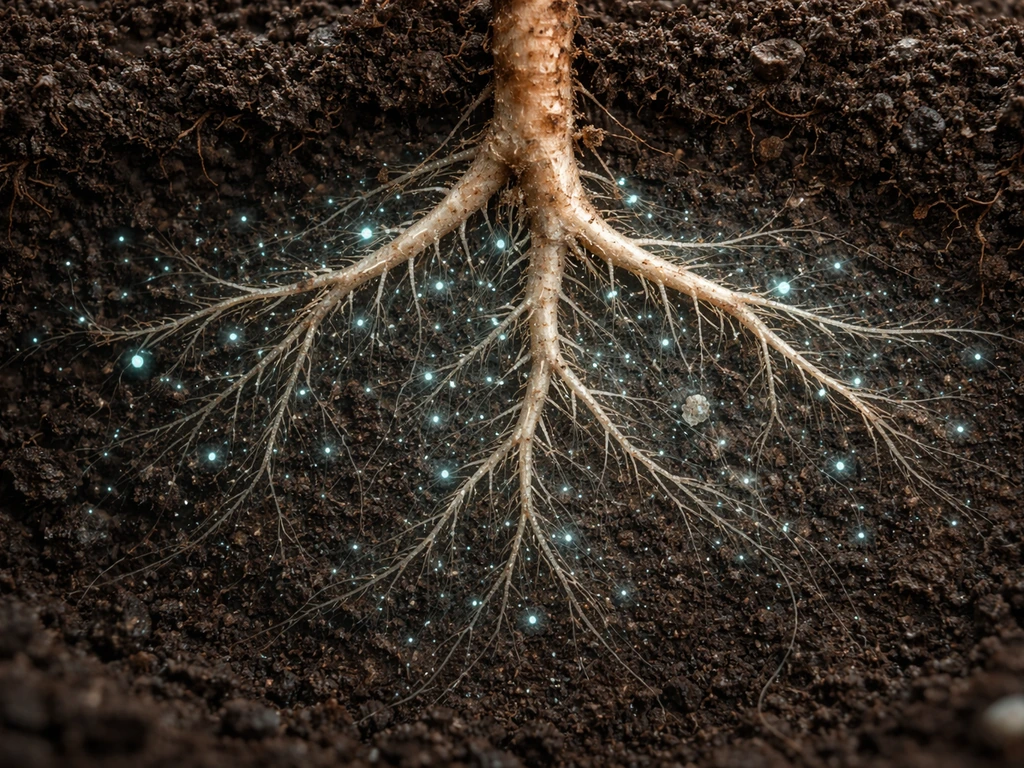
How Do Microorganisms Help Plants Grow: Practical Guide
Learn how microbes in the rhizosphere fix nitrogen, boost phosphorus, aid roots, suppress disease, and how to grow them.
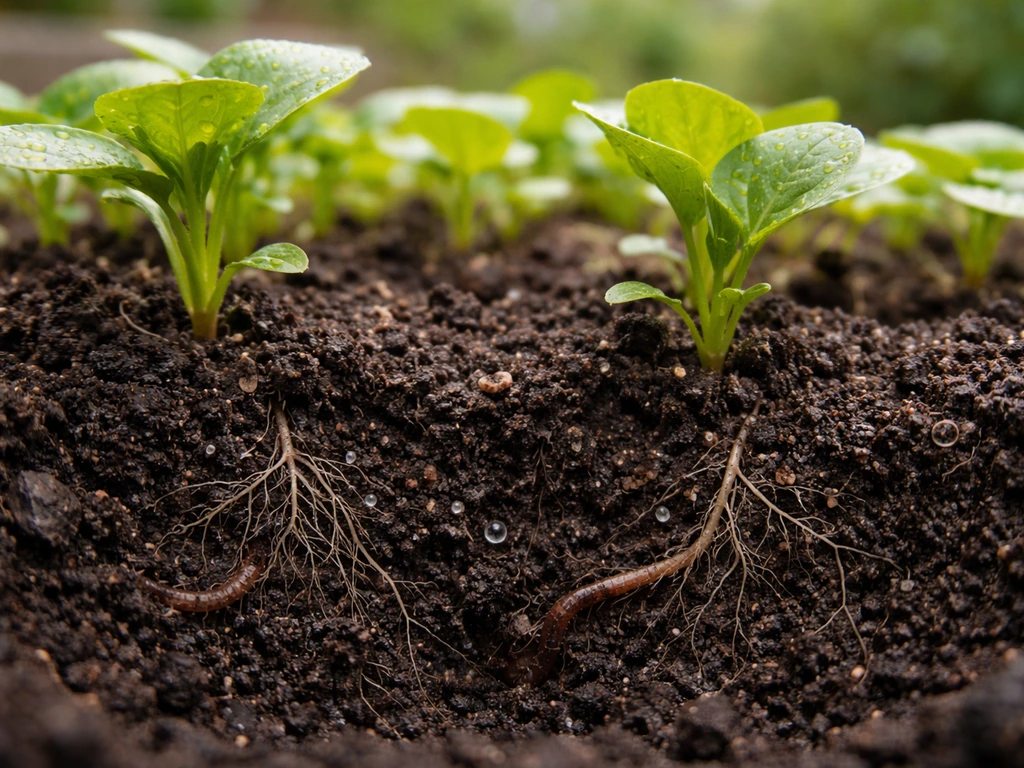
How Does Yeast Help Plants Grow? Safe, Practical Guide
Learn how yeast boosts plant growth via soil microbes, safe dilution and timing, plus myths, limits, and troubleshooting
Do Mushrooms Help Plants Grow? Science and How to Use
Science-backed answer on whether mushrooms help plants grow, plus how to use mycorrhiza, compost, and test results.