Smoke does not help plants grow in any meaningful, reliable way. A handful of very specific scenarios exist where smoke-derived compounds can trigger seed germination in certain fire-adapted species, but for the vast majority of garden plants, smoke is a net negative. It blocks light, clogs stomata, deposits harmful particulates on leaves, and can slow photosynthesis dramatically. The idea that smoke acts like plant food is folklore, not horticulture.
Does Smoke Help Plants Grow? What Actually Helps and Hurts

Marcus Holloway
1 May 2026
What kind of smoke are we actually talking about?
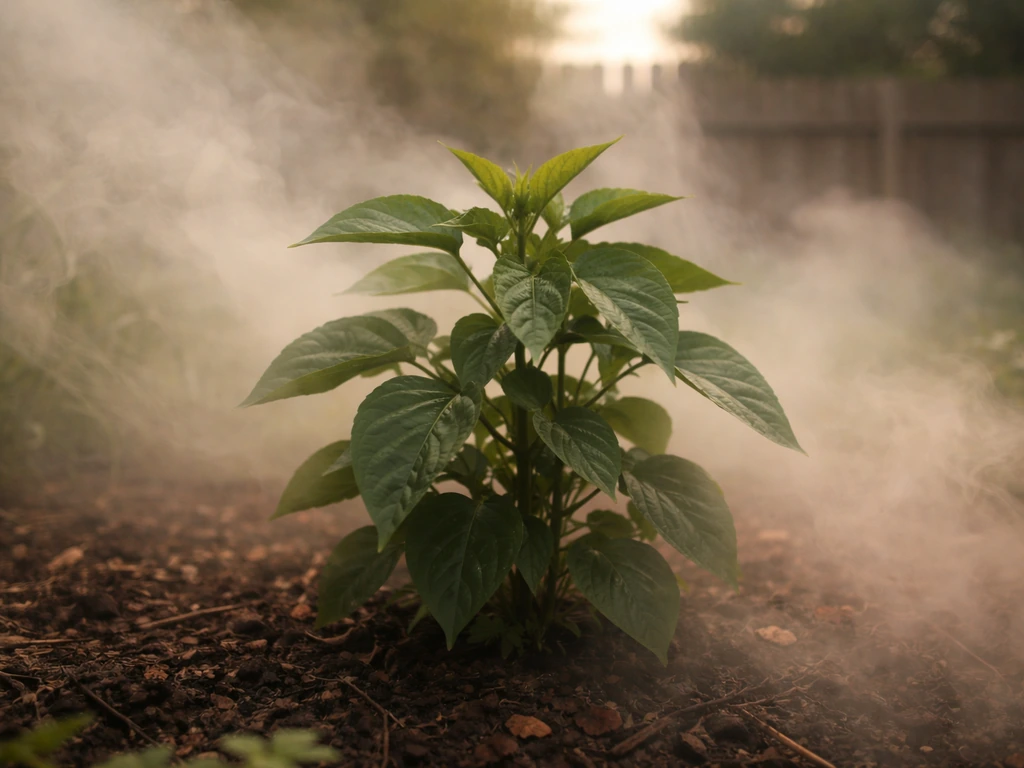
When people ask whether smoke helps plants grow, they usually have one of a few things in mind: bonfire or wood smoke drifting across the garden, wildfire haze settling over everything for days, incense or candles burning near houseplants, or even deliberate "smoke water" treatments they read about online. These are meaningfully different things, and their effects on plants vary.
- Wood smoke (bonfires, fire pits, wood stoves): a complex mixture of fine particulate matter (PM2.5), carbon monoxide, nitrogen oxides, volatile organic compounds, and polycyclic aromatic hydrocarbons (PAHs). It's the archetypal backyard smoke concern.
- Wildfire smoke: similar chemistry to wood smoke but composition shifts depending on what's burning. Compared to wood-stove smoke, wildfire smoke can contain relatively less carbon monoxide and organic compounds per unit of PM2.5, but it brings higher particle loads and ozone. The EPA describes it as a complex mixture of water vapor, gases, organic compounds, and particulate matter.
- Incense and candle smoke: also contains a particulate phase and a gaseous organic phase from incomplete combustion. Studies on indoor incense burning show PM2.5 concentrations can exceed outdoor air-quality thresholds by a wide margin, meaning a few sticks near your houseplants add up quickly.
- Smoke water (liquid smoke extract): a deliberate horticultural product made by bubbling smoke through water to capture water-soluble germination-cue compounds. This is the only form with any documented, intentional plant benefit, and even that is narrowly defined.
The distinction matters because the mechanisms are completely different. Wildfire haze hanging over your tomatoes for a week is not the same experiment as soaking fire-adapted seeds in smoke water. Most gardeners dealing with the first situation are asking the wrong question: the better question is how to protect plants, not how to use the smoke.
How smoke actually interacts with plants
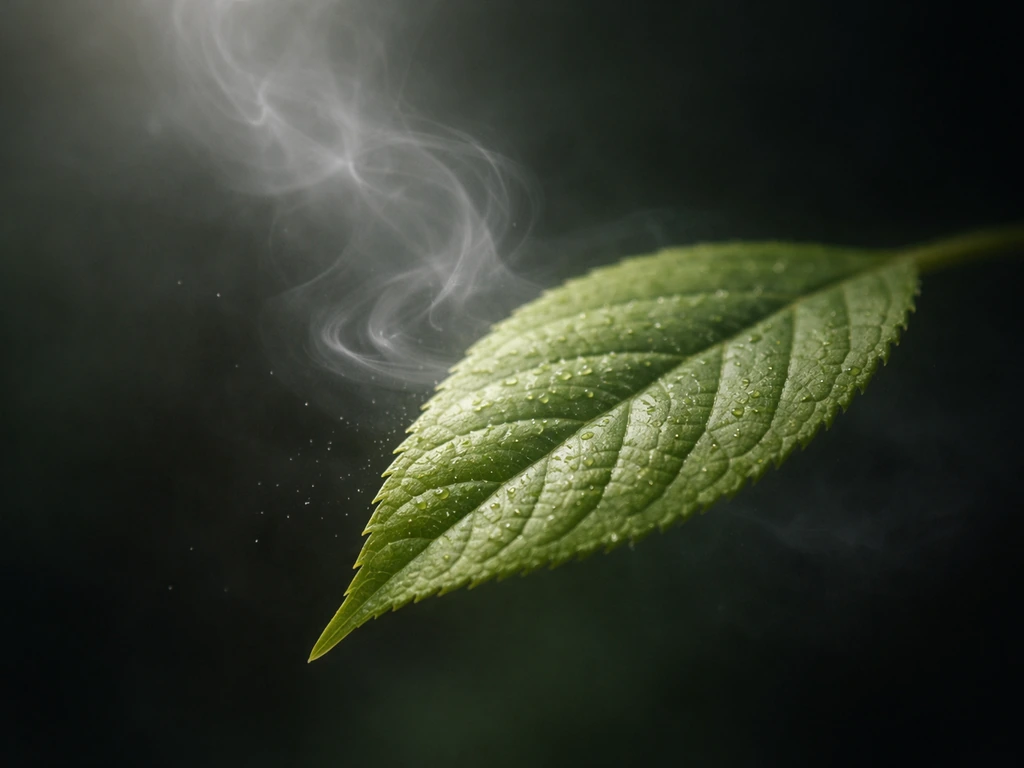
Smoke hits plants through four main routes: reduced and altered light, gaseous pollutants absorbed through stomata, physical particulate deposition on leaf surfaces, and eventual soil chemistry changes from ash fallout.
Light and diffuse radiation
Aerosol particles scatter and absorb sunlight, reducing the total photosynthetically active radiation (PAR) reaching leaves. Studies of heavy smoke haze, including the 1997 Indonesian forest fires, showed measurable reductions in PAR and temperature, and photosynthesis dropped in multiple tree species despite elevated atmospheric CO2. The CO2 boost simply could not compensate for the light loss. There is one nuance worth knowing: in some situations, aerosols convert direct light into diffuse light, which penetrates plant canopies more evenly. One US Forest Service study on an old-growth forest actually observed enhanced stomatal conductance during a wildfire smoke event, attributed to this diffuse-light effect. It sounds like a win for smoke, but it's a narrow and unreliable one. Most garden situations involve enough particle load to cut net light more than diffuse radiation helps.
Gases and stomatal damage
Ozone (O3) in wildfire smoke is a well-documented vegetation stressor. Research published in Nature Communications identified ozone uptake through stomata as a key pathway by which fire air pollution reduces global terrestrial productivity. Closer to the leaf level, one study found that just 20 minutes of smoke exposure caused a greater than 50% reduction in photosynthetic capacity in five of six tree species tested, driven by drops in stomatal conductance and biochemical limitations. Twenty minutes. That's not a theoretical concern.
Particulates on leaves
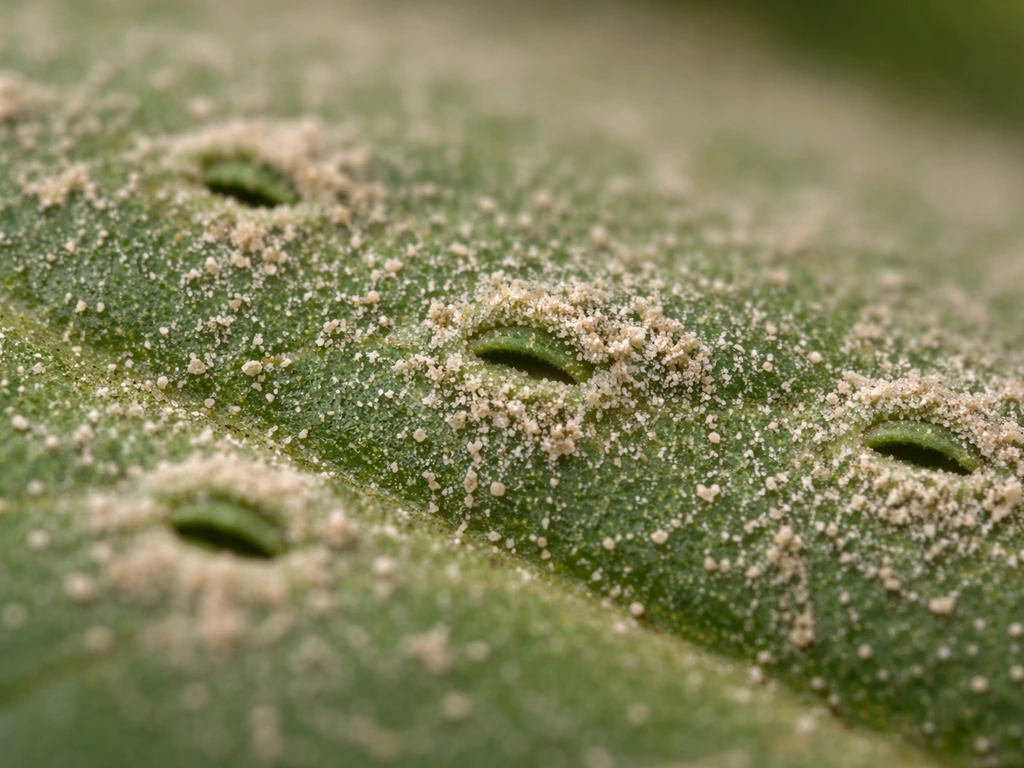
Fine and coarse particles settle on leaf surfaces and can physically block or enter stomata. When stomata are plugged, gas exchange slows, transpiration drops, and the plant's ability to cool itself and take in CO2 is compromised. Ponderosa pine research during wildfire smoke events documented stomatal plugging alongside changes in leaf-level gas exchange. For houseplants near incense, the same principle applies at a smaller scale: regular incense burning deposits a measurable particle load on leaves over time.
Soil and pH effects
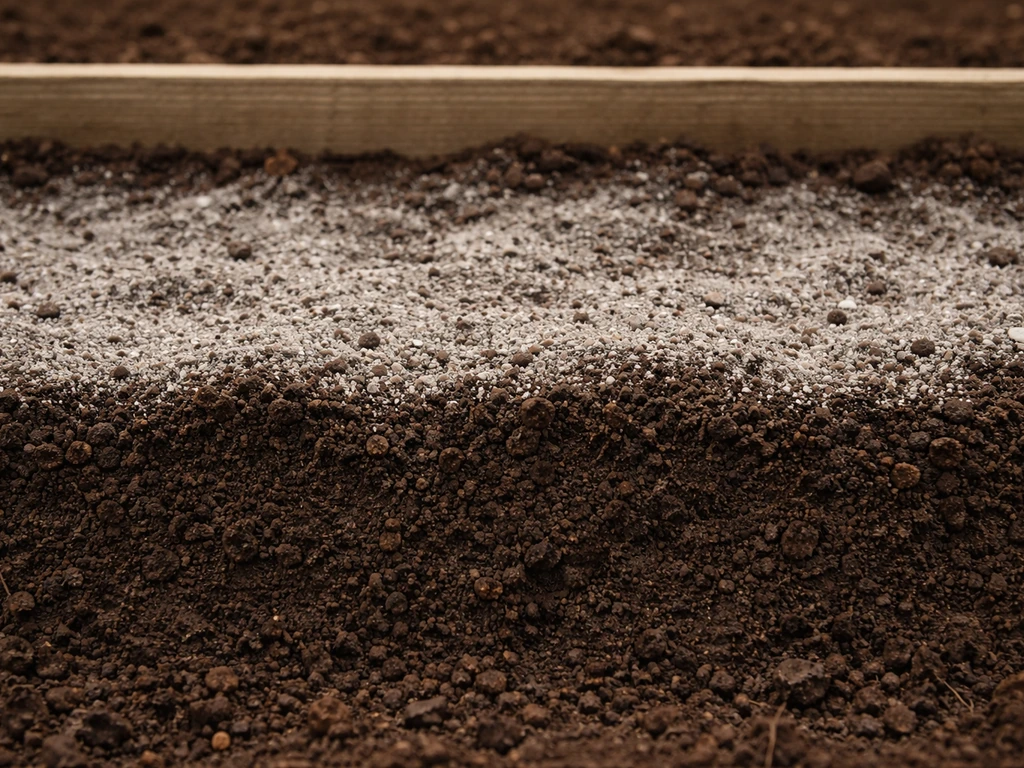
Ash that settles into soil is a separate matter from airborne smoke. Wood ash is alkaline and can raise soil pH over time, which affects nutrient availability. This is distinct from the gases and particulates in the smoke itself, and in small, controlled amounts it's actually a known (if limited) soil amendment for overly acidic soils. But this is an ash effect, not a smoke effect, and it comes with real caveats around overdoing it.
The one situation where smoke might actually help
Here's where the science gets genuinely interesting, even if the practical application is narrow. Certain fire-adapted plant species have evolved to use combustion byproducts as germination cues. CDC (NIOSH) notes that wildfire smoke is a complex mixture of gases and particles from burning vegetation and materials, including compounds such as carbon monoxide, particulate matter (PM), benzene, and aldehydes combustion byproducts as germination cues. Smoke water, made by dissolving smoke compounds in water, can stimulate seed germination in species adapted to postfire environments. USGS research confirms that some species respond to chemical signals from combustion products rather than heat, and studies on species like Nicotiana attenuata support the idea that stable, water-soluble smoke compounds can influence germination in postfire annuals.
However, this effect is species-specific, not universal, and it applies to germination timing and percentage, not to ongoing plant growth. A study comparing smoke-water treatments across 18 grassland species found highly variable responses. Another study testing aqueous smoke spraying in ponderosa pine forest plots found no significant effect on plant cover, richness, or composition after 15 months in the field. So even within this niche, real-world results are inconsistent. The smoke-as-plant-food idea extrapolates from a germination cue phenomenon in specialized species and applies it broadly to all plants. That leap is not supported.
When smoke genuinely harms your plants
For most garden plants, the harm side of the ledger is much heavier. Here's what actually happens:
- Reduced photosynthesis: blocked and scattered light plus stomatal damage means plants make less energy. Extended smoke exposure compounds this daily.
- Chlorosis and leaf injury: plants under sustained smoke stress can show yellowing leaves (chlorosis) as normal metabolic processes are disrupted.
- Stunted growth: if a plant is making less energy and directing resources toward stress response, shoot growth slows. This is especially visible in fast-growing vegetables.
- Stomatal disruption: smoke particulates and ozone both interfere with how stomata open and close, which affects not just photosynthesis but also the plant's ability to manage water loss.
- Soil changes from heavy ash: significant ash accumulation can raise soil pH enough to lock out nutrients like iron, manganese, and boron, leading to deficiencies even if those nutrients are physically present.
- Root and microbial effects: heavy smoke events can alter soil microbial communities, though research here is ongoing. The disruption of beneficial soil biology is a secondary concern worth monitoring.
The bigger the smoke event and the longer the duration, the worse these effects get. A single campfire evening probably does minimal lasting damage. A week of wildfire smoke with AQI readings above 150 is a real physiological stressor for your plants.
If you want to use smoke intentionally: what to do instead
If you read about smoke water and want to experiment with germination, that's a legitimate niche application, but limit it to fire-adapted or chaparral-native species where the research actually applies. You can buy commercially prepared smoke water or make a simple version by bubbling wood smoke through water and diluting it. Do not expose established plants to ambient smoke in hopes of stimulating growth. There is no evidence that works, and significant evidence that it doesn't.
For the vast majority of gardeners, the factors that genuinely drive plant growth are not remotely mysterious: light quality and intensity, water availability and timing, nutrient balance in the soil, and a healthy root environment. If you want plants to grow well, support photosynthesis by keeping leaves getting enough light and maintaining healthy stomata. Photosynthesis is the engine of plant growth, and anything that reduces PAR or stomatal function is working against you. The best thing you can do for your plants is optimize those real drivers rather than experimenting with smoke. If you're wondering whether hydrogen peroxide can help plants grow, the same idea applies: focus on proven drivers like light, water, nutrients, and healthy roots rather than hoping for a chemical shortcut does hydrogen peroxide help plants grow. If you are wondering how air helps plants grow, focus on clean air and normal gas exchange rather than smoke.
| Approach | Effect on growth | Evidence level | Recommendation |
|---|---|---|---|
| Exposing plants to ambient smoke | Negative: reduced photosynthesis, stomatal damage, particulate buildup | Strong research support for harm | Avoid |
| Smoke water on established plants | Negligible to slightly negative in most species | Limited, inconsistent field results | Not recommended for general use |
| Smoke water for fire-adapted seed germination | Positive for specific native/chaparral species only | Moderate, species-dependent | Only for appropriate species |
| Wood ash in soil (separate from smoke) | Can raise pH; useful in acidic soils at low rates | Established but limited | Use sparingly and test soil first |
| Optimizing light, water, and nutrients | Strong, consistent growth benefits | Extensive research across all plant types | Always the right priority |
Dealing with smoke exposure from wildfires or incense: what to do right now
Whether you're dealing with wildfire haze rolling in or you've had incense burning near houseplants for months, the recovery steps are similar. The goal is to reduce further exposure, remove existing residue, and give plants time to bounce back without adding stress.
For outdoor plants during or after a smoke event
- Monitor AQI before going out. AirNow's Fire and Smoke Map gives 24-hour PM2.5 forecasts. When AQI is above 150 (the 'Unhealthy' threshold), keep your time outside brief and consider covering sensitive plants with breathable row cover to reduce particle deposition.
- Rinse leaves gently with a hose on a soft setting. Do not use a leaf blower, which just redistributes particles. A gentle water rinse removes soot and ash from leaf surfaces. OSU Extension and NC State Extension both recommend this step specifically for smoke and ash situations.
- Rinse the soil surface lightly to dilute ash accumulation, but don't waterlog roots. You're washing away surface ash, not drenching the root zone.
- Remove heavily coated outer leaves on vegetables. If producing edible crops, removing the outermost leaves reduces residue on food.
- Hold off on fertilizing immediately after a significant smoke event. Wait until plants show new growth, often 2 to 4 weeks, then resume light fertilization. A Colorado State University Extension horticulture specialist recommends exactly this: let the plant stabilize before pushing growth.
- Improve airflow around plants. Particulates accumulate more on plants in still, enclosed spaces. Gentle airflow helps reduce settling.
For indoor plants during smoke events or with incense exposure
- Ventilate strategically. When outdoor air quality is better than indoors (check AQI), open windows to flush out accumulated indoor smoke. When outdoor AQI is poor, keep windows closed.
- Run an air purifier with a HEPA filter. OSU Extension notes that portable HEPA-type air cleaners can reduce indoor particle concentrations by up to 45% during wildfire smoke events. The same logic applies to reducing incense particle exposure for nearby plants.
- Move plants away from incense burning areas. If you regularly burn incense indoors, a few feet of distance and good ventilation make a real difference in particle deposition on leaves.
- Wipe down houseplant leaves with a damp cloth to remove settled particles. Do this gently, supporting leaves from underneath. This also helps photosynthesis by clearing debris from leaf surfaces.
- Increase light access during and after smoke periods. If outdoor smoke is reducing light through windows, supplemental grow lights can compensate and help plants recover faster.
Signs your plant is recovering
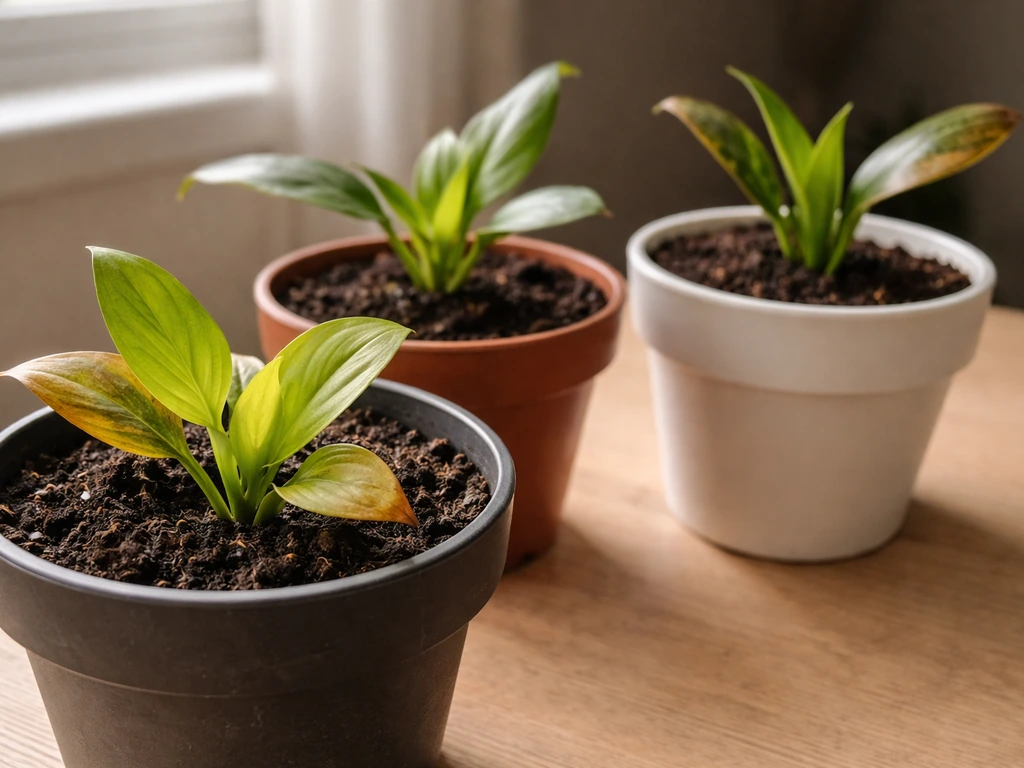
After smoke exposure, look for new leaf growth as the primary sign that your plant has stabilized. Existing damaged leaves may not fully recover, but healthy new growth means the plant's physiology has resumed normal function. Yellowed leaves from chlorosis may drop. Don't prune aggressively right away. Give it two to four weeks before deciding a plant is truly struggling, and focus on the basics: good light, consistent watering, and no added stress from fertilizer until growth resumes.
Smoke is one of several air-related factors that affects how plants function. The way air composition and quality influence plant physiology connects closely to how plants use gases for photosynthesis and how wind and airflow affect their environment. Understanding those underlying processes makes it a lot easier to see why smoke, whatever its source, is working against your plants rather than for them.
FAQ
Does a little smoke for a short time harm plants, or is it only bad during long wildfires?
Short exposures like a single campfire evening usually cause little lasting harm, but the risk increases quickly with particle load, soot visibility, and how long leaves stay in the haze. If you notice residue settling on foliage or leaves staying visibly dusty for days, treat it as meaningful exposure, rinse selectively (cool water, early in the day), and monitor for slowed new growth.
What’s the difference between wildfire smoke, incense smoke, and “smoke water,” for plants?
Wildfire and incense smoke primarily damage through reduced light (PAR loss), gas uptake through stomata (including ozone), and physical particle deposition. Smoke water is different because it targets a chemical germination cue in specific fire-adapted seeds, it does not replicate the same leaf-level exposure pathway and is not intended to stimulate growth in established plants.
Can I use smoke to boost germination of my seeds if I am not growing a fire-adapted species?
Most garden seeds will not reliably respond and may get worse if you use overly concentrated solutions or contaminate the batch. If you are not sure the species is fire-adapted, do not spend effort on smoke water. Instead, use species-appropriate germination steps like stratification, temperature control, and light exposure requirements.
Is ash from burned wood a form of smoke that helps plants grow?
No, ash is an alkaline soil input, not a smoke effect. A small amount can raise pH and influence nutrient availability in overly acidic soils, but it can also lock nutrients or raise pH too far. If you try it, start tiny, mix into soil rather than leaving it on top, and verify pH first.
How do I know whether smoke exposure is actually affecting my plants?
Look for slowed or halted new growth, early leaf yellowing, and signs of impaired gas exchange like drooping without clear soil moisture changes. The most informative sign is new leaf production after exposure, if you see healthy fresh growth, the plant has likely stabilized; if not, reassess light, watering, and drainage.
Should I prune leaves that look damaged after smoke, or wait?
Wait before pruning aggressively. Damaged leaves may drop after the plant reallocates resources, but cutting too soon can further stress the plant when it is recovering. Give it about 2 to 4 weeks and prioritize removing only clearly dead tissue after you confirm new growth is resuming.
Does rinsing plants after smoke help, and what’s the safest way to do it?
Rinsing can help remove surface particulates, especially if you see visible dust or soot. Use clean, cool water, spray gently (avoid blasting), and do it when temperatures are mild, early in the day is often best. Avoid rinsing if leaves are water-sensitive or the plant is already under heat stress.
Will an air purifier, outdoor fans, or moving plants indoors during smoke actually protect them?
Protection depends on the source and your setup. Indoors with filtration can reduce particle exposure, and improving airflow helps plants function normally when the air is not heavily polluted. However, it does not restore lost light, so if smoke is reducing sunlight, you still need to manage light availability and avoid additional stressors.
Does hydrogen peroxide or other sprays “cancel out” smoke damage to plants?
There is no reliable evidence that hydrogen peroxide sprays neutralize smoke-induced stress in a way that matches fixing the real drivers (light, stomatal function, and clean air). Use caution with sprays because they can add their own stress, and focus on recovery steps like reducing exposure, rinsing residue when appropriate, and resuming good watering and light conditions.
Next Articles
How Does Air Help Plants Grow? Oxygen, CO2, and Airflow Tips
Learn how oxygen, CO2, and airflow drive plant growth plus fixes for soggy soil, humidity, and indoor or outdoor air.
How Does Photosynthesis Help Plants Grow and Thrive
Explains how photosynthesis creates sugars and growth, plus fixes for low light, CO2, water, and nutrients so plants thr
How Do Microorganisms Help Plants Grow: Practical Guide
Learn how microbes in the rhizosphere fix nitrogen, boost phosphorus, aid roots, suppress disease, and how to grow them.