Tap water absolutely helps plants grow. Water is non-negotiable for plant survival: it drives hydration, carries nutrients from roots to leaves, and is a direct raw material in photosynthesis. Most tap water works fine for most plants most of the time. That said, what comes out of your faucet is not pure H2O. It contains chlorine or chloramine, dissolved minerals, salts, and a pH that may or may not suit your plants. None of those things make tap water a bad choice by default, but they do mean the quality of your tap water matters, and a few simple habits can make a real difference in how well your plants respond to it. If you are wondering about alternatives like potato water, the results are mixed and depend on how it is prepared and used does potato water help plants grow.
Does Tap Water Help Plants Grow How It Impacts Growth

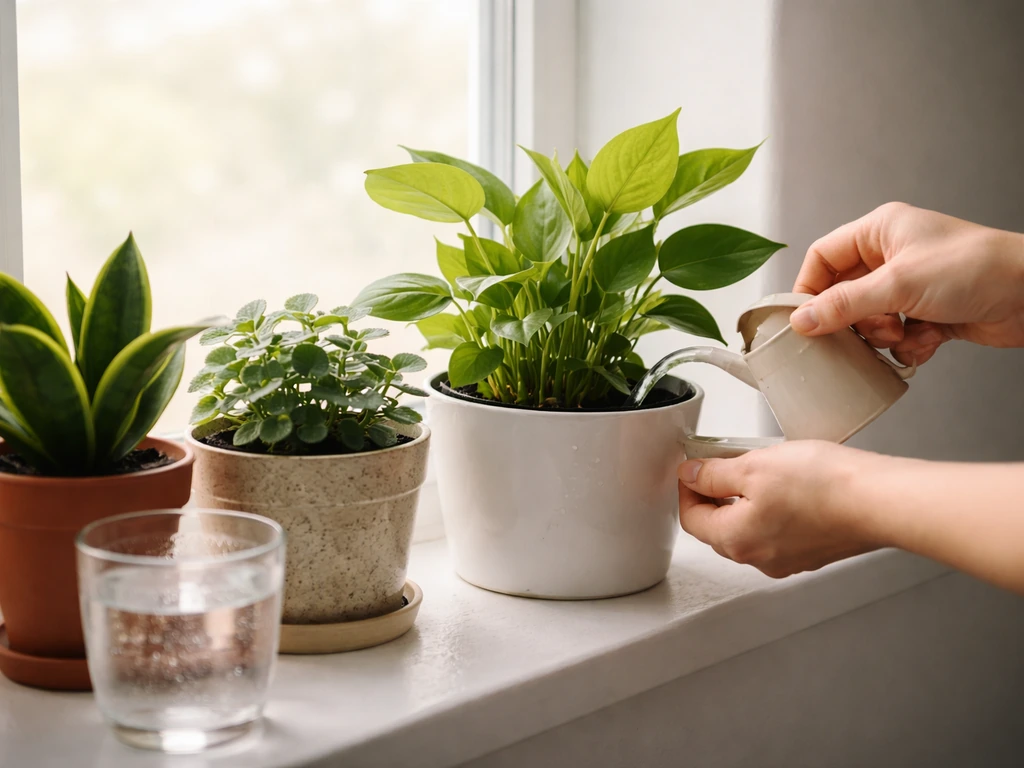
How water actually supports plant growth
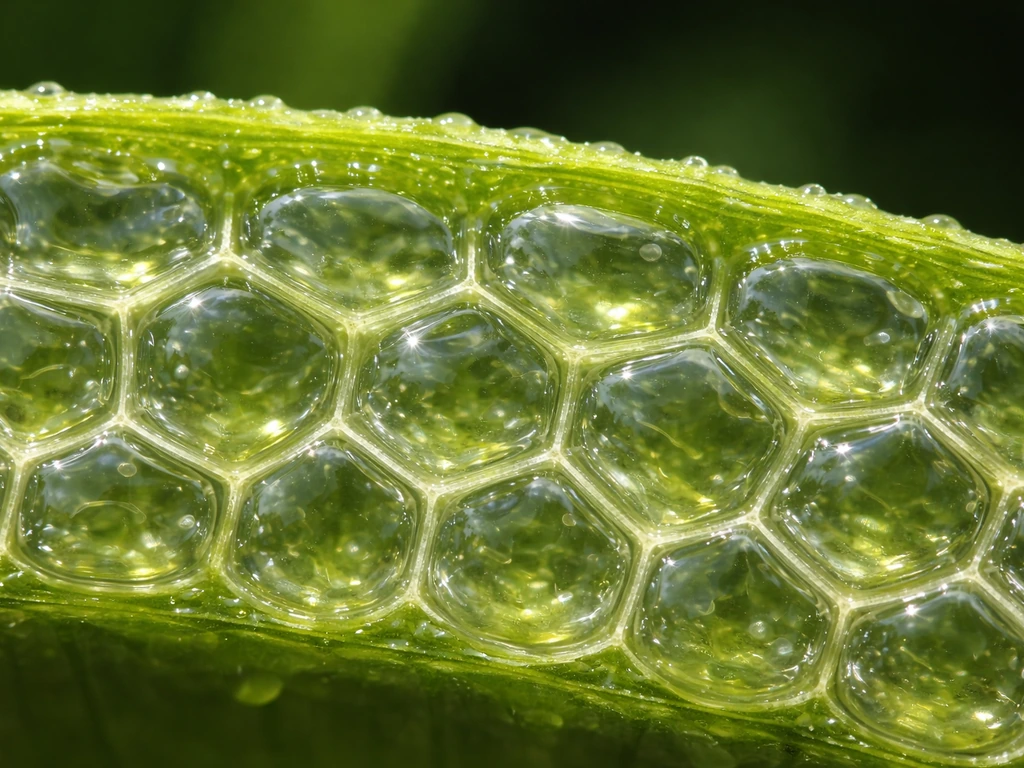
Plants are mostly water. It fills every cell, keeps tissues rigid, and the moment a plant loses more water than it takes in, growth stops and stress begins. But the job water does goes well beyond keeping plants from wilting.
Nutrient transport is one of water's most critical roles. Minerals like nitrogen, phosphorus, potassium, iron, and calcium are dissolved in soil water, and that solution is how roots absorb what plants need. No water means no nutrient delivery, even if your soil is fertile. Think of water as the delivery vehicle: without it, the goods sit in the warehouse.
Water is also a direct ingredient in photosynthesis. The simplified equation you probably remember from school has water molecules being split apart inside chloroplasts to produce oxygen and the electrons that power sugar production. A water-stressed plant slows photosynthesis before it shows any visible wilting, which is why even mild underwatering quietly tanks growth rates. And water regulates temperature: as it evaporates through leaf pores (transpiration), it cools the plant the same way sweating cools you. So tap water, when it reaches your plant at the right time and in the right amount, is doing several jobs simultaneously.
The real downsides of tap water (and how serious they actually are)
This is where the myth-busting matters. A lot of gardening content treats tap water like a plant poison. That's an overstatement. But there are four real issues worth understanding: chlorine and chloramine, water hardness, pH and alkalinity, and dissolved salts.
Chlorine and chloramine
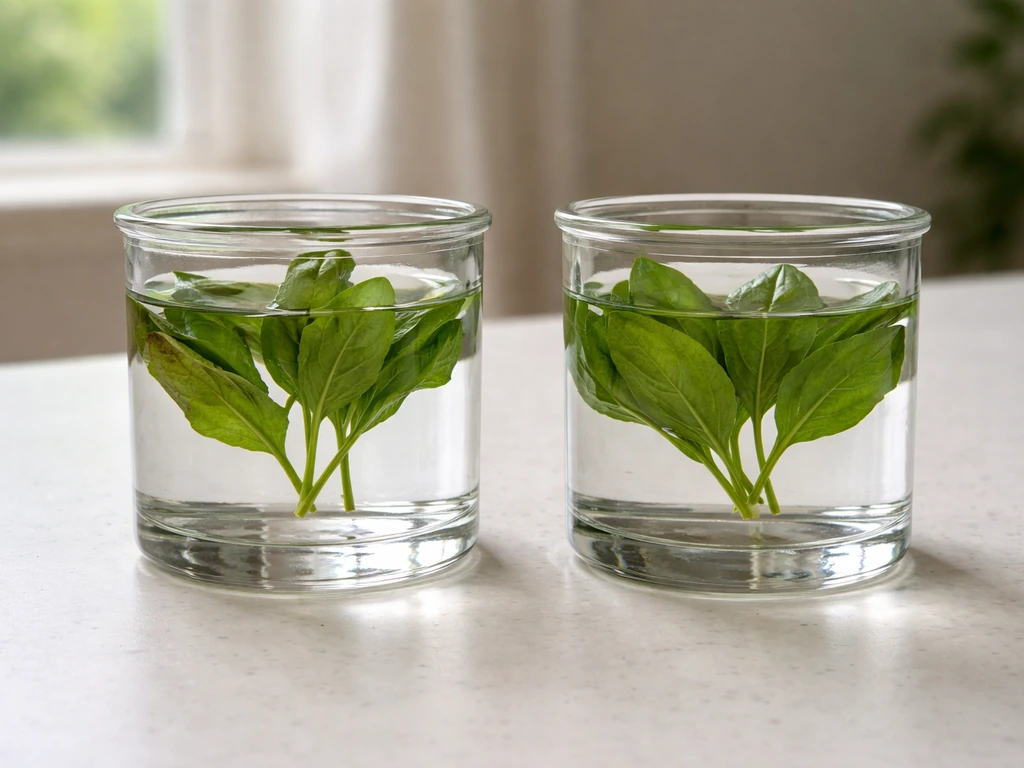
Municipal water is disinfected, typically with chlorine or chloramine. The WHO puts typical chloramine levels in drinking water at around 0.blank" rel="noopener noreferrer">5 to 2 mg/L, and the CDC considers levels up to 4 mg/L safe for human consumption. At those concentrations, research and extension guidance from the University of Nebraska and others is pretty clear: these residual disinfectant levels are not toxic to plants. Low-level chloramine in tap water does not harm houseplants or garden plants in any meaningful way. That said, some sensitive plants and beneficial soil microbes may respond to repeated high chlorine exposure over time, so it is not a zero-concern issue. Chlorine dissipates fairly easily; chloramine does not, which is an important distinction when it comes to fixes.
Water hardness and dissolved minerals
Water hardness is just a measure of how much calcium and magnesium are dissolved in your water. Some is actually beneficial. Penn State Extension puts the ideal range for irrigation water at around 100 to 150 mg/L. The problem comes with very hard water, where mineral buildup over time can alter soil structure, raise pH, and leave crusty white deposits on your pots or growing media. If you live in a region with very hard water and you water containers indoors, this is the issue most likely to affect your plants.
pH and alkalinity
Tap water pH can range a lot by location. When tap water is consistently alkaline, repeated watering gradually pushes your soil pH up. This is where real plant damage can happen, not from the water itself, but from what high pH does to nutrient availability. Iron becomes insoluble and unavailable for root absorption as soil pH climbs above about 6.5 to 6.7, and the problem accelerates above 7.0 to 7.5. Manganese follows a similar pattern. The result is iron chlorosis: that distinctive yellowing between leaf veins while veins stay green. Alkaline tap water is a slow-moving problem, but it is very real, especially for acid-loving plants like gardenias, azaleas, and blueberries.
Dissolved salts and electrical conductivity
Total dissolved solids (TDS) and electrical conductivity (EC) measure the overall salt load in water. Penn State Extension gives a useful conversion: TDS in mg/L equals 640 times EC in mmhos/cm. For container plants, EC above about 1.0 mmhos/cm starts to matter; for other plants, the threshold is roughly 1.5 mmhos/cm. When high-salt water is used repeatedly, salts accumulate in the root zone. This creates osmotic stress, meaning roots have a harder time pulling water in even when water is physically present. It is a counterintuitive problem where you can overwater and still have a drought-stressed plant.
Best practices for watering with tap water
Getting the mechanics right matters as much as water quality. Here are the habits that actually move the needle.
- Water based on soil moisture, not a schedule. Stick your finger an inch or two into the soil. If it is dry, water. If it is still moist, wait. UConn Extension specifically emphasizes checking moisture rather than watering by the calendar, and this alone prevents the most common tap-water-related problem: salt buildup from overwatering.
- Water deeply and less often. A deep watering that soaks the root zone encourages roots to grow downward. Shallow, frequent watering keeps salts concentrated near the surface and promotes shallow roots.
- Make sure your containers drain. If salt-laden water has nowhere to go, it accumulates. Every container should have drainage holes, and you should water until water flows freely out the bottom.
- Match water temperature to your plant environment. Cold tap water on tropical houseplants can cause stress. Letting water come to room temperature before use is an easy fix.
- Flush container plants every 4 to 6 months. Run water slowly through the pot for a few minutes to leach accumulated salts and minerals from the root zone. University of Maryland Extension specifically recommends this interval for houseplants.
How to make tap water safer for your plants
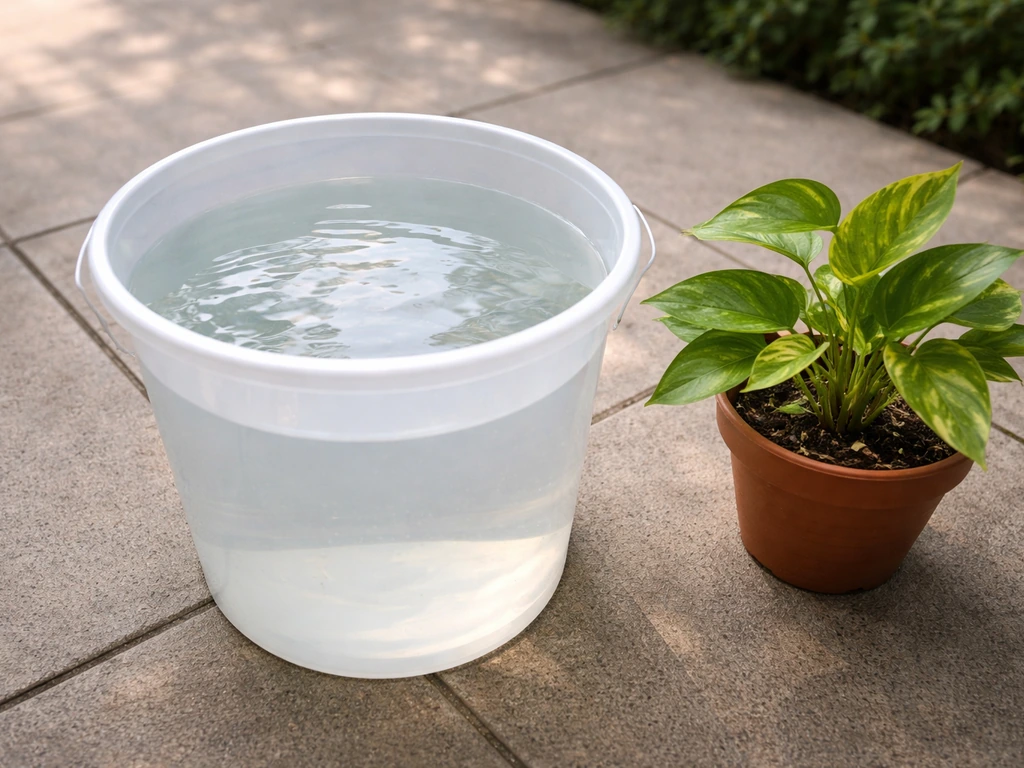
You do not need a complex setup to improve your tap water. The right fix depends on which specific issue you are dealing with.
| Problem | Simple Fix | Notes |
|---|---|---|
| Chlorine | Let water sit uncovered for 24 hours | Chlorine is volatile and off-gasses into the air; UConn and University of Maryland Extension both recommend this approach |
| Chloramine | Use a carbon filter or aquarium dechlorinator | Chloramine does not off-gas like chlorine; sitting water does not remove it effectively |
| High pH / alkalinity | Add a small amount of pH-down product or dilute vinegar to watering water | Test with a cheap pH meter; target pH 6.0 to 6.5 for most plants |
| High hardness / minerals | Use filtered or distilled water for sensitive plants, or mix 50/50 with tap | Reverse osmosis filters remove most minerals; distilled water is mineral-free |
| High salts / TDS | Dilute with low-TDS water or switch to RO/distilled for container plants | Flush pots regularly to prevent root-zone accumulation |
| Cold water temperature | Fill your watering can and let it sit at room temperature before use | Especially important for tropical plants and seedlings |
For most gardeners with average municipal water, letting water sit overnight before use is the single easiest upgrade. It handles chlorine dissipation, brings water to room temperature, and costs nothing. If your tap water is known to be very hard or very alkaline (many western U.S. cities have alkaline tap water), a basic carbon filter or mixing with collected rainwater will help significantly. Rainwater is naturally soft, slightly acidic, and free of chlorine, which is part of why plants sometimes respond better to it, a topic worth exploring separately if you notice a consistent difference. Rainwater can also help plants grow faster because it is naturally soft and slightly acidic, and it lacks chlorine that can stress plants over time.
Troubleshooting: what your plant is telling you about your tap water
If something is off with your tap water, your plants will usually show signs before you ever test the water. Here is how to read those signals and what to do about each one.
| Symptom | Likely Cause | What to Do |
|---|---|---|
| Yellow leaves with green veins (interveinal chlorosis), especially on new growth | Iron or manganese deficiency from high soil pH, often driven by alkaline tap water | Test soil pH; if above 7.0, acidify with sulfur or use acidified water; consider pH-adjusted watering |
| White crusty deposit on soil surface or pot rim | Mineral/salt buildup from hard or high-TDS tap water | Flush the pot thoroughly; leach every 4 to 6 months; consider filtered water |
| Wilting despite moist soil, browning root tips | Salt accumulation causing osmotic stress in root zone | Flush pot with lots of plain low-salt water; reduce watering frequency; improve drainage |
| Slow growth, pale leaves across the whole plant | Nutrient lockout from high pH preventing mineral uptake | Check soil pH and water pH; adjust both; consider fertilizing with chelated iron or micronutrient blend |
| Tip burn or brown leaf edges on sensitive plants | Could be fluoride sensitivity or salt stress (common in spider plants, peace lilies, dracaenas) | Switch to filtered or distilled water for watering; avoid fluoridated tap water for fluoride-sensitive species |
| General decline with no obvious cause outdoors | Cumulative salt or alkalinity damage over a season | Test irrigation water EC and pH; flush soil; add acidifying fertilizer or soil amendment |
Iron chlorosis is worth calling out specifically because it is so commonly misdiagnosed. The yellowing looks like nitrogen deficiency (which causes yellowing starting from older, lower leaves) but chlorosis from high pH shows up on younger, newer growth first, because iron cannot move within the plant once it is deficient. If you are seeing that pattern and your tap water or soil tests alkaline, adjusting water pH before watering is often more effective than adding fertilizer. Alkaline irrigation water keeps repushing soil pH upward, limiting whatever fixes you apply.
The bottom line is that tap water is a perfectly workable tool for growing plants, and for the vast majority of gardeners it is doing the job just fine. The cases where it causes problems are specific and diagnosable: very hard water, very alkaline water, high dissolved solids, or sensitivity in particular plant species. Knowing which issue you are dealing with points you directly to the right fix, and most of those fixes are cheap, fast, and require no special equipment. Start by letting your water sit before using it, watch your plants for the symptoms above, and test your soil pH if you suspect alkalinity creep. That is genuinely enough to get ahead of most tap-water problems before they become serious.
FAQ
Does tap water help plants grow if I let it sit overnight?
In many regions, yes, it can be a good option, but it depends on the cause. If your issue is chlorine or chloramine, rainwater is usually an improvement because it has no residual disinfectant. If your issue is hardness or high dissolved solids, rainwater often helps because it is naturally soft and lower in salt content. If your plants are suffering from low nutrients or poor soil conditions, switching water alone may not fix the problem.
Is letting tap water sit enough if my city uses chloramine?
It often helps for chlorine, but not always for chloramine. Chlorine dissipates fairly quickly, while chloramine tends to persist. If you have persistent symptoms like slow growth or salt buildup, or you know your utility uses chloramine, consider testing or using a filter designed to reduce chloramine rather than relying only on standing water.
Can I mix tap water and rainwater to improve growth?
Yes, but it can vary by plant and by whether the problem is salts, pH, or chlorine. With high-EC or hard water, repeated watering can cause progressive accumulation in containers, so occasional rainwater or a partial change to softer water can make a noticeable difference faster than waiting. If the plant is a known acid lover (like azaleas or blueberries), alternating with softer, slightly acidic water can reduce pH stress over time.
What water tests matter most for deciding if tap water is hurting my plants?
Use hardness, pH, and EC or TDS, not just taste. A simple approach is: check your tap water report for hardness and whether it is alkaline, then test your soil pH after a few weeks of watering with your tap. If you see iron chlorosis with yellowing on new growth, that points toward pH/iron availability rather than a simple nutrient shortage.
Why can overwatering happen even when my tap water is the problem?
Usually, but not in every situation. If your plant is already salt-stressed from high dissolved solids, watering more can worsen it because salts remain and continue building up in the root zone. A better next step is to flush containers periodically with suitable water until excess drains out, then monitor EC or watch for crusting on the media.
Does the temperature of tap water affect whether it helps plants grow?
It can, but it is not the water temperature by itself that usually matters most. Very cold water can shock roots or slow uptake, and repeated temperature stress can slow growth, especially in early season or indoors. Letting water reach room temperature (for example, by sitting) is a practical habit that reduces this risk.
Should I add iron fertilizer if I think tap water caused yellow leaves?
If the water quality issue is primarily pH, adding fertilizer may not solve the symptom because nutrients become unavailable at higher soil pH. If the yellowing pattern is the “new growth first” type consistent with iron lockout, adjusting irrigation pH before watering tends to work better than adding iron-heavy supplements that cannot be absorbed.
Can soil amendments fix problems caused by alkaline tap water?
Yes. If your soil pH is creeping upward due to alkaline tap water, the most direct lever is the watering input, but you can also address the soil medium itself. For containers, switching to a more suitable potting mix and reducing the frequency of tap-only watering can help, but you still want to monitor pH because the water will keep pushing it.
How do I know if my tap water has too many salts for my containers?
It can, especially for container plants near the threshold where salt accumulation shows up. If your media is compacting or you see white residue on pots or soil surface, that points to mineral buildup. In that case, improving water softness or periodically flushing the root zone is often more effective than fertilizing more.
Why do my plants respond differently to the same tap water?
Yes, some plants are simply less tolerant of water chemistry. Acid-loving plants are the classic example when water is consistently alkaline, and some sensitive plants or beneficial soil microbes may show gradual effects under repeated chlorine exposure. If only one plant or group struggles while others do fine, match the diagnosis to the plant’s requirements rather than assuming all tap water issues are identical.
Discover why rainwater boosts plant growth: oxygen, chemistry, temperature, deeper soak, and how to replicate benefits.
Learn if fish tank water helps plants grow and how to use fish waste safely, avoiding ammonia, salt, and algae issues.
Learn how microbes in the rhizosphere fix nitrogen, boost phosphorus, aid roots, suppress disease, and how to grow them.