The most useful thing you can add to your watering water is a balanced, water-soluble fertilizer at half the label dose, combined with a quick pH check to make sure it lands between 6.0 and 7.0 for soil plants. That single combination does more for plant growth than any folk remedy, special ingredient, or home hack I've ever tested. Everything else, from dechlorination to seaweed extract, is either a supporting fix for a specific problem or an optional bonus, not a requirement.
What to Put in Water to Help Plants Grow Today

Marcus Holloway
13 May 2026
What adding stuff to water can (and can't) actually do
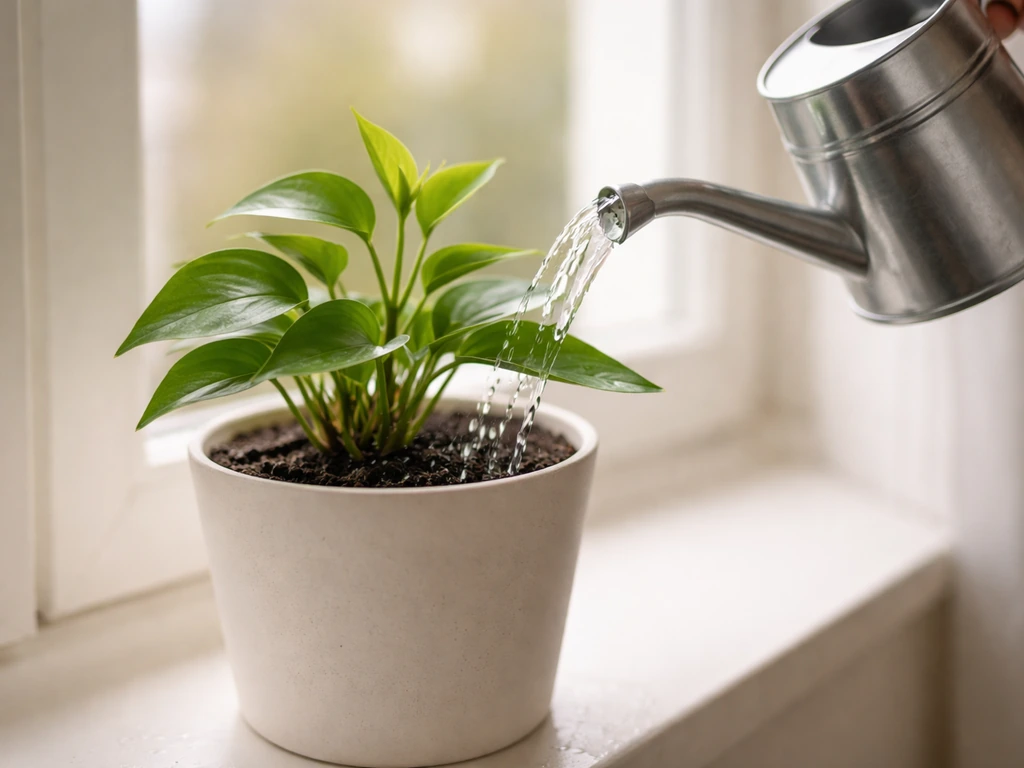
Water is the delivery vehicle. It carries dissolved nutrients and minerals down through the soil and into the root zone, where roots absorb them through osmosis and active transport. So when you add something to your watering can, you're essentially loading the delivery truck. If you load it with the right cargo in the right amounts, your plant gets fed. If you load it with the wrong stuff or too much, you either waste your effort or actively harm the plant.
What water amendments genuinely can do: supply dissolved macro and micronutrients, adjust pH so nutrients stay soluble, remove disinfectants that stress roots, and introduce beneficial biology. What they can't do: fix a plant that's getting too little light, rescue one that's been overwatered for months, or substitute for healthy soil structure. Adding things to water works on top of a solid foundation, not instead of one.
One important distinction: if your plants are growing in soil, the soil itself acts as a chemical buffer. It moderates pH swings and holds onto nutrients between waterings. That buffer means small changes to your watering water usually have modest effects over time. In a true hydroponic system, there's no buffer at all, so nutrient solution pH and concentration matter enormously and can shift within hours. The advice in this article is primarily for soil and container gardening. Hydroponics is its own discipline with tighter tolerances.
Fertilizer in your watering can: the most impactful thing you can do
For most plants that aren't getting fresh potting mix regularly, a water-soluble fertilizer is the single biggest upgrade. If you want the simplest answer for what liquids help plants grow best, start with balanced, water-soluble fertilizer diluted for your plants and your setup. Liquid and powder-soluble fertilizers dissolve completely in water, which means nutrients are immediately available to roots after you water. There's no waiting period like there is with slow-release granules.
For container plants and houseplants especially, nutrients leach out of the pot every time you water, so replenishing them through the watering water just makes sense. If what to add to plants to help them grow feels confusing, start with the most impactful option, fertilizer in your watering can.
How to dilute and apply fertilizer in water
For houseplants, start at half the label dose, or even a quarter strength. Indoor plants grow more slowly than outdoor ones, and their roots are in a confined space, so a full-strength dose builds up salt quickly and can scorch roots. Iowa State University Extension specifically recommends half to quarter strength for houseplants, with frequency anywhere from every two weeks to once every three or four months depending on the product. A slow-growing succulent needs far less than a fast-growing pothos.
For outdoor container plants and gardens, you can work closer to the label recommendation because you're watering more frequently and the excess gets washed through faster. Water-soluble fertilizers release nutrients quickly, especially in pots that get daily watering, so don't overdo it thinking more is better. A burnt plant from fertilizer overdose looks a lot like an underwatered plant, and the fix is much harder than just adding water.
If you've been heavy-handed with fertilizer and notice white crusty buildup on the soil surface or pot rim, flush the pot thoroughly with plain water. UConn Extension calls this leaching, and it physically washes excess fertilizer salts out through the drainage holes. Do it once in a while even when things look fine, just as a reset.
Choosing the right fertilizer
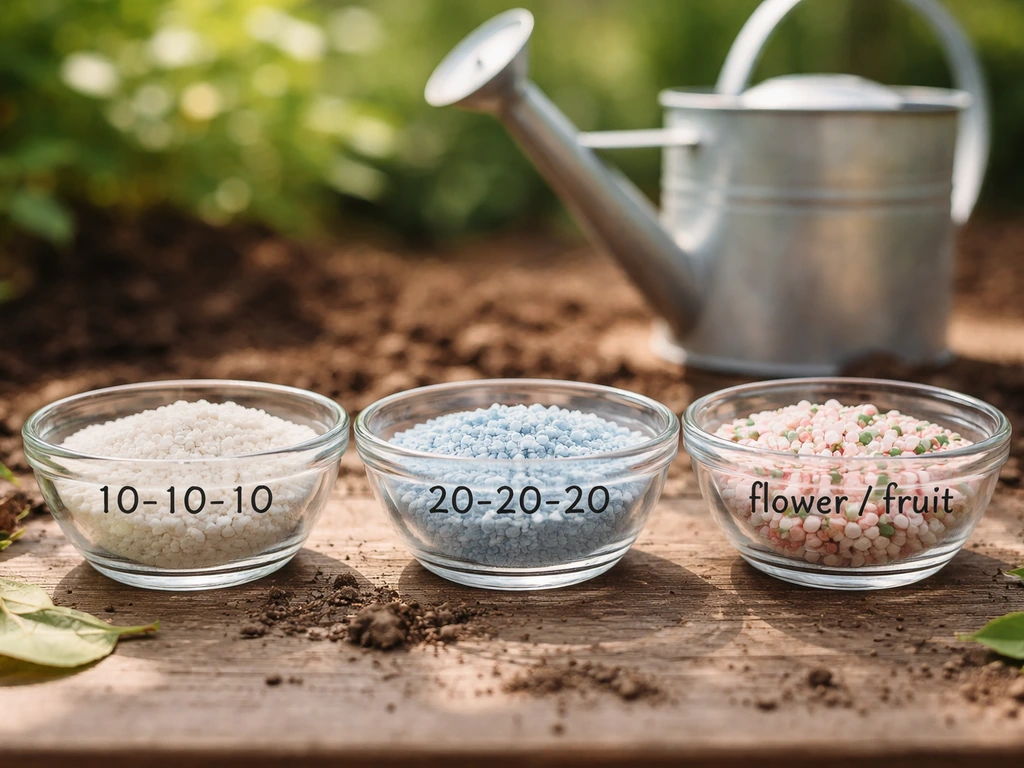
For general plant health, a balanced N-P-K ratio like 10-10-10 or 20-20-20 dissolved in water is a fine starting point. If you're growing flowering plants or fruiting vegetables, shift toward something with more phosphorus and potassium and less nitrogen once they start blooming. Leafy greens and foliage plants benefit from slightly higher nitrogen. The point is to match the fertilizer to what the plant is actually doing, not just grab whatever is on the shelf.
Soil vs. hydroponics: what amendments actually reach roots through plain watering
In soil and potting mix, dissolved nutrients travel with water down through the growing medium and get absorbed at the root surface. Most water-soluble fertilizers work this way. Some additives, however, don't do much when applied through water to soil because they either get bound up by soil particles, broken down before they reach roots, or simply aren't taken up that way. Foliar sprays (applying to leaves) bypass the soil entirely and can work for certain micronutrients, but that's a different topic than watering.
Rooting hormones are a perfect example of a water-applicable additive that only makes sense in a specific context. You'd use a dilute liquid auxin solution when propagating cuttings in water or a sterile medium, not when watering established soil plants. Liquid auxin formulations are generally more effective than powder forms for propagation, but once a plant has an established root system, adding rooting hormone to your watering can is pointless. The auxins either get degraded or don't reach the right tissue.
In hydroponics, everything changes. Because there's no soil to buffer anything, the nutrient solution in the reservoir is the plant's entire food and water supply. pH must be held between roughly 5.0 and 6.0 (compared to 6.0 to 7.0 for soil), and electrical conductivity (EC), which measures dissolved nutrient concentration, is typically targeted around 1.5 to 3.0 dS/m depending on the crop and growth stage. Drift outside those ranges and nutrient lockout or toxicity can happen within a day or two. If you're running hydroponics, treat it as an entirely separate system with its own protocol, not a variation on regular watering.
Water quality fixes that actually move the needle
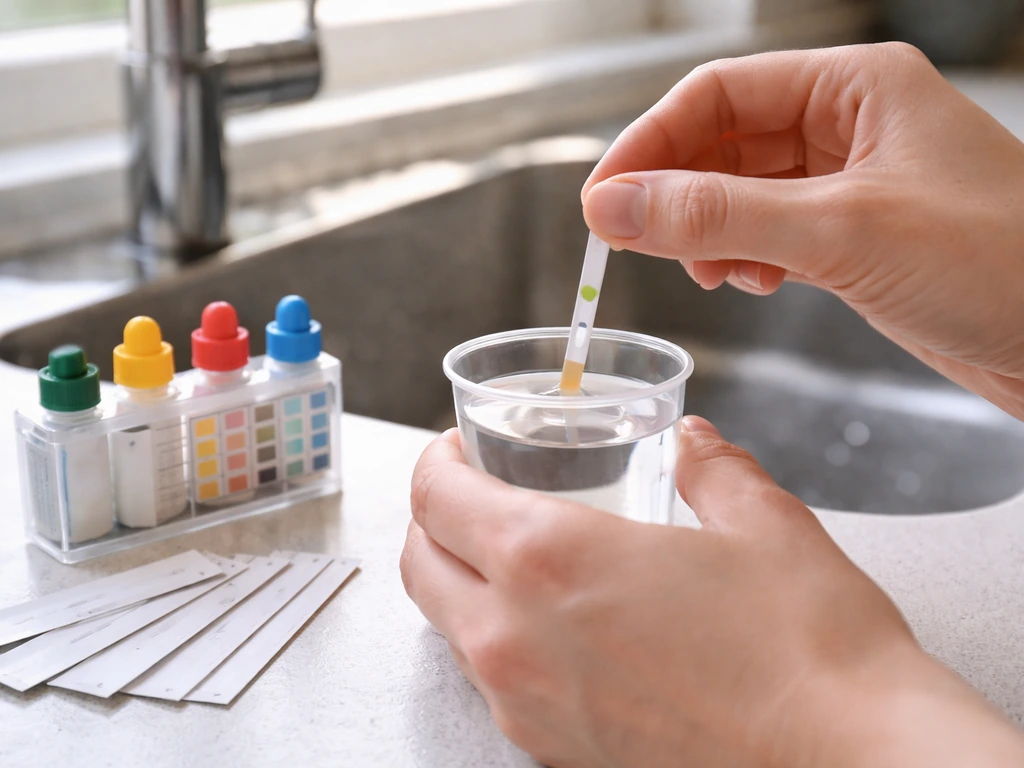
Before you add anything to your water, it's worth knowing what's already in it. In other words, the best water for plants to grow depends on its pH, chlorine or chloramine content, hardness, and temperature which water is best for plants to grow. Tap water quality varies a lot by location, and a few properties can interfere with nutrient uptake or directly stress roots. These aren't exciting topics, but fixing a water quality problem can make your plants respond faster than any additive.
pH
Soil pH affects which nutrients are soluble and available to roots. Most vegetables, herbs, and common houseplants prefer a soil pH between 6.0 and 7.0. Your tap water's pH influences soil pH gradually over time, especially in containers with small volumes of growing medium. If your water is very alkaline (pH above 7.5) and you're using it repeatedly on container plants, you can gently lower it with pH-down products (phosphoric or citric acid formulas sold for gardening) or diluted white vinegar. Don't go overboard: you're nudging, not transforming the water. Penn State Extension notes that pH problems show up faster in small, soil-free or container systems because there's less medium to buffer them.
Chlorine and chloramine
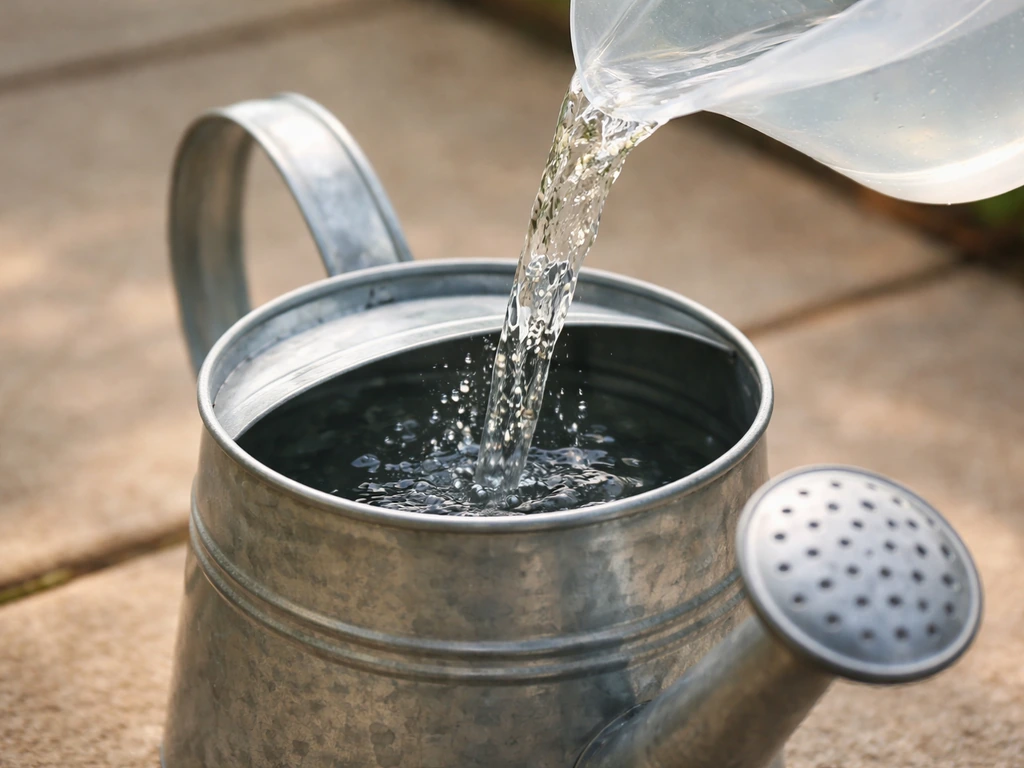
Most municipal water contains chlorine or chloramine as disinfectants. For most established plants, the concentrations in tap water aren't catastrophic, but they can stress sensitive plants and kill beneficial soil microbes over time. Here's the practical split: chlorine (the older treatment) dissipates if you let water sit in an open container for about a day or leave it out in the sun. Chloramine, the newer treatment many cities have switched to, doesn't evaporate and requires a chemical dechlorinator to remove. Call your water utility or check their website to find out which one they use, then handle it accordingly. Activated carbon filtration removes both, which is the cleanest option if you want to cover all bases.
Water hardness and mineral load
Hard water contains high levels of calcium and magnesium carbonates. A little of both is fine and even beneficial. But very hard water used long-term on containers can raise pH, deposit calcium carbonate on soil surfaces, and in some cases interfere with other nutrient uptake. If you have noticeably hard water and your plants aren't thriving despite feeding, consider collecting rainwater or using filtered water for your most sensitive plants.
Water temperature
This one gets overlooked but it matters. Cold water straight from the tap (especially in winter) can shock tropical houseplants, causing root stress and leaf drop. Room temperature water, ideally between 60 and 70 degrees Fahrenheit, is what you want. Let cold tap water sit in a watering can for an hour before using it, or mix a little warm water in. It's a small thing that reduces unnecessary plant stress.
Common water add-ins to skip (and why they don't work)
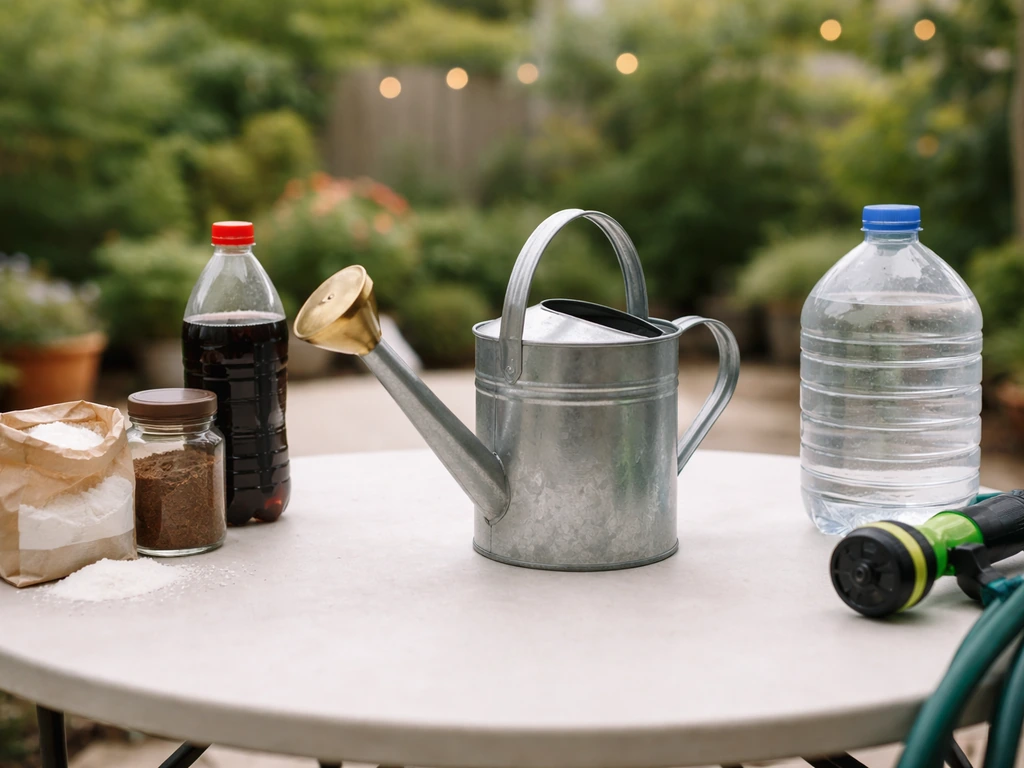
Gardening folklore is full of things to add to watering water that either do nothing or actively cause harm. I've seen all of these tried with great confidence and disappointing results.
| Add-in | The claim | The reality |
|---|---|---|
| Sugar | Feeds the plant like food | Plants make their own sugars through photosynthesis. Sugar in soil water feeds bacteria and fungi, which can deplete oxygen and promote rot. |
| Milk | Provides calcium and promotes growth | Milk proteins rot quickly in soil, create anaerobic conditions, and smell terrible. Any calcium benefit is far outweighed by the damage. |
| Aspirin (salicylic acid) | Boosts plant immunity | Salicylic acid does play a role in plant defense signaling, but dissolving an aspirin tablet in your watering can delivers inconsistent, usually negligible concentrations. It's not a reliable or recommended gardening practice. |
| Coins (copper) | Copper as a plant tonic | Copper is a micronutrient but in tiny amounts. A coin in your watering can doesn't release meaningful copper. Excess copper is actually toxic to plants and soil biology. |
| Epsom salt (magnesium sulfate) | Universal plant booster | Only useful if your soil is genuinely deficient in magnesium, which most garden soils aren't. Excess magnesium competes with calcium for root uptake and can create deficiencies. Leaf sprays can cause scorch. |
The thread connecting all of these myths is that they sound plausible because they involve real substances that do real things in other contexts. Copper is a micronutrient. University of Minnesota Extension cautions that copper is not a universal “growth additive” and that its deficiency or toxicity risk depends on soil conditions copper is not a universal growth additive. Calcium helps plants. Salicylic acid is in plant biology. But the mechanism, the dose, and the delivery method all have to be right for something to actually work. Adding a coin to your watering can is about as targeted as throwing vitamins into a swimming pool hoping someone absorbs them.
Optional boosters worth considering (with honest caveats)
These aren't essentials, but they're not snake oil either. If your plants are already healthy and well-fed, these are the kinds of things I might experiment with myself.
Seaweed and kelp extract
Seaweed extract contains natural cytokinins, trace minerals, and compounds that seem to help with stress tolerance and root development. The evidence is decent, not spectacular. Commercial products like liquid kelp concentrates give you clear dilution rates, typically applied as a soil drench every two to four weeks or as a foliar spray at a different concentration. Follow the label. Seaweed extract is not a fertilizer replacement, it's more of a supplement that may improve overall resilience. It's relatively low-risk at recommended doses and worth trying if you're curious.
Compost tea
Properly brewed aerated compost tea introduces beneficial microbes and soluble organic compounds to the soil. Oregon State University Extension explains that aeration shifts the microbial community toward aerobic bacteria and fungi that are generally beneficial. The key word is properly: the compost used needs to be fully mature, ideally reaching at least 131 degrees Fahrenheit during the composting process to reduce pathogens. This is where the caution flag goes up.
Multiple extension programs, including University of Arizona and UConn, warn that improperly made compost tea can harbor E. coli and Salmonella, especially if applied to edible plants near harvest. I'd use compost tea on ornamentals and soil drench (not foliar) on edibles well before harvest, and only when I'm confident the source compost was properly finished. It's not a casual Friday-night project.
Rooting hormones in water (propagation context only)
If you're rooting cuttings in water or a sterile medium, liquid auxin formulations are genuinely useful. MSU Extension notes that liquid formulations tend to outperform powder for cuttings. MSU Extension notes that powder forms of rooting hormones are generally less effective than liquid auxin-based formulations applied at the same concentration for cuttings and propagation contexts. Use them as directed for propagation, which usually means a short dip or dilute soak, not an ongoing additive in your regular watering routine. Too much auxin can actually slow root development, so more is not better.
Your practical plan for today
Here's a simple, low-risk starting point you can actually execute right now without buying a bunch of equipment or second-guessing yourself. If you want to know what’s good for plants to grow, start with this approach: fertilize and balance water quality instead of adding random additives low-risk starting point.
- Check what your plants actually need first. If they're in fresh potting mix from the last few months, fertilizer can wait. If they're in old, depleted soil or haven't been fed all season, that's your first priority.
- Pick a water-soluble balanced fertilizer (something like 10-10-10 or 20-20-20 is fine to start). Mix it at half the label strength in your watering can.
- If you're on municipal water, either let it sit overnight in an open container before using, or use a dechlorinator product if your city uses chloramine. Check your city's water utility website to find out which disinfectant they use.
- If you have a simple pH test kit or strips, check your water after mixing the fertilizer. Aim for 6.0 to 7.0 for most houseplants and garden plants. If it's noticeably off, adjust gently.
- Water your plants thoroughly until it drains from the bottom of containers. This ensures the nutrient solution reaches the whole root zone and flushes out any salt buildup.
- For houseplants, fertilize every two to four weeks at half strength during active growing season (spring through summer). Cut back or stop entirely in late fall and winter when growth slows.
- Watch your plants for two to three weeks. New leaves should look healthy and be the right size for the species. Yellowing of lower leaves can signal nitrogen deficiency. Crispy leaf tips or edges often mean fertilizer salt buildup: leach the pot with plain water and reduce your fertilizer dose.
Signs it's not working and what to do next
If you've been fertilizing and treating your water for a month and still see no improvement, stop adding more fertilizer and look elsewhere. Check light levels first: no amount of nutrients fixes a plant sitting too far from a window. Check for root problems by gently sliding a container plant out and looking at the roots: healthy roots are white or light tan, while rotted roots are brown, mushy, and smell bad. Investigate for pests, especially on the undersides of leaves. If the soil feels consistently wet and never dries out, you likely have an overwatering problem, not a nutrient problem. Watering additives can't rescue a plant that's drowning or sitting in darkness.
The same logic applies if you're tempted to try every booster at once. Mixing fertilizer, seaweed extract, compost tea, and pH adjusters all in the same watering can makes it impossible to know what's working or what's causing problems. Start with one change at a time, give it a few weeks, and observe. That's how you actually learn what your specific plants respond to, which is more useful than any generic advice, including mine.
FAQ
What is the simplest “one thing” to put in watering water if I don’t want to mix multiple additives?
If you want to use one product, choose a balanced water-soluble fertilizer and use a weaker mix than the label suggests (often half for most outdoor use cases and as low as a quarter for many houseplants). The key is to pair it with proper pH for soil, so nutrients stay available in the root zone.
How do I tell if I’m over-fertilizing through the watering can?
If you see crispy leaf edges, stunted growth, or leaf yellowing that keeps getting worse despite regular watering, suspect salt buildup or pH drift rather than “not enough fertilizer.” A practical step is to flush the pot with plain water until excess drains out, then restart at lower concentration and less frequent dosing.
Should I use fertilizer water every time I water, or only sometimes?
Use fertilizer water for the root zone, not as a substitute for correcting light, watering schedule, or potting mix issues. For most soil and container plants, apply the diluted fertilizer when you would normally water, then later allow the medium to dry to an appropriate extent, so you are feeding roots without constantly keeping them saturated.
Can I fix chlorine/chloramine and pH with the same watering session?
Yes, but the timing matters. Let chlorinated water stand first if it’s chlorine, but for chloramine you generally need a dechlorinator that specifically neutralizes chloramine. For pH adjustments, measure after the adjustments if you can, since some products can shift pH more than expected.
What should I do if I notice white crusty buildup after I fertilize?
White crust on soil surface or pot rim usually indicates salt accumulation, which is common in containers. Leach by running plain water through the pot until it drains freely, and then wait before re-dosing fertilizer so you do not keep re-adding salts on top of what remains.
Is compost tea safe to use on vegetables or herbs I’ll harvest soon?
For edible plants, avoid improvising with compost tea unless you are confident it was made properly and is microbiologically safe. If you want a low-risk route, stick to water-soluble fertilizer at conservative strength and use foliar methods only when the label and your food safety window support them.
Can I use rooting hormone in my watering routine to help established plants?
Yes, but only for propagation or cuttings in water or a sterile medium. For established soil plants, rooting hormones are usually a waste because the compound may break down, and the plant’s root tissue is no longer in the stage that responds to auxin dosing.
If I measured my tap water pH once, do I need to worry every time I water?
Mostly no for soil gardens. In soil and containers, the medium buffers changes, so small variations in water pH or temperature usually cause limited short-term effects. Large and repeated mismatches, like very alkaline water on small containers, can still slowly shift nutrient availability.
When should I measure EC or pH, and when can I just follow fertilizer directions?
If you switch your water source, change fertilizer type, or change container size, re-check because EC is not directly visible but nutrient concentration changes can affect how quickly plants respond. Also, if you have hydroponics, do not guess, use pH and EC targets and monitor frequently.
What pH range should I target, for soil and for hydroponics?
Measure and adjust based on your system type. Soil plants generally aim for soil pH in the 6.0 to 7.0 range, while hydroponics usually targets roughly 5.0 to 6.0 solution pH and specific EC ranges for the crop.
What if I added fertilizer but my plants still aren’t improving?
If your plants stall and look similar despite adding fertilizer, pause additives and troubleshoot first. Check light exposure, root health (rotted roots are brown, mushy, and foul-smelling), and soil moisture pattern. Nutrients cannot fix deep shade, drowned roots, or chronic darkness.
Is it better to combine multiple boosters at once, or test them one at a time?
When experimenting, change one variable at a time. Pick either fertilizer concentration or an optional supplement, then wait a few weeks before changing anything else, because multiple simultaneous changes make it impossible to tell whether you caused an improvement or a new problem.
Next Articles
What to Add to Plants to Help Them Grow: Fertilizer, Soil
Learn what to add to plants, from compost and fertilizer to mulch and pH fixes, with safe timing and dosing.
What Liquids Help Plants Grow Best: A Practical Guide
Learn which liquids best boost plant growth: water quality, nutrient solutions, fertilizer dosing, and fixes for stalled
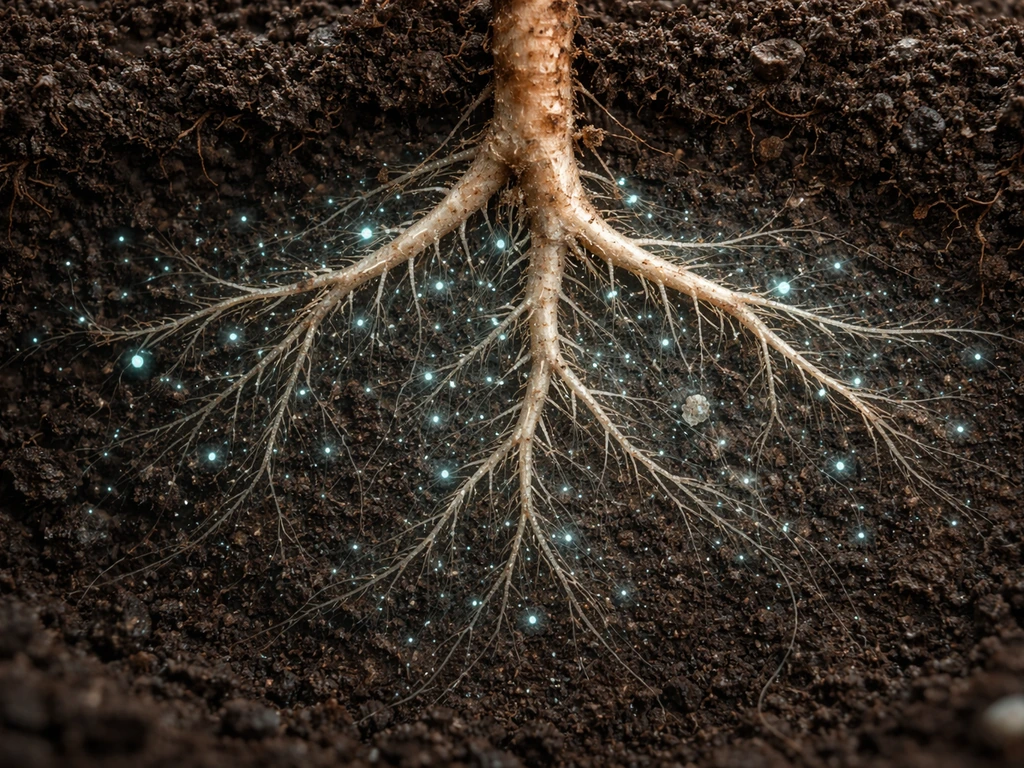
How Do Microorganisms Help Plants Grow: Practical Guide
Learn how microbes in the rhizosphere fix nitrogen, boost phosphorus, aid roots, suppress disease, and how to grow them.