Soda does not help plants grow. Regular use of any sugary carbonated soft drink on your plants will almost certainly harm them over time, and the mechanisms behind that harm are well understood. There are a handful of narrow, temporary scenarios where you might see a superficial "perk" after using soda, but those are illusions, not growth, and the underlying damage quietly accumulates. If you want your plants to actually grow better today, skip the soda entirely and focus on the real levers: soil health, correct watering, light, and proper fertilization. If you are wondering whether toothpaste helps plants grow, the same principle applies: use nutrients and care basics that plants can actually absorb toothpaste help plants grow.
Does Soda Help Plants Grow? What Happens and What to Do Instead

Marcus Holloway
5 May 2026
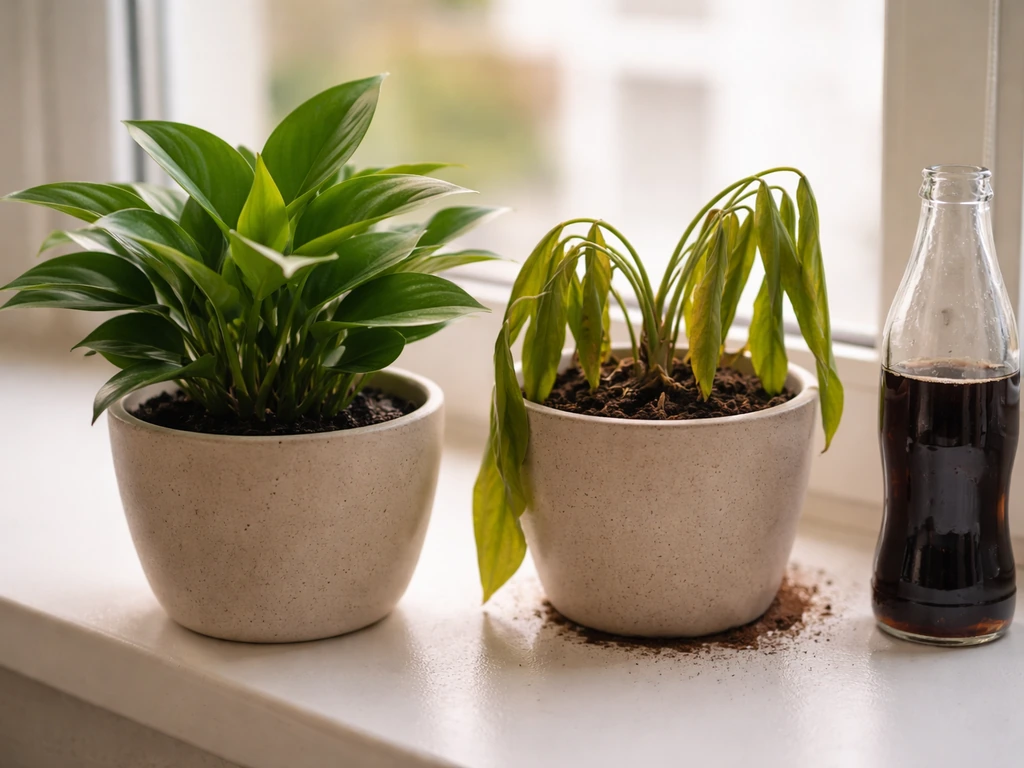
What's actually in soda and what it does to your roots
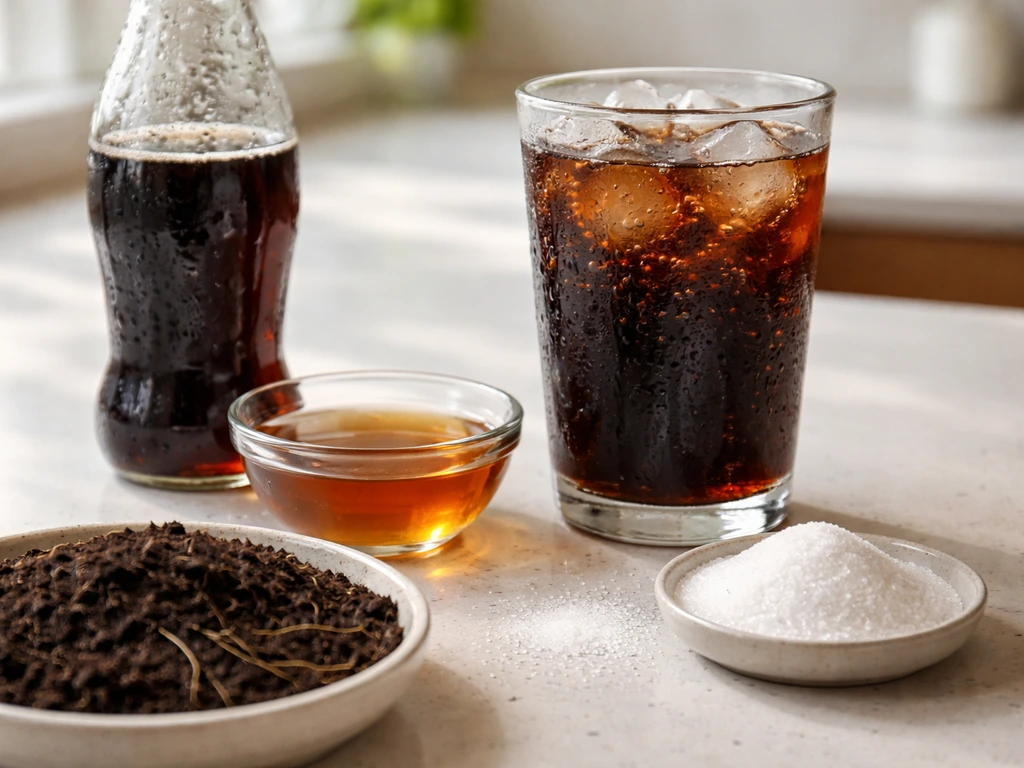
Before getting into why soda fails, it helps to know exactly what you're pouring into your soil. A standard cola like Coca-Cola contains carbonated water, high fructose corn syrup or cane sugar, caramel color, phosphoric acid, natural flavors, and caffeine. Other formulations add citric acid, sodium benzoate (a preservative), sodium citrate (an acidity regulator), and sweeteners like sucralose or acesulfame potassium in diet versions. None of those are plant nutrients. None of them replace nitrogen, phosphorus, potassium, calcium, or any of the micronutrients roots actually need to function.
Here's what each major soda component actually does when it hits your soil:
- Sugar (sucrose, high fructose corn syrup): Soil microorganisms consume sugar rapidly. This microbial feeding frenzy increases oxygen demand in the root zone, which can quickly create anaerobic (low-oxygen) conditions. Research from NC State confirms that sucrose treatments in soil can cause oxygen depletion. Plant roots need oxygen to respire and take up water and nutrients, so repeated sugar inputs work against root function.
- Phosphoric acid and citric acid: Both acidify soil by releasing hydrogen ions. Phosphoric acid is one of the most acidifying fertilizer ingredients in conventional horticulture, and citric acid causes measurable pH drops in soil. For most vegetable gardens, the target pH is around 6.0 to 6.8. An uncontrolled, unmonitored acid input like soda is a poor substitute for the precision of a soil test followed by lime or sulfur adjustment.
- Sodium (from sodium benzoate, sodium citrate): Sodium is a salt. Accumulated salts in soil create osmotic stress, meaning roots have a harder time pulling water in even when moisture is present. Utah State, Colorado State, and Penn State Extension all describe this mechanism and recommend leaching with clean water to fix it.
- Carbonation (dissolved CO2): The CO2 in carbonated water dissipates almost immediately when you open a bottle or can. Very little reaches the root zone in meaningful concentration. Research published in MDPI shows mixed results even in controlled CO2-enriched irrigation studies, including root inhibition in some cases. The idea that carbonation delivers a useful CO2 boost to roots doesn't hold up.
- Caffeine and colorants: Not plant nutrients, not beneficial in any studied way for plant physiology.
Plants take up water and dissolved nutrients through their roots via the xylem system. The key word is "dissolved nutrients" in a soil solution, delivered in forms plants can actually absorb. Soda is not formulated to provide those. It delivers sugar, acids, and salts, none of which substitute for a balanced nutrient solution.
Why the 'soda as fertilizer' idea keeps showing up (and keeps being wrong)
The most persistent version of this myth focuses on sugar. The thinking goes: sugar feeds microbes, microbes help plants, therefore sugar (via soda) helps plants. There's a grain of truth buried in there. University of Minnesota Extension does note that adding carbon sources like sugar can fuel soil microorganisms, which then mineralize nitrogen and other nutrients, potentially making them more plant-available. But that guidance is specifically about sugar as a soil amendment under the right conditions, not about dumping soft drinks on houseplants. And the effect is short-lived and unpredictable because microbial responses to sugar inputs happen fast, alter oxygen dynamics, and shift carbon cycling in ways that aren't automatically beneficial to the plants sitting above them.
The carbonation angle is equally shaky. There's genuine research into CO2-enriched irrigation water in agricultural settings, but even those controlled studies report mixed results including root growth inhibition. The CO2 in a can of Coke is nowhere near what those experiments use, and it escapes into the air the moment you open the can anyway.
Diet soda doesn't fix these problems. Can birth control pills help plants grow, or is that another myth that fails to provide real nutrients soda as fertilizer. Swapping sugar for artificial sweeteners avoids the sugar-fueled oxygen depletion issue, but you still get the acids, the sodium-based additives, the preservatives, and none of the actual nutrients plants need. If you're curious about how specific drinks like Sprite or 7-Up compare, the same fundamental problems apply: acids, sugars or sweeteners, sodium, and zero plant-available nutrients. Sprite is just another sweetened soft drink with acids and little to no plant-available nutrients, so it will not help plants grow Sprite or 7-Up.
The 'looks better' trap: temporary effects vs. actual harm
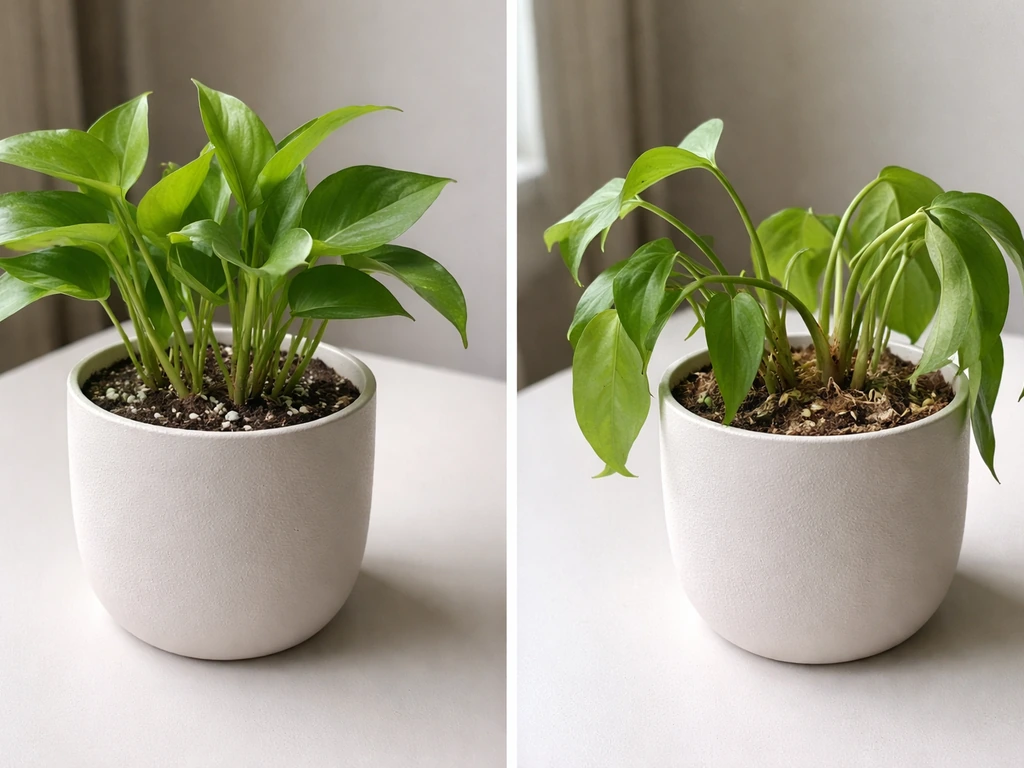
I've seen this described by gardeners who swear their plant perked up after a soda watering, and I don't think they're imagining things. But here's what's likely happening: if the plant was underwatered, almost any liquid input provides temporary relief. The water in the soda hydrates the plant in the short term, and you attribute the rebound to the soda's special properties when it was really just the water. Dish soap can be similarly tempting, but it's not a reliable way to feed or grow plants dish soap help plants grow. Meanwhile, the sugar, acid, and salt residue quietly builds up in the root zone. Utah State University Extension notes that excessive salt concentrations make water less available to plants because salt osmotic forces in soil water reduce plant water uptake.
There's also a microbial burst effect. The rapid microbial response to a fresh sugar input can release some mineralized nutrients briefly, which might translate to a small, temporary nutrient uptick. Research on microbial response times to sugar additions shows this response is fast but short-lived. The plant might look marginally better for a week while the root zone is actually accumulating salt stress and losing aeration. By the time you notice the damage (yellowing, wilting, slow growth, root rot), you've moved on mentally and may not connect it to the soda experiment you ran a month earlier. Penn State Extension also describes salt injury symptoms such as wilting and stunted growth, and in more severe cases leaf margin necrosis yellowing, wilting, slow growth, root rot.
What to do instead: growth boosters that actually work
If your plants aren't growing the way you want, there are four main levers worth checking in order. Most struggling plants have one obvious bottleneck, and fixing it produces real, visible improvement within days to weeks.
1. Check your soil first
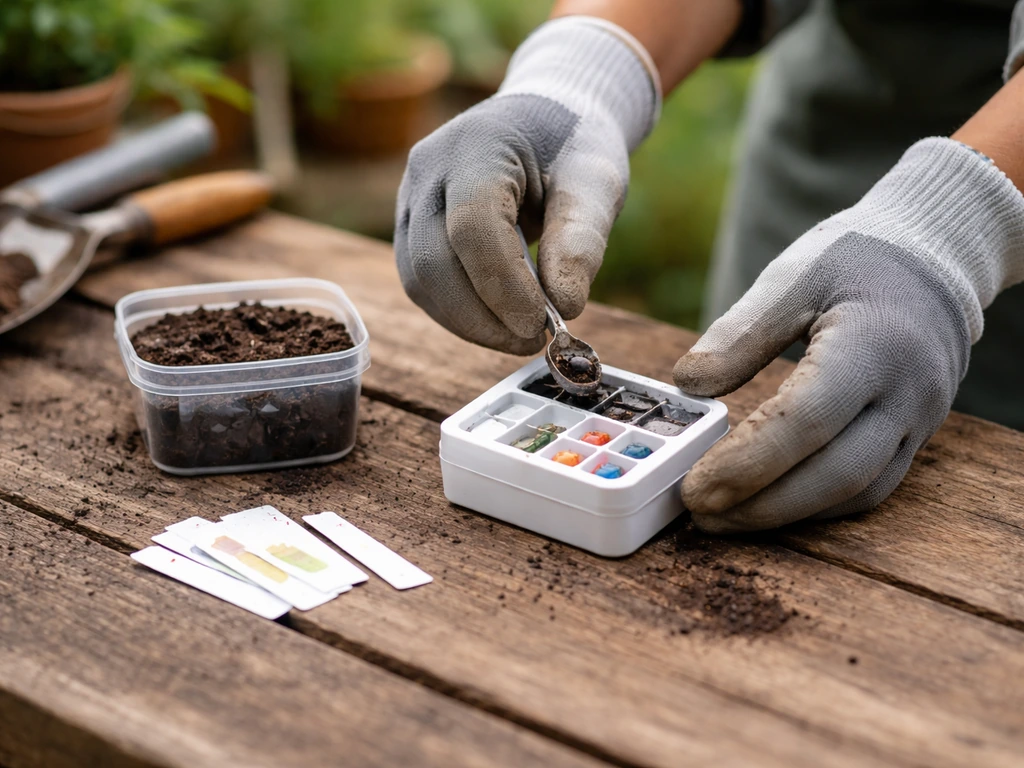
A soil test is the highest-value step most gardeners skip. For around $15 to $25, you get a pH reading, macronutrient levels (N, P, K), and lime recommendations. Penn State, University of Minnesota, and Utah State Extension all offer lab testing services. Most vegetables perform best between pH 6.0 and 6.8. UF/IFAS puts the sweet spot for vegetable gardens on sandy soil at pH 5.8 to 6.3. If your pH is off, even an otherwise healthy plant can't access the nutrients sitting right there in the soil. Fix pH with agricultural lime (to raise it) or sulfur (to lower it) based on actual test results, not guesswork.
2. Water correctly, not more
Overwatering is one of the most common causes of stunted growth and root problems. Plants stressed by insufficient water reduce growth and yield, but drowning roots in poorly drained soil is equally harmful. The fix is consistent, appropriate watering for your specific plant and container type, with good drainage. Water deeply and less frequently rather than shallow and daily, which keeps oxygen cycling through the root zone between waterings.
3. Feed with actual fertilizer
If your soil test reveals deficiencies, use a balanced, water-soluble fertilizer with actual N-P-K ratios, or a slow-release granular amended into the soil. For houseplants, a diluted liquid fertilizer applied during the growing season (spring and summer) at the package rate is usually enough. Don't try to approximate fertilizer with food scraps, soft drinks, or household items. If you are trying to figure out what soda helps orchids grow, treat that as a clue to switch to proper orchid fertilizer instead of soft drinks. If you want to boost growth, stick with proper watering, light, and a fertilizer matched to your soil test instead of using bleach or soda Don't try to approximate fertilizer with food scraps, soft drinks, or household items.. The nutrient concentrations aren't predictable, and the side effects (as covered above) outweigh any incidental benefit.
4. Address light
Light is frequently the limiting factor for indoor plants and is easy to underestimate. Low light means slow or leggy growth, no matter what you feed the plant. If you're growing edibles or flowering plants indoors, a full-spectrum grow light placed 6 to 24 inches above the canopy (depending on intensity) can make a dramatic difference. For outdoor plants, make sure you're meeting the minimum sun requirements for the specific species you're growing.
Quick growth troubleshooting checklist
- Yellowing older leaves: likely nitrogen deficiency or pH-locked nutrients. Get a soil test.
- Leggy, pale, reaching growth: not enough light. Move the plant or add supplemental lighting.
- Wilting despite moist soil: possible root rot from overwatering or poor drainage. Check roots for mushy, dark tissue.
- Stunted but otherwise healthy looking: check soil pH. Nutrient lockout is common when pH drifts below 5.5 or above 7.5.
- Crispy leaf edges: salt accumulation or underwatering. Flush the soil with clean water and review your watering schedule.
Already used soda on your plants? Here's how to fix it
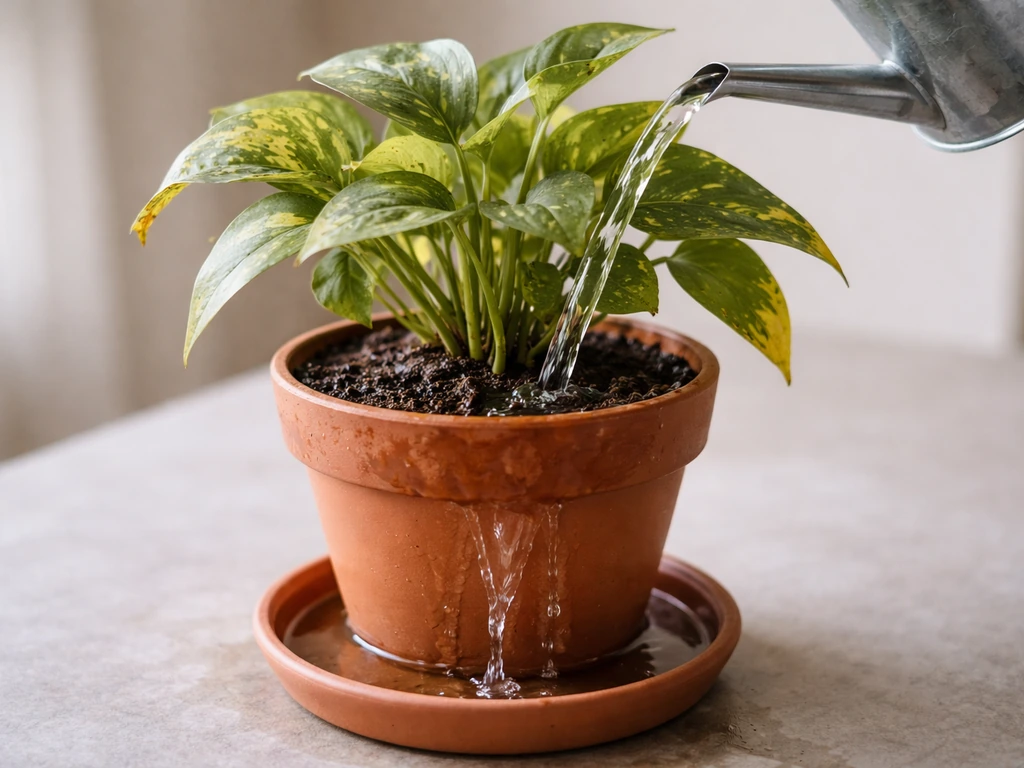
If you've been watering with soda and you're now noticing problems, don't panic. The damage from a handful of applications is usually reversible. The primary concern is accumulated salts and possible pH disruption in the root zone. Here's how to address it:
- Flush with clean water: For potted plants, water thoroughly with plain, pH-neutral water until it runs freely from the drainage holes. Repeat two or three times over the next few days. This leaches accumulated salts and sugar residue below the active root zone. Colorado State Extension notes that roughly 6 inches of water leaches about half the salt in outdoor soil. For pots, three full flushes over a week will move the problem out.
- Check the soil pH: Use an inexpensive pH meter or test strips, or send a sample to a lab. If the pH has dropped significantly due to the acids in soda, you may need to apply lime to bring it back up toward 6.0 to 6.5. Don't guess at the lime rate. Use the test result.
- Hold off on fertilizing for 1 to 2 weeks: After flushing, let the plant stabilize before introducing fertilizer. Adding nutrients to a stressed, salt-affected root zone can worsen osmotic stress. Give the roots time to recover first.
- Improve drainage if needed: If your pot or bed has poor drainage, that's what allowed soda residue to accumulate in the first place. Add perlite to potting mix, or for outdoor beds, work in compost and check that water isn't pooling.
- Watch for recovery signs: New growth resuming, color improving, and the plant no longer wilting are all signs the root zone is recovering. This typically takes two to four weeks after flushing.
One application of soda probably won't kill a healthy plant. Repeated use, especially in containers where salts can't escape easily, is where real lasting damage sets in. The good news is that most houseplants and garden plants respond well once you restore clean water, correct pH, and appropriate nutrients. The soil biology is remarkably resilient when you stop the problem input and give it time.
The broader takeaway here applies to a lot of DIY plant hacks, whether that's baking soda, dish soap, or other household items used as garden inputs. Some have genuine, specific, limited applications. Most don't. Soda sits firmly in the 'don't bother' category, not because the science hasn't been investigated, but because every relevant mechanism, sugar's oxygen cost, acid's pH disruption, sodium's osmotic stress, points away from plant benefit and toward harm. Spend that curiosity and energy on a soil test instead. That single $15 investment will do more for your plant growth than any amount of soft drink ever could.
FAQ
If I already watered with soda once, should I throw the plant away?
Usually no. One accidental watering is unlikely to be fatal, especially for healthy, well-draining soil. The next step is to flush the root zone with plain water (enough to run through the drainage holes), then switch to a correct watering schedule and monitor for signs like yellowing, leaf drop, or wilting over the following 1 to 3 weeks.
What symptoms would show that soda is harming my plant rather than helping it?
Look for slow growth paired with root-zone stress, such as persistent wilting despite moist soil, yellowing leaves, browning root tips, fungus gnats from deteriorating soil oxygen balance, or a sour or “off” smell from the potting mix. Salt buildup often also causes crusty white residue on the soil surface or pot rim.
Does diet soda cause less damage than regular soda?
It’s not reliably safer. Diet soda removes the sugar, but it still contains acids and salts plus preservatives and sweeteners that can disrupt soil pH and contribute to osmotic stress. So you may avoid one mechanism (sugar-fueled oxygen depletion), but you still introduce non-nutrient chemistry that plants cannot use for growth.
Can I use soda as a fertilizer if I dilute it a lot?
Dilution doesn’t make it a true fertilizer. Even if concentration is lower, you still deliver acids, salts, and non-nutrient additives without providing a balanced nutrient form the plant can uptake reliably. If you want to “use what you have,” use a fertilizer matched to your soil test instead of a beverage.
Would soda work better in hydroponics than in soil?
It’s still a bad idea. Hydroponic systems depend on tightly controlled, known nutrient concentrations and pH. Soda’s acids and dissolved sugars or sweeteners can throw off pH and create microbial problems, and it does not provide usable N-P-K in the right ratios.
Is it ever okay to use sugar (like for microbes) instead of soda?
Sometimes sugar can be used as a soil amendment in controlled, nutrient-aware ways, but the article’s caution still applies to soft drinks. If you try sugar feeding, do it only in small, tested amounts and pair it with proper nitrogen management, because sugar-driven microbial activity can temporarily increase nutrient demand and worsen deficiency if the soil is already low.
How do I “undo” soda buildup in a potted plant?
Flush is your first move: run plain water through the pot until excess drains freely, then let it drain completely. After that, give time for the root zone to re-balance, and consider checking pH with a soil test or using fresh potting mix if the plant is struggling badly or salts are clearly visible.
If soda perked my plant up, how can I tell whether it was just hydration?
Compare timing and conditions. If the plant improved right after watering and the pot was previously dry, the effect was likely water stress relief. True growth improvements would show up as sustained new leaf expansion and steady stem growth, not just brief “perkiness” before problems like yellowing or stunted growth appear later.
What should I do if my plant is not growing, but I don’t know whether it’s nutrients, light, or watering?
Use the fastest decision aid first: verify light and watering consistency, then do a soil test. If light is low, fertilizer will not fix legginess or slow growth. If pH is off, nutrients may be present but inaccessible. A pH and N-P-K result tells you where to intervene instead of guessing with household inputs.
Next Articles
Does Sprite Help Plants Grow? Science, Risks, and Better Options
Learn if Sprite helps plants grow, why soda harms them, and what to do instead for healthier growth.
Does Baking Soda Help Plants Grow Faster? What to Know
Learn if baking soda helps plant growth or speeds it up, how it changes pH, risks, and safer alternatives.
How Do Microorganisms Help Plants Grow: Practical Guide
Learn how microbes in the rhizosphere fix nitrogen, boost phosphorus, aid roots, suppress disease, and how to grow them.