Sprite does not help plants grow. Pouring it on your plants introduces high sugar concentrations, citric acid, sodium, and preservatives, none of which plants can meaningfully use as nutrition, and several of which actively work against healthy root function, soil biology, and pH balance. If you have already tried it, do not panic, but do stop and flush the soil. Here is exactly what is happening and what to do instead.
Does Sprite Help Plants Grow? Science, Risks, and Better Options

Marcus Holloway
5 May 2026
Where the "soda for plants" myth comes from
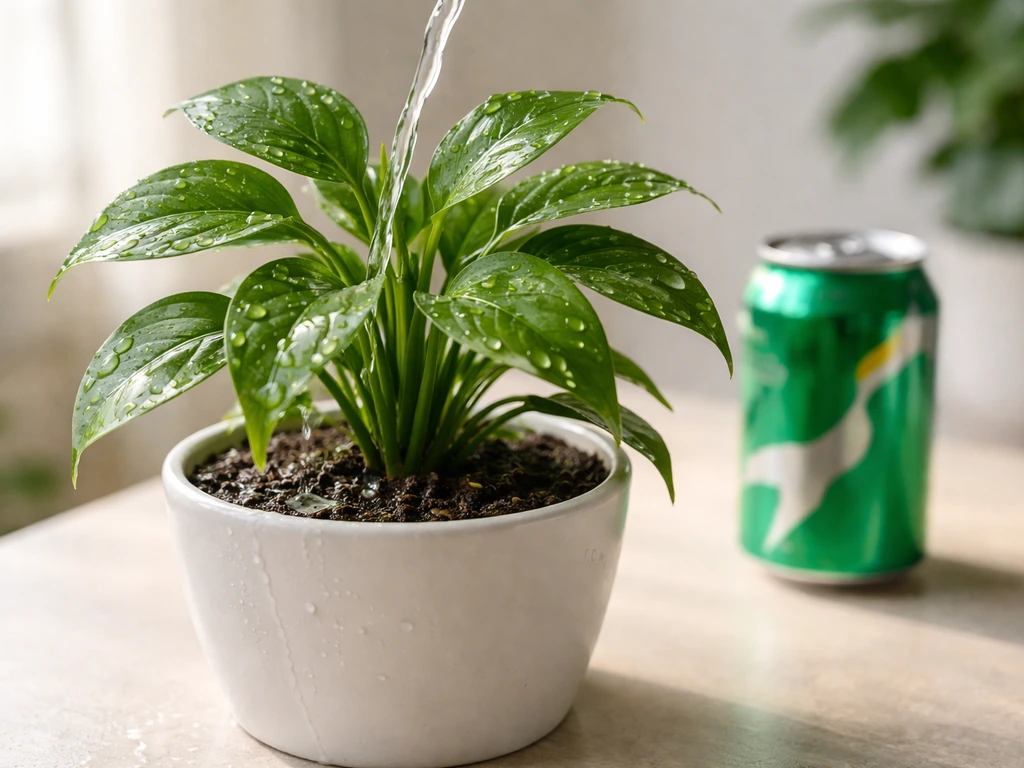
The idea has floated around gardening forums and social media for years, often framed as a clever DIY hack: Sprite is mostly water, it has carbonation (which sounds vaguely science-y), and plants need carbon, right? So maybe it helps? Some versions of the claim say the sugar feeds the plant directly, others say the bubbles aerate the soil, and a few claim the low pH somehow unlocks nutrients. It is one of those myths that sounds almost plausible if you squint at it, which is exactly why it keeps circulating alongside other household-product experiments like using baking soda, dish soap, or other sodas on plants.
The reality is that plants do not absorb sugars through their roots the way animals absorb food through their gut. Plants manufacture their own sugars through photosynthesis. They do not have a use for externally supplied glucose or high-fructose corn syrup arriving via the soil, and the rest of what Sprite contains creates genuine problems rather than solving any.
What is actually in a can of Sprite
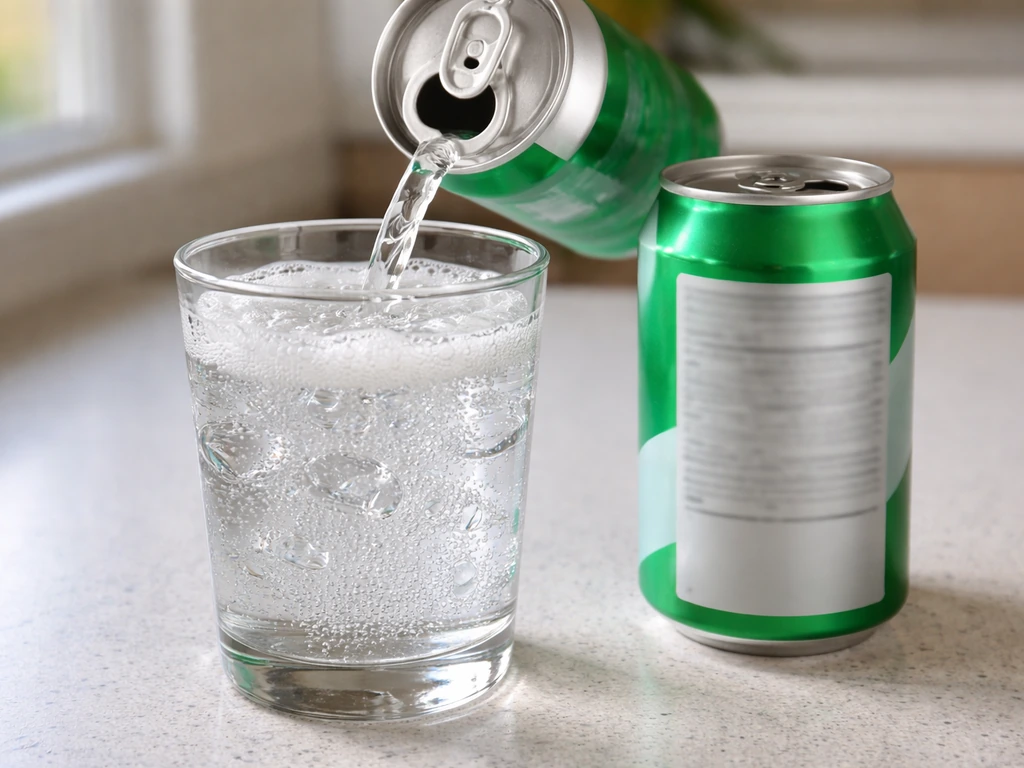
A standard 12 fl oz can of Sprite contains 140 calories and 38 grams of sugar, all of it added sugar in the form of high-fructose corn syrup. The ingredient list is: carbonated water, high-fructose corn syrup, citric acid, natural flavors, sodium citrate, and sodium benzoate (a preservative). There is no caffeine, no meaningful mineral content, and certainly no nitrogen, phosphorus, or potassium. The sodium content comes in at 65 mg per can, which matters once you start thinking about salt stress on roots.
So what does that list actually mean for a plant? Let me break it down ingredient by ingredient.
| Ingredient | What plants actually need it for | Risk at soda concentrations |
|---|---|---|
| Carbonated water | Plants use CO2 through leaves, not roots; dissolved CO2 in water is negligible | None directly, but the acid it forms (carbonic acid) adds to pH drop |
| High-fructose corn syrup (38 g/can) | Plants make their own sugars via photosynthesis; root sugar uptake is not a pathway | Osmotic stress, microbial overgrowth, pest attraction |
| Citric acid | Trace organic acids occur naturally in soil, but concentrated citric acid lowers pH sharply | pH can drop to roughly 2.5–3.5 in the liquid itself, acidifying soil |
| Sodium citrate / sodium benzoate | No nutritional role for plants | Sodium builds up in soil, contributing to salt toxicity and root burn |
| Natural flavors | None | None known, but not beneficial |
Why sugar, carbonation, and acids usually hurt more than they help
The sugar problem: osmotic stress
When you pour a high-sugar solution into the soil around your plant's roots, you are raising the solute concentration in the soil water. Roots absorb water through osmosis, moving water from areas of lower solute concentration (the soil) to higher concentration (the root cells). When the soil solution becomes more concentrated than the root cells, that process reverses. Water actually moves out of the roots. The plant wilts and looks drought-stressed even when the soil is wet. This is the same mechanism that makes saltwater irrigation so damaging, and it is why sugary sodas like Sprite are explicitly described as preventing plants from absorbing water properly.
The acid problem: pH damage
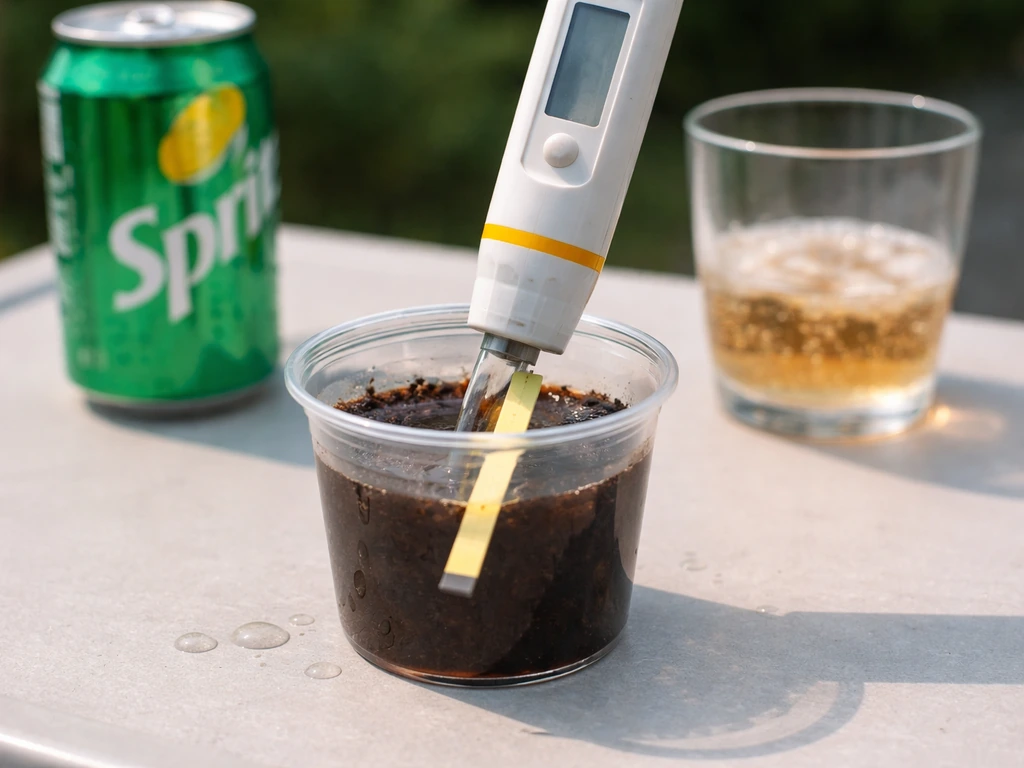
Sprite contains citric acid, and fresh from the can, the pH of the liquid sits around 2.5 to 3.5, far below the 6.0 to 7.0 range most garden plants prefer. Repeatedly applying an acidic solution shifts the soil pH downward. Once soil pH drops below 5.5, phosphorus becomes less available because aluminum in the soil binds to it. Below pH 5, aluminum and manganese can reach concentrations that are directly toxic to roots. Soil acidification is a real problem in established gardens, and intentionally driving it further down by adding an acidic soda is working against you in every direction.
The sodium problem: salt buildup
Sodium citrate and sodium benzoate add sodium to the soil. Sodium is not a nutrient plants need in meaningful amounts, and it accumulates over repeated applications. Salt buildup in soil interferes with nutrient uptake, causes marginal leaf browning and scorch, and can cause root tissue to brown and go limp, exactly the same injury pattern you see from over-fertilization with high-salt fertilizers.
The microbial problem: sugar overload in the rhizosphere
Healthy soil is alive. Beneficial bacteria, fungi, and other microorganisms cycle nutrients, fix nitrogen, and protect roots from pathogens. Adding large amounts of sugar to soil triggers a rapid microbial response. Bacterial populations can bloom fast, then crash, disrupting the stable microbial community that plants depend on. Research on soil microbial responses to glucose shows that even moderate sugar additions measurably alter respiration and microbial growth patterns. The short version: a sugar rush in your soil disrupts the underground partnerships your plant relies on.
Problems to watch for after applying Sprite to plants
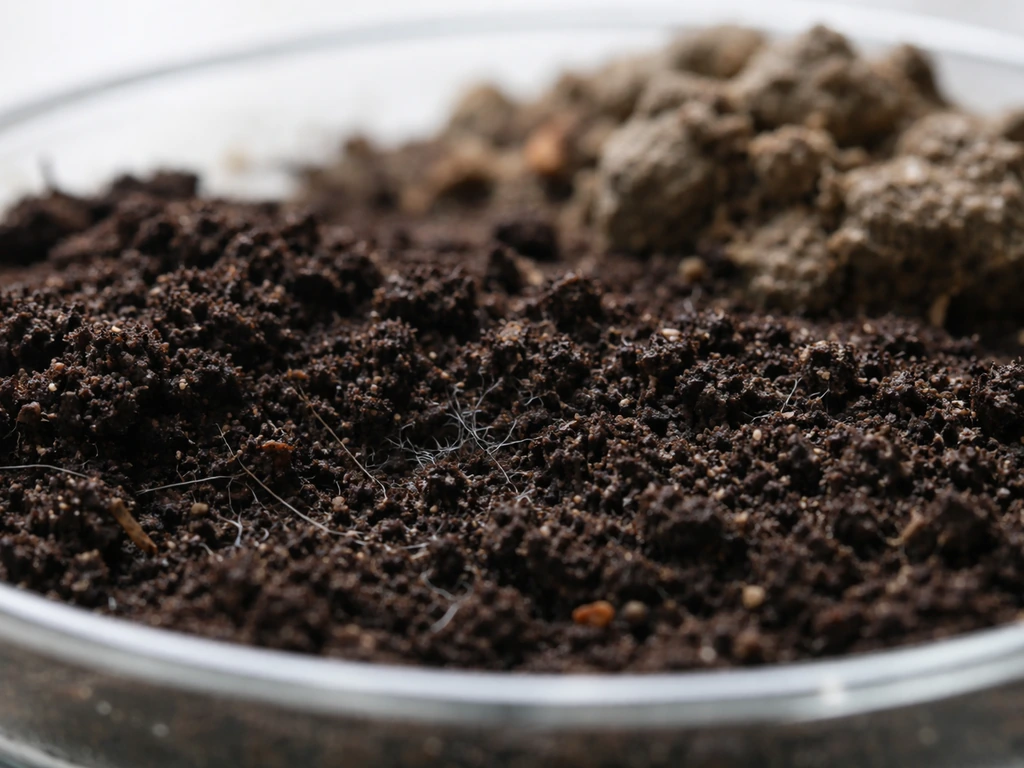
If you have already poured Sprite on a plant (or if you are wondering what went wrong after seeing symptoms), here is what to look for. These symptoms can overlap with other problems, but together they point to soda-related stress.
- Wilting despite moist soil: osmotic stress pulling water out of roots
- Yellowing lower leaves: salt or pH stress disrupting nutrient uptake
- Brown, crispy leaf margins or tips: classic salt scorch pattern
- Mushy or blackened roots (visible when repotting): root tissue damage from salt and acid
- White or sticky crust on the soil surface: dried sugar and salt residue
- Fungus gnats appearing suddenly: the sugar in moist soil is a perfect breeding ground for fungus gnat larvae, which then feed on roots, causing wilting, poor growth, and yellowing
- Mold or fungal growth on the soil surface: sugar feeds fungal colonizers as well as bacteria
- Slow or no new growth: a cumulative sign the plant is stressed at the root level
Fungus gnats deserve a specific mention here. Their larvae live in the top 2 to 3 inches of soil and feed on organic matter, fungi, and sometimes plant roots directly. A sugary, damp soil surface after a Sprite application is almost ideal habitat. If you start noticing small flies hovering near your pots, yellow sticky traps can help capture adults while you address the soil conditions below.
Already poured Sprite on your plant? Here is how to recover
The first step is simple: stop applying it. Then flush the soil. Leaching excess solutes from potting mix is straightforward: water slowly and thoroughly until water pours freely from the drainage holes. Wait 2 to 3 hours, then repeat. According to guidance from Penn State Extension on salt remediation in containers, 6 inches of water applied this way reduces soluble salts by about half. Twelve inches reduces them by roughly four-fifths. So you may need to do this two or three times over a couple of days to clear most of the sugar, sodium, and acid residue. Make sure your pot has good drainage, because letting that flushed water sit around the roots defeats the purpose.
For plants in the ground, deep watering with clean water over several days helps dilute and move the soda residue below the root zone. You cannot leach outdoor soil as precisely, but consistent, thorough watering goes a long way.
After flushing, monitor the plant for 1 to 2 weeks. If you see continued yellowing, browning edges, or wilting, check the roots. Healthy roots are white or light tan and firm. Damaged roots are brown, mushy, or black. If root damage is significant, consider repotting into fresh, well-draining potting mix, trimming off any dead roots cleanly before replanting. Hold off on fertilizer for a few weeks while the plant stabilizes, then resume with a balanced, diluted feed once you see new growth.
What actually helps plants grow
Once you step away from the soda myth, the real growth drivers are honestly not exotic or expensive. Plant-friendly supplements and DIY fixes can seem tempting, but you should not rely on soda like 7up to help plants grow Once you step away from the soda myth. They are the factors that plant biology actually responds to.
Light: the real growth engine
Photosynthesis is where plant sugars actually come from, and photosynthesis requires the right light intensity and spectrum. Most houseplants labeled as "low light" still need bright indirect light to grow well; truly low-light conditions just mean they survive. If your plant is leggy, pale, or barely producing new leaves, more or better-quality light will do more for it than any additive. If you are considering other household “solutions” too, the same idea applies to things like does toothpaste help plants grow, where the ingredients are usually not what plants need. For indoor growers, full-spectrum LED grow lights in the 3000K to 6500K range cover the wavelengths plants use most.
Water: technique and timing matter more than additives
Consistent, appropriate watering outperforms any soda hack. If you are wondering whether soda helps plants grow, the answer is no, and it can actually harm roots through sugar, acids, and salt soda hack. Overwatering causes more plant deaths than underwatering. The general rule of letting the top 1 to 2 inches of soil dry between waterings (for most houseplants) keeps roots aerobic and discourages fungal problems. When you do water, water deeply so the full root zone is hydrated, then let it drain completely.
Soil: structure and drainage first
Good soil does three things: it holds enough moisture to keep roots hydrated, drains well enough that roots do not suffocate or rot, and provides a stable environment for the beneficial organisms that cycle nutrients. For containers, a quality potting mix amended with perlite or coarse bark for drainage beats any liquid shortcut. For garden beds, compost worked into heavy clay or sandy soil improves structure over a single growing season in ways that are genuinely visible in plant performance.
pH: the access key for nutrients
Most plants do best in a pH range of 6.0 to 7.0. Outside that range, specific nutrients become chemically unavailable even if they are present in the soil. A cheap soil pH meter or test kit tells you where you stand. To raise pH (reduce acidity), work in ground limestone. To lower pH for acid-loving plants like blueberries or azaleas, sulfur or acidic organic matter like pine bark work reliably. Adjusting pH is one of the highest-leverage moves in practical gardening, and it is far more targeted than pouring an acidic soda and hoping for the best.
Nutrients: fertilizer vs. compost vs. organic amendments
If your plant is showing nutrient deficiency symptoms (pale leaves, purple tints, stunted growth), a balanced fertilizer addresses the problem directly. A general 10-10-10 or similar NPK fertilizer works for most ornamentals and vegetables during active growth. For longer-term soil health, compost adds slow-release nutrients and feeds soil biology simultaneously. Organic amendments like fish meal, bone meal, or kelp target specific deficiencies (nitrogen, phosphorus, and micronutrients, respectively) when you know what you are dealing with. The key principle: feed plants what they actually need, in concentrations they can absorb, at the time of year they are actively growing.
| What actually helps | Why it works | When to use it |
|---|---|---|
| Correct light intensity/spectrum | Drives photosynthesis, which is the source of all plant sugars | Year-round; adjust by season and species |
| Consistent deep watering + drainage | Keeps roots aerobic and hydrated without suffocation | Ongoing; adjust for season and plant needs |
| Quality soil/potting mix with perlite | Provides aeration, moisture retention, and microbial habitat | At planting; refresh container mix every 1–2 years |
| pH correction to 6.0–7.0 | Unlocks nutrient availability at the root level | When a soil test shows pH is off |
| Balanced NPK fertilizer | Supplies nitrogen, phosphorus, potassium in usable form | Active growing season; dilute and follow label rates |
| Compost | Adds slow-release nutrients and feeds beneficial soil microbes | Spring/fall soil prep; as top dressing anytime |
None of these involve household drinks. Birth control pills are not plant food and are not a reliable, safe way to boost growth None of these involve household drinks.. The same skepticism that makes you question whether Sprite helps is worth applying to other popular DIY claims, whether that is baking soda, other sodas, or products designed for humans that end up on someone's plants. When in doubt, ask what the plant actually needs biologically, and then address that specific need directly.
FAQ
I only poured a little Sprite on my plant, does it still need to be flushed?
If it was just a small splash, the risk is usually lower than repeated pouring. Still, flush the soil once (containers) or water deeply (ground) to remove sugars and acid, and watch for root-stress signs over the next 1 to 2 weeks.
What water and flushing method should I use after I accidentally used Sprite? (containers vs. in-ground)
Use clean water, not more soda or fertilizers immediately. If your plant is in a pot, flush slowly until you see steady drainage, then empty the saucer so the runoff does not re-soak the roots. Salts are removed by leaching, not by “feeding” the plant again right away.
Will Sprite make fungus gnats worse, and what should I do about it?
If the soil stays wet and sugary, fungus gnats can appear quickly. After flushing and letting the top layer dry more between waterings, use yellow sticky traps for adults and consider removing the top 1 to 2 inches of the potting mix if larvae are present and the problem persists.
Could Sprite change my soil pH enough to cause long-term problems?
Yes, especially for plants that prefer higher, stable pH. The liquid pH of Sprite is far below typical garden plant targets, so repeated use can shift soil pH further acidic, locking nutrients like phosphorus and stressing roots.
My plant looks okay today, how long should I monitor before concluding it is not affected?
Don’t assume “no symptoms yet” means the plant is fine. Root damage and microbial disruption can show up as slowed growth, leaf yellowing, and wilting over days to weeks, so inspect roots if new growth stalls after 1 to 2 weeks.
How can I tell whether Sprite damaged the roots versus causing a temporary droop?
If you only need a quick check, gently remove the plant from the pot and look at roots. Healthy roots are firm and light colored, damaged roots are brown or mushy. If damage is significant, repot into fresh, well-draining mix after trimming dead roots cleanly.
Should I fertilize after flushing out Sprite, or should I wait?
If you already flushed, hold off on fertilizer until the plant shows new growth or at least stabilizes (typically a few weeks). Adding fertilizer while salts and acidity are still elevated can worsen stress because roots absorb nutrients less effectively under high solute conditions.
If Sprite lowered pH, how do I correct it safely without overdoing it?
For most houseplants, don’t chase pH blind. Test the soil or use a meter on a fresh soil slurry if you suspect acidification, then adjust only if you find a real drift. Overcorrecting can be as harmful as the original mistake.
What should I do instead of using Sprite to boost growth?
A soda is not a nutrient source, so it cannot replace nitrogen, phosphorus, potassium, or micronutrients. The safest “DIY” alternative is to address the actual missing driver, for example more light for pale, leggy growth or balanced fertilizer for active growth deficiency.
Does any other soda (like 7up, ginger ale, or cola) help plants grow or is it the same problem?
Carbonated drinks are the same category of problem: sugar plus acids plus salts can increase osmotic stress and disrupt soil biology. If you are tempted to use any soda for plants, the answer is effectively no, the risks follow the same pattern even if the recipe is different.
Next Articles
Does Baking Soda Help Plants Grow Faster? What to Know
Learn if baking soda helps plant growth or speeds it up, how it changes pH, risks, and safer alternatives.
How Can Fungi Help an Orchid Grow: A Practical Guide
Learn which mycorrhizal fungi help orchids root, access nutrients, resist stress, and how to apply them safely today.
How Do Bacteria Help Plants Grow: Decomposers to Root Partners
Learn how soil bacteria decompose matter and boost root nutrient uptake, plus practical steps to improve plant health.