Electricity itself does not help plants grow. What actually helps is light, and electricity is just the delivery mechanism that powers that light. Plug in a grow light, and yes, your plants can thrive indoors. Thunder does not supply the energy plants need for photosynthesis, so it is not a reliable way to help plants grow plugged something in. But the electricity running through the wall socket is doing nothing for them directly. The plant only cares about photons hitting its leaves, not watts flowing through a wire. Once you separate those two things, the rest of this becomes a lot easier to act on.
Does Electricity Help Plants Grow? Electric Light Guide
Marcus Holloway
19 May 2026
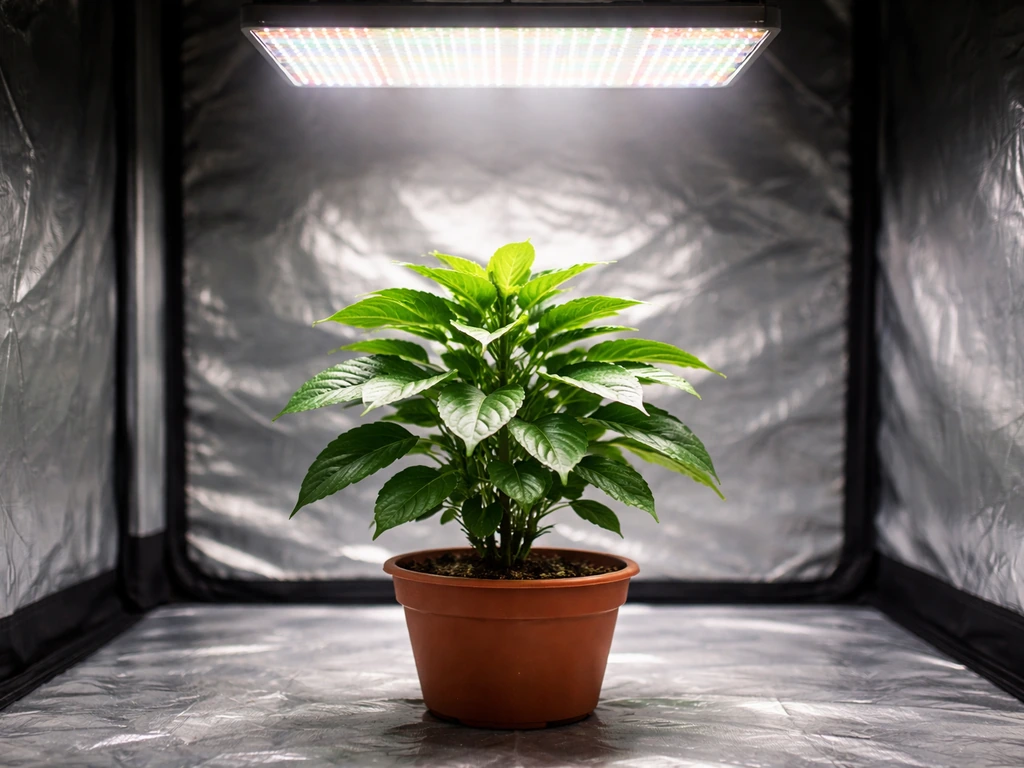
Electric light vs darkness: what actually matters
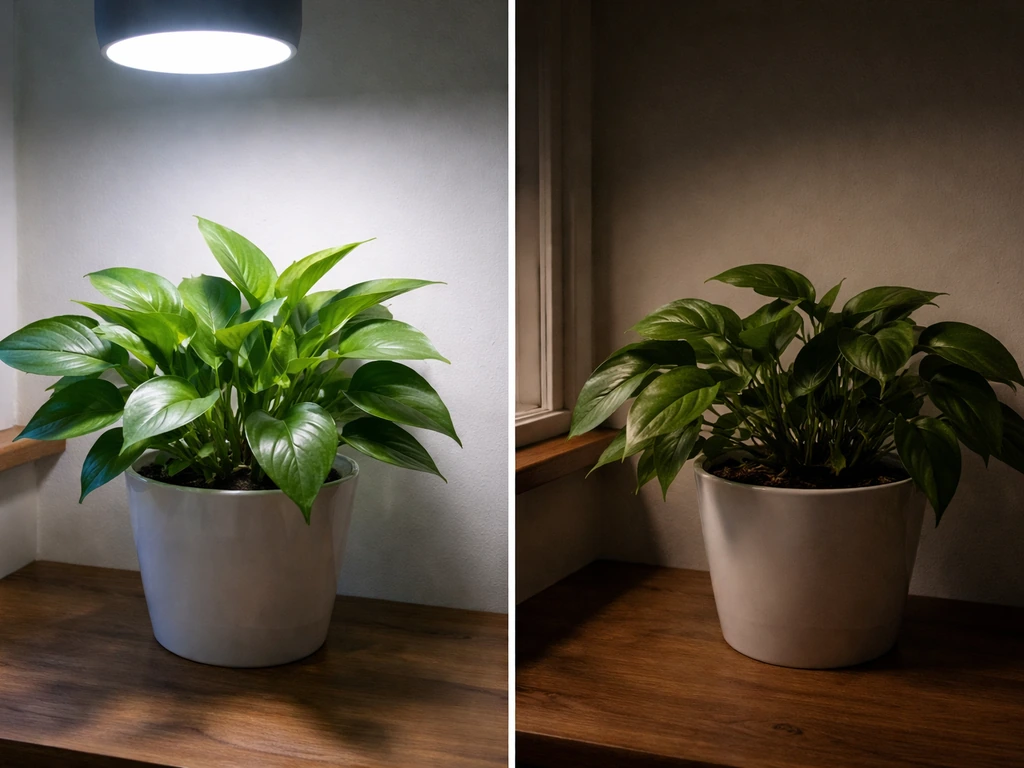
Plants make their own food through photosynthesis, which requires light as the energy input. Darkness is not neutral for plants, extended darkness stops photosynthesis entirely and can push plants into a stress response. Historical horticulture research framed vigorous plant growth in terms of a minimum of around 4 hours of direct sunshine and roughly 10 hours of daylight per day. That framing is telling: the benefit was always about light and duration, not about electrical power itself.
When you move a plant indoors and it starts to struggle, the culprit is almost always insufficient light, not a lack of electricity. Swapping in a grow light solves the problem because the light solves it, not the act of plugging something in. This is the core myth worth busting: electricity is the tool, light is the ingredient.
Light spectrum, intensity, photoperiod, and distance
Not all light is equal for plants, and this is where most indoor gardeners go wrong. If you are using electric light to supplement or replace sunlight, these four factors determine whether it actually works.
Spectrum: which colors plants actually use
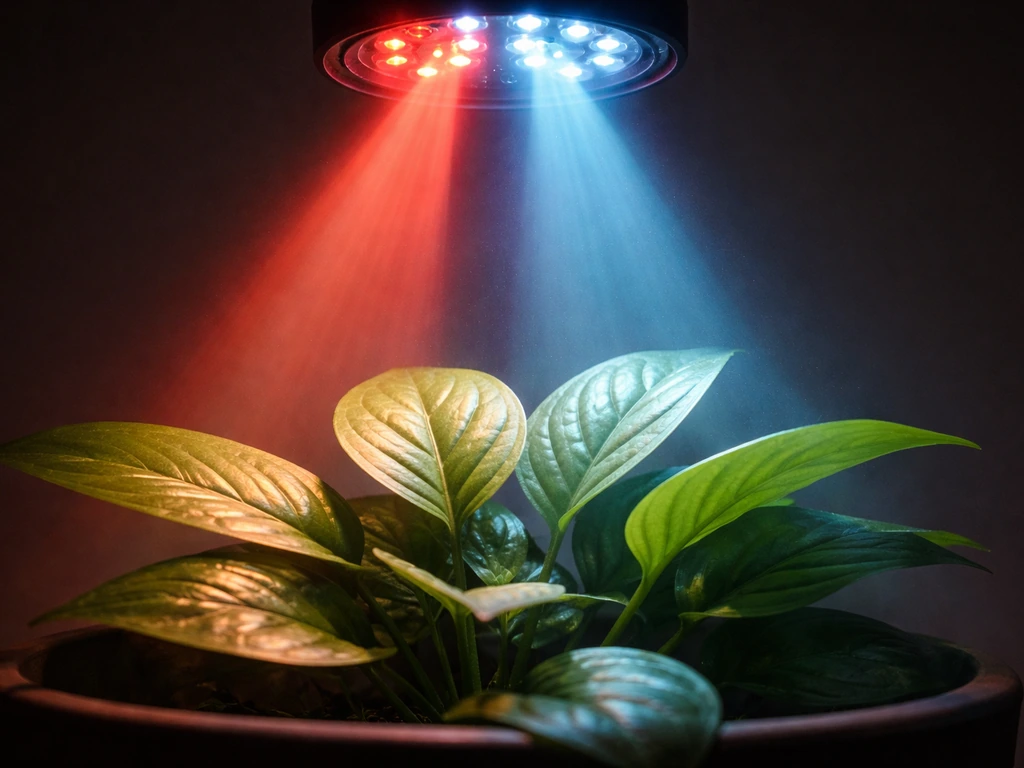
Plants use light most efficiently at two ends of the visible spectrum. Red light (around 630 to 700 nm) drives flowering and overall photosynthesis. Blue light (around 400 to 500 nm) supports vegetative growth, compact stems, and dense foliage. Green light (around 500 to 560 nm) is mostly reflected, which is why plants look green to us, though some of it does penetrate leaf tissue and contribute marginally. A full-spectrum or red/blue LED grow light covers what your plants actually need. A warm incandescent bulb skews too far into infrared and yellow; it generates more heat than useful photons.
Intensity: how much light is enough
Light intensity is measured in foot-candles or, more precisely for plant science, in PPFD (micromoles of photons per square meter per second). Low-light houseplants like pothos or snake plants can manage at 50 to 150 PPFD. Herbs and vegetables need 200 to 400 PPFD minimum, and fruiting plants like tomatoes or peppers push into the 400 to 700+ PPFD range. Most cheap desk lamps and decorative bulbs do not come close to these numbers. A dedicated LED grow light panel will.
Photoperiod: how many hours per day
Plants respond to day length as a biological signal. Most vegetables and herbs do well with 14 to 16 hours of light per day under artificial lighting. If you are wondering whether regular daylight bulbs help plants grow, the key is whether they provide the right intensity, spectrum, and photoperiod for your plants do daylight bulbs help plants grow. If you are wondering what frequency helps plants grow, it is really the photoperiod, or day length, that matters, not the electricity frequency itself. Flowering plants are trickier: short-day plants like chrysanthemums or poinsettias need a period of uninterrupted darkness (usually 12 or more hours) to trigger blooming. Long-day plants like spinach or lettuce bolt and flower when day length exceeds a threshold. Running a grow light for 24 hours straight is not more effective and can actually stress plants by denying them the dark period they expect.
Distance: closer is not always better
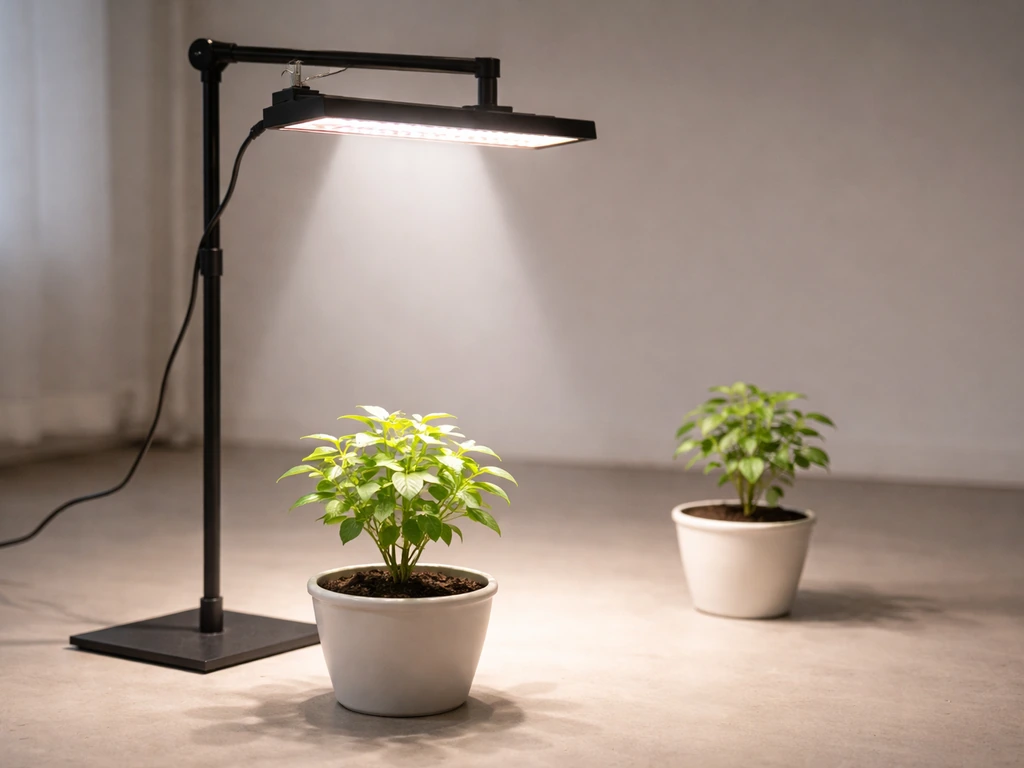
Light intensity drops off sharply with distance, following the inverse square law. Double the distance from a grow light and you get roughly one quarter of the intensity. Most LED grow lights work best placed 12 to 24 inches above the plant canopy, but check the manufacturer's PPFD charts for your specific fixture. Too close, and you risk light bleaching or heat stress. Too far, and you are back to inadequate intensity.
Types of electric setups and how to use them
When gardeners ask whether electricity helps plants grow, they are often really asking about one of a few specific setups. Here is how the main options compare and when each makes sense.
| Setup | Best use case | Spectrum quality | Running cost | Practical notes |
|---|---|---|---|---|
| Full-spectrum LED panels | Vegetables, herbs, seedlings, most indoor plants | Excellent (tunable red/blue/white) | Low | Best all-around choice for most home growers; dimmable models add flexibility |
| T5/T8 fluorescent tubes | Seed starting, low-light plants, propagation | Good (6500K for veg, 3000K for flowering) | Moderate | Reliable and affordable; less intense than LEDs at the same wattage |
| HID lights (HPS/MH) | Large grow tents, high-yield crops | Good but single-spectrum per bulb | High | Generates significant heat; needs ventilation; overkill for small setups |
| Heat mats (electric) | Seed germination, cuttings | No light; soil warmth only | Very low | Raises soil temp 10 to 20°F above ambient; speeds germination reliably |
| Regular household bulbs | Ambient room light only | Poor for photosynthesis | Low | Not adequate as a grow light regardless of wattage |
For most home gardeners starting out, a 45 to 100 watt full-spectrum LED panel on a plug-in timer is the practical starting point. Set the timer for 14 to 16 hours on, 8 to 10 hours off, and position it 12 to 18 inches above your plants. That single setup handles seedlings, herbs, and most houseplants without overcomplicating things. If you are curious about how the light spectrum side of this intersects with things like sound frequency or natural sunlight alternatives, those are related rabbit holes worth exploring separately.
Soil, water, and nutrients are the real growth limiters
Here is the honest truth that gets buried in grow-light marketing: even a perfect lighting setup will not save a plant that is drowning in waterlogged soil, starving for nitrogen, or sitting in compacted clay with no drainage. Light is one leg of the stool. Soil, water, and nutrients are the others.
- Soil quality: Use a well-draining mix appropriate to your plant type. Succulents need gritty, fast-draining soil. Vegetables do best in loose, organic-rich mix with a pH between 6.0 and 7.0. Heavy garden soil in pots almost always causes problems.
- Watering: Overwatering kills more indoor plants than underwatering. Check soil moisture 2 inches down before watering. Most plants want to dry out somewhat between waterings.
- Nutrients: A balanced liquid fertilizer (like a 10-10-10 NPK ratio) applied every two to four weeks during active growth covers the basics. Seedlings need very little until they have true leaves.
- Temperature and humidity: Most common vegetables and herbs prefer 65 to 75°F and 40 to 60% relative humidity. Cold drafts or dry forced-air heating can stress plants as badly as poor light.
- Root health: If a plant is root-bound or the roots are rotting, no amount of good light fixes it. Check the root system when plants fail to respond to improved conditions.
When someone tells me their plants are not responding to their new grow light, the first thing I ask is how they are watering. Nine times out of ten, the light was fine and the soil or water management was the real problem.
Can wiring or electric current directly affect plants? Safe vs unsafe
This question comes up more often than you might expect, partly because of the historical concept of 'electro-culture,' which explored applying electrical fields or currents directly to crops. The science here is real but narrow, and the practical implications for home gardeners are mostly cautionary.
Research has shown that very low electrical currents delivered through electrodes placed in soil near roots can act as a physiological stimulus, boosting photosynthesis and metabolic activity in controlled lab settings. That is genuinely interesting. But the operative words are 'very low current' and 'controlled conditions.' A 2018 review in the Journal of Plant Physiology treated electricity as an abiotic stress elicitor, meaning it triggers a stress response in the plant, not a nutritional benefit. The plant reacts to it the way it reacts to a cold snap or drought, by activating certain defenses and growth responses.
The other side of this is the dose-response problem. Experimental data on corn seedlings found that applying 5 volts with certain polarity strongly inhibited shoot growth, and higher voltages increased growth inhibition further. More current is not better; it is actively damaging. Running any kind of improvised electrical current through your plant pots at home is not a practical technique, it is a way to kill your plants and create a shock or fire hazard.
The safe and useful applications of electricity around plants are: grow lights, heat mats for germination, timers for photoperiod control, and powered fans for air circulation. Anything that involves running current through soil, water, or plant tissue directly is firmly in the 'do not try this at home' category unless you are working in a properly equipped research context.
Troubleshooting checklist: why your plants are not thriving
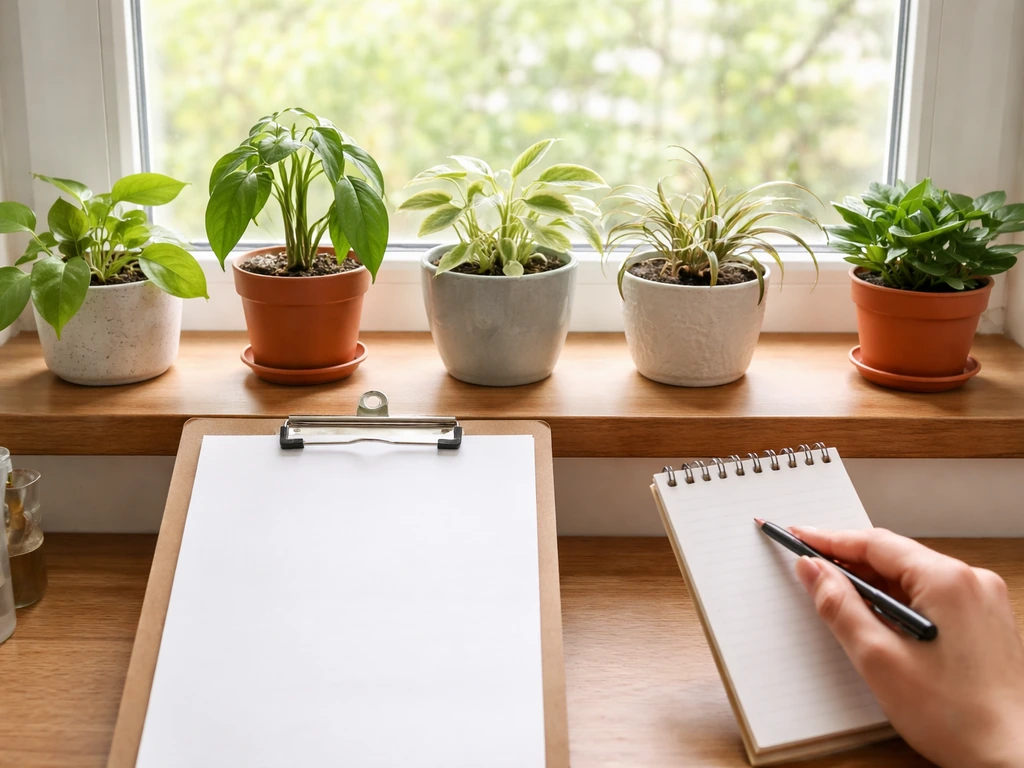
Use this checklist to identify the actual limiting factor before spending money on equipment. Work through it in order, because the most common problems are near the top.
- Check light duration: Is your plant getting 12 to 16 hours of adequate light per day? If you are relying on a window, measure the hours of direct or bright indirect light with a simple light meter app.
- Check light intensity: Hold your hand 12 inches above the plant. If you barely see a shadow, the light level is too low for most plants. A dedicated grow light is likely needed.
- Check spectrum: Are you using a grow light or a standard household bulb? Standard bulbs do not provide the red/blue spectrum plants need for photosynthesis.
- Check distance: Is your grow light within the recommended range (typically 12 to 24 inches for LED panels)? Adjust and observe over one to two weeks.
- Check soil moisture: Stick your finger 2 inches into the soil. Is it soggy? Bone dry? Water management is usually the culprit when light seems fine.
- Check soil type and drainage: Does water drain freely from the pot within 30 seconds of watering? If not, the soil mix or pot drainage is the problem.
- Check nutrients: When did you last fertilize? If it has been more than six weeks during active growing season, give a balanced liquid feed.
- Check temperature: Is the plant near a heating vent, cold window, or air conditioner? Move it to a stable spot between 65 and 75°F.
- Check roots: Gently unpot the plant. Are the roots circling the pot or turning brown and mushy? Root-bound or root-rot conditions need to be addressed before anything else helps.
- Reassess after two weeks: Changes in plant conditions rarely show results in days. Give adjustments two full weeks before deciding they are not working.
If you have worked through the list and light genuinely is the limiting factor, the next step is straightforward: get a full-spectrum LED grow light rated for your space, put it on a timer, and start with the recommended distance. You do not need to spend a lot. A 45-watt LED panel from a reputable brand covers a 2-by-2-foot area well and costs around $30 to $60. Add a cheap mechanical outlet timer for another $10, and you have a functional setup that handles herbs, seedlings, and most houseplants reliably.
Electricity, in the end, is just infrastructure. The plant does not know or care that it exists. What your plant knows is whether it has enough light in the right spectrum, for the right number of hours, paired with decent soil, consistent water, and enough nutrients to do its job. Get those right, and your plants will grow. Get them wrong, and no amount of watts through the wall will change the outcome.
FAQ
If electricity does not feed plants, should I worry about the electricity bill or voltage when using grow lights?
The bill matters only because it changes how much power you use, not because voltage helps or harms the plant. Most LEDs work safely on standard household voltage and convert electricity to photons based on their design. Focus on fixture wattage and how many hours the timer runs, not on changing voltage or using adapters.
Will a cheap LED strip or desk lamp work if it is “bright” to my eyes?
Human brightness perception does not match plant needs. Many small lamps have very low PPFD at the leaf surface, so you can end up with stretch, pale color, or slow growth even though the room looks bright. Measure by placing the light at the recommended distance and using the manufacturer’s PPFD or coverage chart.
How do I tell whether my plant needs more light versus fertilizer or watering changes?
Look at the pattern of symptoms. Light shortage often shows slow growth, leggy stems, and smaller or paler leaves even when soil moisture is correct. Nutrient issues often appear as consistent yellowing of specific leaf areas or older leaves declining first. If you recently changed only the light source, adjust light duration and intensity before changing nutrients.
Can I run my grow light all day to avoid the “dark period” issue?
For many plants, nonstop lighting is not better and can increase stress. Stick to a photoperiod schedule, typically 14 to 16 hours on for many vegetables and herbs under indoor LEDs. For short-day flowering plants, you must provide a truly uninterrupted dark block to trigger blooms.
What happens if my grow light gets too hot, even if the spectrum is right?
Excess heat can cause leaf-edge burn, wilting, or slowed growth that looks like an “under-light” problem. Keep the fixture at the distance recommended by the manufacturer and improve airflow with a fan if the space is warm. If leaves are very close to the LED, consider lowering intensity by moving farther rather than increasing on-time.
Do plants need full-spectrum light, or is red plus blue enough?
Red/blue coverage is often sufficient for many indoor goals, especially vegetative growth and flowering. “Full-spectrum” is mainly a broad marketing term, what matters is whether the emitted spectrum includes usable red and blue and whether intensity and duration are correct for your plant. Choose a fixture with transparent PPFD and a known beam angle or coverage area.
How far should I place the light if my plants are different heights?
If you place one light for mixed heights, the taller plants may shade shorter ones and the shorter plants may end up underlit. Practical options are to raise a plant on a shelf so its canopy is level, or to use two lights/zones with separate positioning. Re-check distance, because intensity drops quickly with space.
Is there a safe way to use electricity around plants besides grow lights and fans?
Yes, but only for purpose-built equipment. Use timers for photoperiod, UL-listed heat mats for seed starting, and powered fans for air circulation. Avoid running wires into soil or water, and do not try to apply currents to plant tissue, even if the idea seems similar to “fertilizing with electricity.”
Why did my plant “improve” at first after switching grow lights, then decline later?
A common cause is over-adjustment: too much light duration or too close placement after an initial boost. Another cause is moisture imbalance, because growers often water differently after changing lighting. Re-calibrate by returning to the target timer schedule and distance, then monitor soil moisture and leaf color over a week.
What is the fastest next step if I think light is the limiting factor?
Change only one variable at a time. Start with a reputable LED grow light, set it to a standard photoperiod like 14 to 16 hours on, and position it within the manufacturer’s recommended distance range. Then observe for visible changes over 7 to 14 days, before buying additional fixtures or altering nutrients.
Next Articles
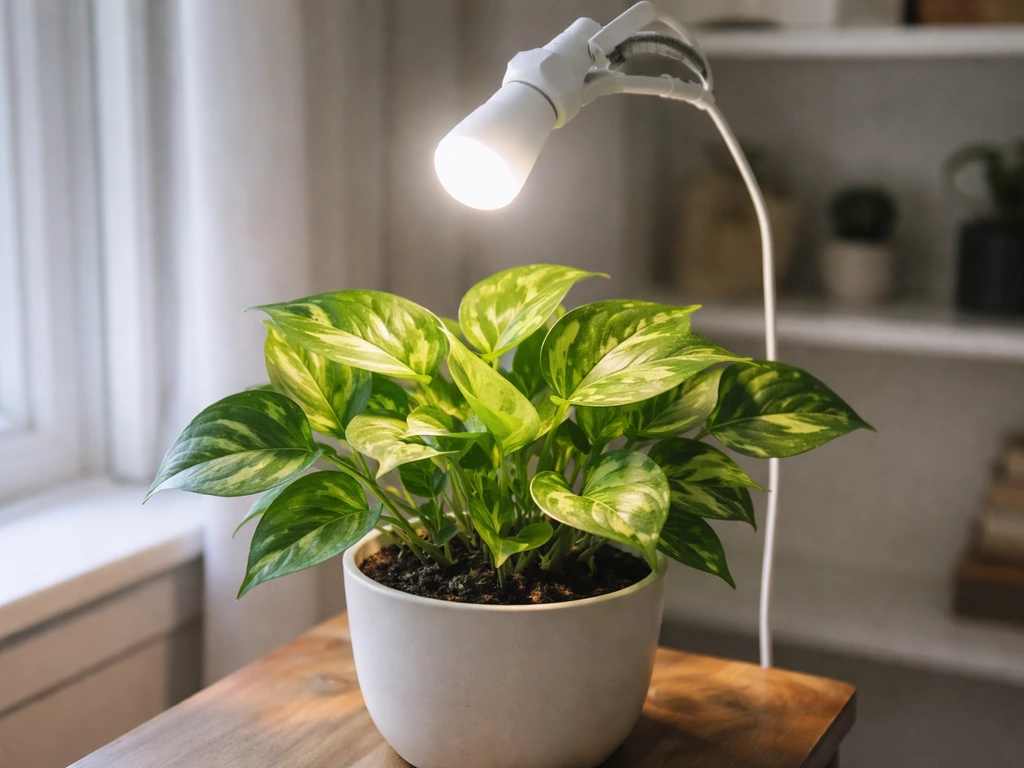
Do Daylight Bulbs Help Plants Grow? What to Know
Find out if daylight LED bulbs really help plants grow, what to check for spectrum and intensity, and how to place run t
What Frequency Helps Plants Grow: Water, Fertilizer, Light
Find the right watering, feeding, and light timing to help plants grow, with signs to fix an off schedule.
How Do Microorganisms Help Plants Grow: Practical Guide
Learn how microbes in the rhizosphere fix nitrogen, boost phosphorus, aid roots, suppress disease, and how to grow them.