
Spore blossoms can help crops grow, but only under the right conditions and only when you know what you're actually buying. The term is vague enough to mean a few very different things: fungal spore inoculants that establish beneficial mycorrhizal relationships in your soil, spore-based biocontrol products that protect crops from disease and pests, or, in some cases, a misunderstood term for something that isn't really a growth stimulant at all. Whether any of these will genuinely improve your yields depends entirely on your soil, your crop type, and how you apply them.
Do Spore Blossoms Help Crops Grow? What to Expect

Marcus Holloway
5 May 2026
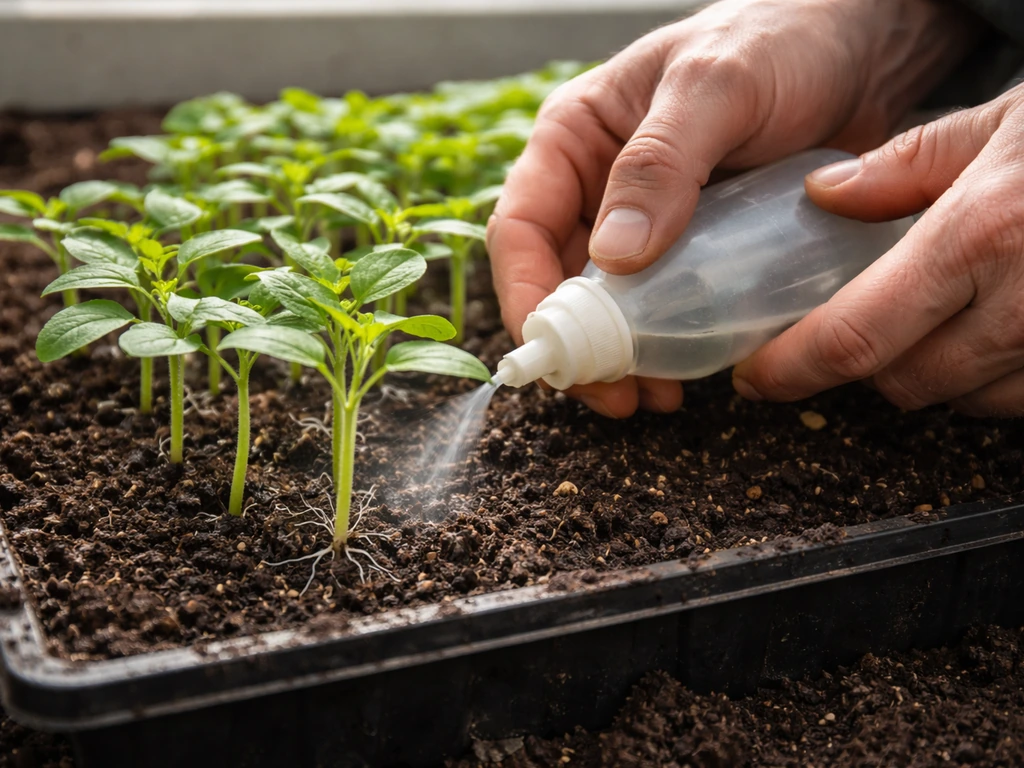
What 'spore blossoms' could actually mean in a gardening context
If you searched 'spore blossoms' hoping to find a magic growth booster, you're not alone, but let's untangle the terminology first. In real horticultural practice, the term most likely points to one of three things.
- Mycorrhizal fungal inoculants: Products containing spores (and sometimes root fragments or hyphal pieces) of arbuscular mycorrhizal fungi (AMF), sold to improve nutrient uptake and root development. Brand names like MycoApply and MycoBloom fall here. These are the most common thing people mean when they say 'spore inoculant.'
- Biocontrol spore products: Fungi like Trichoderma asperellum (strain T34) or entomopathogenic fungi like Beauveria bassiana are formulated as spore-based products to protect crops from soil-borne pathogens or insect pests. They don't directly 'make plants grow' but they defend growth by eliminating threats.
- A vague marketing term: Some products use 'blossom' or 'bloom' language loosely around spore-based inputs to imply flowering or yield benefits. If a product makes dramatic growth claims without specifying the fungal species, strain, and propagule count on the label, treat it with skepticism.
Each of these has a completely different mechanism and set of conditions under which it works. Mixing them up is one of the main reasons gardeners end up disappointed. The rest of this article will walk through each one clearly.
The biology in plain language: do spores actually improve growth?
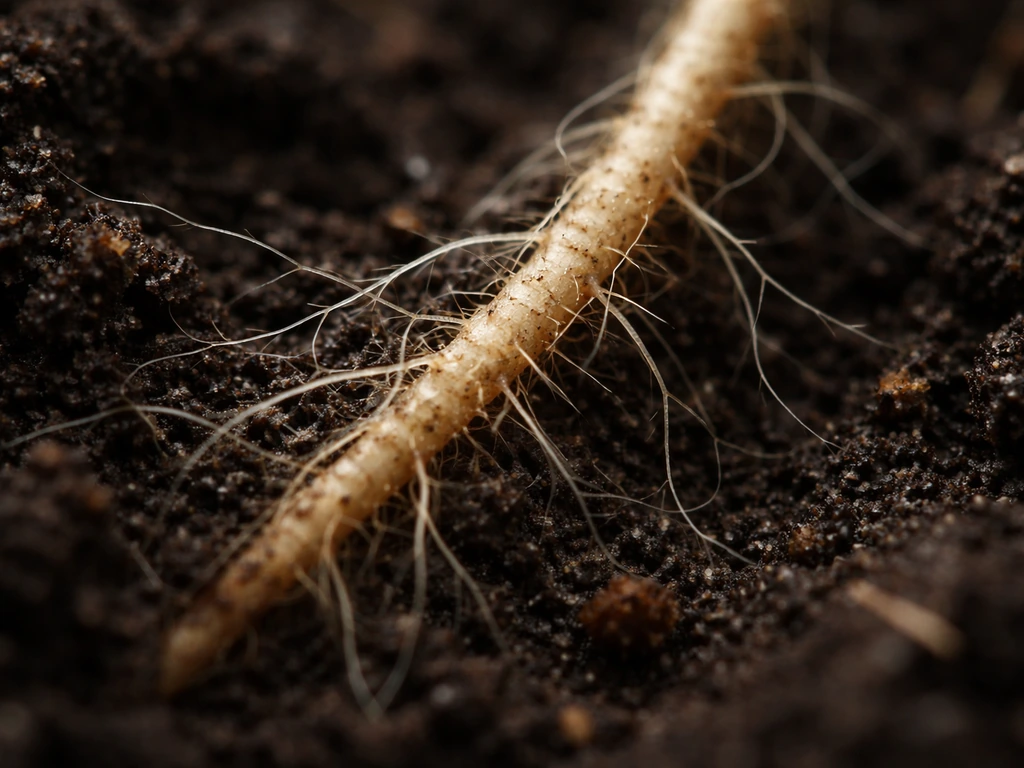
Mycorrhizal fungi form a symbiotic relationship with plant roots. The fungal hyphae, which are much finer than root hairs, extend out into the soil and pull in phosphorus, water, zinc, and other nutrients the plant can't easily reach on its own. For root growth, the nutrients that matter most are typically phosphorus and balanced micronutrients like zinc. In exchange, the plant feeds the fungus sugars from photosynthesis. It's a genuine partnership, and it's been happening naturally in soils for hundreds of millions of years.
When you buy a spore inoculant, you're trying to introduce or boost that partnership artificially. A spore germinates, sends out hyphae, contacts a root, and if conditions are right, colonization begins. The plant starts to develop what are called arbuscules inside root cells, which are the actual nutrient-transfer structures. This process takes time and is influenced by soil temperature (optimum AMF spore density tends to occur around 20 to 29 degrees Celsius), moisture, phosphorus levels, and whether the right fungal species is even compatible with your crop.
Here's the critical nuance that product marketing tends to skip: colonization does not automatically equal improved growth. Research has found that commercial mycorrhizal inoculants increased root colonization across wheat cultivars but did not reliably improve yield, and yield reductions were reported in roughly 15% of trials. A separate meta-analysis concluded that globally sourced commercial inoculants frequently fall short of expectations. Colonization happening under a microscope and your tomatoes producing more fruit are two different things.
Biocontrol spores work differently. Trichoderma species, for example, colonize the root zone and outcompete or parasitize harmful pathogens like Fusarium. Beauveria bassiana spores germinate on the cuticle of insects and kill them. Neither of these fungi is directly feeding your plant. They're defenders, not growth stimulants. But a plant that isn't being attacked by disease or pests grows considerably better, so the indirect benefit is real.
When spore-based products can genuinely help
Beneficial fungi (mycorrhizal inoculants)
Mycorrhizal inoculants are most useful when your soil is genuinely depleted of native AMF populations. This commonly happens after soil fumigation, repeated tilling, use of synthetic fertilizers over many years, or growing in a sterile growing medium like a soilless potting mix. The University of Minnesota Extension specifically notes that inoculation is most economical for horticultural crops, high-value transplants, and turf where native populations are low. If you're planting into a well-established garden bed with diverse biology, inoculation may offer little additional benefit because the fungi are likely already there.
AMF inoculation has shown real promise under drought stress conditions. A meta-analysis found that AMF inoculation consistently improved biomass, root traits, and nutrient uptake in drought-stressed plants. The University of Wisconsin Extension also notes that mycorrhizae can reduce stress from high temperatures, salinity, and acidity. So if you're in a dry climate or pushing plants in challenging conditions, there's a reasonable evidence base for trying it.
Biocontrol spore products (Trichoderma and Beauveria)
Trichoderma asperellum (T34) is particularly useful when transplanting into soil or growing media that may harbor Fusarium or other soil-borne pathogens. It's designed to be incorporated directly into growing media or applied as a drench. Cornell biocontrol research notes that some Trichoderma strains can persist at useful numbers for up to 18 months after application, which is a meaningful investment in soil health. Beauveria bassiana is the go-to spore product when you have a soft-bodied insect pest problem, especially whiteflies, thrips, or aphids. Its spores infect on contact, so it works best as a preventive or early-intervention spray rather than a rescue treatment.
When spores won't help (and why they fail)
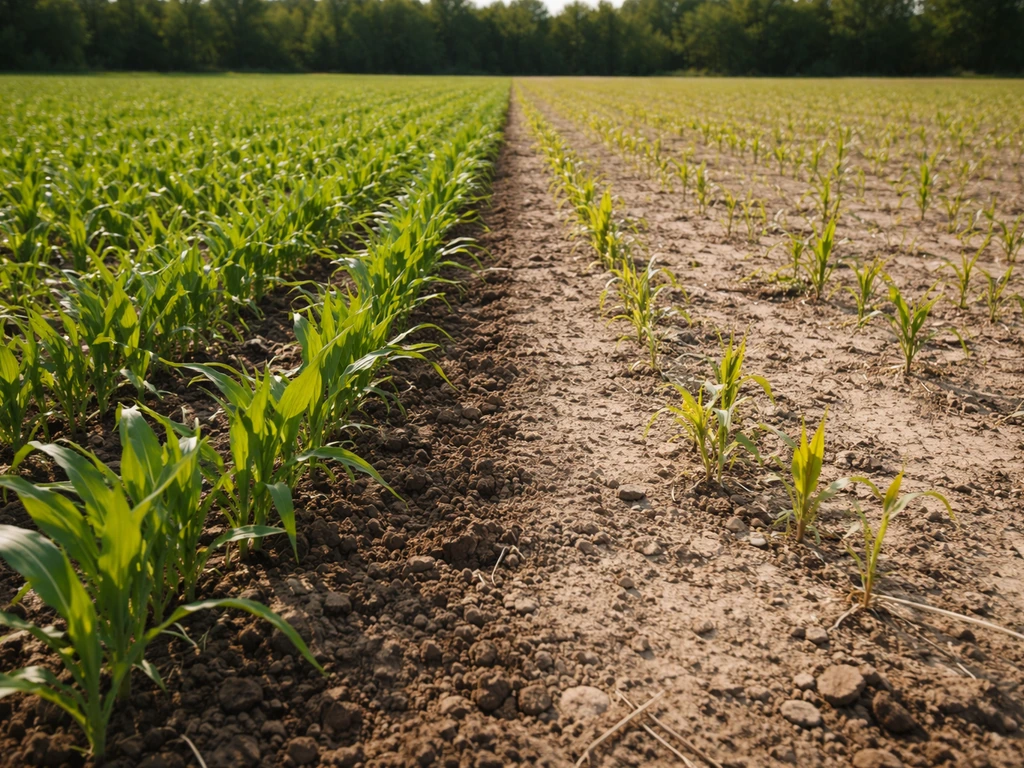
This is the section most product descriptions leave out. There are several common, well-documented reasons spore applications fail to establish or produce results.
- High phosphorus in your soil: This is the biggest one. Research from USDA ARS, UW Extension, and the University of Alaska Fairbanks all point to the same thing: when soluble phosphorus is above roughly 100 ppm, plants don't need mycorrhizal help to access P, and the symbiosis either doesn't establish or fades quickly. If you've been fertilizing heavily, test your soil before spending money on inoculants.
- Nitrogen and complete fertilizers: UW Extension notes that adding nitrogen, phosphorus, or complete fertilizers can reduce mycorrhizal presence and activity. A well-fed plant in a nutrient-rich soil simply doesn't have much incentive to support the partnership.
- Spore viability problems: A 2024 assessment of commercial mycorrhizal inoculants found issues including limited viability, propagule counts that didn't match label claims, and occasional contamination with plant pathogens. Not all products on the shelf are what they say they are.
- Wrong crop type: AMF do not colonize plants in the Brassica family (broccoli, cabbage, kale), Amaranthaceae (beets, spinach), or many root vegetables. Applying mycorrhizal inoculants to these crops is simply wasted effort.
- Poor placement or timing: Broadcasting inoculant on the soil surface is largely ineffective. The spores need direct root contact. Overseeding and surface soil drenches are explicitly not recommended by some manufacturers because the inoculant dries out and can be damaged by sun exposure before it reaches roots.
- UV exposure for biocontrols: Beauveria bassiana spores are sensitive to UV light. Cornell's NYSIPM program recommends applying in late afternoon or evening, or on cloudy days, for this reason. Applying in direct midday sun is a common reason it doesn't work.
- Applying too soon after fumigation or solarization: Trichoderma T34 labels recommend waiting 7 to 10 days after substrate sterilization, fumigation, or solarization before applying, to avoid the product being wiped out by residual conditions.
How to apply spores correctly today
Before anything else, read the actual product label. Early farmers would have focused on practical growing conditions like soil fertility, moisture, and crop timing rather than relying on a single product instruction read the actual product label. The EPA requires registered biocontrol and biopesticide products to carry accepted use directions, and those labels contain the specific rates, timing, and method that were tested. Some pesticides, including certain registered biopesticides, can help protect crops from pests and disease so plants can grow better. You can look up registered labels through the EPA's Pesticide Product Label System (PPLS) if you want to verify what a product is cleared for before you buy.
For mycorrhizal inoculants
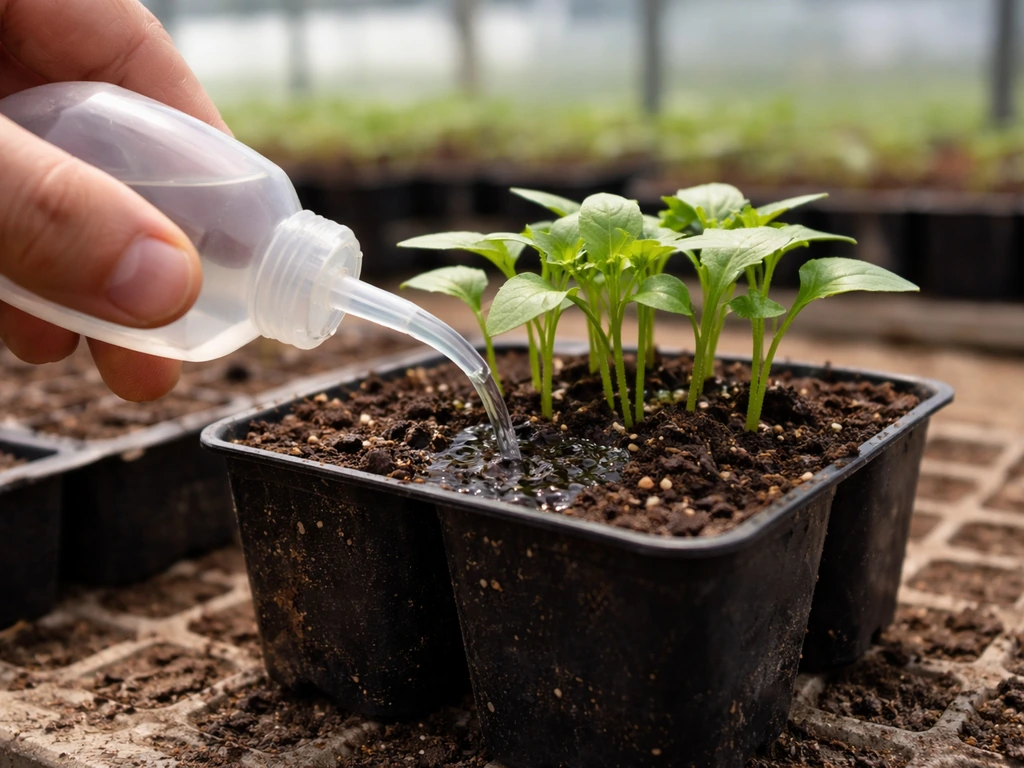
- Test your soil phosphorus level first. If your P is high, hold off until you've reduced inputs and let levels drop naturally over a season or two.
- Apply directly to the root zone, not the soil surface. For transplants, place granular inoculant in the planting hole directly under the rootball or band it along the seed furrow. MycoApply's specs suggest 0.5 to 1 oz per gallon-sized pot for transplants as a general guide.
- If using a liquid drench, apply immediately at transplanting so the inoculant contacts roots before they're established.
- Protect inoculant from heat and sunlight during handling. NRCS technical guidance is explicit: inoculants should not be exposed to direct sunlight or heat during transport, and inoculated seed should be planted within 24 hours of application.
- Avoid applying synthetic fertilizers (especially phosphorus) immediately before or after inoculation, as they will work against establishment.
- For best results with mycorrhizal inoculants, apply 3 to 6 weeks before transplanting into the field if the product allows pre-conditioning, as some manufacturers recommend.
For biocontrol spore products (Trichoderma and Beauveria)
- For Trichoderma T34: Incorporate into growing media at the mixing stage (a commercial rate example is 10 g per cubic metre of substrate), or apply as a drench at transplanting. Wait the 7 to 10 day security period after any sterilization or fumigation.
- For Beauveria bassiana: Apply as a foliar spray in late afternoon or evening to protect spores from UV degradation. Ensure good coverage of leaf undersides where pests tend to shelter. Reapply every 5 to 7 days during pest pressure as specified on the label.
- Always check the EPA-registered label for the specific strain you're using, since application rates and intervals vary by product and pest target.
How to tell if it's working, and what to do if it isn't
Mycorrhizal colonization isn't something you can see without a microscope and root staining protocol, so you're working with indirect signals. Look for these signs over 4 to 8 weeks after application: more vigorous root development when you gently unpot a transplant (a denser, more extensive root system is a good sign), improved drought resilience during dry spells, and healthier leaf color and growth rate compared to untreated plants in the same bed. In most cases, crop growth speed is driven more by temperature, light, water, and nutrients than by a specific tick speed value tick speed makes crops grow faster.
For biocontrol products, results are more visible. With Trichoderma, you should see a reduction in damping-off and root rot symptoms over the first few weeks. With Beauveria, you'll see pest populations decline and may notice the characteristic white fungal growth on dead insects if you look closely. OHP’s Mycotrol ESO product page for Beauveria bassiana strain GHA describes typical timing to see effects around 7 to 10 days after the first spray blank" rel="noopener noreferrer">With Beauveria, you'll see pest populations decline.
If you're not seeing any improvement after 6 to 8 weeks with mycorrhizal inoculants, the most likely culprits are high soil phosphorus, product viability issues, or applying to a crop that doesn't host AMF. Run a soil test if you haven't already. If P is elevated, stop adding phosphorus-containing fertilizers and consider a compost-based approach to slowly improve organic matter and biology without spiking P further. Be aware that some composts high in phosphorus can themselves suppress mycorrhizal activity, according to USDA ARS research, so the source matters.
For biocontrols that aren't delivering, revisit your application timing and coverage. UV-damaged Beauveria spores are the most common failure point. For Trichoderma, check whether you applied too soon after fumigation, used incompatible fungicides alongside it (though some, like metalaxyl, have actually been found to stimulate mycorrhizal colonization by eliminating fungal competitors, so compatibility is product-specific), or whether the soil conditions were too dry or wet for colonization to establish.
Growth fundamentals that matter more than spores
Here's the honest framing: spore-based inputs are a supporting cast, not the main event. Whether you're focused on what helps corn grow, how to build root systems, or how to maximize yields across any crop, the factors that drive the most growth improvement are almost always the basics. Farmers sow specific seeds and manage soil moisture, nutrients, and temperature so plants can grow well what farmers sow to make plants grow.
| Factor | Why it matters | Priority level |
|---|---|---|
| Soil quality and organic matter | Feeds soil biology, improves water retention, supports natural AMF populations, and provides slow-release nutrients | Highest |
| Phosphorus and nitrogen balance | Too much P suppresses mycorrhizal symbiosis; adequate N drives leaf and root development | Highest |
| Light (spectrum and intensity) | Drives photosynthesis; plants underpowered by light will not respond well to any biological input | Highest |
| Consistent moisture | AMF sporulation and colonization depend on adequate (not excessive) soil moisture; drought or waterlogging halts both root and fungal growth | High |
| Mycorrhizal inoculants | Beneficial in depleted or sterile soils, especially under drought stress or for high-value crops; unreliable in high-P or well-established beds | Moderate and conditional |
| Biocontrol spore products | Effective when applied correctly and timed to pest/pathogen pressure; indirect growth benefit via plant protection | Moderate and conditional |
If your soil is compacted, low in organic matter, or nutrient-imbalanced, no spore product will compensate for those deficits. Build the foundation first. Healthy, biologically active soil often develops its own robust AMF populations naturally, which is partly why inoculation studies in established garden soils frequently show weak or inconsistent results compared to sterile or fumigated conditions.
Should you try spores? A quick decision checklist

Run through these before you buy or apply anything: For the biggest gains in what helps forest to grow and regenerate, focus on the growth fundamentals that matter more than spores before relying on spore-based products.
- Soil test first: Is your phosphorus high (above 100 ppm soluble P)? If yes, mycorrhizal inoculants are unlikely to work. Fix your P levels before investing.
- Check your crop: Is it a Brassica, beet, spinach, or other non-mycorrhizal host? If yes, skip AMF products entirely.
- Assess your soil history: Have you recently fumigated, solarized, or been farming in sterile potting mix? If yes, you're a good candidate for inoculants.
- Identify the problem: Are you trying to grow faster, or protect against disease and pests? Different problems need different spore products.
- Check the label: Does the product list the fungal species, strain, and propagule count? If not, it's a red flag for product quality.
- Plan your application method: Can you get the inoculant into direct root contact at planting? If you can only broadcast on the surface, most mycorrhizal products won't deliver.
- Monitor for 6 to 8 weeks: Track root development, drought resilience, and overall plant vigor compared to an untreated reference plant if possible.
- If nothing improves: Revisit soil nutrients, organic matter levels, and watering practices before reapplying. The biology is usually fine; the conditions around it are the problem.
FAQ
How do I tell whether a product I’m seeing is really mycorrhizal, biocontrol, or something else?
Check the wording for the organism and intended job. Mycorrhizal products should name AMF (often genera like Rhizophagus or Funneliformis) and talk about colonization of roots. Biocontrol spores should name a pathogen or pest target (for example, Fusarium or whiteflies) and describe application as a drench or spray. If the label doesn’t clearly state the fungus species and the use pattern, treat it as a higher risk purchase.
Will mycorrhizal spores still help if I fertilize heavily with phosphorus?
Often they help less. High available phosphorus can reduce the plant’s drive to maintain the symbiosis, so colonization may still occur but yield gains are less likely. If you are running a phosphorus-heavy program, test first and adjust so you’re not continually spiking phosphorus while expecting stronger mycorrhizal performance.
Can I apply mycorrhizal inoculants at the same time as fungicides or pesticides?
Some combinations reduce establishment, especially if the product is meant to suppress fungi generally. Look for compatibility guidance on the label, and when in doubt, avoid mixing in the same tank. For biocontrol agents like Trichoderma and Beauveria, the wrong fungicide can wipe out the introduced organism before it colonizes or infects.
What’s the best way to apply mycorrhizal inoculant so it actually contacts roots?
Apply close to the root zone at planting or during transplanting, then ensure good root contact and adequate moisture for the first few weeks. Dry conditions can prevent hyphae from extending to roots, and letting the inoculant sit in sun or desiccate before application can reduce viability. Follow the label rate for the exact growing setup (bed, pot size, or per-plant basis).
How long should I wait before deciding the mycorrhizal product failed?
Use a window of about 4 to 8 weeks for early signs like improved root mass and steadier growth, then evaluate again at harvest for yield or biomass outcomes. If you see no root vigor change and no performance difference by 6 to 8 weeks, the most common causes are incompatible crop host, low inoculant viability, or phosphorus levels that suppress symbiosis.
What indicates mycorrhizal benefits besides faster growth?
Look for drought tolerance and nutrient uptake signs, not just height or leaf size. In practical terms, you may see less wilting during dry spells, improved leaf color under mild stress, and a more extensive root system when you unpot a transplant. These effects can be more obvious than total yield in the short term.
Will Trichoderma or Beauveria help as a “rescue” treatment once disease or pests are already severe?
They work best early. Trichoderma is often aimed at preventing or reducing root diseases like damping-off and root rot, but late-stage infections may be harder to reverse. Beauveria is most effective when pests are present at low to moderate levels and before populations explode, because spores need contact and suitable conditions to infect.
What are the most common reasons Beauveria doesn’t work after spraying?
UV damage is the biggest one, it can rapidly reduce spore viability after exposure to sunlight. Also check application coverage (pests must contact spores), timing (early intervention matters), and moisture conditions that support germination. Reapply only if the label supports it and conditions are favorable.
If I apply Trichoderma, should I expect it to persist in soil?
Often yes, but persistence depends on the strain, soil conditions, and how you apply. Some Trichoderma strains can remain active for months in suitable conditions, which can provide more consistent suppression across subsequent plantings. If you don’t see any symptom reduction after several weeks, confirm strain match to your target and verify your application method (drench vs incorporation).
Do spore products replace soil building practices like compost and organic matter?
No. They are supporting tools, not a substitute for correcting fundamentals such as compaction, low organic matter, and nutrient imbalances. In soils with rich established biology, added inoculants may provide limited incremental benefit, because the system already has functional fungi and natural disease suppression.
Is a soil test still worth it before buying spore inoculants?
Yes, especially for mycorrhizal inputs. At minimum, test phosphorus and basic soil fertility, and consider biology-adjacent indicators like organic matter level. If phosphorus is already high, you may be paying for inoculation that will not translate into better colonization or yield.
Next Articles
What Helps Corn Grow Faster: Practical Steps for Healthy Growth
Actionable tips to help corn grow faster: timing, full sun, soil pH, spacing depth, watering, nitrogen feeding, troubles

What Farmers Sow to Make Plants Grow: A Practical Guide
What farmers sow to grow plants: seeds, transplants, cover crops, and inputs plus soil, light, water, timing tips.

How Do Microorganisms Help Plants Grow: Practical Guide
Learn how microbes in the rhizosphere fix nitrogen, boost phosphorus, aid roots, suppress disease, and how to grow them.