Farmers sow seeds, and sometimes transplants, paired with the right soil conditions, timing, and inputs to make plants grow. For corn in particular, getting the timing and soil warmth right is what helps corn grow reliably make plants grow. The actual plants they sow range from cash crops like corn, wheat, soybeans, and tomatoes to cover crops like clover, rye, and vetch that rebuild the soil between seasons. For a home gardener mirroring that approach, the most practical starting point is this: choose what to sow based on your soil temperature, your last frost date, and your goal, then give those seeds the right depth, spacing, moisture, and light. Everything else is detail in service of those basics.
What Farmers Sow to Make Plants Grow: A Practical Guide
Marcus Holloway
24 Apr 2026
What 'sowing' actually means: seeds, transplants, and timing
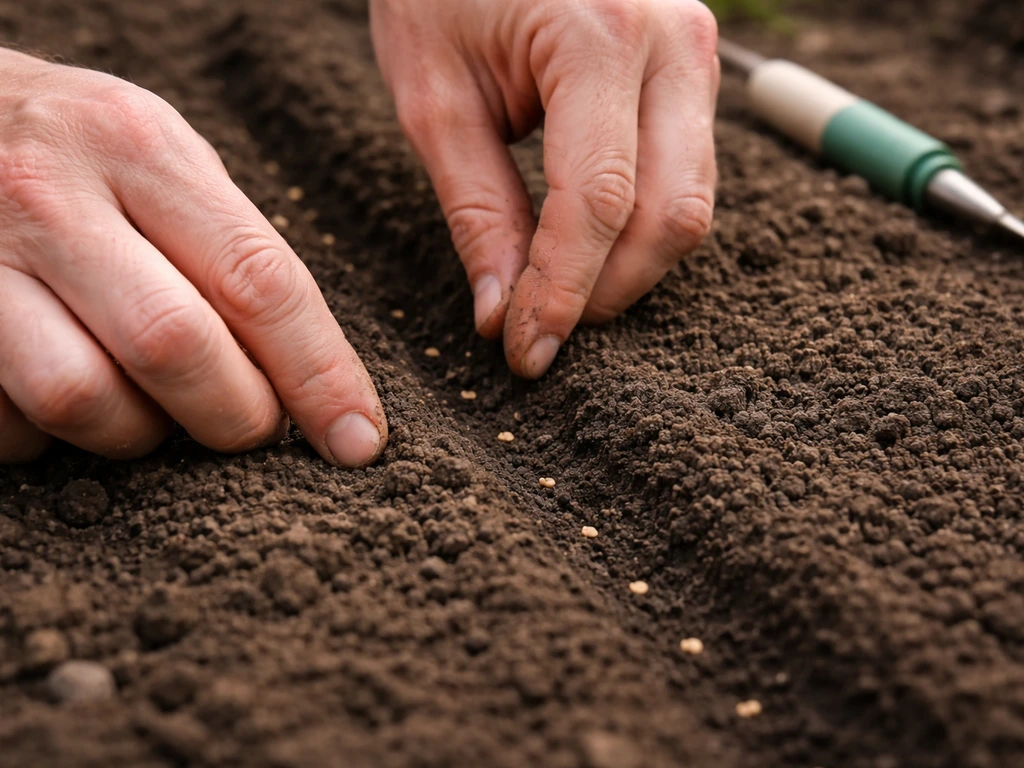
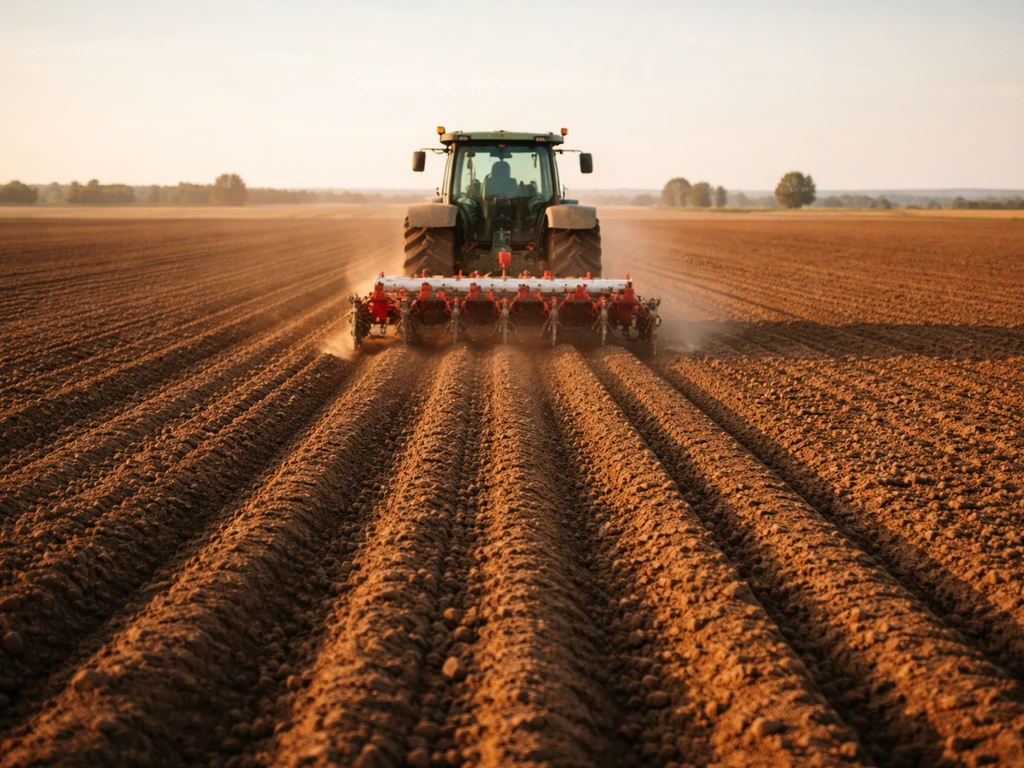
Sowing simply means placing a seed or young plant into prepared ground (or a container) so it can establish and grow. There are two main ways to do it: direct sowing, where you put seed straight into outdoor soil, and starting indoors, where you germinate seeds in trays or pots and later move the seedlings outside. Transplanting is the act of moving those started seedlings to their final growing spot, and it counts as part of sowing in the broader sense farmers use.
Timing is where most home gardeners go wrong. The rule is simple in principle: you sow when conditions match what the seed needs. Cool-season crops like peas and lettuce can germinate in soil as cold as 35 to 40°F. Warm-season crops like tomatoes, corn, and green beans need soil temperatures of at least 50 to 55°F before they'll sprout reliably. Sow a tomato seed into 45°F soil and it just sits there, rotting. Wait until the soil warms and the same seed sprouts in days. Your local last-frost date is the calendar anchor. Cool-season crops go in before it; warm-season crops go in after it.
What to sow: crops vs. cover crops, and why farmers choose both
Farmers think in two categories when they sow: productive crops that generate food or income, and cover crops that generate soil health. Both matter, and understanding the difference will change how you plan any garden.
Cash crops and food crops
The most widely sown field crops worldwide are grains (wheat, corn, barley, oats, rice), legumes (soybeans, dry beans, peas, lentils), and oilseeds (canola, sunflower, flax). In the home garden, the equivalent productive crops are vegetables and herbs: tomatoes, beans, squash, leafy greens, peppers, cucumbers, and root crops like carrots and beets. Farmers choose these because they produce something to sell or eat. You choose them for the same reason.
Cover crops: the farmer's secret soil tool
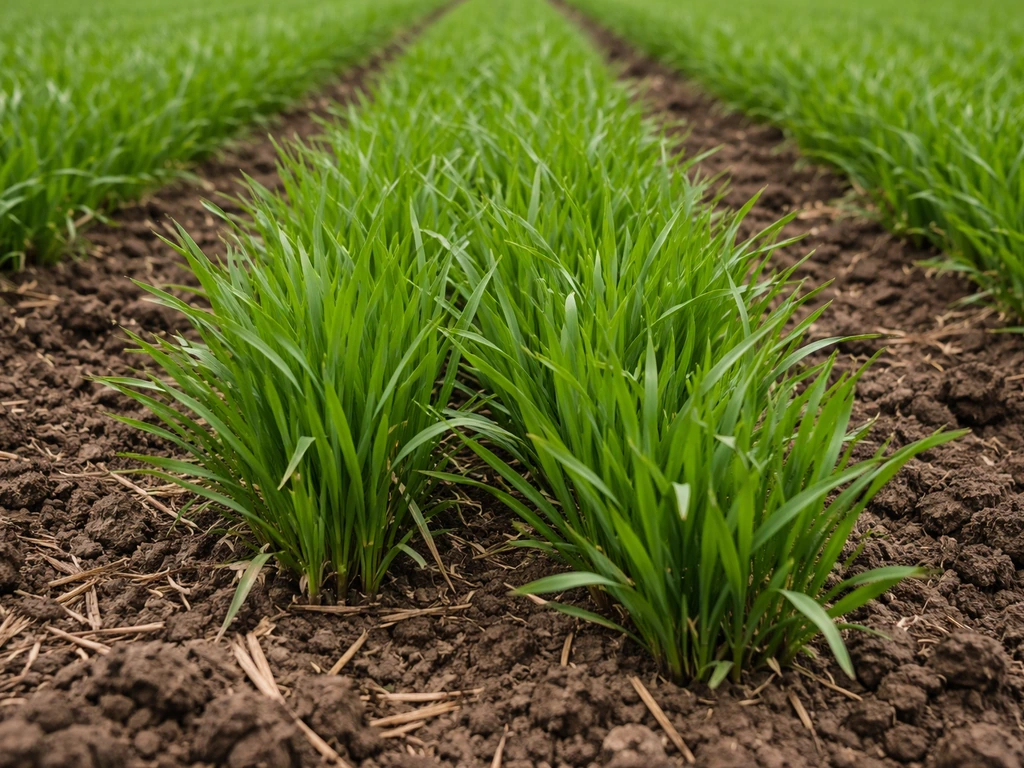
Cover crops are sown not for harvest but to protect and improve soil. Leguminous cover crops like crimson clover, hairy vetch, and field peas fix atmospheric nitrogen into the soil through root bacteria, reducing or eliminating the need for synthetic fertilizer on the next planting. Grassy cover crops like winter rye and oats add organic matter and prevent erosion. Brassica cover crops like daikon radish break up compaction with deep taproots. A farmer finishing a corn crop in fall might immediately sow winter rye to hold the field together until spring. A home gardener can do the same thing in any empty bed. Cover crops are one of the most underused tools in backyard growing.
| Cover Crop | Primary Benefit | When to Sow | Terminates By |
|---|---|---|---|
| Winter Rye | Organic matter, erosion control | Late summer to fall | Spring tillage or mowing |
| Crimson Clover | Nitrogen fixation | Early fall or early spring | Before flowering or tilling in |
| Hairy Vetch | Nitrogen fixation, ground cover | Late summer to fall | Spring tilling |
| Daikon Radish | Compaction breaking | Late summer | Winter kill in cold climates |
| Oats | Biomass, winter kill cover | Late summer | Winter kill naturally |
Picking the right seed variety for your climate and goals
Seed selection is where the payoff happens. A tomato variety bred for a cool Pacific Northwest summer will outperform a heat-loving Southern variety in Seattle, full stop. Farmers know this intuitively because their livelihood depends on it. They match varieties to their USDA hardiness zone, their average frost dates, their typical rainfall, and their soil type. You should too.
For cool, short-season climates, look for short days-to-maturity numbers (50 to 70 days for tomatoes, for example) and varieties labeled as cool-tolerant or early-maturing. For hot, dry climates, prioritize drought-tolerant varieties and anything with heat-set ratings. For humid climates, disease resistance is the spec to read: look for 'F' (Fusarium), 'V' (Verticillium), and 'N' (nematode) resistance codes on tomato seed packets. Beyond vegetables, if you're sowing grains like spring wheat or barley, Montana State Extension data puts their minimum germination soil temperature at around 40°F, making them excellent early-season crops in colder regions where corn (which needs 50°F or above) would fail.
- Check your average last frost date before buying any seed
- Match days-to-maturity to your growing season length
- Prioritize disease-resistance codes in humid or rainy climates
- Choose drought-tolerant varieties in areas with summer water restrictions
- For short seasons, start warm-season crops indoors 6 to 8 weeks before last frost to extend your effective growing window
Soil preparation: the work that happens before a single seed goes in
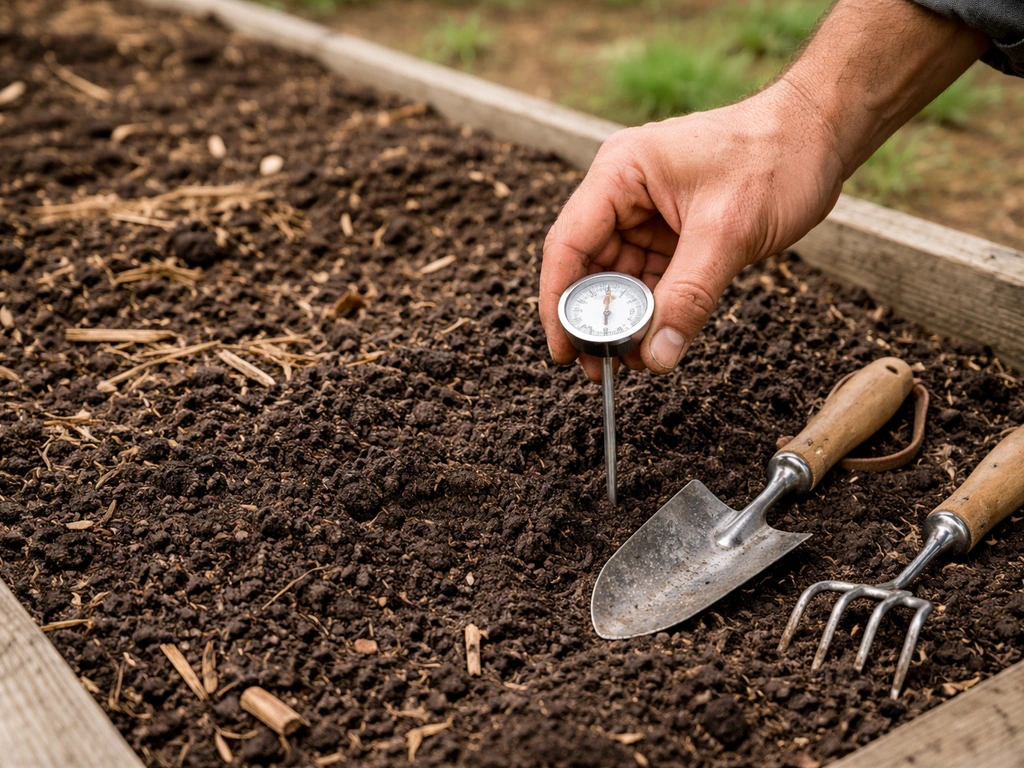
Farmers don't just throw seeds at bare ground. Before anything gets sown, they address three things: physical structure, pH, and fertility. Skip any one of these and sowing the perfect seed variety won't save you.
Structure and drainage
Seeds need soil they can push roots through, and those roots need air as much as water. Compacted soil blocks root expansion and holds excess moisture, which creates exactly the soggy, anaerobic conditions that kill germinating seeds and cause damping off, a fungal disease that collapses seedlings at the soil line. Loosen your soil to at least 8 to 12 inches deep before sowing. For heavy clay, work in compost or aged manure to open up the structure. For sandy soil, add the same materials to improve water retention.
pH matters more than most people realize
Most vegetables and field crops grow best in a soil pH of 6.0 to 7.0. Outside that range, nutrients lock up in the soil and become unavailable to plants even if they're physically present. A $15 soil test tells you your pH and gives you a lime or sulfur application rate to correct it. Do this before you sow, not after poor growth mystifies you in August.
Fertility: what to add and when
Compost is the single most universally useful amendment you can work into soil before sowing. It adds organic matter, improves drainage in clay and water retention in sand, feeds soil biology, and releases nutrients slowly. Apply 2 to 4 inches and work it into the top 6 to 8 inches of soil. For heavy feeders like corn and tomatoes, a balanced granular fertilizer (something like 10-10-10) worked in at planting gives an additional nutrient boost. Nitrogen drives leafy, green growth; phosphorus supports root development (more on what nutrients help roots specifically is a topic worth exploring on its own); potassium supports overall plant health and disease resistance. Phosphorus is the nutrient that helps roots develop and supports stronger early growth.
Water, light, and temperature: the conditions that make sowing work
You can sow the best seed in perfectly prepared soil and still get nothing if water, light, and temperature aren't right. These aren't optional extras. They're the actual engine of germination and growth.
Water: consistent moisture without waterlogging
Seeds need consistent moisture to activate germination enzymes and push through the soil. The top inch of soil should stay evenly moist, not wet, from sowing until seedlings are established. For direct-sown beds, this often means light daily watering in dry conditions, especially in the first week. Drip irrigation and soaker hoses are far better than overhead watering for established plants because they keep foliage dry, reducing disease pressure. Overwatering is just as damaging as underwatering: soggy soil excludes oxygen, invites fungal problems, and can rot seeds before they sprout.
Light: the non-negotiable for growth after germination
Most vegetable crops need 6 to 8 hours of direct sunlight daily. Light powers photosynthesis, which is the process by which plants convert CO2 and water into the sugars that fuel every growth process. Insufficient light is one of the most common causes of weak, leggy seedlings, and it's especially problematic for indoor starts. If you're starting seeds indoors without a grow light, natural window light is almost never enough in late winter and early spring unless you have a south-facing window with no obstructions. Cool, dim conditions also increase the risk of damping off. A simple LED grow light positioned 2 to 4 inches above seedlings and running 14 to 16 hours a day solves this immediately.
Temperature: the start signal for germination
Soil temperature is the trigger. Air temperature matters less than most people think. A soil thermometer (under $10) is one of the most useful tools you can own. To push crops toward faster growth, you also need to keep soil temperature near the seed’s ideal range by checking it regularly a soil thermometer. For quick reference: lettuce germinates from around 32°F, peas from around 40°F, corn from around 50°F, and beans and tomatoes from around 55°F. Sowing below these minimums doesn't just delay germination, it invites rot and disease, and the seed often fails entirely. In spring, black plastic mulch laid over beds for a week or two can raise soil temperature by 5 to 10°F, letting you sow warm-season crops earlier.
How to actually sow: depth, spacing, and the indoor vs. outdoor decision
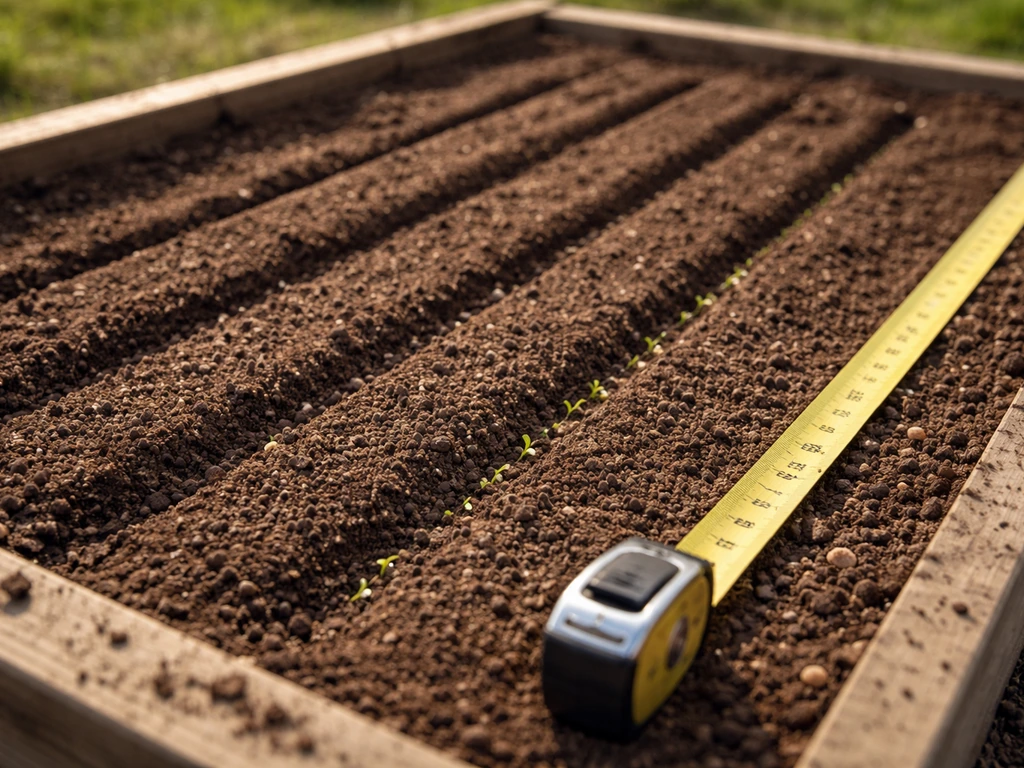
Here's the practical step-by-step of sowing, whether you're working like a farmer at scale or managing a raised bed in your backyard. Penn State Extension also defines hardening off as gradually transitioning plants from protected indoor or greenhouse conditions to outdoor stresses such as fluctuating temperatures, wind, and full sun, typically over about two weeks Hardening Transplants.
- Check your soil temperature with a thermometer at 2-inch depth before sowing anything. Match it against the germination minimums for your chosen crop.
- Decide: direct sow or start indoors? Direct sow crops that don't transplant well (carrots, beets, beans, peas, corn, squash) or when conditions are already right outdoors. Start indoors 6 to 8 weeks before last frost for crops that need a long season head start (tomatoes, peppers, eggplant, celery).
- Prepare the planting area by loosening soil, removing debris and large clods, raking to a fine, level surface.
- Sow at the correct depth. A simple rule: plant seeds at a depth of 2 to 3 times their diameter. Tiny seeds like lettuce and basil go barely below the surface (1/8 inch or just pressed in). Large seeds like corn and beans go 1 to 2 inches deep.
- Space seeds correctly. Overcrowded seedlings compete for light, water, and nutrients and become disease-prone. Follow packet spacing; don't assume you can thin later (you can, but it wastes seed and disrupts neighbors).
- Water gently after sowing with a fine spray or watering wand. Don't blast seeds out of position or compact the surface.
- Label every row or section immediately. Memory is unreliable and mixed-up plants are genuinely frustrating.
- For indoor starts, transplant outdoors only after hardening off. This means setting seedlings outside in a sheltered spot for increasing periods over 7 to 10 days, starting with 1 to 2 hours and building to full-day exposure. This step dramatically improves transplant survival by gradually acclimating plants to wind, direct sun, and temperature swings they haven't experienced indoors.
When growth goes wrong: troubleshooting germination and early plant problems
Poor germination and weak early growth almost always trace back to a short list of causes. Running through this checklist saves a lot of head-scratching.
| Symptom | Likely Cause | Fix |
|---|---|---|
| Seeds don't sprout after 2+ weeks | Soil too cold or too wet | Check soil temperature; improve drainage; wait for warmth |
| Seedlings collapse at soil line | Damping off (fungal) | Improve airflow, reduce watering, add light, use sterile seed-starting mix |
| Leggy, pale, stretched seedlings | Insufficient light | Move closer to light source or add grow light; 14-16 hrs daily |
| Yellow leaves on established seedlings | Nitrogen deficiency or overwatering | Test soil, adjust watering, apply dilute balanced fertilizer |
| Seedlings wilting despite wet soil | Root rot from overwatering or compaction | Improve drainage, reduce watering frequency |
| Patchy germination across a row | Inconsistent planting depth or dry pockets | Firm soil evenly after sowing, water consistently |
| Growth stalls after transplanting | Transplant shock; not hardened off | Water well, provide temporary shade, harden off properly next time |
| Holes in leaves, stunted growth | Pest damage (slugs, flea beetles, aphids) | Inspect plants, use row cover, treat with appropriate control |
One pattern worth calling out: cool, soggy soil combined with low light is a recipe for damping off, the fungal condition that kills seedlings at the base. University of Alaska Fairbanks Extension specifically flags this combination as a key risk factor for seed-starting failure. If you're losing seedlings indoors, check all three: temperature, moisture, and light intensity, before assuming anything else.
What doesn't reliably help plants grow (and what to do instead)
Because this site covers gardening myths honestly, it's worth addressing some of the folklore that circulates around 'what to sow or do to make plants grow. Pesticides can also help crops grow by controlling pests and reducing damage that would otherwise stunt or kill plants how do pesticides help crops grow. ' Some of these come up in searches adjacent to this topic and deserve a direct response.
Talking to plants and playing music
There is some fringe research suggesting vibration from sound might have a mild effect on plant cells, but no credible, reproducible study shows that talking or playing music produces meaningful growth improvements in garden or farm conditions. If your tomatoes are struggling, a playlist isn't the answer. Checking soil temperature, adjusting watering, or improving light will actually move the needle. The reason this myth persists is that attentive gardeners who talk to their plants tend to also water and inspect them more carefully, and that attention is what actually helps.
Odd rituals and folk amendments
Buried banana peels, crushed eggshells for calcium, and coffee grounds as fertilizer are all popular in gardening communities. These materials aren't harmful in small quantities, but none of them replace a proper soil test and targeted amendment. Eggshells decompose slowly enough to be nearly useless in a single season. Coffee grounds can actually acidify soil and suppress some seed germination if overused. Compost, proper pH management, and a basic balanced fertilizer will do more than any of these in a fraction of the time.
More water equals more growth
This is one of the most common and damaging assumptions in home gardening. Overwatering kills more plants than underwatering, particularly in poorly drained soil. Roots grow best when soil stays evenly moist without being waterlogged. Roots need oxygen, and waterlogged soil suffocates them. The correct approach is to water deeply and less frequently, allowing the top inch or two of soil to dry slightly between waterings for most crops. Consistent, appropriate moisture drives growth. Constant wetness drives root rot and disease.
What actually works
The factors that reliably drive healthy plant growth from sowing to harvest are the same ones farmers have built entire sciences around: correct soil temperature at sowing time, well-structured and fertile soil, appropriate variety selection for your climate, consistent and correctly timed moisture, adequate light, and proper sowing depth and spacing. Some growers also use beneficial microbes like spore blossoms to support soil health and give crops an extra boost, especially where soil biology needs help. Cover crops between growing seasons build soil health over time in ways that compound year over year. If you want forests to regenerate, supporting regrowth with cover crops and other soil-improving vegetation helps restore the conditions seedlings need. These aren't glamorous, but they're why some gardens consistently produce and others don't. Getting these basics right is the whole game.
FAQ
If I want the same results as farmers, what should I actually sow into my bed, seeds or transplants?
Usually no. Farmers sow seeds (or seedlings) after preparing soil conditions, and they do not rely on “magic” materials mixed with seed. In practice, the biggest wins come from matching soil temperature and timing to the crop, then using compost and (if needed) a balanced fertilizer based on your soil test.
Can I start warm-season crops indoors early and just plant them out when it looks warm?
Start seeds at the soil conditions you can reliably provide after transplanting, not just the date on the calendar. For example, warm-season crops need soil warmth at planting, and indoor-starting for too long can lead to root-bound seedlings, slower recovery after transplant, and more transplant shock.
Why does my seed fail even though the air temperature seems warm?
Use a soil thermometer at the depth the seed will sit, not just at the surface. Surface warmth can be misleading because seeds live in a cooler zone, and sowing below minimum soil temperatures often causes delayed germination, rot, and uneven stands.
How often should I water seeds after sowing, and how do I avoid overwatering?
For most vegetables, keep watering consistent enough that the top inch stays evenly moist until emergence, then shift to deeper, less frequent watering. If you see damping off or seedlings collapsing at the soil line, reduce wetness, improve light, and check that you are not keeping the seedling zone continuously saturated.
My seedlings are leggy, should I just give them more fertilizer?
Yes, but it is often about the right “next step,” not simply more light. If seedlings are leggy, they usually need stronger light intensity and placement (a grow light close enough), and they also may need to be moved to a cooler, brighter spot once sprouted to slow stretching.
Do I still need a soil test if I’m adding lots of compost?
Not always. Compost is great, but if your pH is off, nutrients may still be locked up. The most efficient order is soil test for pH first, then adjust pH (lime or sulfur), then add compost and targeted fertilizer only if your test indicates a deficiency.
What’s the biggest mistake when setting seed depth and spacing?
Spacing affects more than airflow. Crowded seedlings compete for light and moisture, which can reduce root development and increase disease risk. Follow the spacing on the seed packet once you have emergence, and thin early enough that remaining seedlings do not get shaded.
Can I sow cool-season crops earlier even if the soil is cold and a bit wet?
Crops like peas, lettuce, and many brassicas can tolerate cooler soil, but germination still depends on moisture and light, and cold, wet soil can increase rot risk. Use crop-appropriate minimum soil temps as a floor, then also manage watering and cover the soil only if it helps raise temperature without trapping excess moisture.
Should I fertilize at planting every time to help plants grow faster?
If you add fertilizer without considering nitrogen timing, you can create leafy growth with weaker roots or even burn young seedlings. A practical approach is to use compost broadly, then apply a light, balanced starter at sowing when needed (especially for heavier feeders), and rely on subsequent feeding schedules rather than heavy upfront doses.
How do I use cover crops in a home garden without messing up my next planting?
In small gardens, cover crops are still useful, but choose them based on what you will plant next and how you will manage them. Plan to terminate at the right stage so they do not compete with your main crop, and match the cover crop type to your goal (erosion control, nitrogen building, or breaking compaction).
Do beneficial microbes replace the need for good soil and correct moisture?
It helps, but only when used correctly. The best “starter” is often a clean, well-aerated seed-starting mix plus correct temperature, moisture, and light. If you use microbial additives, apply them to conditions they are meant for (not into constantly wet or oxygen-starved media), and do not treat them as a substitute for proper germination basics.
Are banana peels, eggshells, or coffee grounds effective substitutes for compost and soil testing?
Organic kitchen scraps can be tempting, but they usually do not reliably correct the key limiting factor. For example, eggshells take a long time to break down and coffee grounds can shift soil acidity and inhibit germination if used heavily. If growth is slow, prioritize pH, soil structure, and seed-appropriate soil temperature first.
What are the most likely reasons none of my seeds sprouted after sowing?
Most of the time it is not light or soil amendments alone. “Why are seeds not sprouting?” is usually temperature too low, moisture inconsistent (either drying out or staying soggy), incorrect sowing depth, or seed quality that is past its viable window. Check seed age and conditions, then measure soil temp at seed depth before changing products.
Next Articles
How Do Microorganisms Help Plants Grow: Practical Guide
Learn how microbes in the rhizosphere fix nitrogen, boost phosphorus, aid roots, suppress disease, and how to grow them.
How Does Yeast Help Plants Grow? Safe, Practical Guide
Learn how yeast boosts plant growth via soil microbes, safe dilution and timing, plus myths, limits, and troubleshooting
Do Mushrooms Help Plants Grow? Science and How to Use
Science-backed answer on whether mushrooms help plants grow, plus how to use mycorrhiza, compost, and test results.