
Yes, certain fungi genuinely help plants grow larger and healthier, and the science behind it is solid. The key players are mycorrhizal fungi, a group of beneficial soil fungi that form a partnership with plant roots, extending their reach by 100 to 1,000 times the normal surface area. Yeast can also support plant growth indirectly by improving soil biology and making nutrients more available how does yeast help plants grow.
Does Fungi Help Plants Grow? How to Boost Health and Size

Marcus Holloway
23 May 2026
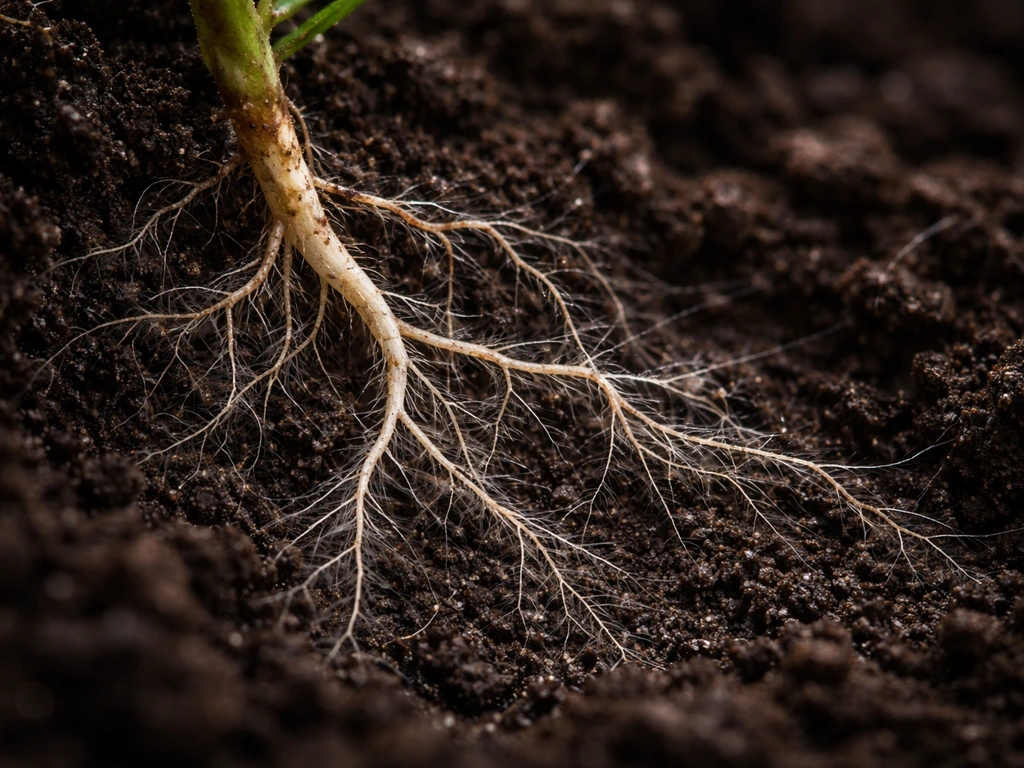
That means dramatically better access to water, phosphorus, potassium, and other nutrients the plant can't easily grab on its own. The result is stronger establishment, more stress tolerance, and in many cases noticeably more vigorous growth. For orchids in particular, encouraging mycorrhizal partnerships can support healthier roots and more reliable growth.
But here's the important caveat: not all fungi are helpful, the benefits depend heavily on your soil conditions, and blindly sprinkling inoculants on well-fertilized garden beds often does nothing. Let me walk you through what actually works and why.
Which fungi actually help plants (and which ones don't)
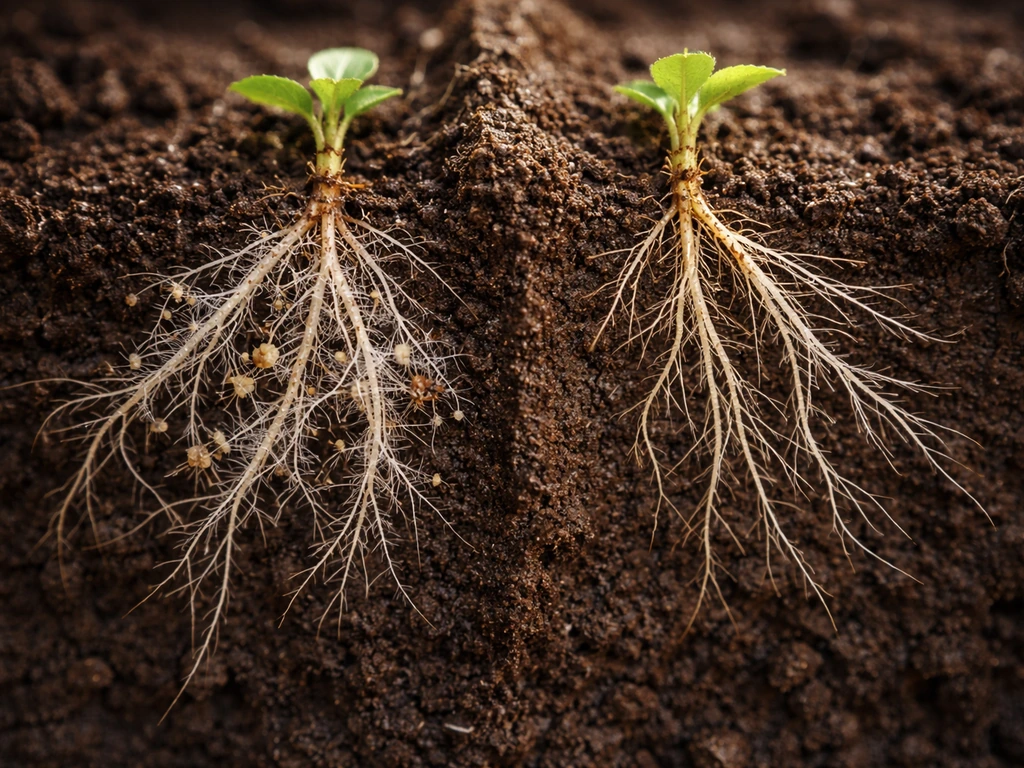
The fungi that help plants grow fall into a few main categories, but mycorrhizal fungi are by far the most important and well-studied. The name comes from the Greek for fungus-root, and that's exactly what it is: a tight biological partnership between fungal threads (hyphae) and plant root cells. There are two main types you'll encounter.
- Arbuscular mycorrhizal fungi (AMF): These are the most widespread type and colonize the majority of garden plants including vegetables, herbs, flowers, and most trees. They grow inside root cells, forming tiny tree-like structures called arbuscules where nutrient exchange happens directly. AMF are critical for the early establishment of corn, most cereal crops, and countless ornamentals.
- Ectomycorrhizal fungi: These colonize the outside of root cells and are especially important for conifers, oaks, birches, and other woody plants. Many edible mushrooms (truffles, chanterelles, porcini) are ectomycorrhizal fungi forming these partnerships underground.
- Trichoderma and other beneficial soil fungi: Beyond mycorrhizae, certain free-living fungi like Trichoderma species support plant health by breaking down organic matter, competing with pathogens, and making nutrients more available in the root zone.
One thing worth knowing: mycorrhizal fungi can't survive without a living plant host. They can't be grown on artificial growth media in a lab the same way bacteria can, which is why the quality and viability of commercial inoculants varies considerably. They must be cultured on actual plant roots, which makes establishing them in your garden a more biological process than just dumping a powder in a hole.
It's also worth noting one significant exception: the entire Brassica family does not form mycorrhizal relationships. Broccoli, cauliflower, kale, cabbage, and Brussels sprouts evolved a different root chemistry and simply don't host AMF. Don't waste inoculant on them. Similarly, plants with naturally very fine, hair-like root systems sometimes have less dependency on mycorrhizae than coarser-rooted plants.
Pathogenic fungi are a completely different story. Powdery mildew, which shows up as white or gray fuzzy patches on leaves, is an obligate parasite that harms plants. Damping-off, caused by organisms like Pythium, Rhizoctonia, Fusarium, and Phytophthora, kills seedlings at the soil line. These are fungal (or fungal-like) problems, not helpers. The word 'fungi' covers an enormous kingdom, and beneficial mycorrhizal partners and plant-destroying pathogens share almost nothing in common except their kingdom classification. Don't let the word scare you away from the good stuff.
How fungi actually make plants grow bigger and healthier
The core mechanism is nutrient access, specifically phosphorus. Phosphorus doesn't move easily through soil. It binds to soil particles and sits close to wherever it was applied, which means roots can quickly exhaust the phosphorus immediately around them. Mycorrhizal hyphae are extraordinarily thin, allowing them to reach into tiny soil pores that roots can't penetrate, effectively mining phosphorus from a much larger volume of soil. A meta-analysis published in 2020 confirmed that AMF inoculation consistently improves phosphorus and potassium uptake across a wide range of crops and growing conditions. Under low soil phosphorus conditions, this effect can be dramatic.
Nitrogen is the other big one. AMF contribute to nitrogen cycling at the root interface, helping transfer nitrogen compounds across the fungi-root boundary. This complements the nitrogen-fixing work done by bacteria, which is a related but separate story. Bacteria and other microorganisms also support plant growth by improving nutrient availability and overall soil health. Bacteria also help plants grow by improving nutrient availability and supporting processes like nitrogen cycling. The plant also benefits from better water uptake through the extended hyphal network, which translates to real drought tolerance during dry spells.
Beyond nutrients, the relationship triggers hormonal changes inside the plant. Mycorrhizal colonization is associated with increased levels of cytokinins and gibberellins, plant hormones involved in cell division, stem elongation, and seed germination. So the growth response isn't just 'more food' going in; the plant's own growth signaling is being amplified. There's also an immune-priming effect called induced systemic resistance (ISR), where mycorrhizal partnerships essentially put the plant's whole defense system on alert without activating it fully. The plant becomes more resilient to future stress, disease, and pest pressure without spending the energy it would take to fight an actual attack.
In practical terms, a 2026 systematic review found that AMF inoculation was associated with yield increases of 20 to 104 percent under moderate fertilizer regimes, with colonization rates improving 30 to 100 percent in studied conditions. That's not a marginal benefit when the conditions are right.
What you can realistically expect
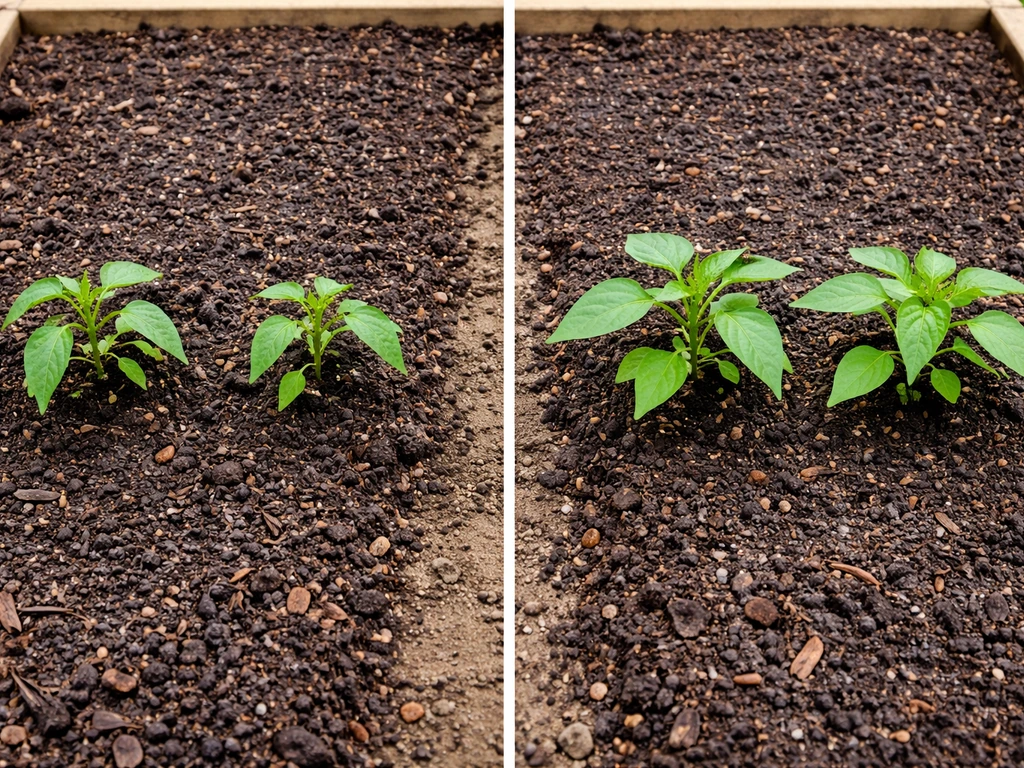
This is where I want to be honest with you, because the gardening industry sells a lot of mycorrhizal inoculants and not all of that money is well spent. Colorado State University Extension puts it plainly: mycorrhizal inoculation is 'unnecessary and ineffective in most landscapes.' That's not a reason to ignore fungi entirely, but it is a reason to understand when the benefits actually show up.
The biggest factor is your soil's existing phosphorus level. In high-phosphorus soil (which is common in heavily fertilized gardens and most established landscape beds), plants have no reason to trade sugars with fungi for nutrients they already have in abundance. The partnership simply doesn't form or remains weak. AMF shine in lower-phosphorus or nutrient-limited conditions, in new plantings where soil biology hasn't established yet, in transplants that need to quickly establish roots, and in perennial plantings where the fungal network builds over multiple seasons.
| Growing Context | Expected Benefit from AMF | Notes |
|---|---|---|
| New transplants (annuals or perennials) | High: faster establishment, less transplant shock | Apply inoculant directly to root zone at planting |
| Established in-ground beds with low fertilizer use | Moderate to high: improved nutrient access over time | Focus on protecting existing networks rather than adding inoculant |
| Heavily fertilized beds or high-P soil | Low to none | High phosphorus suppresses AMF colonization |
| Container plants | Moderate: useful in low-nutrient potting mix | Fungal networks are limited by container size; reapply with repotting |
| Brassica family crops | None | Brassicas do not form mycorrhizal relationships |
| Perennial plantings and trees | High over time | Networks build across seasons; minimize soil disturbance |
The most reliable outcomes I've seen and read about are in transplanting scenarios, starting seeds in low-nutrient media, establishing perennials or trees in new beds, and drought-prone situations. If you're growing tomatoes in compost-rich, well-fed soil, you probably won't see a dramatic difference from adding an inoculant. But if you're establishing a fruit tree, planting a pollinator garden from bare-root perennials, or starting transplants in lean soil, fungi can genuinely move the needle.
How to encourage beneficial fungi in your soil starting today
The good news is that your soil almost certainly already contains AMF spores. They're nearly everywhere. The real job is creating conditions where they thrive and form those root partnerships, rather than constantly importing new fungi. Here's how to do that.
Reduce soil disturbance
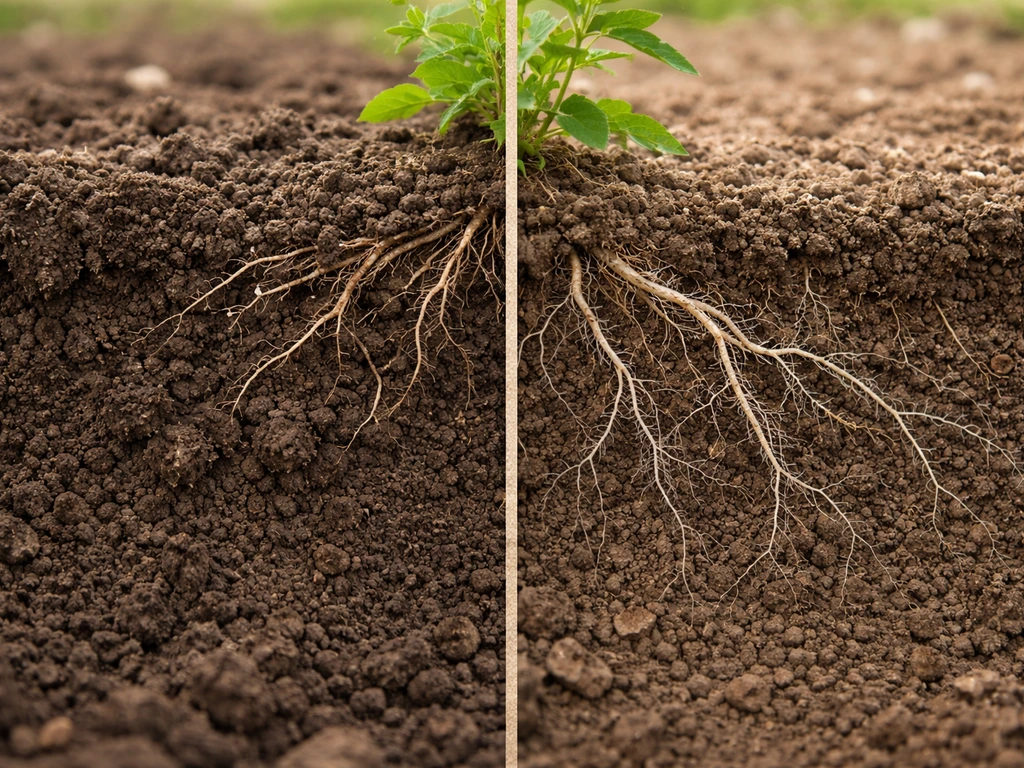
Tilling and frequent digging physically shreds hyphal networks that took months to build. Switching to no-till or reduced-till methods is one of the highest-impact things you can do for fungal soil biology. If you must disturb the soil (transplanting, dividing perennials), do it deliberately and avoid repeated churning. In established beds, use a broadfork rather than a rotary tiller whenever possible.
Ease up on synthetic fertilizers, especially phosphorus
High phosphorus availability is probably the single biggest suppressor of mycorrhizal colonization. When the plant has all the phosphorus it could ever want sitting right at the root tip, it has no incentive to feed sugars to a fungal partner in exchange for nutrient delivery. If you've been applying heavy fertilizer for years, get a soil test first. If your phosphorus is already high, inoculants won't help and the priority is letting levels come down naturally before expecting fungal partnerships to re-establish.
Add compost and mulch, not synthetic inputs
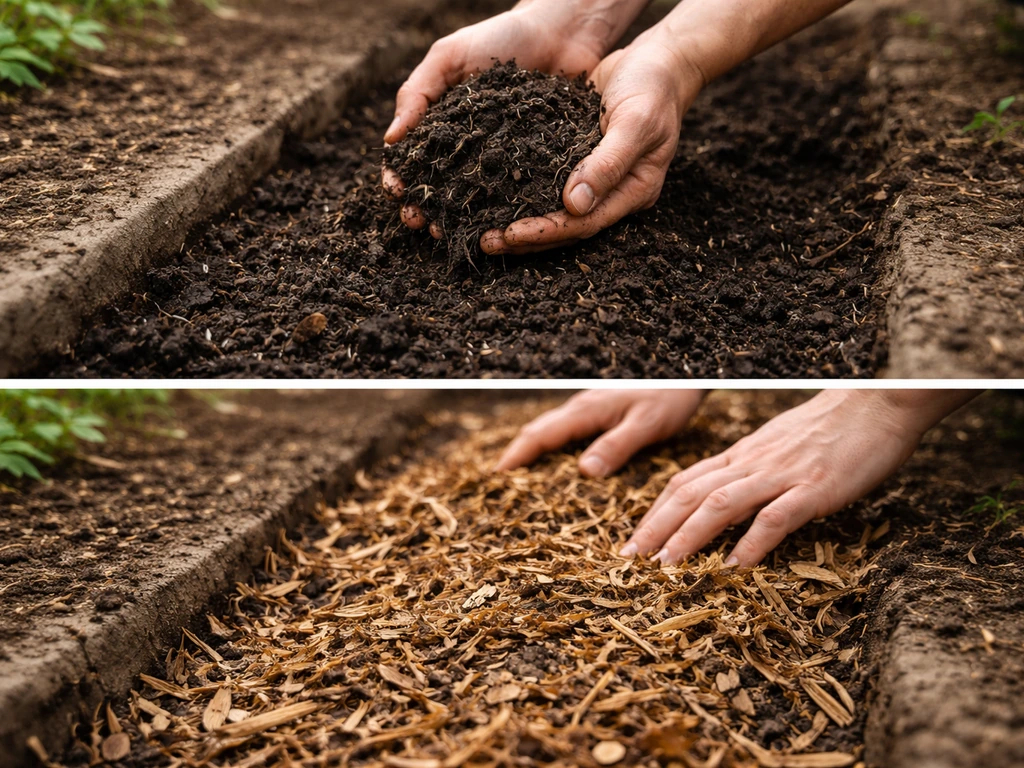
Compost feeds the whole soil food web, including the beneficial fungi. A 2 to 3 inch layer of organic mulch on garden beds conserves moisture, regulates soil temperature, and feeds fungal networks as it breaks down. This is the single easiest change most gardeners can make. Compost also introduces fungal life directly rather than just creating conditions for it.
Use mycorrhizal inoculants strategically
If you want to apply a commercial inoculant, timing and placement matter enormously. The inoculant needs direct contact with roots to colonize. There are three effective application methods: placing it directly on root balls or bare roots at transplanting, incorporating it into potting mix or planting hole soil, or applying it through drip irrigation into the root zone. Sprinkling it on top of soil after planting is largely wasted effort. For seeds, coating seeds with inoculant before sowing puts fungi right where early roots will emerge. Remember that the inoculant's ability to establish and reproduce in your specific soil matters far more than the quantity you apply.
Plant cover crops and keep roots in the ground
Mycorrhizal fungi require living plant roots to survive. Bare soil between seasons means fungal networks die back significantly. Cover crops like clover, rye, or phacelia keep roots in the ground year-round, feeding and maintaining the fungal network. Perennial plantings do this automatically, which is one reason well-established perennial gardens often show much stronger mycorrhizal communities than annual vegetable beds.
Be careful with fungicides
Broad-spectrum fungicides don't distinguish between pathogenic fungi and beneficial ones. If you're regularly applying fungicides to your soil or as drenches, you may be knocking back the same fungi you're trying to encourage. Use targeted, minimal treatments when you have a confirmed fungal disease problem, and avoid prophylactic fungicide use on healthy soil.
Avoiding the mistakes and myths that trip gardeners up
The biggest myth is that adding a mycorrhizal inoculant is a universal growth booster regardless of conditions. It isn't. In heavily fertilized, high-phosphorus garden soil, you can add all the inoculant you want and see essentially no response. The conditions that make AMF valuable (nutrient-limited soil, new plantings, minimal prior disturbance) are specific, and ignoring them is exactly why many gardeners try mycorrhizal products and shrug.
Another common mistake is confusing beneficial fungi with the fungi causing problems on your plants. If you see white powder on your squash leaves, that's powdery mildew, an obligate fungal parasite that only grows on living host tissue. Penn State Extension notes that powdery mildew is caused by multiple fungal genera and begins as isolated areas of fine white or gray growth on the upper leaf surface [white powder on your squash leaves](https://extension. psu.
edu/powdery-mildew/). If your seedlings are collapsing at the soil line, that's damping-off, caused by Pythium, Rhizoctonia, Fusarium, or Phytophthora, all of which are pathogens. Neither of these has anything to do with mycorrhizal fungi, and treating them with fungicides will not harm your beneficial fungi if applied to foliage (though soil drenches are another matter). These issues are about overwatering, poor air circulation, and pathogen pressure, not a failure of beneficial fungi.
Some gardeners also assume that more inoculant means more benefit. It doesn't work that way. Success depends on whether the fungi can establish and reproduce in your specific root zone, not on the initial dose applied. One well-placed application at transplanting beats multiple scattered applications at the wrong time.
Finally, don't expect overnight visible results. Mycorrhizal networks build over weeks and months. The benefits show up as better drought recovery, faster post-transplant establishment, and stronger overall vigor across a growing season, not as sudden explosive growth the week after inoculation.
How to tell it's working (and what to do if it's not)
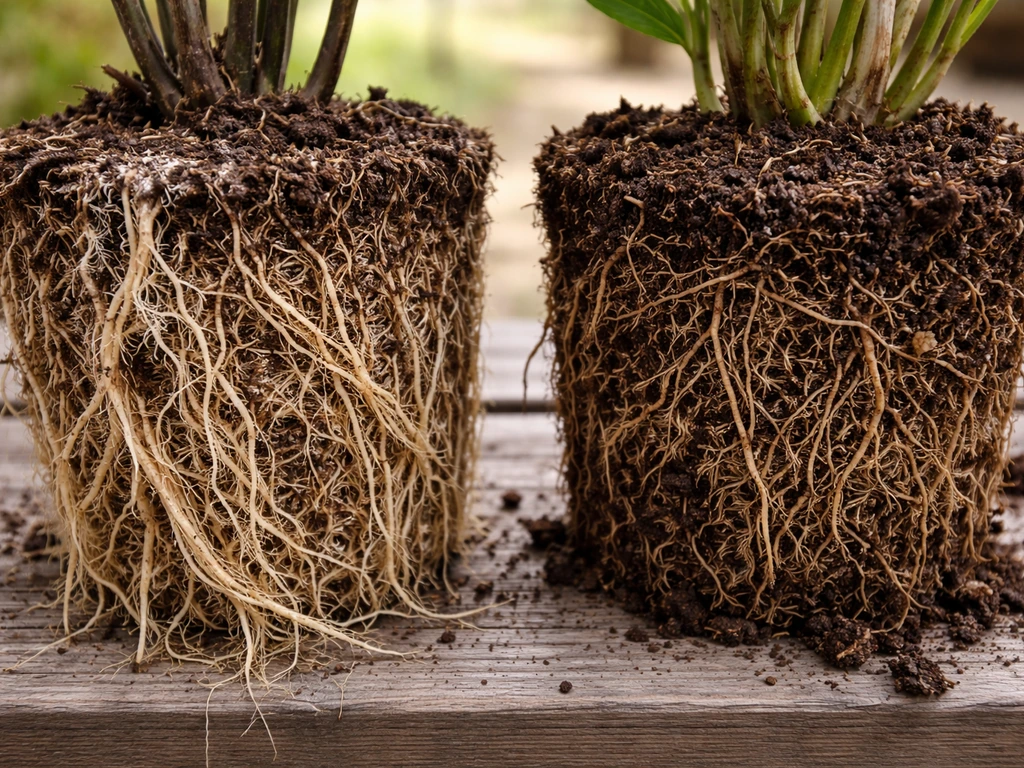
The signs that beneficial fungi are doing their job are mostly indirect, which is part of why they're easy to overlook. Here's what to watch for over a full growing season.
- Faster recovery after transplanting: Plants colonized by AMF typically show less transplant shock and resume active growth sooner than expected.
- Better performance during dry spells: If inoculated plants maintain turgid leaves and continue growing while neighboring plants wilt or stall, improved water access through fungal hyphae is a likely contributor.
- Stronger root development: When you pull a mature plant or do a root inspection on container plants, a denser, more branched root system with visible fine white threads in the soil is a good indicator of active fungal colonization.
- Overall vigor without heavy feeding: Plants in fungal-rich, low-input soil often look as good or better than heavily fertilized plants, with darker green leaves and more robust stems.
- Improved disease resilience over time: The immune-priming effect of mycorrhizal partnerships can show up as plants that handle pest pressure or minor disease exposure without collapsing.
If you're not seeing any of these signs after a full season, run through this troubleshooting checklist. First, check your soil phosphorus with a simple test kit or lab test. High phosphorus is the most common reason AMF inoculation fails to work. Second, think about soil disturbance. If you've been tilling regularly or heavily working the bed, you may be breaking up networks as fast as they form. Third, review your inoculant application method. Was it in direct contact with roots at planting? Inoculant sitting in soil without touching roots won't colonize. Fourth, consider the plant species. If you're growing Brassicas or in a context where mycorrhizal relationships are naturally weak, expect limited benefit regardless of inputs.
If all of those check out and you're still not seeing results, shift focus from adding fungi to building the broader soil environment. Compost, reduced tillage, cover crops, and lower synthetic fertilizer use create the conditions where fungi thrive without any inoculant purchase at all. In most established gardens, the fungi are already there waiting for better conditions. Give them those conditions and they'll get to work.
Beneficial fungi are one important piece of the soil biology puzzle. Bacteria play their own critical roles in nitrogen cycling and plant health, and the broader community of microorganisms in healthy soil all contribute to plant performance in ways that a single inoculant product can never replicate. The whole ecosystem matters, and fungi are one of its most powerful members when you let them do their thing.
FAQ
Will adding mycorrhizal fungi help if my soil test shows phosphorus is already high?
Usually the response is minimal when phosphorus is high, because roots do not need to “pay” sugars to a fungal partner. In that case, focus on reducing excess phosphorus inputs and let levels come down gradually, then re-evaluate before buying more inoculant.
How do I tell whether an inoculant actually colonized my roots?
Look for indirect signs over a season (better drought recovery after transplanting, improved vigor, better nutrient status), and if you want certainty, use a plant tissue or root staining test through a local extension office or lab. Visual changes right after application are not a reliable indicator.
Can I use mycorrhizal fungi in containers or raised beds?
Yes, but establishment can be slower and easier to disrupt because potting mixes often have low surviving fungal populations and frequent repotting resets the system. Keep soil disturbance low, use consistent watering, and apply inoculant directly to roots during potting or transplanting rather than sprinkling on top.
Do mycorrhizal fungi work with hydroponics or soilless growing mixes?
Generally no, because mycorrhizal fungi require living plant roots and a soil-like environment with pores where hyphae can extend. They also depend on the surrounding soil biology and organic matter, which hydroponics lacks.
Should I add inoculant every time I plant, or once is enough?
Often one well-timed application at transplanting is more effective than repeated scattering. If you keep conditions stable (reduced tillage, mulch, living roots via cover crops in beds), populations can persist and you may not need to reapply often.
What happens if I apply mycorrhizal inoculant and then heavily fertilize soon after?
High nutrient availability, especially phosphorus, can suppress colonization and limit the plant’s incentive to maintain the fungal partnership. To get the best chance of success, apply inoculant and then avoid large phosphorus additions for a while, letting the plant establish first.
Can beneficial fungi be harmed by fungicides or pesticides?
Broad-spectrum fungicides can suppress beneficial fungi as well, especially if they are applied to the soil or as drenches. If you must treat a confirmed disease, choose targeted approaches and avoid prophylactic soil treatments that can reduce fungal networks.
If I see white powder on leaves, is that a sign mycorrhizae aren’t working?
No. White or gray fuzzy patches on leaves usually point to pathogenic issues like powdery mildew, which is unrelated to mycorrhizal fungi. Mycorrhizae benefits are about roots and nutrient exchange, so disease on foliage typically needs a separate management plan.
Are there plant types besides Brassicas that may not benefit much?
Yes. Some plants have weaker or different mycorrhizal dependency depending on their root traits and native ecology, so expected gains may be smaller. If your crop is known to be low-mycorrhizal or you have repeatedly high phosphorus, plan for limited improvement even with correct inoculation.
What is the most common application mistake that prevents results?
Inoculant not being in direct contact with roots. Powder left on top of soil after planting often fails to colonize, while mixing into the planting zone or placing it on bare roots, root balls, or within potting mix during transplanting gives the fungi a chance to attach.
Does yeast help plants grow in the same way fungi do?
Yeast can support growth indirectly by improving soil biology and making nutrients more available, but it is not a substitute for mycorrhizal colonization of roots. If your goal is phosphorus access via hyphal networks, focus on mycorrhizae and conditions that let them persist.
Next Articles
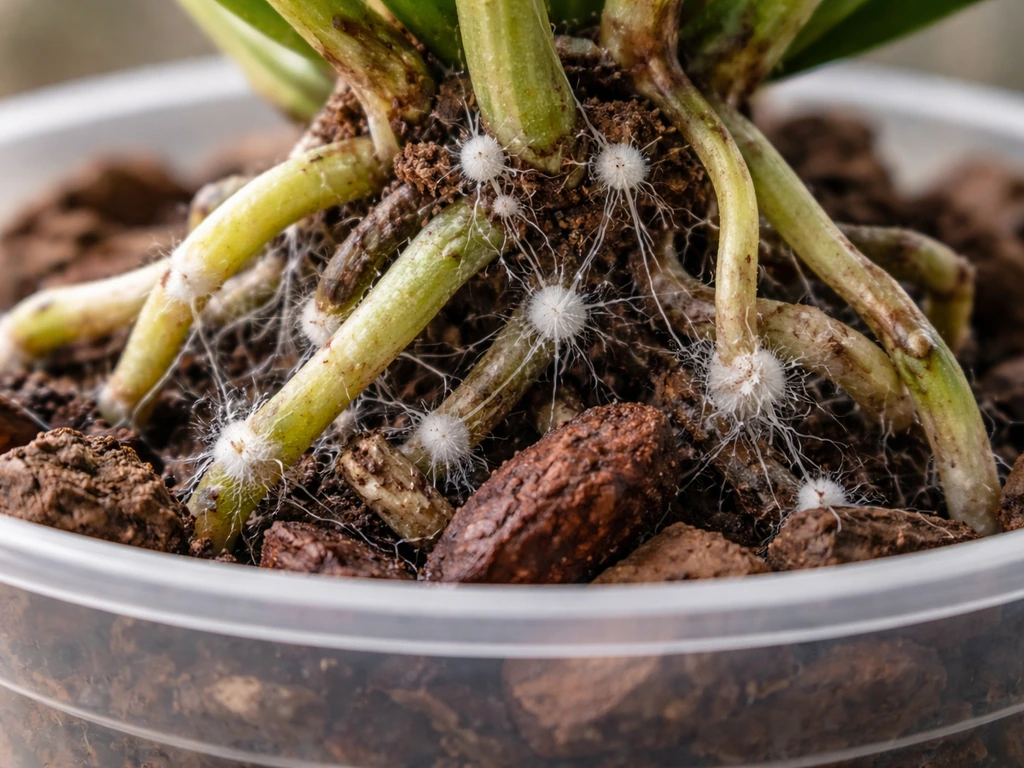
How Can Fungi Help an Orchid Grow: A Practical Guide
Learn which mycorrhizal fungi help orchids root, access nutrients, resist stress, and how to apply them safely today.
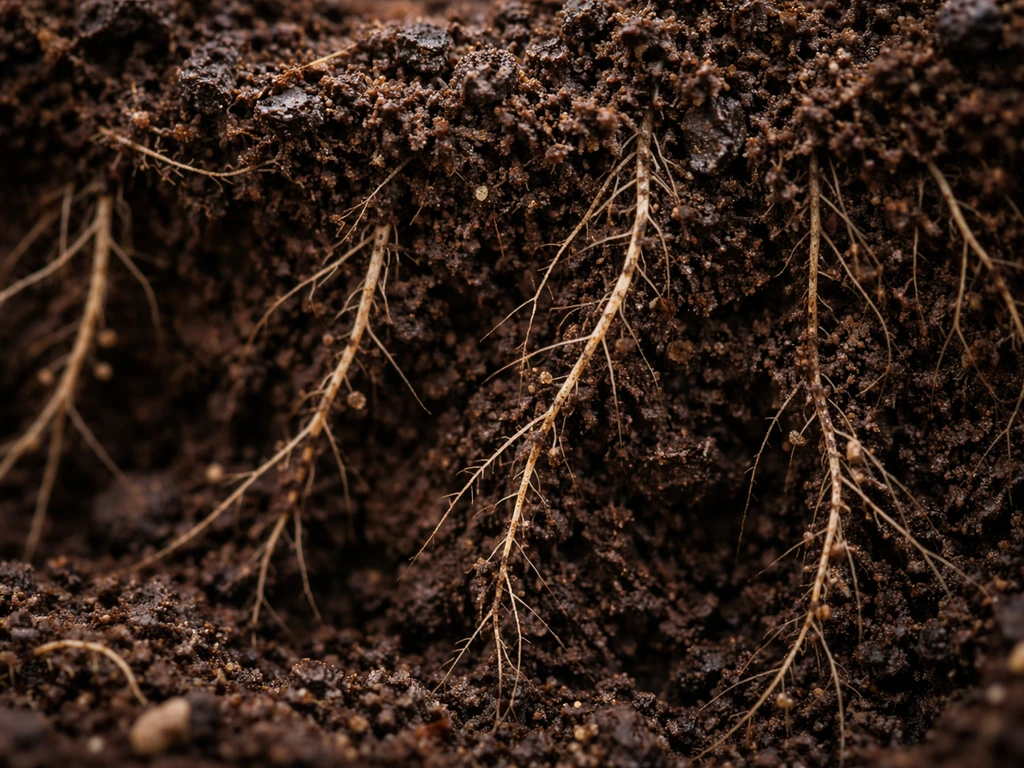
How Do Bacteria Help Plants Grow: Decomposers to Root Partners
Learn how soil bacteria decompose matter and boost root nutrient uptake, plus practical steps to improve plant health.
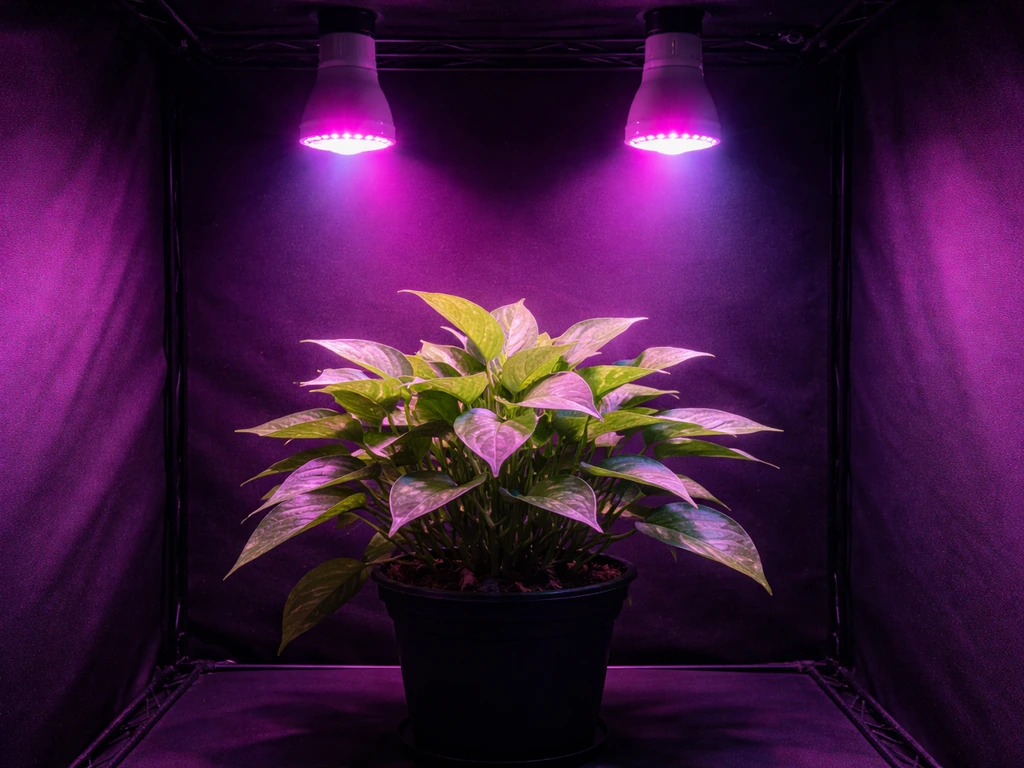
Does Pink Light Help Plants Grow? How to Choose LED Grow Bulbs
Learn if pink, red blue LEDs boost plant growth and how to choose the right spectrum, intensity, distance, and timing.