Butterflies help plants grow mainly through pollination: when they feed on nectar, pollen sticks to their bodies and gets carried from flower to flower, enabling fertilization and seed production. That said, butterflies are not the powerhouse pollinators that bees are, and their benefit to your garden depends heavily on which plants you're growing and how welcoming your garden is to them in the first place. If you want butterflies to actually make a difference, you need the right plants, the right habitat, and realistic expectations about what they can and can't do.
How Do Butterflies Help Plants Grow: A Practical Guide
Marcus Holloway
30 Apr 2026
How butterflies actually benefit plants
There are three real, science-backed ways butterflies contribute to plant health and growth. Understanding all three helps you figure out which ones are relevant to your specific garden.
- Pollination: Adult butterflies transfer pollen between flowers while feeding on nectar. Pollen adheres to their legs, proboscis, and body and gets deposited when they visit the next flower of the same species.
- Ecosystem support: Butterfly larvae (caterpillars) feed on plant material, which feeds birds and other predators, which cycle nutrients back into the soil. A richer food web generally supports healthier plant environments.
- Indicator value: A garden that attracts butterflies is usually doing several things right, including having good plant diversity, reduced pesticide use, and healthy soil. Butterfly presence is a useful signal that your broader garden ecosystem is on track.
Of those three, pollination is the most direct benefit, but the other two matter more than most gardening guides acknowledge. Let's break them all down.
Pollination: what butterflies actually do and how well they do it
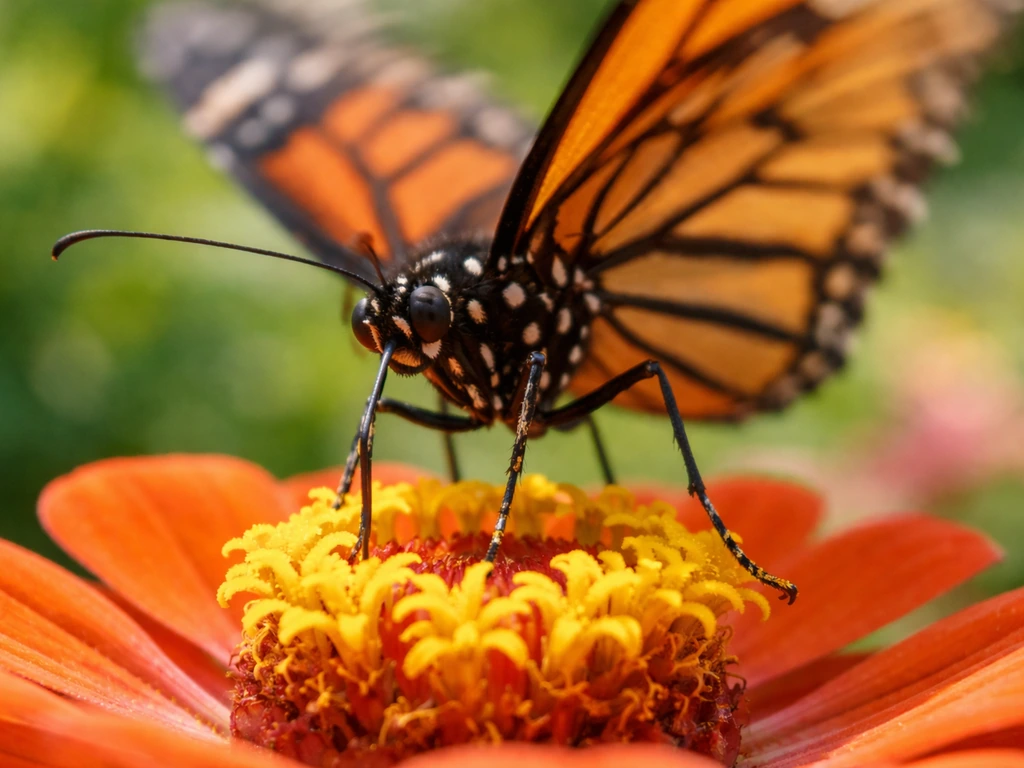
When a butterfly lands on a flower to drink nectar, pollen grains stick to its body, mostly on its legs and sometimes along its proboscis. When it moves to the next flower, some of that pollen gets deposited on the stigma, potentially fertilizing the plant and allowing it to produce seeds and fruit. That fertilization is what 'helps the plant grow' in the reproductive sense: a pollinated flower becomes a seed, and that seed can become a new plant.
But here's the honest part: butterflies are less efficient pollinators than bees for most plant species. The U.S. Forest Service points out that butterflies lack the specialized pollen-collecting structures that bees have, like pollen baskets and branched body hairs that trap large amounts of pollen. Research published in AoB Plants (Oxford Academic) confirmed this in a controlled study: while butterflies visited flowers more frequently than bees in some cases, bees were more effective at actually removing and depositing pollen. The mechanics of the flower matter too. If a flower's shape doesn't position the butterfly's body near the anthers and stigma, very little pollen transfer happens at all.
That said, butterflies are genuinely important pollinators for specific plant species. A study on North European butterflies found that while butterfly pollination was minor for most of the plant species examined, it was significant for species like Dianthus deltoides (maiden pink) and Viscaria vulgaris (sticky catchfly). These are plants with relatively narrow, tubular flowers that butterflies navigate well. So butterfly pollination is real, it's just plant-specific rather than universal.
Butterflies in the bigger picture: the indirect side of plant health
This is the part that gets overlooked in most 'do butterflies help plants' articles. Butterflies don't just pollinate. They're part of a food web that influences your garden's overall health in ways that feed back to plant growth.
Caterpillars eat plant leaves, which sounds like a problem, but in a balanced garden that feeding attracts birds, wasps, and other predators. Those predators also eat aphids, scale insects, and other actual plant pests. The caterpillar frass (waste) adds nitrogen to the soil. Dead caterpillars and pupae that don't survive become organic matter that decomposes and enriches the substrate around your plants.
In a long-duration field study using 15N tracing, researchers measured the fate of nitrogen in gypsy moth frass deposited to an oak forest floor, providing evidence that frass-driven nitrogen cycling can enrich ecosystem nutrient availability [nutrient cycling](https://pubmed. ncbi. nlm. nih.
gov/28547717/). It's messy and indirect, but it's real nutrient cycling. Research on decomposing insect frass has shown that carbon and nitrogen mineralization from that process can drive nutrient cycling in soils [Carbon and nitrogen mineralization from decomposing gypsy moth frass](https://pubmed. ncbi.
nlm. nih. gov/28307349/).
Adult butterflies also support this food web. They're prey for birds, spiders, and parasitic wasps, all of which contribute to pest control in the garden. A garden rich enough to support a butterfly population is typically also rich enough to support the predators that keep plant-damaging insects in check. This is why butterfly presence is worth cultivating even beyond the direct pollination benefit. If you're also curious about how bees fit into this picture (they're more efficient pollinators across more plant types), that's a related question worth exploring separately. If you're wondering how do bees help fruit grow, they do it through more efficient pollination across many fruiting plants how bees fit into this picture.
What to plant to actually get butterflies in your garden
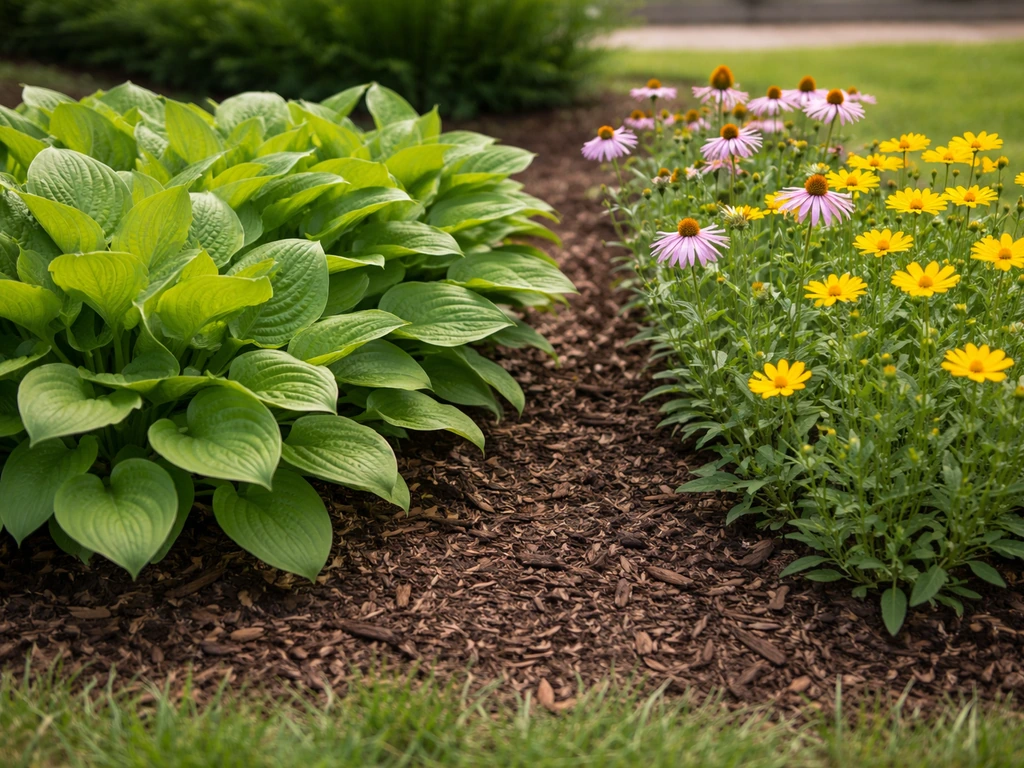
This is where most gardeners go wrong. They plant one or two 'butterfly-friendly' flowers and wonder why nothing shows up. Butterflies need two very different things from your garden, and you have to provide both.
Host plants: where caterpillars live and feed
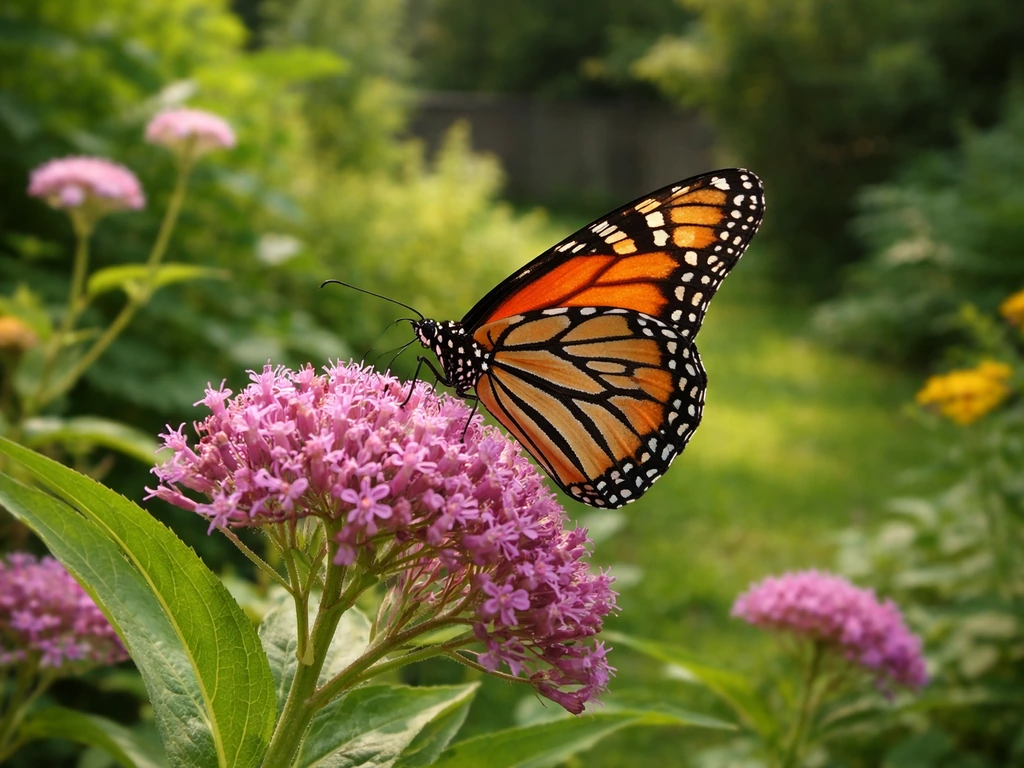
Host plants are species on which butterflies lay eggs and caterpillars feed. Without host plants, butterflies won't reproduce in or near your garden, and their presence will stay seasonal and random. Different butterfly species need specific host plants. Monarch butterflies need milkweed (Asclepias species). Black swallowtails use dill, fennel, and parsley. Fritillaries depend on native violets (Viola species). Painted ladies use thistles and mallows. You don't need to grow every possible host plant, but adding even two or three native species that match your local butterfly populations will dramatically increase how often you see adults.
Nectar plants: what adult butterflies feed on
Adult butterflies feed on nectar, and this is where the pollination benefit lives. Flat-topped or clustered flowers work best because butterflies need a landing pad: they can't hover like bees. Flowers with a long bloom season or succession plantings that keep something flowering from spring through fall are more valuable than a single spectacular plant that blooms for two weeks. Good nectar sources that also happen to be well-suited to butterfly mouth anatomy include coneflowers (Echinacea), zinnias, lantana, butterfly weed (Asclepias tuberosa), phlox, and native asters.
| Plant | Type | Butterfly benefit | Notes |
|---|---|---|---|
| Milkweed (Asclepias spp.) | Host + nectar | Monarch host plant and nectar source | Native species preferred; A. tuberosa and A. incarnata widely available |
| Coneflower (Echinacea) | Nectar | Broad butterfly appeal | Long bloom period; easy to grow from established plants |
| Zinnia | Nectar | Attracts many species | Annual; great for filling gaps in summer |
| Native violet (Viola spp.) | Host | Fritillary host plant | Tolerates shade; often overlooked |
| Dill or fennel | Host | Black swallowtail host plant | Doubles as a culinary herb |
| Native asters | Nectar | Critical fall nectar source | Supports late-season migrators like monarchs |
| Lantana | Nectar | High nectar volume, attracts many species | Perennial in warm climates; annual elsewhere |
What you can do today: practical steps to bring butterflies in
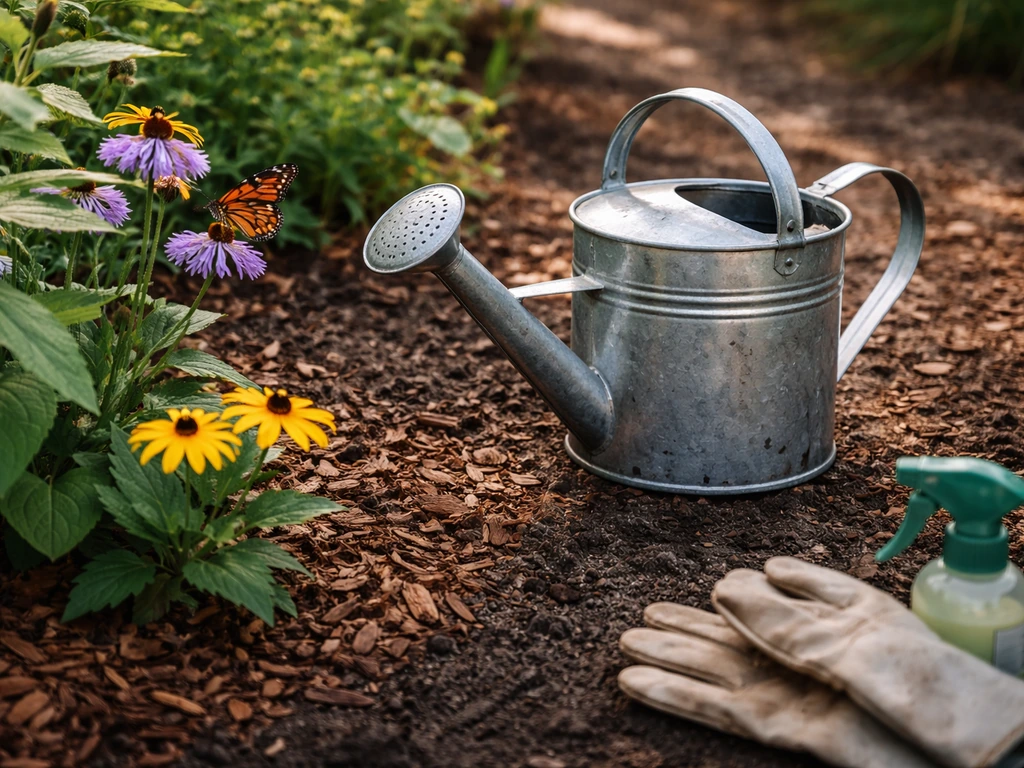
The good news is that making your garden more butterfly-friendly doesn't require a full overhaul. Here's what actually moves the needle, in roughly the order I'd prioritize it.
- Stop or reduce pesticide use immediately. Even 'safe' broad-spectrum insecticides kill caterpillars and reduce the insects butterflies depend on as larval food. This is the single highest-impact step for most suburban gardens.
- Add at least one host plant for a butterfly species local to your area. Check your state's extension service or the North American Butterfly Association site for regional species lists. Plant milkweed if monarchs pass through your area.
- Create a nectar sequence. Pick plants that bloom at different times so something is always flowering from late April through October. Zinnias and lantana cover summer; native asters cover fall. Native wildflowers cover spring.
- Give butterflies a sunny, sheltered spot. Butterflies are cold-blooded and need warmth to fly. South-facing flower beds that get full sun from mid-morning onward are ideal. Windbreaks (a hedge, fence, or shrub row) help on breezy days.
- Add a shallow water source. A mud puddle or shallow dish of moist sand gives butterflies minerals they need, a behavior called puddling. It keeps them in your garden longer, which means more pollination time.
- Leave some leaf litter and bare ground. Many butterfly pupae overwinter in leaf litter or in the soil. Clearing everything out in fall removes next year's population. Leave a corner of your garden messy on purpose.
- Cluster your plants. A mass of 5 to 10 of the same flower is far more attractive to butterflies than one flower scattered in different spots. Plant in groups to create visible, accessible patches of nectar.
Timing matters too. Most butterfly activity in North America peaks from June through September, with spring and fall being critical for migratory species. If you're planting now in late April, you're in a good window to get nectar plants established before peak butterfly season. Get your host plants in the ground this week if possible, since caterpillars from the first wave of adults will be looking for them within weeks.
When butterflies won't noticeably help your garden
Let's be honest about the limits here, because a lot of gardening content oversells butterfly benefit in ways that don't hold up.
If you're growing self-pollinating vegetables like tomatoes, beans, or peas, butterflies aren't doing much for you. Those plants pollinate themselves, often just from wind vibration, and don't need insect visitors to set fruit. Wind-pollinated plants like corn, grasses, and most conifers also get zero benefit from butterflies. For those crops, your time is better spent on soil quality, watering consistency, and light optimization rather than trying to attract pollinators.
Even for plants that do benefit from cross-pollination, butterflies may be playing a supporting role rather than a starring one. Bees are typically doing the heavier lifting for fruit trees, squash, cucumbers, and most flowering vegetables. If your goal is maximizing fruit and vegetable yield, bee-friendly plants and habitat are a higher priority than butterfly-specific ones. Bees can be especially helpful for vegetables because they are more efficient pollinators across many crop types bee-friendly plants and habitat. The overlap is substantial (many plants attract both), but it's worth being clear about which pollinator is doing what in your garden.
There's also a correlation-versus-causation trap here. A garden full of butterflies is often a healthy, well-managed garden, but the butterflies themselves aren't the primary reason it's healthy. The real drivers are soil quality, appropriate watering, sufficient light, and good plant selection. Butterflies are a byproduct of a well-functioning garden as much as they are a cause of one. If your plants are struggling, adding butterfly habitat won't fix underlying issues with drainage, nutrient deficiency, or pest pressure. Address the plant basics first, then layer in habitat improvements.
The bottom line: butterflies genuinely help certain plants reproduce through pollination, contribute to a healthier ecosystem that benefits your garden indirectly, and signal that your growing environment is on the right track. But they work best as one part of a well-rounded garden strategy, not as a silver bullet for plant growth. Some gardeners also wonder if honey itself can help plants grow, but its benefits are very different from what pollinators provide honey help plants grow.
Plant the right nectar and host plants, cut the pesticides, give them sun and shelter, and you'll see the difference by midsummer. By supporting pollination and a healthy food web, butterflies can help your flowers make the most of the season and will make the flowers grow.
FAQ
Why do I see butterflies on my flowers but still not get seeds or fruit?
It depends on the plant and flower structure. Many garden plants can benefit from pollen transfer, but butterflies tend to be more effective with narrow, tubular or “landing-pad” flowers where a butterfly’s body naturally contacts anthers and stigma. If your blooms are very open or wind-blown, butterflies may visit but deliver little pollen, so consider pairing butterfly plants with bee-friendly flowers if your goal is maximum fruit set.
Can I attract butterflies for pollination without adding host plants?
Yes, because butterflies need the right host plants for reproduction, not just nectar. If you only add nectar plants, you may attract adults for short visits, but caterpillars will lack food and local breeding will not take hold. A practical approach is to identify which butterfly species are common in your area and plant 2 to 3 matching native host species alongside your nectar sources.
What pesticides can I use if I want butterflies in my garden?
Avoid pesticide use, especially broad-spectrum insecticides and sprays during bloom. Even if adult butterflies are not the target, eggs and caterpillars can be harmed by residues, and sprays can also remove caterpillar predators that help control true garden pests. If you must treat pests, use the most targeted option available and apply in ways that minimize exposure to flowering plants.
How long do butterflies stay, and when should I start planning for them?
Yes, but you must keep nectar available across seasons. Butterflies may peak June through September, yet spring and fall still matter for migratory species and early broods. Succession plantings, long-bloom natives, and overwintering-friendly habitat (like protected areas for pupae or sheltered host plants) can extend butterfly presence beyond a brief summer burst.
Do I need to plant host plants earlier than nectar plants?
Nectar alone can bring adults, but the timing of host plant growth matters. If host plants are planted too late, caterpillars may arrive before suitable leaves are available, causing die-offs or forcing butterflies to lay eggs elsewhere. Aim to get host plants established before the local first wave of adult butterflies, then maintain them through the period when larvae are feeding.
Can too much fertilizer reduce butterfly activity or plant benefits?
Overfeeding and over-fertilizing can backfire. Very lush growth from nitrogen-heavy feeding often supports fewer flowers and can change leaf chemistry, making your plants less reliable for beneficial insects. For butterfly-friendly gardens, focus on healthy, flowering plants with moderate fertility, and avoid pushing excessive vegetative growth at the expense of blooms.
Do butterflies help with tomatoes, beans, or peas?
If you grow self-pollinating vegetables like tomatoes, beans, and peas, butterflies typically do not significantly improve yield because these crops can set fruit without cross-pollination. The strongest roles butterflies play there are indirect, via food-web effects and general ecosystem health. For direct yield gains, prioritize pollinator efficiency for the crops that depend on cross-pollination, and treat butterflies as an ecosystem bonus rather than the main driver.
Do butterflies help with corn, grasses, or conifers?
Wind-pollinated plants like corn, grasses, and most conifers usually get no practical benefit from butterfly visits for fertilization. If you want to support butterflies in these areas, do it for habitat and biodiversity, not expecting seed or nut set improvements from butterfly activity.
Should I focus more on bees or butterflies if I want the biggest harvest?
If your main goal is maximizing fruit and vegetable harvest, prioritize bees for “heavy lifting,” then add butterflies as a supporting player. Many flowering vegetables and fruit trees rely on insects for cross-pollination, but bees are generally more efficient across a broader range of crop types. You can still design a butterfly habitat, just don’t let it replace bee-first plant choices when yield is the metric.
Does putting honey in my garden help plants grow the way butterflies do?
Not usually, and it can be counterproductive. In many situations, honey is not a substitute for nectar timing, flower shape cues, or host plants, and it does not solve the caterpillar requirements that determine whether butterfly populations persist. If you want to help butterflies, put your effort into real nectar sources and native host plants instead of trying to “feed” plants with honey.
How do I handle leaf-eating caterpillars without ruining my garden?
In a balanced butterfly-friendly garden, you should avoid expecting every caterpillar to survive, but you can improve odds by keeping habitat intact and reducing pesticide exposure. Also, ensure host plants remain accessible throughout larval development, and avoid mowing too early if host plants are in perennial beds. The goal is to support a cycle, not to prevent all leaf damage.
Next Articles
What Helps Flowers Grow: Light, Water, Soil, Fertilizer Tips
Boost flower growth with the right light, watering, drainage soil, fertilizer timing, and quick fixes for yellow leaves
How Do Bees Help Plants Grow and Increase Yields
Learn how bees pollinate flowers and crops, boosting fruit set, yields, and plant survival, plus how to support them.
How Do Microorganisms Help Plants Grow: Practical Guide
Learn how microbes in the rhizosphere fix nitrogen, boost phosphorus, aid roots, suppress disease, and how to grow them.