Flowers grow best when they get the right amount of light for their species, consistent deep watering without waterlogged roots, well-structured soil with balanced nutrients, and temperatures that match their natural range. Get those four things right and most flowers will reward you with strong stems, lush foliage, and reliable blooms. Everything else, including popular folklore like talking to your plants or playing them Mozart, is a distant second to these fundamentals. Flowers grow best when they get the right amount of light for their species, consistent deep watering without waterlogged roots, well-structured soil with balanced nutrients, and temperatures that match their natural range what helps flowers grow faster? also focuses on light, watering, soil, and nutrients rather than myths, so check those first if you want quicker growth (destination) which is described in detail here: what helps flowers grow faster.
What Helps Flowers Grow: Light, Water, Soil, Fertilizer Tips
Quick diagnosis: what's actually going wrong with your flowers?
Before you add fertilizer, repot, or change your watering schedule, spend two minutes running through this checklist. Most flower problems fall into one of a handful of categories, and treating the wrong one wastes time and can make things worse.
- Yellow leaves overall: check watering first (overwatering is more common than underwatering), then soil pH and nitrogen levels
- Interveinal chlorosis (yellow between veins, green veins stay): likely an iron, zinc, or manganese deficiency, often tied to high soil pH locking out nutrients
- Wilting: first ask whether the soil is dry before assuming disease. Wilting is the first visible sign of drought stress, but it can also mean root rot from too much water
- Leggy, stretched growth with few blooms: almost always a light problem, sometimes compounded by excess nitrogen or temperatures that are too warm
- No blooms despite healthy foliage: suspect pruning at the wrong time, too much nitrogen, or insufficient light hours
- Scorched or brown leaf edges: could be drought, high heat, or a shade-loving plant placed in full sun
- Spots, mold, or sticky residue on leaves: look for pests or fungal disease, and check whether foliage is staying wet
Running through that list before doing anything else saves a lot of guesswork. The sections below go deeper on each factor so you can match your symptom to the right fix.
Light: putting the right plant in the right spot
Light is the single most common reason flowers underperform, and it's the one thing you can't compensate for by adding more fertilizer or water. Most flowering plants have been bred for specific light ranges, and placing them outside those ranges produces predictable problems: leggy stems reaching toward the nearest window, pale foliage, and sparse or absent blooms.
NC State Extension defines the standard categories simply: full sun means at least 8 hours of direct sunlight per day, and part sun or part shade means at least 4 hours. If you're not sure how much sun a spot actually gets, track it on a clear day in hourly increments. Most people overestimate how much sun their garden beds receive, especially as neighboring trees and structures grow.
The flip side matters too. If you place a shade-loving plant in full sun, strong light and heat can break down chlorophyll and cause leaf scorch or sunburn, which looks similar to drought damage. SDSU Extension makes an important distinction here: leaf scorch is often more about water movement failing to keep up with transpiration than about raw sunlight intensity. So before blaming the sun, also check whether the roots have enough moisture to supply the leaves on hot days.
Fixing a poor placement
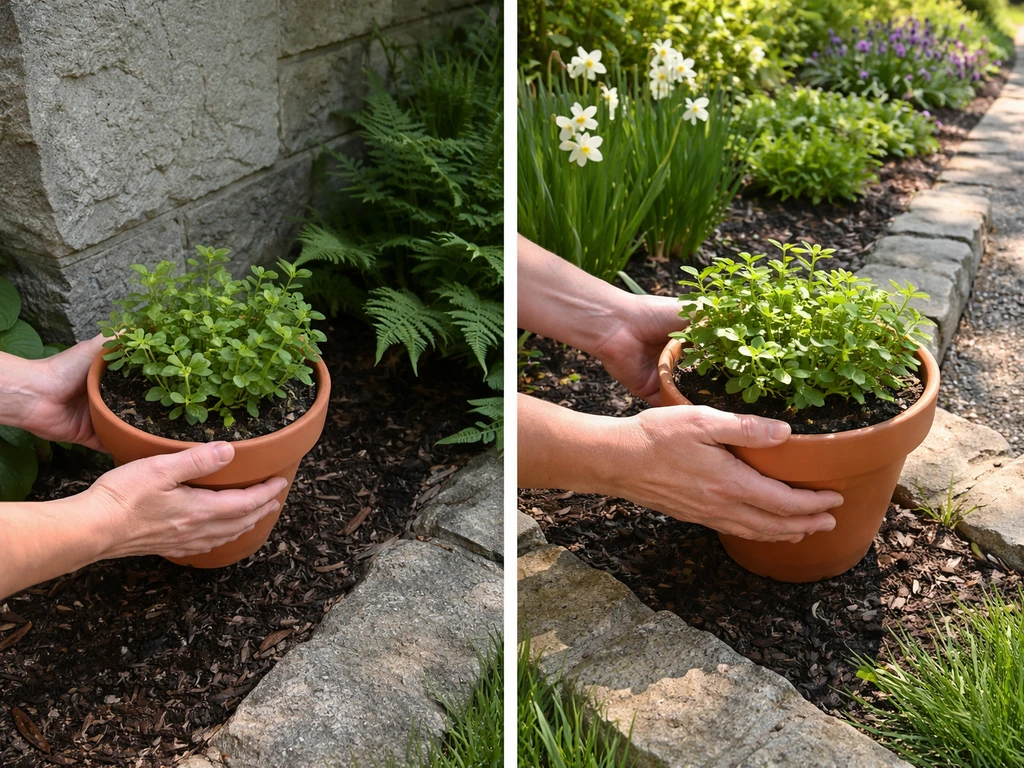
If you've confirmed a plant is in the wrong light conditions, the options are to move it (practical for container plants, feasible for small perennials in early spring or fall), add shade cloth to reduce intensity, or replace it with a species that matches the spot. Trying to nurse a full-sun plant through a shaded location rarely works long-term. Indoors, supplemental grow lights in the 400 to 700 nanometer range (the spectrum plants actually use for photosynthesis) can substitute for natural light when window space is limited.
Watering for healthy roots
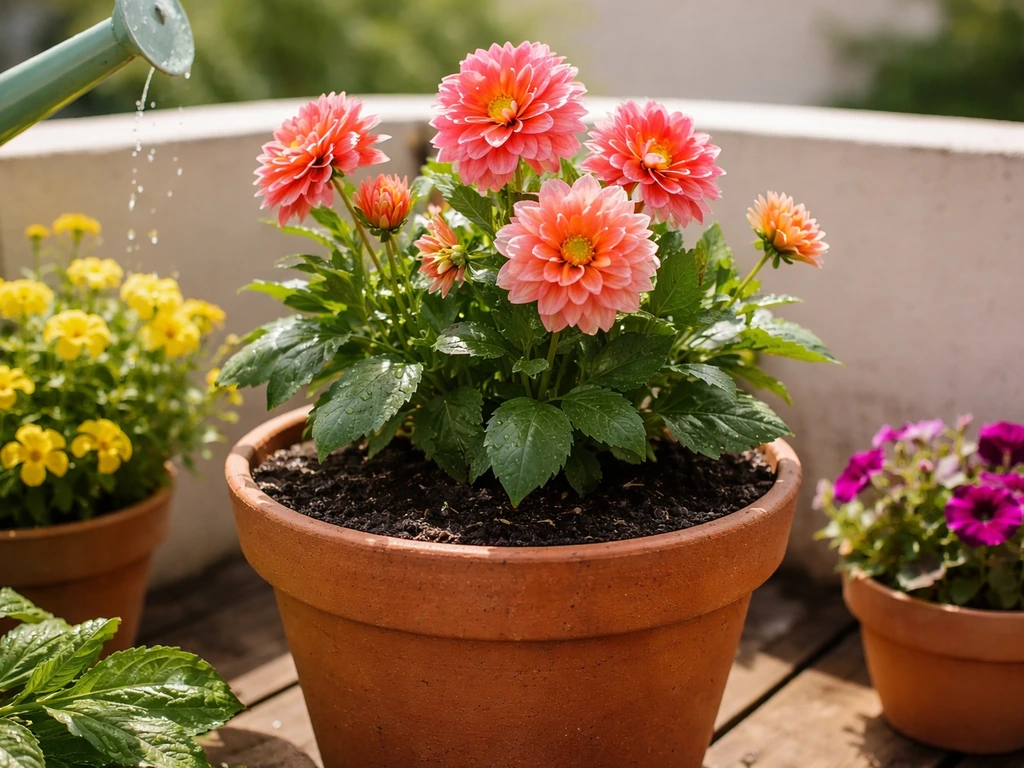
The goal of watering isn't just to wet the surface. It's to move moisture deep enough that roots follow it downward, building a strong, drought-resilient root system. Get those fundamentals right, and you <a data-article-id="45DA2A22-DCE7-4D5E-B512-A143FA4C2F95">will make the flowers grow</a> reliably. UA Cooperative Extension recommends watering roses to a depth of 2 feet throughout the growing season. That depth applies broadly: shallow, frequent watering produces shallow roots that dry out fast and stress the plant during any heat spell.
How often and how much
There's no single correct frequency. It depends on your soil type, container versus ground planting, temperature, and the plant itself. The right approach is to water deeply when the top inch or two of soil dries out, then let the soil partially dry before watering again. This pattern encourages deep rooting and avoids the waterlogged conditions that cause root rot. MU Extension notes that deep watering also helps keep roots cooler and can reduce how often you need to water overall.
Method and timing
Water at the base of plants rather than overhead whenever possible. Wet foliage combined with warm temperatures and fungal pathogens is a recipe for disease. If you use overhead irrigation, morning is the best time, as Iowa State Extension notes, because it gives leaves the maximum number of hours to dry before nightfall. Drip irrigation and soaker hoses eliminate the foliage-wetting problem entirely and are worth the small investment for beds you water regularly.
Drainage is non-negotiable
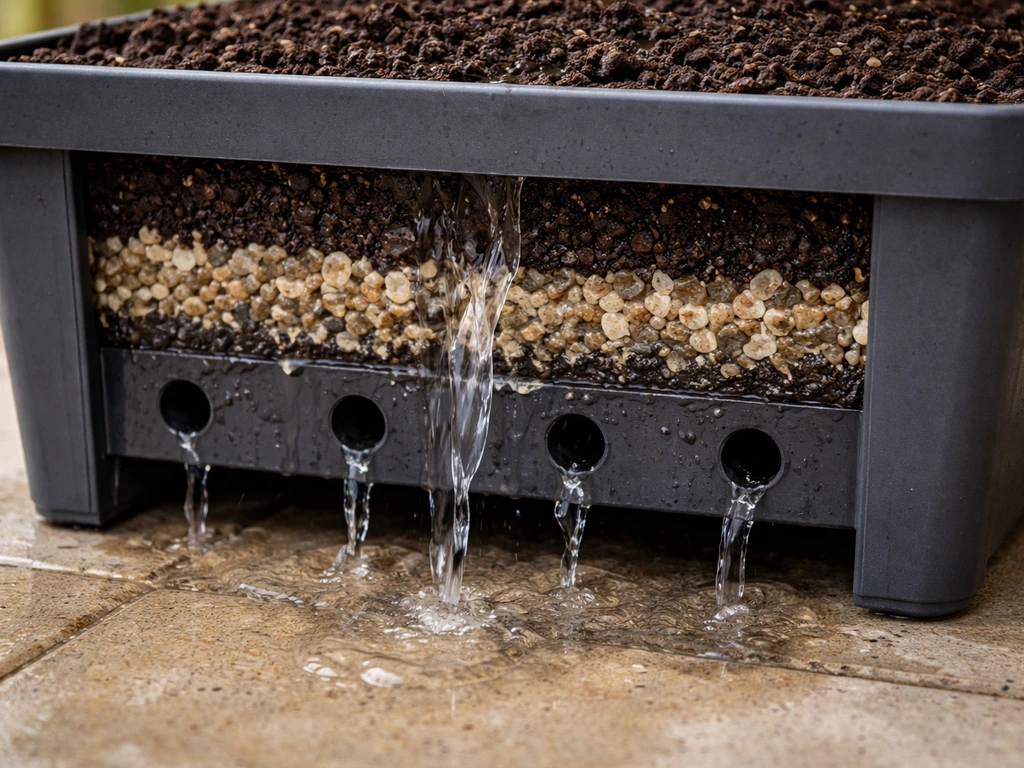
All the correct watering habits in the world won't help if your soil doesn't drain. Roots need oxygen as much as water, and sitting in saturated soil kills them. If water pools in a bed for more than an hour after rain, that's a drainage problem. For containers, make sure there are adequate holes at the bottom and that you're not sitting them in saucers that stay full. For garden beds, improving drainage usually means improving the soil itself.
Soil and nutrients: what to fix and how
Good soil does three things for flowers: it holds enough moisture to supply roots between waterings, it drains quickly enough that roots never suffocate, and it supplies or makes available the nutrients the plant needs. Most garden soils do at least one of these things poorly, and compost is the single amendment that improves all three over time.
Start with a soil test
If your flowers are struggling despite good light and water, a soil test is the most efficient next step. Mississippi State University Extension makes the point plainly: the most important piece of information from a soil test is pH, because it controls how available nutrients are to plant roots. Most flowering plants prefer a pH between 6.0 and 7.0. Outside that range, nutrients can become locked up or even toxic regardless of how much fertilizer you add. Many university extension services offer soil testing for under $20, and it tells you exactly what your soil needs rather than guessing.
Amending with organic matter
Compost is the workhorse of soil improvement. OSU Extension notes that incorporating organic matter improves drainage in compacted soils while also helping sandy soils hold more water. UIUC Extension adds that organic matter creates the structure root systems need to move through soil easily. For clay-heavy beds, CSU Extension recommends working compost into the top 6 to 12 inches to improve aggregation, aeration, and rooting depth. This isn't a one-season fix; repeated annual additions make a cumulative difference. If you want to go deeper on whether compost specifically helps flowers bloom, that's worth its own look.
Fertilizing without overdoing it
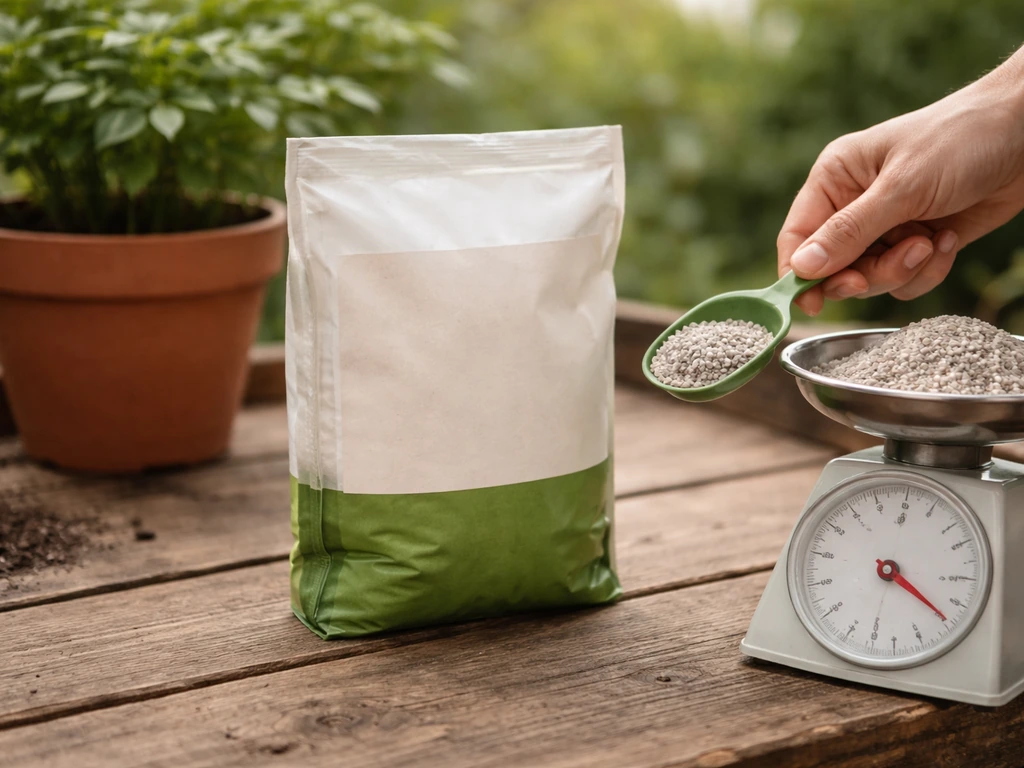
The three numbers on any fertilizer bag represent nitrogen (N), phosphorus (P), and potassium (K). Nitrogen drives leafy, vegetative growth. Phosphorus supports root development and flowering. Potassium, as UMN Extension explains, moves water, nutrients, and carbohydrates through plant tissue, which affects overall plant health and stress tolerance. For most flowering plants, a balanced or slightly lower-nitrogen formula works best once the plant is established. Too much nitrogen produces exactly what you don't want: lots of green leaves and few flowers. If your flowers are lush and leafy but not blooming, back off the nitrogen.
Timing matters too. Feed actively growing plants during their growing season, taper off as they approach dormancy, and don't fertilize stressed or newly transplanted plants until they've settled in. Always water before and after applying granular fertilizer to avoid burning roots.
Environmental conditions: temperature, humidity, airflow, and timing
Even with perfect soil, light, and water, flowers can struggle if the surrounding environment is working against them. Four environmental factors matter most: temperature, humidity, airflow, and planting timing relative to the season.
Temperature stress
OSU Extension sets a useful threshold: above 104°F, many plants will survive but show clear signs of heat stress including wilting, leaf scorch, and slowed or stopped growth. Below their cold tolerance, flowers face frost damage or die back entirely. The practical response during heat waves is to water more deeply, apply 2 to 3 inches of mulch to insulate roots and slow soil moisture loss, and avoid any pruning or fertilizing until temperatures drop. During extended heat, OSU Extension notes that wilting in non-woody annuals and perennials is often just low water pressure from heat, and plants may recover on their own when temperatures drop at night. Persistent wilting even after evening cool-down points to a root problem instead.
Humidity and airflow
High humidity isn't automatically a problem, but high humidity combined with stagnant air is. The American Orchid Society notes that minimal air movement allows leaf surfaces to stay wet longer, which dramatically increases fungal disease risk. Good airflow keeps foliage dry, helps prevent bacterial and fungal problems, and supports the transpiration process that moves nutrients up through the plant. If you're growing flowers indoors or in a greenhouse, a small fan running on low creates enough movement to make a real difference. In garden beds, avoid overcrowding plants so air can move between them freely.
Season timing
Planting at the right time for your climate and species is foundational. Warm-season annuals planted before the last frost date, or cool-season flowers planted into summer heat, start behind from day one and often never fully recover their potential. Check your USDA hardiness zone and local average frost dates, and match your planting window to what the plant actually needs.
Getting more blooms: pruning, deadheading, and growth habits
One of the fastest ways to increase blooming on many flowers is also one of the most overlooked: removing spent flowers before they go to seed. This is called deadheading, and it works because a plant's reproductive drive pushes it toward seed production. Once a flower sets seed, the plant's energy shifts away from making new blooms. Penn State Extension describes deadheading as cutting or pinching spent flowers to redirect that energy. For many perennials with a 2 to 3 week flowering window, consistent deadheading can meaningfully extend the display.
CSU Extension adds that deadheading conserves the plant energy that would otherwise go into seedpod development, which is especially useful for repeat-blooming shrubs and annuals. It's a quick task once a week during the blooming season and pays noticeable dividends.
Pruning at the right time
Pruning at the wrong time is one of the most common reasons flowering shrubs don't bloom. CSU Extension explains the core rule: spring-flowering shrubs bloom on one-year-old wood, so pruning them in fall or winter removes the buds that would have opened the following spring. The practical rule is to prune spring bloomers immediately after they finish flowering, giving them the rest of the season to set next year's buds. Summer and fall bloomers that flower on new wood can be pruned in late winter or early spring without sacrificing flowers.
Hydrangeas are a perfect example of why this matters. UMD Extension notes that bigleaf and mountain hydrangeas flower on old wood and need to be pruned just after they finish flowering, while other types bloom on new wood and can be cut back in late winter. Pruning a bigleaf hydrangea in fall because it looks tired is the reason many people never see blooms from it.
Troubleshooting common flower problems by symptom
| Symptom | Most likely cause | First fix to try |
|---|---|---|
| Overall yellowing of leaves | Overwatering, nitrogen deficiency, or high/low pH | Check soil moisture first, then test pH |
| Yellow between veins, green veins stay (interveinal chlorosis) | Iron, zinc, or manganese deficiency often tied to pH | Test soil pH and adjust toward 6.0–7.0 |
| Wilting despite moist soil | Root rot from poor drainage or chronic overwatering | Check roots for brown mush; improve drainage |
| Wilting during heat, recovery at night | Heat/drought stress, temporary water pressure drop | Deep water, mulch, and wait for cooler temps |
| Leggy stems, stretched growth, few blooms | Insufficient light, excess nitrogen, or too-warm temperatures | Move to brighter location or reduce nitrogen feeding |
| No blooms, healthy foliage | Wrong pruning time, too much nitrogen, or under 4 hours of sun | Review pruning timing and reduce nitrogen |
| Brown or scorched leaf edges | Drought stress, heat, or shade plant in full sun | Check watering depth and plant's sun requirements |
| Spots, mold, sticky residue, distorted growth | Fungal disease or pest infestation (aphids, thrips, fungus gnats) | Scout with yellow sticky traps; check leaf undersides; improve airflow |
For pest identification, UC IPM recommends using yellow sticky traps to monitor and capture common adult pests including fungus gnats, thrips, whiteflies, and aphids before committing to a spray program. Scouting first means you treat the actual pest rather than guessing. If you do need to treat, horticultural oils are a low-toxicity option. UNR Extension notes they are practically non-toxic to birds, mammals, and bees when applied during late evening or early morning when bees are inactive.
Myths vs. reality: what actually moves the needle
Talking to your plants, playing them classical music, or sending them good vibes are all popular ideas that come up a lot in gardening conversations. Here's an honest look at what the evidence actually says.
Talking to plants and playing music
There is legitimate research showing that sound vibrations can affect plant physiology and gene expression under controlled experimental conditions. Some studies have documented species-dependent responses to acoustic stimuli that may influence growth and root interactions. But here's the key distinction: the effects observed are from sound as a physical vibration at specific frequencies, not from the human relationship or emotional content of the interaction. K-State Extension directly addresses the talking-to-plants claim as a garden myth, and The Washington Post has noted the same uncertainty about whether human speech produces different outcomes than other sounds. Even in studies that show some response, the effect size is small compared to the impact of correct light, water, and nutrients. Honey is also not a proven ingredient for helping plants grow, so it should not replace the basics like light, water, nutrients, and good drainage. Spending time with your plants is valuable because attentive gardeners notice problems early, not because the conversation itself changes plant biology in any meaningful practical way.
What actually works
The factors that reliably and significantly improve flower growth are the ones covered in this guide: appropriate light for the species, deep and correctly timed watering, well-drained soil near the right pH, balanced nutrition without excess nitrogen, and environmental conditions that don't push the plant past its stress thresholds. <a data-article-id="A50D21EE-1A18-4308-BAAC-F57C7F6D05A6">Pollinators like bees</a> and butterflies also play a real role in the reproductive success of many flowering plants, which is a different dimension of flower health worth understanding separately. If you want a related comparison for fruit, see how do bees help fruit grow, since pollinators like bees contribute to reproductive success in many flowering plants. Pollinators like butterflies can also support flower reproduction, which is one adjacent reason for studying how do butterflies help plants grow when your plants seem healthy but still struggle to bloom. <a data-article-id="D3934AD9-EBE9-40AC-8584-7748B0EF4F95">Bees</a> can also help vegetable crops set fruit and produce better yields because they pollinate many flowering plants as they forage. Every hour you spend optimizing those core inputs will produce more visible results than any amount of plant-directed conversation.
Your next steps right now
If your flowers are struggling today, start with the checklist at the top of this article to narrow down the category of problem. Then work through light and watering before chasing soil amendments or pest treatments, since those are responsible for the vast majority of flower problems. Get a soil test if the basics are already dialed in and growth is still poor. Deadhead any spent blooms now to encourage the next flush. And if you're planning to prune flowering shrubs, confirm whether they bloom on old or new wood before making any cuts. Most flower problems have a fixable cause, and finding the right one is almost always faster than you'd expect.
FAQ
How long after fixing light and watering should I expect to see improvement?
If the plant was underfed by light or stressed by shallow watering, you often see new, healthier growth within 1 to 3 weeks. If buds are already set, blooming may shift by weeks instead of days. If there is no visible improvement after 3 to 4 weeks, revisit the checklist for a hidden issue like root rot (slow drainage) or incorrect pruning timing (old vs new wood).
What helps flowers grow in containers, since potting mixes dry out faster?
Container flowers do best with deep, infrequent watering that fully saturates the root ball, then a partial dry-down. Use a mix that drains quickly and check that the pot has drainage holes, plus avoid letting the pot sit in a saucer. Also, container plants can overheat faster, so add 2 to 3 inches of mulch around the pot base (or use an insulating pot wrap in extreme heat).
My flowers look healthy but they are not blooming. What should I check first?
First check light, since fertilizer cannot compensate for insufficient hours of direct or appropriately strong light. Next, review nitrogen level, if foliage is lush and green but blooms are absent, you may be overdoing nitrogen. Finally, verify pruning timing for flowering shrubs, pruning spring bloomers too late removes the buds that would have opened next season.
Is more fertilizer always better for helping flowers grow?
No. Excess fertilizer, especially nitrogen, can drive leafy growth while reducing blooms and can burn roots if applied dry. A practical rule is to feed only during active growth, water the soil before applying granular fertilizer, then water again afterward. If you are unsure what to add, a soil test is usually more efficient than trial and error.
Can I water every day if I do not see wilting?
Daily watering often keeps roots shallow, increases root stress during heat spells, and raises the risk of waterlogged conditions in poorly draining soil. Instead, water deeply when the top inch or two dries, then let the soil partially dry before watering again. If you want a quick check, use a finger or a moisture meter to confirm the depth of wetness, not just surface dampness.
What helps flowers grow when the leaves are turning yellow?
Yellowing can come from several causes, but two common ones are incorrect light and root-zone issues. If the yellowing is widespread and older leaves drop first, it can indicate nutrient availability problems or poor drainage. If leaves are pale and plants are leggy, light is likely the limiter. Before fertilizing, inspect drainage and consider a soil test to check pH.
How do I know if I have a drainage problem, not a watering problem?
Watch what happens after rain or watering. If water pools in the bed for more than about an hour, roots can suffocate even if you are watering correctly. For containers, confirm the mix actually drains by checking how quickly excess water runs from the bottom and whether the pot sits in a filled saucer. Once drainage is poor, switching fertilizer or increasing frequency usually makes symptoms worse.
Should I deadhead every flower, or only certain types?
In general, removing spent blooms helps many repeat-blooming annuals and perennials redirect energy away from seed production. However, some plants benefit from allowing seedheads, especially if you want ornamental texture or wildlife food. A practical approach is to deadhead what you want to keep blooming, then stop deadheading when you intentionally want seed set.
What helps flowers grow in very hot weather, beyond just watering more?
During heat waves above roughly 104°F, focus on deep watering to maintain root moisture, add 2 to 3 inches of mulch to reduce evaporation, and avoid pruning or fertilizing until temperatures drop. Also, distinguish temporary wilting from persistent wilting, if plants recover overnight, it may be low water pressure rather than permanent root failure.
How can I prevent fungal problems when watering?
Water at the base rather than overhead when you can, and if overhead watering is necessary, do it in the morning so foliage dries before night. Provide airflow by avoiding overcrowding, and if growing indoors or in a greenhouse, use a small fan on low to keep leaves from staying wet longer.
Does talking to plants or playing music help them grow?
There is no practical evidence that human speech or specific music helps more than controlling light, watering, soil, and drainage. If you enjoy spending time with your plants, that can help you notice issues early, but the growth improvements typically come from fixing environmental needs, not from the sound itself.
What is the best next step if my soil feels fine but flowers still struggle?
Run a soil test, especially to confirm pH, since pH controls whether nutrients are actually available to roots. If pH is out of the preferred range (many flowering plants do best around 6.0 to 7.0), fertilizer may not work as expected. If pH and nutrients look fine, then reassess light and drainage before making more nutrient changes.
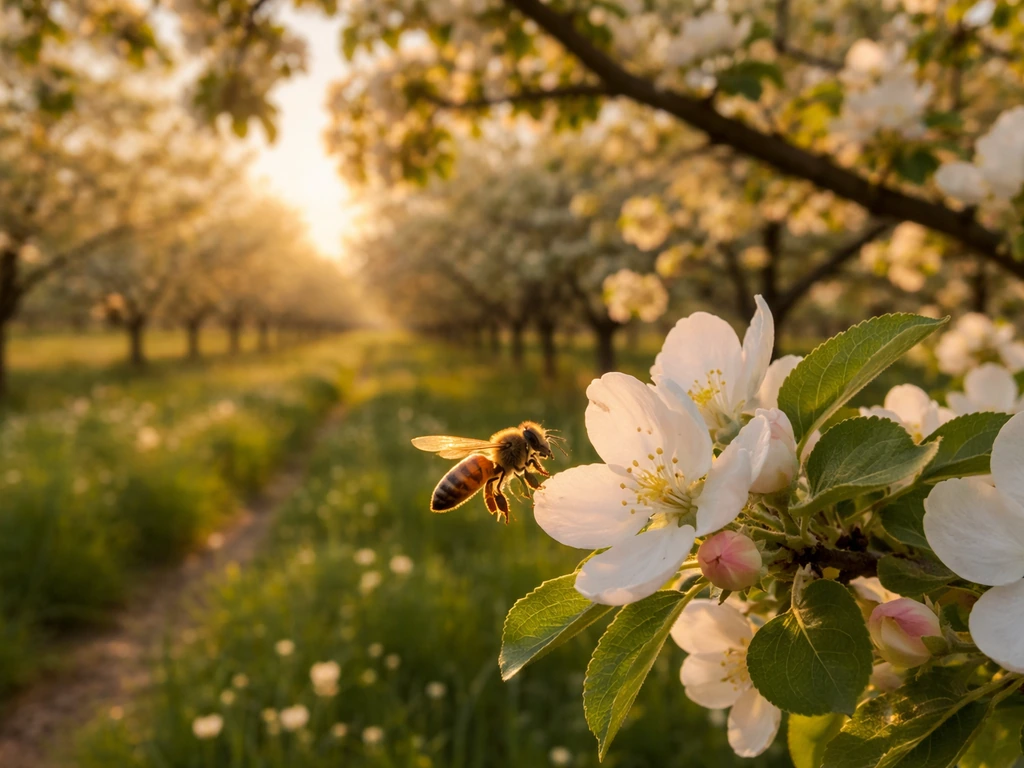
Learn how bees pollinate flowers and crops, boosting fruit set, yields, and plant survival, plus how to support them.
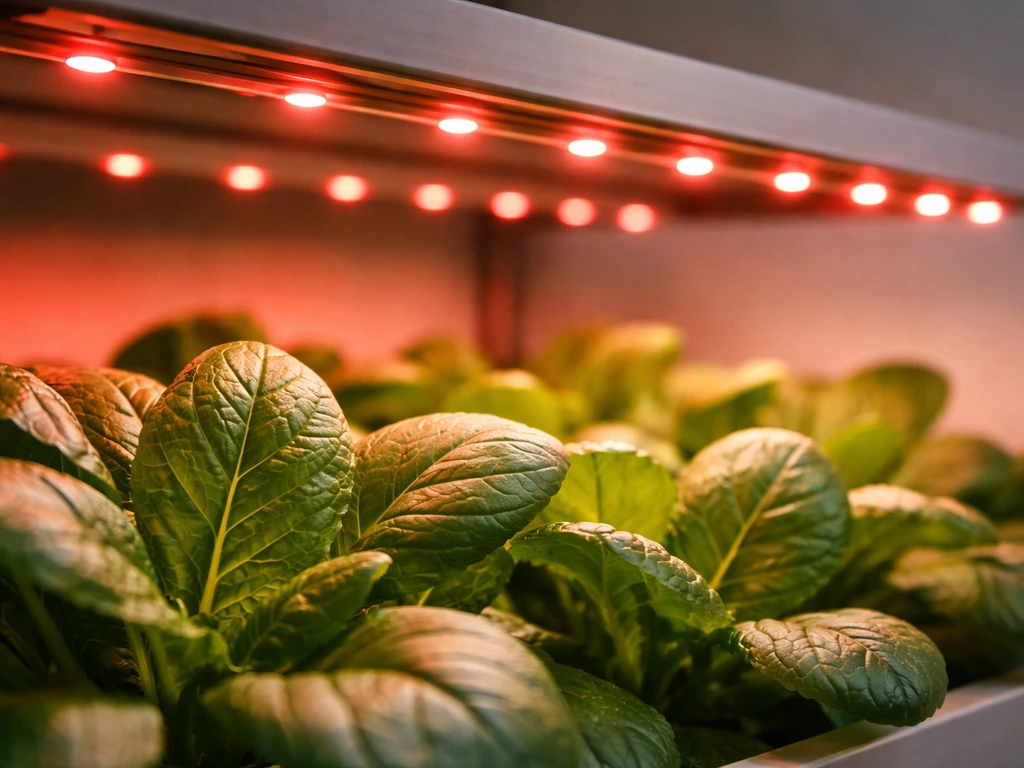
Learn if red LED light helps plants grow, why it works, and how to set wavelength, distance, and schedule.
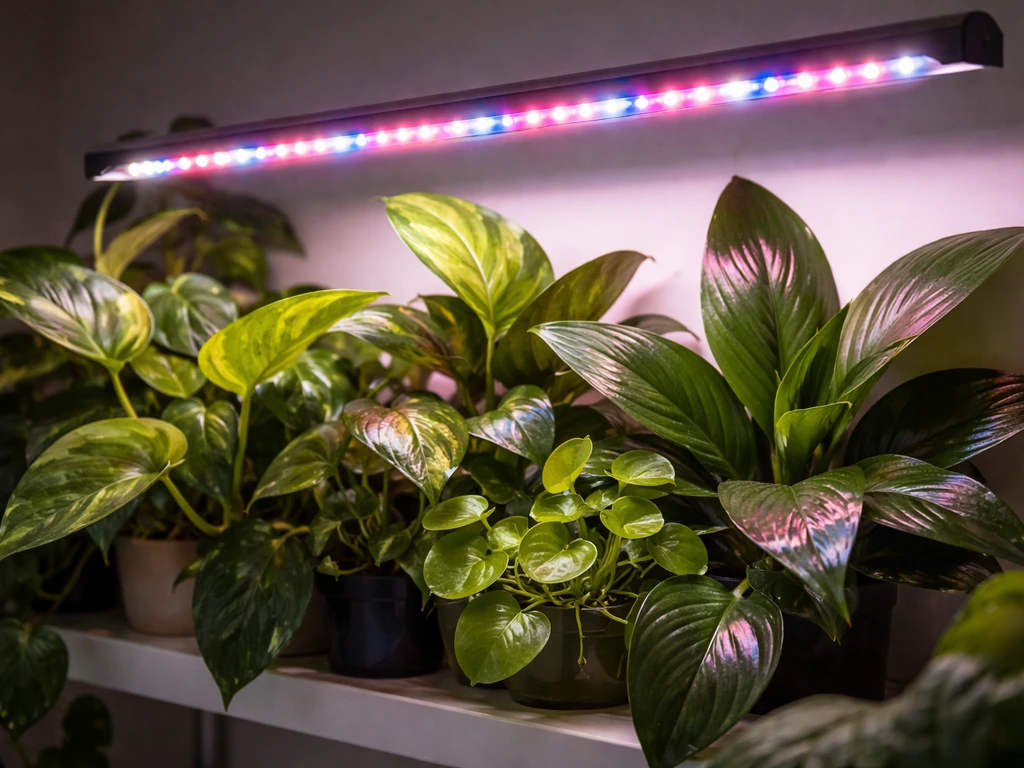
Learn which light colors boost plant growth fastest using LEDs, plus science on red, blue, far-red and setup tips.