Caffeine does not reliably help plants grow. At the concentrations found in brewed coffee, tea, or diluted grounds, caffeine is more likely to slow germination, interfere with root cell division, and disrupt stomatal function than it is to give your plants any kind of boost. The research is pretty consistent on this: caffeine is an allelochemical, meaning plants actually evolved it as a defense compound to suppress competing plant growth. Hoping it will accelerate your tomatoes is a bit like spraying a weed killer and expecting a growth spurt.
Does Caffeine Help Plants Grow Faster? Myth vs Reality
Marcus Holloway
29 Apr 2026
What caffeine actually does to plants

Caffeine is not a nutrient. It's a bioactive alkaloid, and plants treat it as such. When it enters plant tissue, it interferes with cell division by disrupting the cell-plate formation process during mitosis, which is exactly what roots need to elongate and grow new cells. Studies on wheat found that germination and seedling growth were measurably retarded once caffeine exceeded 30 ppm in the growing medium, with root-cell mitosis declining as concentrations climbed. At 100 ppm, key enzymes involved in metabolism (peroxidase and malate dehydrogenase isozymes) were essentially absent.
On top of the root effects, caffeine disrupts how plants manage their stomata, the tiny pores on leaves that regulate gas exchange. Specifically, it inhibits the blue-light-dependent proton pumping that guard cells use to open stomata. Closed or poorly regulated stomata mean less CO2 coming in for photosynthesis and impaired water management. A tobacco study measuring photosynthetic rate, stomatal conductance, and transpiration after exogenous caffeine application found exactly this kind of physiological disruption, not enhancement.
There's also an autotoxicity angle that's genuinely fascinating. Coffee plants themselves produce caffeine in their seeds at concentrations of 40 to 60 mM, and the plant has to compartmentalize that caffeine carefully to prevent it from poisoning its own seedlings during germination. At 10 mM, experimentally applied caffeine was enough to inhibit coffee seedling rootlet growth. At 10 mM, caffeine inhibited coffee seedling rootlet growth and also affected cell division and cell-plate formation during mitosis At 10 mM, experimentally applied caffeine was enough to inhibit coffee seedling rootlet growth.. The plant essentially packages its own caffeine away from developing tissue as a survival strategy. That context alone should signal that caffeine is not something plants want more of.
Does caffeine make plants grow faster? What the evidence actually says
The honest answer is no, not at any practical, safe-to-use concentration. The claim that caffeine accelerates plant growth tends to come from a few places: the observation that coffee and tea are organic materials that can add something to soil, the idea that if caffeine stimulates humans it must stimulate plants, and occasional tissue-culture studies that show interesting cellular activity at very low doses. That last one is worth unpacking.
In controlled tissue culture experiments, caffeine at extremely low concentrations (as low as 0.0125 mg/L) has been observed to induce callus formation and organogenesis in ornamental plant tissue. But here's the catch: those effects become phytotoxic at concentrations of 1.0 mg/L or higher in the same controlled lab setting. Brewed coffee sits around 500 to 1,000 mg/L of caffeine. Even a very diluted cup of coffee is orders of magnitude above the narrow window where any tissue-culture effect was observed, and soil application is a completely different environment from a sterile culture flask anyway.
Tea extracts and pure caffeine have both been shown to produce phytotoxic effects on germination and early seedling growth in dose-dependent studies. Vietnamese green tea extract at 100 mg/mL specifically was found to negatively affect seed germination, with caffeine identified as the primary allelochemical responsible. Weed science research confirms caffeine's place among known allelopathic chemicals that inhibit shoot growth. This is not a marginal or contested finding; it's a consistent pattern across multiple plant species and research groups.
How to apply caffeine safely if you really want to experiment
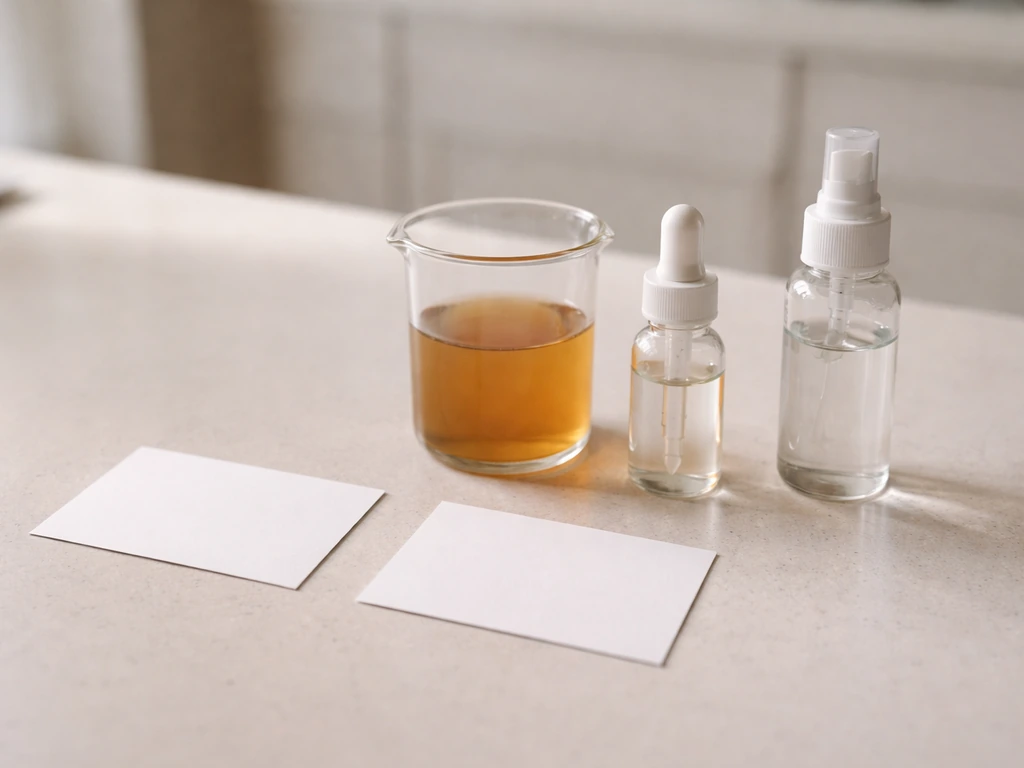
If you're curious and want to test this yourself, that's completely fair. Just go in with a realistic framework rather than hoping for magic. The most important thing is to keep concentrations extremely low and to always run a side-by-side control (the same plant, same pot size, same soil, same light, same watering schedule, but no caffeine). Without a control, any change you see is meaningless because you won't know if it was the caffeine or just natural variation.
- Start with heavily diluted cold-brew or brewed coffee at a ratio of at least 1 part coffee to 10 parts water, or even more diluted. You're aiming for caffeine concentrations well below 30 ppm.
- Apply it to soil rather than as a foliar spray. Foliar caffeine application can interact directly with stomata and leaf tissue in unpredictable ways.
- Try seed soaking as a controlled test: soak seeds in a very dilute caffeine solution (think a few drops of cold brew in a cup of water) versus plain water, then compare germination rate and radicle length after 48 to 72 hours.
- Limit application frequency. Once a week at most, if at all. Caffeine can accumulate in soil and the microbiome does affect caffeine breakdown, with root-associated microbes playing a role in how caffeine is metabolized in the root zone.
- Monitor leaf color, new growth rate, and root development if you can. Stop the experiment if you see yellowing, stunted new leaves, or slowed growth compared to your control.
One more thing worth knowing: if you're using actual coffee grounds rather than pure caffeine or brewed coffee, the story gets even more complicated. If you are specifically wondering whether do coffee grounds help plants grow, the evidence points to risks like slowing germination and harming soil microbes unless they are composted or heavily diluted. Spent coffee grounds contain not just caffeine but polyphenols and tannins, all of which can harm plants and soil microorganisms when applied fresh. University extension programs have been pretty clear that composting or heavily diluting grounds before soil application is essential to reduce those toxic compounds. Washington State University Extension notes that blank" rel="noopener noreferrer">coffee grounds decompose outdoors over months and that bacteria and fungi break down their chemical components, including nitrogen-rich compounds that can release plant-available nitrogen. The caffeine and related compounds are a real concern, not just a theoretical one.
The risks, limits, and ways caffeine can backfire
The dose-response issue is the central problem. There is a narrow window in tissue culture where very low caffeine shows interesting cellular effects, but that window closes fast and the toxic threshold comes well before any concentration you could practically apply in a garden. In real soil, you're not working in a sterile flask, you can't control uptake precisely, and you're also affecting the microbial community that your plant depends on for nutrient cycling and root health.
The soil microbiome angle is genuinely worth thinking about. Extension guidance from SDSU and Missouri specifically flags that caffeine, along with other compounds in coffee grounds, can negatively affect soil microorganisms. Some research suggests rhizosphere microbiomes may be relatively resilient to caffeine, but other work shows that caffeine mineralization in the root zone is itself a microbial process. Disrupting those microbes means disrupting the very community that breaks down organic matter and makes nutrients available to your plant.
Soil pH is another variable that rarely gets mentioned in the social media caffeine-for-plants conversation. Coffee-based inputs tend to be acidic, and if your soil is already on the low end or you're growing plants that prefer neutral to alkaline conditions, adding acid-forming inputs will create nutrient lockout problems entirely separate from the caffeine itself. Extension messaging has been clear that ignoring soil conditions when adding coffee-based materials can make outcomes worse, not better.
| Risk Factor | What Happens | Threshold to Watch |
|---|---|---|
| Root cell division inhibition | Slowed root elongation and fewer root cells | Above 30 ppm in growing medium |
| Stomatal disruption | Reduced CO2 uptake and impaired water regulation | Any meaningful exogenous dose |
| Phytotoxic effects on germination | Reduced germination rate and radicle length | Dose-dependent, starts low |
| Soil microbiome disruption | Impaired nutrient cycling in the root zone | High frequency or fresh grounds |
| Soil acidification | Nutrient lockout in pH-sensitive crops | Cumulative with repeated application |
What actually makes plants grow better
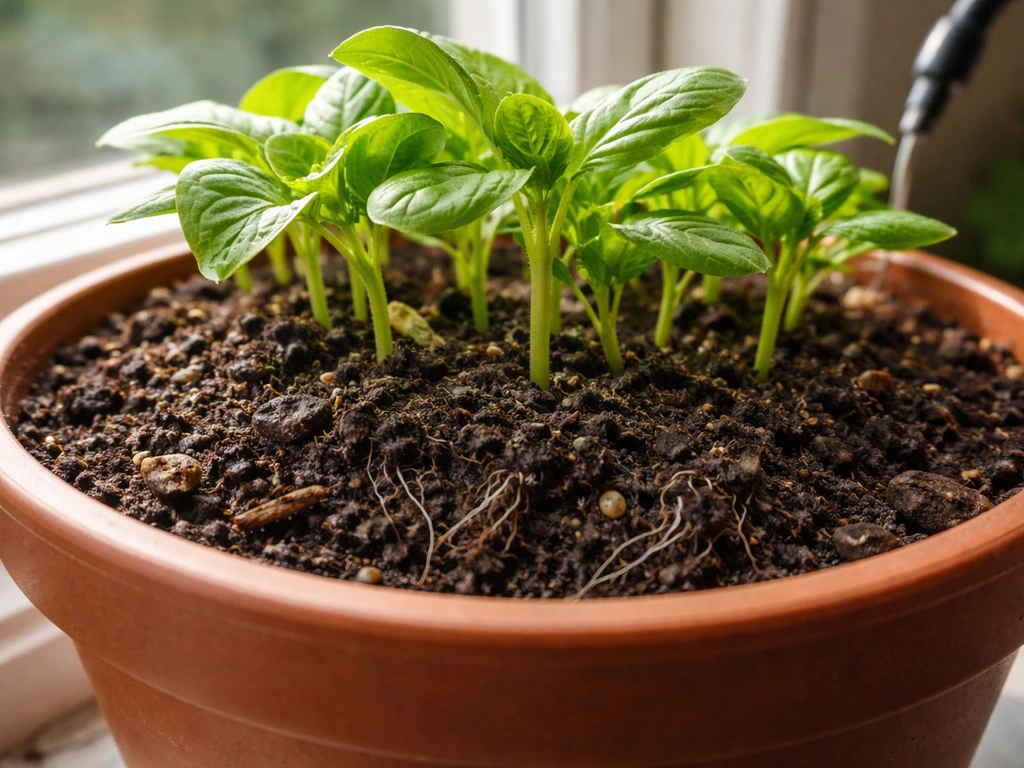
If you've been spending energy on caffeine experiments, redirecting that same attention to the proven levers will produce results you can actually see. Light is the single biggest factor most indoor and container gardeners underestimate. Plants need not just brightness but the right spectrum: blue light drives vegetative growth and red light drives flowering. Most windowsills deliver far less than the 2,000 to 6,000 lux that most food crops need for healthy photosynthesis.
Soil health is the second big one. A biologically active soil with good structure, adequate organic matter, and a healthy microbial community will outperform any additive you could pour on top of inert or compacted soil. Compost is the most evidence-backed soil amendment you can use, and it does what caffeine proponents wish caffeine would do: it improves nutrient availability, water retention, microbial diversity, and root penetration all at once.
Watering consistency matters more than most people realize too. Inconsistent moisture causes stress responses that divert plant energy away from growth. The goal is consistent moisture in the root zone, not wet-dry cycles. And when it comes to nutrients, nitrogen drives vegetative growth, phosphorus supports root development and flowering, and potassium builds overall plant resilience. A balanced, slow-release fertilizer matched to your plant's growth stage will always outperform any speculative additive.
- Light: match intensity and spectrum to your plant's actual needs, not just window proximity
- Soil structure and biology: compost improves everything from drainage to nutrient cycling
- Consistent watering: root zone moisture stability reduces stress and keeps growth steady
- Targeted nutrition: use a fertilizer matched to growth stage (vegetative vs. flowering)
- Root health: avoid compacted soil, overwatering, and anything that disrupts beneficial mycorrhizal fungi
The caffeine question is a good one to ask because it reflects real curiosity about plant biology. And if you're drawn to the idea of using coffee or tea in your garden, there are adjacent topics worth exploring, like whether coffee grounds help specific crops or whether tea-based inputs have a role in certain soil types. Some people also wonder whether can tea grounds help a plant grow, but the evidence still points to caffeine being more likely to hinder germination and early growth than to boost it. If you're wondering about tea specifically, the evidence also points to tea inputs being more likely to inhibit germination and early growth than to help plants grow does tea help plants grow. If you are wondering does coffee help plants grow, the evidence points the other way, since caffeine can interfere with key growth processes whether coffee grounds help specific crops. But for the core question of whether caffeine makes plants grow faster and healthier, the honest answer based on the evidence is that it doesn't, and at realistic doses it's more likely to cause problems than solve them. If you’re specifically asking does coffee help flowers grow, the evidence points in the same direction: caffeine is more likely to hinder germination and early growth than boost blooms.
FAQ
Can I use a tiny amount of coffee or caffeine to avoid harming my plants?
Even small garden doses are hard to control, because caffeine concentration varies widely between products and brewing strength. The safest assumption is that brewed coffee and tea are above the narrow low-dose range where lab effects sometimes appear, so they are more likely to slow germination or disturb stomata than to help. If you test anyway, apply only a very small amount, keep soil moisture steady, and include untreated controls.
Does caffeine help plants after they are already established (not seedlings)?
Most of the strongest concern is during germination and early root growth, but established plants can still experience reduced stomatal regulation, which affects photosynthesis and transpiration. If you want to experiment, monitor leaf wilting, slowed new growth, and signs of nutrient deficiency, because those can result from impaired gas exchange and water management rather than lack of fertilizer.
What about hydroponics, where I can measure caffeine concentration more precisely?
More precise dosing still does not eliminate the dose-response problem. In hydroponics you remove microbial buffering and uptake variability, so caffeine can reach bioactive levels in the root zone quickly. Use extreme caution, start with very low concentrations if you insist on testing, and run frequent water and plant health checks compared with a no-caffeine reservoir.
Will caffeine in soil disappear on its own over time?
Caffeine can be broken down in soil, but the timing depends on temperature, moisture, and microbial activity. During that window it can still affect germinating seeds and the rhizosphere community. If your goal is plant health, relying on breakdown time is riskier than using compost and balanced nutrients.
Does caffeine affect all plants equally?
No, sensitivity varies by species, seed type, and growth stage. Some plants may show less obvious damage, but that does not mean the physiological disruptions are absent, especially with stomatal regulation and root cell division. Treat any positive-looking result as potentially short-lived or attributable to other changes in soil organic matter from coffee or tea.
Is compost tea or composted coffee grounds safer than fresh coffee grounds?
Composting reduces some toxic compounds, but it does not guarantee caffeine drops to a harmless level for every batch or method. Composted grounds are generally safer than fresh additions, yet you still should avoid heavy application and consider using fully finished compost rather than adding coffee-derived materials directly.
Could the “coffee grounds help my plants” effect be explained by pH or added organic matter?
Yes. Coffee and tea add organic compounds, and they can also shift soil chemistry, mainly acidity. Improved results people attribute to caffeine are often due to changes in nutrient availability, mulch behavior, or microbial activity from the added organic fraction, not from caffeine improving growth.
How do I design a test so I can tell whether caffeine is the cause?
Use matched pots, identical soil, identical light and watering schedule, and split into at least three groups: no additive control, the caffeine source at your chosen dose, and a “vehicle” control if you are dissolving anything. Measure germination rate and root development early, then track photosynthesis-related signs like leaf turgor and growth rate. Without these controls, natural variation is easy to misread as a caffeine benefit.
Does caffeine act like a fertilizer or growth hormone?
No, caffeine is not a nutrient and it is not comparable to hormones that directly regulate growth pathways at beneficial concentrations. If anything, it functions as a bioactive defense compound at realistic doses, which is why it tends to interfere with processes like mitosis and stomatal opening rather than stimulate growth.
If I want the benefits people claim, what should I use instead of caffeine?
For most gardeners, the best replacements are compost (to improve structure, water retention, and microbial diversity) and stage-appropriate feeding (balanced slow-release fertilizer, plus proper light levels). If seedlings are the goal, focus on seed-starting mix quality, temperature, and consistent moisture, because caffeine is unlikely to outperform these fundamentals.
Next Articles
Do Coffee Grounds Help Plants Grow? Benefits and How to Use
Do coffee grounds help plants grow? Learn real benefits, limits, and how to use used grounds safely in garden soil.
Does Coffee Help Plants Grow Yes No and How to Use It Safely
Does coffee help plants grow? Yes or no, which types to use safely, and how to avoid caffeine, acid, and nutrient issues
How Do Microorganisms Help Plants Grow: Practical Guide
Learn how microbes in the rhizosphere fix nitrogen, boost phosphorus, aid roots, suppress disease, and how to grow them.