Yes, coffee grounds can help plants grow, but only under the right conditions and with the right application method. They are not a magic fertilizer you can dump on any plant and expect results. Used correctly, composted coffee grounds improve soil organic matter, feed soil microbes, and slowly release nitrogen and micronutrients. Used incorrectly, they can compact into a water-blocking crust, temporarily starve plants of nitrogen, suppress seed germination, or even raise soil pH on plants you were hoping to acidify. The short version: compost them first, apply thin layers, and test your soil before you start.
Do Coffee Grounds Help Plants Grow? Benefits and How to Use

Marcus Holloway
18 Apr 2026
Why people think coffee grounds are a garden miracle
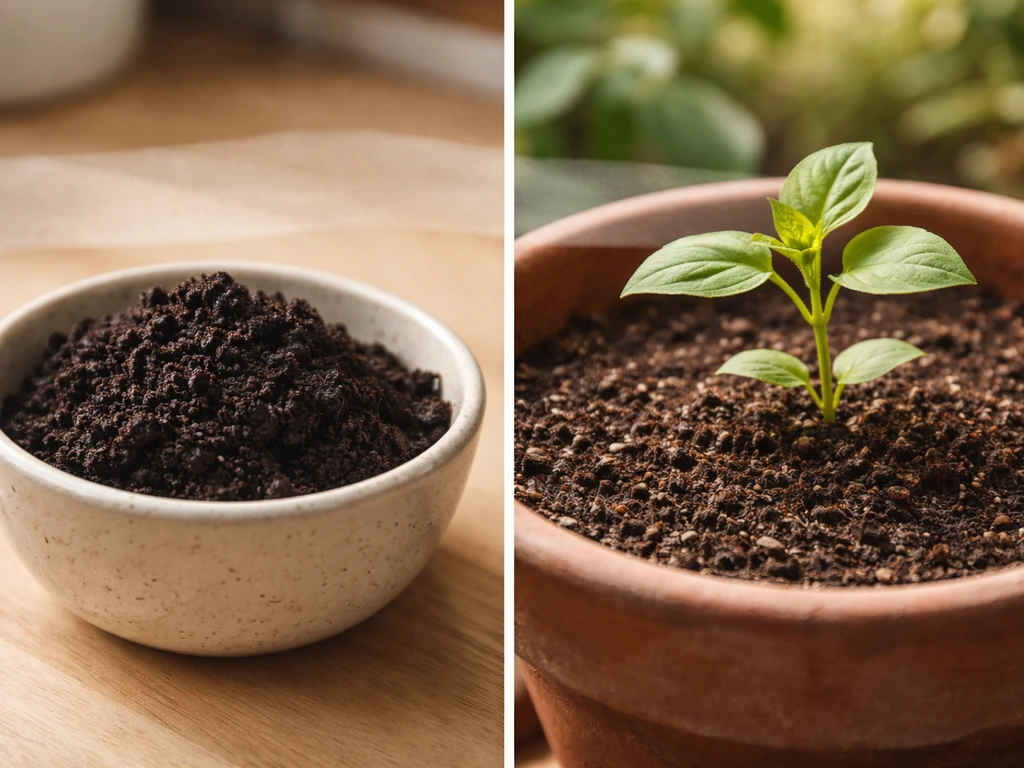
The belief that coffee grounds supercharge plant growth comes from a few real but often misunderstood properties. Coffee grounds do contain nitrogen, which plants need for leafy growth. They do add organic matter to soil. And for a long time, gardeners assumed they were acidic enough to lower soil pH, making them a go-to recommendation for acid-loving plants like blueberries and azaleas. That last part turns out to be largely a myth.
Here is what actually happens chemically: brewed coffee in your cup is moderately acidic, around pH 4.7 to 5.3. But after you brew it, the spent grounds left behind are a different story. According to University of Nebraska Extension, used coffee grounds are actually close to pH neutral, around 6.5 to 6.8. University of Missouri Extension pushes that range even higher, noting spent grounds can be slightly basic, in the pH 7 to 8 range, and that pH tends to increase further as the grounds age. Research compiled by University of Arizona Extension puts the possible pH range during decomposition anywhere from 4.6 to 8.4. That is a wide spread, and it means you genuinely cannot predict whether any given batch of used grounds will acidify or alkalinize your soil.
The nitrogen story is more promising but still conditional. Coffee grounds have a carbon-to-nitrogen ratio as low as 11:1 according to University of Arizona Extension, and University of Missouri Extension cites a C:N ratio of around 24:1, both of which are reasonably favorable for composting and eventual nutrient release. The catch is that nitrogen locked inside coffee grounds is not immediately available to plants. Soil microbes have to break the grounds down first, and while those microbes are doing their work, they actually consume available soil nitrogen in the process. That temporary nitrogen draw-down is a real risk if you apply fresh grounds directly to soil during the growing season.
What coffee grounds actually do (and what they can't)
Let me break this down honestly, because there are genuine benefits here alongside some real limitations that most gardening blogs skip over.
| What Coffee Grounds Can Do | What Coffee Grounds Can't Reliably Do |
|---|---|
| Increase soil organic matter as they decompose | Reliably lower soil pH (spent grounds are near neutral or basic) |
| Slowly release nitrogen and micronutrients via microbial breakdown | Act as a complete or fast-release fertilizer |
| Improve soil structure and aggregation over time | Replace a proper compost or balanced soil amendment |
| Support earthworms and beneficial microbes | Guarantee growth benefits across all plant types |
| Possibly suppress some fungal rot and wilt diseases (limited evidence) | Prevent nitrogen deficiency if applied uncomposted near planting time |
| Contribute a favorable C:N ratio to compost piles | Help acid-loving plants if your soil pH is already high |
One thing that often surprises people: University of Missouri Extension explicitly warns that spent coffee grounds may release compounds that affect nearby plants. Combined with the germination-suppression data from University of Nebraska Extension (which found that uncomposted grounds inhibited lettuce germination in some research trials), this is a meaningful signal that fresh, uncomposted grounds applied directly to soil carry real risk, not just theoretical downside. A 2016 study published in ScienceDirect was even more direct, concluding that fresh spent coffee grounds should not be used as a soil amendment in urban food production systems without accounting for potential growth suppression. This ScienceDirect study reports that applying spent coffee grounds directly to urban agriculture soils can greatly reduce plant growth, consistent with the need to manage chemical factors and soil responses A 2016 study published in ScienceDirect was even more direct, concluding that fresh spent coffee grounds should not be used as a soil amendment in urban food production systems without accounting for potential growth suppression..
If you are curious about the broader question of whether liquid coffee itself helps plants grow, the answer involves some of the same chemistry but with different practical implications since you are dealing with a diluted, acidic solution rather than the solid organic matter in spent grounds.
How to actually use coffee grounds in your garden
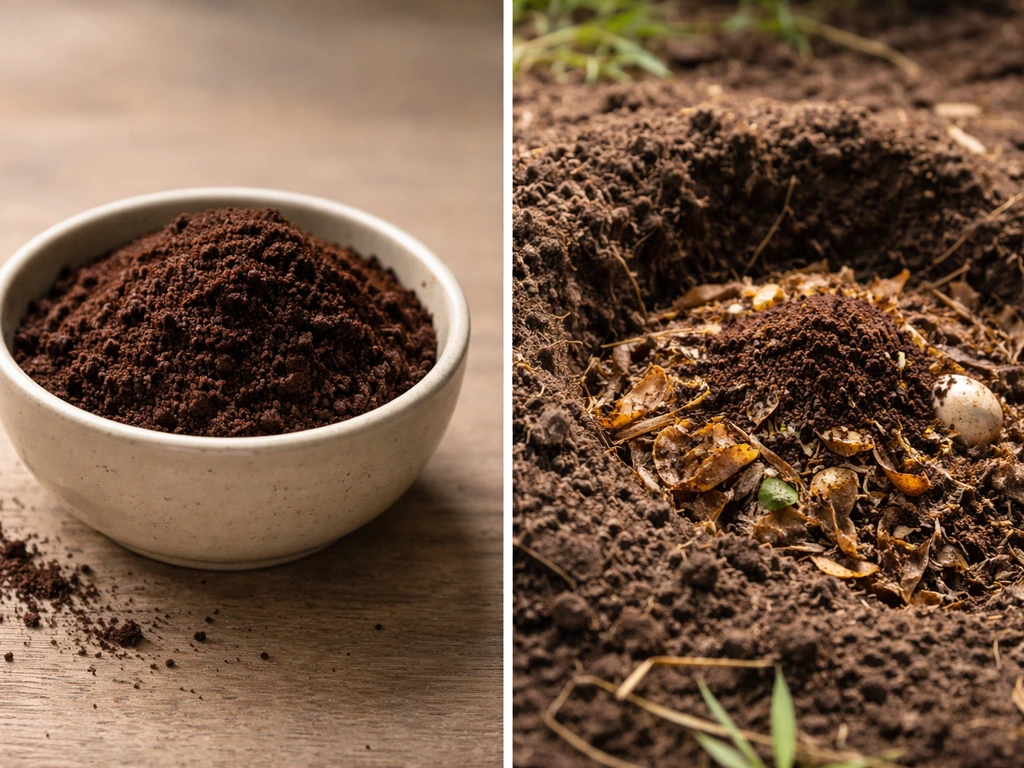
There are three main ways to incorporate coffee grounds: composting, mulching, and direct soil incorporation. Of these, composting is by far the most reliable method. The other two work, but with more caveats.
Composting (the best option)
Composting neutralizes most of the risks associated with fresh coffee grounds. The microbial activity in a compost pile breaks down the grounds, releases the nitrogen, and detoxifies any residual compounds from the brewing process. University of Missouri Extension specifically notes that vermicomposting (using worms) is particularly effective at this. The finished compost is stable, pH-balanced, and ready for plants to use immediately. Nebraska Extension recommends keeping coffee grounds to no more than 20 to 35 percent by volume of your total compost pile. University of Arizona Extension is a bit more conservative, recommending no more than 20 percent and noting that exceeding 30 percent has often been detrimental. A practical ratio to aim for is one part coffee grounds to one part leaves to one part grass clippings by volume, which keeps your C:N ratio balanced and prevents the pile from going anaerobic or smelly.
Mulching (works, but do it right)
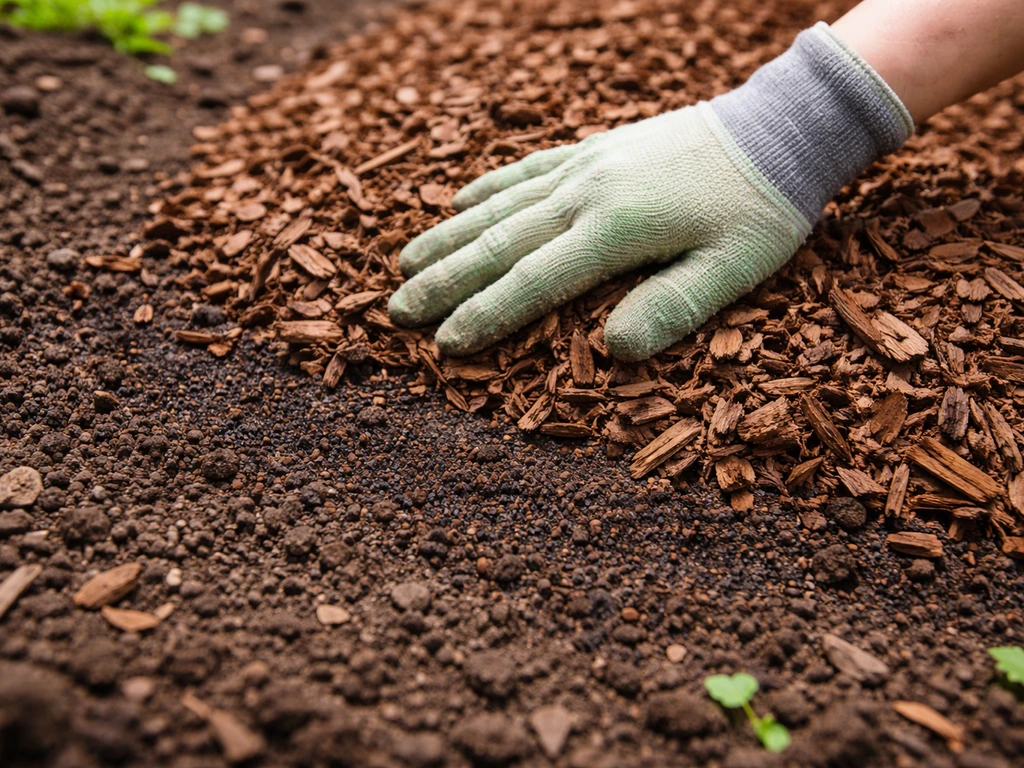
Coffee grounds can be used as part of a mulch layer, but not on their own. The particles are fine and they compact quickly, forming a dense, water-repelling crust that blocks air and moisture from reaching roots. Both Cornell's SoilNOW program and Nebraska Extension recommend applying coffee grounds in a layer no more than half an inch thick, then topping that with a coarser organic mulch like shredded bark or leaves up to about 4 inches deep. Cornell SoilNOW recommends applying coffee grounds as a thin layer of about 1/2 inch (or less) and topping with a thicker layer of coarser organic mulch (up to about 4 inches). The coarse mulch keeps the grounds from crusting, improves airflow, and lets water infiltrate properly. Cornell notes that you do not need to pre-compost the grounds before using them as mulch in this layered approach.
Direct soil incorporation (use with caution)
Working coffee grounds directly into soil is the riskiest method, but it is manageable if you time it right. Nebraska Extension recommends doing this in the fall rather than just before planting, because the grounds need months for microbial breakdown before the nitrogen becomes available. If you must incorporate grounds during the growing season, plan to supplement with additional nitrogen to offset the temporary deficiency that occurs while microbes are breaking the grounds down. Apply in moderation and mix them thoroughly into the soil rather than concentrating them in one spot.
Safe amounts and how often to apply
This is where a lot of gardening advice gets vague, so here are the specific numbers from extension research:
- Mulch layer: no more than 1/2 inch of coffee grounds, covered with 3 to 4 inches of coarse organic mulch
- Direct soil dressing: no more than 1 inch thick, and avoid letting it crust or pile up
- Compost pile: 20 to 30 percent of total volume maximum; one part grounds to one part leaves to one part grass clippings is a reliable ratio
- Timing for direct incorporation: fall is ideal; if applying during growing season, add supplemental nitrogen
- Frequency: there is no established repeat-application interval in the research, but given the slow decomposition timeline, adding grounds to compost continuously and applying finished compost once or twice per season is practical
More is not better here. Thick applications crust, block moisture, tie up nitrogen, and in some cases can suppress plant growth outright. Thin, well-integrated applications are the entire game.
Which plants benefit and which ones to avoid
Because coffee grounds affect soil pH unpredictably and temporarily lock up nitrogen during decomposition, not all plants are equally good candidates. The most honest guidance here centers on matching your approach to what your soil and plants actually need, which means testing your soil before you start.
Plants that tolerate a wider pH range and benefit from added organic matter and nitrogen (like vegetables, herbs, and many flowering annuals) are generally safer bets for composted coffee grounds worked into the soil or added as layered mulch. If you are specifically growing flowering plants and wondering whether coffee grounds will make a difference, the question of whether coffee actually helps flowers grow depends heavily on species and soil conditions rather than being a blanket yes.
For acid-loving plants, the advice from multiple extension programs is consistent and cautionary. University of Missouri Extension explicitly flags blueberries and azaleas as risky cases, warning that spent grounds can raise soil pH rather than lower it. Without a soil test, you do not know whether your soil is already in the right pH zone or whether adding coffee grounds will push it in the wrong direction. Nebraska Extension adds that if your goal is actually lowering soil pH, you should use elemental sulfur, not coffee grounds. If you are specifically trying to figure out whether coffee grounds help pumpkins grow, that is a useful case study because pumpkins prefer slightly acidic to neutral soil, which aligns reasonably well with what composted grounds can provide.
Avoid using fresh uncomposted grounds anywhere you are directly seeding. The germination-suppression effect documented in research (with lettuce as one example) is a real risk worth taking seriously, especially in seedbeds or direct-sow vegetable rows.
| Plant / Situation | Coffee Grounds Recommendation |
|---|---|
| Vegetables and herbs (established plants) | Composted grounds in soil or thin mulch layer, safe to try |
| Flowering annuals and perennials | Composted grounds as soil amendment, reasonable choice |
| Blueberries and azaleas | Test soil pH first; grounds may raise rather than lower pH |
| Seedbeds and direct-sown crops | Avoid fresh uncomposted grounds; germination suppression risk |
| Lawns and turf | Thin top-dressing of composted grounds is low risk |
| Container plants indoors | Use sparingly and only composted; drainage is more critical in pots |
If you keep houseplants, the same principles apply but with extra caution. Soil drainage and aeration matter even more in pots, and the compaction risk from coffee grounds is amplified in container environments. The question of whether coffee helps plants grow indoors gets into some of those specific container dynamics.
How to tell if the coffee grounds are actually helping
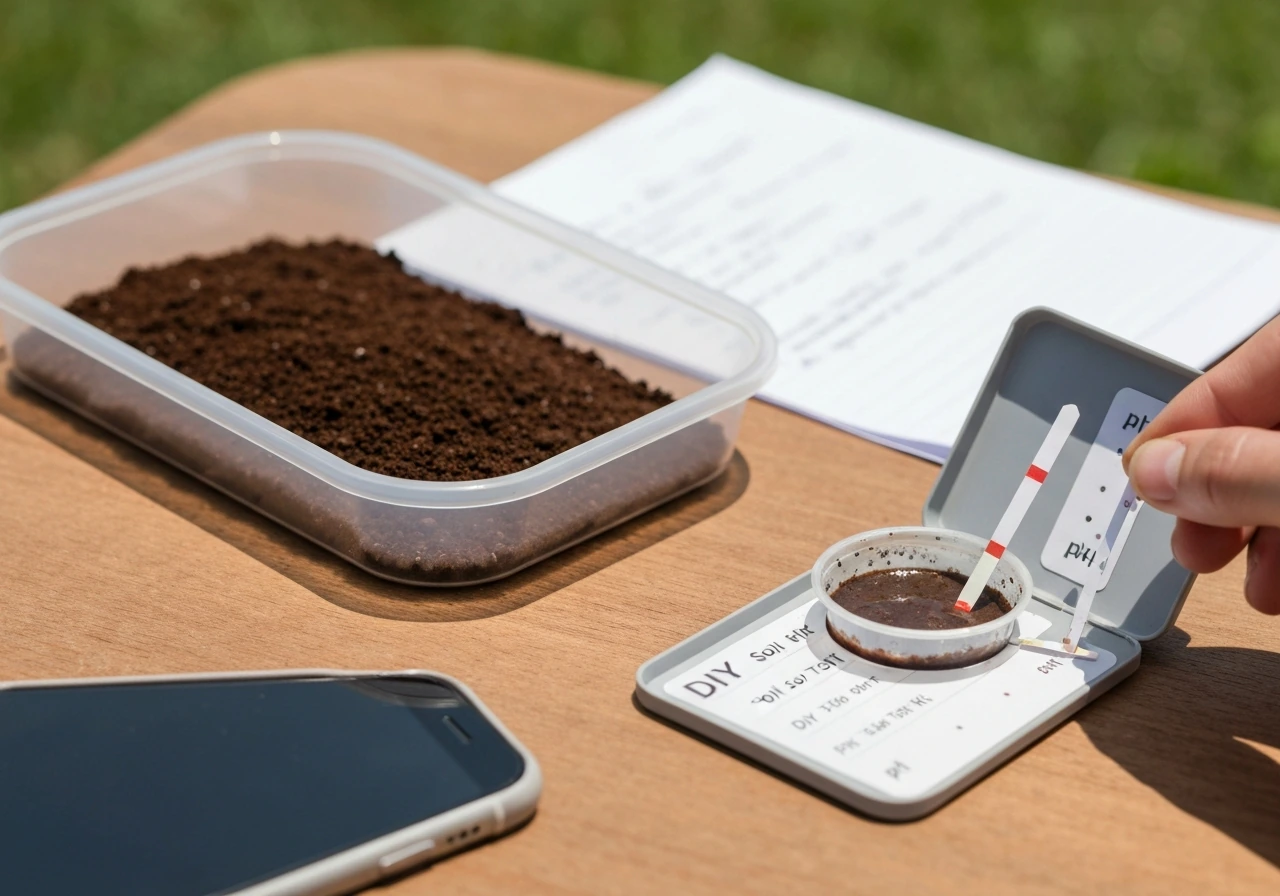
This is the part most articles skip. You apply coffee grounds, you wait, and then what? Here is a practical monitoring approach.
Start with a soil test before you begin. This gives you a baseline pH and nutrient profile. Most cooperative extension offices offer testing for under $20, and it is genuinely worth doing. Once you know your starting point, you can make an informed decision about whether coffee grounds are even appropriate for your soil, and you can retest after a season to see whether anything has actually shifted.
Watch for early warning signs of trouble. If you applied uncomposted grounds and you notice plants yellowing from the bottom up (older leaves first), that is a classic nitrogen deficiency signal, and it likely means the microbial breakdown is consuming available nitrogen faster than your plants can replenish it. The fix is to water in a diluted balanced fertilizer and stop adding uncomposted grounds. If you used grounds as a mulch and notice pooling water or the soil surface staying unusually dry despite irrigation, the grounds have compacted into a crust. Break it up and incorporate a coarser mulch on top going forward.
Positive signs that composted grounds are working include improved soil texture over one to two seasons (better crumble, less compaction when wet), increased earthworm presence, and steady growth without nutrient deficiency symptoms. University of Arizona Extension notes that soil microbes and earthworms break down coffee grounds over months, contributing to improved soil structure and aggregation, so this is a slow-burn benefit rather than something you will see in two weeks.
Also monitor seed germination carefully. University of Arizona Extension notes that coffee grounds can both enhance germination of some seeds and inhibit others, so if you are applying grounds anywhere near a seeding area, track germination rates compared to areas without grounds. If germination is lower in the amended zone, pull back and use finished compost only.
Coffee grounds vs. other kitchen and garden amendments
Coffee grounds often come up alongside tea-based amendments in gardening discussions, which makes sense since both are organic kitchen byproducts with some nitrogen content. If you have been wondering whether tea helps plants grow the same way coffee grounds might, the mechanisms overlap but the specifics differ, particularly around pH and the types of tannins involved.
Similarly, used tea bags in the garden are sometimes recommended as a mulch or soil amendment, and like coffee grounds, the benefits are real but conditional on how and where you use them. And if you are digging into whether it is the caffeine specifically driving any growth effects, there is a separate and genuinely interesting question about whether caffeine itself affects plant growth, which points in a more complicated direction than most people expect.
Tea grounds specifically have their own profile worth examining. If you have loose-leaf tea waste and are considering using it as a soil amendment, the question of whether tea grounds help plants grow follows a similar logic to coffee grounds: organic matter and slow nutrient release, yes; reliable pH adjustment, no; composting first, strongly recommended.
The bottom line on coffee grounds
Coffee grounds are a genuinely useful garden amendment when handled correctly, and a genuinely problematic one when applied with the enthusiasm of a folklore believer rather than a practical gardener. Compost them first whenever possible. Keep mulch layers thin and cover them with coarser material. Do not count on them to acidify your soil. Do not apply fresh grounds near seeds. And test your soil before reaching for the grounds, especially if you are growing acid-loving plants. If you do all of that, you will get the real benefits, better soil structure, slow nitrogen release, and happier earthworms, without the headaches that come from overdoing it. For a real-world anecdotal view of how coffee grounds can affect growth depending on whether they are composted, this Reddit r/OrganicGardening thread discusses using coffee grounds without composting blank" rel="noopener noreferrer">anecdotal/interpretive experience that coffee grounds may work better as compost and that impacts on growth can differ by amount and whether grounds are composted..
FAQ
Will coffee grounds lower soil pH for blueberries or azaleas?
Not reliably. Coffee grounds can be near neutral to slightly alkaline, and their pH effect during decomposition can swing widely, so they are not a dependable way to lower soil pH. If your plants need true acidification, use a soil test to confirm and then follow a pH-specific amendment strategy such as elemental sulfur.
Can I put coffee grounds in the row when I’m direct seeding vegetables?
You should not use fresh grounds on a seedbed or directly on germinating seeds. If you want to use grounds near sowing, only use fully composted coffee grounds, keep them mixed well into surrounding finished compost, and track germination compared with an unamended area.
What should I do if I only have time to incorporate coffee grounds during the growing season?
Yes, but you need to manage nitrogen timing. If you incorporate coffee grounds during the growing season, expect a temporary nitrogen draw-down. Mix thoroughly into the soil, apply a light amount, and consider a supplemental nitrogen source until microbial breakdown catches up.
Is it ever safe to use coffee grounds without composting?
Compost first. Uncomposted grounds are the main cause of crusting, nitrogen lock-up, and potential growth suppression around tender plants. Finished compost from coffee grounds is also less likely to interfere with germination.
How thick should coffee grounds be when used as mulch?
Keep them thin and layered. For mulch, a common approach is a very shallow coffee-ground layer (around half an inch) followed by a thicker coarser mulch like bark or leaves. If you see the surface turning hydrophobic or staying dry, you likely applied too much or too concentrated.
Do coffee grounds work differently in pots and houseplants?
They can, especially in containers. Fine particles compact faster in pots, which reduces aeration and can worsen drainage problems. In containers, stick to small amounts, mix into fresh potting mix or mature compost, and ensure excess water drains quickly.
How long does it take to see results from composted coffee grounds, and what signs tell me it’s working?
A good indicator is soil behavior and plant response over 1 to 2 seasons. Positive signs include improved crumb structure, more earthworms, and steady growth without leaf-yellowing patterns. If you see persistent yellowing starting on older leaves, reduce or stop uncomposted grounds and reassess nitrogen.
What happens if I live in a dry climate or I don’t water frequently when using coffee-ground mulch?
If you have low rainfall, the crust risk is higher because moisture does not readily penetrate compacted layers. Use the thin-layer approach with a coarser top mulch, and check how water moves after watering. If water pools or runs off, break up the crust and re-mulch.
How can I tell whether coffee grounds are helping or hurting germination in my garden?
Yes. Coffee grounds can sometimes inhibit germination of certain seeds while helping others. If you apply anywhere near seeds, compare germination rates to a control area, and if performance drops, switch to finished compost only for future plantings.
Can coffee grounds replace fertilizer for vegetables?
Yes, but only as a supplement, not a full replacement. Coffee grounds contribute some nitrogen slowly through composting, and they also affect pH unpredictably. If your soil test shows a nitrogen shortfall or if you see deficiency symptoms, use targeted fertilizer based on test results.
What’s the best approach if I don’t compost much but still want to use coffee grounds?
Yes, if you have limited compost space. The safest option is to reserve coffee grounds for the compost system and only move finished compost to beds. If you must use grounds as mulch, layer them lightly and cover with a coarser mulch to prevent crusting.
Next Articles
Does Coffee Help Plants Grow Yes No and How to Use It Safely
Does coffee help plants grow? Yes or no, which types to use safely, and how to avoid caffeine, acid, and nutrient issues
How Do Microorganisms Help Plants Grow: Practical Guide
Learn how microbes in the rhizosphere fix nitrogen, boost phosphorus, aid roots, suppress disease, and how to grow them.
How Does Yeast Help Plants Grow? Safe, Practical Guide
Learn how yeast boosts plant growth via soil microbes, safe dilution and timing, plus myths, limits, and troubleshooting