Coffee can help some plants grow under some conditions, but it will not make plants grow faster, and used incorrectly it will actively slow growth or kill seedlings. That is the honest, direct answer. The popular idea that pouring leftover coffee or sprinkling used grounds around your plants is a reliable growth booster is mostly gardening folklore. There is real biology behind why some gardeners see a positive result, but there is equally real science explaining why plenty of others see the opposite. Let me break it all down so you can make a genuinely useful decision today.
Does Coffee Help Plants Grow Yes No and How to Use It Safely

Marcus Holloway
18 Apr 2026
Does coffee actually help plants grow (and does it speed things up)?
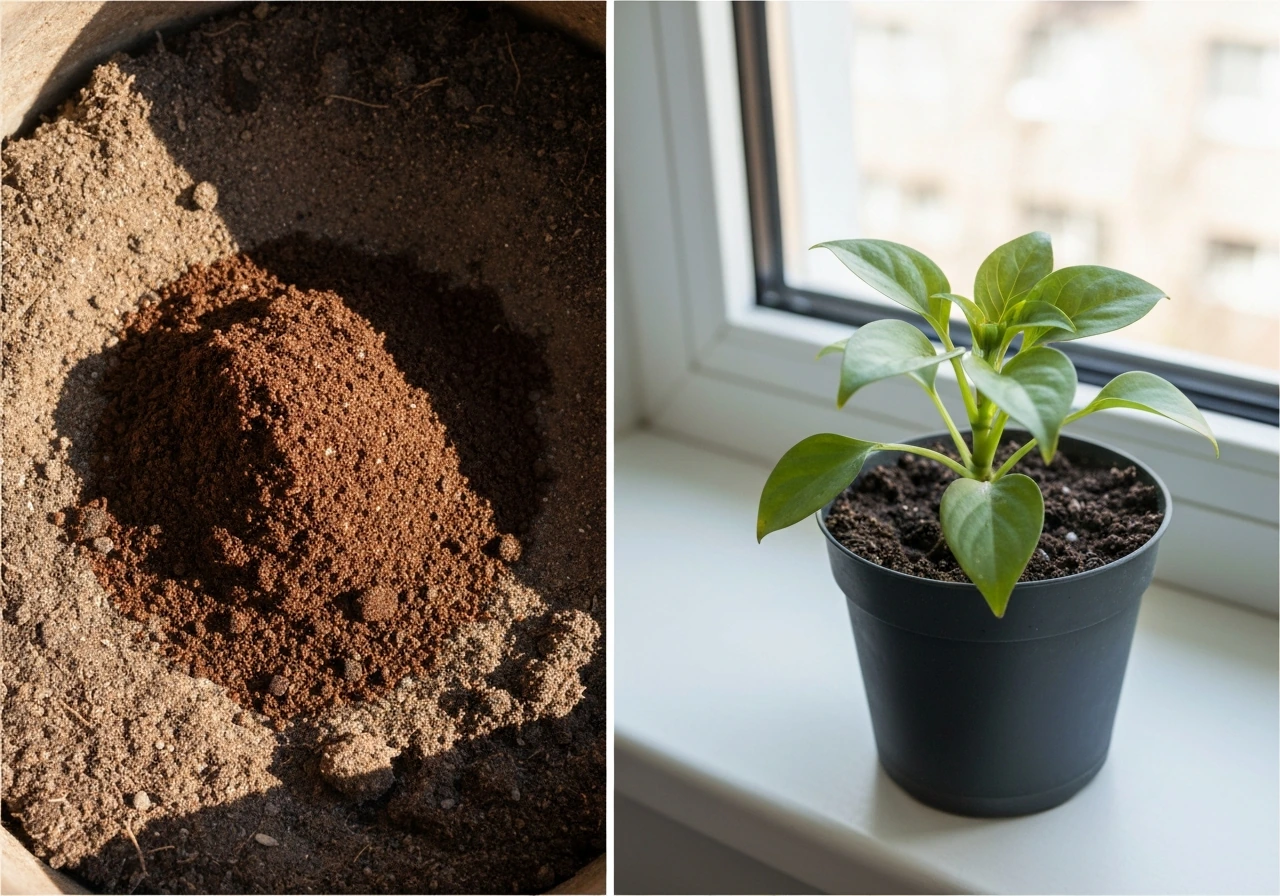
The short answer is: sometimes, in a limited way, for certain plants, at low rates, when used correctly. That is a lot of conditions. Peer-reviewed trials have found that spent coffee grounds (SCG) applied directly to soil significantly decreased plant growth across multiple species and soil textures, regardless of application rate. That finding alone should give you pause if you are planning to dump a mug of leftover brew around your tomatoes every morning.
A 2024 review in Plants (MDPI) is a bit more nuanced: it concludes that at low rates (below about 5% by weight in pot studies, or under 10 kg per square meter in field settings), coffee grounds can enhance growth in some contexts. But at higher rates, the evidence consistently points to growth inhibition. So there is no blanket yes or no. The rate and method matter enormously. As for the idea that coffee speeds up growth, there is no credible evidence for that. None of the extension literature or peer-reviewed studies I have seen supports a faster-growth claim.
How coffee actually affects plants: pH, nitrogen, microbes, and caffeine
The pH myth
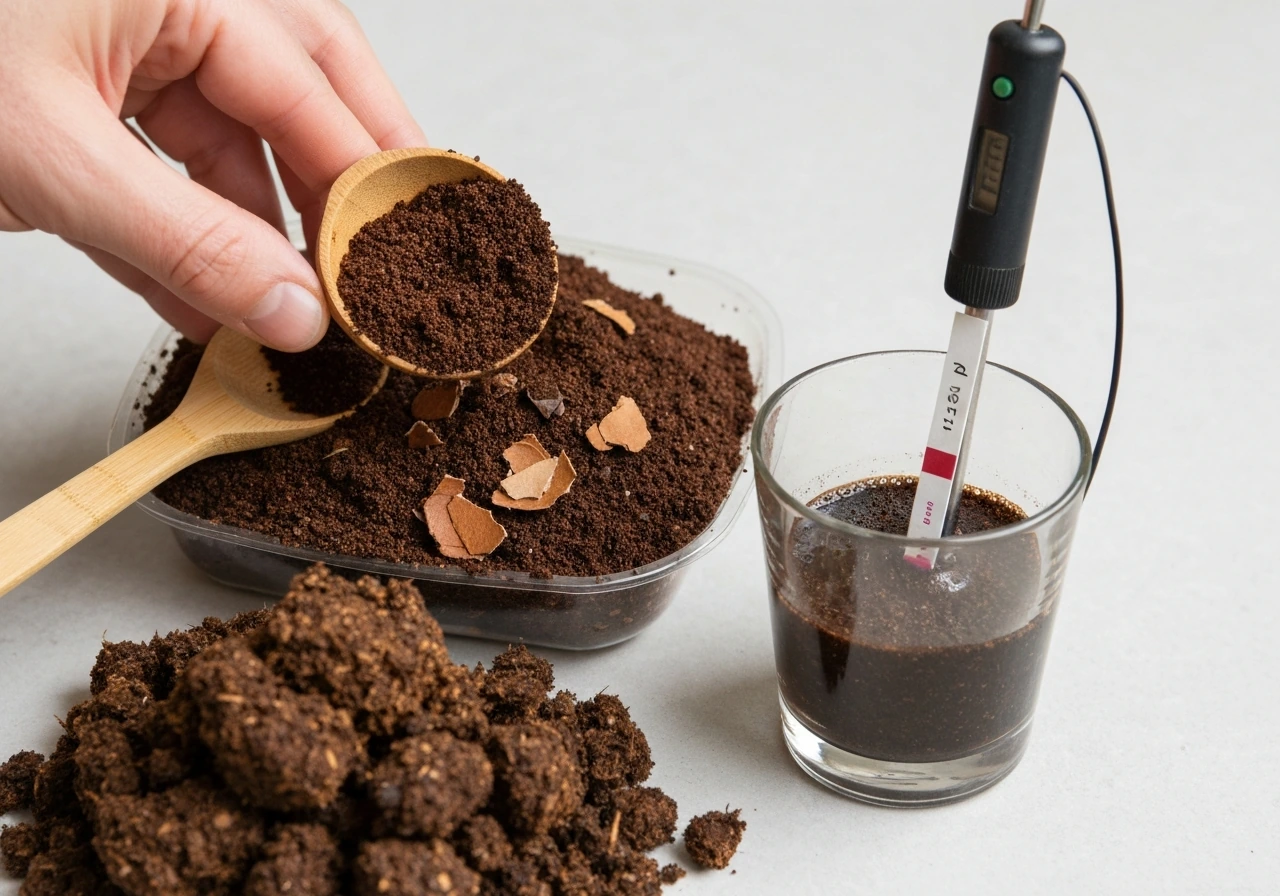
The most persistent myth is that coffee acidifies soil, which is supposedly great for acid-loving plants like blueberries, azaleas, rhododendrons, and gardenias. The problem: it is not true. Oregon State University Extension, the University of Minnesota Extension, and UC Master Gardeners all state directly that brewed coffee grounds are close to pH neutral, around 6.5 to 6.8 after brewing. Interestingly, University of Missouri Extension research actually pegs spent grounds as slightly basic (pH 7 to 8), because the brewing process leaches out most of the acidic compounds. So the grounds sitting in your filter are neither reliably acidic nor a dependable pH tool. Coffee grounds simply will not lower soil pH enough to benefit acid-loving plants.
Nitrogen: real but complicated
Coffee grounds do contain around 2% nitrogen, which sounds promising. But here is the catch: adding raw grounds directly to soil does not immediately release that nitrogen to your plants. As soil organisms break down the organic material, they temporarily tie up available nitrogen in the process, which can actually leave your plants more nitrogen-deficient than before. MU Extension specifically warns about this nitrogen immobilization effect. Over time, as decomposition completes, some nitrogen does become available, but it is not the quick fertilizer hit that gardeners often imagine.
Microbial activity
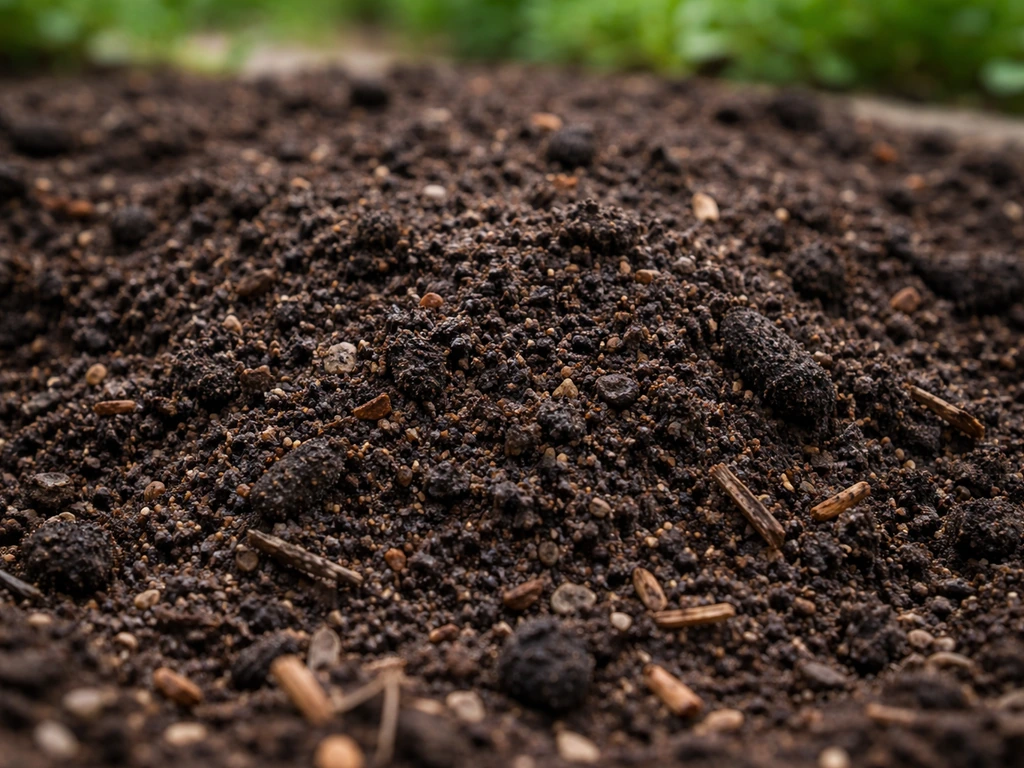
One area where coffee grounds do show genuine potential is stimulating soil microbial activity. Research on bacterial community structure in SCG-amended soils found that coffee additions can boost microbial life, including fungal hyphae density. Healthy soil biology is genuinely good for plants over the long term. However, coffee grounds also contain antifungal compounds, and the same bioactive ingredients that stimulate some organisms can suppress others. The net effect on your specific soil's microbial community is hard to predict without testing.
Caffeine: the hidden growth inhibitor
This is the part most gardening blogs skip entirely. Caffeine is an allelopathic compound, meaning plants use it in nature partly to suppress competing plants. Multiple studies confirm that caffeine inhibits seed germination and root (radicle) growth at sufficient concentrations, with dose-dependent effects on seedlings. Oregon State University Extension explicitly warns that caffeine residues in directly applied grounds can inhibit seed germination or slow plant growth. If you are thinking about whether caffeine itself is a plant growth promoter, the honest answer is the opposite: it is more reliably a growth inhibitor at the concentrations found in fresh or minimally processed grounds.
Grounds vs. beans vs. instant coffee: does the form matter?
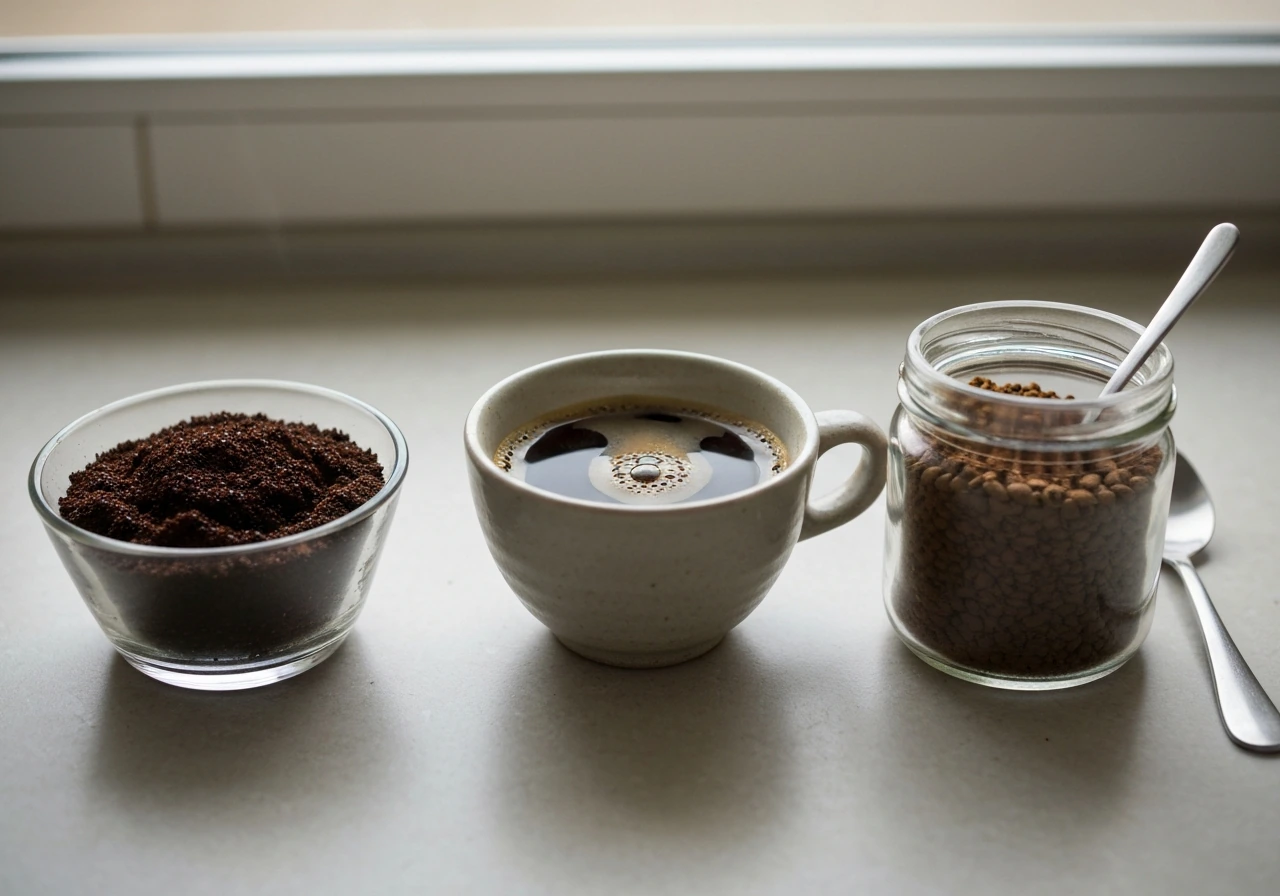
Yes, the form matters quite a bit, and most articles lump them all together in a way that is genuinely misleading.
| Coffee Form | pH After Brewing | Nitrogen | Caffeine Risk | Practical Use |
|---|---|---|---|---|
| Spent grounds (brewed) | ~6.5–7.8 (neutral to slightly basic) | ~2% | Lower than fresh, still present | Best option; compost first or use sparingly as top-dressing |
| Whole/ground beans (unbrewed) | More acidic, higher caffeine | ~2% | High | Do not apply directly; too much caffeine and acidity risk |
| Instant coffee / liquid coffee | Variable, often acidic | Minimal solids | Moderate to high dissolved caffeine | Not recommended; adds liquid caffeine directly to root zone |
Spent grounds are the most commonly discussed form and the only one with any reasonable use case in the garden. Once brewed, a significant portion of the caffeine and acidic compounds have been leached into your cup, which is part of why the pH ends up near neutral. Whole beans or ground coffee that has never been brewed carries much more caffeine and a different acidity profile. Pouring liquid coffee (especially instant coffee mixed with water) directly onto soil introduces dissolved caffeine straight into the root zone, which is the worst-case scenario for caffeine-related growth inhibition.
Which plants and conditions might actually benefit
Given everything above, there are some reasonable scenarios where spent grounds used correctly are worth trying, and some where you should skip it entirely.
Acid-loving plants: less useful than you think
Blueberries, azaleas, and rhododendrons need soil pH below 6.0, and ideally below 5.5 according to OSU Extension. Coffee grounds, being near-neutral after brewing, cannot reliably get you there. If you are growing blueberries and struggling with pH, you need elemental sulfur or an acidifying fertilizer, not coffee grounds. That said, using coffee grounds with crops like pumpkins in the right soil context is a different question worth looking at specifically, since pumpkins are not acid-lovers and the calculus changes.
General garden plants and soil conditions
For general vegetable beds or mixed perennial borders with soil that is already reasonably fertile and at a good pH (6.0 to 7.0), a light, composted application of spent grounds can contribute a small amount of organic matter and support soil biology without causing harm. The key phrase is light and composted. In heavy clay soils, grounds can improve drainage and texture over time. In already sandy, low-fertility soils, they can add organic bulk. In alkaline soils above pH 7.5, the slight acidity of fresh grounds (before brewing) could theoretically be a marginal benefit, but do not count on it.
Container plants vs. in-ground
Container plants are more vulnerable to anything that affects soil chemistry because the volume is small and changes concentrate quickly. If you are thinking about whether coffee helps plants grow indoors in pots, be more cautious than with in-ground beds. The same grounds that might be harmless in a large garden bed can tip a 6-inch pot into nutrient lock-up or mold territory fast.
How to apply coffee safely if you decide to use it
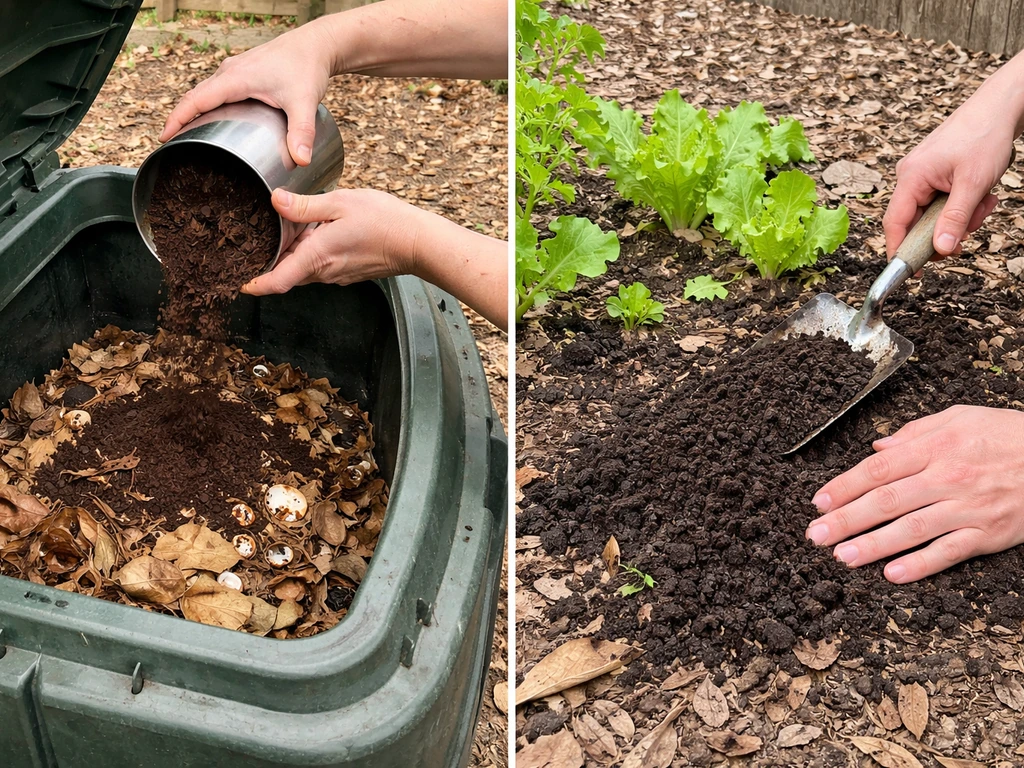
If you want to use spent coffee grounds, here is what the research and extension guidance actually supports:
- Compost it first. Adding grounds to a compost pile (as a nitrogen 'green' material) is the safest and most effective method. Composting breaks down caffeine, reduces pH variability, and delivers finished organic matter that is genuinely good for soil. Aim for grounds to make up no more than 20% of your compost volume by weight.
- If applying directly, use a very thin layer. A surface top-dressing of no more than half an inch worked lightly into the top inch of soil is enough. Do not create a thick layer or mat of grounds, which blocks water, promotes mold, and concentrates caffeine.
- Keep rates low. The MDPI Plants review identifies rates below 5% by weight in containers and below 10 kg per square meter in field settings as the range where positive effects are possible. More is not better, and in most cases more is actively harmful.
- Do not apply near seeds or seedlings. Caffeine residues in grounds can inhibit germination. Apply around established plants only.
- Test your soil pH first. University of Missouri Extension is clear: without knowing your baseline pH, you risk doing more harm than good. A $15 soil test from your local extension office tells you whether your soil needs anything coffee could theoretically provide.
- Frequency: once or twice per growing season as a compost amendment is plenty. This is not something to apply every week.
Risks and common mistakes that backfire
The most common mistake is applying too much, too often, and directly onto soil without composting first. Research trials found that direct application of spent grounds reduced plant growth across multiple species and soil types. Gardeners who see a positive result initially may be benefiting from the small nitrogen boost in the first season, then noticing decline as caffeine accumulates or nitrogen gets tied up. Here are the specific risks to watch for:
- Nitrogen immobilization: raw grounds applied heavily can lock up soil nitrogen as microbes work to decompose them, leaving plants starved even in fertile soil.
- Caffeine toxicity: especially around seeds, seedlings, and fine-rooted plants. Caffeine is a documented plant growth inhibitor at concentrations that can occur with direct application.
- Fungus gnats and mold: moist grounds sitting on the soil surface are ideal for fungus gnat larvae and fungal growth, particularly in containers or humid climates.
- pH miscalculation: assuming grounds are acidic and applying heavily to 'help' blueberries or azaleas may actually raise pH over time (MU Extension notes brewed grounds can be slightly basic), making conditions worse for acid-loving plants.
- Salt build-up (with liquid coffee): repeatedly applying brewed liquid coffee introduces dissolved salts that can accumulate in container soil and damage roots.
- Weed suppression myth backfiring: a thick mat of grounds can form a hydrophobic crust that repels water and prevents it from reaching roots.
It is also worth noting that the same questions come up for other beverage by-products in the garden. If you are curious about whether tea helps plants grow or whether tea bags are useful in the garden, many of the same principles apply: the benefits are real but modest, the risks of overuse are underappreciated, and neither is a substitute for proper soil management.
What actually makes plants grow: the levers that really matter
Let me be direct: if you are trying to get better results from your plants today, coffee is not where to spend your energy. The factors that most powerfully drive plant growth are light, water, nutrients, and soil structure, in that rough order of leverage. Coffee grounds at best provide a marginal improvement to one of those (nutrients, and only after composting). Here is where your effort is better placed:
- Light: most garden plants are light-limited before they are nutrient-limited. If you are growing indoors or in a partly shaded spot, improving light access will do more than any soil amendment.
- Water consistency: inconsistent watering causes more growth problems than low fertility in most home gardens. Even, deep watering on a schedule beats frequency.
- Balanced nutrition: a soil test followed by a targeted fertilizer application (balanced N-P-K with micronutrients if needed) will outperform any amount of coffee grounds for plant growth.
- Soil pH: if you have acid-loving plants struggling in alkaline soil, use elemental sulfur or an acidifying amendment formulated for the purpose. OSU Extension is clear that blueberries need pH below 6.0 (preferably below 5.5), and coffee will not get you there.
- Soil structure and organic matter: well-composted material (including, yes, composted coffee grounds as one component) improves drainage, aeration, and microbial life. But the composting step is non-negotiable.
The broader picture on whether coffee grounds genuinely help plants grow is a worthwhile read if you want to dig deeper into the soil amendment side of this. And if you are specifically focused on flowering plants, the question of whether coffee helps flowers grow has some nuance around bloom timing and soil biology that goes beyond what I have covered here.
Similarly, if you work with tea grounds in your garden, the comparison between coffee and tea as organic amendments is an interesting one because they share some mechanisms but differ in their pH and caffeine profiles.
Your action plan for today
Here is what I would actually do, starting now:
- Get a soil test. Your local cooperative extension office offers them cheaply. Know your baseline pH and fertility before adding anything.
- If your soil test shows organic matter is low, start a compost bin and add your spent grounds there, along with kitchen scraps and yard waste. Let it mature fully before using it.
- If you want to apply grounds directly and have established plants (not seedlings), use a thin layer (under half an inch) as a top-dressing at the base of mature shrubs or vegetable plants, worked lightly into the surface. Do it once this season and observe.
- Do not apply liquid coffee, unbrewed beans, or thick layers of grounds anywhere in your garden.
- For acid-loving plants with pH problems, buy a bag of elemental sulfur or an azalea/blueberry-specific fertilizer and follow package rates. This is the tool designed for the job.
- Spend the time you were going to spend researching coffee hacks on optimizing watering and light instead. That is where the real growth gains are.
Coffee is not a magic garden amendment and it is definitely not a growth accelerator. Used carefully as part of a composting practice, spent grounds are a reasonable way to recycle kitchen waste into something marginally useful. Used carelessly, they cause real harm. The gardeners who see great results with coffee are usually doing everything else right first, and the coffee is just along for the ride.
FAQ
If coffee grounds sometimes help, will they make my plants grow faster?
Coffee is unlikely to make plants grow faster, even if it helps at all. If your goal is speed, focus on the limiting factor first (enough light, consistent watering, and balanced fertilizer). Coffee grounds, even in the best case as a composted soil amendment, are a modest contributor and not a reliable growth accelerator.
Can I use leftover whole beans or unbrewed coffee instead of spent grounds?
Don’t use raw, unbrewed coffee or whole-bean coffee in the soil. The caffeine and other compounds are far more concentrated when you skip brewing, which increases the chance of seed germination inhibition and seedling root slowdown. If you try anything, stick to spent grounds from brewed coffee and still use them lightly and composted.
How much coffee grounds is safe to use on plants?
Yes, the amount changes everything. In pot studies, benefits were reported only at low rates (around 5% by weight of the pot mix), while higher applications skew negative. A safe practical rule is to treat spent grounds as an occasional, small fraction of your compost or soil surface layer, not a regular top-dressing.
Is coffee grounds safe for seedlings and seeds?
It depends on the growth stage. Freshly applied grounds can be risky for seeds and just-germinated seedlings because caffeine residues can suppress radicle growth. If you want to experiment, keep coffee amendments away from seed rows, and use them only in mature planting areas, ideally incorporated into compost rather than placed directly on bare seedling soil.
Why might my plants look worse after adding coffee grounds?
If you apply coffee grounds without composting, you can get temporary nitrogen immobilization (soil microbes lock up available nitrogen as they break down the material), followed by a delayed nutrient release. That pattern can look like stall symptoms mid-season. Composting the grounds first reduces the chance of this short-term nitrogen tie-up.
Can coffee grounds cause mold in pots?
Mold and fungus are more likely in containers or when grounds stay wet and clump on the soil surface. To reduce risk, avoid wet heaps, use a small amount, mix into compost or the top layer lightly, and ensure good airflow and drainage. If you see extensive fuzzy growth or foul smell, stop adding and let the medium dry slightly between waterings.
I want to use coffee grounds for blueberries, will it lower soil pH enough?
For acid-loving plants, coffee grounds are not a dependable pH solution because brewed grounds are near-neutral to slightly basic after brewing. If your soil test shows you need pH below about 5.5 to 6.0, use proven acidifying amendments like elemental sulfur or an appropriate acidifying fertilizer, then revisit coffee as a minor organic matter input only if you still want to try it.
Should I avoid coffee grounds in beds where I plan to plant seeds soon?
Yes, but it should be targeted. Caffeine can inhibit germination at sufficient concentrations, so areas where you plan to sow seeds soon should not receive direct coffee-ground applications. For established plants, light composted use is more plausible, but for new plantings, wait until compost cycles have reduced residue.
Can I water plants with leftover coffee instead of adding grounds?
Don’t pour liquid coffee onto soil. Liquid concentrates dissolved caffeine directly into the root zone, which is a worst-case scenario compared with brewed-and-spent grounds used in small, composted amounts. If you’re determined to recycle it, use it in a way that goes through composting rather than root-zone flooding.
How do I know whether coffee grounds will help in my specific garden?
A soil test is the quickest way to decide whether coffee is even worth experimenting with. If your pH is already in a workable range and the bed is nutrient-managed, coffee grounds may be at most a minor organic matter boost. If your pH is too high for your plant type, coffee will not fix that, so your effort is better spent on corrective amendments.
Next Articles
How Do Microorganisms Help Plants Grow: Practical Guide
Learn how microbes in the rhizosphere fix nitrogen, boost phosphorus, aid roots, suppress disease, and how to grow them.
How Does Yeast Help Plants Grow? Safe, Practical Guide
Learn how yeast boosts plant growth via soil microbes, safe dilution and timing, plus myths, limits, and troubleshooting
Do Mushrooms Help Plants Grow? Science and How to Use
Science-backed answer on whether mushrooms help plants grow, plus how to use mycorrhiza, compost, and test results.