Greenhouses help plants grow by giving you control over the factors that actually drive plant health: temperature, light duration, humidity, and protection from weather extremes and pests. A greenhouse doesn't perform magic, but it does let you remove or soften the environmental stressors that slow germination, stunt growth, and kill plants outright. Some people also wonder whether GMOs change how fast plants grow, but the main speed gains usually come from the growing conditions you control in a greenhouse do gmos make plants grow faster. The result is faster starts, longer growing seasons, higher yields, and healthier plants, especially in climates where cold, wind, or unpredictable rainfall would otherwise limit what's possible.
How Do Greenhouses Help Plants Grow: The Real Mechanisms
Marcus Holloway
25 Apr 2026
Do greenhouses actually help plants grow?
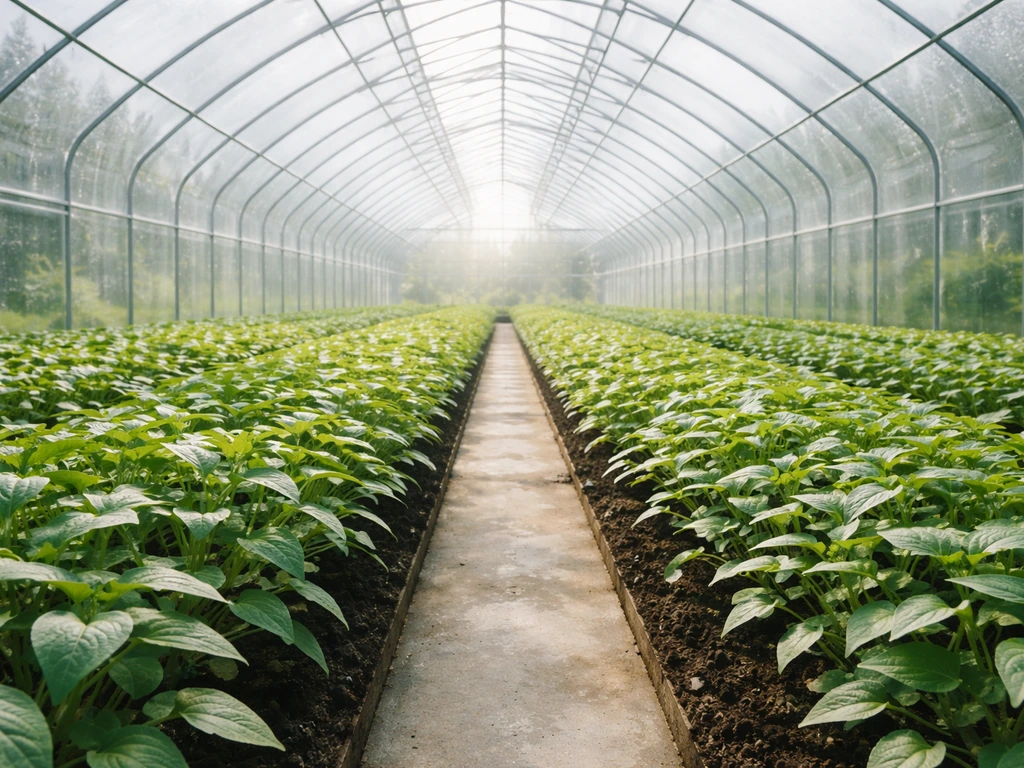
Yes, and the evidence is solid. A 2021 meta-analysis in Scientific Reports looked at vegetable production across multiple climate types and found substantial yield and water productivity advantages for greenhouse-grown crops compared to open-field production, particularly under temperate and dry conditions. The greenhouse advantage held across different irrigation levels too, which tells you something important: it's not just about watering more efficiently. The controlled environment itself is doing meaningful work.
That said, a greenhouse is only as good as the conditions inside it. I've seen poorly managed greenhouses that produced worse results than open garden beds, because the grower assumed the structure would handle everything. It won't. A greenhouse is a tool, not a solution. You still need to get light, heat, water, soil, and airflow right, which is exactly what the rest of this article covers.
Greenhouse basics: how a greenhouse creates a better microclimate
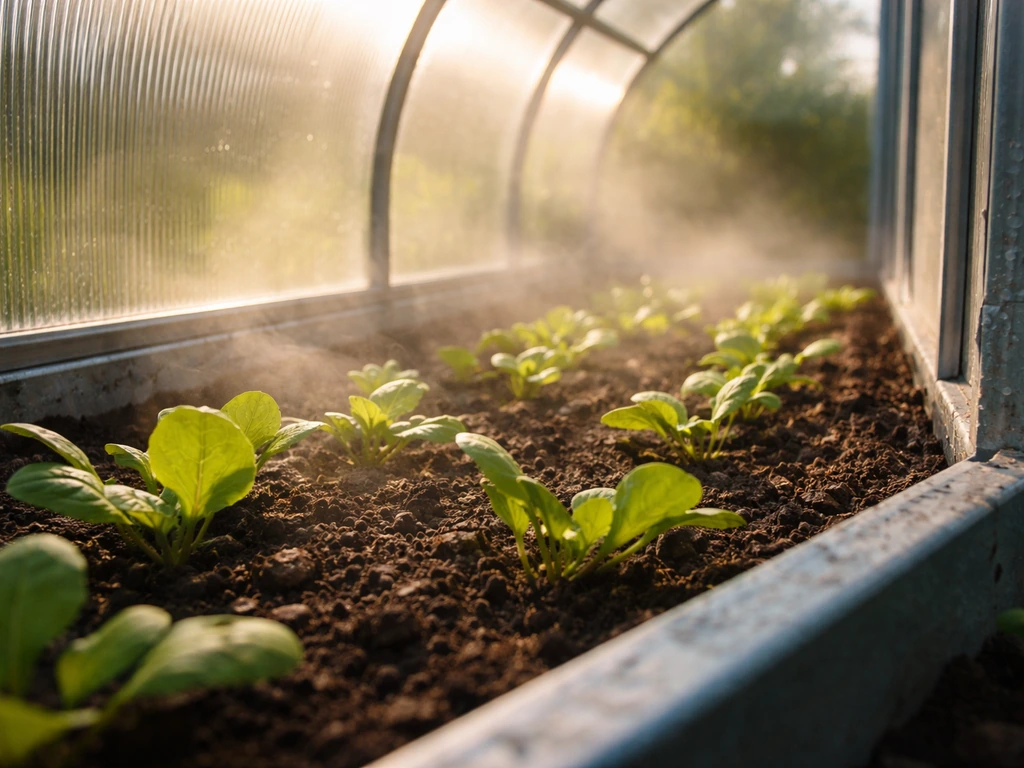
A greenhouse works by trapping solar radiation. Sunlight passes through the transparent cover (glass, polycarbonate, or polyethylene film), warms the interior surfaces and soil, and that warmth gets held inside rather than radiating back out into the open air. This is the greenhouse effect in its most literal, useful form. The result is an internal microclimate that stays warmer than the outside, more stable in humidity, and largely sheltered from wind, rain, and temperature swings.
The cover material matters a lot here. Twin-wall polycarbonate panels are the most practical choice for most home and hobby growers: they diffuse light evenly, provide decent insulation (R-values around 1.5 to 2.0), and hold up well over time. Single-layer glass transmits light well but insulates poorly. Polyethylene film is cheap and effective for season extension but degrades in UV light within a few years. Whatever material you choose, it determines how much light gets in and how much heat stays put, so it's worth thinking through before you build or buy.
Light in a greenhouse: maximizing intensity, duration, and spectrum
This is where a lot of greenhouse growers go wrong. The structure's covering reduces light transmission compared to being fully outdoors. Standard polycarbonate passes about 80 to 90% of sunlight, and even glass panels with frames block some portion. In winter, when the sun is low and days are short, that reduction can meaningfully slow photosynthesis. Orientation matters: a freestanding greenhouse with its ridge running east to west captures the most winter sun for plants growing along the south-facing side.
For year-round growing or to push faster growth, supplemental lighting makes a real difference. A 2021 meta-analysis found that supplemental LED lighting can enhance yield and quality in greenhouse truss tomato production. LED grow lights have become the practical standard because they're energy-efficient and can be tuned to deliver the specific wavelengths plants use most: red light around 660 nm drives photosynthesis and flowering, and blue light around 450 nm supports vegetative growth and compact structure. A light intensity of 200 to 400 micromoles per square meter per second (µmol/m²/s) is a reasonable target for most vegetables and herbs. Extending the photoperiod to 14 to 16 hours per day during short winter months can substantially speed up seedling development and vegetative growth, though day-length sensitive plants like certain flowers will need careful management to avoid messing with their flowering triggers.
In summer, the problem flips: too much light and too much heat. Shade cloth rated at 30 to 50% shading protects plants from heat stress and sunscald without blocking enough light to slow photosynthesis meaningfully. Install it on the outside of the structure if possible, because exterior shading keeps heat from building up inside in the first place.
Temperature and season extension: how insulation and heat retention help
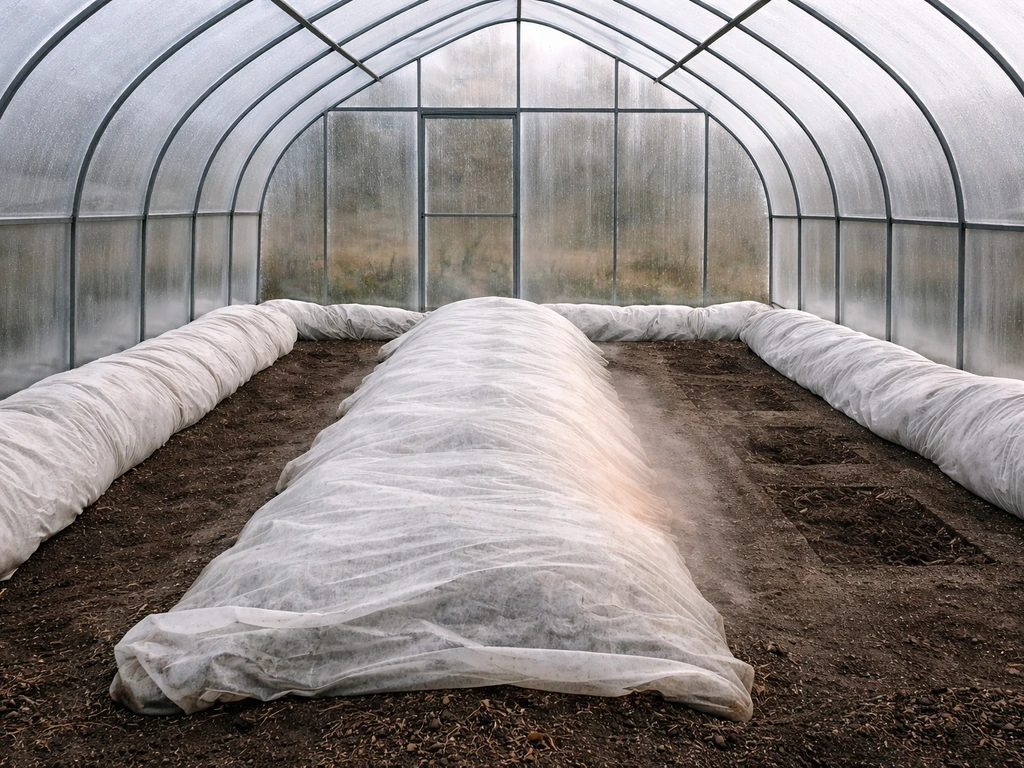
The single biggest practical benefit of a greenhouse for most gardeners is the ability to grow outside of the normal frost season. Even an unheated greenhouse typically stays 5 to 10°F (3 to 6°C) warmer than outside at night, which is often enough to protect cold-sensitive crops through light frosts and extend the season by weeks on both ends. An actively heated greenhouse can push that much further, enabling year-round production in climates where outdoor growing stops entirely in winter.
Soil temperature is especially important and often overlooked. Most vegetable seeds won't germinate well below 50°F (10°C), and many warm-season crops like tomatoes, peppers, and cucumbers want soil above 65 to 70°F (18 to 21°C) for good root development. A greenhouse that warms the air but leaves the soil cold doesn't capture the full growth benefit. This is where heat mats for seed starting make a real contribution, and thermal mass (water barrels, concrete, or dense soil) inside the greenhouse helps buffer overnight temperature drops by absorbing daytime heat and releasing it slowly after dark. Does hot water help plants grow? It usually helps indirectly by warming the growing area, but the key is keeping soil and air temperatures in the right range.
For heating in colder climates, propane or natural gas heaters are common for larger greenhouses, while electric heating mats and small electric heaters work well for compact structures. Whatever your setup, aim to keep nighttime temperatures above 45 to 50°F (7 to 10°C) for most cool-season crops, and above 60°F (15°C) for warm-season plants.
Humidity and watering: preventing drought stress and excess moisture
A greenhouse naturally holds more humidity than the open air, which reduces plant transpiration stress and can lower how much water your plants need to stay healthy. The meta-analysis I mentioned earlier found that greenhouse production improved water productivity across nearly all irrigation levels, which makes sense: when plants aren't fighting wind and heat load the way outdoor crops do, they use water more efficiently. That's a real practical benefit if you're growing in a dry climate or trying to conserve water.
But too much humidity creates its own problems. Aim for 50 to 70% relative humidity for most crops. Above that range you're inviting fungal diseases like botrytis, powdery mildew, and damping off. Drip irrigation or soaker hoses are far better inside a greenhouse than overhead watering, because they deliver water directly to the root zone without wetting foliage and spiking humidity. Water in the morning so any moisture on leaves or surfaces has time to dry before nighttime temperatures drop and conditions become more favorable for disease.
A basic humidity gauge (hygrometer) is cheap and genuinely useful. Once you know what your greenhouse is actually doing, you can adjust ventilation and watering to keep conditions in the right range rather than guessing.
Airflow and ventilation: avoiding overheating, mold, and disease
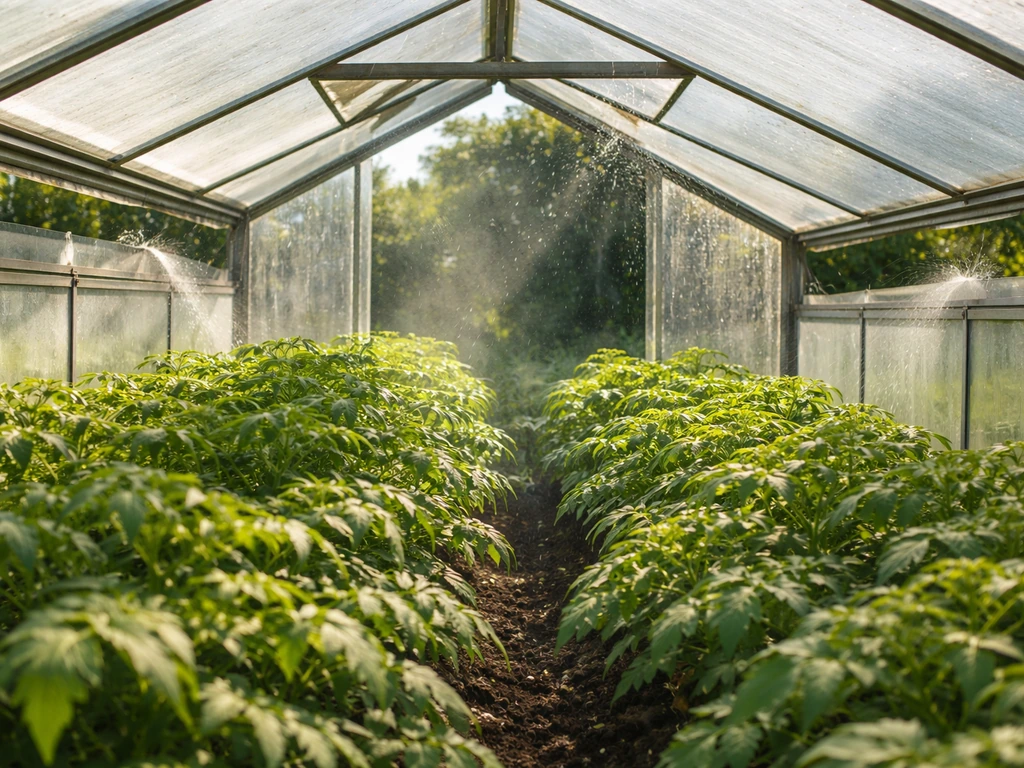
Ventilation is the most commonly neglected part of greenhouse management, and it's responsible for a huge proportion of the problems growers attribute to other causes. On a clear spring day, a closed greenhouse can reach 100°F (38°C) or higher even when outside temperatures are mild. Above 85 to 90°F (30 to 32°C), photosynthesis slows, pollination drops, and heat stress sets in fast for most crops. You need to move that heat out before it accumulates.
Good greenhouse design uses passive ventilation: roof vents placed high (where hot air naturally rises) combined with side vents or doors low on the walls. Open the roof and the base together and you create a chimney effect that pulls cool air in from below and pushes hot air out the top. Automated vent openers that respond to temperature, costing as little as $30 to $50 each, are one of the best investments you can make in a small greenhouse. For larger structures or very hot climates, exhaust fans with thermostat controls give you reliable, precise temperature management.
Airflow also directly reduces disease pressure. Moving air dries leaf surfaces faster after watering, discourages fungal spore germination, and strengthens plant stems through a process called thigmomorphogenesis, where mechanical stimulation from air movement triggers stronger, thicker cell walls. A small oscillating fan running on low is an easy way to get this benefit in a sealed or minimally vented greenhouse during cooler months when you can't leave vents open.
Plant needs inside a greenhouse: soil, nutrients, spacing, and pest protection
A greenhouse doesn't improve bad soil or fix nutrient deficiencies. Plants grown in greenhouse beds or containers need the same fundamentals as any garden: well-draining, biologically active soil with good structure, the right pH for the crops you're growing (generally 6.0 to 7.0 for most vegetables), and adequate macro and micronutrients. Container-grown greenhouse crops actually deplete nutrients faster than in-ground plants because roots are confined and there's no natural soil ecosystem replenishing what's used. Regular feeding with a balanced fertilizer, or using compost-enriched growing media topped up seasonally, keeps growth from stalling.
Spacing matters more in a greenhouse than outdoors because you're managing airflow, light penetration, and disease pressure in a confined space. Crowded plants shade each other, block air movement, and create the humid pockets where fungal disease starts. Give plants 20 to 30% more space than you think you need and you'll have fewer problems overall.
Pest management is one of the genuine wins of greenhouse growing. You're physically excluding most flying insects, birds, and larger animals. But the pests that do get in, including aphids, spider mites, whiteflies, and fungus gnats, can explode in the warm, sheltered environment faster than they would outdoors because their natural predators aren't present. Inspect plants weekly, introduce beneficial insects like lacewings or predatory mites proactively if you see pest pressure building, and use yellow sticky traps near entry points as early warning systems.
Practical next steps: how to set up or adjust a greenhouse for faster, healthier growth
If you're setting up a new greenhouse or troubleshooting an existing one, here's how to prioritize. Start with the non-negotiables: orient the structure to maximize winter sun, ensure you have functional roof and base ventilation, and get a thermometer/hygrometer inside so you know what's actually happening in there. Most greenhouse problems come from not knowing that temperatures spiked or humidity went too high.
- Choose your cover material based on your climate: twin-wall polycarbonate for most climates, glass if aesthetics matter and you have the budget, polyethylene film for low-cost seasonal use.
- Orient the ridge east to west for maximum winter light on south-facing growing areas.
- Install roof vents and base vents or doors that together equal at least 15 to 20% of the floor area in total vent opening.
- Add a thermostatic vent opener or exhaust fan so the structure doesn't overheat when you're not there.
- Use drip irrigation or hand-water at soil level to keep foliage dry and humidity in range.
- Start seeds on heat mats to reach optimal germination temperatures regardless of air temperature.
- Add supplemental LED lighting in winter or in any space with limited natural light to maintain photoperiod and light intensity.
- Use well-amended growing media or compost-topped beds and feed regularly, because confined growing conditions deplete nutrients faster than open gardens.
- Inspect for pests weekly and introduce beneficials early rather than waiting for an infestation to develop.
One more thing worth saying plainly: a greenhouse is one of the most effective tools in a gardener's arsenal, but it works by optimizing the same basic factors that matter in any growing environment: light, temperature, water, nutrients, and air. If you've been exploring what else drives faster, healthier growth, the same principles that make a greenhouse effective connect directly to questions about soil composition, the role of specific nutrients and compounds, and how root-zone temperature affects plant performance. The greenhouse just gives you more control over all of it at once.
FAQ
How do greenhouses help plants grow in winter if there is less sunlight?
They warm the inside by trapping solar heat, and they stabilize humidity and wind exposure, which reduces cold-related stress. If you rely only on passive warming, photosynthesis can still slow because light is lower and reduced by the covering, so many winter growers add supplemental lighting or choose a cover with higher light transmission.
Do greenhouses help plants grow faster automatically, or only with active management?
Only with management. The structure reduces environmental stress, but you still have to keep light levels adequate, prevent overheating through ventilation, manage soil temperature, and supply nutrients. Without those, plants can stagnate, grow leggy, or get fungal problems.
What happens if the greenhouse stays too humid, even if temperatures are good?
High humidity can drive fungal diseases such as botrytis and powdery mildew, and it can also increase damping off in seedlings. Keeping relative humidity roughly in the 50% to 70% range usually requires ventilation and watering discipline, especially morning watering so surfaces dry before nighttime.
Is a greenhouse better for preventing frost damage, or for extending the growing season later into the year?
Both, but the timing depends on heating. An unheated greenhouse can buffer night temperatures enough to protect against light frosts and extend the season by weeks. If you need to reliably grow through deeper freezes, you usually need thermal mass, insulation, and often active heat.
Why does plant growth sometimes stall in a greenhouse even when the air is warm?
Because roots respond to soil temperature more directly than air temperature. Many warm-season crops need warmer root zones to maintain strong root development, so cold soil under a warm interior can limit uptake and growth. Using heat mats for starting or warming strategies for beds can fix this.
Does using a greenhouse mean I should water less all the time?
Often yes compared to outdoor growing, but not universally. Greenhouses reduce wind and heat load, so transpiration usually drops, yet plants will still use water when light and temperatures are high. Measure soil moisture and adjust, rather than cutting water blindly, because overwatering can worsen humidity and disease risk.
How can I tell if my greenhouse is overheating before plants show symptoms?
Track temperature trends with a thermometer at canopy height, and pair it with humidity readings. A rapid humidity rise plus stagnant growth, leaf curling, or bleaching can lag behind the actual heat spike. Adding automated vent openers or an exhaust fan helps prevent repeated high-temperature excursions.
Do greenhouses eliminate pests?
They exclude many pests, but they do not prevent every infestation. Hot, sheltered conditions can let greenhouse pests like aphids, spider mites, whiteflies, and fungus gnats multiply quickly, especially when predators are absent. Weekly scouting and early intervention, such as beneficial insects or targeted controls, is usually necessary.
What is the biggest common greenhouse mistake that causes worse results than outdoor gardening?
Assuming the structure guarantees good conditions. Poor ventilation, incorrect irrigation timing, inadequate soil temperature, and weak monitoring (no gauges) can lead to overheated air, persistently wet foliage, or overcrowding. Greenhouse success usually comes from tuning the inside environment to the crop.
How does plant spacing affect growth and disease in a greenhouse?
In a confined space, crowding reduces airflow, blocks light, and creates humid microclimates where fungal spores are more likely to take hold. Increasing spacing beyond what you would use outdoors helps leaf surfaces dry faster and reduces disease pressure, even if it means fewer plants per square foot.
Is it worth adding supplemental LED lighting in a greenhouse?
Often, especially in winter or in low-light locations, because the cover reduces incoming light and day length is shorter. LEDs also let you target wavelengths, but you must manage intensity and photoperiod to avoid issues for day-length sensitive plants that can trigger premature or suppressed flowering.
What relative humidity should I aim for, and what if I’m not within range?
A practical target for many crops is around 50% to 70% relative humidity. If you’re above that range, increase ventilation and switch to drip or soaker irrigation. If you’re consistently too low, you may need to reduce venting time, check heating sources, and consider humidity-boosting practices that do not wet foliage.
How should I water in a greenhouse to reduce disease?
Water in the morning so any moisture on leaves and surfaces has time to dry before nighttime cooling. Prefer drip irrigation or soaker hoses to keep foliage drier, and avoid late-day overhead watering, since it keeps humidity high when temperatures drop and disease risk rises.
Next Articles
What Chemicals Help Plants Grow Faster Safely
Learn which nutrients and safe plant growth regulators speed growth, avoid overfertilizing, and match inputs to stages.
How Do Microorganisms Help Plants Grow: Practical Guide
Learn how microbes in the rhizosphere fix nitrogen, boost phosphorus, aid roots, suppress disease, and how to grow them.
How Does Yeast Help Plants Grow? Safe, Practical Guide
Learn how yeast boosts plant growth via soil microbes, safe dilution and timing, plus myths, limits, and troubleshooting