The short answer: nitrogen, phosphorus, potassium, and a handful of micronutrients are the chemicals that most reliably speed up plant growth. After that, certain plant hormones and biostimulants can give you an extra push in specific situations. But before any of that matters, your light, water, soil, and temperature have to be dialed in. If those are off, no fertilizer in the world will make a meaningful difference. Let me walk you through what actually works, why, and how to use it without wrecking your plants.
What Chemicals Help Plants Grow Faster Safely

Marcus Holloway
19 Apr 2026
What do we actually mean by 'chemicals'?
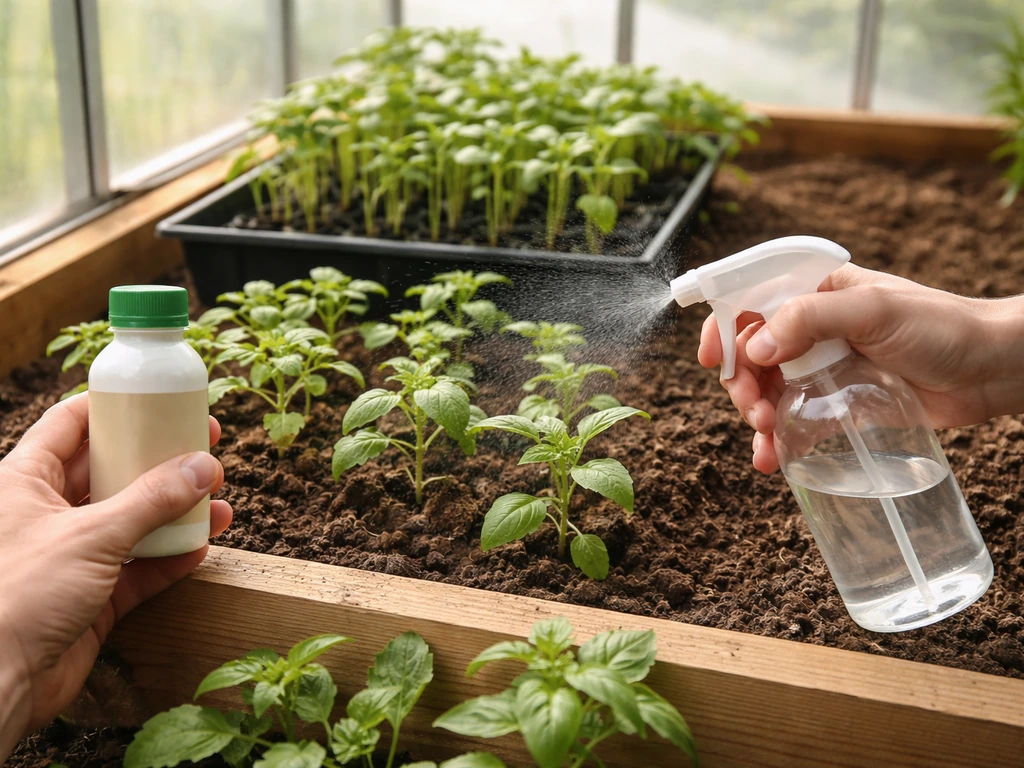
People use the word 'chemicals' pretty loosely when it comes to plants, so it is worth being precise here because the categories work very differently. There are three main groups you will encounter: nutrients (fertilizers), plant growth regulators, and biostimulants. Conflating them leads to a lot of confusion and wasted money.
Nutrients are the raw building blocks plants use to construct leaves, roots, stems, and fruit. These are the familiar NPK numbers on a fertilizer bag, plus calcium, magnesium, sulfur, iron, and a range of trace elements. When plants grow faster after you add a nutrient, it is because they were deficient in that element, and you removed the bottleneck. Straightforward chemistry.
Plant growth regulators (PGRs) are a completely different category. According to OSU Extension, the five main groups are auxins, gibberellins, cytokinins, ethylene, and abscisic acid. These do not feed the plant. They signal the plant to change what it is doing: elongating stems, initiating roots, triggering flowering, or delaying ripening. Some PGRs fall under plant-protection regulation because of their bioactive nature, which is also why you need to handle them carefully and respect label rates.
Then there are biostimulants, which are neither nutrients nor PGRs. Think seaweed extracts, humic acids, and mycorrhizal inoculants. They do not directly supply nutrients, but they stimulate the plant's own processes for acquiring and using nutrients and water. They tend to show their best results when conditions are already decent and you are looking to optimize rather than rescue.
Fix these basics first or nothing else will work
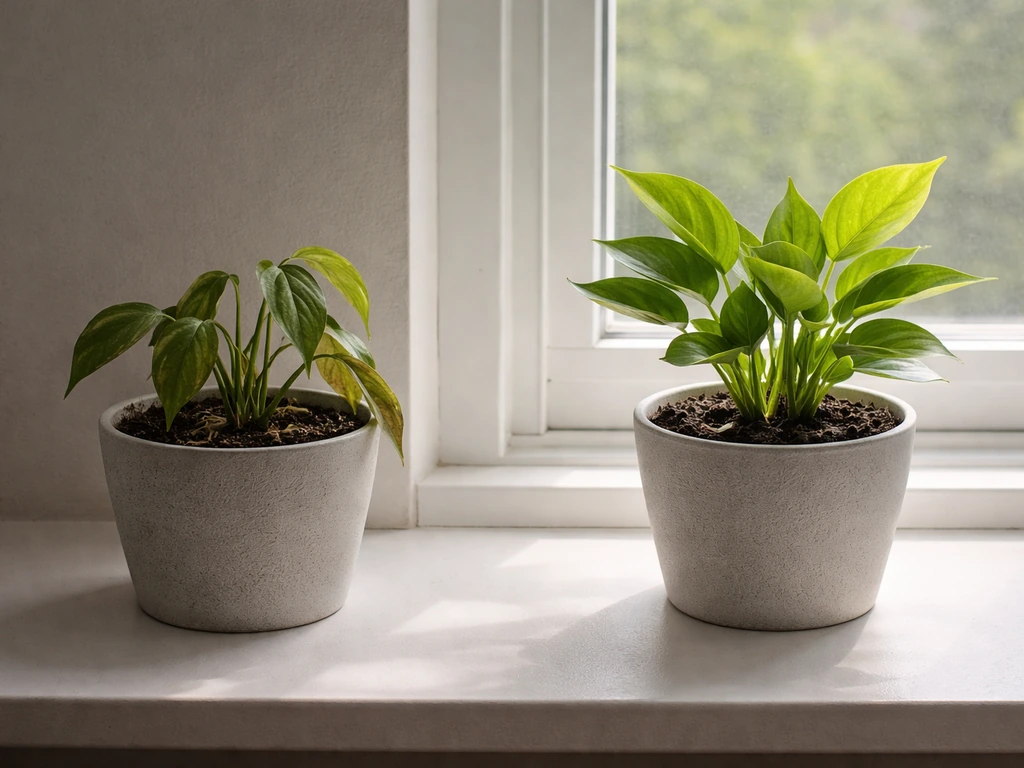
I have seen gardeners spend good money on premium fertilizers and growth boosters while their plants sit in a dark corner or stay bone-dry between waterings. Those plants do not respond because nutrients and regulators require the right environment to do anything useful. The fundamentals are not optional prerequisites you check off once. They are active, ongoing requirements.
Light
Photosynthesis is what powers growth. No amount of nitrogen makes up for insufficient photosynthesis. Most fast-growing vegetables and herbs want 6 to 8 hours of direct sun outdoors, or around 200 to 400 micromoles of PAR indoors for general foliage, and up to 600 or more for fruiting crops. If your plant is etiolated (stretched, pale, reaching toward the window), fix the light before you add a single drop of fertilizer.
Water
Water is both a raw material for photosynthesis and the vehicle that carries nutrients from the soil into the roots. Chronic underwatering slows nutrient uptake even when nutrients are present. Chronic overwatering drives out oxygen, damages roots, and creates anaerobic conditions that can lock out nutrients regardless of what you have applied. Consistent soil moisture within the plant's preferred range matters more than any fertilizer schedule.
Soil quality and pH
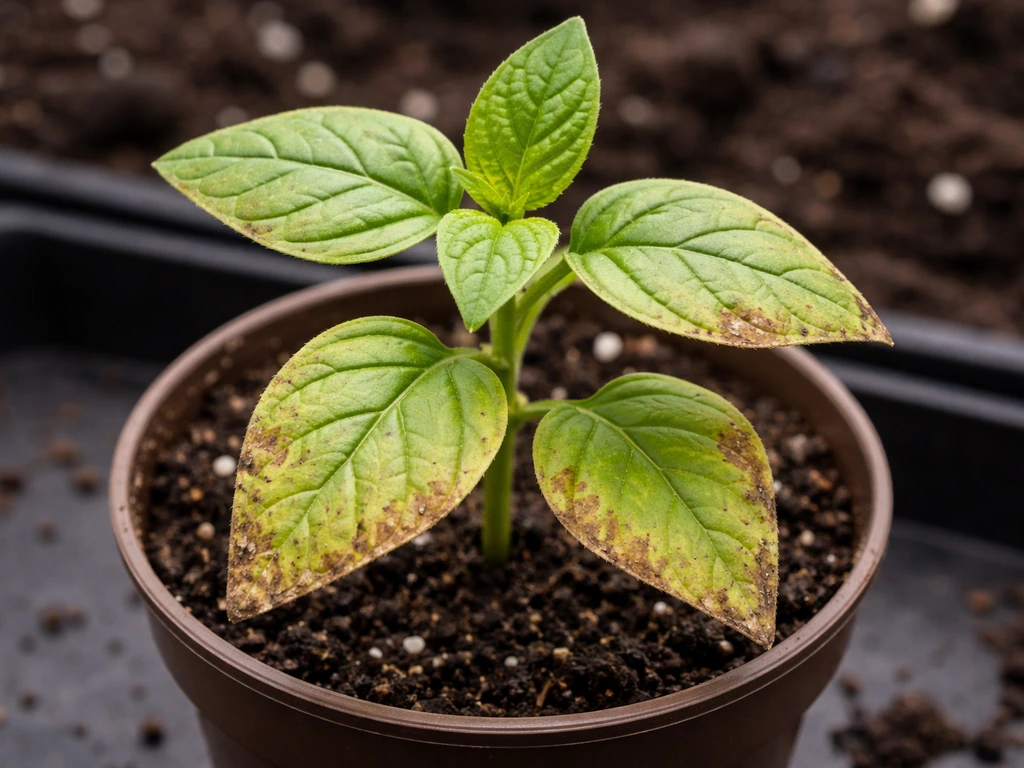
Soil pH is one of the most overlooked growth limiters. At pH values outside a nutrient's availability window, that nutrient becomes chemically unavailable to the plant even if you have applied plenty of it. A great example is iron: as MSU Extension explains, the correct chelated iron form to use depends entirely on your soil or growing medium pH. EDDHA remains available up to pH 9, while EDTA precipitates out above pH 6.5. If you are adding iron and seeing no response, the problem may not be your dosage but your pH. Most vegetables and common houseplants want a soil pH between 6.0 and 7.0. Test it, and adjust with lime (to raise) or sulfur (to lower) before assuming you have a nutrient deficiency.
Temperature
Root zone temperature is as important as air temperature, and is often ignored with houseplants sitting on cold floors or outdoor seedlings in cool spring soil. Most plant enzymes involved in nutrient uptake and cell division work best between 65 and 80°F (18 to 27°C). Below 55°F, phosphorus uptake in particular slows dramatically, which is why cool-soil seedlings often look phosphorus-deficient even in rich soil. Heat mats for seed starting, and simply waiting until soil temperature is above 60°F before transplanting, remove a real growth bottleneck.
The nutrients that actually speed up growth
Once your fundamentals are solid, nutrition is where you have the most practical leverage. Here is how the key nutrients contribute, what deficiency looks like, and which stage matters most.
Nitrogen (N): the growth driver
Nitrogen is the primary driver of vegetative growth, meaning leaf and stem development. It is a core component of chlorophyll and amino acids, so without adequate nitrogen, photosynthesis slows and protein synthesis stalls. A plant that is getting enough nitrogen is a noticeably darker green with strong upright growth. A nitrogen-deficient plant goes pale green to yellow from the bottom up, grows slowly, and produces smaller leaves. For fast vegetative growth, a fertilizer with a higher first number (like a 10-5-5 or 20-10-10) is what you want.
Phosphorus (P): roots and transitions
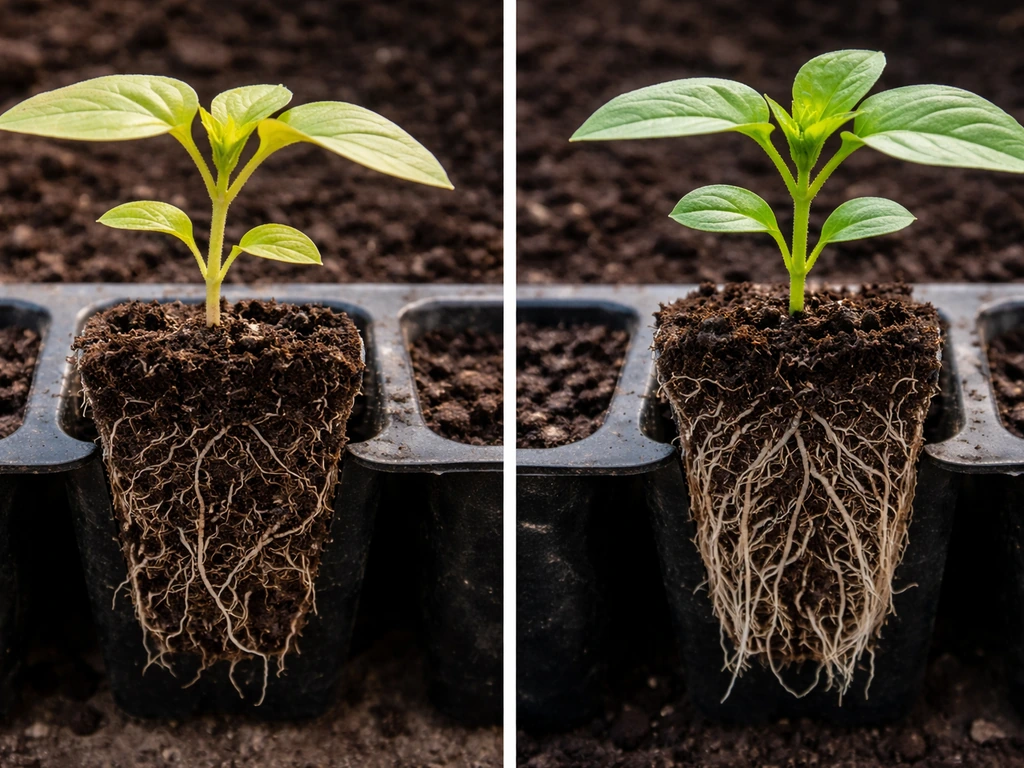
Phosphorus drives root development and is essential for energy transfer (ATP), which underpins basically every metabolic process. It becomes critical at germination, transplanting, and at the transition into flowering. A phosphorus-deficient plant often shows reddish or purplish discoloration on the undersides of older leaves. Bone meal, superphosphate, and most complete fertilizers supply it. Keep in mind that phosphorus is the most pH-sensitive major nutrient and the most likely to lock out in cold or high-pH soils.
Potassium (K): overall resilience and efficiency
Potassium does not build visible structures the way nitrogen does, but it regulates water movement through the plant, activates enzymes, and strengthens cell walls. Plants with adequate potassium handle drought stress and disease pressure better, and they produce denser fruit. Deficiency shows as brown scorching along the margins of older leaves. Potassium sulfate or potassium chloride are common sources, and most balanced fertilizers include it in the third number of the NPK ratio.
Calcium, magnesium, and sulfur: the secondary trio
These three often get overshadowed by NPK, but they matter enormously. Calcium is a structural nutrient that holds cell walls together and is required for new root and shoot tip development. Magnesium is the central atom in the chlorophyll molecule, so a magnesium-deficient plant (interveinal yellowing on older leaves) is literally running short on photosynthetic capacity. Sulfur supports protein and enzyme synthesis; deficiency looks like uniform yellowing of newer leaves, unlike nitrogen deficiency which starts on the old growth. Dolomitic lime supplies both calcium and magnesium. Epsom salt (magnesium sulfate) is a quick foliar fix for magnesium deficiency, though it should not be used as a routine substitute for proper soil nutrition.
Key micronutrients: iron, manganese, zinc, boron
Iron deficiency is probably the most commonly misidentified micronutrient problem because it causes interveinal yellowing on new growth (unlike magnesium, which affects old leaves). The fix depends on your pH: in alkaline soils, an EDDHA chelate is the most effective form. In neutral to slightly acidic soils, DTPA or EDTA chelates work well and cost less. Zinc is important for stem elongation, enzyme activity, and seed production. Manganese assists in photosynthesis and nitrogen metabolism. Boron supports cell wall formation and reproductive development. Deficiencies in these are less common in good garden soil but show up frequently in container plants, hydroponic systems, and heavily leached outdoor beds.
| Nutrient | Primary role | Deficiency symptom | Best source/form |
|---|---|---|---|
| Nitrogen (N) | Vegetative growth, chlorophyll | Yellowing from old leaves upward | Urea, ammonium nitrate, fish emulsion |
| Phosphorus (P) | Root development, energy transfer | Purple/red undersides on older leaves | Superphosphate, bone meal, MAP |
| Potassium (K) | Water regulation, enzyme activation | Leaf margin scorch on older leaves | Potassium sulfate, potassium chloride |
| Calcium (Ca) | Cell wall structure, root tips | Tip burn, blossom end rot, distorted growth | Lime, calcium nitrate, gypsum |
| Magnesium (Mg) | Chlorophyll center atom | Interveinal yellowing on old leaves | Dolomitic lime, Epsom salt (short-term) |
| Sulfur (S) | Protein and enzyme synthesis | Uniform yellowing of new leaves | Ammonium sulfate, gypsum |
| Iron (Fe) | Chlorophyll synthesis | Interveinal yellowing on new growth | EDDHA (high pH), DTPA/EDTA (neutral pH) |
| Zinc (Zn) | Stem elongation, enzymes | Small leaves, shortened internodes | Zinc sulfate, chelated zinc |
| Boron (B) | Cell division, reproduction | Distorted new growth, hollow stems | Borax, foliar boron sprays |
Plant hormones and growth regulators: when they actually help
This is where things get interesting, and also where a lot of hype lives. PGRs can produce dramatic results in specific situations, but they are not general-purpose speed boosters. Using the wrong one at the wrong time can set growth back, cause abnormal development, or do nothing at all.
Auxins: rooting and tropism
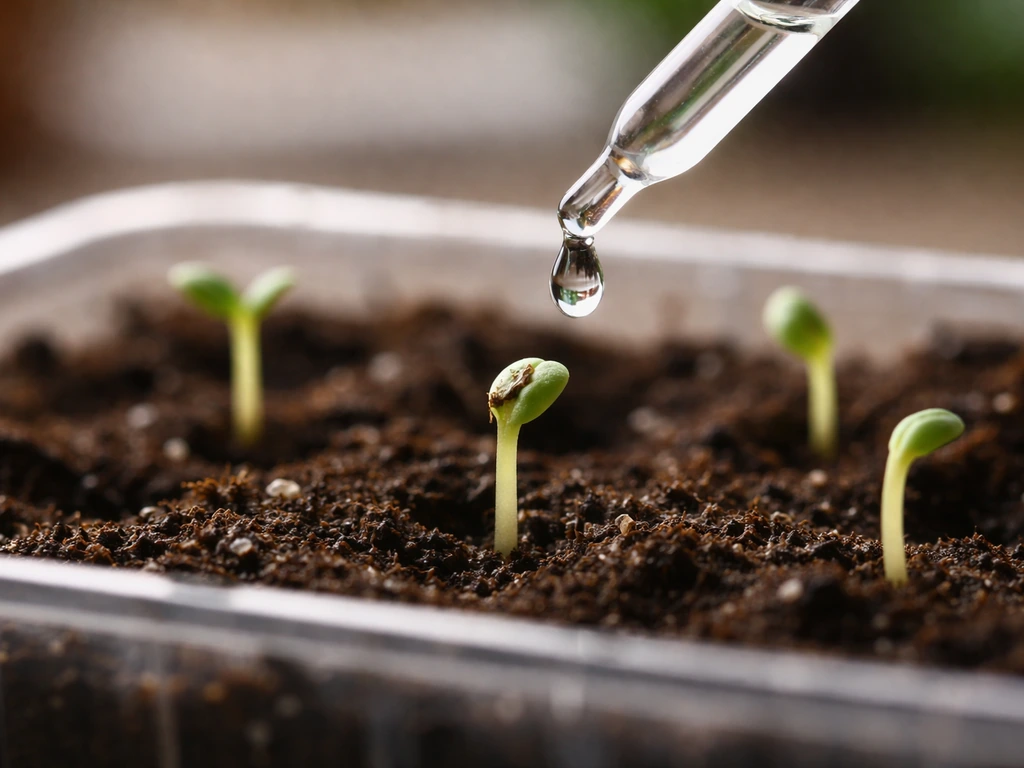
Auxins (primarily indole-3-acetic acid, or IAA) govern cell elongation and are heavily concentrated in root initiation. The most practical application for home growers is rooting hormone powder or gel containing IBA (indole-3-butyric acid), which is a synthetic auxin analog. Dipping cuttings in rooting hormone before sticking them in your propagation mix is one of the most evidence-backed 'chemical' interventions available to gardeners. It genuinely speeds root development and improves cutting success rates. At higher concentrations, auxins can inhibit growth, so more is definitely not better.
Gibberellins: stem elongation and germination
Gibberellins (GAs) promote stem elongation, seed germination, and in some species, can trigger flowering. GA3 is available as a commercial product and is used professionally to increase fruit size in seedless grapes, break seed dormancy, and promote uniform germination. For most home gardeners, gibberellins are overkill and can produce excessively lanky, weak stems if applied to plants that do not need them. The practical use case is soaking stubborn or old seeds in a dilute GA3 solution (typically 100 to 500 ppm) to speed germination.
Cytokinins: branching and leaf retention
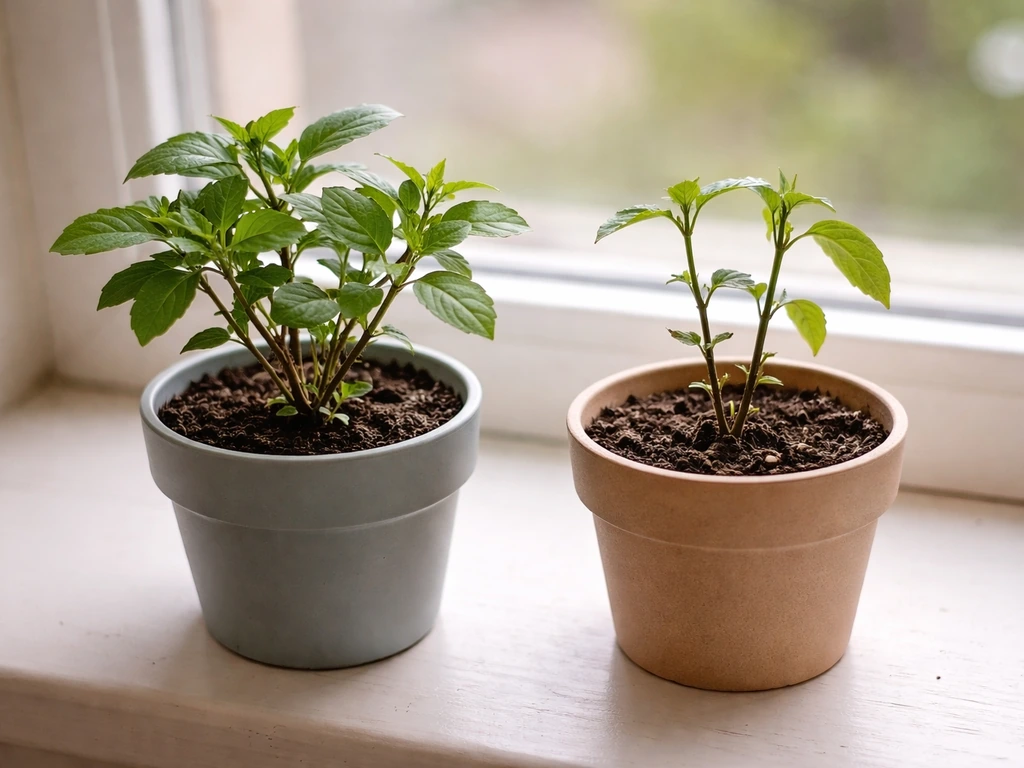
Cytokinins promote cell division and lateral bud development, and they slow leaf senescence (aging). Products containing kinetin or 6-BAP are used commercially to create bushier, more compact plants and to extend the shelf life of cut flowers. For home growers, seaweed extracts (particularly kelp) naturally contain cytokinin-like compounds and are a gentler, more forgiving way to get some of these effects. An ISHS article on liquid seaweed extract discusses cytokinin presence and notes that cytokinin glucosides can be detected, supporting the cytokinin-like activity claim for kelp-derived extracts blank" rel="noopener noreferrer">seaweed extracts (particularly kelp) naturally contain cytokinin-like compounds. If you want a plant to branch more, pinching works just as reliably for most situations without any chemistry involved.
Ethylene and abscisic acid: slowing down, not speeding up
Ethylene promotes fruit ripening and leaf drop, while abscisic acid (ABA) triggers dormancy and stress responses. These are generally not something you want to add if speed is your goal. Understanding them matters for the opposite reason: keeping ethylene-producing fruit away from your vegetable seedlings, and avoiding drought stress that triggers ABA-driven growth shutdown. These are more about managing what limits growth than stimulating it.
Biostimulants worth knowing about
Research reviewed by the American Society of Agronomy confirms that biostimulants can improve root development and nutrient and water scavenging capacity, though they work by stimulating the plant's own processes rather than directly supplying inputs. Practically speaking, mycorrhizal inoculants applied at transplanting can meaningfully speed establishment by expanding the effective root surface area. Humic and fulvic acids can improve nutrient availability in lower-quality soils. Kelp extract is a low-risk, broad-spectrum option that combines cytokinin-like activity with trace elements. None of these are miracle products, but as add-ons to a solid nutrient program, they are genuinely useful.
Matching your approach to plant type and growth stage
The most common mistake I see is applying the same fertilizer in the same way regardless of what the plant is doing. What speeds growth at one stage can slow it at another.
Seedlings and new transplants
Young seedlings have almost no nutrient demand because seed leaves (cotyledons) fuel early growth. Overfertilizing at this stage causes salt burn and stunts development. If you are starting in a quality seed-starting mix, you may not need to fertilize at all until the first true leaves appear. At that point, a half-strength balanced liquid fertilizer (something like a 5-5-5 or 10-10-10 diluted to half the label rate) applied every two weeks is plenty. For transplants, a phosphorus-forward fertilizer at planting helps root establishment, and mycorrhizal inoculant applied directly to the root ball at planting is one of the higher-value biostimulant uses.
Vegetative growth stage
This is the stage where nitrogen does its most visible work. Fast-growing vegetables like tomatoes, squash, and leafy greens respond strongly to higher-nitrogen fertilization during rapid stem and leaf development. A granular slow-release fertilizer (like a 14-14-14 coated product) combined with periodic liquid feeding gives you both steady background nutrition and the ability to push harder when you see strong growth response. Houseplants in active growth (spring and summer) benefit from the same principle: a balanced liquid fertilizer at half to full strength every two to four weeks.
Flowering and fruiting
At flowering, the nitrogen demand drops and potassium and phosphorus become more critical. Switching to a lower-N, higher-P/K fertilizer (like a 5-10-10 or 0-10-10) encourages reproductive development rather than continued vegetative growth. Continuing with high nitrogen during flowering in tomatoes or peppers often produces beautiful plants with very little fruit. Calcium becomes critical here too: blossom end rot in tomatoes and tip burn in lettuce are calcium deficiency symptoms that appear during fast fruiting growth, often due to inconsistent watering interfering with calcium mobility rather than a lack of calcium in the soil.
Houseplants vs. outdoor garden plants
Container-grown houseplants have a completely closed nutrient system, which means they deplete what is available faster and need more consistent supplementation than garden beds. They are also far more susceptible to salt buildup from fertilizer residue because there is no rain leaching through. Flush containers thoroughly with plain water every four to six weeks to prevent accumulation. Outdoor garden plants in amended, living soil rely more on soil biology to mineralize nutrients, which is why biostimulants and organic fertilizers tend to shine in that context. The chemistry is the same but the delivery system is different.
How to apply safely without burning or locking out your plants
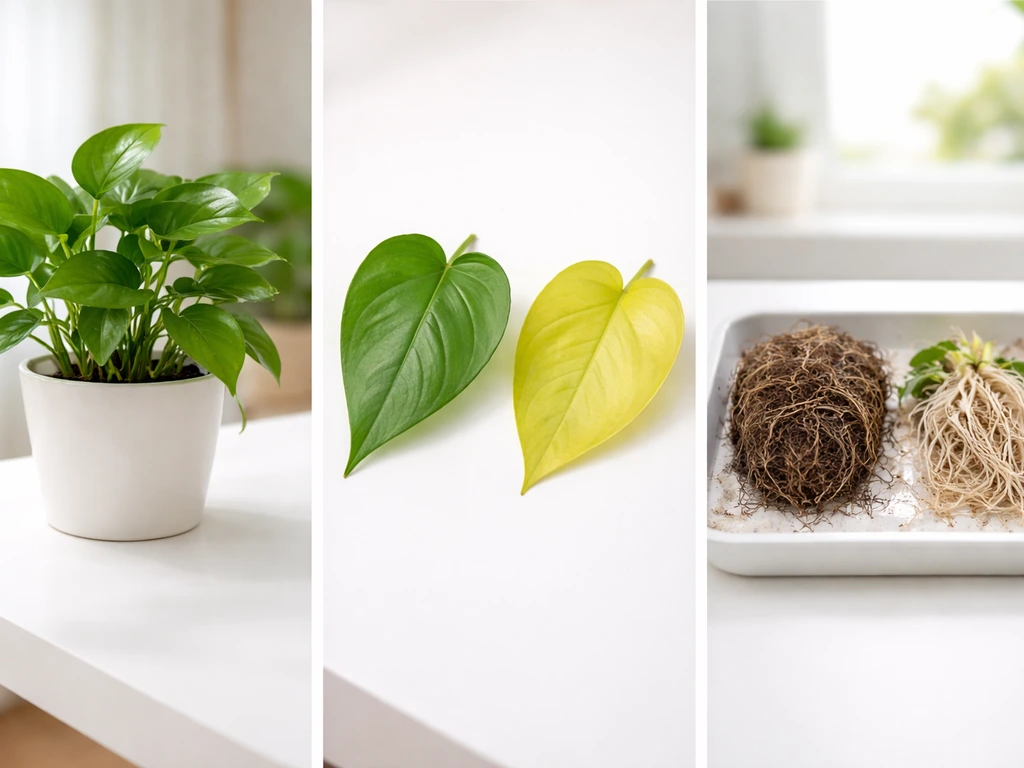
Fertilizer burn happens when the salt concentration around the roots becomes high enough to draw water out of root cells rather than into them. Salt lockout is a related problem where accumulated fertilizer salts in the growing medium interfere with nutrient uptake even when plenty of nutrients are technically present. Both are avoidable with a few consistent habits.
- Start at half the label rate with any new fertilizer and observe for one to two weeks before moving to full rate. Labels are written for ideal conditions, not always for your specific plant.
- Water before fertilizing if the soil is dry. Applying fertilizer to dry soil concentrates salts at the root zone and increases burn risk.
- Never fertilize a stressed, wilted, or recently repotted plant. Wait until it has recovered and is actively growing.
- Flush container plants with plain water at two to three times the pot volume every four to six weeks to leach accumulated salts.
- For granular fertilizers, keep them off stems and foliage and water in immediately after application.
- For foliar sprays, apply early in the morning or late afternoon when temperatures are below 85°F (30°C) to avoid leaf burn from evaporating droplets concentrating the solution.
- Test your soil pH before addressing persistent deficiencies. If pH is out of range, adding more of the deficient nutrient often makes no difference.
Nutrient lockout is different from deficiency, and treating it the same way makes things worse. If your soil is well-amended but your plant still shows deficiency signs, check pH first. If pH is fine, check for root health issues (root rot, compaction, cold soil). If the roots cannot function, the nutrient chemistry does not matter. For PGRs and growth regulators, stick strictly to product label rates. These are biologically active compounds and the difference between a useful dose and a damaging one is often small.
Why is my plant growing so slowly? Diagnosing it right now
Rather than guessing and adding things, the fastest path to fixing slow growth is narrowing down which single factor is the actual bottleneck. If you identify which charm makes plants grow quickly, you can target the real limiter instead of guessing with fertilizer bottleneck. Plants usually give you visible clues.
Read the leaves
- Pale yellow color from bottom leaves upward: likely nitrogen deficiency, or simply not enough fertilization
- Purple or reddish undersides on older leaves: phosphorus deficiency, often triggered by cold soil or low pH
- Interveinal yellowing on old leaves (green veins, yellow between): magnesium deficiency
- Interveinal yellowing on new leaves (young growth affected first): iron deficiency, check pH and chelate form
- Scorched or brown leaf margins on older leaves: potassium deficiency or salt burn from overfertilizing
- Distorted, cupped, or abnormally small new growth: calcium deficiency, boron deficiency, or herbicide drift
- Uniform pale new growth, not yellowing, more like bleached: sulfur deficiency
- Dark green, very slow growth, no yellowing: likely a light, temperature, or root problem, not a nutrient issue
Check the roots and environment before you add anything
If the leaves look reasonably healthy but growth is just slow, do not reach for fertilizer first. Check whether the plant is rootbound (roots circling the bottom of the pot or escaping the drainage holes). Check soil moisture at depth, not just the surface. Check how many hours of direct light the plant actually receives rather than estimating. Measure soil temperature if you can. In my experience, most cases of frustratingly slow growth in containers and indoor gardens come back to inadequate light or root restriction, not nutrient shortage.
What to do today based on what you find
If you spot a clear deficiency symptom, a targeted liquid fertilizer or foliar spray with the specific nutrient is your fastest path to correction. Chelated micronutrients in foliar form (sprayed directly on leaves) work faster than soil applications because they bypass the soil chemistry step entirely. If the problem is nitrogen, a water-soluble high-nitrogen fertilizer or fish emulsion applied to moist soil gives you a visible response within five to seven days in warm conditions. If pH is off, correct it first and then wait two to three weeks before re-evaluating deficiencies. If the issue is broader (slow growth without visible deficiency), start with a soil test if you have not done one recently, improve your light setup, and introduce a balanced fertilizer program at moderate rates rather than trying to solve it with a single high-dose application.
One more thing worth keeping in mind: the topic of what makes plants grow faster is genuinely broad. If you are asking what soil makes plants grow faster, it comes down to pH, structure, and how well nutrients can be taken up from your growing medium. That said, if you are asking whether GMO crops make plants grow faster, it mostly comes down to the specific trait and growing conditions rather than a guaranteed speed boost do gmos make plants grow faster. Soil quality and structure have their own deep story, and environmental tools like greenhouses and heat mats can remove temperature-related limits that no nutrient can overcome. Greenhouses can help by creating a controlled environment, which can keep temperature and light within the range plants need to grow quickly. If you are wondering whether hot water helps plants grow, it usually comes down to consistent root-zone temperature rather than using hot water itself heat mats. The chemical inputs covered here are your most direct lever, but they work best as part of a system where the fundamentals are already working in your favor.
FAQ
What are the most useful “chemicals” if I want noticeably faster growth, without getting into risky plant growth regulators?
For most gardeners, “faster growth chemicals” that are truly helpful are soluble nutrients (N, P, K, plus the specific limiting micronutrient) and, for cuttings, an auxin rooting hormone (usually IBA-based). Plant growth regulators and gibberellins tend to be crop- and timing-specific, so they are not a good default if you do not know the plant’s growth stage and limiting factor.
If my plant is growing slowly, should I just add fertilizer to speed it up?
If you are already providing the right light, water, and temperature, the fastest corrections usually come from a targeted nutrient for a confirmed bottleneck, not repeated blanket feeding. If growth is slow but leaves look mostly healthy, check roots (circling or compacted), actual light hours, and soil temperature first, because adding nitrogen or other nutrients often only causes salt buildup when uptake is limited.
Why do my seedlings sometimes look worse after I start fertilizing?
Overfertilizing seedlings commonly causes salt burn (leaf edge browning or wilting) and can stunt roots, even when the nutrient blend is “balanced.” A practical rule is to fertilize late, after true leaves appear, and start at half strength or weaker, then increase only if the plant keeps a healthy, steady green color.
Can I spray nutrients on leaves instead of feeding through the soil, to make plants grow faster?
Yes, but it is safer and more effective when you use the correct nutrient form for the pH. Chelated micronutrients are the main candidates for foliar feeding, because they bypass soil lockout. If you suspect iron or other micros, foliar sprays can help you see a response sooner, but if pH is badly off, soil correction still matters.
How can I tell if my plant’s problem is deficiency or nutrient lockout?
Nutrient lockout is different from deficiency, and the biggest practical check is pH plus root health. If pH is outside the availability range and roots are struggling (cold roots, root rot, compacted medium), nutrients can look “missing” even when they are present. Start by testing pH and inspecting roots before changing fertilizer rates.
What is the safest way to fertilize container plants if I want faster growth?
For containers, nutrient levels and salt concentration change quickly, so “more frequent light feeding” often beats “one big dose.” A common approach is moderate liquid feeding, then periodic deep flushes every few weeks to prevent fertilizer salts from accumulating and disrupting uptake.
My seedlings look purplish and slow. Could phosphorus be the issue, or is it the temperature?
Phosphorus uptake is especially slow in cold root zones, which can mimic a phosphorus deficiency even in rich soil. If seedlings look purplish or stunted in cool weather, warm the root zone (heat mat for seed starting, or wait until soil is consistently warmer) before increasing phosphorus.
Are plant growth regulators a good way to speed plants up quickly, and can I use them at higher doses?
Do not treat PGRs like vitamins. Use them only for the specific goal and species, and follow label rates exactly. Higher concentrations can cause deformities or growth inhibition, and some PGRs are regulated depending on their active ingredients, so always check the product’s allowed use and handling requirements.
Do biostimulants like kelp or mycorrhiza really make plants grow faster?
Biostimulants can help, but they usually work best as “optimization,” not as a rescue. If the plant is under low light, underwatered, or sitting in a stressed root zone, biostimulants may do little or delay improvement. They are most effective when nutrients and environment are already close to correct.
When should I switch fertilizer “chemicals” from leaf growth to flowering or fruiting?
Yes, and the stage matters. During vegetative growth, nitrogen supports leaf and stem expansion. During flowering and fruiting, lower nitrogen and relatively higher P and K generally shift the plant toward reproductive growth, and continued heavy nitrogen often reduces fruit set.
What should I troubleshoot first when I want faster growth but I am not sure what is limiting it?
A fast, practical next step is to isolate the single bottleneck using visible clues. If leaves are healthy but growth is slow, first check root crowding, soil moisture at depth, and measured light exposure, then check soil temperature if conditions are cool. Only after that should you change nutrient inputs.
Next Articles
How Do Microorganisms Help Plants Grow: Practical Guide
Learn how microbes in the rhizosphere fix nitrogen, boost phosphorus, aid roots, suppress disease, and how to grow them.
How Does Yeast Help Plants Grow? Safe, Practical Guide
Learn how yeast boosts plant growth via soil microbes, safe dilution and timing, plus myths, limits, and troubleshooting
Do Mushrooms Help Plants Grow? Science and How to Use
Science-backed answer on whether mushrooms help plants grow, plus how to use mycorrhiza, compost, and test results.