Dog poop contains real plant nutrients, including nitrogen and phosphorus, but using it fresh on your garden is a bad idea and most extension services flat-out advise against adding it to your compost bin at all. NC State Extension’s composting guidance also lists dog or cat feces and litter as materials that may contain parasites and pathogens, so they are not treated as a safe compost ingredient [dog or cat feces and litter may contain parasites and pathogens](https://content. ces. ncsu.
Does Dog Poop Help Plants Grow? Safe Steps and Truth
Marcus Holloway
1 May 2026
edu/extension-gardener-handbook/2-composting). The nutrients are there, but so are pathogens like Salmonella, E. coli, Giardia, roundworms, and Parvovirus that can survive in soil and contaminate food. If you compost it very carefully, under controlled heat conditions, and only use the result on ornamental plants, you can extract some of that nutrient value safely.
For most home gardeners, though, the safer and smarter move is to skip it entirely and use commercial compost or aged manure from livestock instead.
What's actually inside dog poop
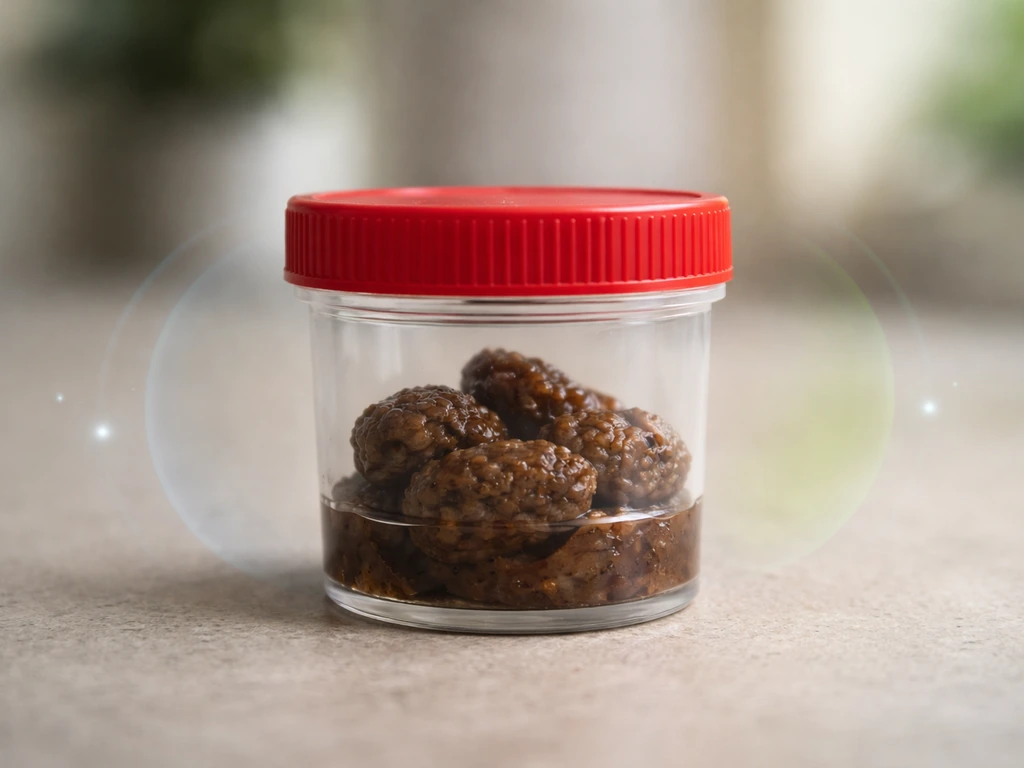
Dog feces are nutritionally dense compared to what you might expect. On a dry-matter basis, dog waste runs around 43.5% total organic carbon and about 4.96% total nitrogen. Those are not trivial numbers. It also contains phosphorus and water-soluble polyphenolic compounds at roughly 8,300 mg/kg dry matter. In a purely chemical sense, that profile isn't far off from some livestock manures, which is probably where the idea of using it as fertilizer comes from.
The problem is everything else that comes along for the ride. Dog digestive systems are carnivore-heavy, which makes their waste very different from cow or chicken manure. Dog poop routinely carries zoonotic pathogens including roundworms, whipworms, tapeworms, hookworms, fecal coliform bacteria, Giardia, Salmonella, E. coli, Cryptosporidium, Cyclospora, and Parvovirus. Some of these can survive in soil for months. That's the real reason extension services across the country, from Iowa State to NC State to K-State, tell gardeners to keep dog waste out of their compost and away from their gardens.
When dog waste might actually help plants
There is a narrow window where dog waste can provide plant benefit without unacceptable risk, and it involves dedicated composting with real temperature control. The EPA cites Cornell's composting research in setting a minimum target: the pile must stay above 40°C (104°F) for five days, with temperatures hitting at least 55°C (131°F) for four hours during that period. Vermont's composting regulations, as an example of state-level standards, require an aerated static pile to hold 55°C for at least three consecutive days. These temperatures kill most pathogens.
Here's the catch: most home compost piles never get there. Iowa State University Extension points this out directly, noting that internal temperatures in typical backyard piles don't reach levels needed to safely neutralize the pathogens in dog and cat feces. You'd need an actively managed, regularly turned pile with the right carbon-to-nitrogen ratio, adequate moisture, and good aeration to consistently hit those numbers. It's doable, but it takes effort and a compost thermometer you're actually using.
If you do manage it correctly, the University of Florida IFAS and a few other extension services acknowledge that the resulting compost can be used around ornamental plants: flower beds, shrubs, trees. Not food gardens. The nutrients that were in that waste can genuinely support plant growth in those non-edible contexts, which is about as close to a "yes" as the science gets.
When dog poop hurts plants and soil
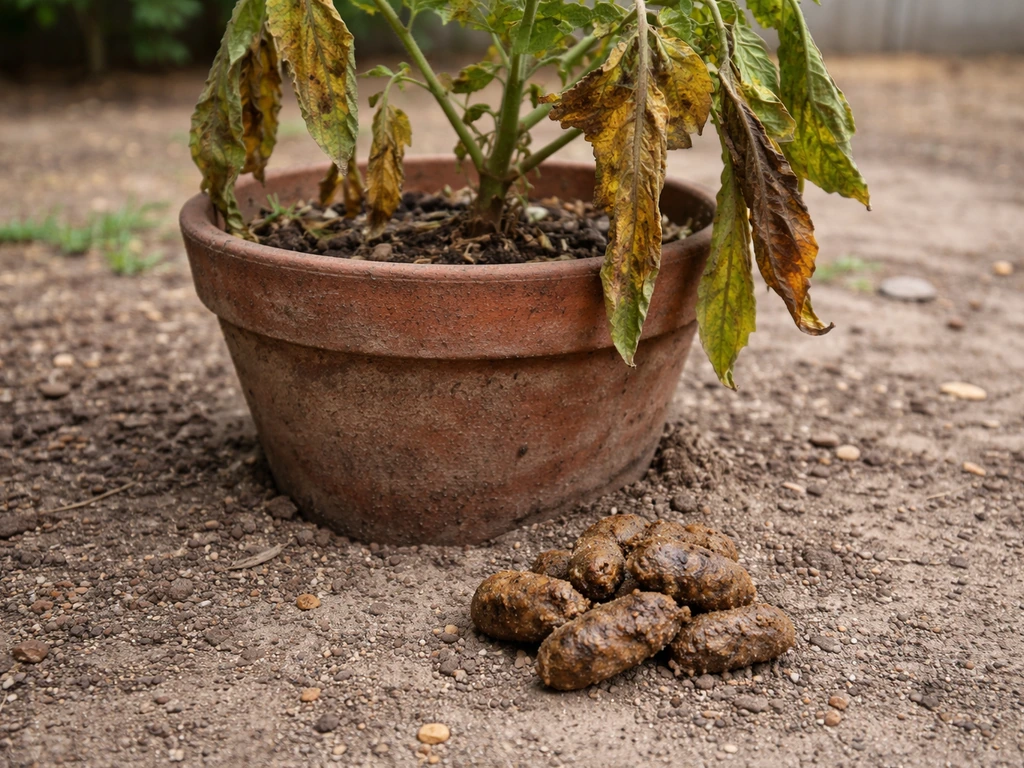
Fresh dog waste applied directly to plants is almost always going to cause problems rather than solve them. The nitrogen concentration is high enough to burn plant roots and foliage if applied in any quantity, especially in dry conditions. The salts and other compounds in dog waste compound that stress. You'll likely see yellowing, wilting, or outright death of the plants closest to where the waste lands, which is the opposite of what you're going for.
Beyond the plants themselves, there's the soil and water angle. Pet waste is loaded with nutrients that can run off with rain into storm drains and waterways, where they fuel algae blooms and deplete oxygen in streams and ponds. The EPA classifies pet waste as a dangerous pollutant in stormwater contexts. Philadelphia Water Department and Seattle Public Utilities both call this out specifically: dog waste near any area that drains to waterways isn't just a garden problem, it's a water quality problem.
There's also the animal attraction issue. Utah State University Extension notes that adding dog or cat manure to a compost area draws raccoons, rats, mice, and even snakes, while producing strong odors during decomposition. That's a practical problem even before you get to the pathogen risks.
Dog-waste compost versus safer alternatives
Before deciding whether to go through the effort of composting dog waste, it's worth comparing your options. Livestock manures (cow, horse, chicken) have been used in agriculture for centuries and carry far lower pathogen risk, especially when properly aged or composted. Commercial compost and bagged soil amendments from garden centers are processed under controlled conditions that reliably meet pathogen reduction standards. The nutrient profiles are comparable, and the risk profile is much more manageable.
| Option | Nutrient Value | Pathogen Risk | Safe for Edibles? | Practical Effort |
|---|---|---|---|---|
| Fresh dog waste | High nitrogen/phosphorus | Very high | No | None, but causes problems |
| Home-composted dog waste | Moderate after composting | Medium to high if temps not reached | No | High, requires thermometer and management |
| Aged livestock manure | Good nitrogen/phosphorus/potassium | Low to moderate | Yes, with care | Low to moderate |
| Commercial compost | Balanced, consistent | Very low | Yes | Minimal, just buy and apply |
| Municipal composting program | Variable but processed | Very low | Generally yes | Just drop off the waste |
The verdict here is pretty clear. If you want the nutrient benefit of organic matter in your soil, commercial compost or well-aged livestock manure gets you there without the risk. Composting is a great habit, and understanding how it builds soil health is genuinely useful for any gardener. If you are wondering whether fish poop helps plants grow, use the same caution and focus on safe composting that reaches proper temperatures. When you compost plant scraps the right way, that organic matter helps plants grow by improving soil structure and feeding beneficial microbes science of composting. Dog waste composting is a specialized, higher-risk version of that process that most home gardeners aren't set up to do correctly.
What to do with dog poop right now
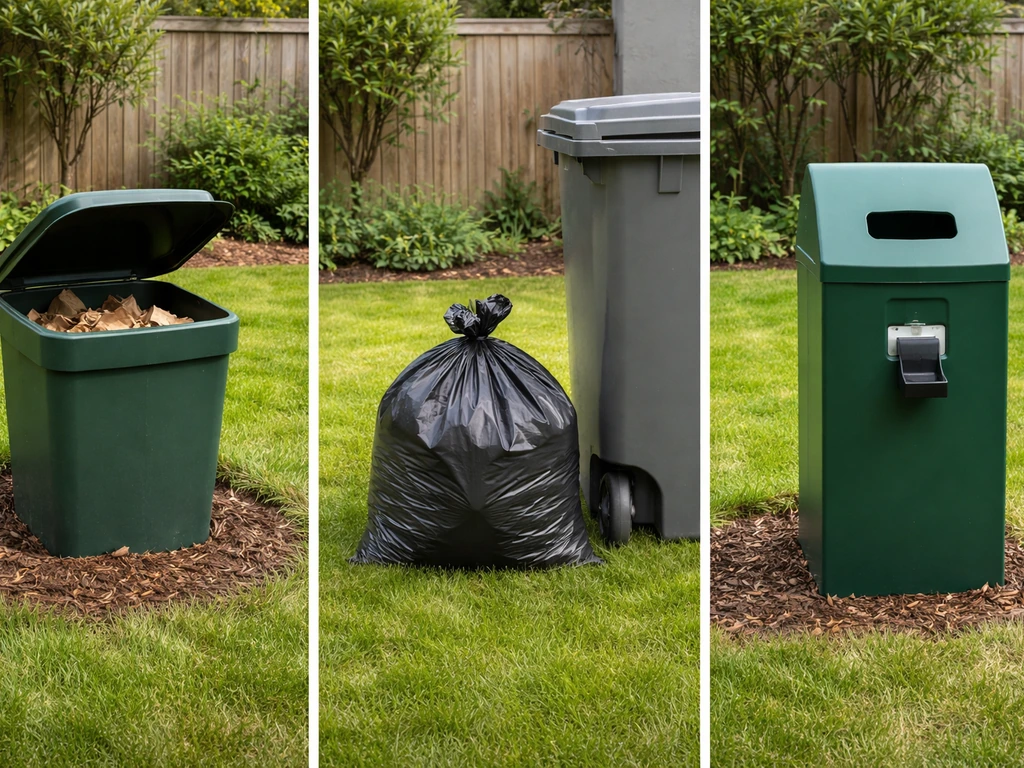
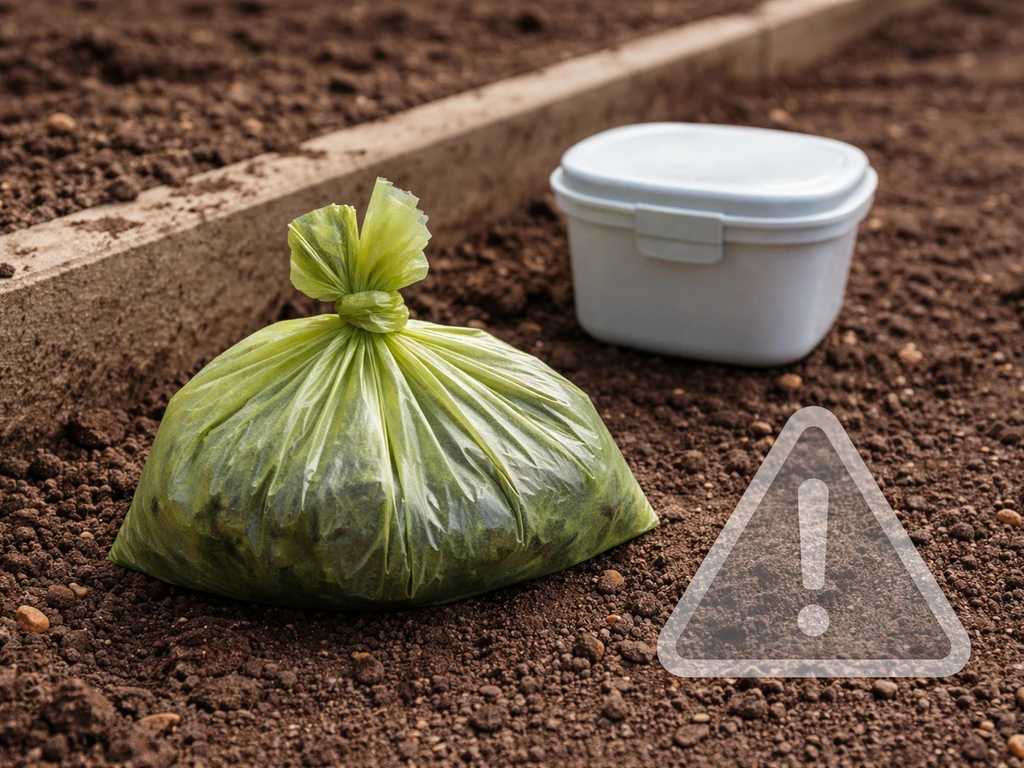
If you're standing in your yard trying to figure out what to do with the poop in front of you, here's the practical path forward. Seattle Public Utilities recommends disposing pet waste in the owner’s own trash can, not a neighbor’s can without permission, because it can contribute to water pollution dispose of pet waste in your own trash can.
- For most people: bag it and put it in the trash. This is the EPA-recommended baseline and the recommendation from most municipal water departments. It keeps pathogens out of your soil and waterways.
- If your area has a pet waste composting drop-off or municipal composting program that accepts pet waste, use it. Municipal facilities can reliably hit pathogen-reduction temperatures that home piles usually can't.
- If you want to compost it at home: set up a dedicated, separate compost bin used only for dog waste. Never mix it with your regular garden compost. Use a compost thermometer and confirm the pile reaches 55°C (131°F) for at least four hours within a five-day stretch at 40°C minimum. Turn the pile regularly and maintain moisture. This takes real commitment.
- If your home-composted dog waste meets those temperature benchmarks consistently: use the finished compost only around ornamental plants like shrubs, trees, and flower beds. Keep it well away from vegetable gardens, edible crops, water features, and areas that drain toward streams or stormwater systems.
- If you're gardening near water or on a slope: bag and trash every time, no exceptions. The stormwater contamination risk is not worth any potential nutrient benefit.
- For your vegetable garden: skip dog waste entirely and reach for commercial compost, worm castings, or aged livestock manure. The payoff is the same, the risk is not.
The do and don't list
- DO bag dog waste and dispose of it in the trash as the default choice
- DO use dedicated pet waste composting programs if they exist in your area
- DO use a compost thermometer if you attempt home dog waste composting, and verify you're hitting 55°C
- DO restrict any home-composted dog waste product to ornamental plants only
- DO keep dog waste away from vegetable gardens, herb beds, and anything you eat
- DO keep dog waste away from areas near streams, storm drains, or slopes that drain to water
- DON'T apply fresh dog poop directly to any plant, ever
- DON'T add dog waste to your regular home compost bin
- DON'T assume your backyard compost pile gets hot enough to kill pathogens without measuring it
- DON'T use dog waste compost on edible crops even if it looks finished and smells earthy
- DON'T leave dog waste on lawns near waterways or let it wash into storm drains
The nutrient potential in dog waste is real, but the risk-to-reward ratio makes it a poor choice for most gardeners compared to safer alternatives. Using dead bodies as fertilizer is not something gardeners should rely on, because it can bring health risks and unwanted contaminants. If you're interested in how organic matter actually builds soil fertility, the science of composting plant and kitchen waste is a much more reliable place to invest your effort, and it connects directly to the same soil chemistry principles that make livestock manures so valuable in agriculture. Dog waste sits in a uniquely risky category because of the carnivore-heavy diet and associated pathogen load, and most extension services agree the safer call is simply not to use it.
FAQ
Can I put dog poop in my compost pile and later use the compost on vegetables?
If it is dog feces, the safe baseline is no, do not add it to your compost or spread it in a garden you want to use for food. The only exception described in the article is a tightly controlled composting process that reliably reaches pathogen-killing temperatures, and even then it is intended for ornamental plants, not edible crops.
How can I tell if my compost pile is hot enough to make dog-waste compost safe?
Do not rely on visual cues or typical backyard conditions. To have any chance of reaching pathogen reduction targets, you need a compost thermometer, a pile design that supports heat, consistent moisture and aeration, and turning or active management so the internal temperature stays in the required range for the specified time.
Will dog poop help plants grow if I apply it fresh but in a small amount?
Yes, you can get plant damage even if you believe the poop will “act like fertilizer.” Fresh dog waste is dense in nitrogen and salts, so applying it directly can burn roots and foliage or cause wilting, especially during dry weather or when concentrated near the application spot.
If I compost dog waste correctly, can I use it on herbs or fruit trees?
Even with correct composting, avoid using the finished product on edible gardens. The article’s practical guidance limits use to ornamental plantings, because the risk profile is not worth it for crops that contact the part you eat.
What should I do with dog poop if I do not have the equipment or time to manage hot composting?
If your pile cannot be managed to consistently hit the required temperatures, treat the safest option as disposal rather than reuse. The article’s “most home compost piles never get there” point means you should not assume your compost will become pathogen-free without the right conditions.
How do pests and odors affect the safety of composting dog waste?
Think in terms of odor and pests as separate failure signals. Attraction of raccoons, rats, mice, or snakes, plus strong decomposition smell, suggests the pile conditions are not ideal, and those issues often go with incomplete pathogen control.
Is it better to throw bagged dog waste in the yard or near a storm drain?
Use pet waste disposal that prevents runoff and exposure, such as bagging for trash or following local pet-waste disposal guidance. The article also notes the water quality angle, so do not dump near drainage paths, ditches, or areas that carry water to storm drains or waterways.
What is the best alternative if I want the nutrient benefit but without the health risk?
Don’t substitute dog poop compost for your overall soil-building routine. The article recommends commercial compost or well-aged livestock manure, which provide organic matter and fertility with a more manageable pathogen risk profile.
Why do people say dog poop has nutrients, yet you still advise against using it?
Yes, and this is a common mistake. Nutrient value is not the same as safe use. Even though dog waste contains nitrogen and phosphorus, the decision has to account for pathogen survival, soil contamination, and food-chain exposure, which is why extension guidance generally says to keep it out of garden compost.
What should I do if dog waste already got onto my garden bed?
If you have already spread fresh pet waste, keep it away from vegetable beds and prevent runoff by removing any contaminated material and rinsing tools or surfaces that got contact. Then focus on safer fertility sources for that area, since you cannot “undo” pathogen risk with later watering or normal composting.
Next Articles
Why Manure Helps Plants Grow and How to Use It Safely
Why manure boosts plant growth: microbes, nutrients, and organic matter, plus safe use to avoid burn, salts, and pathoge
How Does Compost Help Plants Grow Faster and Better
Learn how compost boosts soil, water retention, and nutrients to improve plant growth speed and health, plus when it won
How Do Microorganisms Help Plants Grow: Practical Guide
Learn how microbes in the rhizosphere fix nitrogen, boost phosphorus, aid roots, suppress disease, and how to grow them.