Charcoal and charcoal ash can help plants grow in specific situations, but neither is a fertilizer, and neither will save a plant that's getting poor light, wrong watering, or nutrient-depleted soil. What they actually do is change your soil's chemistry, mostly its pH, porosity, and ability to hold onto nutrients. When those changes match what your soil actually needs, you can see real improvement. When they don't, you can quietly make things worse. So the honest answer is: sometimes yes, sometimes no, and it depends almost entirely on your starting conditions. If you are wondering whether carbonated water helps plants grow, the evidence is limited and it is unlikely to replace proper soil nutrients, light, and watering does carbonated water help plants grow. If you're wondering whether Coca-Cola helps plants grow, it's not a practical or safe substitute for real fertilizer and soil amendments Coca-Cola help plants grow.
Does Charcoal Help Plants Grow? Benefits, Risks, and How to Use Charcoal Ash

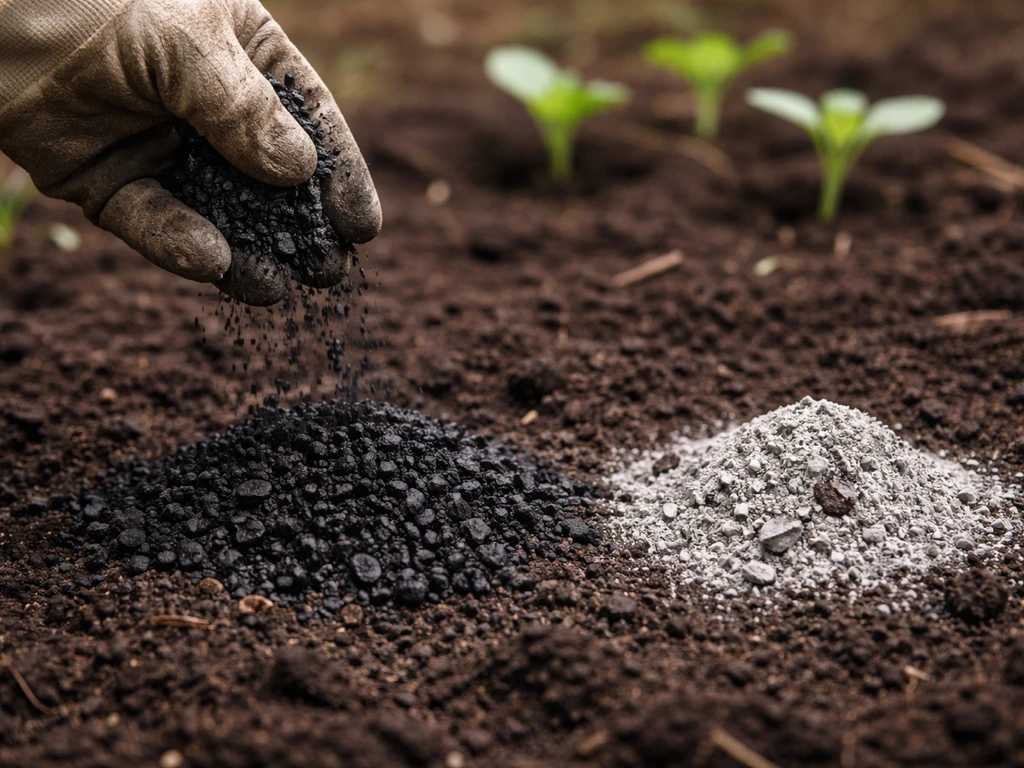
Charcoal vs. charcoal ash: they're not the same thing
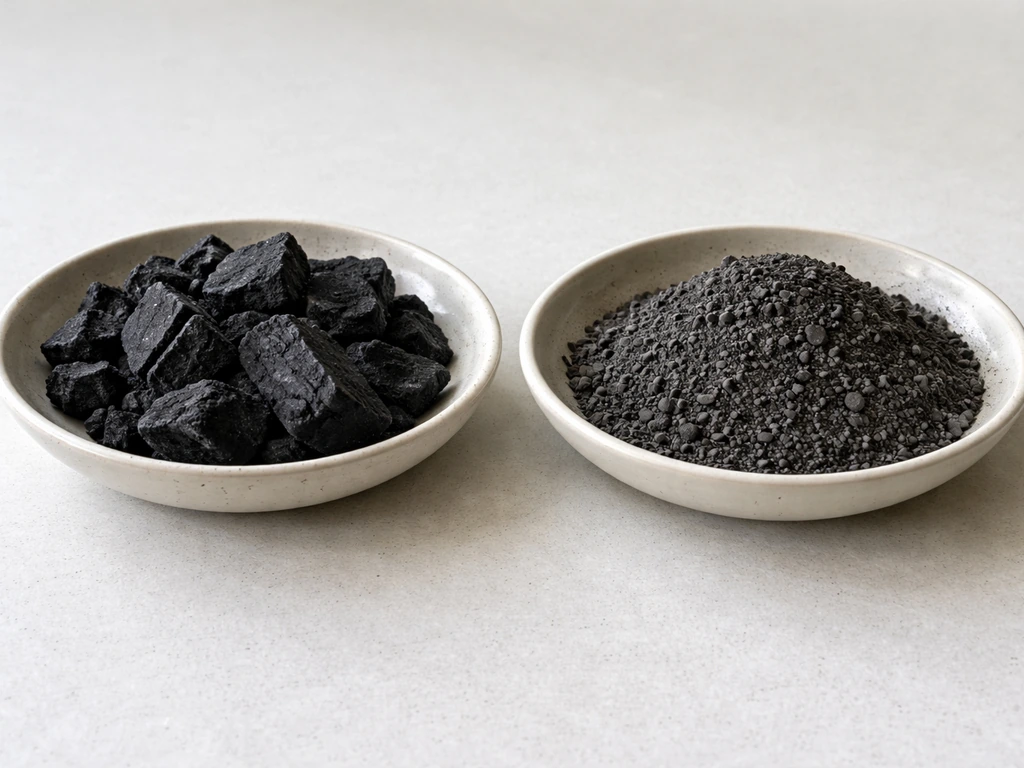
This distinction matters a lot in practice. When gardeners talk about 'charcoal' as a soil amendment, they're usually referring to something close to biochar: charcoal-like material made by heating biomass (wood, plant matter) at high temperatures with little or no oxygen, a process called pyrolysis. The result is a stable, carbon-rich, porous material. It doesn't dissolve quickly, it doesn't spike your soil pH dramatically, and it can persist in the soil for years, slowly influencing nutrient retention and microbial activity.
Charcoal ash is what's left after charcoal or wood has been fully burned, and it behaves very differently. Ash is mostly mineral residue: calcium carbonate, potassium (roughly 10% potash), and other soluble salts. It's alkaline, it dissolves relatively fast in moist soil, and about 80 to 90 percent of its minerals are water-soluble. Think of wood ash as a fast-acting liming agent with some potassium thrown in, not a slow soil conditioner. Two pounds of wood ash is roughly equivalent to one pound of calcitic limestone for raising soil pH. That's useful information, because it means ash hits your soil chemistry quickly and strongly. Using the terms interchangeably is where a lot of garden mistakes start.
What charcoal and ash actually change in your soil
Charcoal (biochar-style): slow, structural changes
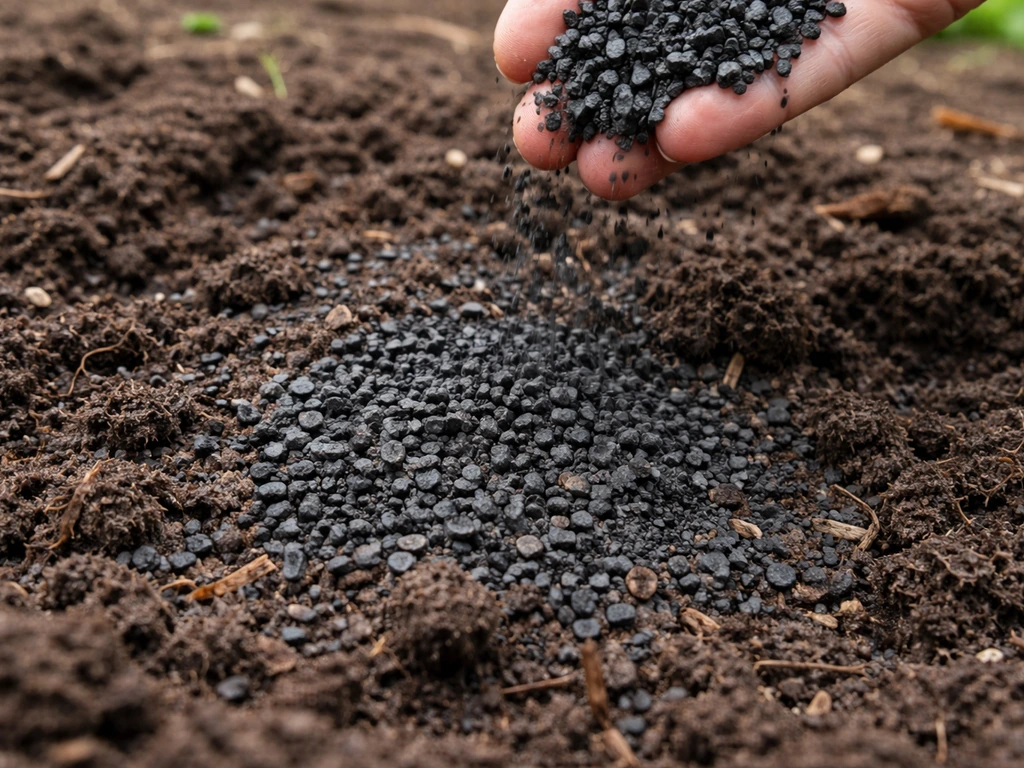
Charcoal incorporated into soil primarily affects its physical and chemical structure over time. The high porosity and surface area of biochar-type charcoal can improve water retention in sandy soils, reduce bulk density in compacted soils, and create micro-habitats where beneficial soil microbes thrive. On the chemistry side, it can increase cation exchange capacity (CEC), which is your soil's ability to hold onto positively charged nutrients like calcium, magnesium, and potassium rather than letting them leach away with rain. It also tends to nudge soil pH upward slightly, though less aggressively than ash. Over time, as charcoal ages in the soil, oxidation develops more surface functional groups that further boost its nutrient-holding ability. None of this happens overnight, and none of it substitutes for actual nutrients in the soil.
Charcoal ash: fast pH and nutrient shifts
Ash raises soil pH quickly because of its calcium carbonate content, and it delivers a burst of soluble potassium and other minerals. Studies on charcoal ash in acid soils show it can materially alter soil pH within a single growing season, especially when combined with other alkaline materials. The flip side is that its high solubility means salts can accumulate, particularly if you apply too much or apply it repeatedly without testing. That salt buildup can stress plants, reduce germination rates, and in severe cases cause visible leaf burn. The feedstock your ash came from also matters: ash from clean wood or untreated plant matter is very different from ash derived from treated lumber, manure, or municipal waste. The r/askscience thread also discusses how wood ash can contain trace heavy metals, with some of those traces likely reflecting environmental or soil inputs ash from clean wood or untreated plant matter is very different from ash derived from treated lumber, manure, or municipal waste.. The latter can introduce heavy metals and contaminants you don't want anywhere near your vegetables.
Who actually benefits from adding charcoal or ash
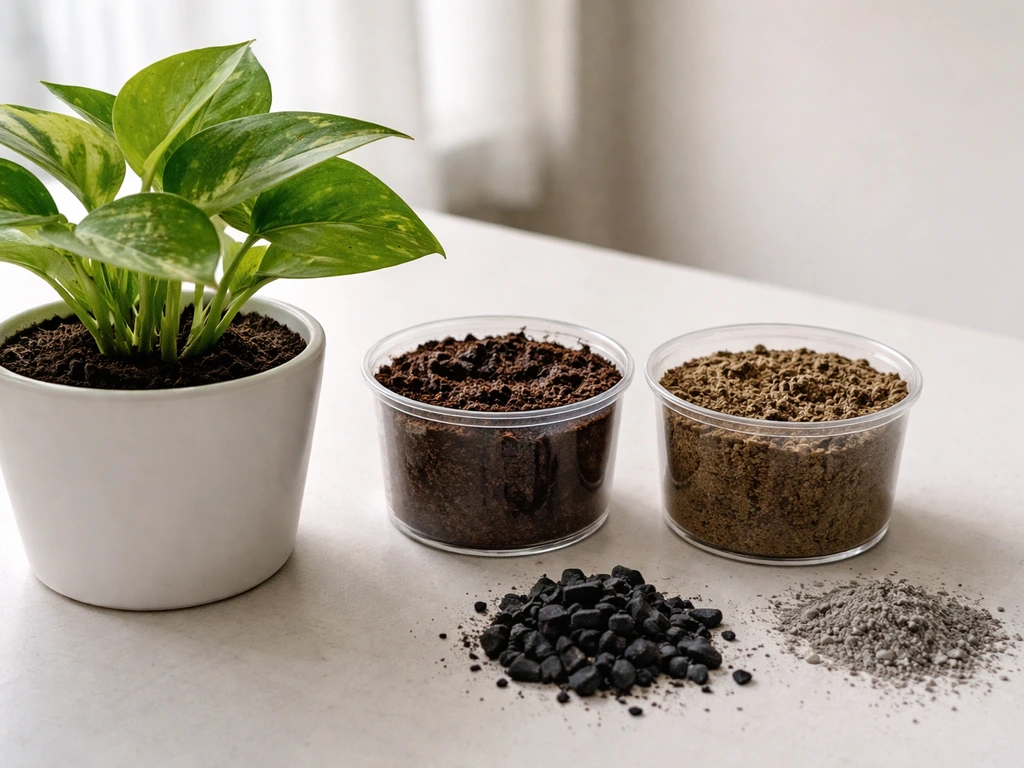
The research on biochar is pretty consistent on one point: benefits are not universal. Meta-analyses of large-scale field trials show both positive and negative yield responses, and the difference almost always comes down to matching the amendment's properties to the soil's actual needs. Here's where charcoal or ash is most likely to make a real difference:
- Acid soils (pH below 6.0): Both charcoal and ash can help neutralize excess acidity. Acid-loving plants aside, most vegetables and many ornamentals struggle below pH 6.0 because nutrient availability drops off. Raising pH toward the 6.0 to 7.0 range is a legitimate horticultural move in these conditions.
- Sandy, low-CEC soils: Soils that drain too fast and don't hold nutrients well are where biochar-type charcoal earns its reputation. The porous structure genuinely helps retain water and nutrients in these conditions.
- Tropical or heavily weathered soils: Research in tropical acid soils (Ultisols and similar) shows the biggest and most consistent charcoal benefits, because these soils tend to be both acidic and nutrient-poor.
- Potassium-deficient soils: Wood ash delivers a real dose of soluble potassium, which matters for fruiting plants (tomatoes, peppers, squash) that are heavy K users.
- Gardens recovering from compaction or low organic matter: Charcoal can improve soil porosity and support microbial diversity in degraded soils.
On the other hand, if your soil is already at pH 7.0 or above, adding either charcoal ash or alkaline biochar is likely to cause problems rather than solve them. Alkaline soils already limit iron, manganese, and other micronutrient availability, and pushing pH higher makes that worse. Same goes for heavy clay soils with decent organic matter and CEC: there's less structural problem for the charcoal to fix.
The real risks of getting this wrong
Charcoal and ash are not neutral additives. Over-application of wood ash is one of the more common ways home gardeners quietly damage their soil over several seasons, because the effects accumulate and the damage isn't always obvious until a plant starts struggling. Here's what can go wrong:
- Excessive alkalinity: Push soil pH above 7.5 and many nutrients become chemically unavailable, even if they're present in the soil. Iron chlorosis (yellowing between leaf veins) is a classic symptom.
- Salt buildup: Ash is high in soluble salts. Repeated applications or heavy single doses can raise electrical conductivity to levels that stress or kill plants, reduce germination, and damage fine root hairs.
- Phosphorus lockout: Very high pH from excess ash can bind phosphorus into insoluble forms, starving plants of a nutrient they need for root development and flowering.
- Nutrient imbalance: Dumping a lot of potassium via ash can push calcium and magnesium out of the soil exchange sites, creating secondary deficiencies.
- Contamination risk: Ash or charcoal made from treated wood, plywood, manure, or municipal waste can carry heavy metals and chemical contaminants. The USDA prohibits ash from manure burning in certified organic production for exactly this reason. Know your source.
- Germination damage: Direct contact between fresh ash and germinating seeds can kill seedlings. Wood ash should never be applied directly at seed level.
For biochar-style charcoal, the risks are generally lower than for ash because the material is less soluble and slower to affect pH. But at very high application rates, some studies report reduced nutrient availability and negative yield effects, so more is definitely not always better. The sweet spot in research ranges from roughly 2 to 22 tons per acre in commercial settings, but for home gardens, starting conservatively and monitoring is always the right call.
How to use charcoal or ash safely in your garden
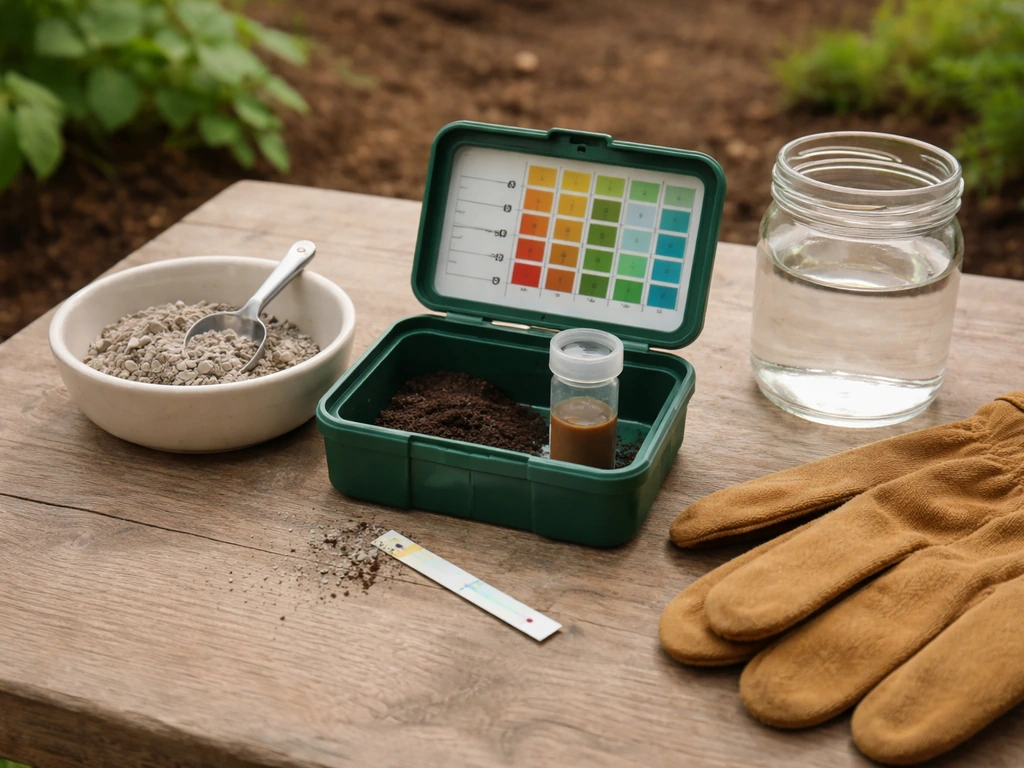
Before you add anything, know your starting pH. A basic soil test (available from most county extension offices or as an inexpensive home kit) will tell you whether you even have a problem worth solving. If your pH is already 6.5 to 7.0 and your soil has decent organic matter, you don't need charcoal or ash. Full stop.
Wood ash application guidelines
Multiple university extension programs land on very similar recommendations, which is reassuring. The consensus from Cornell, Iowa State, Oregon State, and the University of New Hampshire all points to roughly the same ceiling: no more than 10 to 20 pounds of wood ash per 1,000 square feet per year. Oregon State University Extension also advises limiting ash application rates to about 10 pounds per 100 square feet per year, because too much ash can raise soil pH to levels that interfere with plant growth blank" rel="noopener noreferrer">no more than 10 to 20 pounds of wood ash per 1,000 square feet per year. UNH Extension also notes you can apply up to 20 pounds of wood ash per 1,000 square feet to most lawn and garden areas each year without raising pH unduly blank" rel="noopener noreferrer">The consensus from Cornell, Iowa State, Oregon State, and the University of New Hampshire all points to roughly the same ceiling: no more than 10 to 20 pounds of wood ash per 1,000 square feet per year.. Some frame that as about one five-gallon bucket per 1,000 square feet annually. Don't exceed that, don't apply it every year unless a soil test tells you to keep going, and stop entirely if soil pH hits 7.0. Apply it to moist soil, work it into the top few inches, and keep it away from direct seed contact and the root zone of acid-loving plants like blueberries, azaleas, and rhododendrons.
Biochar/charcoal application guidelines
For home gardeners working with biochar or crushed charcoal, a conservative starting rate is around 1 to 2 pounds per square foot incorporated into the top 6 to 8 inches of soil, roughly equivalent to a few tons per acre at the low end of the research range. More experienced gardeners with sandy or heavily degraded soil can go higher, but there's no reason to pile it on in year one. Incorporate it rather than leaving it on the surface, because surface charcoal without soil contact doesn't deliver the microbial and CEC benefits, and it can blow away. Wetting the charcoal or pre-charging it with compost or liquid fertilizer before soil incorporation (a practice sometimes called 'activating') helps jumpstart microbial colonization.
| Amendment | Primary effect | Speed of action | pH impact | Safe annual rate (home garden) | Best soil match |
|---|---|---|---|---|---|
| Biochar/charcoal | Porosity, CEC, microbial habitat | Slow (months to years) | Slight increase | 1–2 lbs per sq ft (incorporate into top 6–8 inches) | Sandy, acid, or degraded soils |
| Wood/charcoal ash | Liming, potassium, soluble minerals | Fast (weeks) | Strong increase | 10–20 lbs per 1,000 sq ft per year | Acid soils below pH 6.0 |
Test, apply, watch, and adjust: a practical workflow
- Test your soil pH before anything else. Use a home meter, test kit, or send a sample to your local extension office. Record the result. If pH is already above 6.5, hold off on both charcoal ash and alkaline biochar. If it's below 6.0, you have a problem worth addressing.
- Choose your amendment based on what you actually need. Want fast pH correction and a potassium boost? Wood ash in the correct dose. Want long-term soil structure improvement in a sandy or degraded garden? Biochar-style charcoal incorporated into the soil.
- Apply at conservative rates. Start at the lower end of the recommended range. For ash, that means staying well under 20 lbs per 1,000 sq ft. For charcoal/biochar, start around 1 lb per square foot incorporated into the top 6 to 8 inches. Don't apply ash near germinating seeds.
- Retest soil pH 4 to 6 weeks after application, then again at the end of the season. This tells you whether the amendment moved pH in the right direction and by how much. Avoid testing areas that are unrepresentative (near compost piles, recently burned spots, or fresh organic matter).
- Watch your plants for signs of improvement or stress over the following 4 to 8 weeks. Improvement looks like stronger new growth, deeper green color, and better flowering or fruiting. Stress signs to watch for include yellowing between leaf veins (possible alkalinity-driven micronutrient lockout), leaf tip burn (possible salt damage), or stunted new growth.
- Adjust for next season based on what you see. If pH is moving in the right direction and plants are responding well, you can maintain or slightly increase the rate. If pH has overshot or plants show stress, stop adding amendments, increase watering to flush salts, and let the soil stabilize before testing again.
This isn't magic, but it's real soil science
Charcoal and charcoal ash are not fertilizers. They won't replace adequate light, water, or a balanced nutrient supply, and they won't rescue a plant that's struggling for other reasons. What they can do, when matched to the right soil conditions, is meaningfully improve the soil environment so that everything else you're doing works better. The science is real but conditional, which is why the step that matters most is always testing your soil before you add anything. You might also be curious about other carbon-based amendments and their effects on plant growth: carbonated water, for instance, delivers CO2 in a very different form with a very different mechanism of action, and that's a separate conversation worth exploring.
The gardeners who get the most out of charcoal or ash amendments are the ones who treat them as targeted interventions in a specific soil problem, not as a broadcast additive to throw around. Start with a soil test, apply conservatively, and let your plants tell you what's working.
FAQ
How do I tell whether I should use charcoal/biochar or wood ash for my situation?
Match the amendment to the goal. Use biochar-type charcoal when you mainly need better water holding, improved nutrient retention (CEC), or support for soil microbes, especially in sandy or degraded soils. Use wood ash when you specifically need to raise pH and add potassium, but only if your soil test shows you can afford the pH increase (avoid if pH is already around 7.0 or higher).
Can I use charcoal ash from a grill, fireplace, or burn barrel on vegetables?
Only if you are confident the feedstock was clean. Ash from treated lumber, painted wood, plywood, pallets, or household trash can contain contaminants you do not want near food crops, including heavy metals. Stick to ash from untreated, uncoated wood or clean plant material, and keep records of the source if you can
Is biochar safe to use if it was made with unknown materials or in an uncontrolled setup?
Biochar is only reliably “soil-safe” if the original biomass and pyrolysis conditions are known. If the feedstock was contaminated (treated wood, manure from medicated animals, municipal waste), the resulting biochar can carry undesirable compounds. When in doubt, use commercial biochar labeled for soil use, or run a soil test and start very low rather than applying heavily.
Will charcoal or ash help plants that are yellowing due to nutrient deficiency?
Sometimes, but not like a fertilizer. If yellowing is from nitrogen deficiency, neither biochar nor ash provides enough available nitrogen to correct it. Ash may help if the issue is tied to low potassium and high soil acidity, but you still need to confirm with a soil test (or tissue test) before relying on ash.
How long after applying will I see results from biochar or wood ash?
Wood ash typically changes soil chemistry faster, so pH and mineral effects can show within the same growing season. Biochar effects are slower, because water and microbial colonization need time, so improvements in nutrient retention and water holding are usually gradual over multiple weeks to months.
What’s the safest way to apply wood ash without burning plants?
Use a soil test as the decision tool, keep annual rates under the commonly recommended ceiling, and apply to moist soil then work it into the top few inches. Do not place ash directly in the seed row or immediately around acid-loving plants, and pause if you detect salt stress symptoms (crispy leaf edges or slowed growth).
Can I mix wood ash with compost, fertilizer, or lime?
You can, but be careful not to stack alkalinity and nutrients. Mixing can make the pH jump faster or increase salt load. If you plan to combine amendments, base the schedule and totals on your soil test, and reduce the ash amount rather than adding ash on top of existing liming or high-potassium inputs.
Do I need to pre-charge “activate” biochar before using it?
Not always, but it can help in low-biology or very sandy conditions. Pre-wetting and mixing biochar with compost or a dilute nutrient solution before incorporation can speed up microbial colonization and improve early nutrient exchange, especially in the first season.
Is there a point where adding more charcoal or ash stops helping?
Yes. More is not better. Too much wood ash can accumulate salts and push pH too high, increasing micronutrient lockout and stressing plants. Very high biochar application rates can reduce nutrient availability or negatively affect yields, even though biochar is less soluble than ash. Start conservatively and reassess after soil testing.
What soil test should I run before applying charcoal or ash?
At minimum, test soil pH and ideally a basic nutrient panel (macronutrients like potassium, plus calcium and magnesium). pH is the deciding factor for ash use, while CEC-related context and nutrient levels help you judge whether biochar will actually address a limiting factor.
What are good indicators that charcoal or ash is working?
For ash, you want to see improved growth where acidity was limiting, along with more stable green color if micronutrient availability was previously constrained by pH extremes in either direction. For biochar, look for improved drought tolerance (less wilting between waterings), steadier nutrient uptake, and gradual improvement in plant vigor. If you see leaf burn, stunting, or sudden nutrient deficiency symptoms, stop and recheck soil pH and salts.
Can charcoal or ash fix poor growth caused by compaction or low light?
No. These amendments can help soil structure and nutrient retention, but they cannot replace adequate light or correct severe compaction and drainage problems by themselves. If plants are stressed from lack of sun or consistently waterlogged soil, prioritize those constraints first, then consider targeted amendment only if a soil test supports it.
CO2 can speed plant growth, mainly when light, temperature, and nutrients are sufficient; see when and how to use it.

Learn if extra CO2 boosts plant growth, how it works in photosynthesis, and when light, water, and nutrients limit resul
Learn how microbes in the rhizosphere fix nitrogen, boost phosphorus, aid roots, suppress disease, and how to grow them.