Air purifiers can help plants in specific, limited situations, but they won't make your monstera suddenly thrive or fix a leggy fiddle-leaf fig. The honest answer is: a good HEPA purifier running during wildfire smoke season or in a dusty room can protect your plants from real airborne threats, and that protection does translate to healthier leaves and better photosynthesis. But an air purifier cannot add CO₂, fix your lighting, correct your watering schedule, or replace missing nutrients. It's a defensive tool, not a growth booster.
Do Air Purifiers Help Plants Grow? Science-Based Guide

Marcus Holloway
12 Jun 2026
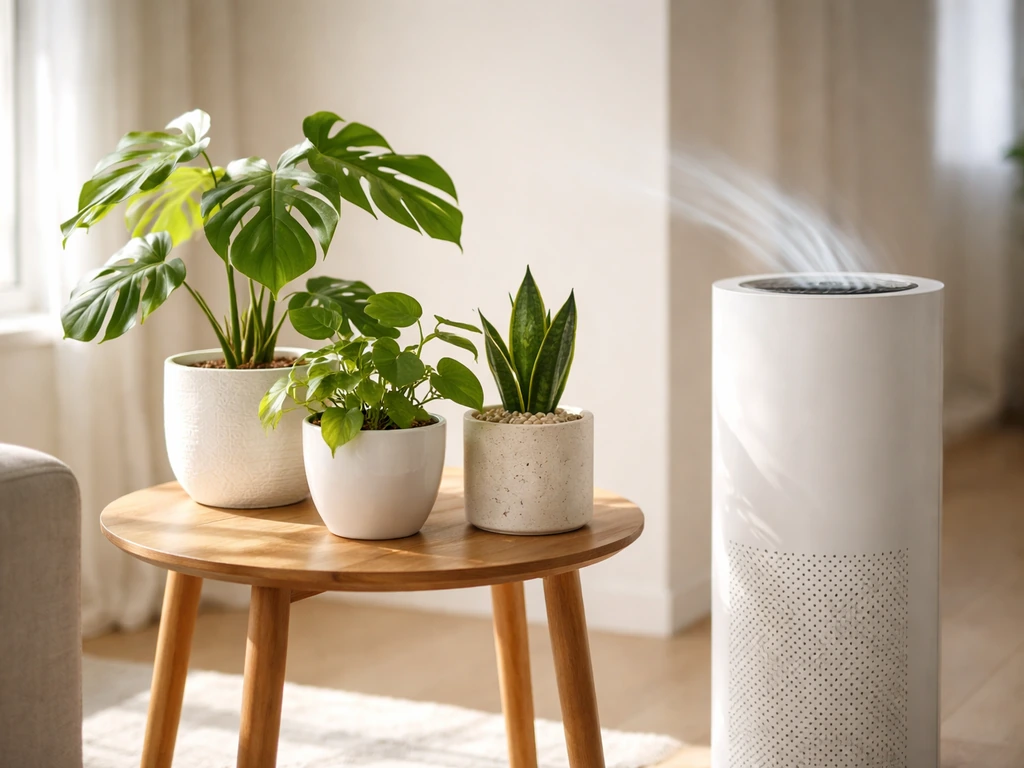
What air purifiers can (and can't) change for plants
Plants don't breathe the way we do, but they are absolutely affected by air quality. Their stomata, the tiny pores on leaf surfaces that take in CO₂ and release oxygen and water vapor, can become clogged or stressed by particulates, smoke, and some gases. An air purifier addresses those threats by pulling air through a filter and returning cleaner air to the room. That's genuinely useful in the right circumstances.
What purifiers cannot do is equally important to understand. They don't generate CO₂ for photosynthesis. They don't alter light spectrum or intensity, which is the single biggest growth driver for most indoor plants. They don't meaningfully raise humidity the way a humidifier does, and they don't correct soil pH, nutrient deficiencies, overwatering, root rot, or pest infestations. If your plant is struggling, an air purifier is almost certainly not the fix. Before you buy one for your plants, run through the basics: light first, then water, then nutrients, then environment. Purifier comes after all of that.
HEPA filters and dust on leaves
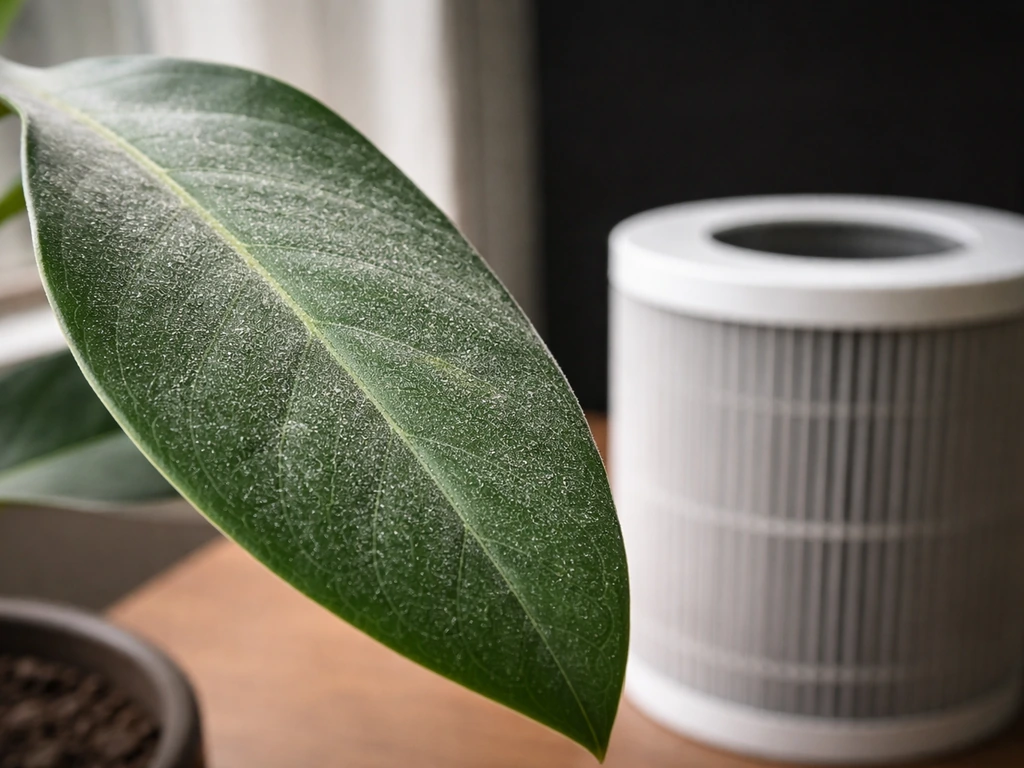
HEPA (High Efficiency Particulate Air) filters capture at least 99.97% of particles 0.3 microns and larger, which covers dust, pollen, mold spores, and fine smoke particles. For plants, the most direct benefit is reducing how much particulate matter settles on leaf surfaces. A thick layer of dust on leaves isn't just cosmetic. It physically blocks light from reaching the chloroplasts, reduces gas exchange through the stomata, and on plants like orchids or ferns with waxy or delicate surfaces, it can even trap moisture and encourage fungal issues.
I've kept plants in a room near a busy street and the difference in how often leaves need wiping is noticeable when a HEPA purifier runs consistently versus when it doesn't. That said, a HEPA filter's job is to catch particles in the air before they land, not to remove dust already sitting on your leaves. Wiping leaves regularly with a damp cloth still matters regardless of what purifier you run. Think of HEPA filtration as reducing the rate of accumulation, not eliminating the need for maintenance.
Activated carbon and smoke odors: what it actually removes
Activated carbon (sometimes called activated charcoal) filters work through adsorption, trapping volatile organic compounds (VOCs), gases, and odors onto the carbon surface. For plants, the relevant scenarios are wildfire smoke, cooking smoke, off-gassing from paint or synthetic materials, and tobacco smoke. These environments expose plants to gases like formaldehyde, benzene, and other VOCs that, at high enough concentrations, can stress or damage plant tissue directly.
Most purifiers marketed for smoke use a combination of HEPA plus activated carbon. The HEPA layer catches the fine particulate matter in smoke, while the carbon layer captures the gaseous components. In a wildfire smoke event, this combination is genuinely useful for plants, not just people. The EPA's guidance on wildfire smoke specifically recommends portable air cleaners with HEPA filtration sized to the room. One important caveat: activated carbon beds become saturated over time and stop working. If the filter hasn't been replaced on schedule, you're running a lot of fan noise with little actual gas removal. Check manufacturer timelines and replace carbon filters on time.
Ionizers and UV air cleaners: a real caution for plants
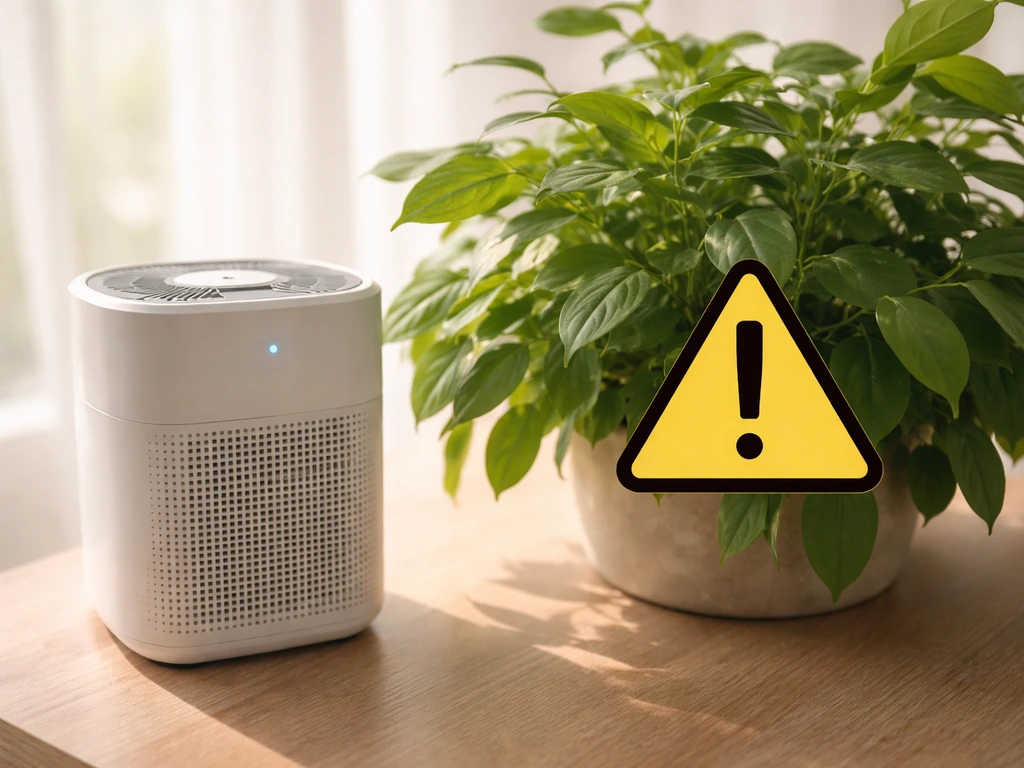
Ionizers and UV-based air purifiers deserve a specific warning when plants are in the room. Ionizers work by releasing charged ions that cause particles to clump and fall out of the air, but many also produce ozone as a byproduct. Ozone (O₃) is a well-documented plant stressor. At elevated concentrations, ozone damages leaf cells, causes visible bleaching and bronzing, accelerates leaf aging, and reduces photosynthetic efficiency. Even at levels below what's harmful to humans, ozone can stress sensitive plant species.
UV-C purifiers built into some units can degrade certain volatile compounds and kill microbes, but UV-C light reaching plant tissue directly is harmful, causing DNA damage similar to sunburn. Most UV purifiers keep the light enclosed inside the unit, so direct exposure usually isn't an issue, but it's worth confirming before placing one near plants. The bottom line: if you're choosing a purifier for a plant-heavy room, stick with mechanical HEPA filtration with activated carbon. Skip ozone-generating ionizers entirely.
Does a purifier actually improve growth rate, or just leaf condition?
Honest answer: mostly leaf condition, not growth rate. In a normal indoor environment without significant smoke or dust, an air purifier is unlikely to produce measurable differences in how fast your plants grow. Growth rate is governed overwhelmingly by light, CO₂ availability, water, and nutrients. Clean filtered air doesn't change any of those in a meaningful way. What you might notice over time is that leaves stay cleaner and greener longer, there's less incidence of dust-related stomatal stress, and in a smoke-exposed environment, plants don't show the bleaching and tissue damage that unfiltered smoke can cause.
Think of it this way: removing a stress factor isn't the same as adding a growth factor. A HEPA purifier in a dusty or smoky room removes a stressor, which means your plants can perform closer to their potential. But that potential is still capped by how much light they're getting, whether they're in the right soil, and whether you're watering correctly. Airflow matters for plants too, and a gentle circulation from a purifier fan can help strengthen stems and reduce fungal issues, similar to the benefits of running a low-speed fan in your grow space.
When using an air purifier for plants actually makes sense
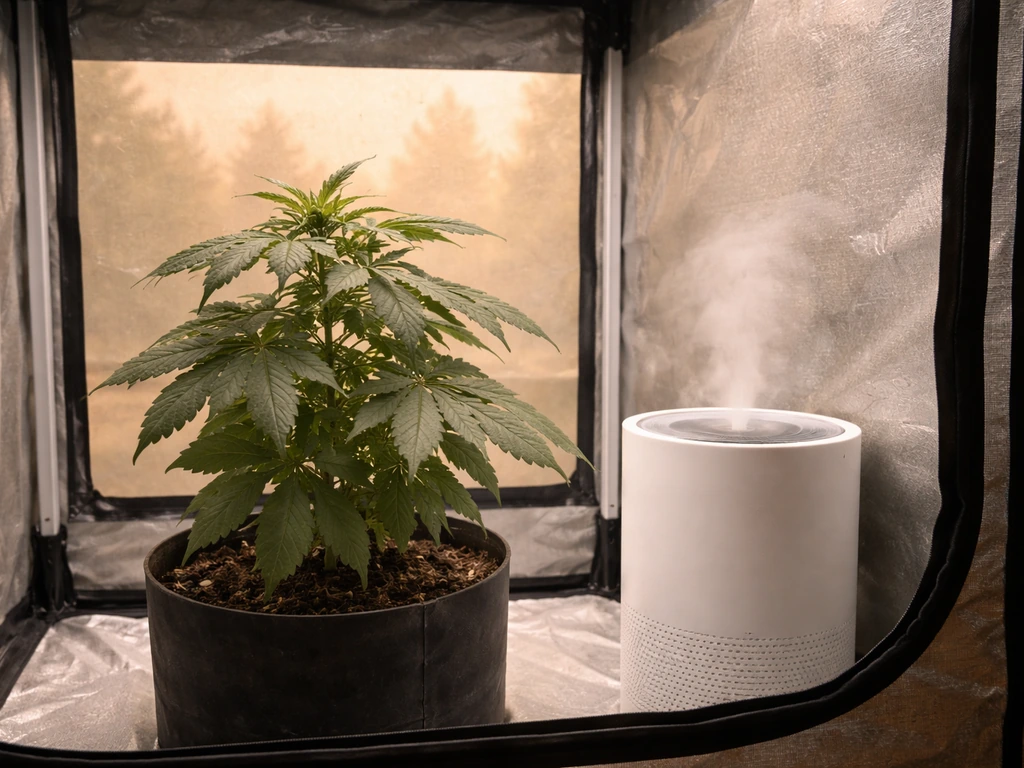
There are real scenarios where running an air purifier near your plants is worth it. Here's when it moves from optional to genuinely useful:
- Wildfire smoke events: PM2.5 concentrations during wildfire season can spike to levels that visibly damage plant tissue over days. Running a properly sized HEPA purifier keeps indoor levels lower and protects both you and your plants.
- High-dust environments: Workshops, homes near construction, or rooms with heavy foot traffic and no carpeting generate a lot of airborne particulates. Continuous HEPA filtration meaningfully slows dust accumulation on leaf surfaces.
- Indoor spaces with VOC sources: Fresh paint, new furniture, or synthetic flooring off-gassing in a plant room is a legitimate use case for activated carbon filtration.
- Grow tents and enclosed grow rooms: In a sealed or semi-sealed grow space, air quality management matters more. A compact air purifier running alongside your intake/exhaust ventilation can help manage particulates and some odors.
- Homes with smokers or frequent cooking smoke: Chronic low-level smoke exposure stresses plants over time. A HEPA plus carbon combo unit running consistently reduces that load.
- Mold-prone environments: HEPA filters capture mold spores before they settle on soil or leaf surfaces, which is especially relevant for high-humidity tropical plant setups.
If none of those scenarios apply to you, and your plants are in a clean, well-ventilated home, an air purifier is unlikely to produce any noticeable improvement. Your time and money is better spent on a better grow light or a soil amendment.
How to choose, place, and run one effectively
Sizing for your space
The EPA's guidance on air cleaners is clear: size matters more than brand. The key metric is Clean Air Delivery Rate (CADR), which tells you how quickly a purifier cleans a given volume of air. For a 200 square foot room with 8-foot ceilings (1,600 cubic feet), you want a CADR of at least 130 CFM for particles. Undersizing a purifier means it's running constantly but barely making a dent in particle levels. Look for the CADR rating on the box and match it to your room size. When in doubt, go one size up.
Placement relative to your plants
Place the purifier so air circulates across the plant canopy without blasting leaves directly with a strong stream. Most purifiers draw air from the sides or back and exhaust filtered air from the top or front. Position the unit a few feet away from your plant grouping so the exhaust flow passes over the top of the canopy gently. Avoid pointing the output directly at delicate leaves, especially seedlings or humidity-loving tropicals like calatheas, since constant airflow can accelerate transpiration and cause dryness stress. A position that promotes gentle air turnover in the room is ideal.
Running it effectively
For smoke or high-dust scenarios, run the purifier continuously on medium or high speed during the event. For general indoor air maintenance, running on low continuously is more effective than occasional high-speed bursts. Keep doors and windows closed while running it during smoke events, since the purifier can only clean the air it has access to. And keep up with filter replacement: a clogged HEPA filter loses efficiency, and a saturated carbon filter stops adsorbing gases entirely. Most manufacturers recommend HEPA replacement every 6 to 12 months and carbon filters every 3 to 6 months depending on usage.
| Purifier Type | What It Removes | Good for Plants? | Watch Out For |
|---|---|---|---|
| HEPA filter | Dust, pollen, mold spores, smoke particles (PM2.5+) | Yes, reduces leaf dust and particulate stress | Replace filters on schedule or efficiency drops |
| Activated carbon | VOCs, gases, smoke odors, formaldehyde | Yes, in smoke/VOC-heavy environments | Carbon saturates; replace every 3-6 months |
| Ionizer (ozone-generating) | Some particles via ionization | No, ozone damages plant tissue | Avoid in plant rooms entirely |
| UV-C light | Some microbes and certain volatile compounds | Neutral if light is fully enclosed | Direct UV-C exposure harms plants |
| HEPA + Carbon combo | Particles and gases together | Best option for plant rooms | Larger units cost more; size to room CADR |
Fix these things before you buy a purifier
If your plants are underperforming, here's a quick diagnostic to run through before spending money on an air purifier. In almost every case, one of these is the real culprit:
- Light: Is the plant getting enough light at the right spectrum? Most indoor plants are light-starved, not air-quality-starved. A grow light upgrade will do more than any air purifier.
- Watering: Overwatering is the most common indoor plant killer. Check root health and soil drainage before anything else.
- Nutrients: Yellowing leaves, slow growth, and poor flowering are almost always nutrient or pH issues. Test your soil or switch to a quality fertilizer regimen.
- Pests: Spider mites, fungus gnats, and scale insects cause slow, confusing decline that looks like environmental stress. Inspect leaves top and bottom with a magnifier.
- Humidity: Tropical plants suffering in dry indoor air need a humidifier, not an air purifier. These do opposite things to moisture levels.
- Pot size and root health: A root-bound plant in old, compacted soil won't respond to cleaner air. Repot and refresh soil first.
Air quality is one piece of a much larger puzzle. It's worth getting right when the conditions call for it, especially during wildfire season or in genuinely dusty or smoky environments. But clean air alone won't grow a thriving plant any more than good ventilation alone grows a healthy person. Get the fundamentals solid first, then layer in air quality management if your environment actually needs it.
One more thing worth knowing: plants themselves do exchange gases with the air around them, and CO₂ availability is real factor in photosynthesis. When CO₂ is available and light and water are in balance, leaves can use it to build energy and grow effectively CO₂ availability is real factor in photosynthesis. Some gardeners wonder whether breathing on plants, improving oxygen levels, or managing airflow helps with this. Oxygen is a key part of how plants use glucose to power growth through respiration oxygen levels. If you are wondering whether breathing on plants help them grow, the bigger driver is still CO₂ availability and the right growing conditions. The relationship between air movement, CO₂, and plant growth is genuinely interesting, and it connects to why gentle circulation from a purifier's fan component can offer a small side benefit beyond just filtration.
FAQ
Will an air purifier increase CO₂ levels for photosynthesis in my grow room?
No. Most purifiers only filter or adsorb existing airborne material, they do not generate CO₂. If you need more CO₂, you’ll have to use CO₂ enrichment or improve conditions that affect how much CO₂ your plants can use (like adequate light and watering).
How do I know if my air purifier is actually strong enough for plants?
Use CADR, not the room coverage claim. If the purifier is undersized, it may be quiet but still leaves particulate levels high around your plants. When in doubt, choose a unit sized to clean faster than the minimum CADR target for your room volume.
Can I place the purifier right next to plants to see faster results?
Usually not. Direct blasting can increase transpiration and cause dryness stress, especially for seedlings and humidity-loving plants. Aim for gentle air turnover across the canopy, keep a few feet of space, and avoid pointing the exhaust straight at delicate leaves.
Do air purifiers remove dust already settled on leaves?
No. HEPA filtration reduces how quickly new particles land on leaves, but it does not clean dust that is already on the foliage. You still need regular wiping, especially on waxy or delicate plants where dust can block light or trap moisture.
How often do I need to replace filters if I’m running the purifier for plants?
Follow the manufacturer schedule, and don’t stretch it. HEPA loss happens when the filter clogs, and carbon loss happens when the carbon bed saturates, at which point it captures fewer gases while the fan noise continues. If your unit is used heavily during smoke season, expect carbon to need earlier replacement.
Is activated carbon necessary if I’m only worried about dust and pollen?
Usually no. For particulates like dust, pollen, and most smoke particles, HEPA is the primary layer. Activated carbon matters more for odor and gaseous VOCs, like cooking smoke, wildfire smoke gases, or paint and off-gassing sources.
What happens if my purifier has an ionizer feature, can I turn it off?
If it has an ionizer or any ozone-generating mode, turn it off around plants. Some ionizers can produce ozone as a byproduct, and ozone is a plant stressor that can cause bleaching or bronzing and reduce photosynthesis.
Are UV-C air purifiers safe to run in a room with plants?
Many UV-C units keep the light enclosed, which reduces direct exposure risk, but you should confirm the design and placement before running them near foliage. Direct UV-C exposure can damage plant tissue, so prioritize enclosed, non-exposure designs if you use UV-C at all.
Should I run the purifier continuously for plants?
During wildfire smoke or high-dust events, continuous operation on medium or high is most effective. For normal indoor air maintenance, low continuous running often works better than occasional bursts because it maintains cleaner air rather than repeatedly removing spikes.
Can cleaner air fix common plant problems like yellowing or drooping?
Cleaner air can help with stress symptoms related to particulates or smoke exposure, but it won’t fix most growth problems caused by light, watering, soil issues, nutrient imbalance, or pests. If symptoms persist, troubleshoot the fundamentals first (light, watering, nutrients, roots).
Does airflow from a purifier fan help plants, or could it cause problems?
Airflow can help in small, indirect ways by improving circulation and reducing stagnant, high-moisture conditions that can contribute to fungal issues. The key is gentle airflow that does not constantly dry or stress leaves, especially on sensitive tropicals.
If my plants look better, does that mean the purifier is increasing growth rate?
Often the improvement is “less stress,” not faster growth. You may notice cleaner leaves and fewer smoke or dust effects, but real growth speed is still limited by light, water, nutrients, and CO₂ availability. Think defensive protection first, growth boost second.
Next Articles
How Do Leaves Help Plants Grow: Functions and Fixes
How leaves photosynthesize, breathe and cool plants, plus fixes for watering, light, nutrients, pests, and leaf damage.
How Does Oxygen Help Plants Grow: Root and Leaf Benefits
Learn how oxygen powers root and leaf respiration, affects nutrient uptake, and fix low-oxygen soil or hydroponics for f
Does a Fan Help Plants Grow? Indoor Airflow Guide
Learn when a fan boosts indoor plant growth with airflow, and when it harms with drying, plus placement and setup tips.