Leaves are the engine of plant growth. Every leaf is a solar-powered factory that captures light, pulls in carbon dioxide, and converts both into the sugars a plant uses to build roots, stems, flowers, and fruit. Without healthy, functioning leaves, growth slows or stops entirely, no matter how good your soil is or how carefully you water. Understanding exactly what leaves do, and how to keep them working at full capacity, is the single most practical thing you can do to grow stronger, healthier plants.
How Do Leaves Help Plants Grow: Functions and Fixes

Marcus Holloway
7 Jun 2026
What leaves do that directly powers growth
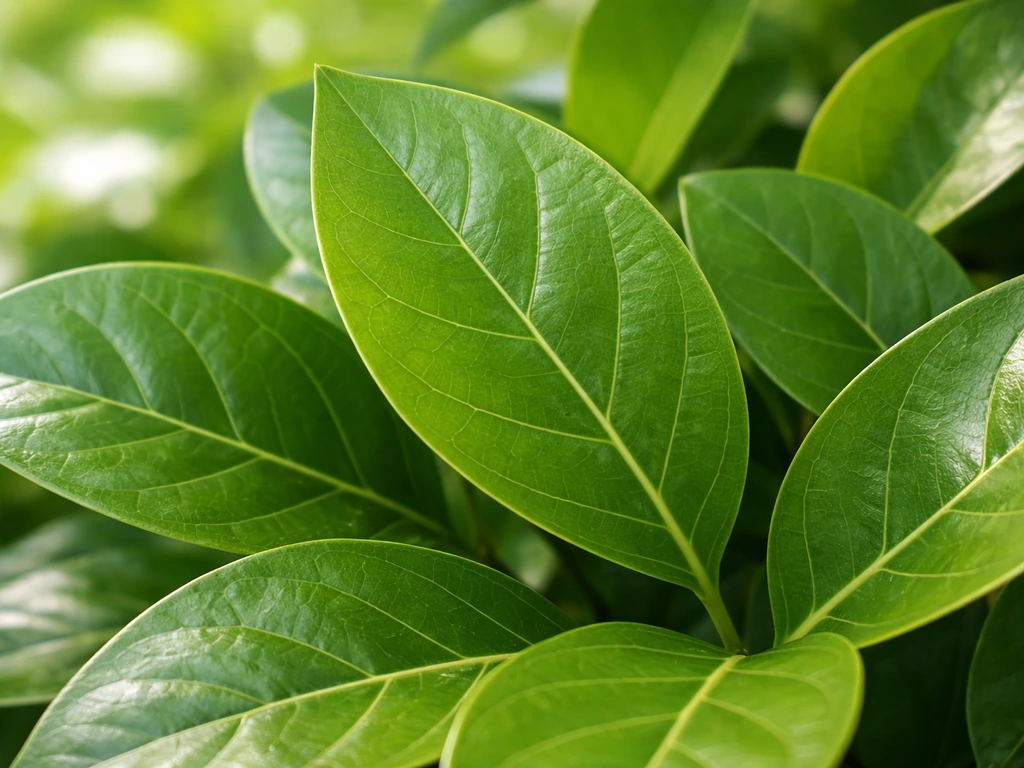
A leaf does four interconnected things that feed plant growth: it runs photosynthesis to make sugars, it exchanges gases through tiny pores called stomata, it drives water movement from roots to shoots through transpiration, and it acts as a signaling hub that tells the rest of the plant what resources are available. Damage any one of those functions and you will see the effects in slower growth, weak stems, pale color, or stalled fruiting. None of this is folklore, it is measurable biology you can observe in your own garden every time you check your plants.
Photosynthesis: how leaves turn light into plant fuel
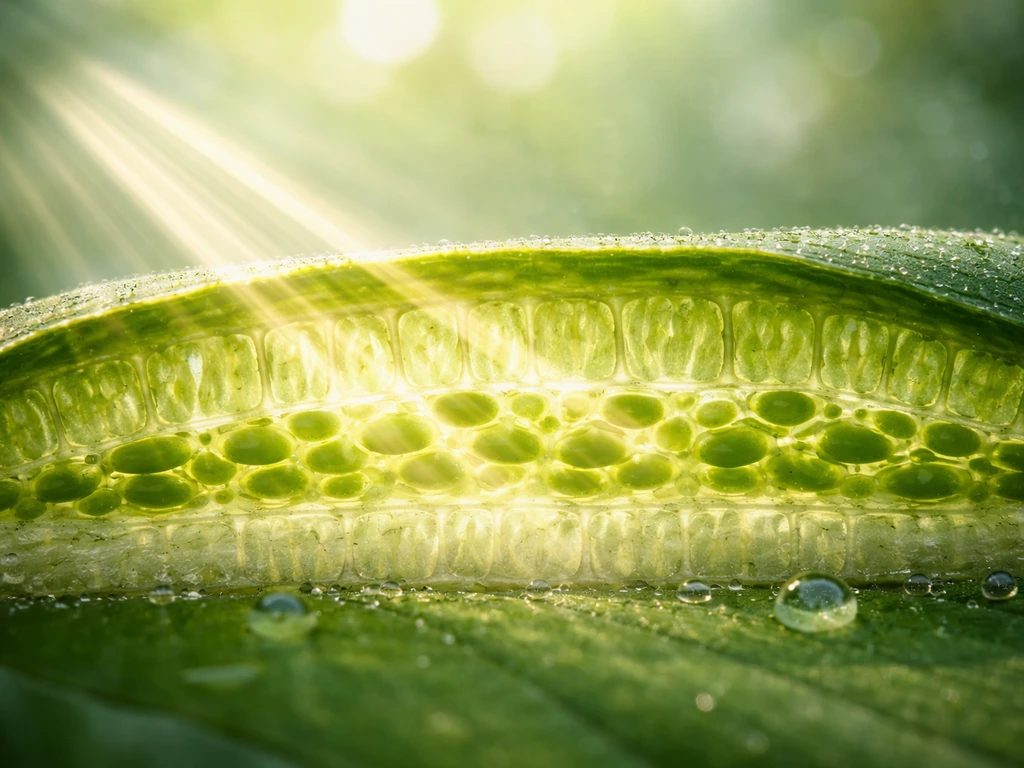
Photosynthesis is the process where a leaf captures light energy and uses it to combine carbon dioxide from the air with water from the soil to produce glucose. That glucose is the raw material for everything a plant builds. The chlorophyll pigments inside leaf cells absorb light, particularly in the red and blue parts of the spectrum, and use that energy to power a two-stage reaction: the light-dependent reactions that produce ATP and NADPH (energy carriers), and the Calvin cycle.
The Calvin cycle is where the actual carbon fixation happens. An enzyme called Rubisco attaches CO2 to a molecule called RuBP, and then ATP and NADPH are used to reduce that carbon into glyceraldehyde-3-phosphate (G3P), the building-block sugar the plant uses for growth. The cycle then regenerates RuBP so it can keep running. Light intensity and CO2 concentration are the two primary limiting factors here. Give a leaf more of either (up to a point), and photosynthesis speeds up. Cut off the light or starve the leaf of CO2, and the whole engine slows.
This is also why claims about talking to plants boosting growth deserve a reality check. Breathing on plants is unlikely to boost growth compared with the basics like light, proper watering, and healthy leaf function. Any vibrations from your voice might theoretically influence a plant, but Penn State researchers have pointed out that you would need to talk for at least several hours a day to enhance photosynthesis enough to produce a measurable effect on growth. Your time is far better spent improving light levels or soil nutrition.
Stomata and gas exchange: getting CO2 in and water vapor out
On the surface of every leaf, usually concentrated on the underside, are thousands of microscopic pores called stomata. Each stoma is flanked by a pair of guard cells that swell or shrink to open and close the pore. When a stoma is open, CO2 diffuses in for photosynthesis and water vapor diffuses out. When it closes, gas exchange stops and so does photosynthesis.
Stomata open in response to light (especially red light), higher humidity, and lower internal CO2 levels. They close in darkness, during drought stress, when humidity drops sharply, and when the stress hormone ABA (abscisic acid) builds up in response to water shortage. Very high CO2, above around 800 ppm, actually triggers rapid stomatal closure too, which is one reason the relationship between elevated atmospheric CO2 and plant growth is more complicated than it sounds. For a gardener, the practical takeaway is that stressed, underwatered plants close their stomata, choke off CO2 uptake, and grind photosynthesis to a halt, even if light is plentiful.
Transpiration: why leaf water loss helps pull nutrients
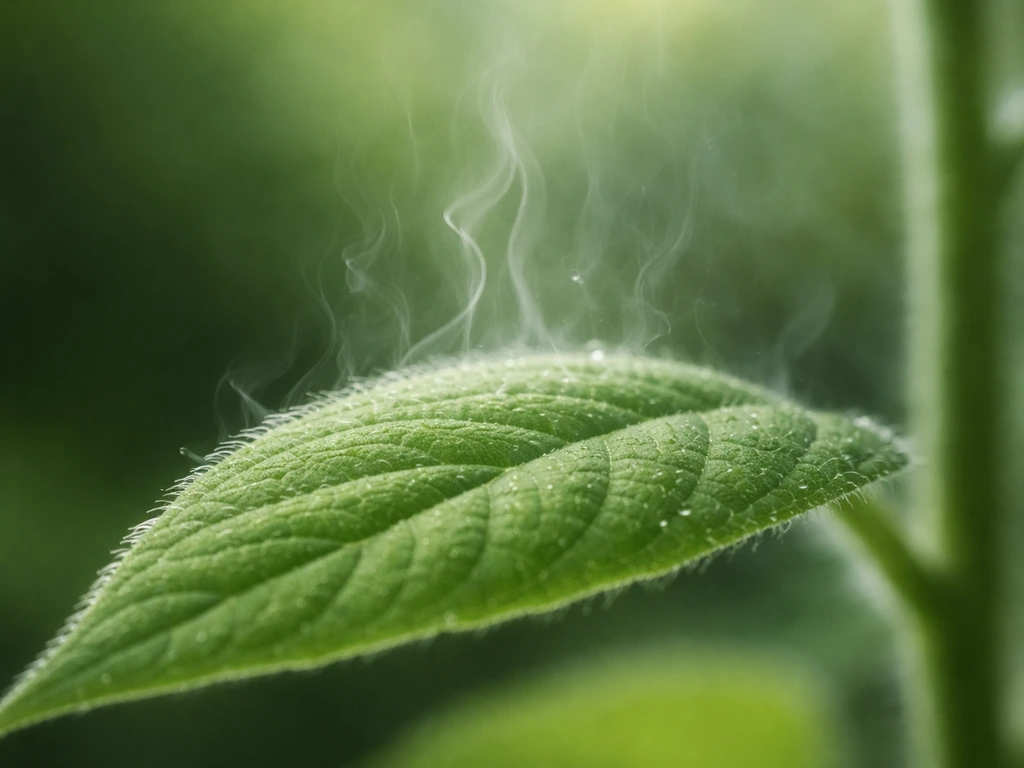
Transpiration is the evaporation of water from leaf surfaces through stomata. It sounds like a waste, but it is actually one of the most important mechanisms in the whole plant. As water evaporates from leaves, it creates a negative pressure (tension) in the water columns running up through the stem. That tension pulls water up from the roots through the xylem, a process called the cohesion-tension mechanism, and dissolved minerals like nitrogen, calcium, and magnesium hitch a ride with that water all the way to where growth is happening.
Transpiration rate is controlled by stomatal conductance and by the boundary layer of still air sitting against the leaf surface. High humidity slows transpiration; dry air, warmth, and moving air speed it up. Wind speed and air moisture both affect leaf resistance to water vapor transfer. A plant in still, humid air transpires less, which also means slower nutrient delivery.
This is one reason gentle air circulation (from a fan or a breeze outdoors) can support healthy growth, because it keeps transpiration moving and nutrients flowing. In other words, does a fan help plants grow? Yes, mainly by supporting leaf transpiration and nutrient flow without stressing the plant a fan or a breeze outdoors.
While they do not replace light, water, and nutrients, air purifiers can still affect growing conditions indirectly by changing airflow patterns and indoor air quality. Waterlogged soil cuts off this whole system from the other end: roots suffocate from lack of oxygen, water uptake collapses, and leaves wilt even though water is right there in the soil.
Nutrient transport and leaf signals: how leaf health affects growth
Once leaves produce sugars through photosynthesis, those sugars move out through a second vascular system called the phloem. The pressure-flow mechanism drives this: leaves loaded with sugars are the source, and growing tips, roots, and developing fruit are the sinks. Higher pressure at the source pushes sugar-rich sap toward lower-pressure sink tissues, delivering energy to every part of the plant. Sugars move mainly as sucrose, and the phloem also carries hormonal signals that influence gene expression and development all the way down to the roots.
Leaf color and texture are your most reliable early-warning system for nutrient problems that directly limit this whole system. Interveinal chlorosis (leaves yellowing between the veins while veins stay green) on young leaves usually points to iron, zinc, or manganese deficiency, often because high soil pH locks those minerals up.
University of Arizona Cooperative Extension’s guide to plant nutrient deficiency symptoms explains that chlorosis with interveinal patterns can occur for multiple nutrients, and that the specific symptom depends on whether the nutrient is mobile or immobile in the plant interveinal chlorosis (leaves yellowing between the veins while veins stay green). The same pattern on older leaves more often signals magnesium deficiency.
Potassium deficiency shows up as brown, scorched-looking leaf margins, and the plant also tends to produce weak stems and small fruit. Nitrogen deficiency causes overall pale yellowing that starts with the oldest leaves. Each of these symptoms means photosynthesis is being compromised and sugar production is dropping.
What damages leaves and how it stops growth
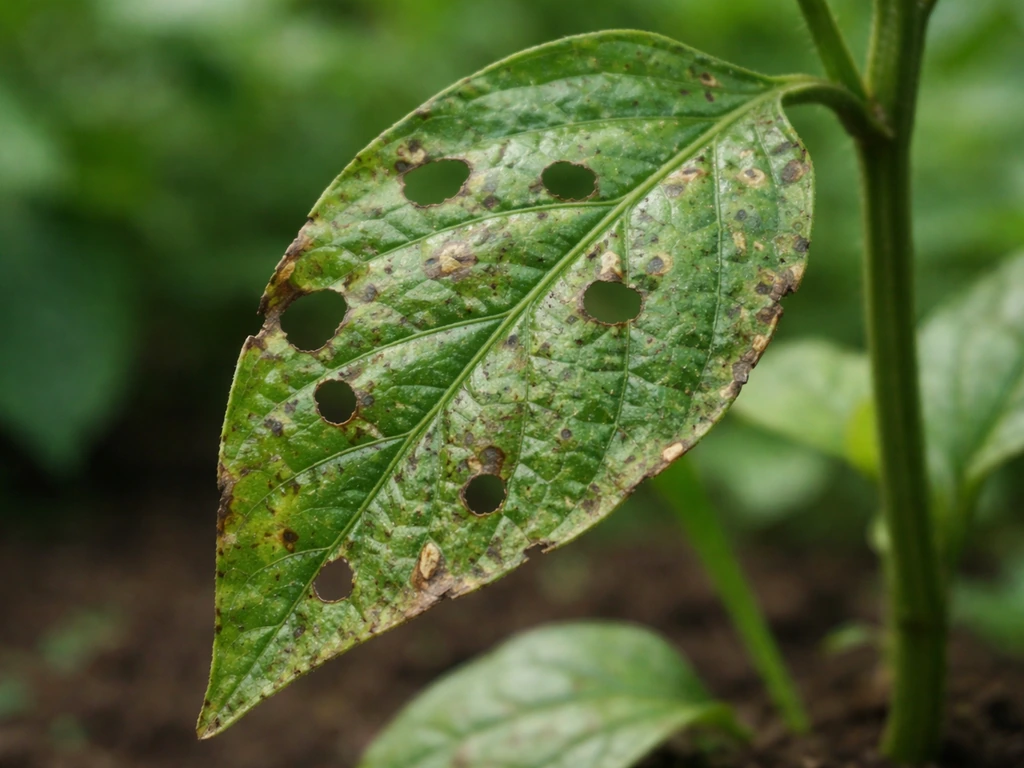
Pests, disease, and physical stress all attack leaf function in ways that directly slow growth. Aphids are a classic example: they pierce leaf and stem tissue to suck out the phloem sap your plant just spent energy producing. They also excrete honeydew, a sticky residue that encourages sooty mold to grow across the leaf surface, physically blocking light from reaching chlorophyll. Chewing insects like caterpillars do double damage: they remove leaf area (less capacity for photosynthesis) and can damage the vascular tissue inside the leaf, creating localized water deficits that reduce photosynthetic function even in the parts of the leaf that appear intact.
Fungal and bacterial leaf diseases hit the same vulnerabilities. Bacterial leaf spot pathogens typically enter through stomata or wounded tissue, and the lesions they create are dead zones where no gas exchange or photosynthesis happens. As lesions spread and infected leaves drop, the plant loses more and more of its photosynthetic capacity. The connection between leaf damage and reduced sugar output is direct and measurable. Even moderate pest pressure that looks cosmetic can meaningfully slow growth because the plant also diverts energy from growth into defense responses.
Practical tips to improve leaf health today
Get the light right
Light is the fuel source for photosynthesis, and it is the factor most gardeners underestimate indoors. Most fruiting and flowering plants need at least 6 hours of direct or very bright indirect light. If your leaves are small, pale, or stretching toward the nearest window, light is almost certainly limiting growth before anything else. Move plants closer to a south or west-facing window, or supplement with a grow light covering the red and blue spectrum. Higher light intensity also increases water use, so check soil moisture more frequently when you improve lighting.
Water properly, not just regularly
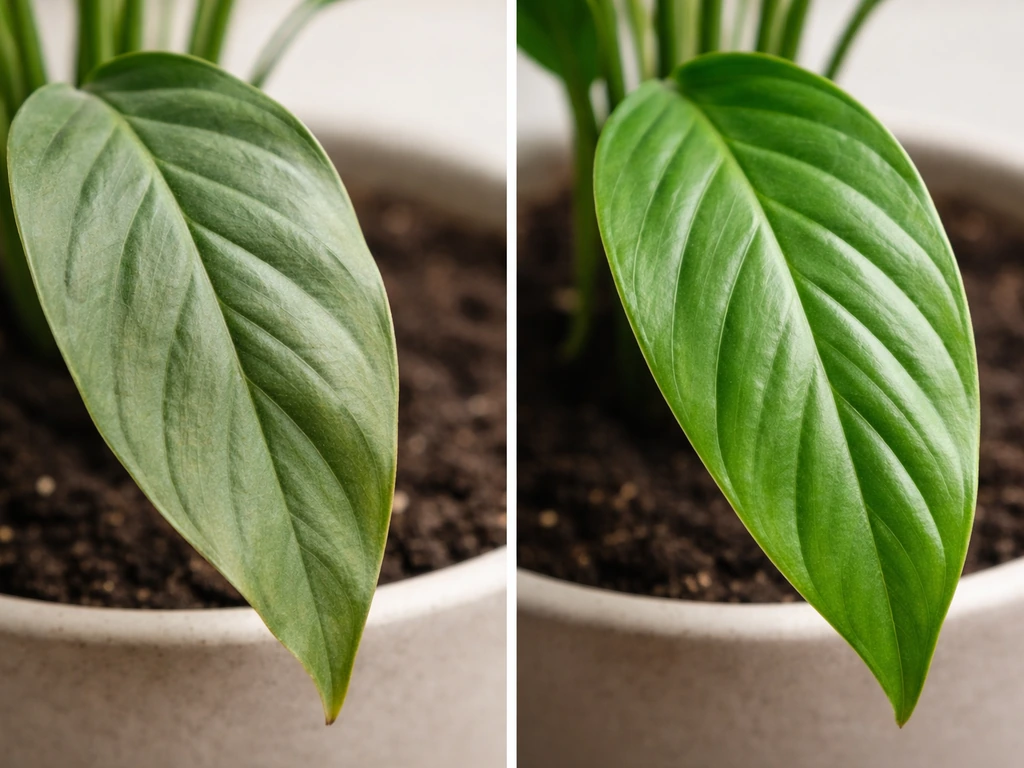
Inconsistent watering is one of the fastest ways to wreck leaf function. Drought stress triggers stomatal closure, halting photosynthesis and CO2 uptake within hours. Drier conditions also reduce oxygen availability in the root zone, which makes it harder for plants to use the energy produced by photosynthesis. Overwatering is equally damaging because waterlogged roots lose access to oxygen, causing them to fail at water uptake even when the pot feels wet. Water frequency should match your light level, pot size, and temperature, not a fixed schedule. Check soil moisture at the root zone before watering rather than going by surface appearance or calendar days.
Feed based on what leaves are telling you
Read your leaves before you fertilize. Interveinal yellowing on young growth often means iron or manganese is unavailable (test soil pH, as values above 7 commonly lock up these metals). Interveinal yellowing on older leaves usually means magnesium is low (Epsom salt can help short term, but confirm with a soil test). Scorched brown margins and weak growth suggest potassium deficiency. Overall pale green color starting with old leaves means nitrogen. Applying the right nutrient for the symptom is far more effective than reaching for a generic all-purpose fertilizer every time.
Protect leaves from pests and disease
Scout your plants weekly, especially under leaves where aphids, spider mites, and thrips hide. Catching infestations early means you deal with a small problem instead of a large one. Remove and discard (do not compost) leaves showing fungal or bacterial spots to slow disease spread. Use drip irrigation or water at the base of plants rather than overhead, since wet foliage dramatically increases fungal and bacterial infection risk. If you are starting new plants from cuttings or transplants, inspect them carefully before they go near your other plants.
Your leaf health checklist
- Check light levels: are leaves a healthy deep green and an appropriate size, or pale and small?
- Test soil moisture before every watering instead of watering on a fixed schedule.
- Inspect the undersides of leaves weekly for pests, especially aphids and spider mites.
- Remove spotted, diseased, or heavily pest-damaged leaves promptly and dispose of them away from the garden.
- Water at the base of plants, not on foliage, to reduce fungal and bacterial disease risk.
- Read leaf color and pattern for nutrient deficiency clues before reaching for fertilizer.
- Ensure adequate air circulation around plants to support transpiration and reduce disease pressure.
- Check soil pH if you see persistent interveinal chlorosis, since high pH locks up iron, manganese, and zinc even when those nutrients are present in the soil.
Everything that matters for plant growth runs through the leaf. Light, CO2, water movement, nutrient delivery, sugar production, and the signals that coordinate growth across the whole plant all depend on leaves functioning well. Keep them healthy, undamaged, and well-supplied, and the rest of the plant takes care of itself far more effectively than any amount of wishful thinking or unproven folklore ever could. One study linked leaf hydraulics and venation traits such as vein density and architecture to maximum photosynthetic rate, showing that hydraulic supply limits photosynthesis Leaf Maximum Photosynthetic Rate and Venation Are Linked by Hydraulics.
FAQ
How can I tell if poor growth is really from leaf problems, not soil or roots?
Check whether new growth is pale, slow, or oddly shaped while older leaves may show chlorosis or scorch. If leaves look healthy but plants still stall, verify root oxygen and whether water can drain freely. A leaf-focused clue is that symptoms align with photosynthesis limits (yellowing, spots, leaf-edge browning) rather than random wilting alone.
Do leaves need to be washed or cleaned to help plants grow?
Light leaf dust can reduce the light reaching chlorophyll, especially indoors. Use gentle wiping or a light rinse on healthy plants, then let foliage dry fully. Avoid cleaning when temperatures are high or when leaves are already stressed, since rough handling can damage the leaf surface and increase disease risk.
Is it better to remove damaged leaves or keep them on the plant?
Remove leaves that are mostly destroyed, heavily spotted, or actively infected because they contribute little photosynthesis and can spread pathogens. Keep partially affected leaves only if a strong portion of the leaf remains functional, and focus on fixing the cause (pest pressure, watering pattern, airflow). Always discard diseased leaves rather than composting them.
Why do plants sometimes wilt even when soil looks wet?
Wilt can happen if roots cannot access oxygen, such as from waterlogged soil, which collapses water uptake to leaves. Another cause is leaf damage, where stomata or vascular tissues are impaired, so transpiration and transport weaken. Test by checking drainage and the moisture level below the surface, not just the top layer.
Can too much fertilizer hurt leaf function even if leaves look green?
Yes. Excess salts or the wrong nutrient balance can stress leaves, disrupt stomatal behavior, and interfere with uptake. The article notes that correcting specific deficiencies matters, so it helps to test soil pH and nutrient levels before adding more, particularly if yellowing patterns do not match the nutrient you plan to apply.
How do I know whether a leaf yellowing pattern is deficiency versus overwatering or pests?
Nutrient issues show repeatable patterns by leaf age, for example older leaves yellow for nitrogen deficiency and interveinal chlorosis on young leaves for iron, zinc, or manganese. Overwatering more often comes with limp growth, root-related stress, and inconsistent wilting without the classic age-pattern. Pests usually leave telltale signs like stippling, honeydew, webbing, or damaged leaf tissue.
Does more CO2 always increase growth?
Not automatically. Leaves will only photosynthesize faster if other limits are addressed, mainly light and healthy stomatal function. Also, the relationship can be complex, since very high atmospheric CO2 can trigger faster stomatal closure, which changes gas exchange dynamics even though CO2 is abundant.
Will a fan always help plants grow faster?
A fan helps mainly by supporting transpiration and nutrient flow, but it can also dry out leaves and soil quickly. Use it to provide gentle, steady airflow, then adjust watering and watch for edge browning or excessive drying. If your plant is already drought-stressed, increased airflow can worsen closure of stomata.
How can I reduce fungal or bacterial leaf disease risk without overhauling my whole setup?
Water at the base or use drip irrigation, so foliage stays drier. Increase airflow so leaves dry faster, and avoid dense overcrowding that limits boundary-layer drying. Remove and discard spotted leaves early to reduce the surface area where pathogens can keep spreading.
What’s the fastest practical way to improve leaf function if my plant is stalling indoors?
First confirm light intensity, since indoor light is frequently the limiting factor for photosynthesis. Then match watering to your actual conditions (light, pot size, temperature) by checking soil moisture at the root zone. If symptoms persist after these basics, inspect for pests and nutrient lockup signals, rather than immediately changing fertilizer types.
Next Articles
How Does Oxygen Help Plants Grow: Root and Leaf Benefits
Learn how oxygen powers root and leaf respiration, affects nutrient uptake, and fix low-oxygen soil or hydroponics for f
Does a Fan Help Plants Grow? Indoor Airflow Guide
Learn when a fan boosts indoor plant growth with airflow, and when it harms with drying, plus placement and setup tips.
Does Breathing on Plants Help Them Grow? The Truth
Breathing on plants rarely boosts growth; explain CO₂ limits and what truly drives growth: light, water, nutrients, care