Oxygen helps plants grow by powering their roots. Without a steady supply of oxygen at the root zone, roots can't respire, can't generate the ATP energy needed to absorb water and nutrients, and can't support the growth happening above ground, no matter how good your light or fertilizer is. Photosynthesis produces oxygen, yes, but that's not the oxygen plants actually run on. Roots need their own supply, drawn from air pockets in the soil, and when those pockets disappear (usually because of overwatering, compaction, or poor drainage), everything slows down or stops.
How Does Oxygen Help Plants Grow: Root and Leaf Benefits

Marcus Holloway
5 Jun 2026
Why roots need oxygen (and why photosynthesis doesn't cover it)
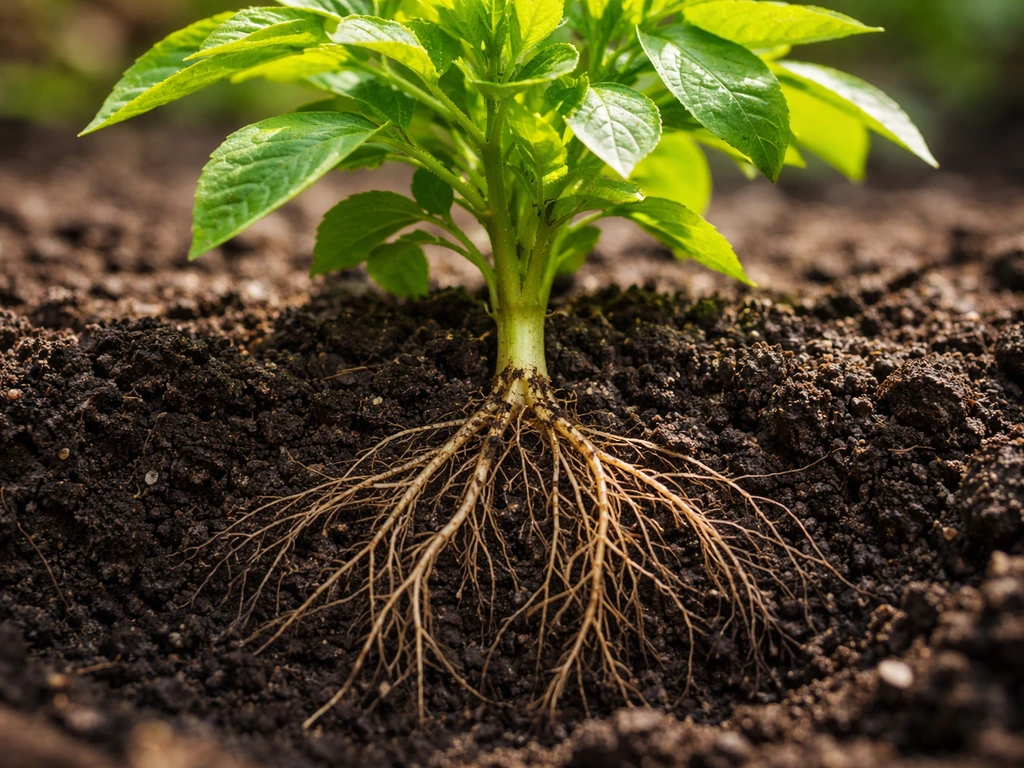
Here's the part that trips people up: plants produce oxygen through photosynthesis, so shouldn't they have plenty? Not exactly. Photosynthesis happens in the leaves, and the oxygen released there mostly exits through the stomata into the air. Meanwhile, the roots are doing something completely different, cellular respiration. They're taking the sugars that photosynthesis made and burning them with oxygen to produce usable energy (ATP). Without that respiration step, those sugars are just sitting there, unavailable. Colorado State University Extension puts it plainly: roots require oxygen to perform respiration, which is "the process that turns the products of photosynthesis into usable energy." So photosynthesis makes the food, but respiration at the root is what actually powers the plant.
This is why a plant can be sitting in bright light with plenty of fertilizer and still fail to grow. If the roots are drowning in waterlogged soil, the energy conversion chain is broken. The leaves may look okay for a day or two while the plant burns through its reserves, but eventually you'll see wilting, yellowing, and stunted growth, the classic signs of a root zone that's run out of air.
Where oxygen actually comes from for roots
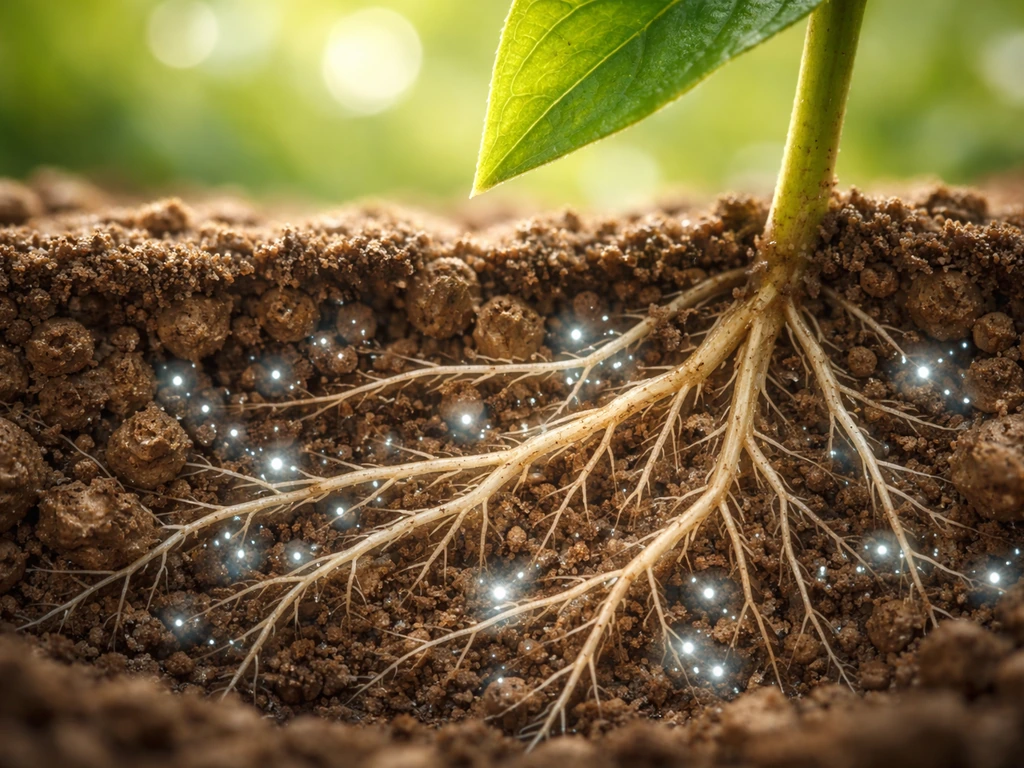
Roots get oxygen from two places: the air-filled pores in the soil around them, and (in some plants built for wet conditions) internal channels that pipe oxygen down from the shoots. For most garden plants, it's almost entirely the first source that matters. Healthy soil is roughly 25% air by volume, and that air sits in the gaps between soil particles and aggregates. Oxygen diffuses from the surface down through those gaps and reaches the root zone passively.
The catch is that oxygen diffuses about 10,000 times more slowly through water than through air. So the moment those pores fill with water and stay filled, oxygen delivery drops to nearly zero almost immediately. That's not a gradual problem, it's a fast one.
Soil structure is what determines how many of those air pores exist and how long they stay open. Sandy soils drain fast and stay aerated. Heavy clay soils have tiny, tortuous pores that hold water across a wide range of moisture conditions, extending the time roots spend without oxygen. This is why soil texture and structure matter so much more than most gardeners realize.
What happens when oxygen runs low
When roots can't get enough oxygen, they shift into anaerobic respiration to survive. The problem is that anaerobic respiration produces toxic byproducts that build up in root cells, essentially self-poisoning, as CSU Extension describes it. UC IPM classifies this as "aeration deficit" and calls it a serious, often life-threatening condition. Even a short-term oxygen deficit lasting just hours to days can cause wilting and premature leaf drop.
Beyond the immediate damage, low oxygen creates a cascade of secondary problems. Research published in the Journal of Experimental Botany shows that low oxygen reduces respiration-linked ATP, which directly impairs water and nutrient uptake and nitrogen assimilation. Low oxygen also causes stomata to close, which compounds the stress, now the plant is struggling to take in CO2 for photosynthesis and losing its ability to transport water effectively. What looks like a nutrient deficiency or drought stress is often, at the root level, an oxygen problem.
It's worth noting that beneficial soil microbes also need oxygen. Many of the microbial processes that break down organic matter and make nutrients available to roots are aerobic. Waterlogged, anaerobic soil doesn't just hurt roots directly, it degrades the whole soil ecosystem that roots depend on.
Common causes of low root oxygen
- Overwatering or irrigation too frequent for your soil type
- Compacted soil (drives out pore space and blocks gas exchange)
- Heavy clay texture with poor drainage
- Hardpan layer below the surface that traps water
- Shallow water table
- Insufficient soil volume for root growth (common in containers)
- Surface barriers like pavement or plastic sheeting blocking gas exchange
- Low spots in the garden where water pools after rain
How to actually improve oxygen at the root zone
Fix your watering habits first
The single most effective thing most gardeners can do is stop overwatering. Oregon State University Extension recommends scheduling irrigation based on soil moisture, letting soil dry down from field capacity before the next watering rather than watering on a fixed schedule. In practice, this means sticking your finger 2 inches into the soil, if it's still moist, don't water yet. Clay soils absorb water slowly and hold it a long time, so they need less frequent irrigation than you might think. Overwatering is by far the most common cause of oxygen-depleted root zones in home gardens and containers.
Improve soil structure with organic matter
For clay soils, organic matter is your best tool. CSU Extension explains that adding organic matter to fine-textured clay soils helps bind clay particles into aggregates, which increases porosity, aeration, and infiltration. Work compost or aged organic amendments into the top 6 to 8 inches of soil. This isn't a one-time fix, soil structure improves gradually as organic matter decomposes and soil biology responds, so annual additions pay off over several seasons. Avoid working composts that contain large, uncomposted wood chips into the root zone, since decomposition of raw carbon material temporarily ties up nitrogen.
Address compaction directly
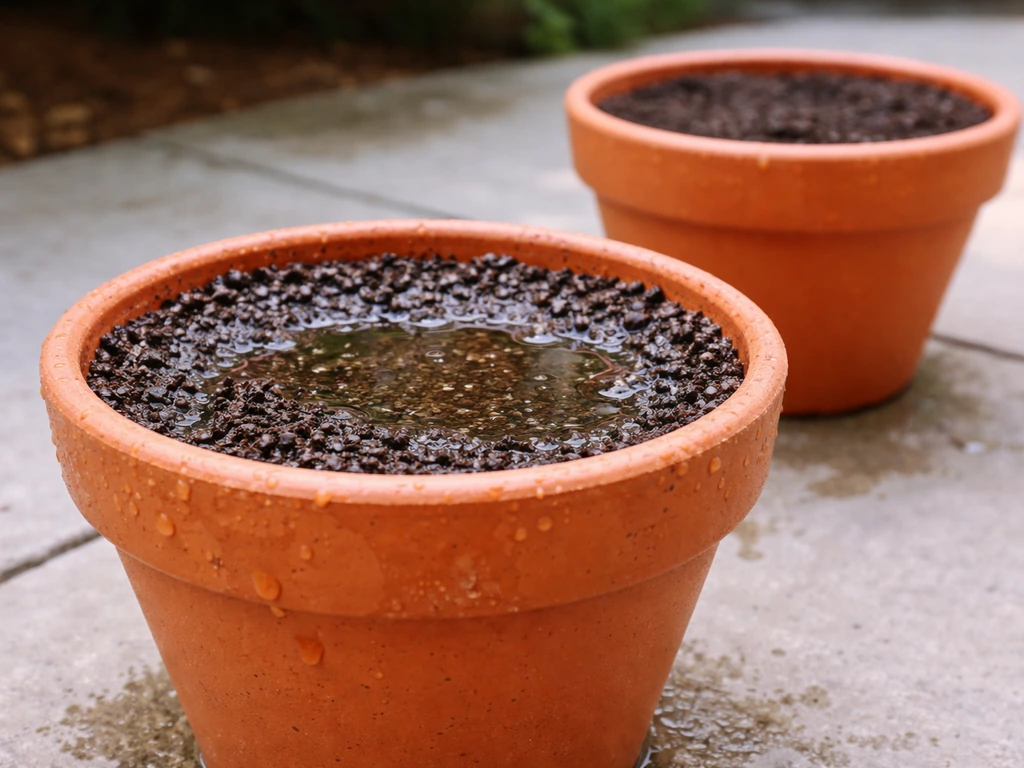
Utah State University Extension explains that compaction drives out pore space and reduces both air and water volume in soil, creating serious plant growth problems. If you're dealing with compacted soil, common in high-traffic areas or clay-heavy plots, mechanical aeration (core aeration for lawns, deep tillage with a fork for beds) physically reopens the pore structure. Where you can't cultivate, hollow-tine aeration followed by top-dressing with compost helps over time. The long-term fix is reducing foot traffic on planting areas and adding organic matter annually.
Make sure drainage actually works
If water is sitting on the surface for more than an hour after heavy rain, or if a hole dug 12 inches deep holds water for more than a few hours, you have a drainage problem that no amount of organic matter will fully solve. In those cases, consider raised beds (which elevate the root zone entirely above the saturation zone), French drains to redirect water, or choosing plants that tolerate periodic wet feet. For containers, always use pots with drainage holes and never let them sit in standing water.
Oxygen in hydroponics and aquaponics
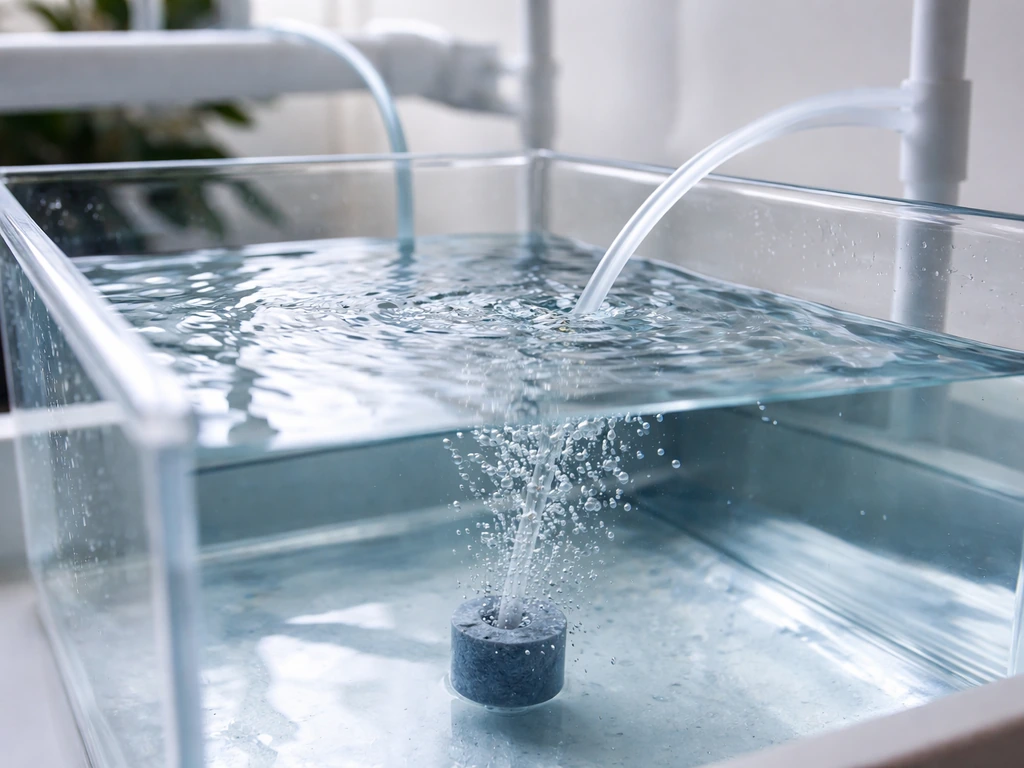
When there's no soil at all, oxygen management becomes even more critical and more explicit. In general, adding a fan is only indirectly helpful, because what really drives growth is getting enough oxygen to the root zone. In hydroponic systems, roots are submerged in or misted with water, so there's no air-filled soil matrix to passively deliver oxygen. UNH Extension is direct about this: hydroponic systems must dissolve air into the water to supply oxygen to roots. This is done with air stones, diffusers, or water movement that continuously re-oxygenates the solution.
The target is dissolved oxygen (DO) in the nutrient solution. For aquaponics, Oklahoma State University Extension recommends 4 to 8 mg/L for supporting nitrifying bacteria, and Kentucky State University's aquaponics handbook puts the general plant target above 3 mg/L, with a practical system target of 5 to 8 mg/L. In hydroponics, keeping DO in the 6 to 8 mg/L range during vegetative growth is a commonly cited target. DO drops as water temperature rises, so keeping your reservoir cool (ideally below 72°F / 22°C) is just as important as running air pumps. A dissolved oxygen meter is a worthwhile investment if you're growing hydroponically at any serious scale.
Oxygen doesn't work alone, how it fits with light, water, and nutrients
Oxygen isn't plant food in the direct sense, it's the mechanism that allows everything else to work. Think of it as the engine that runs on the fuel (sugars from photosynthesis) to do the actual work of growth. Light drives photosynthesis, which builds sugars. Oxygen at the roots powers respiration, which converts those sugars into ATP energy. Do air purifiers help plants grow? Usually, they do not, because the oxygen plants need is the oxygen available in the root zone, not the air above the leaves. That ATP then drives nutrient uptake, protein synthesis, cell division, and root elongation. Remove any one of these and the whole chain stalls.
This is why diagnosing struggling plants is genuinely difficult. A plant wilting in wet soil looks similar to a plant wilting from drought, and yellowing from poor nitrogen uptake can look exactly like yellowing from root damage caused by oxygen deprivation. UC Cooperative Extension has noted that when multiple stresses occur simultaneously, nutrient deficiency symptoms often don't follow their typical patterns, making visual diagnosis unreliable. You often have to work backward from conditions rather than symptoms: is the soil waterlogged? Is there compaction? When did you last water? Those answers are more useful than trying to identify a specific deficiency from leaf color alone.
One quick way to think about the interaction: water and oxygen compete for the same pore space in soil. More water means less air, and less air means less oxygen. So watering practices are simultaneously water management and oxygen management. It's not two separate problems, it's one. Good drainage and appropriate watering intervals solve both at once. Breathing on plants is not a reliable way to improve growth, because what really limits them is oxygen availability at the roots and in the soil.
It's also worth connecting this to air movement around the plant more broadly. Leaves exchange gases through stomata, and there's good evidence that airflow around leaves matters for plant health, though that's a separate mechanism from root oxygen supply. Leaves help plants grow by enabling photosynthesis, which produces the sugars and oxygen the plant needs to fuel growth how do leaves help plants grow. Similarly, the air around plants and the CO2 available for photosynthesis are part of the same atmospheric picture, even if they work through different pathways than root respiration.
Troubleshooting checklist: is low oxygen your problem?
Use this checklist when your plants aren't growing well and you're not sure why. Run through it in order, the most common causes are at the top.
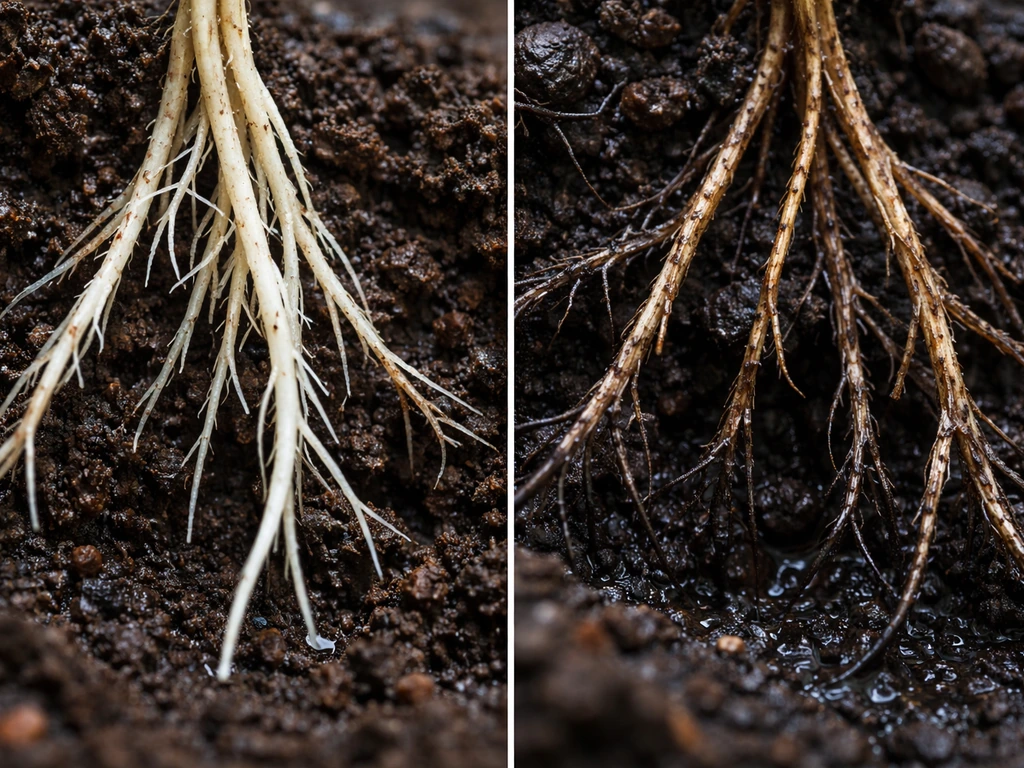
- Wilting in wet soil: If soil is moist or saturated but leaves are wilting, root oxygen deprivation is the most likely culprit. Stop watering immediately. Check drainage. Examine roots if possible — healthy roots are white and firm; oxygen-deprived or rotting roots are brown, mushy, or smell sour.
- Yellowing lower leaves on a plant in soggy soil: This pattern suggests root stress from anaerobic conditions rather than a nutrient deficiency. Improve drainage and reduce watering before reaching for fertilizer.
- Stunted growth despite adequate light and fertilizer: Check soil moisture and compaction. Push a screwdriver or pencil into the soil — it should go in with light pressure. Resistance at 2 to 4 inches suggests compaction.
- Plant dropped leaves suddenly after heavy rain or overwatering: Acute aeration deficit. Let the soil dry out completely before next watering. For container plants, tip the pot to drain excess water and elevate it off any standing water.
- Roots circling the container or pot-bound: Root-bound plants in small containers run out of oxygen-accessible soil volume. Repot into a container at least one size larger with fresh, well-draining mix.
- Poor growth in heavy clay beds: Dig a test hole 12 inches deep and fill it with water. If it doesn't drain within 2 to 3 hours, you have a drainage or compaction issue. Add compost and consider raised beds or aeration.
- Hydroponic plants showing wilting or brown, slimy roots: Measure dissolved oxygen in your reservoir. If below 5 mg/L, add or upgrade aeration. Check water temperature — above 72°F significantly reduces DO capacity.
- Everything looks fine but growth is just slow: Check that your watering interval matches your soil type and season. In cooler months, clay soil may stay moist for a week or more after watering. Watering on a fixed schedule regardless of actual soil moisture is a very common way to chronically under-oxygenate roots.
The bottom line is that oxygen at the root zone is a foundational requirement, not a nice-to-have. Most gardeners who struggle with slow growth, persistent wilting, or unexplained yellowing are dealing with a water and oxygen problem dressed up as something else. Fix the soil structure, fix the watering cadence, and make sure water can actually leave the root zone, those three things will do more for your plants than almost any other intervention.
FAQ
How can I tell if slow growth is from low root oxygen versus nutrient deficiency?
Check the root zone conditions first. If the soil stays wet longer than a day after watering, smells sour, or roots appear brown or mushy, oxygen is the likely issue. Nutrient deficiency usually happens even when the soil dries within a normal window for your soil type (for example, clay will dry slower than sand).
Is it possible for a plant to look healthy while root oxygen is already low?
Yes. Early on, the plant can rely on stored sugars while roots switch to stressful, lower-efficiency metabolism. That can show up as a slight lag in new growth, followed by wilting, leaf drop, or stunting even if you see green leaves at first.
What’s the fastest at-home test to assess whether soil has enough air space?
Use a simple moisture and drainage check. After watering or rain, dig a hole around the root depth and observe whether water pools. If water remains for hours or the soil feels consistently saturated below the surface, oxygen diffusion will be severely reduced.
Should I aerate the soil every time my plants look stressed?
Not automatically. Aeration helps only if the problem is structural (compaction or poor pore space). If the root zone is staying waterlogged due to frequent irrigation or poor drainage, aeration may buy time, but you still need to change watering and improve runoff or drainage.
Do air purifiers or extra oxygen in the room help indoor plants?
Usually not for growth. Indoor air oxygen above the leaves does not address the main bottleneck when growth stalls, which is oxygen delivery to the root zone. Focus on pot drainage, watering frequency, and any system that replaces or supports air in the soil (like aerated potting mixes).
How should I adjust watering if I suspect oxygen problems in a container?
Let the container partially dry before watering again, and never allow the pot to sit in a saucer with standing water. Containers are prone to oxygen loss because small volumes saturate quickly, so check moisture at the root depth, not just the surface.
What are common mistakes that keep oxygen from reaching roots even when drainage seems “okay”?
Using heavy, water-holding potting mixes without enough aeration, choosing containers without adequate drainage holes, and compacting soil by repeated walking or tight planting all reduce air-filled pores. Also avoid watering on a fixed schedule, since weather and plant size change how fast soil uses oxygen.
Are some plants more tolerant of low oxygen than others?
Yes. Some species can handle periodic wet conditions better because they have adaptations such as internal oxygen transport tissues or slower metabolic demand. However, tolerance is not the same as healthy growth, prolonged saturation still typically reduces performance and increases disease risk.
In hydroponics, what happens if dissolved oxygen is low even briefly?
Roots can switch to less efficient respiration, then you may see slowed nutrient uptake, yellowing from disrupted metabolism, and in severe cases root damage. Oxygen also matters more as water warms, so low DO often shows up faster during hot periods unless you cool and measure.
What should I do if dissolved oxygen drops in a hydroponic or aquaponic system?
Increase oxygenation immediately (air stones, diffusers, or stronger water movement) and check water temperature, since warmer water holds less dissolved oxygen. Also confirm that the nutrient solution is well mixed and not stratified, because oxygen gradients can form even when your pump or air stone is running.
Does adding organic matter always improve oxygen availability?
Usually yes, by improving soil structure and pore space, but the details matter. Avoid incorporating large, uncomposted wood chips, since they decompose and can temporarily immobilize nitrogen while microbial activity uses available oxygen, worsening the root-zone environment in the short term.
How long does it take for roots to recover after an oxygen-depleted period?
Recovery depends on how long the roots were stressed and how severe the damage is. Often you will see a new flush of growth only after oxygen conditions stabilize, but if roots suffered significant injury, plants may take weeks to regain vigor or may never fully bounce back. Remove any persistently waterlogged conditions first.
Next Articles
Does a Fan Help Plants Grow? Indoor Airflow Guide
Learn when a fan boosts indoor plant growth with airflow, and when it harms with drying, plus placement and setup tips.
Does Breathing on Plants Help Them Grow? The Truth
Breathing on plants rarely boosts growth; explain CO₂ limits and what truly drives growth: light, water, nutrients, care
How Do Microorganisms Help Plants Grow: Practical Guide
Learn how microbes in the rhizosphere fix nitrogen, boost phosphorus, aid roots, suppress disease, and how to grow them.