
Wind can help plants grow, but only within a pretty narrow range of conditions. Gentle airflow strengthens stems, improves CO₂ delivery to leaves, reduces humidity that leads to fungal disease, and aids pollination for certain crops. But push past that sweet spot into strong, persistent, or hot dry wind and the same force starts drying out leaves, scorching tissue, snapping stems, and genuinely reducing growth. Wind is not a nutrient. It does not feed your plants or replace anything they need from soil, light, or water. What it does is change the environment around the leaf, and that environment can tilt growth either way depending on speed, temperature, humidity, and how exposed your plants actually are.
Does Wind Help Plants Grow? What Helps and What Hurts

Marcus Holloway
3 May 2026
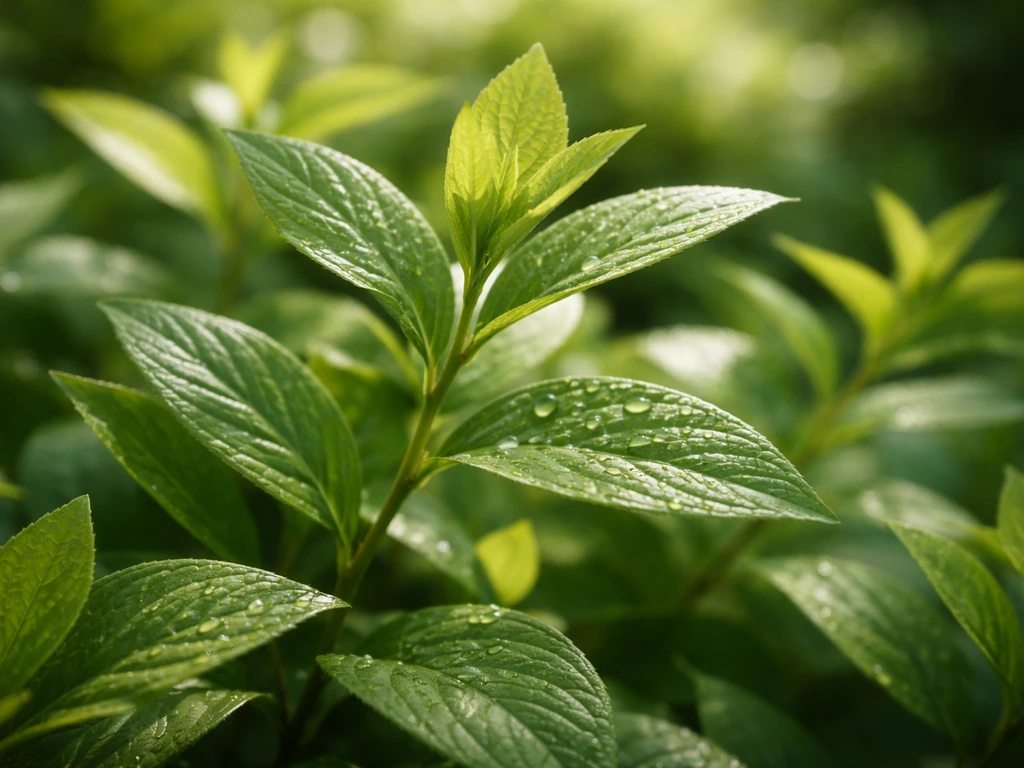
How wind affects plants: the good, the bad, and when it matters

The first thing to understand is that plants interact with wind primarily at the leaf surface. Every leaf is surrounded by a thin layer of still air called the boundary layer. This boundary layer is a key control on how easily CO2 can enter and water vapor can leave the leaf, and its thickness is influenced by wind speed, leaf size, and surface structures. This layer acts as a buffer between the leaf and the moving atmosphere, and its thickness determines how easily CO₂ gets in, how easily water vapor gets out, and how well the leaf regulates its own temperature. Wind thins that boundary layer, which speeds up gas exchange in both directions. That sounds like a pure win, but it is not always.
On the positive side, gentle wind exposes the leaf to fresher air with slightly higher CO₂ concentration, makes transpiration more efficient without forcing the stomata to overwork, and creates the mechanical stress that triggers a response called thigmomorphogenesis. That last one is worth knowing: when a plant is repeatedly flexed by wind, it responds by growing shorter, thicker, and stronger stems. It is one of the reasons field-grown plants often outperform greenhouse-raised seedlings once transplanted. The mechanical stimulation literally makes them tougher.
On the negative side, high wind speed strips the boundary layer too aggressively, forcing transpiration faster than roots can replace the water. The stomata close defensively, which cuts off CO₂ uptake and slows photosynthesis. Add in hot or dry air and you get leaf scorch, wilting, and in young seedlings, outright growth suppression. Strong wind also physically damages tissue, knocks over containers, and in open-pollinated or self-pollinating crops, it can disrupt pollination rather than help it.
When does it matter most? Seedlings, container plants, and anything growing in shallow or fast-draining soil are most vulnerable. Established shrubs and trees in moderate climates are far more resilient. The tipping point varies with species, but as a rough rule, if wind is visibly moving branches constantly or causing leaves to curl and edges to brown, it has crossed from helpful into harmful.
Wind vs airflow: what plants actually need for growth
It helps to separate two things that often get conflated: wind and airflow. Plants need airflow. They do not necessarily need wind. Airflow is what prevents a stagnant, humid microclimate from building up around your plants, the kind that invites botrytis, powdery mildew, and other fungal problems. Airflow is what keeps CO₂ replenished at the leaf surface after photosynthesis consumes it locally. A very gentle breeze, or even the passive circulation that comes from good plant spacing and an open growing site, is usually enough to deliver all of those benefits.
Wind, in the common outdoor sense, adds speed and force on top of that. Modeling research on greenhouse conditions found that increases in wind speed of less than about 0.2 meters per second could boost daily photosynthesis by roughly 10 to 20 percent. That is a pretty small increase in air movement, roughly the pace of a slow walking stride, and it is already enough to meaningfully improve photosynthetic output. The point is that the dose matters enormously. A whisper of moving air does more for most plants than a blustery day, and it does it without the downsides.
This is why the conversation about air and plant growth is broader than just wind. Air movement also matters because it affects how easily plants can take in carbon dioxide and release water vapor, which directly influences growth how does air help plants grow. How air composition, particularly CO₂ and oxygen availability, actually feeds into photosynthesis is a separate and deeper topic. The short version here is that wind is one delivery mechanism for fresh air, but it is a blunt instrument. Managed airflow, through spacing, positioning, or fans indoors, gives you the benefit with much more control.
Pollination and CO₂ exchange: indirect ways wind helps

For wind-pollinated plants, grasses, corn, many trees, and some vegetable crops, airflow is genuinely essential for reproduction. Without it, pollen does not reach the female flower and you get poor fruit or seed set. If you have ever grown corn in a small patch and wondered why your ears were half-filled, the answer is often inadequate wind for pollen dispersal rather than anything wrong with the soil or water. Spacing rows correctly and planting in blocks rather than single long lines helps wind do its job.
On the gas exchange side, wind helps in a more subtle way. During active photosynthesis, a plant sitting in still air can actually deplete the CO₂ concentration immediately around its leaves, creating a local deficit that slows the reaction. Wind continuously replenishes that supply. Research looking at global vegetation productivity found that wind speed changes affect gross primary productivity partly by altering how easily CO₂ moves through the boundary layer and into the leaf. That mechanism is real, though in most outdoor garden settings, CO₂ depletion around individual plants is only a significant concern in dense plantings with no air movement at all.
There is also a temperature regulation angle. Wind moves heat away from sun-warmed leaves, keeping them closer to their optimal photosynthetic temperature range. In hot summer conditions, that cooling effect can actually protect productivity rather than disrupt it, as long as the wind is not so strong that it triggers defensive stomatal closure.
Wind stress and drying: when wind reduces growth
This is where most gardening advice gets too optimistic about wind. Strong, persistent, or hot dry wind is one of the most underestimated causes of poor plant performance. The mechanism is straightforward: wind strips moisture from leaf surfaces faster than roots can absorb and transport water to replace it. Research on leaf transpiration confirms that wind speed is one of the key variables that determines how far actual transpiration can deviate from its theoretical maximum, and in dry or hot conditions, high wind pushes transpiration into a range that simply exhausts the plant's water budget. This emphasis on wind-driven effects on transpiration aligns with principles discussed in Wiley Online Library materials on leaf gas exchange and transpiration wind speed is one of the key variables that determines how far actual transpiration can deviate from its theoretical maximum.
The plant's response is to close its stomata. Stomata are the same pores used for CO₂ uptake, so when they close to conserve water, photosynthesis slows down simultaneously. You get a double penalty: more water lost, less carbon fixed. In seedlings this can stop growth almost entirely. In established plants it shows up as reduced yield, smaller leaves, and early senescence.
Wind also causes direct physical damage. Leaf edges are most exposed, and you will often see browning or crisping at the tips and margins before any other symptoms appear. Repeated flexing beyond the plant's structural tolerance breaks cell walls and collapses stems. For container plants in particular, constant wind not only dries the foliage but also accelerates evaporation from the potting medium, which means you can be watering correctly by the calendar and still have chronically thirsty plants because wind is removing moisture from the soil surface faster than expected.
Cold wind compounds all of this. Even if a plant is cold-hardy in still air, windchill lowers the effective temperature at the leaf surface, which can push tissue into frost damage at temperatures that would otherwise be safe. This is especially relevant in spring and autumn when nights are marginal and a gusty front comes through.
Practical ways to use wind to your advantage
The goal in the garden is to capture the benefits of airflow while blocking or redirecting damaging wind. Here is how to actually do that.
Site selection and orientation
Before you plant anything, spend a week observing how air moves through your space. Where does wind consistently come from? Which spots are naturally sheltered? Placing vulnerable crops like tomatoes, peppers, and beans on the leeward side of a fence, hedge, or building cuts wind exposure without eliminating airflow. The sheltered zone behind a windbreak typically extends about 10 times the height of the barrier, so a two-meter hedge protects a meaningful stretch of garden.
Spacing plants correctly
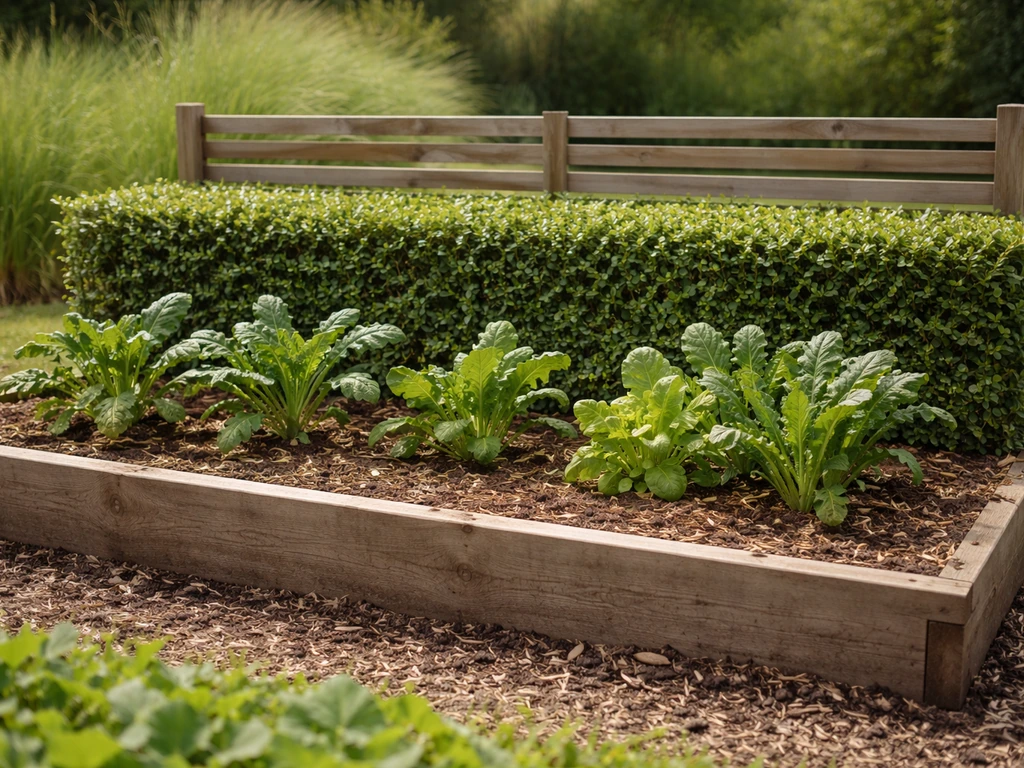
Overcrowding creates stagnant, humid pockets where fungal disease thrives. But packing plants too far apart in a windy site increases each plant's exposure. The right spacing depends on your local conditions. In a sheltered urban garden, standard recommendations usually work fine. In an exposed coastal or hilltop site, closer spacing on the windward side can actually help plants buffer each other, while still leaving enough room for air to move through and prevent humidity buildup.
Windbreaks and barriers
A solid wall or fence is actually less effective as a windbreak than a semi-permeable barrier like a hedge, slatted fence, or windbreak netting. A solid barrier forces wind up and over, creating turbulent eddies on the leeward side that can be more damaging than the original wind. A permeable barrier filters and slows wind without creating those destructive swirls. If you are using netting, aim for about 50 percent permeability. Species like hornbeam, hawthorn, and rosemary work well as living windbreaks and add structure to the garden at the same time.
Creating microclimates
Every garden has microclimates and wind plays a huge role in creating them. A south-facing wall that traps warmth but is sheltered from prevailing winds is genuinely one of the most productive spots in a temperate garden. Raised beds positioned correctly warm faster in spring and hold that warmth longer because the soil is elevated away from cold ground-level drafts. Even a simple cold frame open at the top on calm days and closed against wind gives you the CO₂ exchange benefits of outdoor air without the desiccating effect of constant wind.
Indoor gardening: does wind help houseplants?
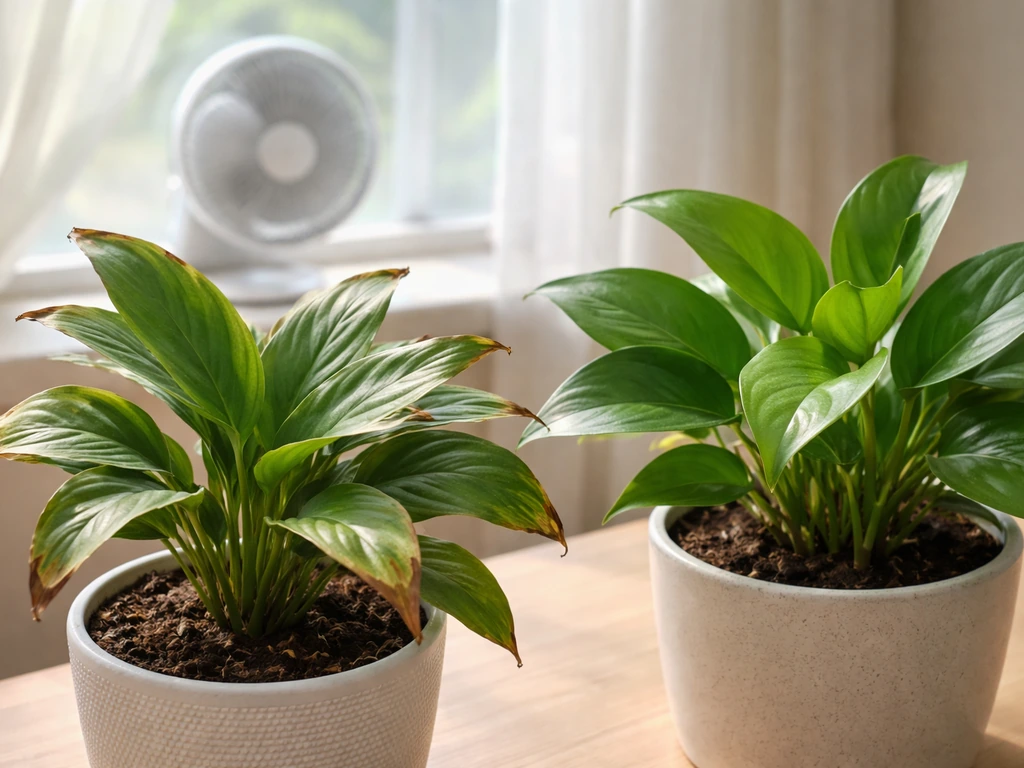
Indoors, the question is really about airflow rather than wind, since you are not dealing with gusts. Most indoor growing spaces have too little air movement, not too much. Stagnant air around houseplants raises humidity at the leaf surface, which slows transpiration and creates conditions that favor fungal pathogens like powdery mildew and botrytis. It also allows the local CO₂ concentration around a photosynthesizing plant to drop. A gentle fan addresses both problems.
The key word is gentle. A fan on its lowest setting, positioned so the airflow does not blow directly and constantly onto any one plant, is usually enough. You are aiming for a light rustle of the leaves, not a sustained flutter. Direct, continuous airflow dries out potting mix rapidly and stresses plants in much the same way outdoor wind does. Oscillating fans work better than fixed ones for this reason, because they spread the airflow and reduce the intensity any single plant receives.
Keep plants away from air conditioning and heating vents. Both push air that is either too cold, too dry, or too hot, depending on the season, and the drafts from vents are often stronger than they appear. Positioning a plant near an HVAC vent is one of the most common causes of mysterious leaf drop and tip browning in otherwise well-cared-for houseplants. Opening a window for a short period on mild days is a better strategy than relying on HVAC-driven airflow, because outside air brings a more complete mix of gases and more natural humidity.
For grow tents and indoor grow rooms, active ventilation is not optional. CO₂ is consumed quickly in a sealed space, heat builds up under lights, and humidity from transpiration has nowhere to go. An exhaust fan with a passive intake vent creates the circulation needed to keep conditions in range. Growers often target an air exchange of once every one to three minutes in a grow tent, but for a windowsill setup, a small desk fan on a timer for a few hours a day is perfectly adequate.
How to tell if wind is helping or hurting
You do not need instruments to read your plants accurately. These observations will tell you most of what you need to know. Does smoke help plants grow? Does hydrogen peroxide help plants grow? It can be risky, and most plants do not need it. Not in any reliable, beneficial way; smoke is mainly harmful because it can reduce light and irritate or damage plant tissues wind is helping or hurting.
| What you observe | What it likely means | What to do |
|---|---|---|
| Leaf tips and margins browning, crispy texture | Excessive drying or windburn, especially on exposed sides | Add a windbreak, move containers to shelter, increase watering frequency |
| Leaves curling inward or downward during wind | Defensive stomatal closure, plant conserving water under wind stress | Reduce wind exposure, check soil moisture more frequently |
| Soil drying out much faster than usual | Wind accelerating evaporation from potting mix or bed surface | Mulch heavily, relocate containers, use a windbreak |
| Stems leaning or bending permanently away from prevailing direction | Chronic wind load, structural stress | Stake plants, install a windbreak upwind, adjust spacing |
| Powdery mildew or botrytis appearing in dense plantings | Stagnant humid air, not enough airflow | Increase plant spacing, prune for air circulation, add fan if indoors |
| Plants appear compact, thick-stemmed, and sturdy | Beneficial thigmomorphogenesis from gentle wind exposure | No action needed, this is a positive response |
| Leaves slightly glossy, no curling, steady soil moisture | Wind exposure is within beneficial range | Maintain current conditions |
A useful quick test for indoor plants: hold your hand at leaf height and feel the air. If the movement is barely perceptible, you probably want more airflow. If you can feel a consistent stream, that is likely too much for most houseplants. Outdoors, watch how your plants behave during different weather. A calm warm day with a gentle breeze should show active, upright foliage. A windy day should prompt you to check for wilting and edge damage afterward, not assume the plants are fine just because they are rooted in the ground.
Adjustments do not need to be expensive. A piece of horticultural fleece staked upwind costs almost nothing and can transform growth in an exposed spot. Rearranging containers so taller pots shelter smaller ones works immediately. Moving a fan back two meters and switching it to oscillating takes thirty seconds. Most wind problems in gardens and homes are solvable with positioning and simple barriers rather than any product or treatment.
FAQ
How can I tell if wind is helping or hurting my plants at the moment?
Yes, but it is the gentle part of wind that matters. A light breeze can improve gas exchange and reduce stagnant humidity, while strong wind often makes stomata close (less CO₂ uptake) and increases water loss faster than roots can replace it, especially in heat or drought.
What signs should I watch for that show wind stress?
Look at leaf edges and posture. Tip browning, crispy margins, leaf curl, or wilting shortly after gusts usually points to wind stress, while upright leaves with no edge damage suggests the airflow level is in the beneficial range. Also check the potting mix or soil surface, if it dries unusually fast on windy days, the wind is likely harmful.
Do indoor fans count as wind for plant growth, or is airflow different?
Airflow from fans can help even indoors without adding the “force” of outdoor wind. Use a low, oscillating setup that creates intermittent, gentle leaf movement rather than a constant direct blast. Direct continuous airflow can dry potting mix and increase transpiration, mimicking the downside of strong outdoor wind.
When does wind actually improve yields because of pollination, and when can it ruin pollination?
Yes for wind-pollinated crops, but only if other conditions are right. For corn and many grasses, consistent movement helps pollen reach female flowers, and planting in blocks and correct spacing usually works better than isolated single rows. Still, extremely hot dry wind can reduce pollen viability and harm plants, so timing and wind strength matter.
Which plants or growing setups are most vulnerable to wind damage?
Seedlings and containers are the most likely to suffer because their root systems are smaller and water buffering is weaker. If you grow in shallow beds, sandy or fast-draining soil, or small pots, wind can outpace water replacement, leading to early growth suppression. Established shrubs and trees are generally more resilient.
If I water on time, why do my plants still dry out in windy weather?
It is usually the microclimate around the leaf and soil surface. Even with “enough water” on a schedule, wind accelerates evaporation from the pot or topsoil, so plants can become chronically short on water between waterings. If you see symptoms despite proper watering, you may need more wind protection, more frequent checks, or deeper watering to wet beyond the surface layer.
Can wind hurt plants in cold weather even if they are cold-hardy?
Yes. Cold wind can increase effective cooling at leaf level (windchill), which can make marginally cold-tolerant tissue more likely to be damaged during spring and autumn gusts. Windbreaks or temporary covers during gusty cold fronts can prevent injury even when temperatures look “okay” away from the plant.
How should I adjust airflow when I am not using instruments?
Use dose and direction. Start with gentle airflow, then increase only if leaves are not showing any edge stress and soil moisture stays stable. A practical indoor check is the “hand at leaf height” test, if you feel a steady stream of air constantly, that is typically too much for most houseplants.
Next Articles
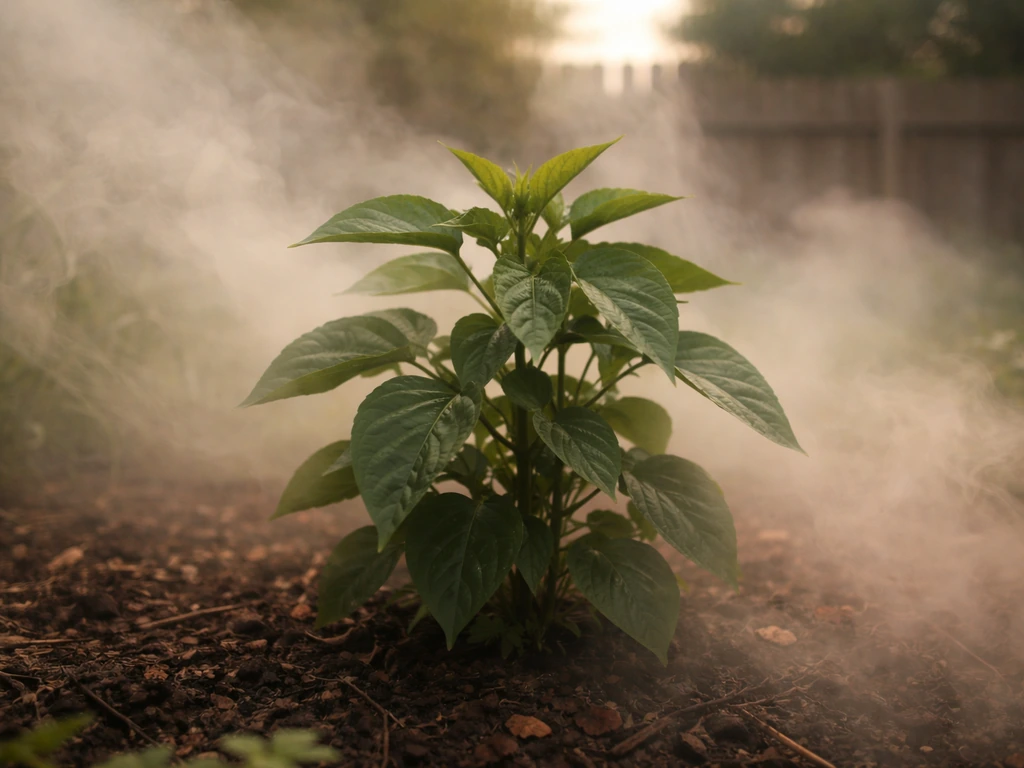
Does Smoke Help Plants Grow? What Actually Helps and Hurts
Find out if smoke helps plants grow, what it does to leaves and soil, why it often harms, and what to do today.
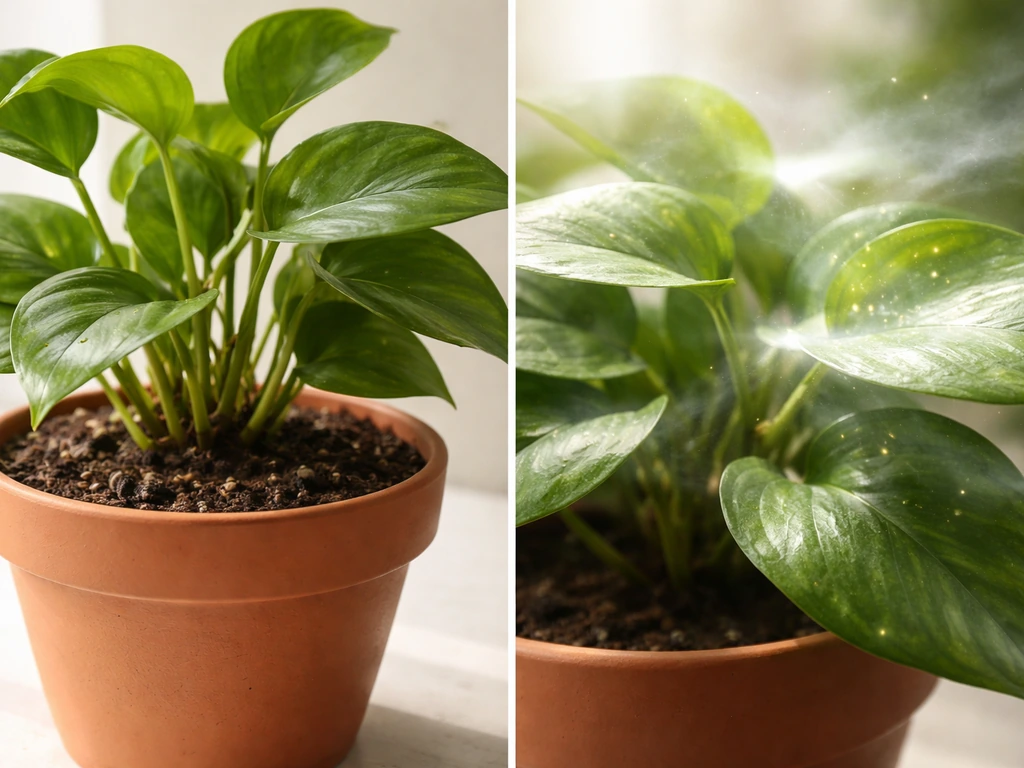
How Does Air Help Plants Grow? Oxygen, CO2, and Airflow Tips
Learn how oxygen, CO2, and airflow drive plant growth plus fixes for soggy soil, humidity, and indoor or outdoor air.

How Does Photosynthesis Help Plants Grow and Thrive
Explains how photosynthesis creates sugars and growth, plus fixes for low light, CO2, water, and nutrients so plants thr