Yes, fertilizer can make a plant grow bigger and taller, but only when a nutrient deficiency is actually the thing holding it back. If your plant is already getting the nutrients it needs, adding more fertilizer won't push it to new heights. It might even cause harm. The honest answer is that fertilizer is a tool, not a growth hack, and whether it works for your specific plant depends almost entirely on what's currently limiting it.
Does Fertilizer Make a Plant Grow Bigger or Taller?
Marcus Holloway
27 Apr 2026
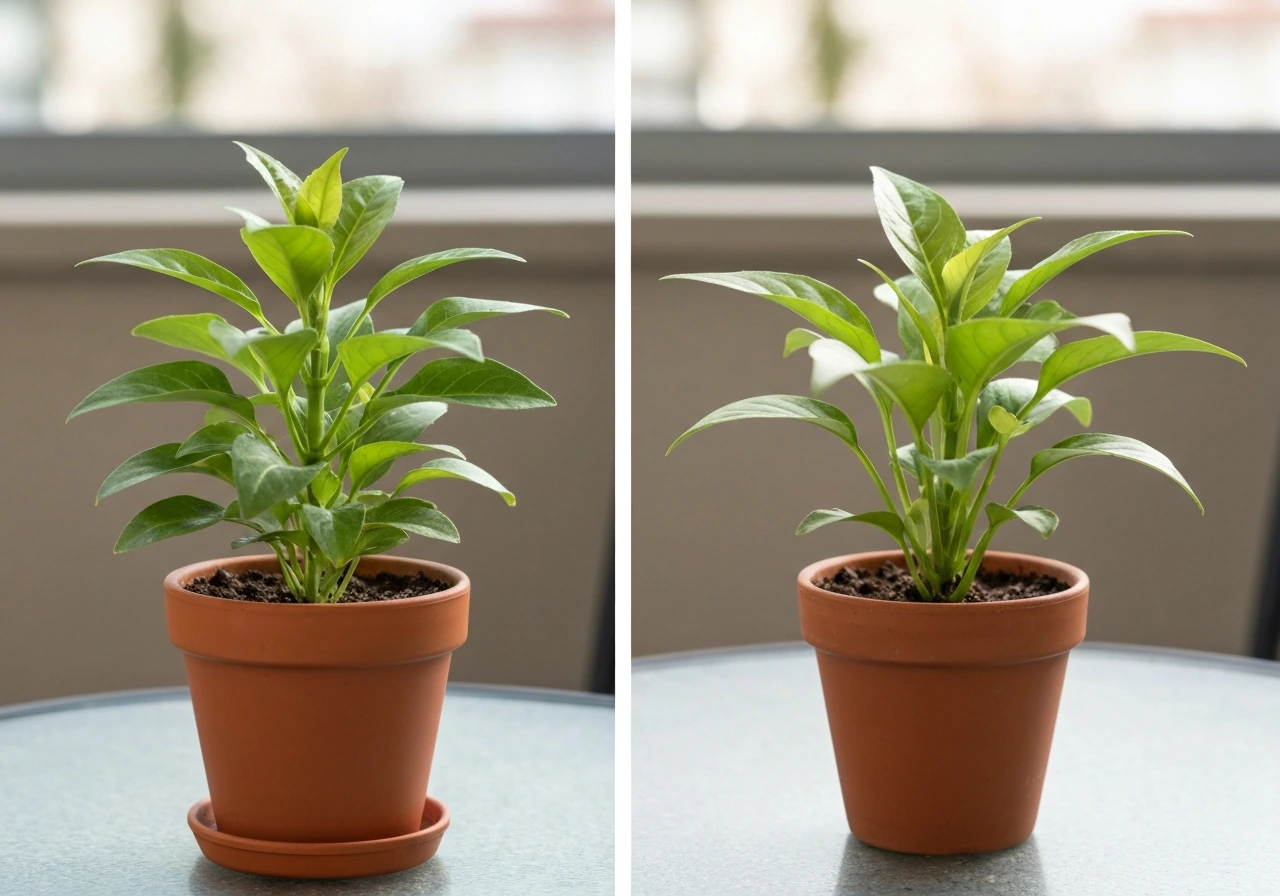
When fertilizer genuinely makes plants bigger (and when it doesn't)
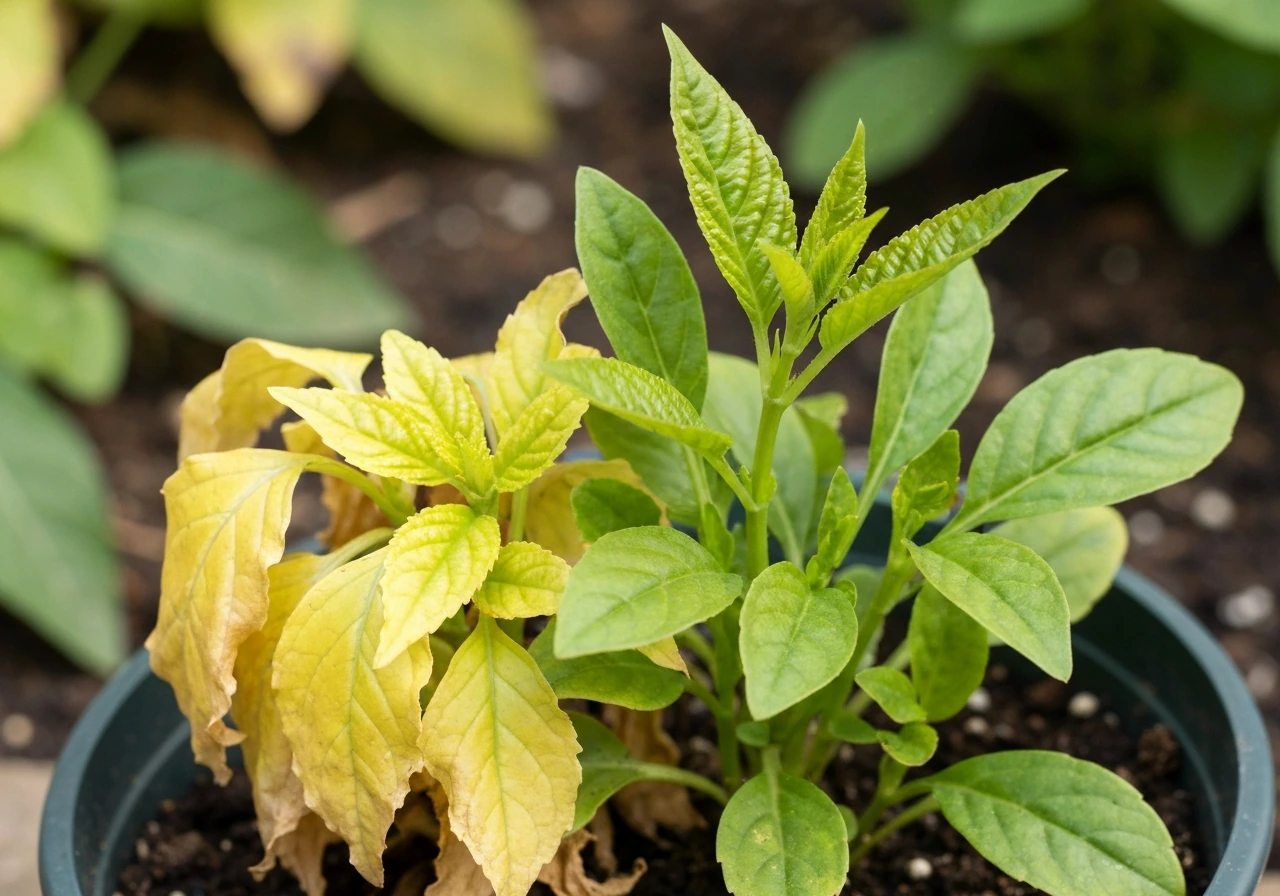
Fertilizer works when nutrients are the actual constraint. A nitrogen-deficient plant, for example, will show stunted growth and inhibited leaf production, especially in younger leaves. Add usable nitrogen and the plant can resume normal growth, often visibly within a week or two. Phosphorus deficiency has a similar effect: reduced net photosynthesis, shrinking shoot and root biomass, and an overall struggling plant. Correct the missing nutrient and you'll usually see a real response.
But fertilizer won't do much if light, water, root access, or soil pH are the real problem. A plant sitting in a dim corner isn't stunted because it's hungry. It's stunted because it can't photosynthesize enough to use the nutrients you're handing it. Same goes for a compacted or bone-dry root zone. Nutrients only work from within the soil solution, so if roots can't access them or the soil chemistry is blocking uptake, the bag of fertilizer you just bought won't move the needle.
There's also a realistic ceiling. Fertilizer can help a nutrient-deficient plant reach its genetic potential for size, but it can't push a plant beyond what its genes, light conditions, and environment allow. Managing expectations here matters.
Why fertilizer affects growth at the biological level
Plants build everything, including stems, leaves, and roots, from raw materials. Nitrogen is central to chlorophyll production, and chlorophyll is what captures light energy for photosynthesis. Less nitrogen means less chlorophyll, which means less photosynthetic capacity, which means slower growth, period. That's why nitrogen-deficient plants go yellow and stop putting on height.
Phosphorus plays a different but equally important role. It's critical for energy transfer within the plant (ATP) and for early root development. Without enough phosphorus, seedlings struggle to establish, and even established plants show reduced biomass and poor photosynthetic rates. Potassium supports overall plant hardiness and disease resistance, and it helps regulate water movement through the plant. Each of these nutrients affects growth through a specific biological pathway, which is exactly why matching the right fertilizer to the actual deficiency matters so much.
Research also shows that nitrogen and phosphorus can be co-limiting, meaning that when both are in short supply, fixing just one may not fully restore growth. The plant needs both resources to allocate toward the limiting element. This is why a balanced assessment beats just dumping one nutrient on a struggling plant.
The most common reasons fertilizer fails to increase size
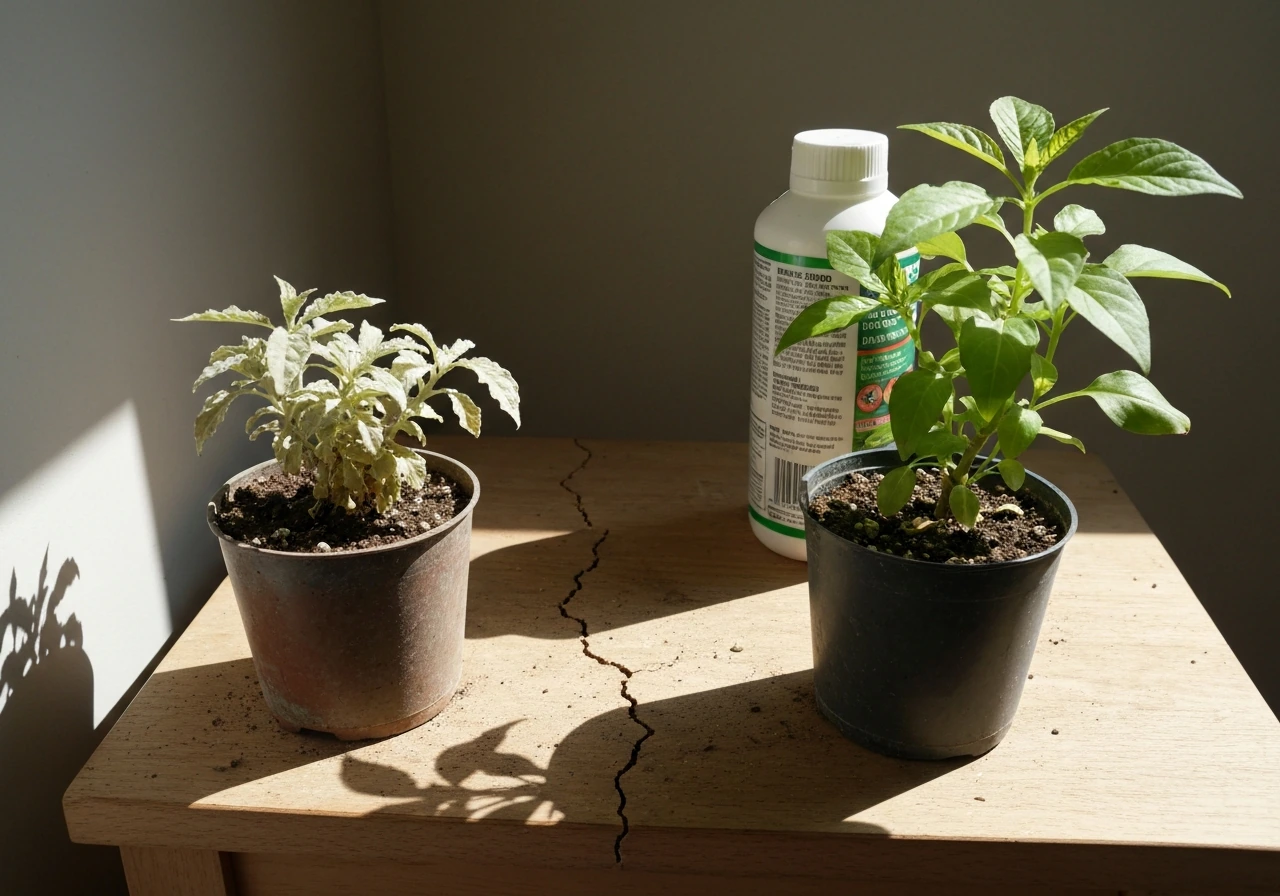
If you've fertilized and seen no improvement, one of these is almost certainly why:
- Light is insufficient: Without adequate light, the plant simply can't use the nutrients you're providing. Photosynthesis drives growth. No light, no engine.
- Water stress or overwatering: Nutrients travel through water. A dry root zone means nutrients sit unavailable. Waterlogged soil suffocates roots, preventing uptake entirely.
- Soil pH is off: Most nutrients become unavailable to plants outside the pH range of roughly 6.0 to 7.0. You can dump all the fertilizer you want on acidic or alkaline soil and the plant still can't absorb it. Oregon State Extension is clear that pH directly controls nutrient availability through soil chemistry.
- Root access problems: Compacted soil, root-bound pots, or damaged roots limit the plant's ability to take up nutrients regardless of what's in the soil.
- The plant isn't deficient: If your soil already has adequate nutrient levels, adding more fertilizer won't boost growth. A soil test is the only reliable way to confirm this.
- Nutrient imbalances: Excess of one nutrient can interfere with the uptake of another. Adding more isn't always better.
How to tell whether your plant actually needs fertilizer right now
Before you fertilize, spend five minutes diagnosing. The location of symptoms on the plant tells you a lot. Yellowing on older, lower leaves typically points to nitrogen deficiency, since nitrogen is mobile and the plant pulls it from older tissue to feed new growth. Yellowing on younger, newer leaves suggests an immobile nutrient like calcium or iron is the problem, and that's often a root access or pH issue rather than a supply issue. Stunted growth across the whole plant with poor color is consistent with overall nutrient stress.
For outdoor gardens, a basic soil test is the most accurate move you can make. Most university extension labs will test for pH, nitrogen, phosphorus, and potassium for under $20, and they'll tell you what to add (or not add). For houseplants, a quick visual check combined with knowing your last fertilization date is usually enough to make a reasonable call.
If your plant looks healthy, has deep green leaves, and is growing (even slowly), it probably doesn't need more fertilizer. If it's yellowing, noticeably stunted compared to what you'd expect, and the light and watering are already dialed in, that's a reasonable green light to try a balanced fertilizer.
How to fertilize for bigger, taller growth
Choosing the right N-P-K ratio for your goal
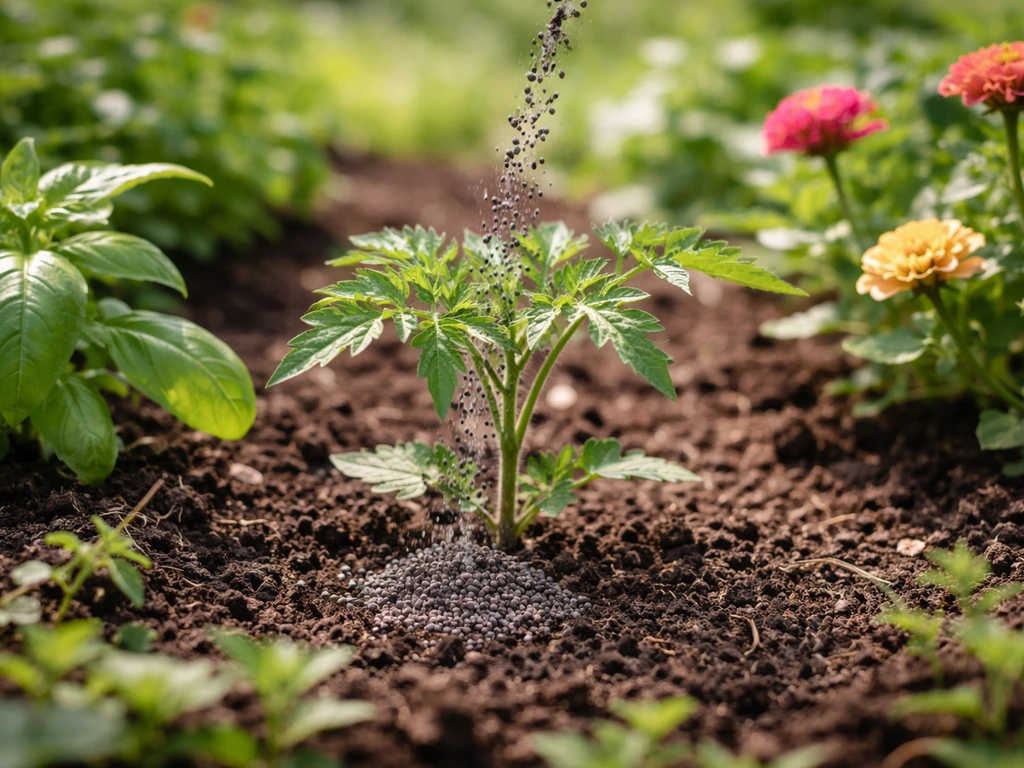
The three numbers on a fertilizer bag (N-P-K) stand for nitrogen, phosphorus, and potassium. For getting plants taller and leafier, nitrogen is the primary driver. A fertilizer with a higher first number (like 10-5-5 or similar) is going to push vegetative growth. For seedlings and transplants just getting established, you want more phosphorus to encourage root development before pushing top growth, which is why starter fertilizers are often higher in the middle number. Once roots are established and you want to bulk up the plant above ground, shift toward a nitrogen-dominant product.
One important caveat: if you're growing vegetables or flowering plants and your goal is fruit or flower production, too much nitrogen at the wrong time will push leafy growth at the expense of blooms and fruit. University of Nevada Extension warns specifically that excess nitrogen can make plants grow fast and leggy without producing what you actually want.
Timing and application basics
For outdoor vegetables, the first 4 to 6 weeks are especially critical for phosphorus and potassium uptake. Getting that foundation right early prevents stunting that's hard to recover from later. Follow-up nitrogen applications typically matter more once the plant is in active vegetative growth. Missouri Extension recommends timing follow-up fertilizer applications around specific growth stages (like after fruit sets for some crops) to match the plant's actual demand.
For houseplants, fertilizer frequency depends on light levels, temperature, species, and potting medium. University of Maryland Extension recommends slow-release pellets with a 3 to 4 month release window or diluted liquid fertilizer, both applied less frequently in low-light or cooler conditions. In a r/houseplants discussion on winter fertilizing, many people recommend reducing or stopping fertilizer when growth slows due to darker winter conditions fertilizing frequency should drop in winter when light and temperature reduce growth rates. Oklahoma State Extension echoes this, noting that fertilizing frequency should drop in winter when light and temperature reduce growth rates.
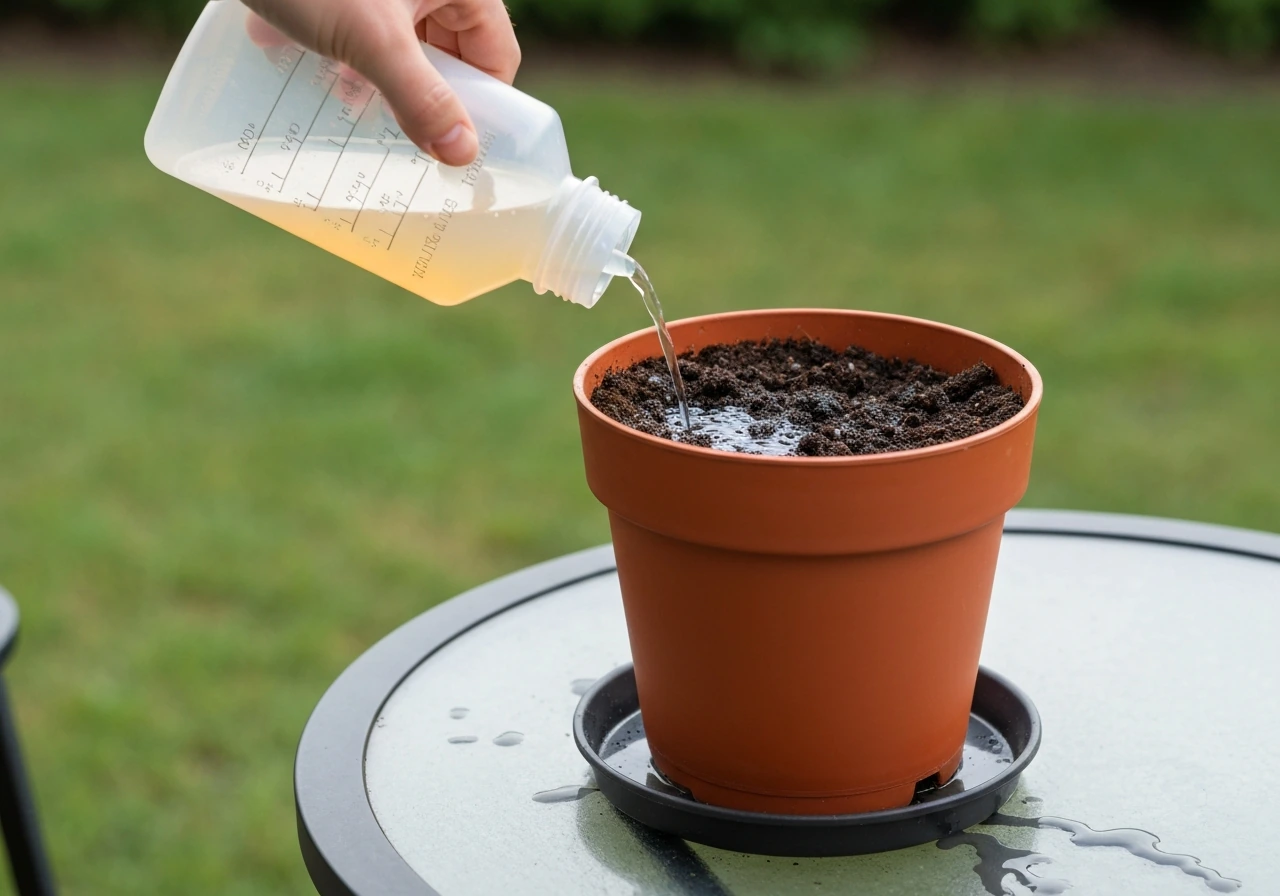
Always water fertilizer in after applying, whether liquid or granular. This helps distribute nutrients to the root zone and significantly reduces the risk of fertilizer burn.
How to avoid over-fertilizing and burning your plant
Over-fertilizing is one of the more common ways gardeners accidentally slow their plants down or kill them outright. When you add too much fertilizer, soluble salt concentrations in the soil or potting medium rise. High salt levels pull water out of roots through osmosis, essentially dehydrating the plant even when the soil is moist. Penn State Extension identifies high soluble salts in the potting medium as the primary mechanism behind fertilizer burn in container plants.
Symptoms of over-fertilization include brown leaf tips and edges, wilting despite moist soil, and in severe cases, root damage and plant death. If you've been applying fertilizer heavily and notice these symptoms, flush the soil thoroughly with water to leach out excess salts. For potted plants, water until liquid drains freely from the bottom several times in a row.
The practical rules to avoid this: follow label rates rather than guessing, start at the lower end of recommended doses especially with liquid fertilizers, don't fertilize a stressed or newly repotted plant, and avoid fertilizing houseplants heavily when they're in a low-light period. Moving a plant from a high-light, high-fertilization environment to a darker spot without adjusting your feeding schedule is a common way salt buildup becomes a problem.
If height still isn't improving, here's what to check next
You've fertilized correctly and the plant still isn't growing like it should. Even if you fertilize, it won't help weeds grow unless the weeds are nutrient-limited and can actually access those nutrients. Now what? Work through the real limiting factors one by one.
- Fix the light first: This is the most common overlooked factor. Move the plant to a brighter spot or add a grow light. Most plants marketed as 'low light' still need more light than a dim room corner provides to grow at any meaningful rate.
- Audit your watering: Both underwatering and overwatering suppress growth. Check the soil a couple of inches down before watering. The goal is moist but not soggy for most plants.
- Test or amend your soil pH: If you haven't tested soil pH, do it now. If it's below 6.0 or above 7.5 for most garden plants, even a perfectly chosen fertilizer won't fix your growth problem. Lime raises pH; sulfur lowers it.
- Check for root problems: In containers, look for a root-bound plant (roots circling the bottom or escaping drainage holes). In garden beds, check for compaction by pushing a pencil or screwdriver into the soil. It should go in without much force.
- Consider a soil test: If you've been gardening the same plot for years without testing, you may have imbalances from years of adding amendments. A lab test gives you an actual starting point.
- Look at the plant itself: Some plants are slow growers by nature. If your care conditions are good, the plant may simply be growing at its natural rate, and no amount of fertilizer will change that.
Fertilizer is genuinely useful when nutrients are the limiting factor, and it's worth understanding how fertilizers help plants grow and whether you actually need fertilizer to grow healthy plants in your specific conditions. But treating it as a universal fix for slow or small plants leads to wasted money and sometimes real plant damage. The gardeners who get consistent results are the ones who diagnose first and fertilize second. If your plant food is doing what it should, it helps supply missing nutrients so the plant can keep growing.
| Symptom or Situation | Likely Limiting Factor | What to Try First |
|---|---|---|
| Yellowing older/lower leaves, stunted growth | Nitrogen deficiency | Balanced or nitrogen-forward fertilizer |
| Yellowing younger/newer leaves | Immobile nutrient issue (often pH-related) | Test and adjust soil pH |
| Slow growth despite fertilizing, good light | Poor root access or compacted soil | Repot, aerate, or loosen bed soil |
| Growth is leggy and weak, not stocky | Insufficient light (not nutrients) | Increase light before fertilizing more |
| Brown leaf tips after recent fertilizing | Over-fertilization / salt buildup | Flush soil with water, pause feeding |
| No improvement despite good light and water | Multiple limiting factors or imbalance | Soil test to identify what's actually off |
FAQ
How long should it take to see bigger growth after fertilizing?
If the plant was nutrient-limited, you often see change within 1 to 2 weeks, mainly in new leaf color and fresh growth. If you see no improvement after about 2 to 4 weeks, the problem is more likely light, watering, root damage, soil pH, or poor nutrient access than “not enough fertilizer.”
Will fertilizer make a plant grow taller if it is already green and actively growing?
Usually not. When a plant already has sufficient nitrogen and other nutrients, extra fertilizer does not translate to more height, because growth is limited by factors like light intensity, temperature, and genetics. Overfeeding in this situation increases salt buildup and can actually slow growth.
What’s the difference between “bigger” and “healthier,” and can fertilizer cause misleading results?
Fertilizer can sometimes produce faster, lush vegetative growth that looks bigger, but it may be weaker or more disease-prone if the plant is not getting the right balance (especially nitrogen to potassium) or if light is insufficient. If plants become overly soft, leggy, or prone to pests, you may be feeding beyond the plant’s true capacity.
How do I tell if I need nitrogen versus phosphorus versus potassium?
A common clue is leaf age: older, lower leaves yellowing often points toward nitrogen deficiency, while weak establishment and reduced overall vigor in seedlings is more consistent with phosphorus limitation. Potassium issues often show up as reduced hardiness and impaired water regulation, so symptoms may look like stress that doesn’t match the watering routine.
Can too much fertilizer stunt growth even if the plant looks like it’s getting enough water?
Yes. Excess soluble salts can pull water out of roots through osmosis, causing wilting and browning leaf tips even when the soil seems moist. In containers, this is especially common because salts build up faster than in-ground gardens.
Is it better to use liquid fertilizer or slow-release pellets for bigger growth?
Both can work, but slow-release pellets typically reduce the risk of sudden salt spikes and are often easier for houseplants and beginners. Liquid feeds let you adjust quickly, but they also make it easier to overdo dose or frequency, so start lighter and track response.
Should I fertilize immediately after repotting or transplanting?
Generally no. Newly repotted plants often have disturbed or recovering roots, and fertilizing during that stress can increase salt uptake problems and slow recovery. Wait until you see active new growth or follow the starter guidance on your fertilizer plan.
What if I fertilized but the plant looks worse, wilts, or browns at the edges?
That often suggests fertilizer burn. Flush the pot or soil thoroughly with clean water to leach excess salts, then pause feeding. For potted plants, water until it drains freely from the bottom, repeating a couple of times if symptoms are severe.
Do I need to water after fertilizing, and what happens if I don’t?
Yes, you should water in after applying. Water helps move nutrients into the root zone and reduces the chance of concentrated fertilizer contacting roots or leaves. Skipping watering increases the odds of salt injury and uneven uptake.
Can fertilizer fix poor growth caused by low light?
Usually only partially. Plants need enough light to convert nutrients into new tissue. If light is too low, additional fertilizer may just increase salts without improving photosynthesis, so you should correct light first (or at least verify it) before feeding more.
Does soil pH affect whether fertilizer makes a plant grow bigger?
Very much. Even with correct fertilizer, the plant may not be able to absorb nutrients if soil pH blocks uptake. If you routinely see “no response” despite feeding, especially in containers, a pH check and targeted adjustment are often more effective than changing fertilizer types repeatedly.
How often should I fertilize houseplants to make them grow bigger?
It depends mainly on light and growth rate. In low-light or cooler seasons, plants grow slowly and need less fertilizer, often much less frequent than in bright, warm conditions. Use a weaker concentration and extend intervals when growth slows to avoid salt buildup.
Is a balanced fertilizer always best for making plants grow bigger?
Not always. If the plant is specifically nitrogen-limited, a balanced formula may underdeliver relative nitrogen. On the other hand, if you feed high nitrogen during fruiting or flowering, you can get more leaves but fewer blooms or yields, so match the product and timing to your goal.
Will fertilizer help weeds grow more than my desired plants?
It can, especially if weeds are already thriving in the same conditions and the nutrients are accessible. If you’re trying to control weeds, focus on removing weeds and improving the limiting factors for them (light, competition, root disruption) rather than assuming fertilizer is harmless.
Next Articles
Does Fertilizer Make Plants Grow Faster? Clear Answers
See when fertilizer speeds plant growth, how NPK and timing help, and how to choose and apply without burning.
Do You Need Fertilizer to Grow Plants and Flowers?
Find out if you need fertilizer for plants and flowers, when it helps, and how to test, choose, and apply safely.
How Fertilizers Help Plants Grow: Nutrients and Timing
Learn how fertilizers boost growth with N-P-K nutrients, proper timing, and soil conditions, plus safe, myth-busting app