Fertilizer helps plants grow by supplying the mineral nutrients they need to run their biological processes: building leaves, growing roots, producing flowers, and making seeds. When soil doesn't have enough of those nutrients on its own, adding fertilizer fills the gap and plants visibly respond.
How Fertilizers Help Plants Grow: Nutrients and Timing

Marcus Holloway
20 Apr 2026
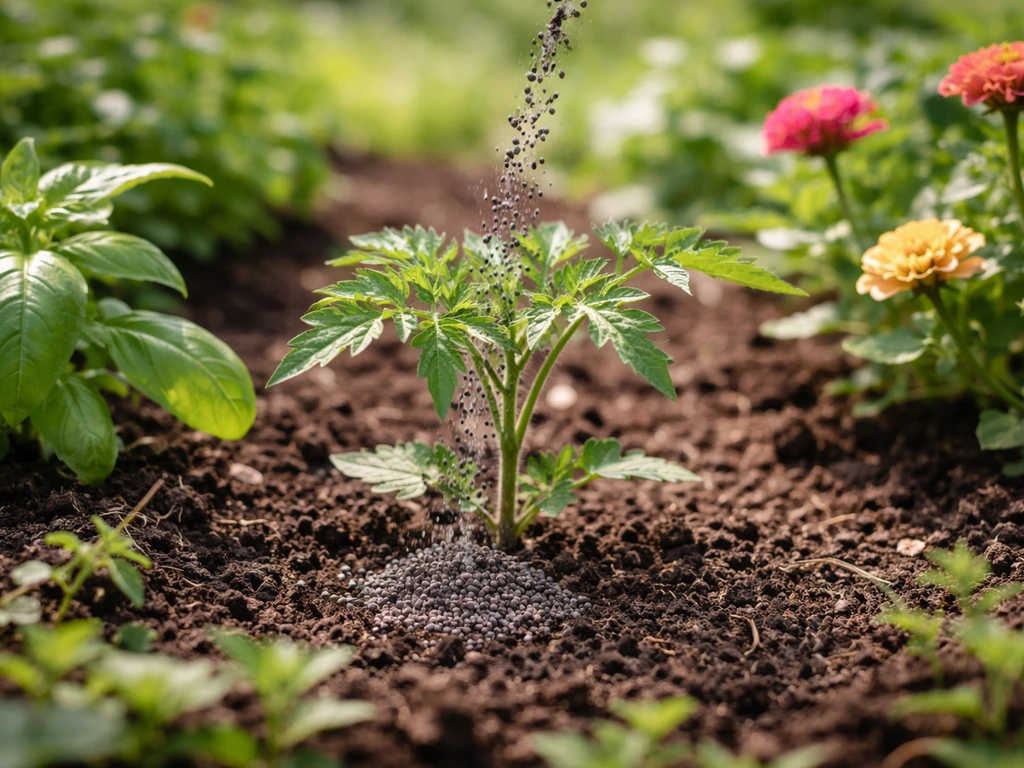
But if you're asking specifically whether plant food helps plants grow, it tends to work best when nutrients are genuinely the limiting factor rather than when water, light, or root health are the real bottlenecks does plant food help plants grow. But fertilizer is not magic, and it doesn't work in every situation.
If the soil pH is wrong, the roots are damaged, or the plant is already stressed by drought or disease, adding fertilizer can make things worse, not better. The short answer: fertilizer works when nutrients are genuinely the limiting factor. The short answer is that you usually need fertilizer only when nutrients are truly the limiting factor, such as when your soil lacks essential minerals fertilizer works when nutrients are genuinely the limiting factor. When something else is holding growth back, fertilizer either does nothing or adds to the problem.
Does fertilizer actually help, and when does it fall flat?
Yes, fertilizer genuinely helps plants grow when the soil is deficient in one or more nutrients the plant needs. You can see this clearly when you apply nitrogen to a pale, slow-growing plant and watch it green up within a week or two. That's real, measurable biology, not placebo gardening. Healthy soil with plenty of organic matter and microbial activity already releases nutrients as microbes break down organic material, which is why some plants thrive with zero added fertilizer. But most garden soils, and especially potting mixes, don't have enough of this natural nutrient cycling to keep pace with an actively growing plant.
Fertilizer won't help, though, when the real problem isn't nutrients. A plant sitting in waterlogged soil can't absorb nutrients through damaged roots no matter how much fertilizer you add. A plant in deep shade can't photosynthesize fast enough to use extra nitrogen productively. If the soil pH is way off, nutrients may be chemically locked up and unavailable even if the fertilizer is sitting right there.
And if a pest or disease is attacking the roots or leaves, fertilizer doesn't fix that either. Before reaching for the bag, it's worth asking whether nutrients are actually what's missing. Before reaching for the bag, it's worth asking whether nutrients are actually what's missing, because fertilizer does not necessarily help weeds grow when the limiting factor is something else like water or light whether fertilizer helps weeds grow.
What nutrients fertilizer actually gives a plant
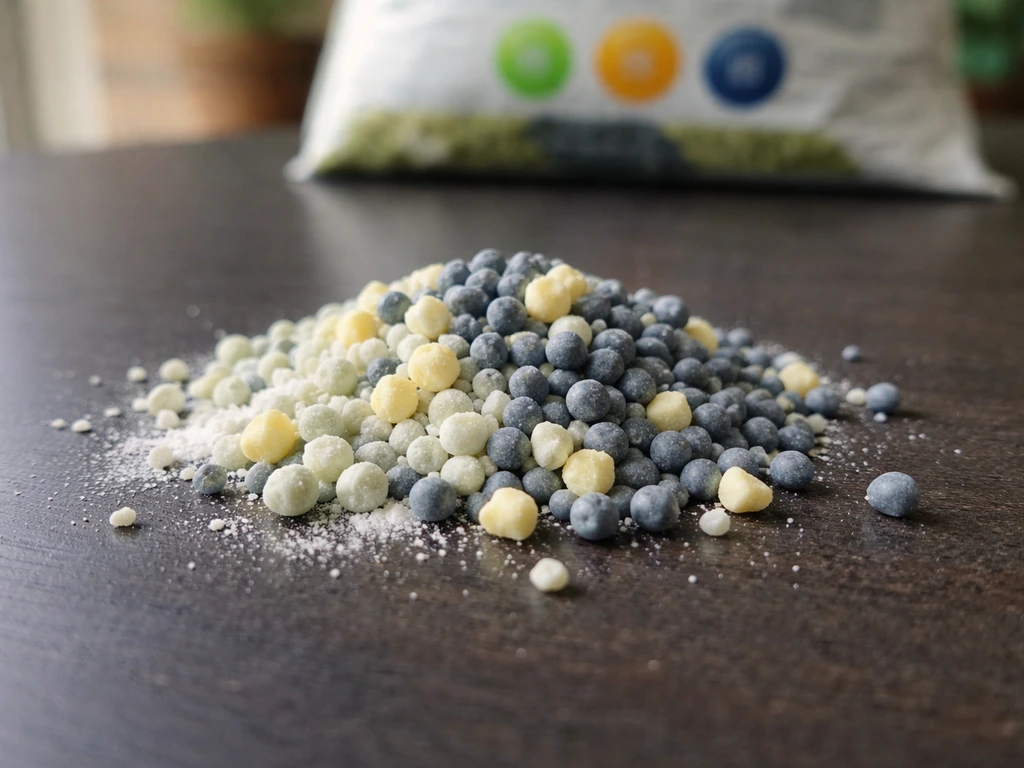
Plants make their own food through photosynthesis, which is a common source of confusion. What fertilizer provides isn't energy or food in the way we think of it, but rather the mineral building blocks plants need to run that photosynthetic machinery and build their tissues. The three nutrients you see on every fertilizer bag, nitrogen, phosphorus, and potassium, each do very different jobs. Beyond those, plants need a range of secondary nutrients and micronutrients that are needed in smaller amounts but are just as essential.
- Nitrogen (N): drives leaf and stem growth, is a core component of chlorophyll and amino acids, and is the nutrient most commonly deficient in garden soils.
- Phosphorus (P): supports root development, energy transfer within the plant (via ATP), and is critical for flowering and seed formation.
- Potassium (K): regulates water movement in and out of cells, strengthens cell walls, and improves the plant's ability to handle stress like drought or disease.
- Calcium (Ca) and magnesium (Mg): structural components of cell walls and chlorophyll, respectively; often supplied through lime when adjusting pH.
- Sulfur (S), iron (Fe), boron (B), zinc (Zn), molybdenum (Mo): micronutrients needed in tiny amounts but still responsible for specific enzyme functions, chlorophyll production, and pollen viability.
Plants absorb nitrogen primarily as nitrate (NO3-) through their roots. Once inside, some is processed in the roots and the rest travels up through the xylem to the leaves, where it gets incorporated into proteins and chlorophyll during photosynthesis. This direct link between nitrogen uptake and photosynthetic performance is why a nitrogen-fed plant often looks greener and more vigorous almost immediately.
How fertilizer improves growth, step by step
Roots first
Phosphorus is the nutrient most directly tied to root development. When you apply a phosphorus-containing fertilizer at or just before planting, you're giving emerging roots the chemical energy currency they need to branch and extend into the soil. Stronger roots mean better water and nutrient uptake later, which is why timing phosphorus application close to planting makes a real difference compared to adding it mid-season.
Then leaves and stems
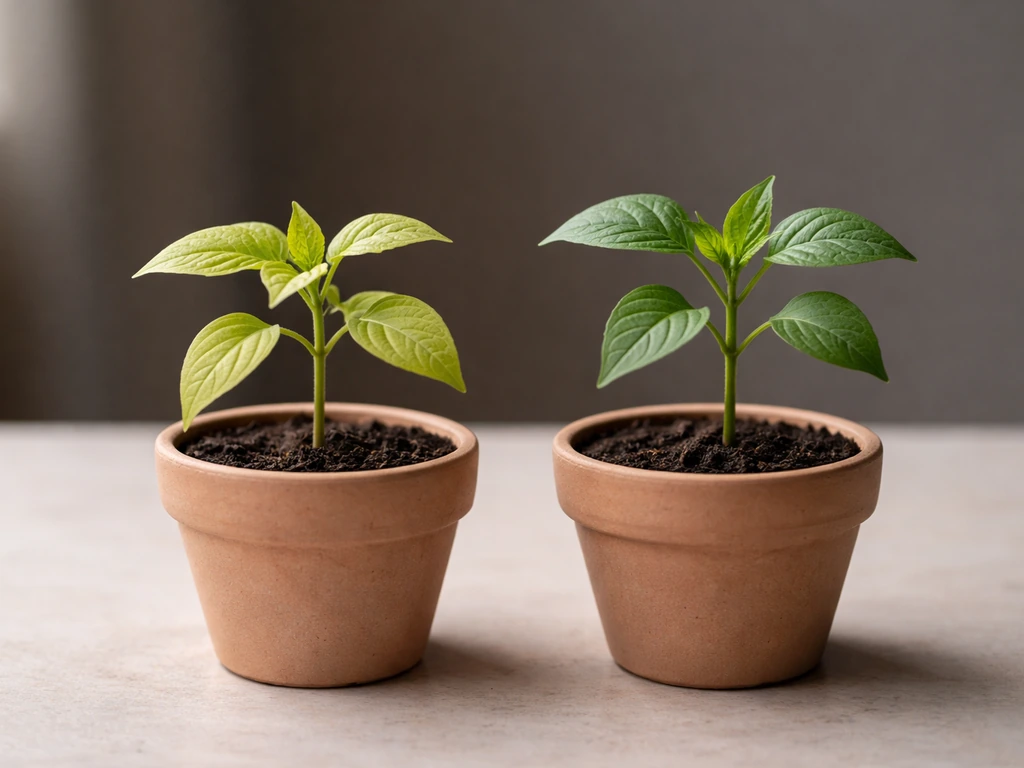
Once roots are established, nitrogen takes center stage. It fuels the production of chlorophyll and the proteins that make up enzymes involved in photosynthesis. More chlorophyll means more light is captured, more sugars are produced, and more growth happens. This is why nitrogen deficiency shows up first as yellowing of the older, lower leaves: nitrogen is mobile within the plant, so when supplies run low, the plant pulls it from older tissue and redirects it to new growth at the top.
Finally, flowers and fruit
As plants shift toward reproduction, phosphorus and potassium become the more important players. Phosphorus supports the energy demands of flower and seed formation. Potassium helps regulate the opening and closing of stomata, supports sugar transport to developing fruit, and improves overall stress tolerance during fruiting, which is when plants are under significant physiological load. Gardeners who switch to a lower-nitrogen, higher-phosphorus and potassium fertilizer when tomatoes or peppers start flowering are applying this principle directly.
What's in fertilizer: reading the N-P-K label
Every bag of fertilizer sold in the US must display a three-number grade on the label: for example, 10-10-10. Those numbers represent the percentage of nitrogen (N), phosphate expressed as P2O5, and potash expressed as K2O in that order. A 45-pound bag of 20-0-0 contains 20% nitrogen, meaning 9 pounds of actual nitrogen, enough to cover roughly 10,000 square feet at standard lawn rates. Understanding this lets you calculate exactly how much fertilizer to apply rather than guessing.
Common fertilizer materials have widely different concentrations and forms. Potassium chloride (muriate of potash) is a straightforward K source with around 60 to 63% K2O content. MAP (monoammonium phosphate) and DAP (diammonium phosphate) are widely used phosphate sources. For micronutrients, iron is often supplied as ferrous ammonium sulfate, boron as borate, and zinc as zinc ammonium phosphate. Specialty fertilizers for specific deficiencies will include one or more of these.
| Nutrient | What it does | Common fertilizer source | Typical form on label |
|---|---|---|---|
| Nitrogen (N) | Leaf growth, chlorophyll, protein synthesis | Urea, ammonium nitrate, blood meal | First number (e.g., 10-x-x) |
| Phosphorus (P) | Root growth, flowering, energy transfer | MAP, DAP, bone meal | Second number as P2O5 (e.g., x-10-x) |
| Potassium (K) | Water regulation, stress tolerance, fruit quality | Potassium chloride (muriate), potassium sulfate | Third number as K2O (e.g., x-x-10) |
| Iron (Fe) | Chlorophyll production | Ferrous ammonium sulfate | Listed in guaranteed analysis |
| Boron (B) | Cell wall formation, pollen viability | Borate | Listed in guaranteed analysis |
| Zinc (Zn) | Enzyme function, hormone regulation | Zinc ammonium phosphate | Listed in guaranteed analysis |
Why fertilizer only works when the soil lets it
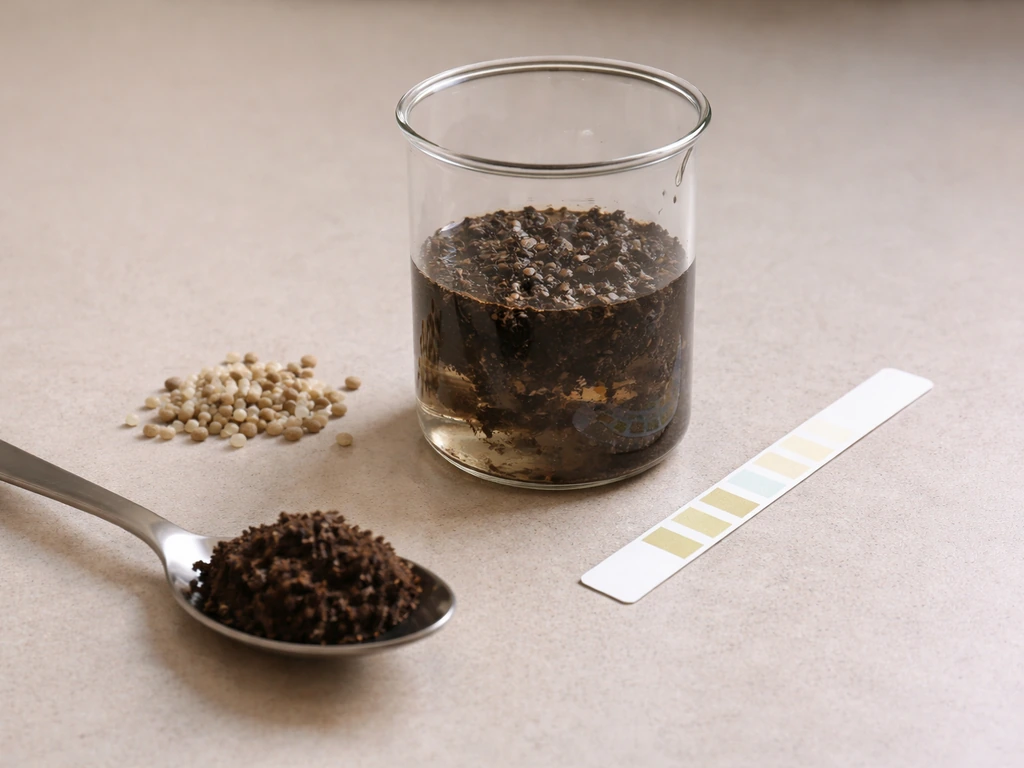
Soil pH is probably the single most overlooked factor in whether fertilizer actually does anything. Most plants grow best when soil pH sits between 6.0 and 7.5. Phosphorus availability peaks in the 6.0 to 7.0 range. Drop below that, and the soil chemistry changes: more iron and aluminum become soluble, and they bind with phosphate to form insoluble compounds that plant roots simply cannot access. You can dump phosphorus fertilizer onto acidic soil and see zero response because it locks up almost immediately. If your soil is very acidic or very alkaline, getting the pH corrected with lime or sulfur will do more for plant growth than any amount of fertilizer.
Soil organic matter matters too. Healthy soil with active microbial communities breaks down organic material and releases nutrients in plant-available forms continuously through the growing season. This background nutrient supply is essentially free fertilizer, and it's why gardens built on rich, well-amended soil often need far less added fertilizer than compacted, low-organic-matter soils. Fertilizer works best when it's supplementing a functioning soil ecosystem, not trying to replace one.
Moisture and root health are equally critical. Nutrients travel to roots dissolved in water, and they move into root cells through specific transport proteins that require the root to be alive and functioning. Overwatered, compacted, or root-bound plants can't absorb nutrients effectively regardless of what you apply. Excess water, high soil salinity, or physical root damage all interfere with uptake and can produce what looks like nutrient deficiency even when fertility is adequate.
How to use fertilizer correctly
Choosing the right fertilizer
Start with what your plants actually need. If you haven't done a soil test, a balanced fertilizer like 10-10-10 is a reasonable starting point for most vegetables and ornamentals. If your soil already has adequate phosphorus (common in established garden beds), use a fertilizer that's lower in P or skip it entirely, because excess phosphorus can actually worsen iron and zinc deficiencies and raises soil salt levels. For lawns and leafy greens, a higher-nitrogen formula makes sense. For flowering annuals or fruiting vegetables, a product with higher phosphorus and potassium relative to nitrogen is more appropriate once plants hit the flowering stage.
Timing your applications
Phosphorus is most effective when applied at or just before planting so roots can access it immediately. UNH Extension recommends incorporating phosphorus or potassium at planting when a soil test indicates a need, and it also cautions that poor timing and placement can be problematic for certain trees and shrubs.
Nitrogen is often better split into multiple applications: an initial pre-plant dose followed by a sidedress application 30 to 45 days later when the plant is actively growing and can use it. For fall vegetables, a pre-plant nitrogen application in the range of 40 to 80 pounds per acre (roughly 1 to 2 pounds per 1,000 sq ft) supports early establishment, with additional nitrogen sidedressed during the growing season based on how plants look.
Calculating rates and applying safely
Work backward from the amount of actual nutrient you want to apply. If you want to apply 1 pound of actual nitrogen per 1,000 sq ft and your fertilizer is 20% nitrogen, divide 1 by 0.20 to get 5 pounds of fertilizer per 1,000 sq ft. This math keeps you from over-applying. For containers, make sure you're diluting granular fertilizers adequately or using slow-release forms, and allow about 10% of the water you apply to drain out the bottom to prevent salt buildup. If you're using liquid fertilizers in pots, watch for a white crust forming on the soil surface, that's a sign of salt accumulation from over-fertilization.
Troubleshooting: is it fertilizer or something else?
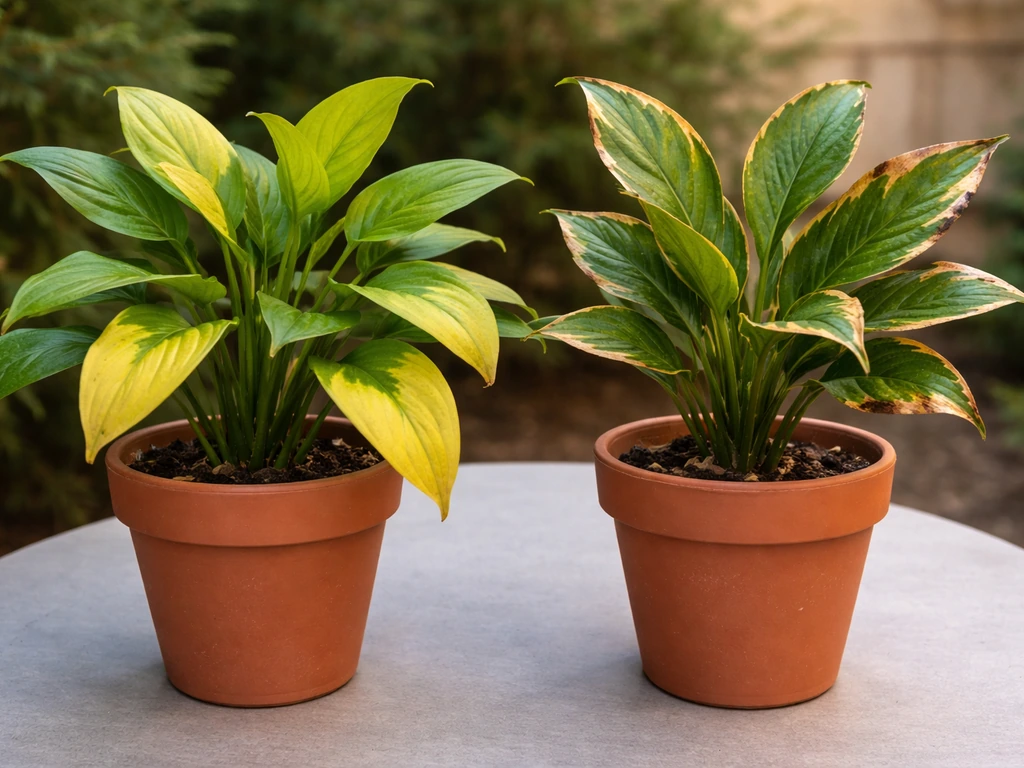
Nutrient deficiency symptoms have specific patterns, but they can be masked or mimicked by other problems happening at the same time. Yellowing older leaves, especially starting at the tips and working inward, is a classic sign of nitrogen deficiency. But the same yellowing can show up with root rot, overwatering, or even a pest infestation interfering with nutrient transport. Before adding more fertilizer, rule out those other causes.
Over-fertilization has its own set of symptoms. In container plants, look for browning leaf tips and margins (fertilizer burn from salt stress), a crusty white deposit on the soil surface, or sudden wilting despite adequate watering. In garden beds, over-fertilizing with nitrogen pushes excessive leafy growth at the expense of flowers and fruit, and can make plants more attractive to aphids and other soft-bodied pests. More fertilizer is genuinely not better; the goal is to match supply to what the plant can actually use.
| Symptom | Possible cause | What to check first |
|---|---|---|
| Yellowing older leaves | Nitrogen deficiency | Soil pH, root health, recent watering |
| Yellowing young leaves (new growth) | Iron or sulfur deficiency | Soil pH (too high locks up iron), excess phosphorus |
| Browning leaf tips and margins | Over-fertilization (salt burn) | Fertilizer application rate, soil salt buildup |
| White crust on container soil | Fertilizer salt accumulation | Leach pot with extra water, reduce fertilizer rate |
| Poor root development, slow establishment | Phosphorus deficiency or low pH | Soil test for pH and P levels |
| Stunted growth despite fertilizing | pH issue, root damage, or waterlogging | Check pH, drainage, and root condition before adding more |
One practical troubleshooting habit worth building: when something looks off, check for multiple stressors at once. Water stress, pest damage, and nutrient deficiency frequently occur together in the same plant, and each one makes the others harder to diagnose correctly. If you can rule out watering issues and obvious pest damage first, then a nutrient deficiency diagnosis becomes much more reliable.
What fertilizer can't do
It's worth being direct about the limits. Fertilizer doesn't replace light. A plant in too much shade will not grow well no matter what you feed it, because photosynthesis is limited by the available light, not by nutrient supply. Fertilizer doesn't replace water.
Without adequate moisture, nutrients can't move through the soil or into roots. And fertilizer doesn't fix bad soil structure: compacted, poorly draining soil needs physical improvement, not a nutrient top-up. Fertilizer is one piece of the system, and it works best when the other pieces are already in place.
Questions like whether fertilizer makes plants grow faster, whether it makes them bigger, or whether you even need it at all depend heavily on your specific soil and what plants you're growing, which is worth thinking through carefully before defaulting to more fertilizer. Do you need fertilizer to grow plants? In many cases, you only need it when your soil is missing nutrients that limit growth.
The practical takeaway: get a basic soil test if you haven't already, correct pH if it's outside the 6.0 to 7.5 range, and then choose a fertilizer matched to your plants' growth stage. Apply it at the right rate using the math from the bag, split nitrogen applications across the season, and watch your plants rather than sticking to a rigid calendar. When fertilizer is the right solution, you'll know quickly because plants respond within days to weeks with visibly greener, more vigorous growth. When they don't respond, that's your cue to look somewhere else.
FAQ
Can too much fertilizer still make a plant look sick, even if nutrients are present?
Because fertilizer is salts plus nutrients, heavy or frequent feeding can raise soil electrical conductivity (salt stress), which reduces water uptake even if nitrogen or other nutrients are present. In containers, this often shows up as leaf-tip or margin browning and a white crust on the soil surface, so it’s safer to follow label rates and, for nitrogen, split applications instead of one big dose.
If my plant isn’t responding, how can I tell whether fertilizer is the wrong fix?
A soil test is most useful before you buy anything, but you can also use “response testing.” Apply a small amount of the right nutrient at the recommended rate (or half-rate if you’re unsure), monitor for 1 to 2 weeks, and compare with an untreated section. If there is no greener or faster growth and pH and watering are correct, the limitation is probably not nutrients.
Will fertilizer help if my soil pH is too high or too low, or do I need to adjust pH first?
Yes, but only when the underlying issue is nutrient availability and the roots can access those nutrients. In alkaline soils, phosphate can precipitate and become less available, so a general fertilizer may not help until pH is corrected. In containers, “good” pH can drift as salts build up, so periodic checking and occasional leaching with clean water can prevent this.
What should I do first if my plant seems to be getting overwatered or has poor root health?
Fertilizer can temporarily green plants, but it can also worsen problems that are primarily root or water related. If roots are damaged (root rot, compaction, root-bound plants), added nutrients can accumulate in the root zone without being absorbed, sometimes intensifying wilting or burn. Fix drainage, aeration, or container root space first, then fertilize.
Why does higher-nitrogen fertilizer sometimes make lawns greener but harm fruiting plants?
For lawns and leafy greens, nitrogen drives most visible growth, but “greener” isn’t the same as “healthier.” If phosphorus or potassium is already adequate, adding more N than the plant can use can shift growth to leaves and reduce flowering or fruit set. A soil test helps you avoid over-implying that “more fertilizer equals better results.”
How does low light change how fertilizers perform?
In shade, plants photosynthesize less, so extra nutrients cannot be used effectively. You may still see some response from correcting a true deficiency, but overall growth will be limited. The practical approach is to ensure adequate light for the crop you’re growing, then fertilize according to stage, not according to a calendar.
Are slow-release fertilizers always safer than quick-release ones?
Slow-release or organic fertilizers generally reduce the chance of fertilizer burn because nutrients are released more gradually, but they still depend on moisture and root function to deliver nutrients. If you’re using slow-release products, you can still get salt buildup in containers, especially if you never flush or leach, so keep an eye out for crusting and adjust watering practices.
Should I keep adding phosphorus even if my garden is already mature and productive?
Yes. In many beds, phosphorus accumulates over time because it binds to soil minerals, so you can repeatedly add phosphorus without benefit. A typical sign is that plants keep doing fine vegetatively but show no root or flowering improvement, and a soil test can confirm whether P is already sufficient. If P is high, choose formulations with little or no phosphorus.
How can I distinguish nitrogen deficiency from overwatering or root problems?
The most reliable symptom pattern is old leaf yellowing for nitrogen deficiency, with newer growth remaining greener. However, root rot, overwatering, and pest damage can cause similar yellowing by disrupting nutrient transport, so treat symptoms as clues, not proof. Rule out water and root problems before increasing fertilizer.
What’s the biggest mistake people make fertilizing potted plants?
In containers, “drainage first” matters as much as fertilizer. If water cannot drain, salts and nutrients accumulate, leading to burn and nutrient lockout. A practical check is to ensure excess water is able to run out the bottom each time you irrigate, and consider periodic leaching when you see crusting or persistent tip burn.
Next Articles
How Do Microorganisms Help Plants Grow: Practical Guide
Learn how microbes in the rhizosphere fix nitrogen, boost phosphorus, aid roots, suppress disease, and how to grow them.
How Does Yeast Help Plants Grow? Safe, Practical Guide
Learn how yeast boosts plant growth via soil microbes, safe dilution and timing, plus myths, limits, and troubleshooting
Do Mushrooms Help Plants Grow? Science and How to Use
Science-backed answer on whether mushrooms help plants grow, plus how to use mycorrhiza, compost, and test results.