Dish soap does not help plants grow. Toothpaste is also not a nutrient source, so it generally does not help plants grow better does toothpaste help plants grow. It has no nutrients, it doesn't improve soil, and it doesn't stimulate any biological process that leads to better roots, more leaves, or faster flowering.
Does Dish Soap Help Plants Grow? What It Actually Does
Marcus Holloway
22 May 2026
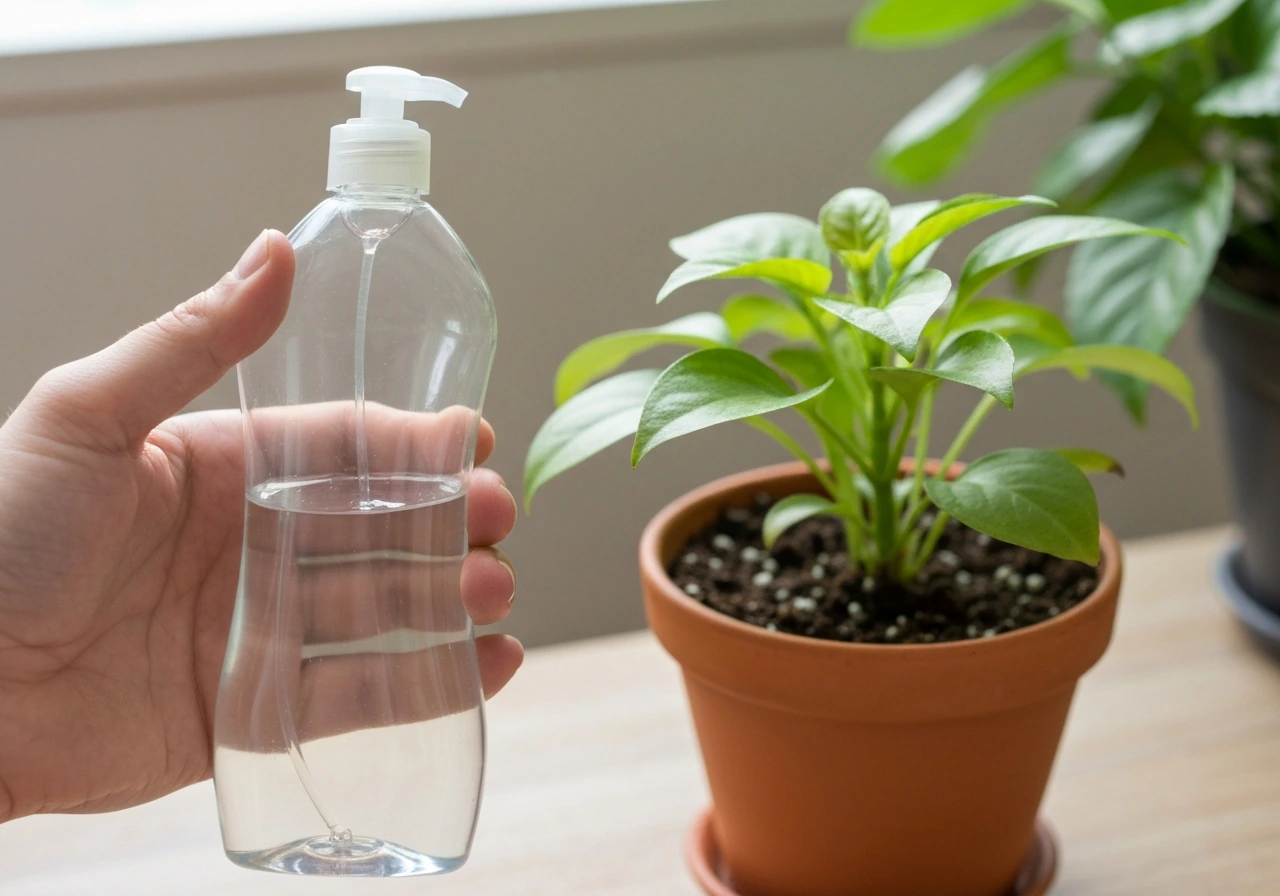
When people swear by it, they're usually thinking of pest control, not growth, and even there, dish soap is a risky substitute for products actually designed for plants. The honest answer is: dish soap is a household detergent built to cut grease off pots and pans, and those same properties can damage plant tissue, disrupt the waxy coating on leaves, and harm the beneficial microbes in your soil.
What dish soap actually does to plant leaves and soil
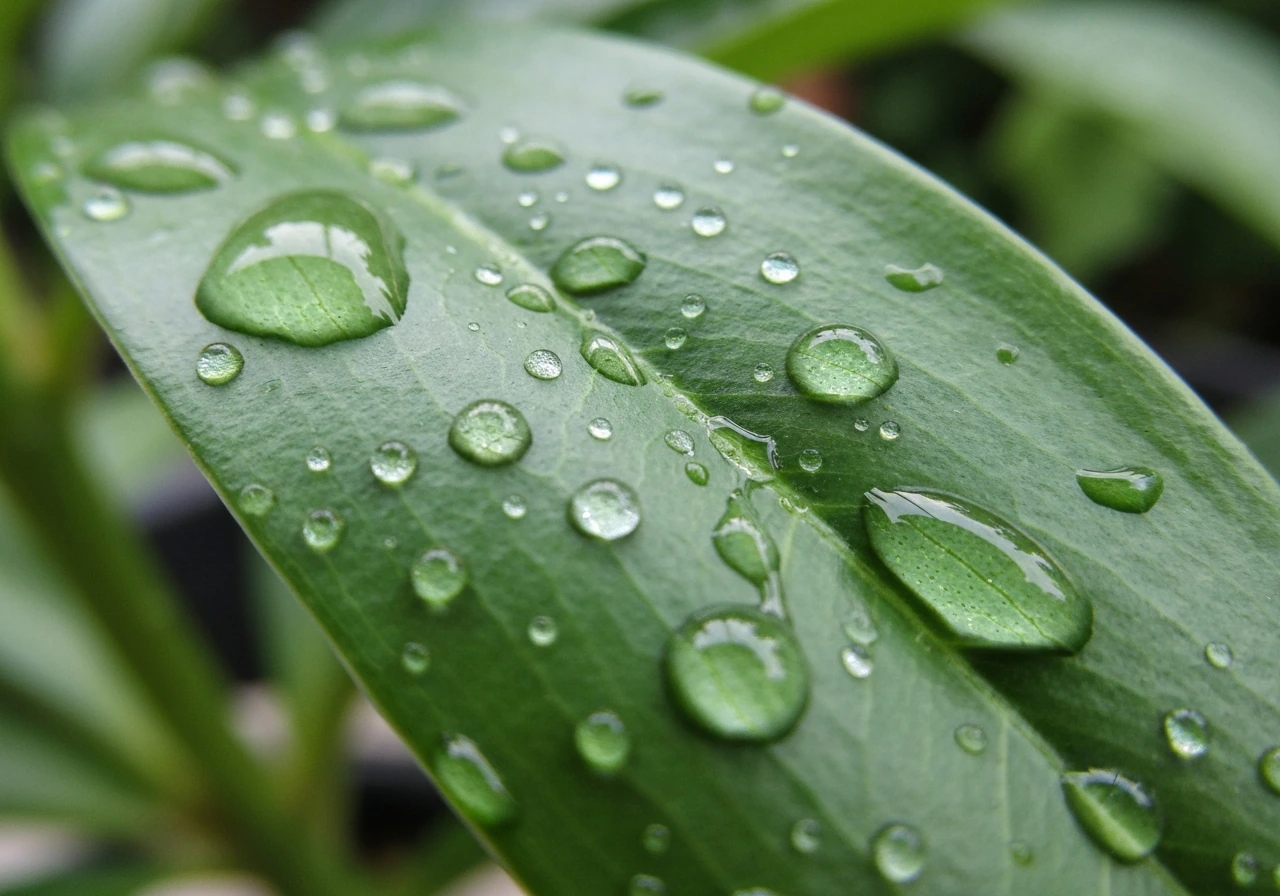
Dish soap is a surfactant, which means it reduces surface tension in water. That sounds neutral enough, but on a plant leaf it creates real problems. Leaves are coated in a thin waxy layer called the cuticle. This cuticle does a lot of quiet, essential work: it regulates water loss, blocks pathogens, reflects excess UV, and keeps the plant's internal moisture from evaporating.
As UConn Extension specifically notes, dishwashing soaps are formulated to dissolve grease and wax, and that's exactly what they can do to a plant's cuticle. As UConn Extension notes in its insecticidal soap factsheet, dishwashing soaps/detergents are designed to remove grease and may cause plant damage by dissolving the waxy cuticle on leaf surfaces [dissolve grease and wax](https://homegarden. cahnr. uconn.
edu/factsheets/insecticidal-soaps/). Once that protective layer is compromised, the leaf becomes vulnerable to dehydration, sunburn, and infection.
In the soil, the picture is similarly unencouraging. Dish soap contains compounds that can disrupt the populations of beneficial bacteria and fungi that plants depend on for nutrient cycling and root health. Healthy soil is a living system, and pouring a detergent into it repeatedly isn't a neutral act. Over time, especially with concentrated solutions or frequent application, you can reduce the microbial diversity that makes your soil actually work for your plants.
The surfactant effect also changes how water moves through the soil. Lower surface tension means water can penetrate more easily in the short term, which sometimes gives the impression of improved hydration. But this doesn't translate into better plant growth. It just means the water behaves differently, and in some soil types it can actually accelerate drainage past the root zone.
When dish soap might seem to help (and why that's usually indirect)
The most common scenario where someone reaches for dish soap is pest control, specifically soft-bodied insects like aphids, whiteflies, or spider mites. Soap solutions can physically disrupt the insects' soft bodies and, in the case of purpose-made insecticidal soap, penetrate the insect's own cuticle to interfere with cellular function. When this works, a gardener sees pests dying and plants recovering, which gets mentally filed as 'dish soap helped my plant.' But the plant isn't growing better because of the soap. It's recovering because a pest burden was reduced.
The same logic applies when people use diluted dish soap to clean dusty or residue-covered leaves. Removing grime does allow better light absorption, which genuinely helps photosynthesis. But again, the soap isn't doing anything nutritive or growth-promoting. You'd get the same benefit by wiping the leaves with a damp cloth, and you'd skip the risk entirely.
This is why the myth persists. The soap occasionally coincides with a real improvement in plant condition, but it's functioning at best as a delivery mechanism for pest knockdown, not as a growth enhancer. This same idea answers the question of whether 7up helps plants grow, since the drink does not provide plant nutrients does 7up help plants grow.
If you are wondering, does soda help plants grow, the answer is similar to other home remedies: any effect is indirect at best soda water. The same idea applies to baking soda: it may help in specific situations, but it is not a general growth booster baking soda help plants grow.
The same pattern shows up when people ask whether things like soda water or baking soda help plants grow: there's often a kernel of indirect benefit buried inside a claim that overstates what's actually happening chemically.
Why dish soap is often harmful to plants
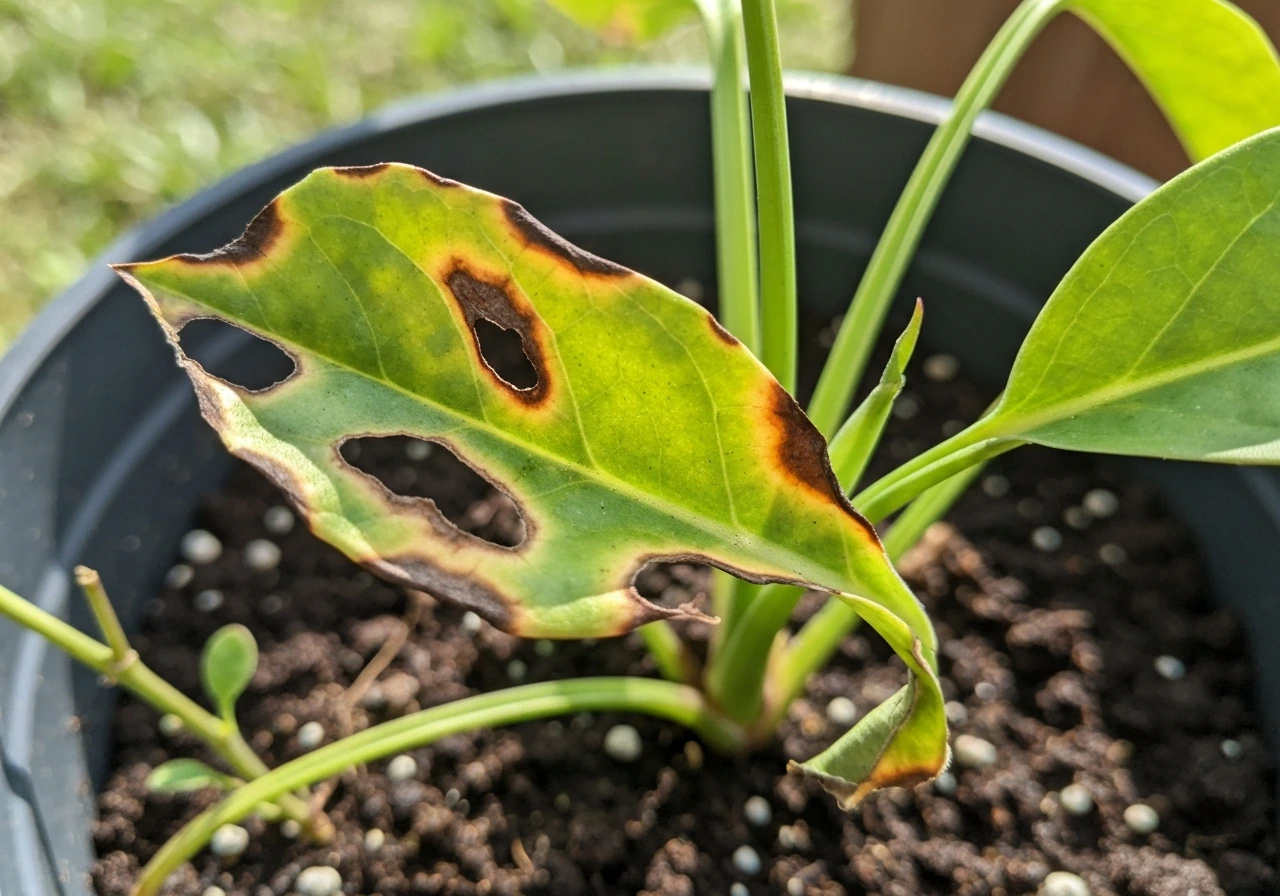
This is where the risk becomes concrete and worth taking seriously. Colorado State University Extension advises against using homemade soap-detergent solutions for insect control and specifically recommends testing for phytotoxicity on a small section of the plant before applying anything. Iowa State University Extension is direct about dish soap not being a replacement for insecticidal soap because it behaves differently as a detergent. UF/IFAS Extension goes further, stating that soaps not registered or labeled for plant pest control are simply not recommended, and that even purpose-built insecticidal soaps can injure plants when used incorrectly.
Here's what that injury actually looks like in practice. You spray a diluted dish soap solution on your tomatoes to deal with aphids. Within 24 to 48 hours, you might notice yellowing leaf margins, wilting that doesn't recover after watering, or brown crispy patches where the spray contacted tissue directly. That's phytotoxicity: the soap has damaged the cells it touched, either by stripping the cuticle, penetrating the leaf tissue, or causing chemical irritation. On sensitive plants like ferns, succulents, or newly transplanted seedlings, even a single application can cause lasting damage or kill the plant outright.
- Cuticle stripping: the waxy protective layer dissolves, leaving the leaf exposed to moisture loss and pathogens
- Leaf burn (phytotoxicity): chemical damage to leaf cells causes yellowing, browning, and tissue death
- Slowed recovery: damaged leaves can't photosynthesize efficiently, stalling overall growth
- Soil microbe disruption: repeated use degrades beneficial bacterial and fungal populations
- Increased disease susceptibility: compromised leaf surfaces are easier entry points for fungal infections
- Variable risk by plant: succulents, ferns, seedlings, and many edibles are especially sensitive
Safer alternatives for the most common reasons people use dish soap
The good news is that whatever problem you were hoping dish soap would fix, there's a safer and more effective option that won't risk your plant in the process.
For pest control
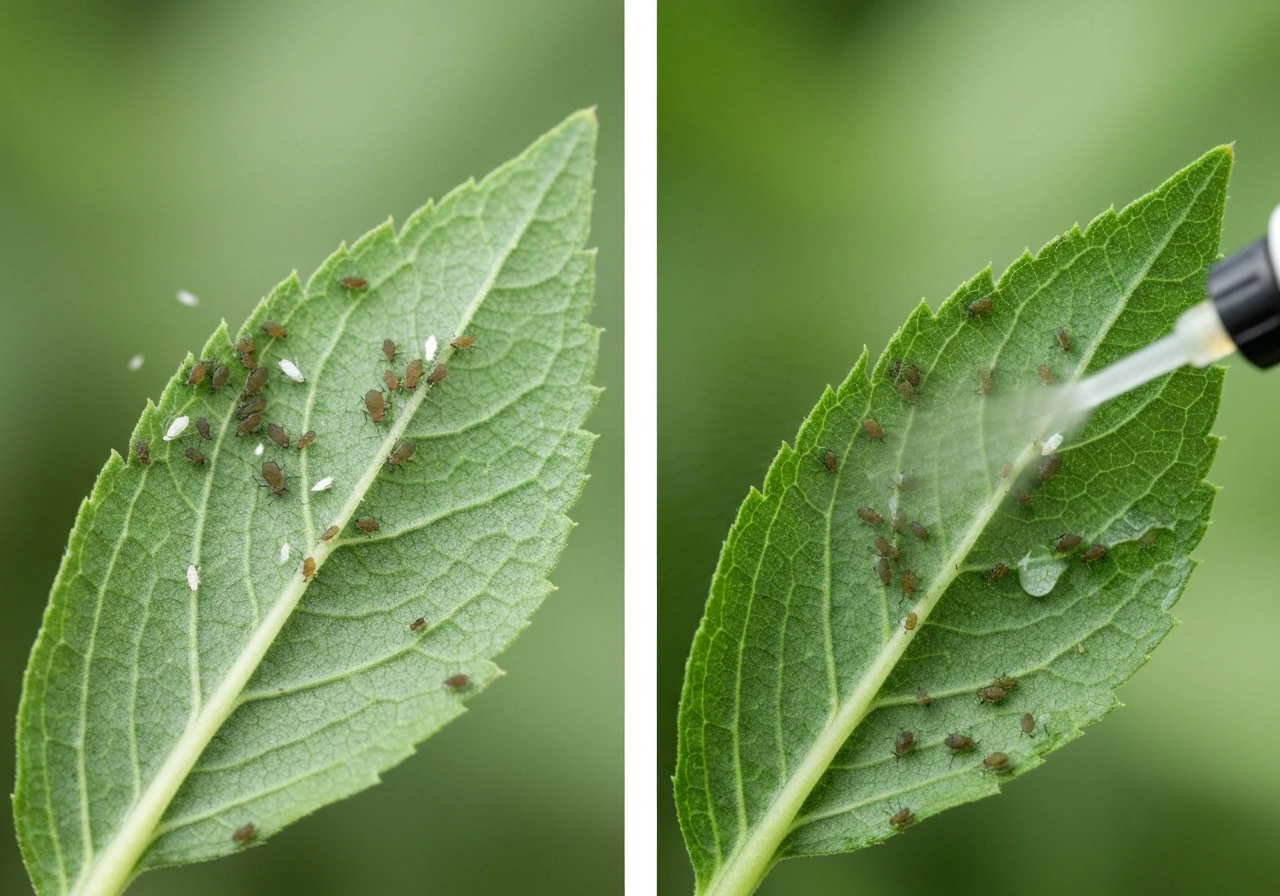
Insecticidal soap, the kind sold specifically for garden use and labeled for plants, is formulated at the right concentration and pH to kill soft-bodied insects without the same phytotoxicity risk as household detergent. It's widely available and inexpensive. For harder-to-kill pests or scale insects, horticultural oil is another well-researched option that smothers insects without harsh chemical action. For aphids in particular, a strong blast of plain water from a hose is often enough to knock populations back significantly, with zero damage risk.
For leaf cleaning
A clean, damp cloth or soft sponge is all you need for removing dust or residue from large leaves. For plants with many small leaves where wiping isn't practical, rinsing with plain water works well. Neither approach risks cuticle damage.
For powdery mildew or fungal issues
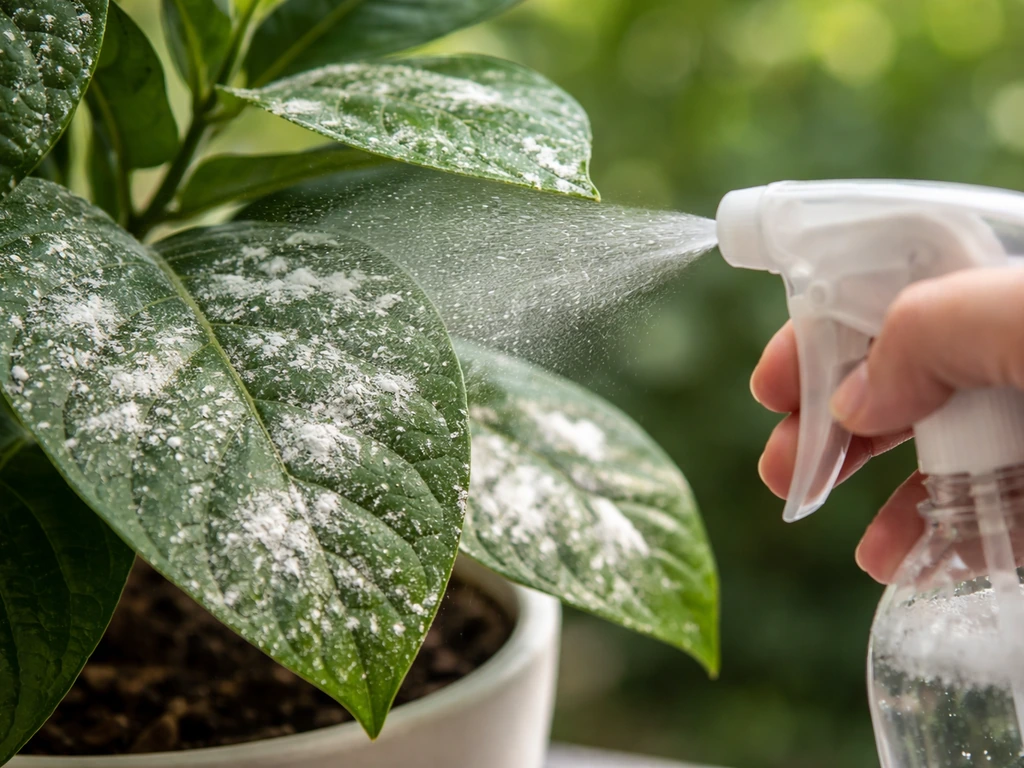
Baking soda solutions (sodium bicarbonate diluted in water) have some evidence-backed antifungal properties, though they need to be used carefully for similar reasons: concentration matters and some plants are sensitive. Neem oil is another option with both antifungal and insect-deterrent properties and a good safety profile when used as directed. Neither is perfect, but both are meaningfully better choices than dish soap.
| Problem | Dish Soap (risk level) | Better Alternative | Why It's Better |
|---|---|---|---|
| Aphids / whiteflies / mites | High: phytotoxicity risk | Insecticidal soap or water blast | Formulated for plant use; proven efficacy |
| Dusty or dirty leaves | Moderate: cuticle disruption | Damp cloth or plain water rinse | Zero chemical risk; equally effective |
| Powdery mildew | High: no antifungal action | Neem oil or diluted baking soda | Actual antifungal properties |
| Scale insects | High: limited efficacy too | Horticultural oil | Smothers effectively without phytotoxicity |
| General plant growth | Not applicable: no benefit | Proper soil, light, water, and fertilizer | These are the actual drivers of growth |
How to use dish soap correctly only in limited scenarios (if you insist)
If you're in a situation where you genuinely have no other option, here's how to minimize the damage. The key variables are concentration, timing, and plant sensitivity. A 1 to 2 percent solution (roughly one to two teaspoons of dish soap per quart of water) is the upper limit. Lower is safer. Use plain, fragrance-free dish soap with no added moisturizers, antibacterials, or degreasers, since those additives increase the risk of plant damage. Dawn original (unscented) is the version most commonly referenced in gardening contexts, but even that carries the risks described above.
- Mix a 1 to 2 percent solution using plain, unscented dish soap and water
- Test on a single leaf or small area first and wait 24 to 48 hours before treating the whole plant
- Apply in the early morning or late afternoon to avoid heat-amplified burn, never in direct midday sun
- Rinse the plant with plain water 30 to 60 minutes after application to remove soap residue
- Do not repeat more than once every 7 days, and stop immediately if you see leaf discoloration or wilting
- Avoid entirely on seedlings, ferns, succulents, newly transplanted plants, or any plant already under stress
Even following all of this, you're accepting a degree of risk that you wouldn't have with a purpose-formulated insecticidal soap. This is the 'if you have no other option right now' scenario, not a recommended regular practice.
Practical next steps: diagnose the real problem and improve plant growth
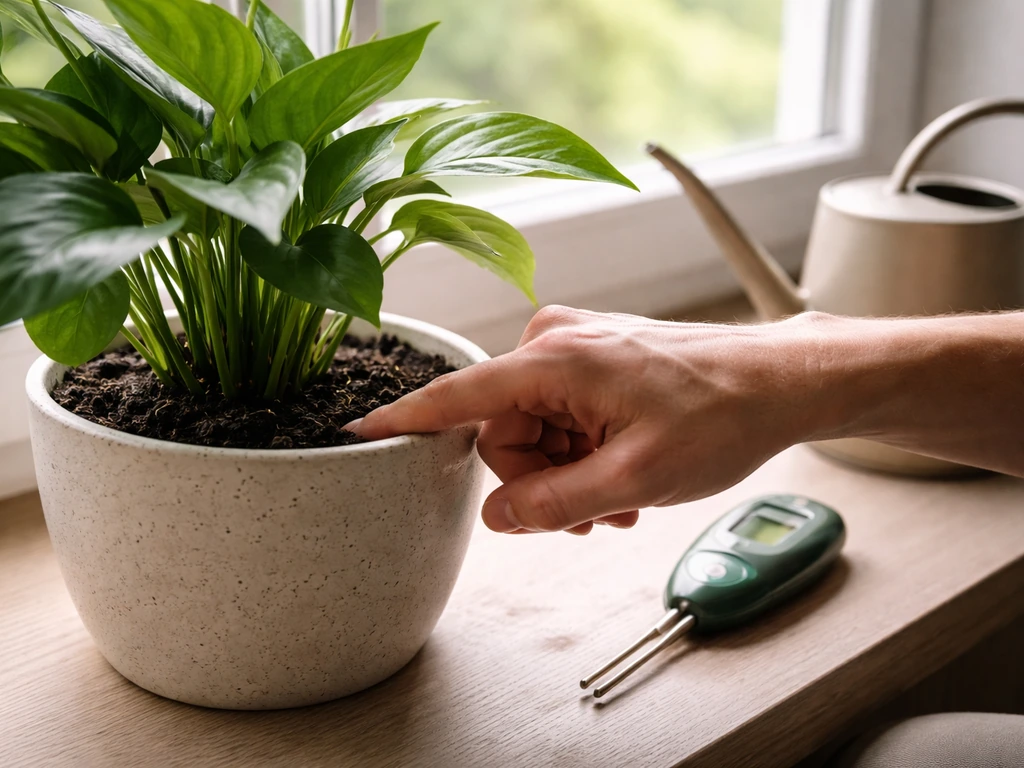
If you searched for 'does dish soap help plants grow,' you probably have a plant that isn't doing well, and you're looking for a fix. Dish soap isn't it. But the good news is that the things that actually drive plant growth are knowable, testable, and often fixable with straightforward changes.
Step 1: Figure out what you're actually trying to fix
Before you reach for any spray bottle, ask yourself what problem you're actually seeing. Slow growth, yellowing leaves, pest damage, mold, and general decline all have different causes and different solutions. Treating the wrong problem wastes time and can make things worse.
- Yellowing leaves: usually a watering issue (over or under), a nitrogen deficiency, or insufficient light
- Slow or stalled growth: check light levels first, then assess soil quality and nutrient availability
- Wilting that doesn't recover: root rot from overwatering is the most common culprit
- Visible insects or sticky residue: this is an actual pest problem, use insecticidal soap or horticultural oil
- White powdery coating on leaves: powdery mildew, a fungal issue that needs an antifungal treatment
Step 2: Address the variables that actually move the needle on plant growth
Plant growth is driven by light, water, soil quality, nutrients, and temperature. No household product shortcut changes that equation. Here's where to focus your energy.
- Light: most common growth bottleneck indoors. Move plants closer to a south-facing window, or add a full-spectrum grow light if natural light is insufficient
- Watering: water deeply and infrequently rather than little and often, and always check soil moisture before watering again rather than going by schedule
- Soil: if your potting mix is more than two years old or compacted, repot with fresh quality mix; outdoors, amend with compost to improve structure and microbial life
- Nutrients: use a balanced slow-release fertilizer or liquid fertilizer during the growing season; watch for specific deficiency signs (yellowing patterns often indicate specific nutrient gaps)
- Temperature and humidity: most houseplants prefer 60 to 80 degrees Fahrenheit and struggle with cold drafts or dry heating air in winter
These five factors are what separate plants that thrive from plants that just survive. No amount of dish soap, soda water, bleach, or toothpaste, all of which circulate as gardening 'hacks' on the same basis as dish soap, will substitute for getting these fundamentals right. If you're trying to boost growth with the idea behind birth control pills, the same basic rule applies: it isn't a reliable or plant-safe shortcut. The gardening internet loves a dramatic shortcut, but plant biology is straightforward: give plants what they actually need and they grow. Everything else is noise.
If you've ruled out light, water, soil, and nutrients and you still have a struggling plant, that's when it's worth looking at pest pressure or disease more carefully. At that point, the right tool (insecticidal soap, horticultural oil, a targeted organic fungicide) applied correctly will solve the actual problem without adding more stress to a plant that's already struggling. That's a much better position to be in than using a household detergent and hoping for the best.
FAQ
Can dish soap be used in place of insecticidal soap for aphids or whiteflies?
Not reliably. Household dish soap is a detergent with different pH and additives, and it can be more likely to damage leaf tissue. If you want soap-based control, use a product labeled for plants, and follow the concentration on the label rather than kitchen dilution estimates.
What is the safest way to test dish soap on a plant if I’m using it as a last resort?
Do a small patch test first. Spray only a small area of the plant, wait 24 to 48 hours, and look for leaf burn, wilting that does not recover, or browning at contact points. If any phytotoxicity shows up, stop and switch methods.
Will dish soap help if my plant has yellow leaves but no visible pests?
Usually no. Yellowing often points to nutrient issues, watering problems, root stress, or disease, and dish soap is not a nutrient source. The better next step is to check soil moisture, drainage, and whether new growth or older leaves are yellowing (which can suggest different causes).
How quickly would I notice damage if dish soap harms my plant?
Symptoms often appear within 24 to 48 hours after spraying. Common signs include yellowing leaf margins, crispy brown patches where liquid contacted tissue, and wilting that does not improve after normal watering, which indicates leaf cell damage rather than simple dehydration.
Does spraying dish soap ever improve growth indirectly by washing off dust?
Yes, but it is the cleaning, not the soap, that helps. Removing grime can improve light capture and photosynthesis. If your goal is dust removal, wipe or rinse with plain water instead to avoid cuticle disruption.
Can I mix dish soap with other home remedies like baking soda, neem, or vinegar?
Avoid combining multiple DIY sprays. Mixing can change pH and increase burn risk, and it can also reduce effectiveness. Use one treatment at a time, and if you must switch products, wait a few days and only apply when leaves are dry.
How much dish soap is actually too much if I insist on using it?
Even the commonly suggested dilution has risk. The article notes that solutions around 1 to 2 percent are the upper limit, with lower being safer, and that fragrance-free, plain soap without added degreasers or conditioners is less risky than products with extra ingredients.
Does dish soap harm soil microbes even with one application?
Repeated use is the bigger concern, but one application can still be stressful for sensitive soil and plants. If you have living soil (active compost, fungal-rich mixes), detergent runoff can disrupt beneficial microbes, so use the least exposure possible and consider switching to a non-detergent option.
What should I use instead of dish soap for soft-bodied pests?
Use horticultural insecticidal soap labeled for plants, or horticultural oil for many pests including scale. For aphids specifically, a strong water blast can knock populations down with near-zero plant injury risk, especially for plants that can tolerate rinsing.
If dish soap is risky, why do people think it helped?
Because it can reduce pests, and plants recover once the pressure is gone. The improvement feels like growth from the soap, but it is typically recovery after insect damage decreases, not a growth-stimulating nutrient effect.
Next Articles
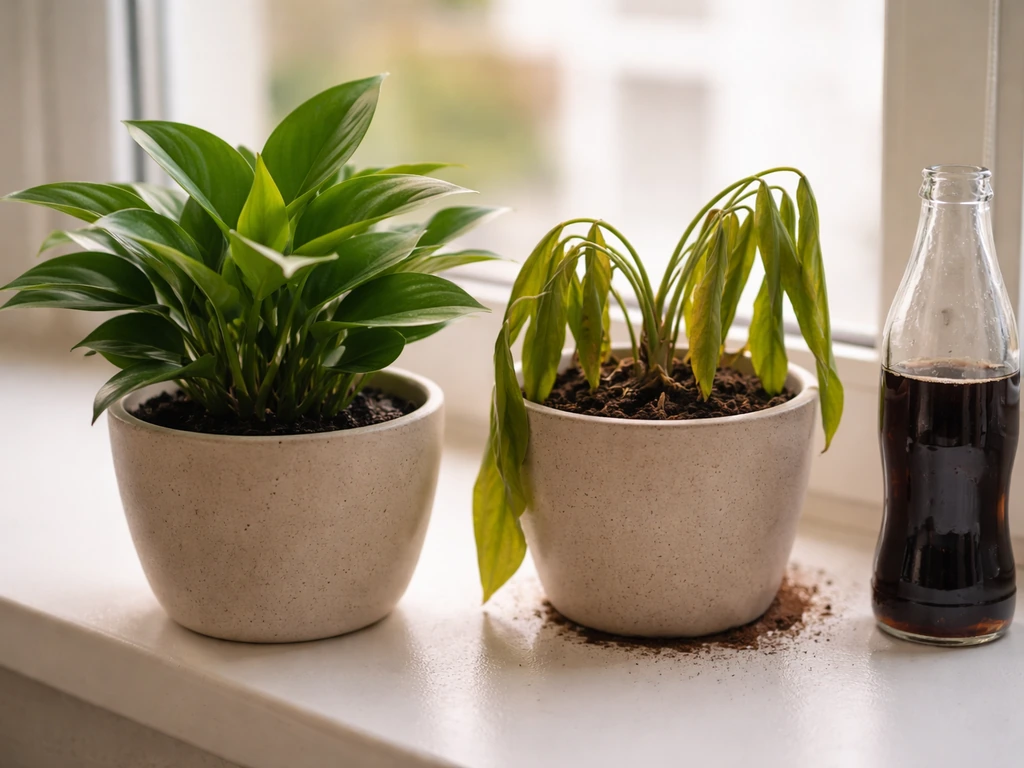
Does Soda Help Plants Grow? What Happens and What to Do Instead
Learn why soda does not help plants grow, what it does to soil and roots, and what to do instead for healthy growth.
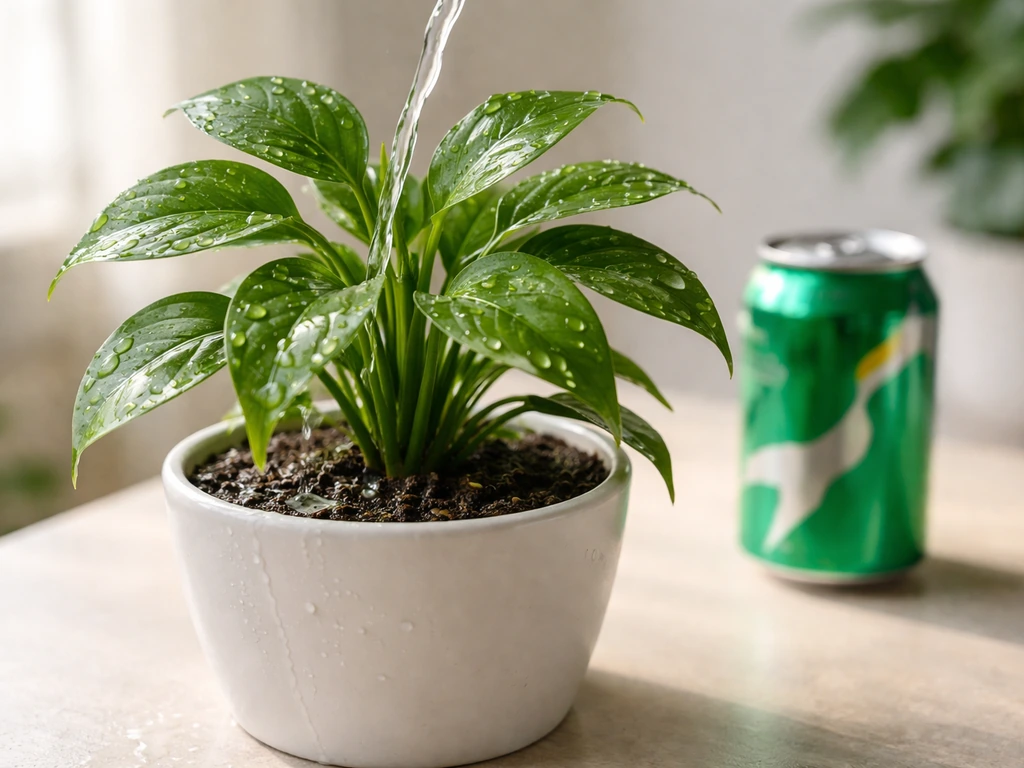
Does Sprite Help Plants Grow? Science, Risks, and Better Options
Learn if Sprite helps plants grow, why soda harms them, and what to do instead for healthier growth.
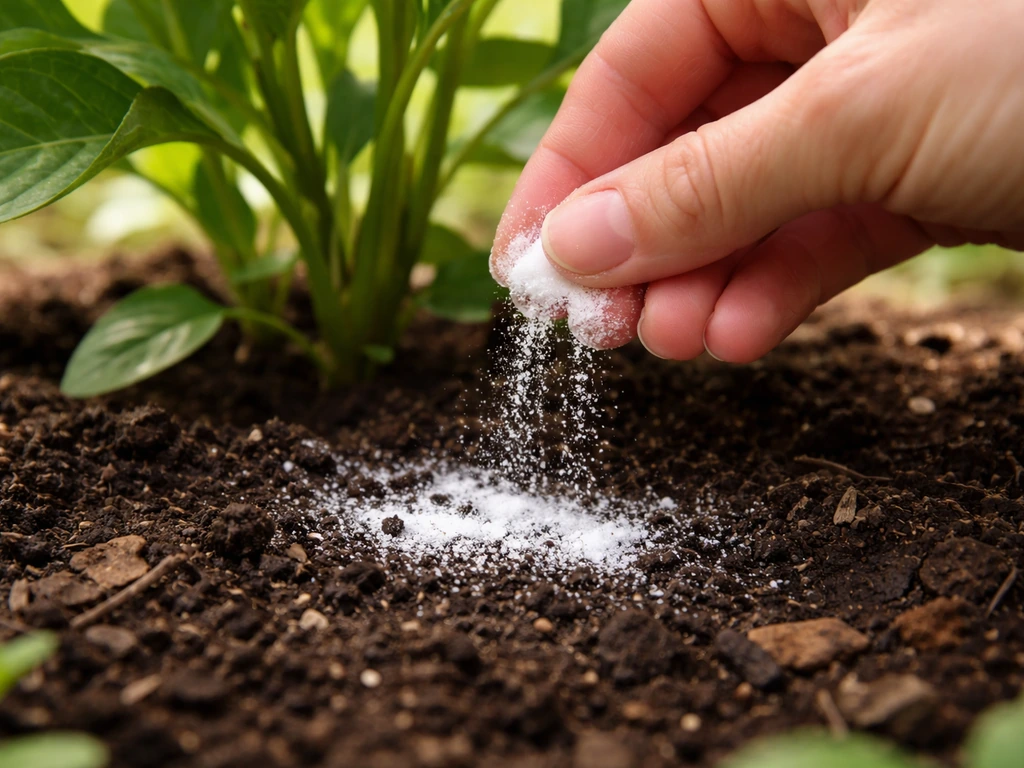
Does Baking Soda Help Plants Grow Faster? What to Know
Learn if baking soda helps plant growth or speeds it up, how it changes pH, risks, and safer alternatives.