UV light does not drive plant growth the way visible light does. Moonlight is basically just weak, broad-spectrum light, so it doesn't meaningfully replace the visible light plants need for fast growth moonlight helps plants grow. Plants photosynthesize using wavelengths in the 400–700 nm range (called PAR, or photosynthetically active radiation), and UV sits mostly outside that window. So if you're hoping a UV bulb will make your plants grow faster or bigger, it won't. That said, UV isn't completely useless. At low, controlled doses, UVB in particular can trigger useful plant responses like increased antioxidants, flavonoid production, better stress tolerance, and even some pest and disease resistance. The catch is that the line between a beneficial dose and a damaging one is narrow, and most of the time what your plants actually need is more or better visible light, not UV.
Does UV Light Help Plants Grow? What UVB and UVA Do
UVB vs UVA vs visible LEDs: what each actually does to your plants
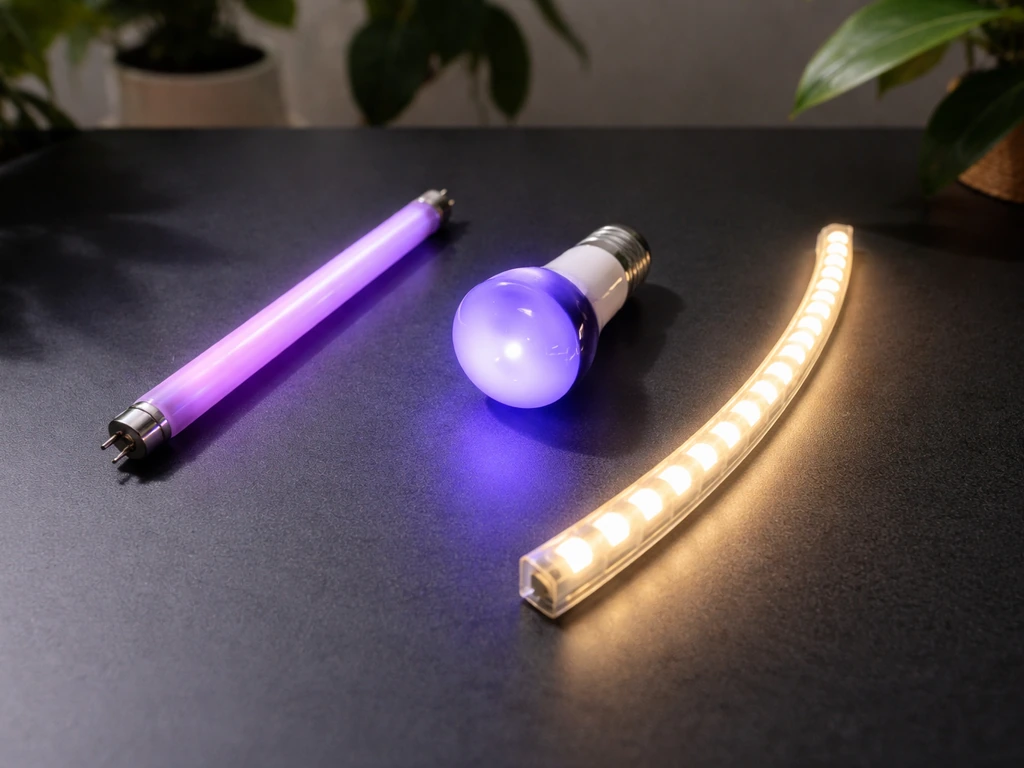
Not all UV is the same, and understanding the difference between UVA, UVB, and visible light saves you a lot of frustration and wasted money.
| Type | Wavelength Range | Role in Plants | Risk to Plants |
|---|---|---|---|
| Visible light (PAR) | 400–700 nm | Primary driver of photosynthesis and growth | None at normal intensities |
| UVA | 320–400 nm | Minor signaling role; some overlap with violet/blue responses | Low risk at ambient levels |
| UVB | 280–315 nm | Triggers photomorphogenesis, flavonoids, antioxidants, pest resistance via UVR8 receptor | Leaf burn, growth suppression at high doses |
| UVC | 100–280 nm | Not naturally reaching plants at ground level; highly damaging | Severe DNA damage; not used in horticulture |
Visible light is what plants run on. Chlorophyll absorbs red and blue wavelengths most efficiently, and that energy is what drives carbon fixation and actual biomass production. This is why PPFD (photosynthetic photon flux density), which measures photon delivery in the 400–700 nm band, is the key metric growers use to optimize growth. UV photons don't contribute to that process in any meaningful way.
UVA sits right at the edge of the visible spectrum and has a modest signaling role, but it's not a major player in either growth or the more dramatic UV-B stress responses. Most full-spectrum LEDs already include a small UVA component, and that's generally fine.
UVB is where things get interesting and where most of the research is focused. Plants have a dedicated UVB receptor called UVR8, and when UVB hits it at low levels, it activates a regulatory cascade that ramps up flavonoid biosynthesis, antioxidant metabolism, and defense hormones like jasmonic acid. Studies have shown this can increase resistance to insect herbivory and improve tolerance to subsequent UV stress. At higher doses, though, UVB causes DNA lesions (specifically cyclobutane pyrimidine dimers), reduced leaf area, leaf tip burning, stunted height, and suppressed growth. The line between helpful and harmful is very dose-dependent.
When UV light actually helps (and when it just causes damage)
The honest answer is that UV rarely "helps plants grow" in the traditional sense of producing more biomass faster. Lightning usually does not help plants grow faster in the traditional sense, because plants rely on photosynthesis driven by visible light in the 400, 700 nm range does lightning help plants grow. But it can help plants in other ways, and for certain goals it's genuinely worth considering.
When UVB can be useful
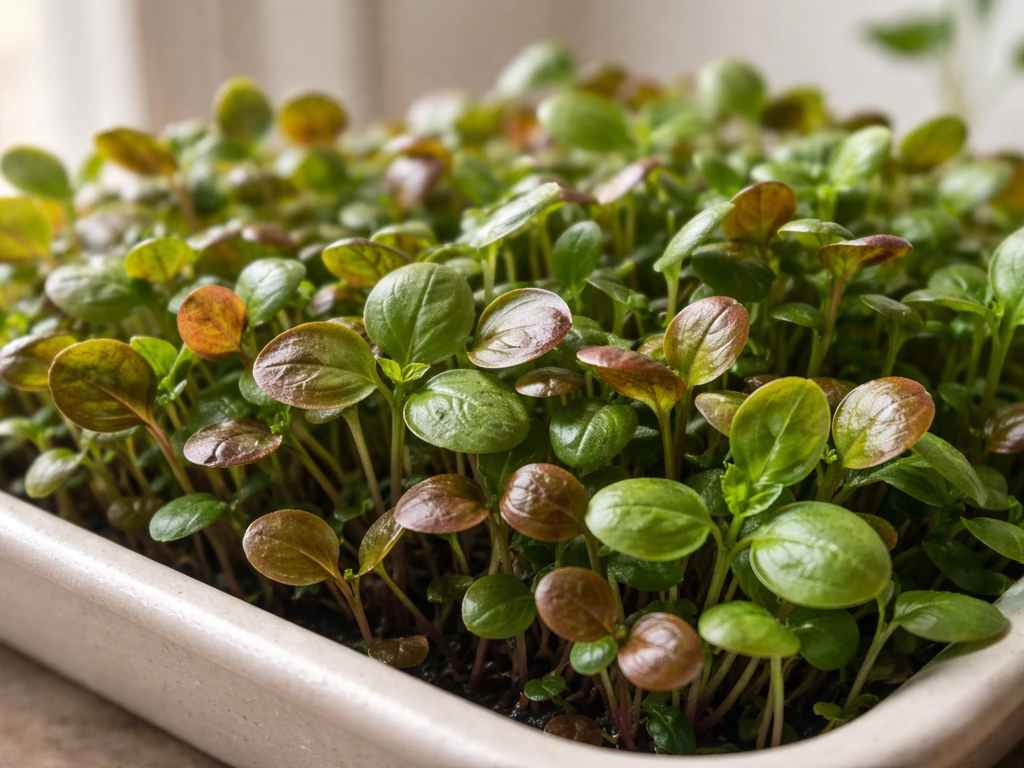
- Boosting phytochemicals: If you're growing herbs, leafy greens, or sprouts with a focus on nutritional quality rather than raw yield, low-dose UVB can increase phenolic compounds, flavonoids, and glucosinolates. A study in red-leaf lettuce found moderate UVB increased phenolic content without hurting growth. Broccoli sprout research similarly showed UVB and UVA treatments can tailor glucosinolate and phenolic profiles.
- Compact, stress-hardened plants: UVB-induced photomorphogenesis tends to produce shorter, more compact plants with thicker leaves. For growers who want sturdy transplants or plants that won't get leggy, this can be a useful tool.
- Pest and disease pressure: Research shows UVB activates jasmonic acid pathways that increase resistance to lepidopteran insects (caterpillars and the like). There's also greenhouse work evaluating UVB's potential to reduce fungal and pathogen incidence.
- Acclimation before outdoor transplant: Gradually introducing UVB indoors before moving plants outside can help them build UV tolerance, reducing transplant shock related to sudden sun exposure.
When UVB mainly causes problems
- You just want faster, bigger growth: UV doesn't accelerate photosynthesis. If growth is the goal, more PAR light is what moves the needle.
- You're growing sensitive species at high doses: Broccoli florets, for instance, can show phototoxicity symptoms at just 2.2 kJ m−2 per day, while sunflower cotyledons can handle upward of 30 kJ m−2. Species sensitivity varies enormously, and misjudging this causes leaf burn fast.
- You leave it on too long or too close: At 29.16 kJ m−2 per day of UVB combined with moderate background PAR, basil plants showed signs of oxidative stress within just 8 days. That's a real and surprisingly short timeline for damage to show up.
- You're growing young seedlings: Seedlings haven't built up the antioxidant and flavonoid defenses that more mature plants have. UVB on young seedlings is a fast way to set them back.
How to use UV safely and effectively if you want to try it
If you've weighed the above and you're still curious about experimenting with UVB, here's how to do it without torching your plants or your eyes.
Choosing a light source
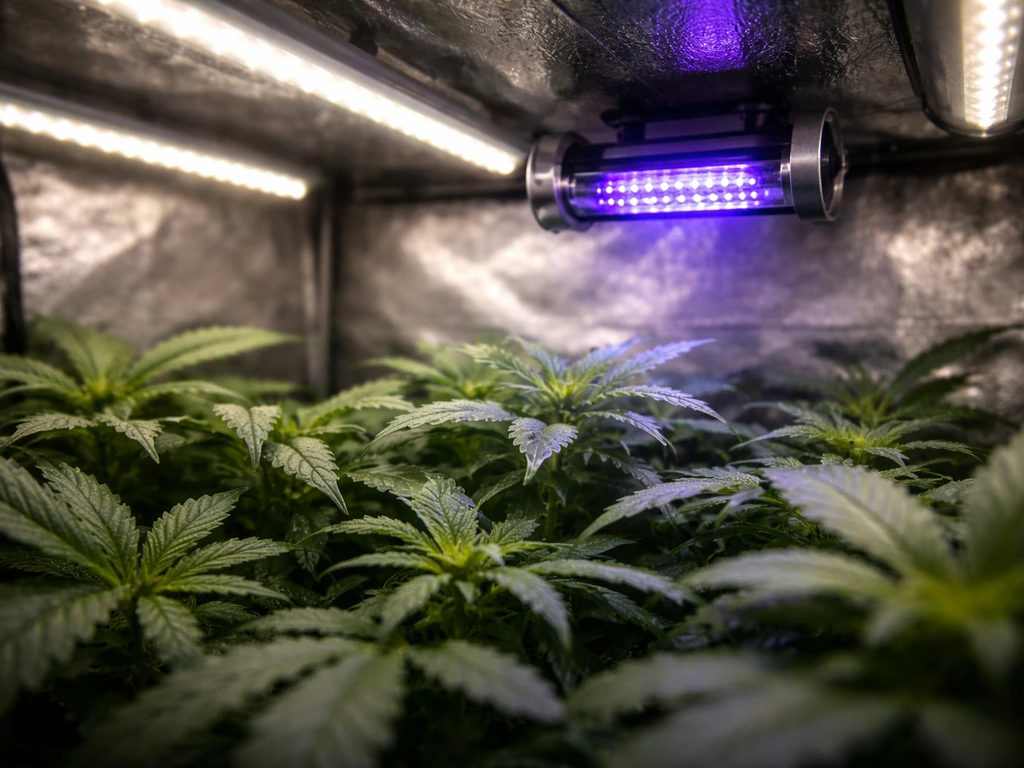
For supplemental UVB, narrowband fluorescent UVB bulbs (around the 305–315 nm range) are the standard in research settings. The UVB-313EL fluorescent lamp is a commonly used example, and it's what shows up repeatedly in university studies. Some modern LED grow lights also include a UVB channel, which gives you more control over when it's on. Avoid cheap "UV" bulbs marketed for blacklight or reptile use without checking the actual spectral output. Many of those emit mostly UVA, not UVB, which produces a very different plant response.
Distance and dose
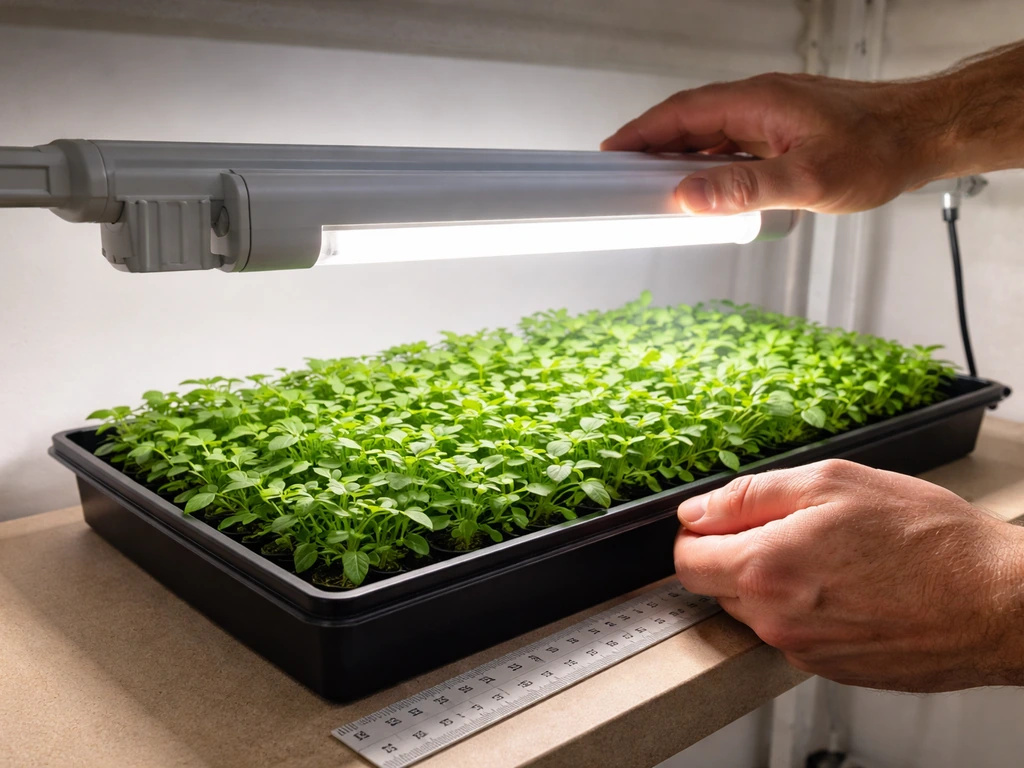
Distance matters a lot with UVB because intensity drops off quickly. Research setups have varied distances from about 0 to 10 cm from the plant canopy to the lamp to deliver different dose levels. A practical starting point for most hobby growers is keeping the UV source at least 20–30 cm above the canopy and running it for short sessions. In controlled experiments, "medium" daily UVB doses have been around 12.6 kJ m−2 per day, and "high" doses at 25.2 kJ m−2 per day. Most hobby setups won't hit those levels, but it's worth understanding that even moderate distances and run times add up quickly.
A starter approach, step by step
- Start with established plants, not seedlings. Give them at least 4–6 weeks of growth before introducing any UVB.
- Begin with very short UVB sessions: 15–30 minutes per day, with the lamp 25–30 cm above the canopy.
- Run UVB during the middle of your regular light period, not as an add-on at the start or end. It should overlap with when your PAR lights are on.
- Observe your plants daily for the first two weeks. Look for leaf tip browning, bleaching, or stunted new growth as warning signs.
- If plants look healthy after 1–2 weeks, you can cautiously increase session length by 10–15 minutes at a time, or decrease distance slightly. Don't rush this.
- Keep a simple log of lamp distance, daily run time, and what you observe. This is the only way to actually learn what works for your specific setup and species.
The real safety risks: your plants and yourself
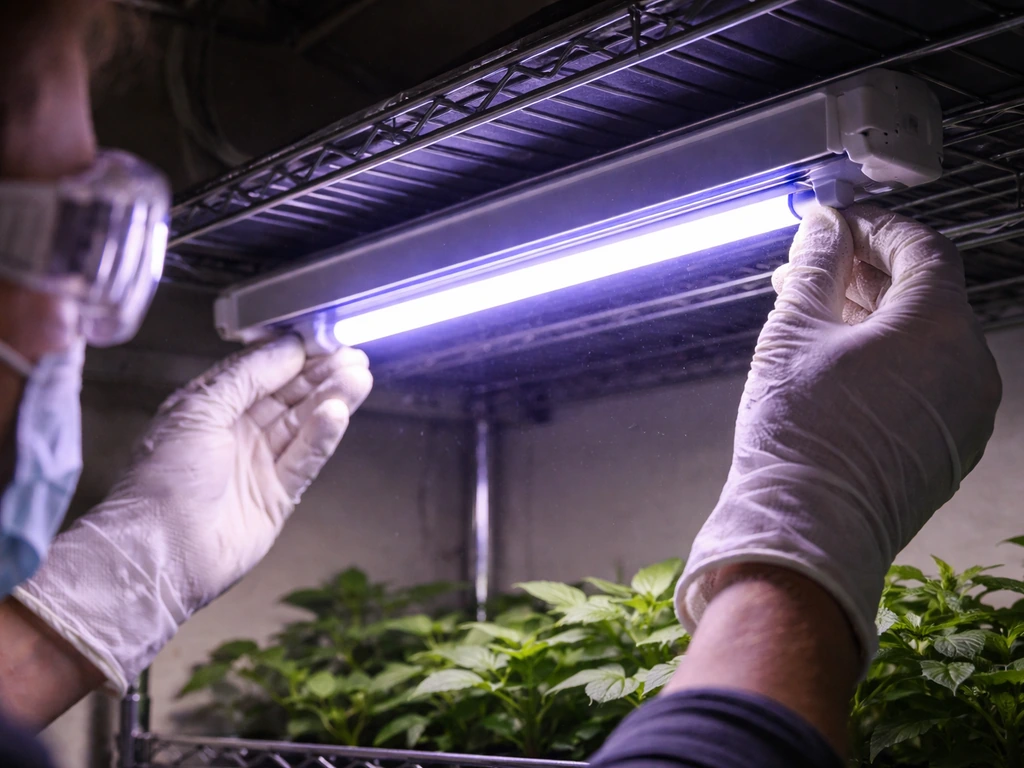
UVB is legitimately hazardous to human eyes and skin. Exposure can cause photokeratitis (essentially a sunburn on your corneas), erythema (skin redness and burns), and with repeated exposure, risks increase for cataracts and other long-term damage. UV-C and UV-B photokeratitis is the primary result of excessive acute exposure, and UVA exposure is associated with skin erythema photokeratitis as the primary result of excessive acute UV-C and UV-B exposure. This is not theoretical, it's the basis for international photobiological safety standards like IEC 62471 and ANSI/IES RP 27.1-22. Never look directly at a UVB lamp while it's on. If you need to work near a running UVB source, wear UV-blocking safety glasses rated for the wavelength range. Treat it with the same respect you'd give a welding arc or direct sunlight.
For plants, the risks are dose and species dependent, as covered above. But the main practical risks to watch for are leaf tip burn (the earliest visible symptom), bleaching of leaf tissue, reduced leaf size in new growth, and in severe cases, overall stunted development. If you see any of these, cut back immediately: increase distance, reduce run time, or turn the UV source off entirely for a week and let the plant recover before reassessing.
What actually moves the needle on plant growth
If your core goal is growing bigger, healthier, faster-growing plants, UV is not where to spend your time or money. Here's what actually matters, roughly in order of impact.
PAR and PPFD: the real growth metric
Photosynthesis is driven by photon delivery in the 400–700 nm band, and PPFD (measured in micromoles of photons per square meter per second) is how you quantify it. Most vegetative plants want somewhere in the 200–600 µmol m−2 s−1 range indoors, with fruiting plants and high-light crops pushing toward 600–1000+. If you don't know your PPFD, an inexpensive PAR meter is one of the best investments you can make. Doubling your PPFD from 200 to 400 will do far more for your plants than adding a UVB bulb.
Photoperiod: getting the timing right
How long your lights run is almost as important as how bright they are. Most foliage and vegetative plants do well on 16 hours of light and 8 hours of dark. Fruiting and flowering plants are often photoperiod-sensitive, meaning the ratio of light to dark triggers (or suppresses) flowering. Getting photoperiod right is free and often overlooked. This connects closely to how sunlight functions as a driver of plant development, since the natural day length cues plants developed over millions of years. Sunlight helps plants grow by supplying the energy they need for photosynthesis and by shaping growth through the natural light cycle This connects closely to how sunlight functions as a driver of plant development.
Nutrients and soil
Nitrogen, phosphorus, and potassium are the big three, but micronutrients like iron, magnesium, and calcium matter more than most people realize. A plant that's nitrogen-deficient won't grow faster with better light because it can't build the proteins needed for photosynthesis in the first place. Get your soil tested, or use a quality balanced fertilizer and work from there.
CO2 and temperature
At high PPFD levels (above roughly 600 µmol m−2 s−1), CO2 can become a limiting factor. Ambient CO2 is around 420 ppm; supplementing to 800–1200 ppm in a sealed grow space can noticeably accelerate growth if your light intensity supports it. Temperature also matters: most plants grow optimally between 65–80°F (18–27°C), and temperatures outside that range slow metabolic processes regardless of how good your light is.
The bottom line is that UV light occupies a niche, specialized role in plant science. It's not magic growth juice, and it doesn't replace getting the fundamentals right. For most gardeners, the better return on effort comes from dialing in their visible light spectrum and intensity, nailing photoperiod, and keeping nutrients balanced. UV is an interesting tool for specific applications like improving phytochemical content or hardening plants before outdoor life, but treat it as an advanced experiment, not a shortcut to faster growth.
FAQ
If I add UV to my grow lights, will my plants grow faster or bigger?
Not for making plants grow faster in the normal sense. UV does not meaningfully contribute to photosynthesis, so the way to get more biomass is to raise PAR/PPFD in the 400 to 700 nm range and get photoperiod and nutrients right first.
How can I tell whether a UV bulb is actually useful for plants?
Blacklight or “reptile” UV products often emphasize UVA, not UVB. Since UVB is the part tied to beneficial signaling at low doses, you should verify the spectral output and confirm that the bulb actually emits in the UVB band around 305 to 315 nm.
Does UVA help plants grow the way UVB does?
UVA can play a small signaling role, but it is not a substitute for UVB-driven effects. For most people trying to change plant chemistry, defense responses, or stress tolerance, the relevant target is UVB, while UVA is usually “nice to have” at most.
What dose mistake causes most UVB problems for hobby growers?
The risk is not just “too much UV,” it is dose delivered to the leaf surface. If you want to experiment, start with short sessions at a reasonable height, then check new growth for early signs like leaf tip burn or bleaching before increasing anything.
How do I know whether results are actually from UV and not from my grow light adjustments?
Yes, some visible-light improvements can make you think UV is working. If your setup changed at the same time (higher brightness, different spectrum, longer photoperiod), you may be seeing the visible-light impact rather than UV. Keep variables controlled when testing UV.
If UVB does not boost growth much, what benefits should I realistically expect?
In many cases, UV “helps” by improving stress readiness or phytochemicals rather than increasing size. That means you might see tougher leaves, higher flavonoids, or better resilience, without a faster growth rate.
What are the first signs UVB is too strong for my plants?
Watch for the earliest leaf tip burn, then bleaching or reduced new-leaf size. If you see any of these, cut UVB sessions immediately and give a recovery period before re-trying at lower intensity or longer distance.
Should I worry about cumulative UVB exposure over weeks, not just per session?
Yes. Even when plants tolerate a session, cumulative exposure across days can still push damage. Track how many days per week you run UVB, not just session length, and err on the conservative side.
Do I need special equipment to run UVB safely and effectively?
If you do not have a UVB-specific measure, you are guessing based on distance and bulb type. Using a PAR meter helps for visible light, but for UVB you may need a UVB measurement tool or to follow conservative default distances and very short run times.
When should I skip UVB completely and focus on other growth factors?
If your goal is bigger harvests, you usually get faster payoff from increasing PPFD or correcting deficiencies than from adding UVB. A common decision aid is this: if PPFD is low or nutrients are off, prioritize those first, then consider UVB only as an add-on experiment.
How often should UVB be run for first-time experiments?
The right schedule depends on your goal and species, but for beginners the safer approach is intermittent, short exposure rather than long daily runs. Use minimal time first, then adjust based on leaf response.
What is the best “next step” if I want healthier plants but do not care about special UV traits?
If you have to choose, focus on visible-light quality and intensity, plus photoperiod, temperature, and nutrient sufficiency. UVB is more of a niche tool for specific traits, so it is best treated like an advanced tuning knob, not a baseline requirement.
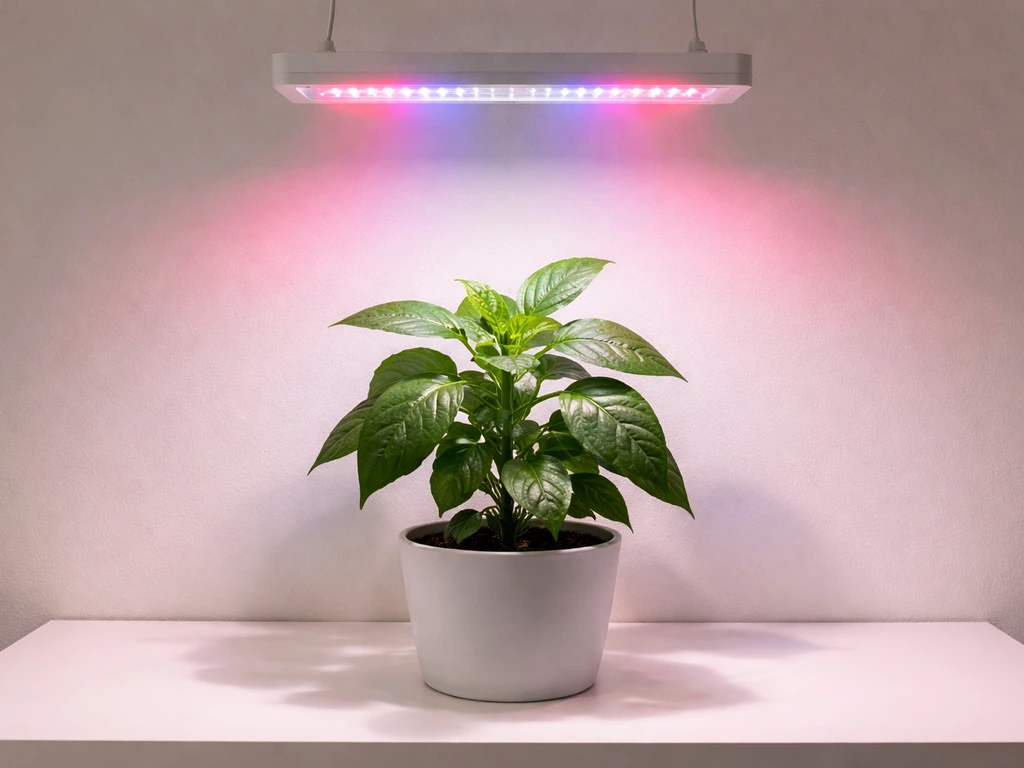
Learn which light helps plants grow, red blue spectrum, and how to set up LEDs grow lights vs weak room light.
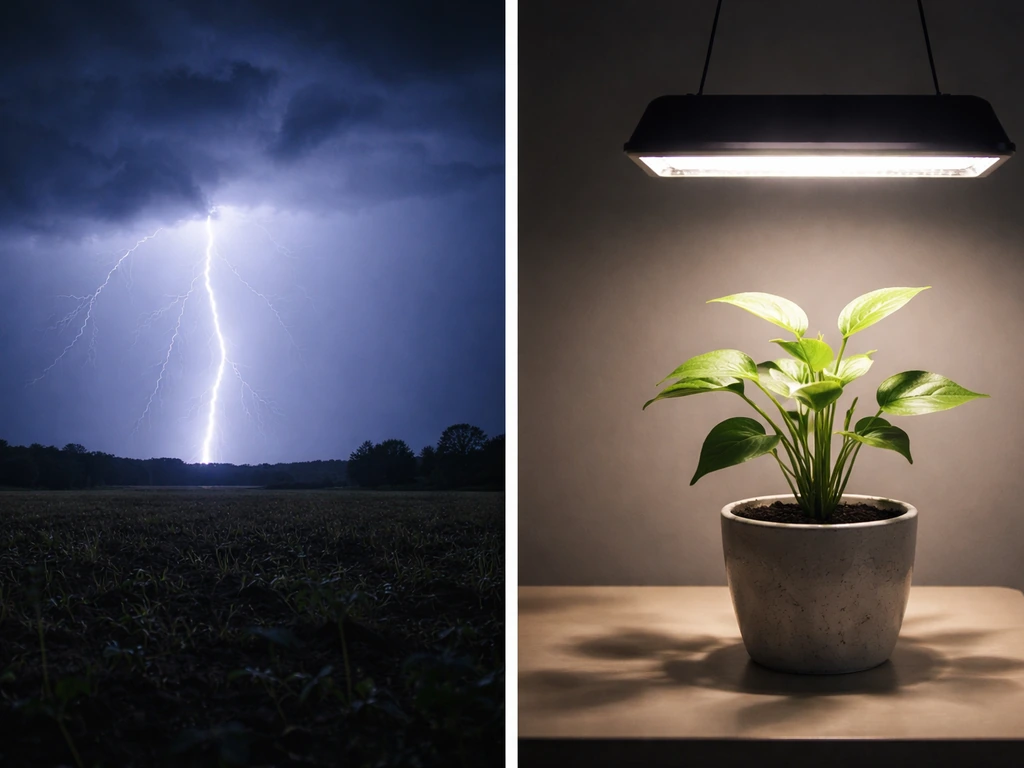
Lightning rarely helps plants; real growth needs proper light intensity, spectrum, and photoperiod, plus nutrients.
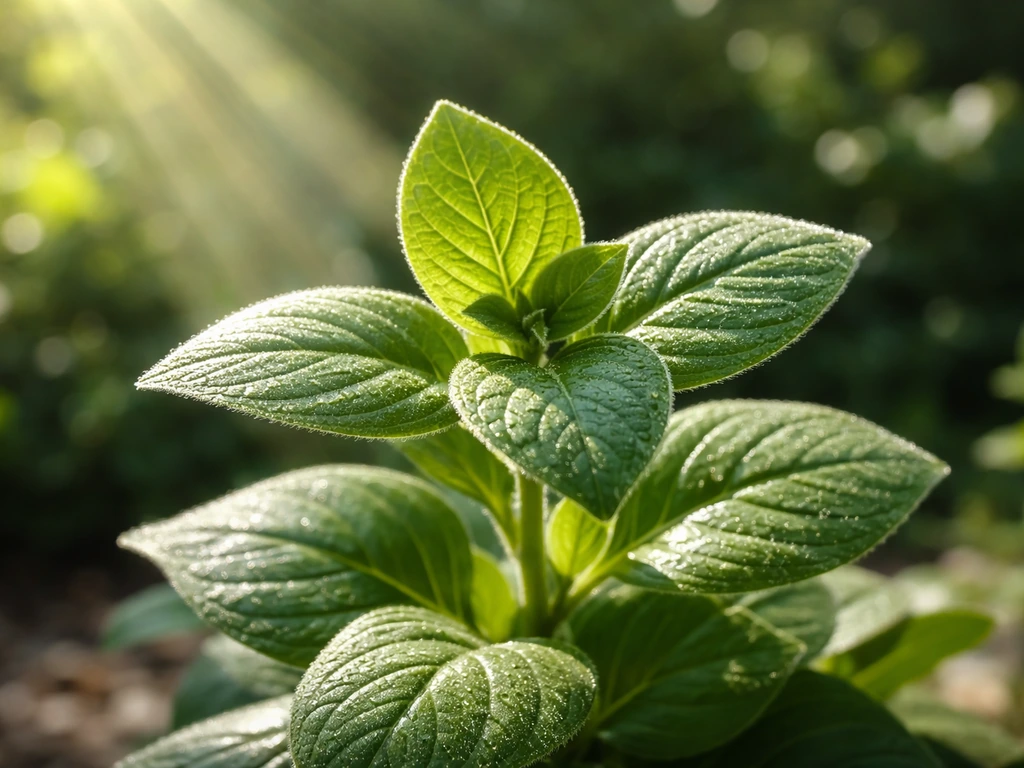
Step-by-step biology of sunlight for photosynthesis, growth, and flowering plus practical sun and light setup tips.