Sunlight helps plants grow by powering photosynthesis, the process that converts light energy into the sugars plants use to build every root, leaf, stem, flower, and fruit they ever produce. Without sunlight, that engine stops, and the plant slowly starves no matter how good your soil or water situation is. Everything else in gardening, soil quality, fertilizer, watering frequency, is secondary to getting light right.
How Does Sunlight Help Plants Grow Step by Step
Marcus Holloway
17 Apr 2026
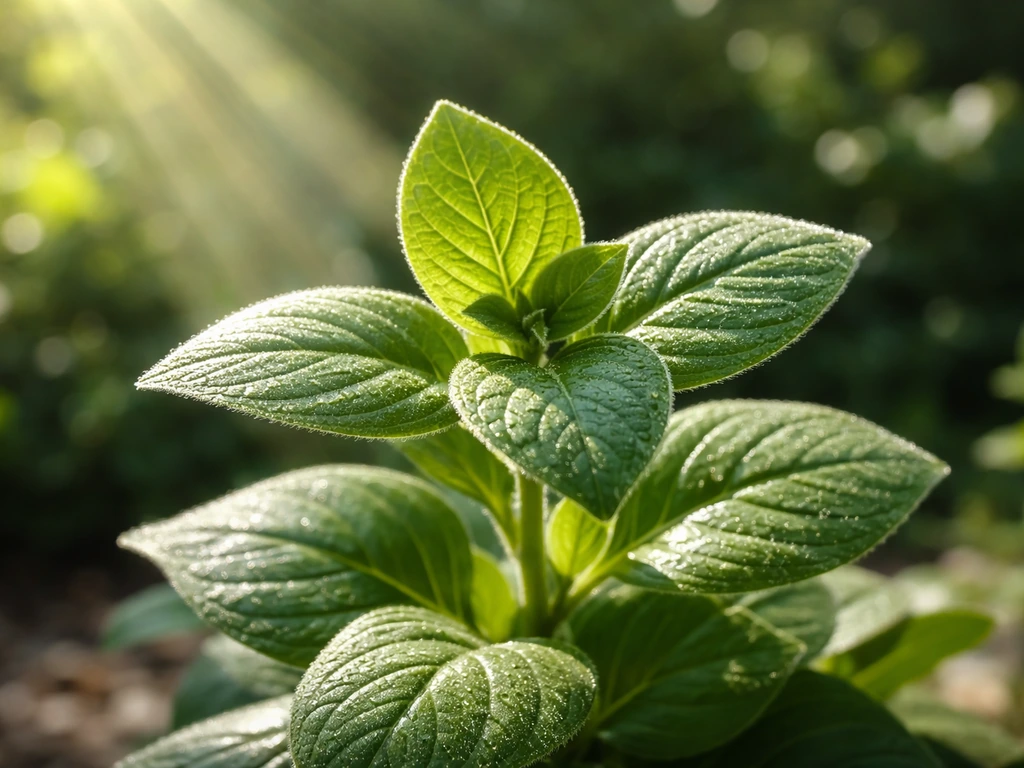
Photosynthesis: how sunlight turns into plant energy
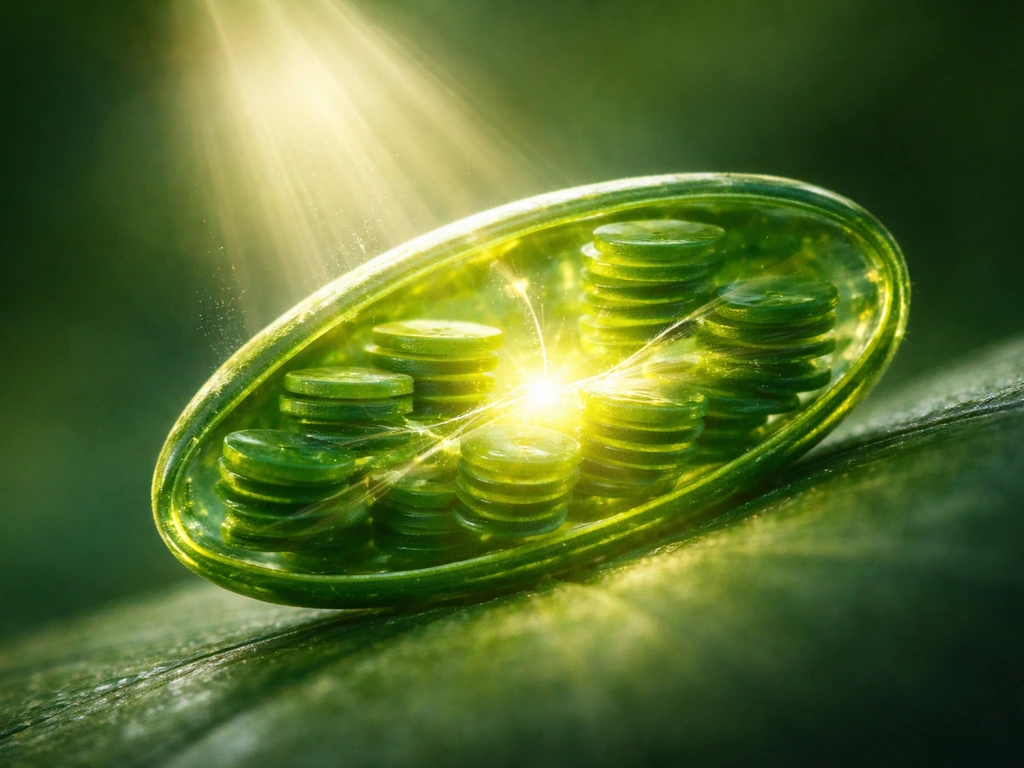
Photosynthesis happens in two distinct stages inside the chloroplasts of plant cells. The first stage, the light-dependent reactions, captures energy directly from sunlight. When light hits chlorophyll molecules, it excites electrons and kicks off a chain of electron transfers through two protein complexes called Photosystem I and Photosystem II. This electron flow does two things: it generates ATP (the cell's energy currency) and NADPH (a molecule that carries high-energy electrons). Think of these as the fuel and the tool that power the next stage.
The second stage is the Calvin cycle, which runs in the stroma of the chloroplast. It uses the ATP and NADPH from the light reactions to chemically reduce carbon dioxide pulled from the air into carbohydrate molecules, basically sugars. Those sugars are the raw material for literally everything the plant builds. Cellulose for cell walls, starch for energy storage, the carbon backbone of amino acids and lipids. No sunlight means no ATP and NADPH, which means the Calvin cycle stalls, which means no sugars, which means no growth.
I think this two-stage picture is the most important thing to understand about plant light requirements. When gardeners ask why a plant is struggling, the answer is almost always traceable back to whether that light-to-sugar pipeline is running efficiently. Getting sunlight right is not about aesthetics. It is literally the plant's food supply.
Light intensity and duration: how much sun plants actually need
Not all sun exposure is equal. Intensity (how bright the light is) and duration (how many hours per day) both determine how much photosynthesis a plant can actually perform. Most vegetable crops and flowering plants are classified as full-sun plants, meaning they need at least 6 to 8 hours of direct sunlight per day to produce adequate energy for strong growth and fruiting. Partial-shade plants typically thrive with 3 to 6 hours, and deep-shade plants can get by with indirect or filtered light for most of the day.
Intensity matters especially during those hours. Midday summer sun in most temperate climates delivers around 100,000 lux, while a bright north-facing window indoors might provide only 1,000 to 5,000 lux. The light-dependent reactions in a plant's chloroplasts can only run as fast as the incoming photons allow, so a tomato sitting in a dim corner is not just slightly disadvantaged, it is photosynthesizing at maybe 3 to 5 percent of its potential. That is why indoor plants near windows often grow slowly and look leggy even when they appear to be in a 'bright' spot by human standards.
Duration matters differently. Many plants use day length (photoperiod) as a biological signal, separate from energy production, to trigger flowering, dormancy, or other life-cycle events. This is why some gardeners swear certain varieties only bloom at specific times of year regardless of care. You can explore whether moonlight helps plants grow for a deeper look at how even very low-intensity light at night can sometimes interfere with those photoperiod signals.
Light quality (wavelengths): why the color of light matters
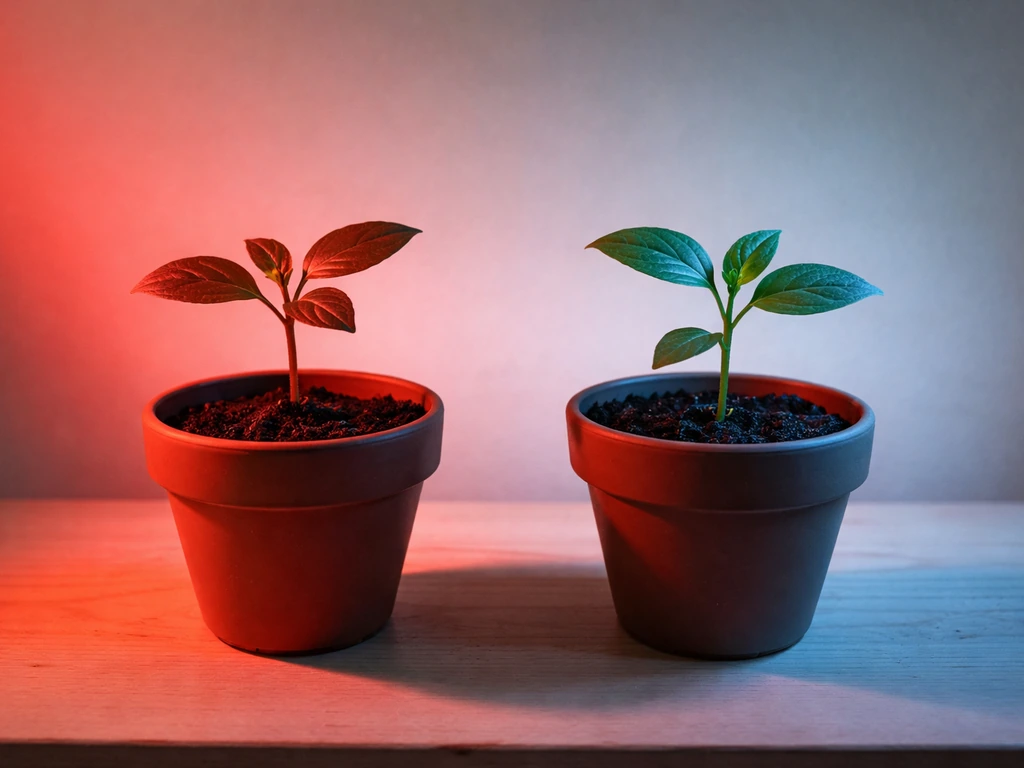
Sunlight contains the full visible spectrum plus ultraviolet and infrared wavelengths, and plants do not absorb all of it equally. Chlorophyll a and b, the primary photosynthetic pigments, absorb most strongly in the red range (around 620 to 700 nm) and the blue range (around 430 to 470 nm). Green light (around 500 to 560 nm) is mostly reflected, which is why plants look green to us.
Red wavelengths are the workhorse for photosynthesis and also drive stem elongation and flowering responses. Blue wavelengths regulate stomatal opening (which controls CO₂ intake), promote compact leafy growth, and are critical for seedling development. If you have ever grown plants under a single-color artificial light and seen odd, stretched, or pale growth, that is the wavelength imbalance playing out in real time. If you want to go deeper on this topic, the article on what light helps plants grow covers the full spectrum breakdown and what it means for choosing grow lights.
The UV component of sunlight also has real effects, though they are more nuanced. UV-B radiation (280 to 315 nm) can increase the production of protective pigments like anthocyanins and can influence flavor compounds in herbs and vegetables. It can also cause photodamage if levels are too high, which is one reason greenhouse coverings that block most UV are actually a tradeoff. If you are curious about this side of the spectrum, there is a solid breakdown in the article on whether UV light helps plants grow.
What sunlight makes possible beyond the leaf
Once you understand that sunlight produces sugars, it becomes obvious why every other part of plant development depends on it. Here is how that sugar production translates into the visible, measurable things gardeners care about.
Growth and root development
Plant cells divide and expand using energy and carbon skeletons derived from photosynthetic sugars. Strong light means a surplus of sugars that can be allocated to root growth, not just shoot growth. Well-lit plants typically develop deeper, more extensive root systems because they have the resources to build them. Shaded plants often show the opposite, investing whatever energy they have in stretching shoots toward light at the expense of roots, which makes them more vulnerable to drought and nutrient deficiency.
Flowering and fruiting
Flowers and fruits are metabolically expensive. A tomato plant building a large fruit is essentially loading it with sugars, water, and nutrients sourced from photosynthate. If photosynthesis is running below capacity because of insufficient light, the plant either produces fewer flowers, drops fruit early, or produces small, flavorless fruit. This is one of the most common frustrations in kitchen gardens: a plant that looks healthy enough but just does not produce. In almost every case, the culprit is not enough hours of strong direct sun.
Overall plant vigor and disease resistance
Sugar surplus also fuels the production of secondary metabolites, the chemical compounds plants use for defense against pests and pathogens. Well-lit, actively photosynthesizing plants are measurably more resistant to fungal infections and insect pressure than shaded, stressed ones. This is not folklore. It is a direct consequence of having adequate resources to run all biological systems at full capacity.
Signs your plants get too little vs too much light
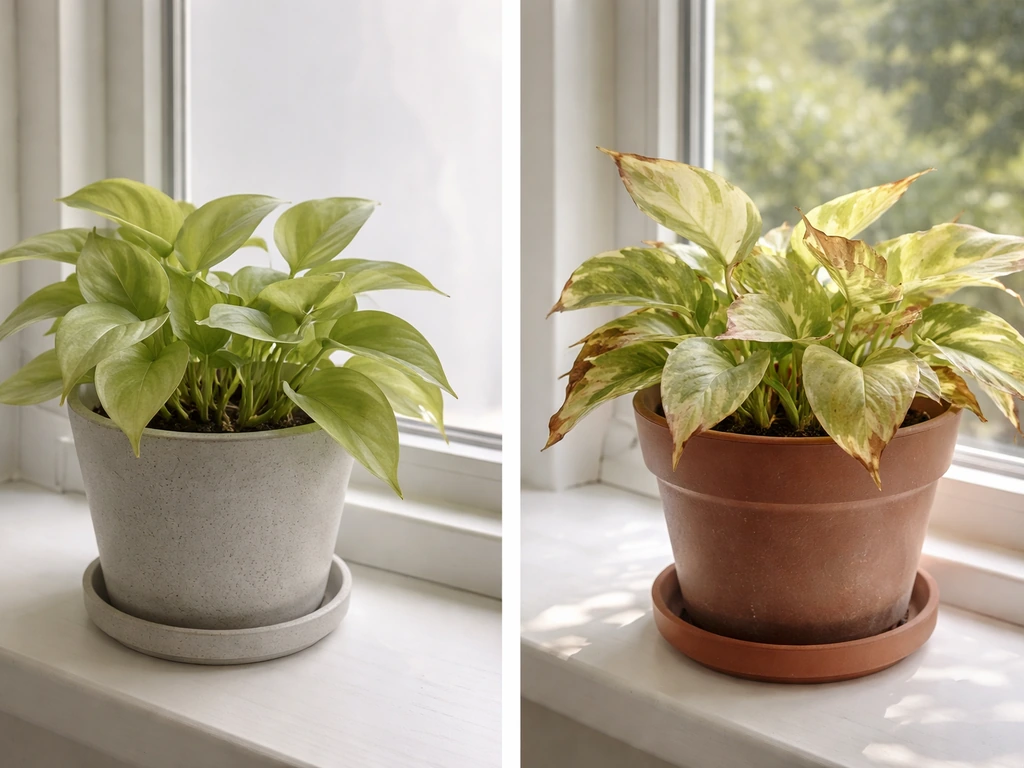
Most gardeners underestimate how much light their plants need rather than overestimate it, but both extremes cause real damage. Here is what to look for.
| Symptom | Too Little Light | Too Much Light |
|---|---|---|
| Leaf color | Pale green, yellow, or bleached overall | Bleached patches, white or tan scorched areas |
| Stem growth | Leggy, long internodes, leaning toward light source | Normal to compact; sometimes stunted under extreme heat |
| Leaf size | Large but thin and flimsy (stretching for light) | Small, thick, sometimes curled under |
| Flowering | Few or no flowers; delayed blooming | Flowers may wilt or brown quickly in heat |
| Soil moisture | Stays wet longer (low transpiration) | Dries out rapidly; wilting even when recently watered |
| Overall appearance | Droopy, sparse, weak stems | Crispy leaf edges; sudden wilting mid-day |
One thing worth noting: mid-day wilting in direct sun does not always mean too much light. It can simply mean the plant's transpiration rate has temporarily outpaced its water uptake. If the plant recovers fully by evening, it is probably fine. If leaves stay wilted overnight or show permanent crispy damage, then you have a real light or heat stress problem.
How to use sunlight in your garden today
Understanding the science is useful, but what you actually do with it in the garden is what matters. Here are the practical steps I use and recommend.
Observe your space before you plant
Spend one full day watching where sun falls in your garden. Note which spots get direct sun from 10 am to 2 pm (the highest-intensity window) and which are shaded by buildings, fences, or trees. Shadows shift significantly with the seasons, so if you are planting in spring, account for the fact that summer sun will be higher and shadows shorter. A spot that gets 6 hours in April might get 8 hours in July.
Match plants to zones honestly
Full-sun vegetables (tomatoes, peppers, squash, corn) need at least 6 to 8 hours of direct sun, and honestly more like 8 to 10 for peak production. Herbs like basil and rosemary are the same. Leafy greens (lettuce, spinach, chard) handle partial shade better and actually benefit from afternoon shade in hot summers. Shade-tolerant ornamentals (hostas, ferns, impatiens) are genuinely happier with 2 to 4 hours. Trying to grow tomatoes in 4 hours of sun is not a light management challenge. It is a lost cause.
Boost light with simple techniques
- Reflective surfaces: white walls, light-colored fences, or even white landscape fabric can reflect an additional 20 to 30 percent of available light back onto plants in partially shaded spots.
- Pruning for light penetration: removing lower and crossing branches from nearby shrubs or trees opens up light to beds below without eliminating the plants entirely.
- Container mobility: if you are growing in pots, move them seasonally or even daily to track the best light. This is one of the biggest underused advantages of container gardening.
- Thinning crops: dense plantings shade each other out. Proper spacing is not just about root competition, it is about making sure every plant gets enough direct light on its leaves.
When to supplement with grow lights
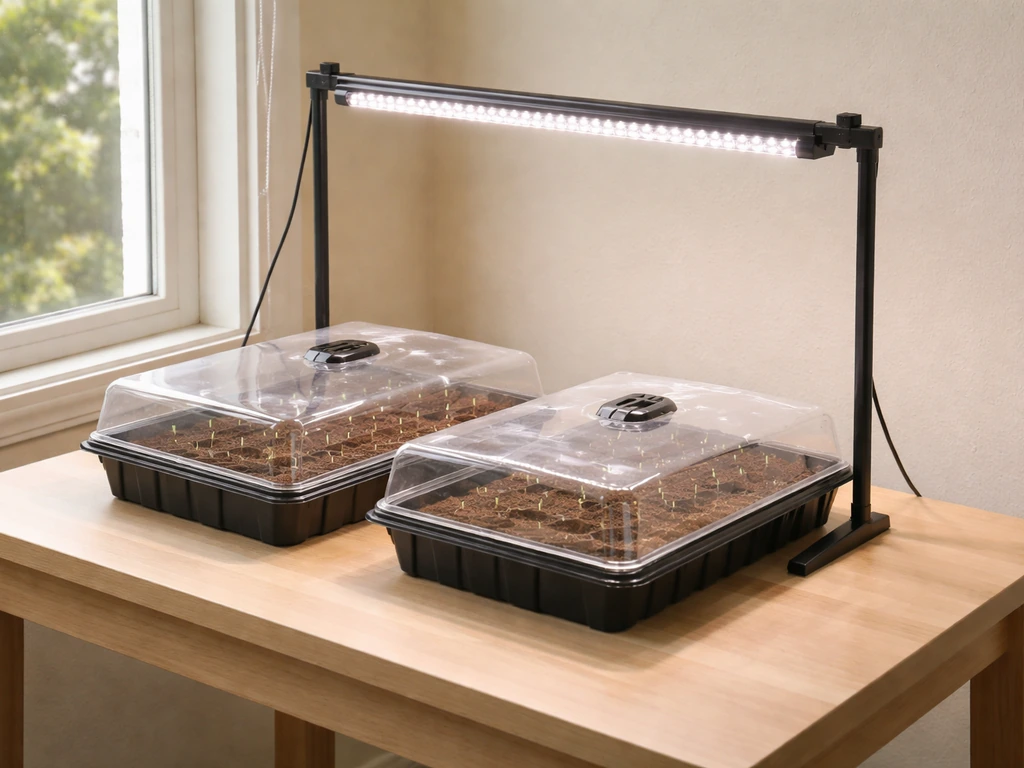
If you are starting seeds indoors or growing plants in rooms without adequate natural light, grow lights are genuinely worth the investment. Look for full-spectrum LEDs that cover both the red (around 660 nm) and blue (around 450 nm) peaks. Position them 6 to 24 inches above the canopy depending on the light intensity rating, and run them for 14 to 16 hours per day for most seedlings and vegetables. A timer makes this effortless. Grow lights cannot fully replicate the spectral richness of outdoor sunlight, but they can get photosynthesis running at a useful rate when natural light is not available.
One thing that sometimes surprises gardeners is that atmospheric events like thunderstorms are occasionally connected to plant growth discussions. Lightning, for instance, is sometimes credited with boosting plant growth through nitrogen fixation. If that sounds like something worth investigating, the article on whether lightning helps plants grow separates the real effect from the exaggeration. The short version: sunlight is irreplaceable, but the broader environment matters too.
The practical bottom line
Sunlight is not one factor among many for plant growth. It is the foundational input that every other factor depends on. Get the light right, and plants have the energy to use good soil, absorb water efficiently, and build strong roots and fruit. Get the light wrong, and no amount of fertilizer or careful watering will compensate. Audit your garden's actual light conditions today, match your plants to those conditions honestly, and use reflective surfaces, pruning, or supplemental lighting to fill the gaps. That single change will do more for your garden than almost anything else you can do.
FAQ
Can plants still grow in indirect sunlight or on cloudy days?
You can, but you need to think in terms of usable light hours, not total daylight. Many plants require direct sun for the portion when intensity is high enough to drive the light reactions at a useful rate. A bright, cloud-filtered day can still help, but a location that only receives low-angle, indirect light often leaves plants short on photosynthetic energy for fruiting.
Is it better to leave grow lights on longer, or is there a limit?
Artificial lighting usually works best when you treat it like controlled “daylight” for both intensity and timing. If you run grow lights 24 hours a day, you may stress plants because they also use day length cues for flowering and dormancy. Use a timer to provide a consistent photoperiod (commonly 14 to 16 hours for many seedlings/vegetables) and avoid extending light far beyond the plant’s typical needs.
My plant looks healthy but is leggy, what does that usually mean and what should I do first?
Yes, because a “bright” room can still deliver too few photons. Common signs include long, thin stems, pale new leaves, and slow growth despite regular watering and feeding. If the plant is reaching toward the light, that is usually a sign the light-to-sugar pipeline is underpowered, so moving closer, increasing intensity, or improving light angle typically helps more than changing fertilizer.
How can I tell the difference between too much sun (heat) versus too little light?
Measure it with behavior. If wilting is temporary and the plant perks up after sunset, it is often heat or water uptake related rather than a lack of light. Persistent wilting overnight, leaf scorch, or new growth that stays stunted even when conditions improve points more toward sustained stress, which can include insufficient light.
If I improve sunlight, will it automatically reduce pests and fungal disease?
Increasing light can reduce pests for some plants, but it does not automatically “solve everything.” Better-lit plants grow with more energy for defense compounds, yet insects and fungal issues also depend on airflow, humidity, watering habits, and plant spacing. If problems persist, adjust watering frequency, avoid wet foliage, and improve ventilation, not only light.
Can too much sunlight damage plants, and how do I acclimate them safely?
Too much direct sun can be harmful, especially for plants not yet acclimated (sunburn). Harden seedlings gradually by increasing sun exposure over about a week, and consider partial afternoon shade during hot spells. In contrast, low light causes problems like poor flowering and weak growth, so the key is matching light levels to the plant and acclimating when changing conditions.
What is the most common mistake people make when choosing grow lights?
Yes. Red and blue do not have to be the only colors for plants to grow, but they must be present in meaningful amounts. A common mistake is buying a light that is marketed as “full spectrum” without checking actual intensity at the canopy. For seedlings, prioritize adequate brightness at plant level, then use a timer, because intensity shortfalls are more limiting than missing a small slice of the spectrum.
Can streetlights or indoor lights at night affect flowering even if the plant gets enough daytime sun?
It can. If night lighting is bright or continuous, plants may interpret it as longer days or disrupt flowering signals for photoperiod-sensitive varieties. This is especially relevant with outdoor plants near streetlights or indoor plants near LEDs used at night. Keep the dark period truly dark for plants that rely on day length cues.
How do I know whether pale leaves are caused by lack of sunlight versus nutrient or watering problems?
Use more than one cue. Leaf color can be misleading because nutrients, water stress, and temperature can also change pigmentation. For light, pair color with growth habit: slow growth plus reduced flowering and stretching toward light usually indicates an energy deficit from insufficient intensity or duration.
When is it worth moving a plant instead of trying tricks like reflective mulch or pruning?
Reflective surfaces, pruning, and supplemental lighting can help, but they work only by improving the light reaching the leaves. If a plant is in deep shade, reflections may still not deliver enough intensity for full-sun crops. Before investing time, confirm your actual hours of direct sun and consider relocating plants if they consistently receive less than their requirement.
Next Articles
How Do Microorganisms Help Plants Grow: Practical Guide
Learn how microbes in the rhizosphere fix nitrogen, boost phosphorus, aid roots, suppress disease, and how to grow them.
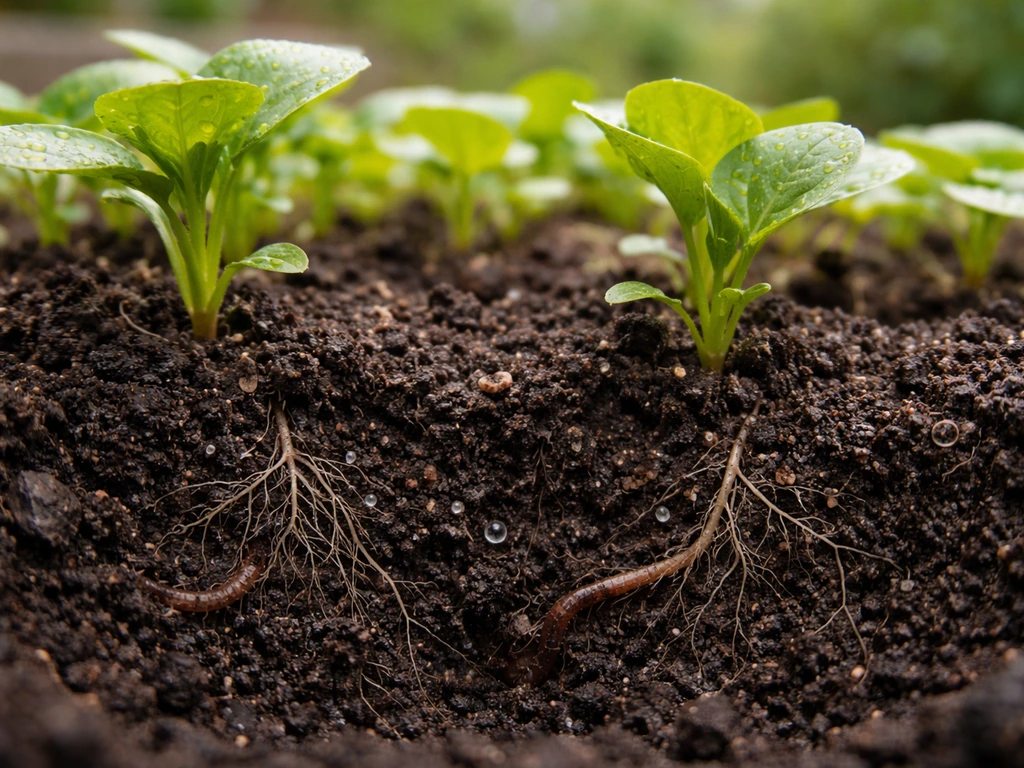
How Does Yeast Help Plants Grow? Safe, Practical Guide
Learn how yeast boosts plant growth via soil microbes, safe dilution and timing, plus myths, limits, and troubleshooting
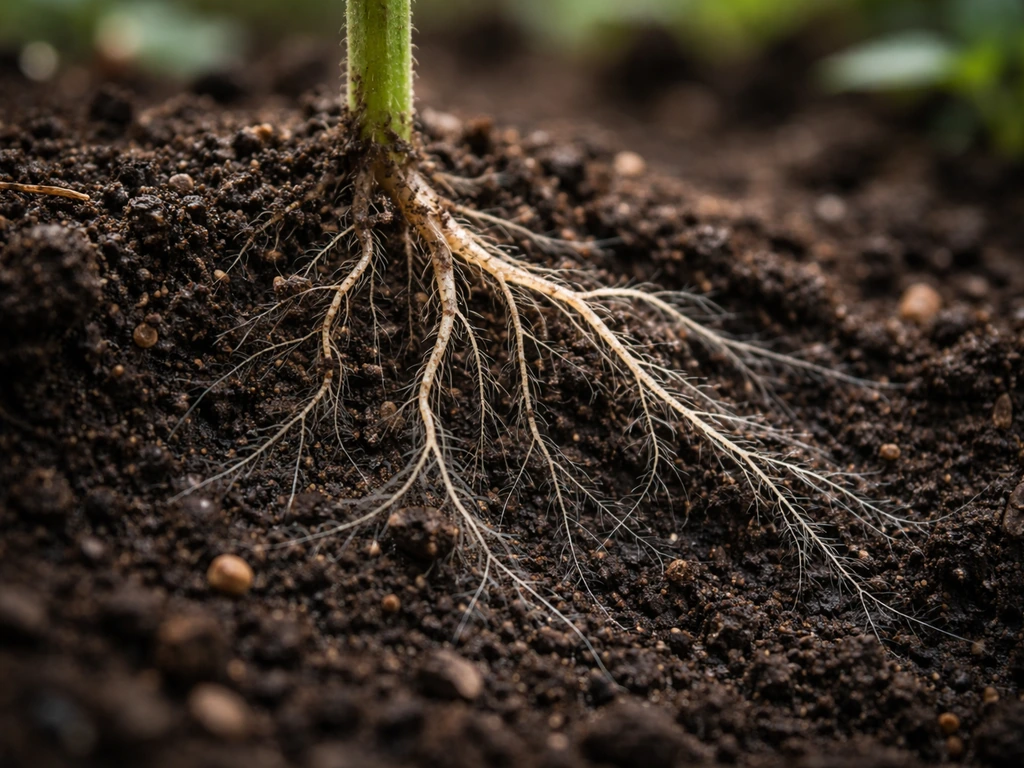
Do Mushrooms Help Plants Grow? Science and How to Use
Science-backed answer on whether mushrooms help plants grow, plus how to use mycorrhiza, compost, and test results.