Moonlight does not meaningfully help plants grow. It is simply too dim to drive photosynthesis, and while a handful of studies show that some plants can detect very low nocturnal light levels, none of that translates into measurable biomass gains in a real garden. If your plants are struggling, moonlight is not the solution and never will be. What follows explains exactly why, where the rare exceptions live, and what you should actually do today to get better growth.
Does Moonlight Help Plants Grow? Science and Practical Tips
Marcus Holloway
12 May 2026
What moonlight actually is in plant terms
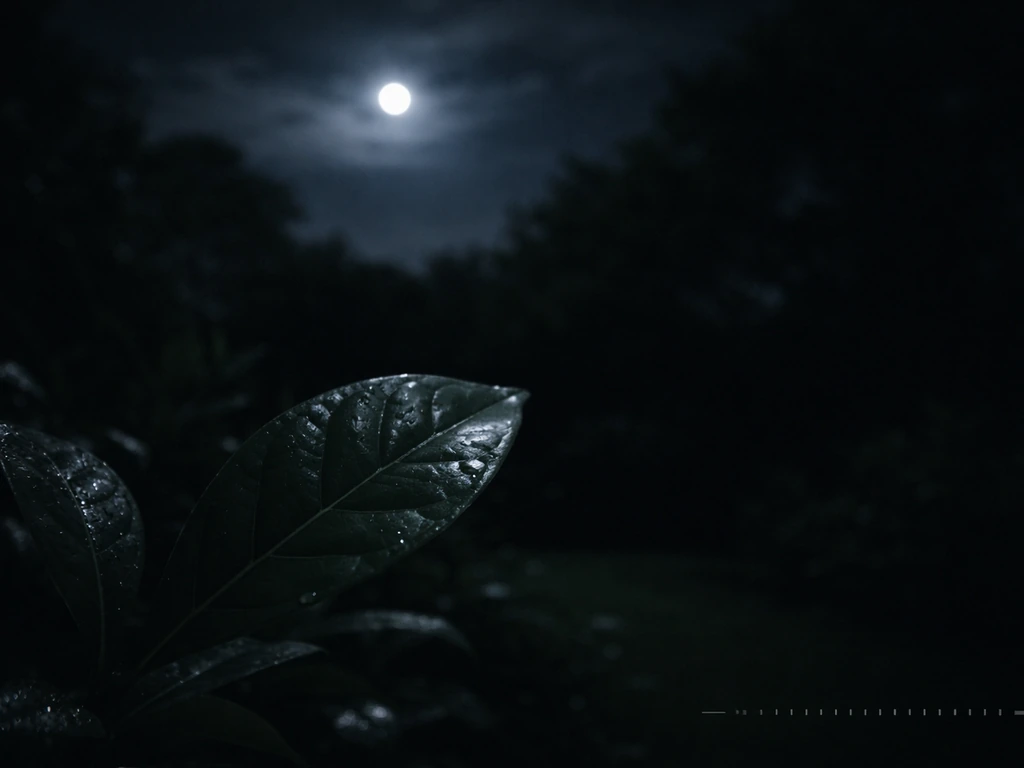
Moonlight is reflected sunlight, and by the time it bounces off the lunar surface and reaches your garden, its intensity has dropped to roughly 0.3 lux on a clear full-moon night under near-ideal conditions. That is not a typo. Bright sunlight on a clear day sits somewhere around 100,000 lux. Even heavy overcast daylight, which plants find marginal, is still a few hundred to several thousand lux. The minimum threshold for meaningful supplemental lighting in a greenhouse is typically cited around 400 to 500 foot-candles (roughly 4,000 to 5,000 lux). Moonlight at 0.3 lux is, in practical plant terms, essentially darkness.
Photosynthesis requires enough photon energy in the right wavelengths (primarily red and blue) to drive the light-dependent reactions in chloroplasts. Moonlight just does not deliver enough photons per second per unit area to run that machinery at any useful rate. The math is not close. Even if a plant were sitting directly under a full moon all night, every night, the photosynthetic contribution would be negligible compared with even a single hour of morning sun.
The rare edge cases where moonlight might do something
Here is where it gets a little interesting, even if it does not change the practical answer. There are two documented mechanisms where very dim nocturnal light, at moonlight-like intensities, can register biologically in plants.
Circadian clock entrainment in some species
A study on coffee (Coffea arabica) found that simulated full-moonlight conditions at under 6 lux were enough to shift transcription of circadian clock genes. So some plants can, in a narrow biological sense, 'see' the moon. But detecting light and growing more because of light are very different things. Resetting a circadian rhythm does not equal extra biomass. Think of it like how dim light in a bedroom can wake you up without actually giving you more energy.
Photoperiod interference in sensitive species
A classic photobiology study showed that moonlight-level light introduced during the dark period can interfere with how short-day plants measure night length. In chrysanthemum, night-interrupting blue light can affect flowering as a short-day plant, with the underlying photoperiod interruption mediated by phytochrome [night-interrupting blue light affects flowering in chrysanthemum as a short-day plant](https://pmc. ncbi. nlm.
nih. gov/articles/PMC7761529/). Plants use the uninterrupted dark period as a timing signal, mediated by the phytochrome photoreceptor system. A bright full moon on the wrong night could, in theory, nudge a photoperiod-sensitive plant like a chrysanthemum or certain soybean varieties.
But this is not moonlight helping growth. It is moonlight potentially disrupting flowering timing. Some short-day plants showed adaptive counter-reactions, but the effect depended heavily on precise timing within the dark period, not on any general growth boost from the light.
Both of these effects are real and scientifically documented. They are also irrelevant to the question most gardeners are asking, which is whether planting under a full moon or leaving plants outside at night gives them any growth advantage. It does not.
What actually drives plant growth (the stuff worth your time)
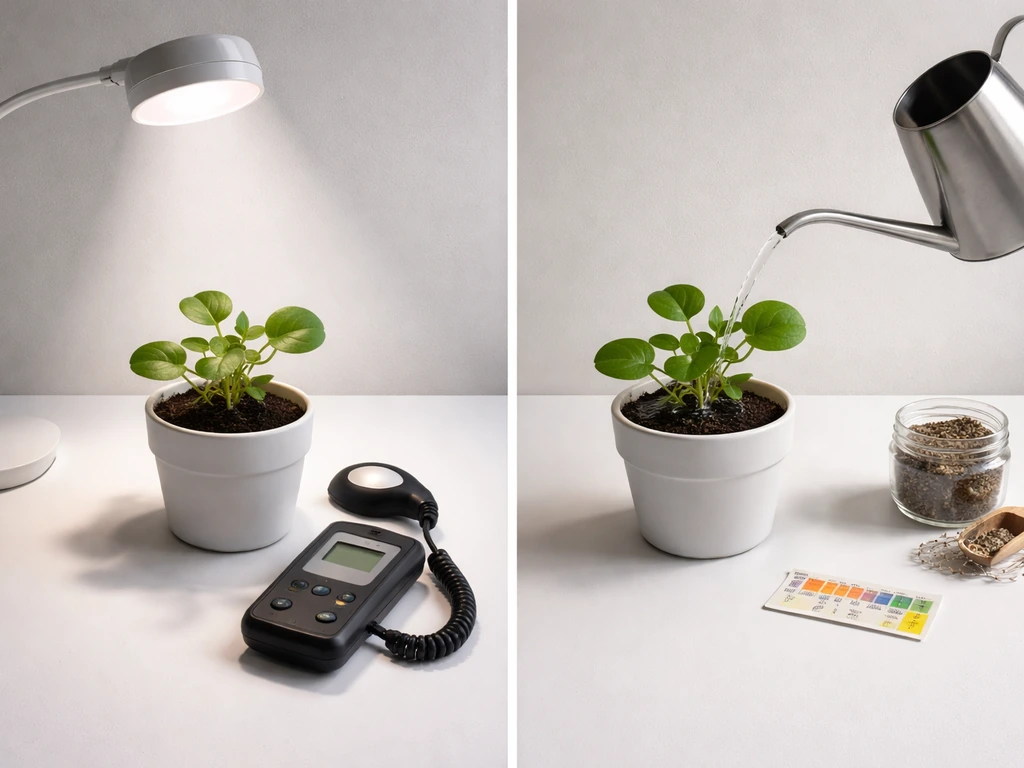
If moonlight is not the answer, here is what is. These are the variables that consistently show up in controlled research and practical horticulture as the real levers of plant growth.
| Factor | Why It Matters | Practical Target |
|---|---|---|
| Light intensity and spectrum | Drives photosynthesis via chlorophyll absorption in red (~660nm) and blue (~450nm) bands | Minimum 400–500 foot-candles for most crops; full sun outdoors for most vegetables |
| Photoperiod (day length) | Controls flowering and vegetative growth via phytochrome and cryptochrome receptors | Match the plant's needs: short-day, long-day, or day-neutral |
| Soil quality | Provides physical support, water retention, and nutrient exchange | Well-draining, organically amended soil with appropriate pH (usually 6.0–7.0) |
| Water | Required for photosynthesis, nutrient transport, and cell turgor | Consistent moisture without waterlogging; varies by species |
| Nutrients (especially N, P, K) | Nitrogen for foliage, phosphorus for roots and flowers, potassium for overall health | Soil test first; amend based on results, not guesswork |
| Temperature | Controls metabolic rates and enzyme activity throughout the plant | Most vegetables: 60–75°F (15–24°C); check species-specific ranges |
| Humidity | Affects transpiration rate and disease pressure | 50–70% RH for most crops; avoid extremes |
Light spectrum is worth a special mention here because it is closely related to what we're discussing. Plants do not just need 'light,' they need the right wavelengths. Blue light via cryptochrome receptors suppresses excessive elongation and regulates stem growth. Far-red light shifts phytochrome ratios and influences flowering. Red light is the primary photosynthetic driver. If you want the direct answer to how sunlight helps plants grow, the key is that it powers photosynthesis how does sunlight help plants grow. Moonlight, even if it were bright enough to matter, delivers a very different spectral mix than direct sunlight or a properly specced grow light.
How to actually improve your plants' growth today
Stop thinking about the moon and work through this checklist instead. These are the interventions that have measurable, consistent effects.
- Check your light levels first. Get a cheap lux meter or a phone app and measure where your plants actually sit. Most vegetables and flowering plants need a minimum of several thousand lux for solid growth. If you're under 1,000 lux indoors, add a grow light rated for plant use.
- Match the light spectrum to the growth stage. Vegetative growth benefits from stronger blue (400–500nm) output. Flowering and fruiting benefit from more red (620–700nm). Full-spectrum LED grow lights handle both reasonably well.
- Extend day length if needed. If you're trying to keep long-day plants in vegetative mode or push short-day plants, a simple timer with a supplemental LED can manipulate the photoperiod. Even 2–3 µmol/m²/s over a 4-hour night interruption window can work for photoperiod control.
- Get a soil test done. This is the single most underused tool in home gardening. A basic soil test from your local extension service (usually under $20) tells you pH and major nutrient levels. Fix what the test reveals before spending money on anything else.
- Water consistently. Inconsistent watering is one of the top causes of poor growth. Install a simple drip system or set a reminder schedule. Check soil moisture with your finger at 1–2 inch depth before watering.
- Address temperature and airflow. If nighttime temperatures are dropping below 50°F (10°C) for warm-season crops, growth will stall regardless of anything else you do. A row cover or cold frame buys you weeks in shoulder seasons.
- Feed based on growth stage. Leafy greens and early vegetative growth need nitrogen. Switch toward phosphorus-forward fertilizers as plants approach flowering. Follow label rates; over-fertilizing is as harmful as under-fertilizing.
Moon phase gardening: what the folklore says vs. what evidence shows
Moon phase gardening is the broader tradition that includes not just moonlight but also the gravitational and tidal influence of the moon on soil water and plant sap. The Old Farmer's Almanac version of this divides the lunar cycle into planting windows, with certain crops recommended near the new moon and others near the full moon. It is a centuries-old tradition with genuine cultural roots, and plenty of experienced gardeners swear by it. That does not make it scientifically sound.
A 2020 review in a peer-reviewed journal worked through the physics and biology of commonly cited lunar gardening claims and found that the mechanisms offered to explain lunar effects on plants are either unsupported or too small to be agronomically relevant. A randomized-block experiment across multiple horticultural crops showed mixed results with no consistent directional effect across crops or lunar phases. A 2025 review revisiting the topic called it 'controversial' and noted the limited volume of rigorous, modern controlled experiments. That is about as honest an assessment as you will find: not enough quality evidence to support the claims, and what evidence exists does not point in a consistent direction.
The reason moon-phase gardening persists is worth understanding rather than mocking. Gardeners who follow lunar calendars are paying close attention to timing, soil conditions, and seasonal patterns, all of which genuinely matter. If the moon calendar gets someone to plant at the right time of year, avoid frost, or pay attention to soil moisture, it is indirectly useful even if the moon itself is not the mechanism. The habit of careful observation is valuable. Reddit gardeners also discuss using light-sensing phone tools like lux-meters and the phone sensor to practice careful observation of light levels. The lunar explanation for it is not the part doing the work.
What you can trust when it comes to timing: the calendar (last frost dates, seasonal temperature curves), the plant's known photoperiod requirements, and your soil's actual condition on planting day. Those are the timing variables with documented biological mechanisms behind them.
The bottom line
[Moonlight sits at roughly 0. ](https://pmc. ncbi. nlm.
nih. gov/articles/PMC8923816/)3 lux. Photosynthesis needs orders of magnitude more light to do anything useful. There are narrow, species-specific biological responses to very dim nocturnal light, mainly circadian clock shifts and photoperiod interference, but none of these translate into better growth in a garden context.
The science is pretty clear here, and the 2020 and 2025 reviews both land in the same place: lunar effects on plant growth are not supported by consistent, mechanism-based evidence. Spend your energy on light quality and intensity, soil health, consistent water, and appropriate nutrients. UV light can be harmful to plants if overused, and it is not a reliable way to improve growth compared with using the right visible-light intensity and spectrum.
For best results, use the right light quality and enough intensity, such as proper grow lights matched to plant needs. Those are the levers that actually move plant growth, today and every day.
FAQ
If moonlight does not increase growth, can it still affect flowering or flowering timing?
Yes, in some short-day or photoperiod-sensitive plants, very dim night light can slightly disrupt how the plant measures the dark period. The practical takeaway is to avoid unexpected night lighting near “short day” crops (like some chrysanthemums), rather than expecting moonlight to boost growth.
Could leaving plants outside at night change anything compared with bringing them indoors?
Usually, no for growth rate, because the intensity of outdoor night conditions (including moonlight) is far below what powers photosynthesis. The main differences are temperature, wind stress, humidity, and sometimes insect activity, which can affect growth more than any light effect.
What about seedlings, do they need “any” light at night to grow better?
Most seedlings benefit from a consistent light schedule that supports photosynthesis during the day and avoids excess night light at the wrong wavelengths. If you use grow lights, follow the plant’s photoperiod needs, do not assume moonlight or weak night lighting “helps,” and keep nighttime dark periods dark enough for proper development.
Does moonlight help plants if they are already weak, stressed, or recovering?
No. Extra stress reducers are usually more effective than relying on weak night light. Focus on the real limiting factor, such as insufficient daytime light intensity, inconsistent watering, low nutrients, root issues, or temperature swings.
If moonlight is biologically detectable, why does it not translate into measurable biomass?
Because detection mechanisms like circadian signaling can respond to low light without providing enough usable photons for photosynthesis. The plant may “notice” light timing cues, but that does not equal additional energy capture for growth.
Are there any realistic scenarios where moonlight could be enough to matter?
In general gardens, not in a way you can count on. Even a clear full moon is around 0.3 lux, which is far below common thresholds for meaningful supplemental lighting. The only “it might matter” situations tend to be about timing cues for specific photoperiod plants, not improved growth.
Does moonlight affect indoor plants near windows on bright full-moon nights?
Probably not for growth rate, but it can matter for plants that are sensitive to night interruption. If you see unusual flowering timing or stretching, consider shielding windows at night or using a controlled grow-light schedule.
What is the most common mistake gardeners make when trying to use moon-related ideas for growth?
They add or rearrange night exposure expecting it to replace daytime light or solve nutrient and watering problems. A better approach is to measure daytime light (intensity and duration), then adjust spectrum and photoperiod if you use grow lights.
How should I choose between “moonlight” myths and real lighting adjustments?
Use the limitation-first rule: confirm your plant is receiving enough daytime photosynthetic light and the correct photoperiod for its species. If you still need help, increase visible-light intensity and match spectrum with a grow light rather than changing night exposure.
Could moonlight be harmful in any way?
Not usually because the intensity is too low to harm via light stress. The more relevant risk is indirect, for example night lighting that disrupts photoperiod timing, or cold, damp nighttime conditions outside that lead to disease.
Next Articles
Does UV Light Help Plants Grow? What UVB and UVA Do
Does UV help plants grow? UVB and UVA effects, risks, and step-by-step setup plus what matters most for growth
What Light Helps Plants Grow: Natural and Grow Light Guide
Learn which light helps plants grow, red blue spectrum, and how to set up LEDs grow lights vs weak room light.
Does Lightning Help Plants Grow? Real Answer and Fixes
Lightning rarely helps plants; real growth needs proper light intensity, spectrum, and photoperiod, plus nutrients.