Honey does not reliably help plants grow under typical garden conditions. There are a handful of narrow, experimental situations where diluted honey has shown some measurable effect, mostly as a rooting aid for cuttings or a foliar spray under specific stress conditions in controlled studies, but for the everyday home gardener watering honey into the soil or misting it onto leaves, the realistic outcomes are mold, fungal pressure, pest attraction, and zero meaningful growth benefit. Butterflies can also support plant growth indirectly by aiding pollination, which helps flowers produce fruit and seeds how do butterflies help plants grow. If your plants are struggling, honey is not the fix. Soil quality, light, water, and the right nutrients are.
Does Honey Help Plants Grow? What Works and What Doesn’t

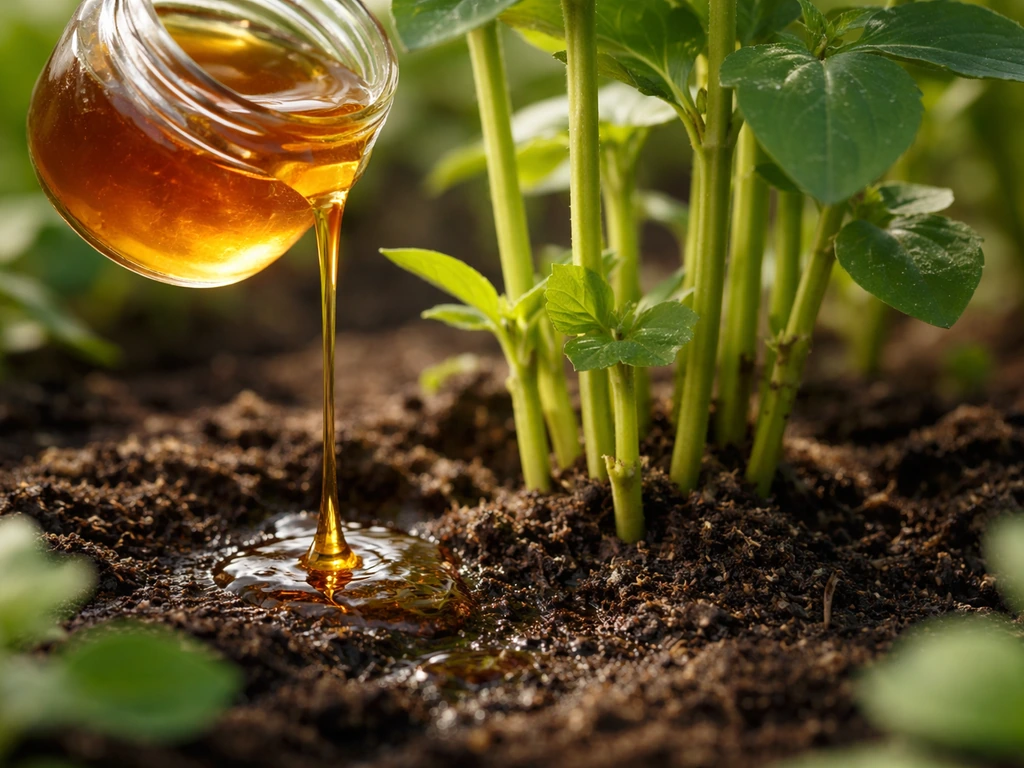
What people mean by 'honey helps plants grow'
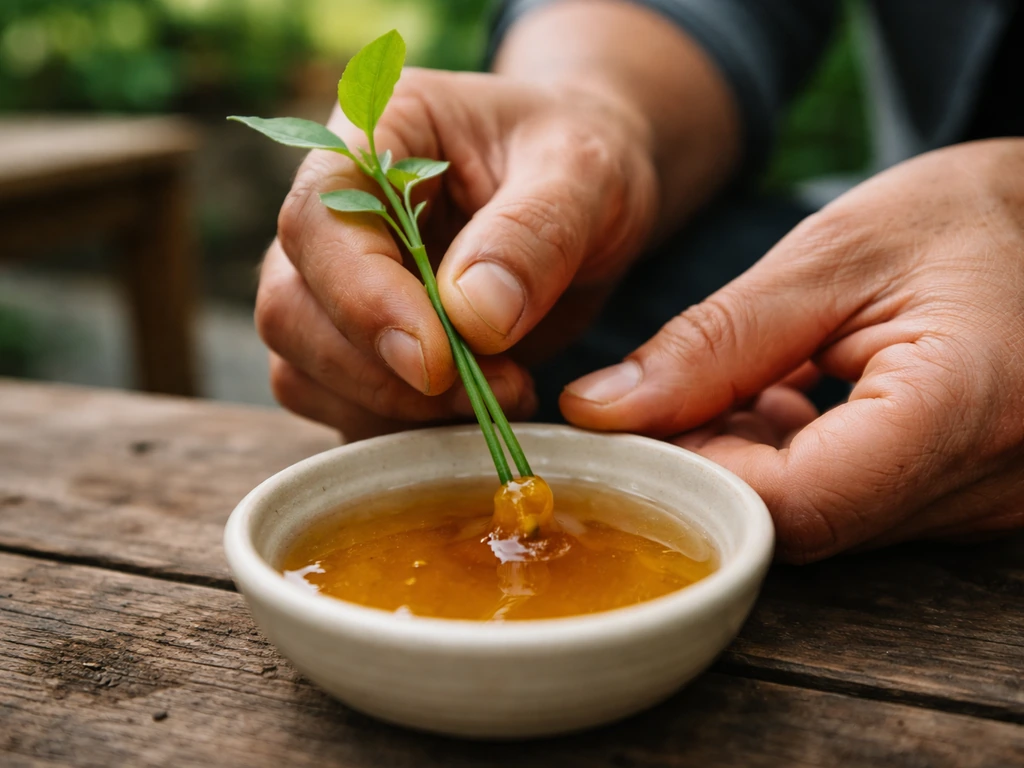
The claim shows up in a few forms. Some gardeners swear by dipping cutting stems in honey before planting, saying it acts like a rooting hormone. Others dissolve honey in water and use it as a foliar spray, believing it feeds leaves or protects them from disease. And some mix honey directly into the soil, thinking it adds nutrients or feeds soil microbes in a good way. The idea is appealing because honey feels natural, it has real antimicrobial properties, and it contains trace minerals. The logic seems sound on the surface. But 'seems sound' and 'actually works in your garden' are very different things, and it's worth pulling each claim apart before you go through a jar of Manuka on your tomatoes.
Does honey provide usable nutrients for plants?
Honey does contain minerals. Potassium is the most abundant, with some analyses of raw honey reporting averages around 1,572 mg per kilogram. You'll also find calcium, magnesium, phosphorus, copper, iron, manganese, and zinc in there. That sounds promising until you do the math. To deliver even a marginal amount of potassium to a garden bed, you'd need to apply honey at quantities that would be both economically absurd and ecologically counterproductive. Beyond the quantities involved, plant-available nutrients are not the same as total nutrient content. Just because a mineral is present in honey doesn't mean it's in a form, concentration, or delivery mechanism that plant roots can actually take up and use. Extension soil scientists are clear on this point: what matters is plant-available nutrient levels, measured through calibrated soil tests, not the presence of a nutrient in whatever you're pouring into the bed.
The bulk of honey is simple sugars, primarily fructose and glucose. Plants manufacture their own sugars through photosynthesis. They don't need you to hand them sugar from the outside. Adding sugar to soil can feed microbes, and there is legitimate research showing that sugar-rich inputs, like insect honeydew, increase soil microbial biomass and respiration. But that microbial boost isn't automatically a plant growth benefit. It depends on which microbes are stimulated, in what ratios, and whether the overall effect is net positive or negative for your specific plants in your specific soil. In real garden conditions, pouring a sugar solution into soil is just as likely to feed the wrong organisms as the right ones.
Honey as a soil amendment or foliar spray: what it actually does
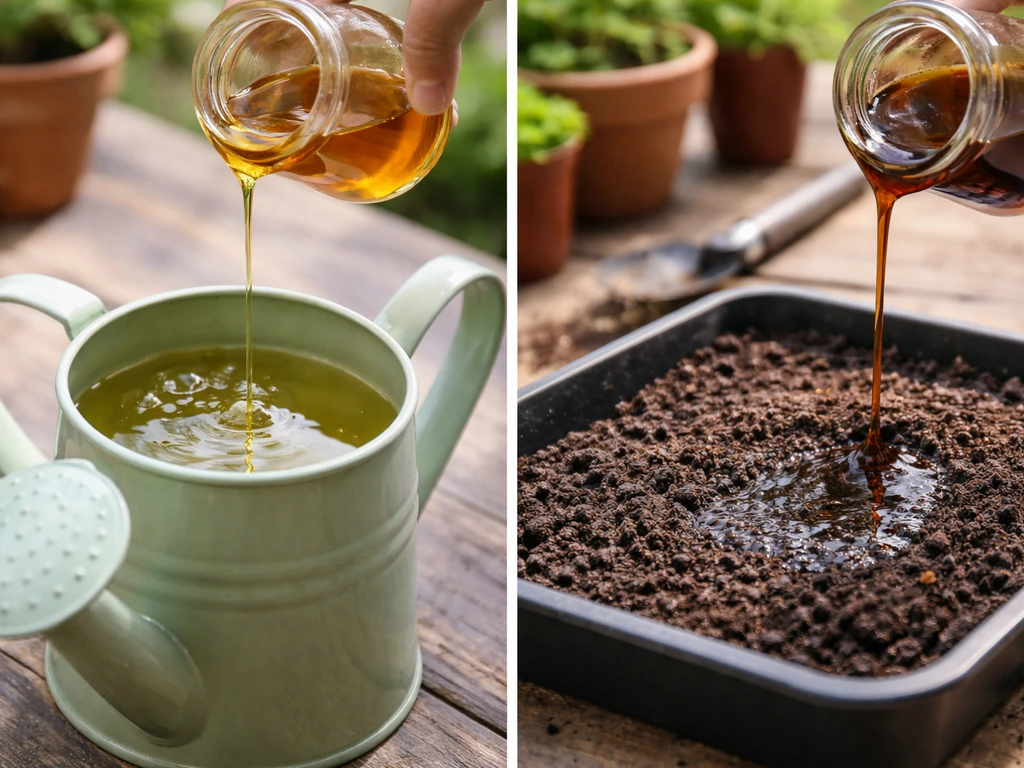
In the soil
When you amend soil with honey, you're adding a high-sugar, water-soluble substance into a complex microbial ecosystem. The sugars can temporarily spike microbial activity, which sounds positive but can shift the microbial community in unpredictable ways, including feeding yeast populations that don't benefit plant roots. Research on honeydew deposition in soils found significantly higher yeast colony-forming units in affected soils compared to controls. Elevated yeast activity in root zones is not a sign of a thriving garden, it's a potential problem. There's also the straightforward issue of osmotic stress: concentrated sugar solutions around roots can draw water out of root cells rather than into them, which is the opposite of what you want.
As a foliar spray
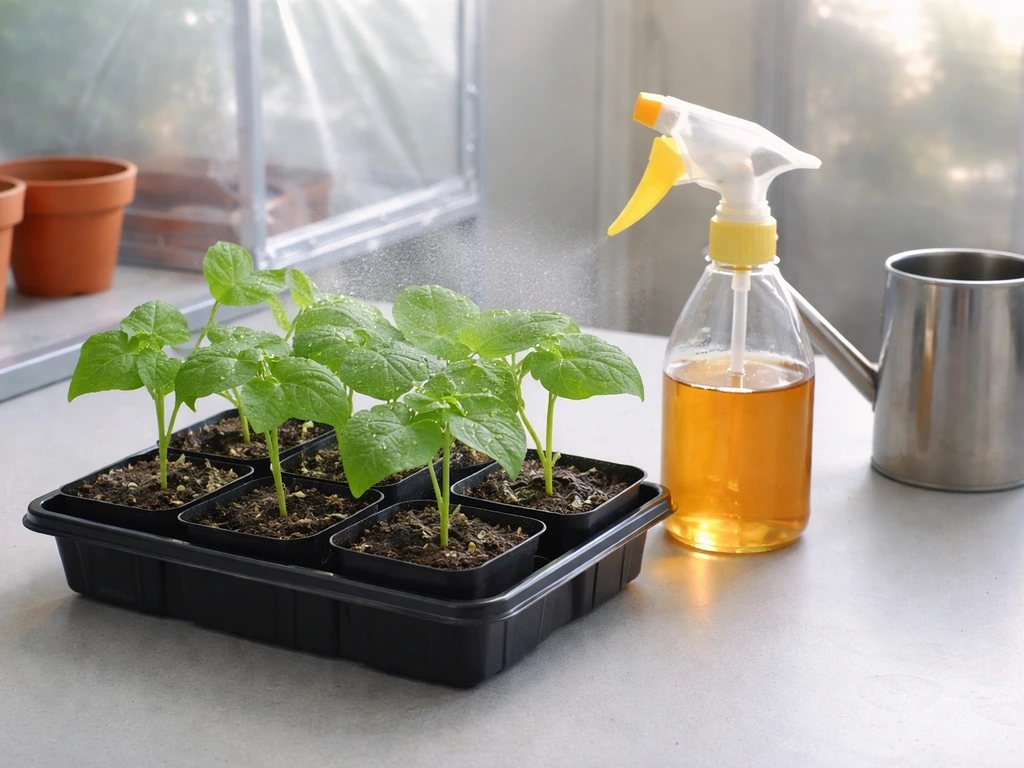
A couple of peer-reviewed studies have tested diluted honey as a foliar spray, one using a 1.5% concentration on common bean under nitrogen stress, another testing 0.5%, 1.0%, and 1.5% concentrations under drought stress. Both reported some improved physiological markers compared to a water control. These are real studies, and I'm not dismissing them. But notice the conditions: controlled research environments, specific stress scenarios, precise concentrations, and comparison to a plain water control, not to an appropriate fertilizer or irrigation fix. In a home garden where you're already watering and feeding reasonably, the delta shrinks toward zero. And the risks of a home-mixed foliar honey spray are real: sticky residue on leaves creates an ideal surface for sooty mold fungi to colonize, it attracts aphids and other sap-sucking insects, and concentrated sugar on foliage can cause leaf burn through the same osmotic and stomatal mechanisms that make concentrated fertilizer sprays damaging.
As a rooting aid for cuttings
This is the one application with the most plausible scientific basis. Honey's antimicrobial properties (which come from hydrogen peroxide produced during processing, plus other compounds from bee and plant interactions) could theoretically protect a cutting's wound site from pathogens while it develops roots. Nursery trials have compared honey-dipped cuttings against commercial rooting compounds and water controls. Results are mixed depending on species and honey type, and commercial rooting compounds containing indole-3-butyric acid (IBA) consistently outperform honey for most crops. But honey as a rooting dip is at least a rational use of the product, unlike spraying it on established plants.
Pathogens, pests, and the 'sticky' risks vs benefits
Honey has genuine antimicrobial properties, and that's worth acknowledging. But those properties are most relevant in wound-care and food-preservation contexts, where honey is applied in a controlled, concentrated way to a specific surface. On plant leaves and in soil, you're dealing with an open, dynamic system. The antimicrobial effect doesn't translate cleanly into 'my plants will be healthier' because the same properties that suppress some bacteria can also disrupt beneficial microbial populations that plants actually depend on.
The sticky residue risk is the bigger practical concern. University extension resources are consistent on this: sticky sugar deposits on plant surfaces, whether from insect honeydew or anything else you apply, create the conditions for sooty mold. Sooty mold fungi don't infect plant tissue directly, but they coat leaf surfaces and block sunlight from reaching the leaf. Since photosynthesis is how plants actually grow, blocking the light pathway is a real problem. And the sticky surface doesn't just attract mold, it attracts aphids, whiteflies, scale insects, and other pests that will make the problem worse. So there's a credible chain of consequences here: honey spray leads to sticky residue, sticky residue invites sooty mold and pests, pests produce more sticky honeydew, mold gets worse. That's a negative feedback loop you don't want to start.
When (if ever) honey is worth trying: safe micro-tests
If you genuinely want to test honey on your plants, here's how to do it responsibly without risking your whole garden.
- Limit any trial to a small area or a single plant. Never apply an untested input broadly. Pick one bed row or one container and use the rest as your control.
- For cuttings: dip the cut end of the stem in raw, undiluted honey and plant immediately. This is the most defensible use. Compare rooting rate and speed against untreated cuttings of the same species over 3 to 6 weeks.
- For a foliar spray trial: dilute honey to no more than 1% concentration (about 1 gram per 100 ml of water). Apply to the underside of leaves on a small number of plants in the early morning so it can dry before heat peaks. Watch the treated leaves daily for sticky residue buildup, mold spots, or discoloration. If you see any of those within a week, wash the leaves off with plain water and stop.
- Do not apply to plants already under pest pressure or fungal stress. If you have aphids or powdery mildew, adding any sugary substance to the equation will make both problems worse.
- Monitor for four to six weeks, tracking leaf color, new growth, and any pest or mold activity compared to your control plants. If you see no measurable benefit and no harm, you've run a fair trial. If you see harm, stop immediately.
Honestly, the most useful thing about running this kind of small trial is that it teaches you to observe your plants more carefully, which is valuable regardless of what you're testing. To support a controlled trial approach (baseline versus treated area), use a published IPM protocol template that guides monitoring and using site, plant, and pest information to decide control options. But my expectation, based on the evidence, is that you'll see little to no growth difference and you'll be glad you kept it small.
What actually works: science-backed alternatives by problem
If you're reaching for honey as a plant fix, you're probably dealing with a real problem: stunted growth, transplant shock, poor flowering, persistent pests, or fungal pressure. Bees do help vegetables indirectly through pollination, and that matters most for plants that produce flowers and fruit do bees help vegetables grow. If you want flowers to look fuller, the best path is to address the real causes of flowering rather than relying on honey poor flowering. Here's where to actually put your energy, matched to the specific issue.
| Problem | What to try instead | Why it works |
|---|---|---|
| Stunted growth | Soil test, then targeted fertilizer (nitrogen, phosphorus, or potassium based on results) | Plants can't grow without adequate macronutrients; a soil test tells you exactly what's missing so you're not guessing |
| Transplant shock | Water-in with a dilute balanced fertilizer or mycorrhizal inoculant at planting time | Mycorrhizal fungi colonize roots and dramatically expand water and nutrient uptake from day one |
| Poor flowering | Check light levels first; then consider a low-nitrogen, higher-phosphorus fertilizer for flowering plants | Nitrogen drives leaf growth, phosphorus supports flower and fruit development |
| Fungal pressure (powdery mildew, etc.) | Remove affected tissue, improve airflow, apply a registered fungicide or neem oil per label directions | Sugary sprays worsen fungal conditions; targeted IPM approaches actually address the cause |
| Pest pressure (aphids, whitefly) | Strong water spray to dislodge insects, introduce beneficial insects, use insecticidal soap if needed | Honey or sugar sprays attract more pests; physical removal and targeted treatment are more effective |
| General poor growth with no clear cause | Reassess watering frequency, check for root bound conditions, evaluate light hours per day | Most unexplained poor growth comes down to water, light, or root space, not a missing supplement |
If you're interested in organic soil amendments that genuinely improve growth, compost is your best starting point. It improves soil structure, water retention, and microbial diversity in ways that translate directly into plant health. Good compost does everything honey mythology claims honey does, and it does it reliably. On the pollinator side, it's also worth noting that bees help plants grow in a completely different and far more impactful way: through pollination, which is fundamental to fruit and seed set in a huge range of flowering plants. That's a real, documented mechanism of plant support that goes well beyond what any honey-as-input idea could deliver.
The bottom line is that your plants need light, water, good soil structure, and the right nutrients in plant-available forms. If you want flowers to grow faster, focus on these fundamentals and avoid unproven shortcuts like honey sprays light, water, good soil structure, and the right nutrients. Those four things, dialed in correctly for your specific plants and conditions, will do more for growth than any folk remedy. If you're aiming for strong blooms, focus on the same fundamentals: enough light, consistent watering, and nutrients in forms plants can use what helps flowers grow. Honey belongs in your kitchen. Your garden's growth depends on what's already in the ground and shining overhead. Bees, especially native pollinators, help fruit grow by transferring pollen between flowers, which supports proper fertilization and fruit set bees help fruit grow.
FAQ
If honey does not feed plants, what should I do instead if my plants look undernourished?
For established plants, honey generally does not replace a fertilizer or watering plan. If you want to correct a nutrient issue, use a soil test and apply nutrients in plant-available forms (and at the right rate), because honey’s sugars and minerals are not reliably delivered in a way roots can use.
Can honey sprays make pest problems worse? I tried it and now I’m seeing more insects.
Honey can attract sap-sucking pests because the sticky sugars mimic other sticky plant surface deposits. If you notice more aphids, whiteflies, or scale after trying honey, stop immediately, rinse leaves with plain water, and manage the underlying cause (often water stress, excess nitrogen, or weak plant vigor).
If I want to try a tiny test, what mistakes should I avoid with honey foliar spraying?
Yes, but it is easy to overdo. Even at low concentrations, the residue can dry and leave a film that favors sooty mold and ongoing pest attraction. If you still want to experiment, keep it to a tiny, caged section of one plant, apply only on non-sunburn periods, and stop at the first sign of residue or pest flare-ups.
Is it safer to use honey in the soil for seedlings than on leaves?
Never apply honey to soil near seedlings as a “starter” product, especially if you are using it frequently. The high-sugar input can spike microbial activity in unpredictable ways and may create osmotic stress around roots when concentrations build up.
Will honey help more if I use it for cuttings instead of established plants?
Honey might have a place as a wound-site dip for cuttings, but it is not a reliable rooting hormone. If you want better results, consider using a commercial rooting compound designed for the crop and follow label rates, then keep the cutting conditions right (humidity, temperature, light level, and the correct rooting medium).
Does honey kill plant diseases when used as a spray on leaves?
No. You should not expect honey to cure fungal problems or act like a broad disease treatment in garden settings. If you are dealing with ongoing leaf disease, focus on integrated practices like spacing for airflow, watering at the soil level, removing infected tissue, and using appropriate disease controls for your crop.
How long should I test honey before deciding it’s not working?
If you’re not seeing improvement after a small trial, wait too long is the most common mistake. Give it a short window and evaluate using clear signals like new growth, leaf color stability, and root development (for cuttings). If there is no change or residue-related issues appear, discontinue rather than repeating applications.
Why do some gardeners swear honey works, but my results are neutral or negative?
When people report benefits, they often accidentally improve something else at the same time, like stress conditions, watering consistency, or handling of the plant. Honey’s effects are usually small or indirect, so keep the rest of your care identical between a test group and a control group to avoid false conclusions.
What’s the best way to remove or reduce sticky honey residue if it already caused sooty mold risk?
In general, honey residue is easiest to manage by avoiding repeated applications. If you already sprayed, a practical fix is to rinse leaves gently with clean water and improve airflow. For future attempts, limit any trial to a small area so sticky buildup does not spread across the canopy.
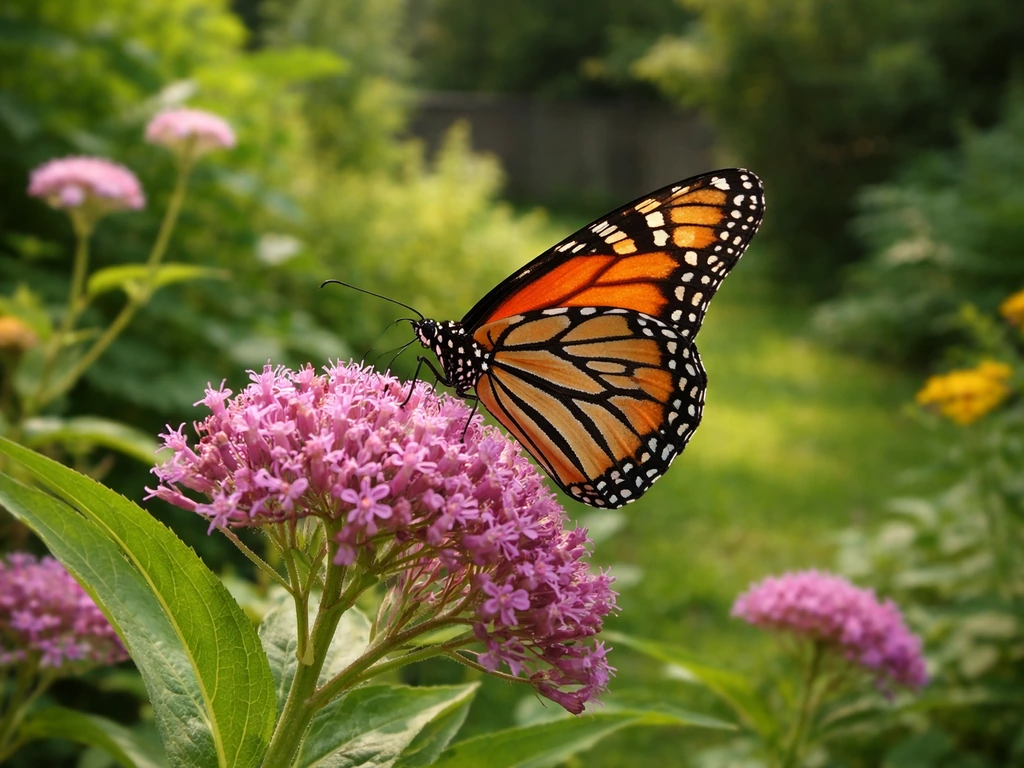
Discover how butterflies aid plant growth via pollination, host plants, and habitat setup plus a step-by-step plan.
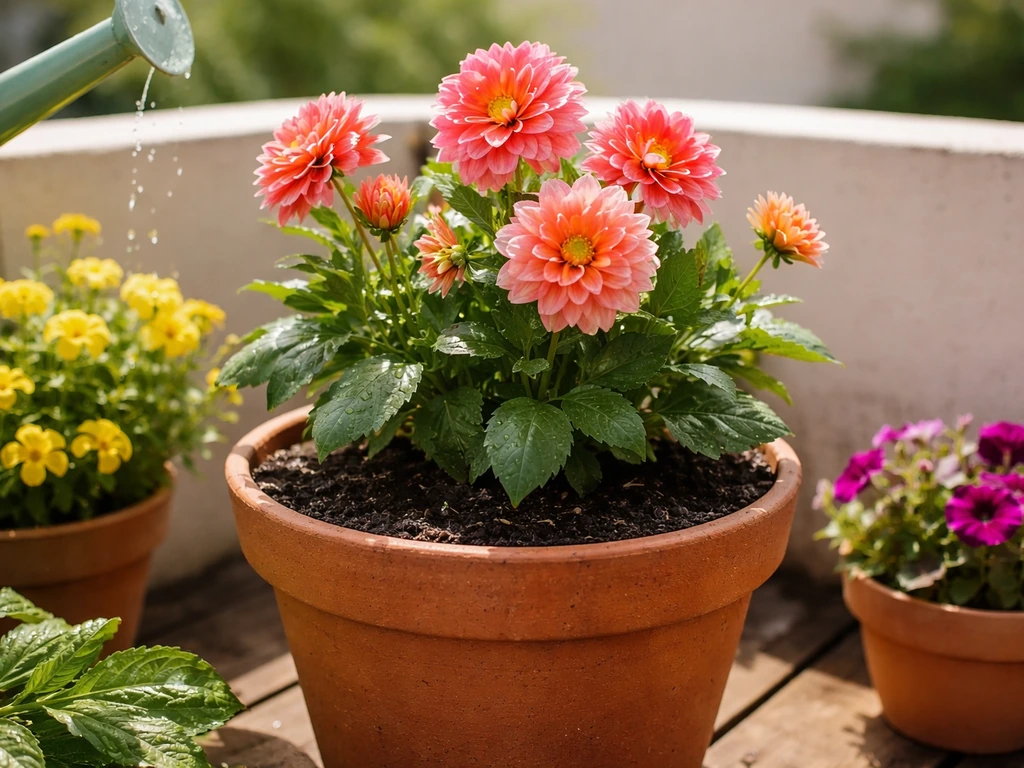
Boost flower growth with the right light, watering, drainage soil, fertilizer timing, and quick fixes for yellow leaves
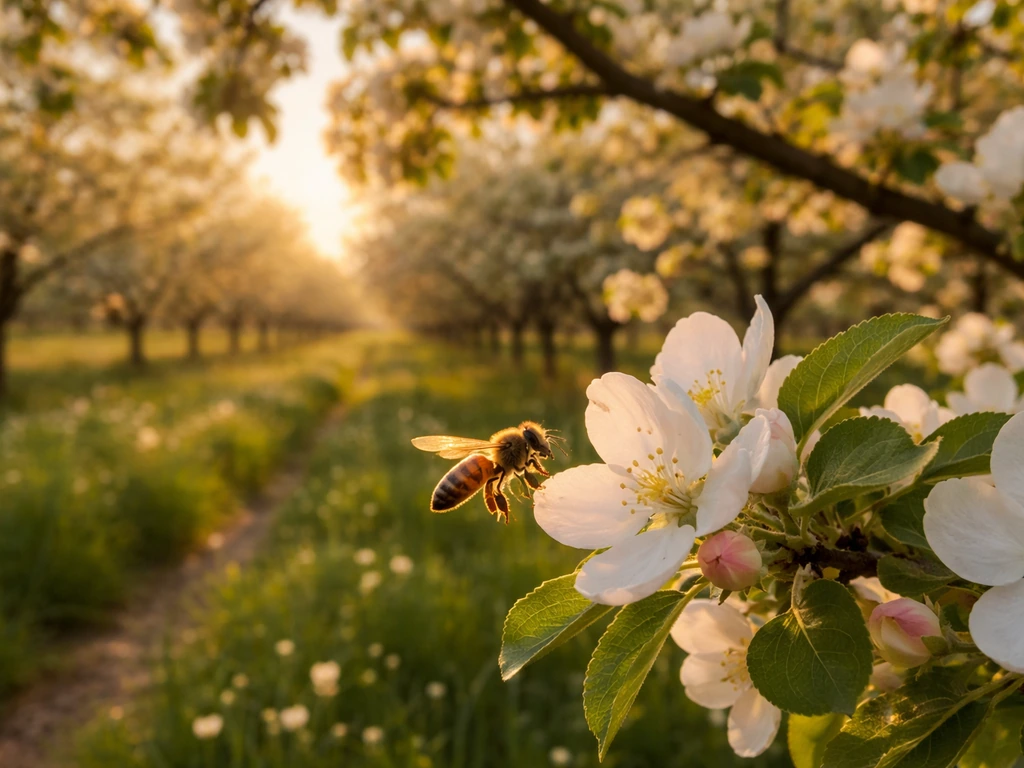
Learn how bees pollinate flowers and crops, boosting fruit set, yields, and plant survival, plus how to support them.