Warm water (think room temperature to about 70°F) is generally fine for plants and can give a small edge during germination or when watering cold-sensitive indoor plants in winter. Genuinely hot water, anything above 95°F at the root zone, will hurt your plants more than it helps. It can shock roots, disrupt soil biology, and block nutrient uptake. So if you're wondering whether to run your tap water a little warmer before watering, the answer is: mild warmth is okay in specific situations, hot water is not.
Does Hot Water Help Plants Grow Faster? Practical Guide
Marcus Holloway
21 May 2026
What 'hot' actually means in gardening terms
The word 'hot' covers a huge range, and it matters a lot which part of that range you're talking about. When extension plant scientists use the phrase 'hot water seed treatment,' they mean something very specific: soaking seeds at 118–125°F for 15–30 minutes (with temperature accuracy down to 0.1°F in some protocols) to kill bacterial pathogens living inside or on the seed coat. That's a medical-grade intervention, not a watering technique. University of Maine researchers describe an even more extreme version at 170–212°F used for hard-coated seeds to soften the seed coat, where the water is poured boiling and the seeds sit in it as it gradually cools over 12–24 hours. Neither of these is something you do with your garden hose.
For everyday watering purposes, here's how to think about the temperature ranges:
| Water Temperature | Effect on Plants | Use It? |
|---|---|---|
| Below 50°F (cold tap water in winter) | Can shock roots of warm-season plants; slows germination | Avoid for tropical/indoor plants in winter |
| 55–70°F (room temperature) | Neutral to slightly beneficial; no stress to roots | Yes, ideal for most everyday watering |
| 70–85°F (mildly warm) | Can support germination and seedling root zones | Yes, in targeted situations |
| 86–95°F (warm to hot) | Approaches upper limit for many crops; may slow germination | Use with caution; don't exceed optimum thresholds |
| Above 95°F (hot) | Damages roots, kills beneficial microbes, causes shock | No, avoid for all routine watering |
| 118–125°F (hot water seed treatment) | Kills seed-borne pathogens; can injure sensitive seeds | Only as a controlled pre-sowing treatment |
| 170–212°F (boiling/scarification) | Hot water scarification for hard-coated seeds only | No, except very specific propagation use cases |
When slightly warm water actually helps
Germination
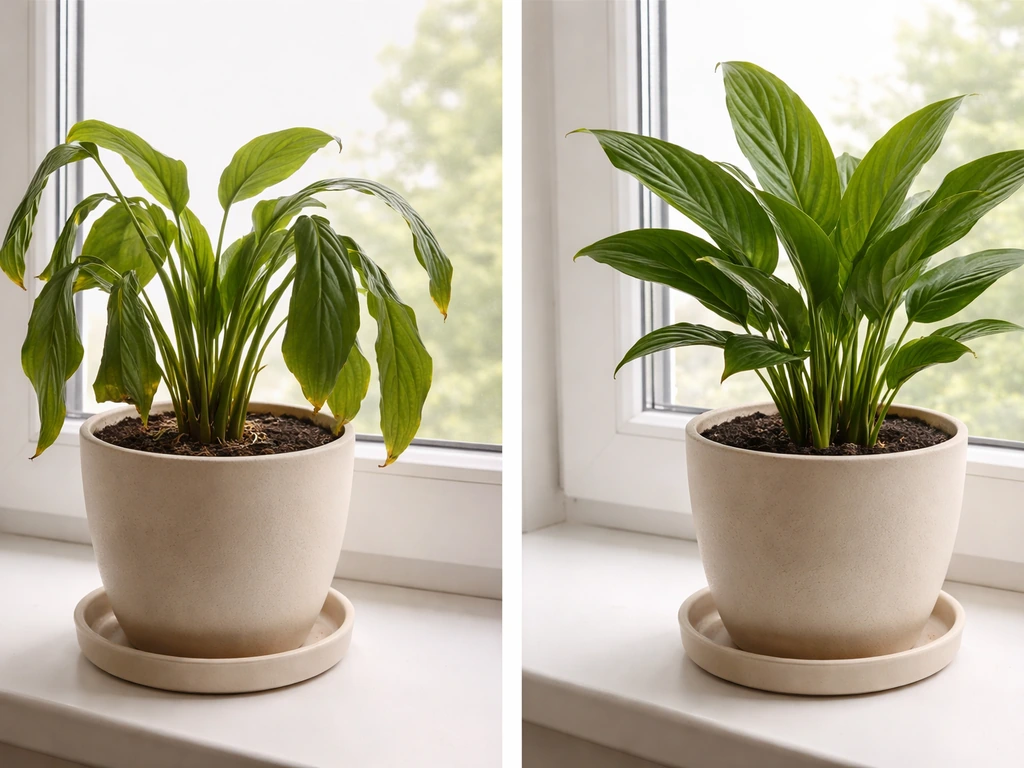
Soil temperature is one of the biggest drivers of germination speed, and this is where the idea of warm water has some legitimate science behind it. Greenhouses help plants grow by creating a controlled environment that supports warmer, more stable growing conditions. Tomato seeds, for example, have a minimum germination temperature of 50°F, a maximum of 95°F, and an optimum around 80°F. Beet seeds have a viable range of 40–95°F with an optimum near 85°F. What this means practically: if your seed-starting mix is sitting at 60°F in a cool basement, watering with slightly warm water (around 75–80°F) can nudge the medium's temperature in the right direction. MU Extension recommends a soil temperature of 70–75°F for most seeds, with warm-season crops doing better near 75°F. Using bottom-heat mats is a more reliable way to hit these targets, but if you don't have one, mildly warm water can help. UF IFAS recommends root-zone temperatures of 75–85°F (24–30°C) for propagation via bottom heat systems, which gives you a real target to aim for.
Indoor plants in winter
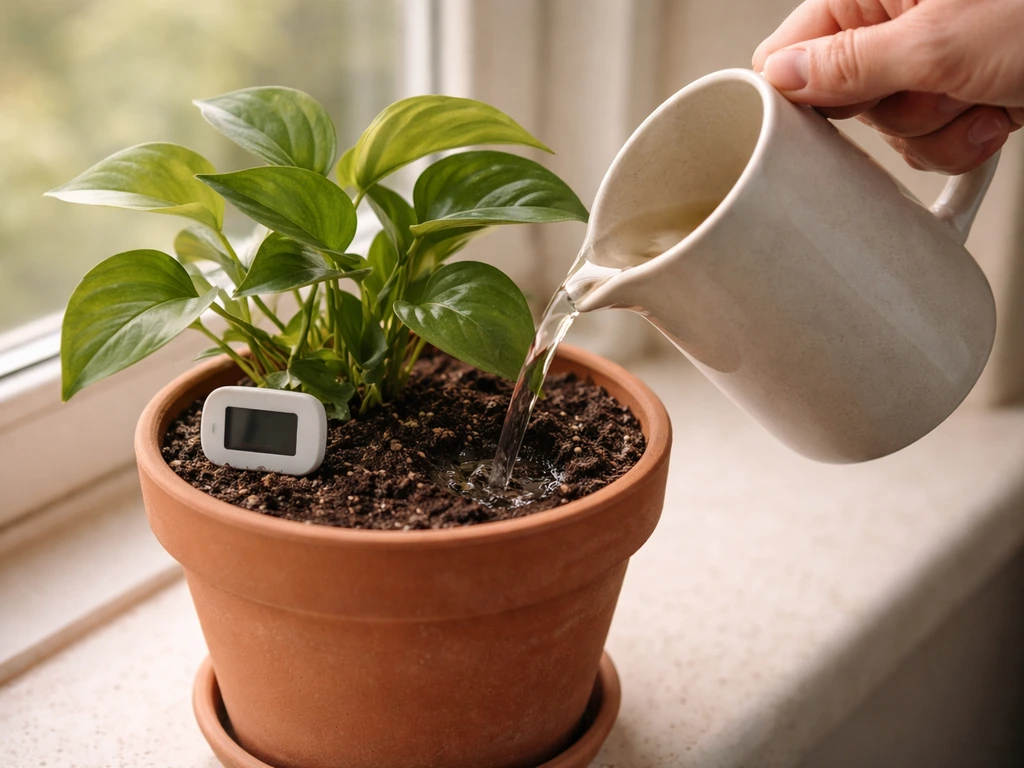
If you're watering tropical houseplants with cold tap water in January, you're potentially stressing their roots. Most tropicals prefer root-zone temperatures above 60°F. Running your tap until the water is closer to room temperature (65–70°F) before you water is a simple, low-effort improvement, especially for cold-sensitive plants like orchids, anthuriums, or anything from a warm climate. This isn't going to turbocharge growth, but it removes an unnecessary stressor.
Transplanting
K-State and Iowa State Extension both emphasize thorough watering at transplant time to reduce shock. Using water that's at or slightly above room temperature (rather than cold) when settling transplants into their new spot is a reasonable practice. You're not looking to heat the soil, just to avoid a cold-water shock on already-stressed roots. The bigger factors for transplant success, as SDSU Extension notes, are hardening off properly and planting at the right time, not water temperature.
When hot water seriously hurts your plants
Above 95°F at the root zone, things go wrong fast. University of Kentucky research describes how high root-zone temperatures impair respiration, disrupt water relations, and interfere with hormone activity in plants. UMD Extension states clearly that damaged roots reduce the plant's ability to take up water and nutrients, slowing or stopping growth. So if you pour hot water near roots even once, you may be dealing with reduced uptake for weeks.
The soil microbiome is another casualty. UA Cooperative Extension notes that soil microbial activity peaks and then declines once temperatures rise above 35°C (95°F). These microbes are critical for breaking down organic matter and making nutrients available to roots. Hot water doesn't just stress your plant directly. It degrades the living system the plant depends on. MU Extension is blunt about this: hot water is hard on soil structure, and after any pasteurization process, soil needs to dry out and recover before it can be planted into.
Hot water seed treatment, while a legitimate pathogen-management technique, is not appropriate for all seeds. UMN Extension explicitly warns that peas, beans, and squash can be seriously injured by it. Cornell's protocol requires crop-specific temperatures and timing, not a single blanket method. If you're treating seeds for disease prevention, follow the exact protocol for your crop. Do not improvise.
How to use warm water safely, step by step
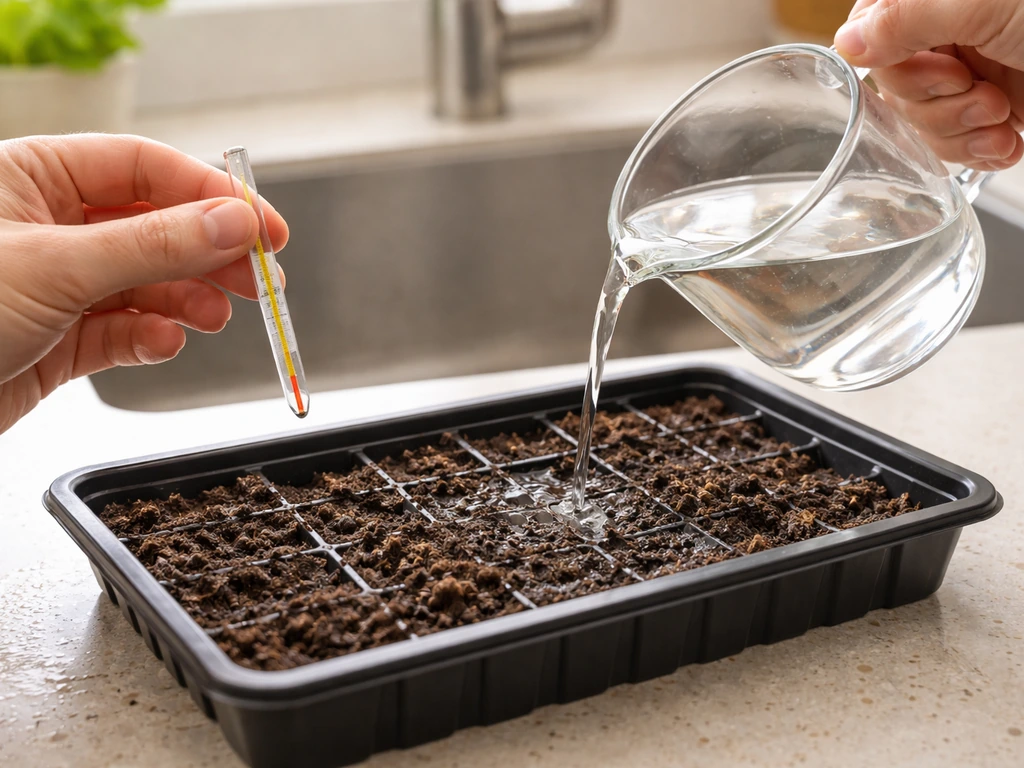
If you want to use slightly warm water to support germination or reduce cold-water stress on houseplants, here's how to do it without causing harm:
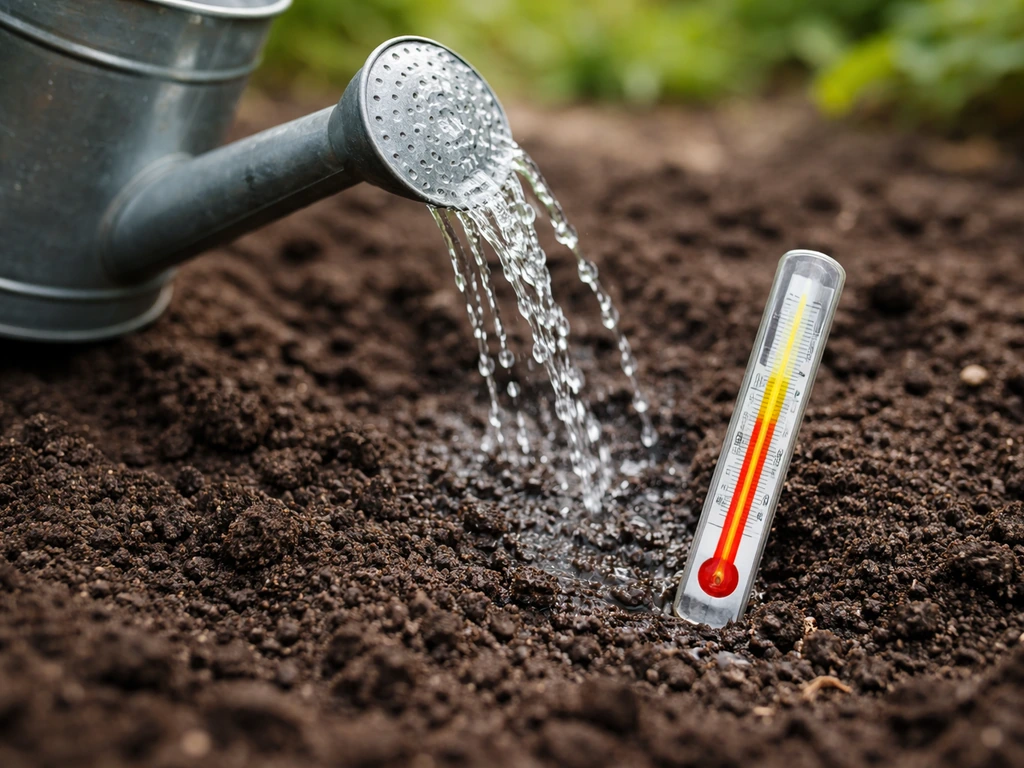
- Target 65–80°F for routine watering. Use a simple kitchen or aquarium thermometer to check. You're not guessing; you're verifying.
- For seed starting, water the medium before sowing so the mix reaches around 70–75°F. Then maintain that temperature with a heat mat rather than relying on repeated warm watering.
- For indoor tropicals in winter, run the tap for 30–60 seconds until the water is closer to room temperature before filling your watering can. This is quick, free, and removes cold-shock risk.
- For transplants, water in with room-temperature or slightly warm water immediately after planting. This settles soil around roots without adding cold stress on top of transplant stress.
- Never apply water above 95°F directly to soil with established plants. If you accidentally do, water again immediately with room-temperature water to dilute and flush the heat through.
- Monitor for stress signs over the following 48–72 hours: wilting that doesn't recover in the evening, leaf curl, yellowing, or sudden drooping are signals that roots were affected.
- For hot water seed treatment (pathogen control only), follow your crop's specific protocol exactly, maintain precise temperature control, and never apply this method to peas, beans, or squash.
Honest truth: water temperature is a minor variable
Getting your water temperature into the 65–75°F sweet spot is a fine refinement, but it's near the bottom of the list of things that will actually make your plants grow faster. If your main goal is faster growth, remember that warm water is only a minor lever and other factors tend to matter more for whether do GMOs make plants grow faster. Greenhouses can create more consistently warm conditions, but they do not automatically make plants grow faster unless light, nutrients, and temperature are managed well do greenhouses make plants grow faster. If your plants are struggling, look here first:
- Light: Most indoor plants and many seedlings don't get nearly enough. Supplemental grow lighting or moving plants to a south-facing window will outperform any watering tweak by a huge margin.
- Soil and medium quality: Drainage, organic matter, and structure determine whether roots can even access water and oxygen. A compacted, poorly drained medium cancels out everything else.
- Nutrients: Nitrogen, phosphorus, potassium, and micronutrients drive actual growth. Without them, ideal watering practices produce slow, pale, stunted plants.
- Watering schedule and volume: Consistent moisture without waterlogging matters far more than temperature. UC IPM notes that root oxygen deprivation from overwatering is a major cause of root death.
- Ambient and root-zone temperature: Stable warmth, maintained by controlled environments or heat mats rather than hot water, drives germination speed and growth rate. Penn State Extension recommends steady temperature conditions around germinating containers, achieved through covers and heating systems, not water temperature management.
- Humidity: Especially relevant for tropical plants and seedlings. Low humidity causes rapid moisture loss and stress even when watering is perfect.
Water temperature is one of many inputs, and in most cases it's not the limiting factor. If you're already dialing in soil quality, light, nutrients, and a consistent watering routine, then yes, fine-tuning water temperature makes sense. But if any of those other factors are off, tweaking your water from 60°F to 72°F isn't going to move the needle on growth. The same logic applies to other 'does X help plants grow faster' questions: soil composition, soil temperature management, and the right environmental conditions (like those provided by a greenhouse or heat mat) consistently matter more than a single variable like water temperature. So, instead of focusing on water temperature alone, pay attention to the overall growing conditions and nutrients that drive faster growth does X help plants grow faster.
What to actually do starting today
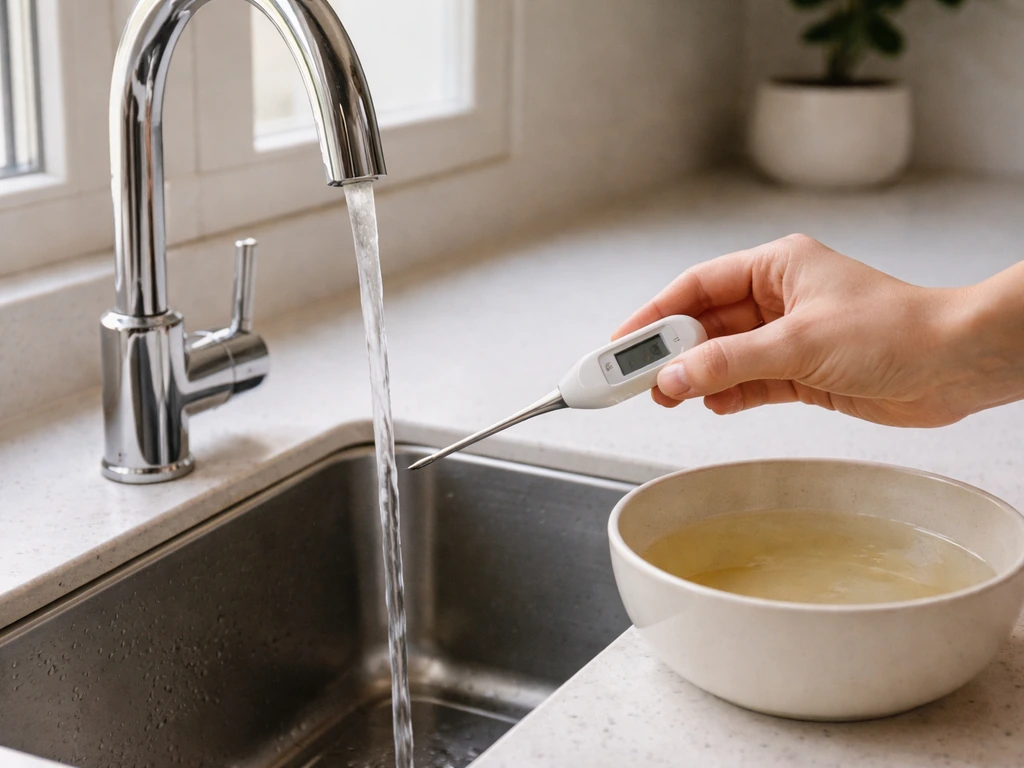
Check your water temperature before you water this week. If it's coming out of the tap at 45–50°F in a cool climate, letting it warm to room temperature first is a zero-cost improvement. If you're starting seeds in a cool space, grab a cheap thermometer and a heat mat to maintain 70–75°F in the root zone. That's where the real germination gains come from. And if someone told you that pouring hot water on your plants would make them grow faster, they were wrong. Keep your water below 95°F at the root zone, aim for 65–80°F as a practical target, and spend the rest of your energy on light, soil, and nutrients.
FAQ
If my tap water is very cold, should I heat it every time I water?
Yes, but only if you control it with a thermometer and stay in the mild range. Aim for roughly 65–80°F at the root zone for most situations, and avoid anything that could exceed about 95°F where roots sit. Also remember that “warm water” from the faucet can cool quickly once it hits cold soil, especially outdoors.
Will warm water alone raise the soil temperature enough to speed up growth?
No. Heating only the water does not correct the overall root-zone temperature, which is what influences germination and root function. If your rooting mix or bed is cold, water may only provide a brief temperature bump, so a heat mat or warming the growing area is more reliable for consistent gains.
Does warm water help mature plants grow faster, or just reduce stress?
It can help you avoid cold shock, but it usually will not speed growth dramatically. The most visible benefit is for cold-sensitive plants in winter, where keeping water closer to room temperature reduces stress on roots and helps them resume normal water uptake. Faster growth typically depends more on light, nutrients, and stable temperatures.
How can I tell whether my water temperature is actually safe for my plant’s roots?
Use a method that measures root-zone temperature, not just water temperature. For example, place a thermometer probe in the seed-starting mix or near the container where roots develop, because the same water temperature can lead to different root temperatures depending on soil starting point and container size.
Does bottom watering change the safe water temperature for plants?
Bottom watering is not a free pass for hot water. The risk threshold still applies to the root zone, and water that is too hot can still overheat roots and damage soil biology. If you use bottom watering, keep the water in the same mild range and monitor how quickly the media temperature changes.
Can I speed germination by repeatedly watering seeds with warm water?
For seed starting, the goal is to keep the medium near the germination target, not to constantly soak with warmer water. Over-warming or waterlogged conditions can slow or harm seeds and reduce oxygen to the developing roots. If you use warm water, use it to maintain appropriate moisture, not to create repeated temperature spikes.
What’s the easiest way to avoid accidentally using water that is too hot?
Be careful with “warm” claims from watering cans or kettles. Different containers and insulation can make it hard to hit the sweet spot, and some setups can overshoot the root-zone temperature. If you do warm-water watering, use a thermometer and let the water cool into range before adding it to the soil.
Can I use hot water soaking to prevent seed diseases for any vegetable seeds?
Not for all crops, and not as a DIY disease cure. Some seeds can be damaged by hot water exposure, and even within crops the correct temperature and timing are specific. If you’re trying to treat seeds for pathogens, follow a crop-specific protocol rather than using a general “warm water” watering routine.
What should I do if I have tropical houseplants and my rooms are cold in winter?
Orchids, anthuriums, and many tropical houseplants prefer root-zone temperatures above about 60°F, so cold tap water can slow uptake. A practical approach is to run the tap until it reaches roughly 65–70°F before watering, then keep routine consistency. If your room is very cool, prioritize warming the growing area or using gentle bottom heat.
Does warm water reduce transplant shock, and how should I use it at transplant time?
Yes, especially around transplanting. The main benefit is avoiding cold-water shock when roots are already disturbed, so water at or slightly above room temperature helps plants settle. Hardening off and transplant timing tend to matter more, so don’t rely on temperature adjustment to compensate for poor timing or insufficient hardening.
Next Articles
How Do Greenhouses Help Plants Grow: The Real Mechanisms
Learn how greenhouses boost growth by regulating light, temperature, humidity, airflow, and pests for faster, less-stres
What Chemicals Help Plants Grow Faster Safely
Learn which nutrients and safe plant growth regulators speed growth, avoid overfertilizing, and match inputs to stages.
Does Fungi Help Plants Grow? How to Boost Health and Size
Yes. Learn how mycorrhizal fungi boost plant size and health by improving nutrients, drought tolerance, and resilience,