Loamy soil, rich in organic matter, with a pH between 6.0 and 7.0, good drainage, and active microbial life is what makes most plants grow faster. That combination gives roots the oxygen, water, nutrients, and biological support they need to push growth hard. But here's the honest truth: there's no single magic soil that works for every plant, and slapping down a bag of "premium potting mix" without understanding your specific situation often doesn't move the needle the way you'd hope. The good news is you can diagnose your soil today with simple tests and start improving it within the same weekend.
What Soil Makes Plants Grow Faster: The Fixes That Work
Marcus Holloway
23 May 2026
How 'fast growth' really depends on soil (and what limits it)
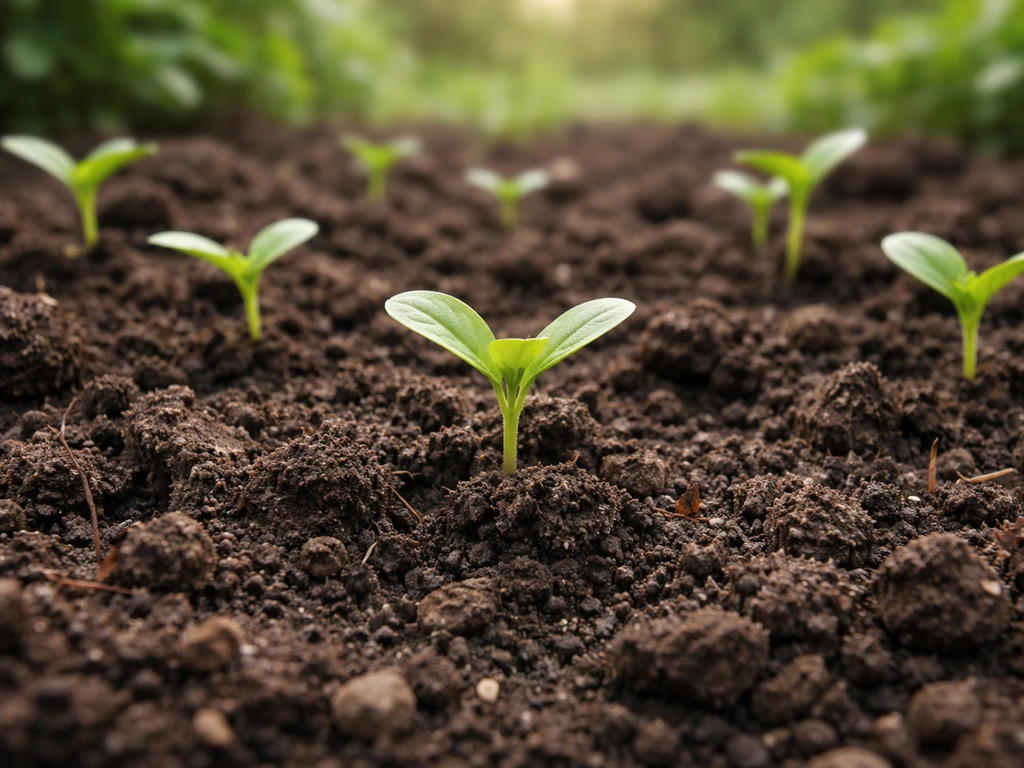
Plants grow fast when no single factor is bottlenecking them. Agronomists call this Liebig's Law of the Minimum: your plant grows only as fast as its most limiting resource allows. Soil is where several of those limits live at once. Poor drainage suffocates roots. Compaction blocks root expansion. Low organic matter starves beneficial microbes. Wrong pH locks up nutrients even when they're physically present. Fix the biggest bottleneck and growth responds visibly, sometimes within days for fast-growing vegetables or annuals.
That said, soil doesn't act alone. Even perfect soil won't make a tomato plant explode if it's sitting in shade or getting watered inconsistently. Light, water, and temperature all have to be adequate for soil improvements to translate into faster visible growth. Do greenhouses make plants grow faster, and if so, how does that interact with soil and other conditions like temperature and light?
Temperature also matters, so while consistently warm, appropriately timed watering can reduce cold stress, hot water alone is not a guaranteed way to help plants grow hot water helps plants grow. A common question is whether do heat mats help plants grow, and the answer depends largely on temperature being the limiting factor.
This is worth keeping in mind before you spend money on amendments: if your plant is struggling because of low light or cold temperatures, fixing the soil won't save it. If your plant is struggling because of low light or cold temperatures, it can help to compare this with how do greenhouses help plants grow by creating a more controlled microclimate. When those other factors are roughly right, though, soil quality becomes the primary throttle on growth rate.
The soil properties that actually speed up plant growth
Understanding what makes soil "fast" means looking at several properties together, not just one. Here's how each one affects growth rate in practical terms.
Texture and structure
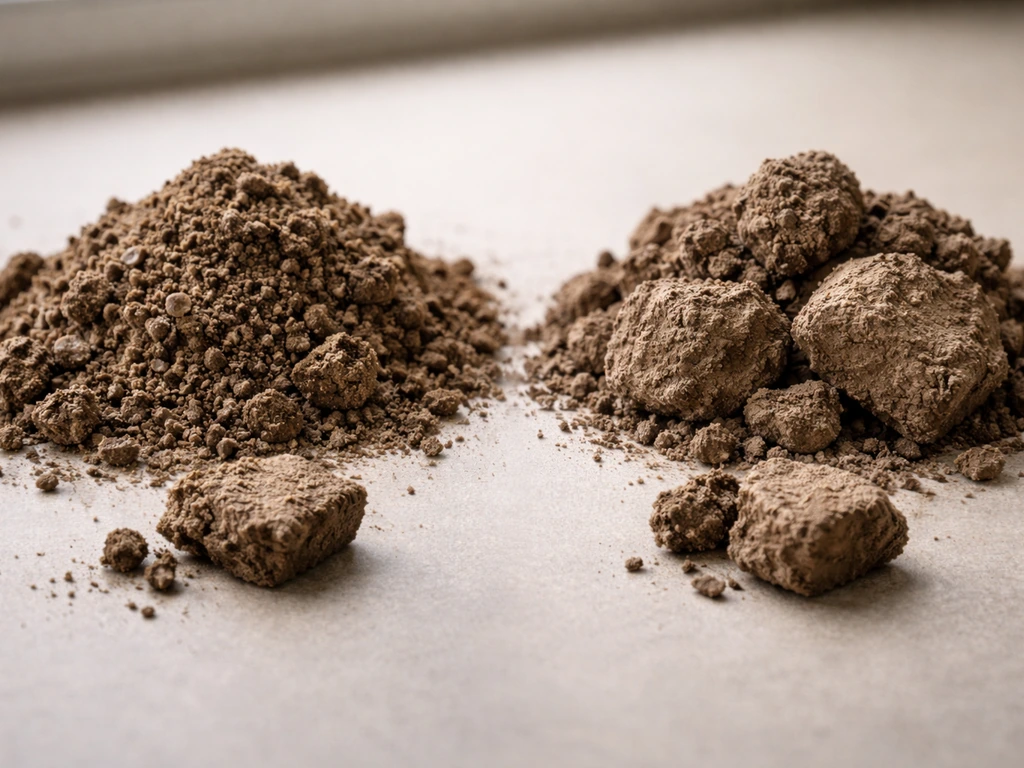
Texture refers to the ratio of sand, silt, and clay particles in your soil. Structure refers to how those particles clump together into aggregates. Loam (roughly 40% sand, 40% silt, 20% clay) hits the sweet spot for most plants because it holds moisture without becoming waterlogged and stays loose enough for roots to penetrate easily. Well-structured soil has pore spaces of different sizes: large pores for drainage and air, small pores for holding water between waterings. Roots follow the path of least resistance, and loose, well-structured soil lets them expand fast, anchoring the plant and pulling in more resources.
Drainage and aeration
This is the one that kills plants most often, and it's underappreciated. UC IPM research is blunt about it: oxygen deficiency in the root zone, whether from waterlogging, compaction, heavy clay, or an overly small container, can asphyxiate roots and become life-threatening for plants. The International Society for Horticultural Science backs this up, noting that oxygen deficiency slows root growth and activity regardless of whether other nutrients are present. Roots need oxygen to respire and absorb water and nutrients actively. A soil that drains well and holds adequate air between waterings gives roots what they need to stay metabolically active and growing.
Water-holding capacity
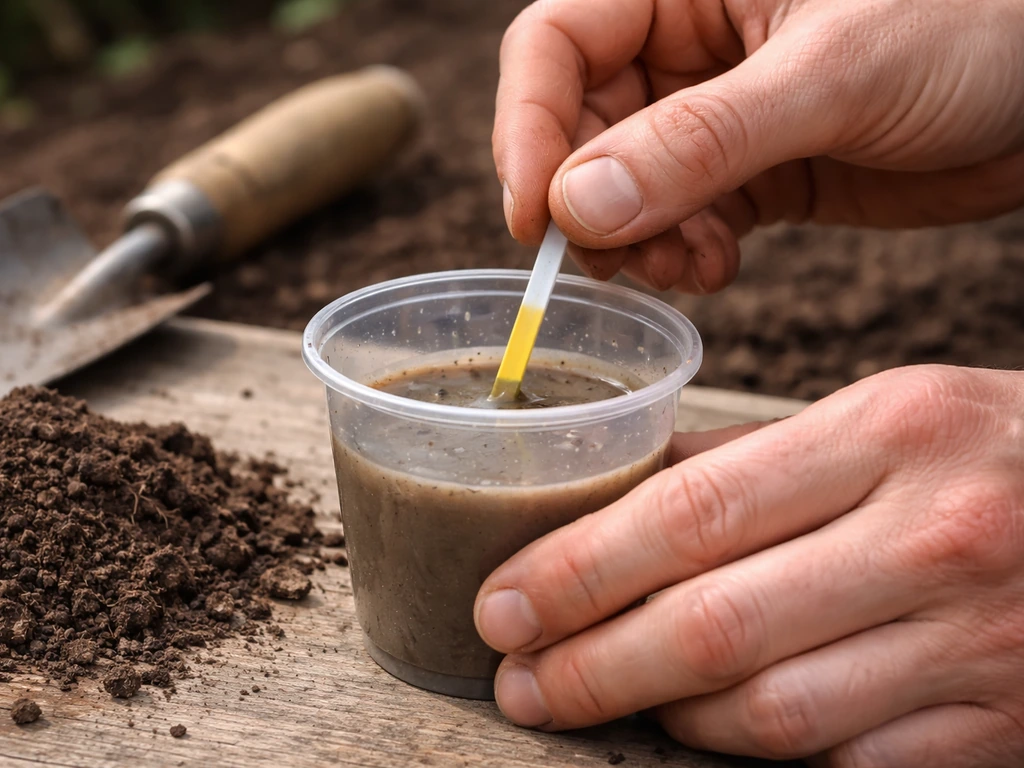
This is the flip side of drainage: you want soil that drains excess water quickly but still holds enough moisture between waterings that roots aren't constantly stressed. Organic matter is the main driver of good water retention in sandy soils. It acts like a sponge, holding water in pore spaces where roots can access it without the soil becoming soggy.
Nutrient availability and pH
Soil pH controls whether nutrients are chemically available for root uptake, regardless of whether they're actually present in the soil. Most vegetables and ornamentals grow fastest at a pH of 6.0 to 7.0, where nitrogen, phosphorus, potassium, and most micronutrients are all soluble and accessible. Below pH 5.5, aluminum and manganese become toxic. Above pH 7.5, iron and manganese become locked up, causing yellowing even in otherwise healthy soil. NRCS soil health assessments specifically flag pH and nitrate levels as chemical indicators tied directly to plant growth thresholds.
Organic matter and microbial activity
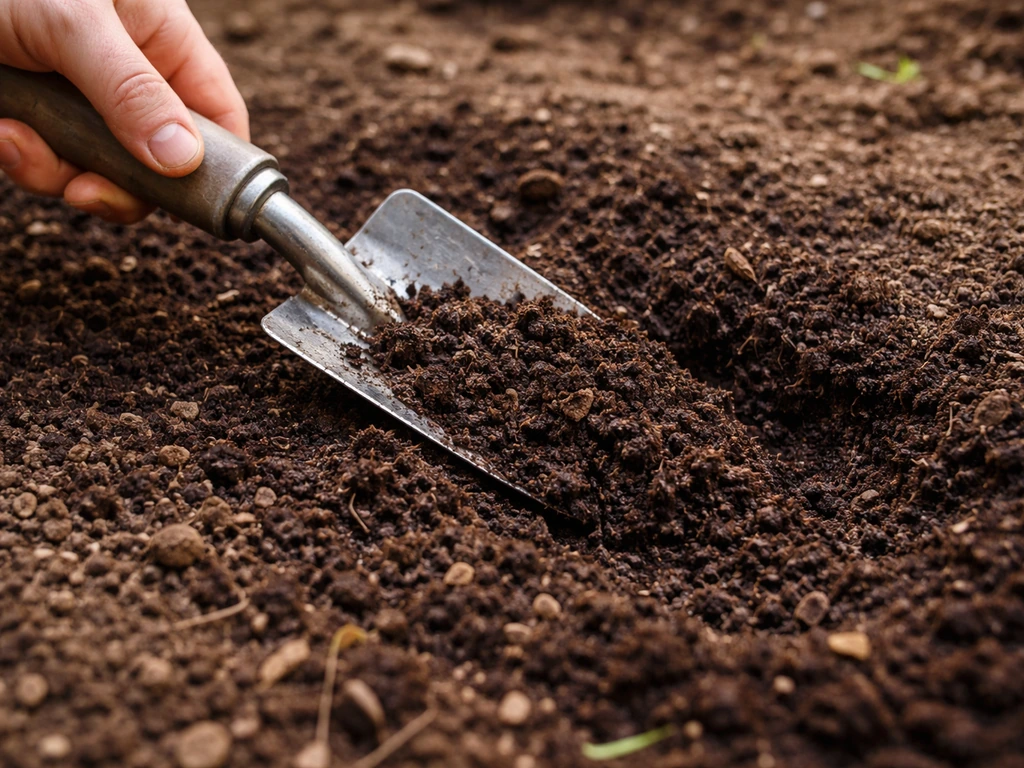
Organic matter does at least three things that speed growth: it feeds soil microbes that break down nutrients into plant-available forms, it improves soil structure and porosity, and it helps buffer pH. blank" rel="noopener noreferrer">University of Minnesota Extension research confirms that increasing organic matter maintains soil porosity, which is critical because the most beneficial soil processes are aerobic and require oxygen to function. Penn State Extension adds important nuance here: blank" rel="noopener noreferrer">the rate at which organic matter releases nutrients (mineralization) is affected by soil temperature, moisture, light, tillage depth, and microbial populations. This means a soil rich in organic matter performs better in warm, moist, well-aerated conditions, which is exactly what good soil structure provides.
How to figure out what your soil is actually like today
You don't need a lab to get useful soil information fast. These simple tests take less than an hour and tell you a lot.
- Drainage test: Dig a hole about 12 inches deep and 12 inches wide. Fill it with water and let it drain completely. Refill it and time how long the second fill takes to drain. Well-drained soil drains at 1 to 3 inches per hour. Under 0.5 inches per hour means poor drainage (likely clay or compaction). Over 4 inches per hour means very fast drainage (sandy soil that won't hold nutrients or moisture well).
- Hand texture test: Take a small handful of moist soil and squeeze it. Sandy soil feels gritty, falls apart immediately when you open your hand, and doesn't form a ribbon when you press it between thumb and forefinger. Clay soil feels smooth and plastic, holds its shape firmly, and forms a long ribbon (over 2 inches). Loam falls in between: it holds its shape briefly but breaks apart with a little pressure and forms only a short ribbon.
- pH test: Pick up an inexpensive pH test kit or meter from any garden center (under $15 for strips, $20-40 for a decent meter). Test a few spots in your garden bed. If you're consistently below 6.0, you'll want to lime. Above 7.5 and you'll want to acidify. Most vegetable gardens and flower beds want to be in the 6.0 to 7.0 range.
- Compaction check: Push a screwdriver or pencil into moist soil with moderate hand pressure. It should penetrate at least 6 inches without needing to force it. If you can't get past 3 inches, compaction is limiting root depth and growth.
- Organic matter visual: Good topsoil with adequate organic matter should be dark brown, crumbly, and smell earthy. Pale, powdery, or grayish soil usually has low organic matter. Bonus: dig down 6 inches and count earthworms in your handful of soil. Five or more worms per cubic foot is a healthy sign. Fewer than two suggests depleted biological activity.
What to add to make your soil better, fast
Start with compost, every time
If there's one amendment that improves almost every soil problem, it's well-decomposed compost. Adding 2 to 4 inches of compost worked into the top 6 to 8 inches of soil improves drainage in clay, improves water retention in sand, adds organic matter, feeds microbes, and gently buffers pH. This is the closest thing to a universal soil upgrade. Fresh manure or uncomposted wood chips don't count here: they can tie up nitrogen temporarily or introduce pathogens. Use aged compost that's dark, crumbly, and smells like earth.
Amendments by soil type
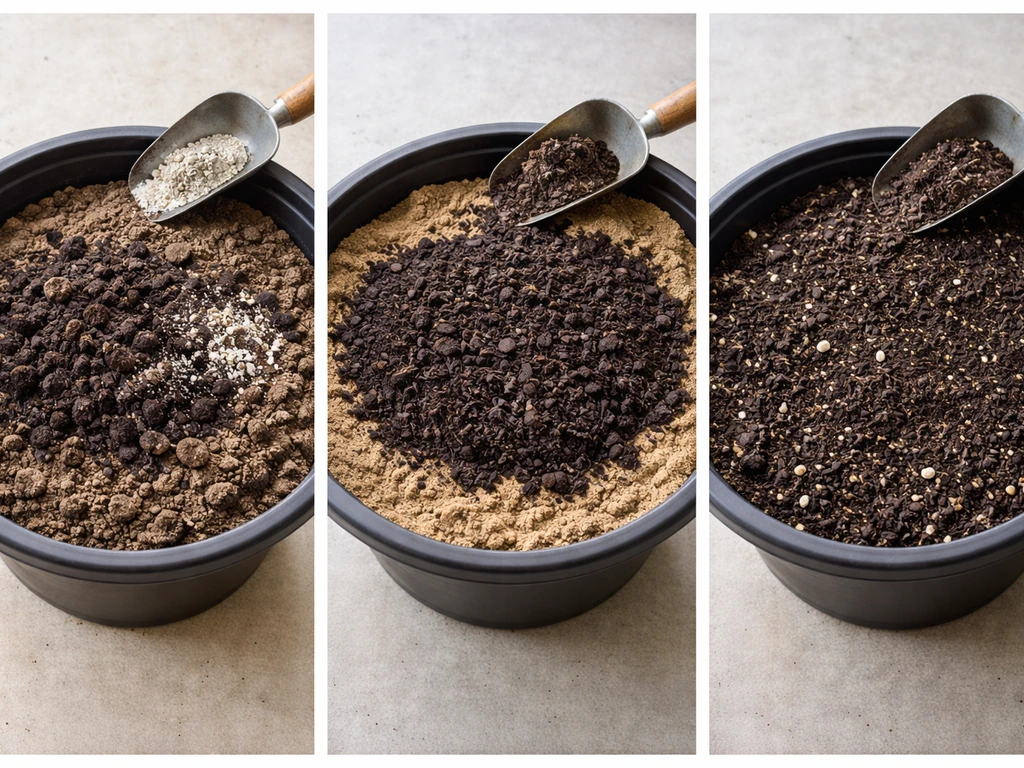
| Soil Problem | What to Add | What to Avoid |
|---|---|---|
| Heavy clay (poor drainage, compaction) | Compost (2-4 inches worked in), aged bark fines, gypsum for structure | Pure sand alone (can worsen concrete-like texture without enough organic matter) |
| Sandy soil (drains too fast, low nutrients) | Compost, aged manure, coco coir to boost water retention | Peat moss in large quantities (acidifies over time and is slow to rehydrate) |
| Compacted soil (in-ground) | Aerate mechanically or with a garden fork, then top-dress with compost | Rototilling when wet (worsens compaction and destroys structure) |
| Low organic matter (pale, depleted) | Compost, worm castings, cover crops (if planning ahead) | Synthetic fertilizer alone (feeds plants short-term but doesn't rebuild soil biology) |
| Too acidic (pH below 6.0) | Dolomitic limestone (follow package rates, typically 5-10 lbs per 100 sq ft) | Wood ash in large amounts (can overshoot to alkaline) |
| Too alkaline (pH above 7.5) | Elemental sulfur, acidifying fertilizers, acidic compost like pine bark | Vinegar treatments (temporary effect, can harm microbes at strong concentrations) |
A note on fertilizers: adding a balanced slow-release fertilizer (like a 10-10-10 or an organic granular) at the same time you amend structure and pH is a smart move for a quick growth boost, because nutrients are available as soon as soil conditions allow roots to absorb them. If you want a chemical-based boost, focus on balanced fertilizers and the nutrients your soil is currently missing rather than guessing what chemicals help plants grow faster. But fertilizer without structural improvement is like pouring gas into a clogged engine. Fix structure and pH first, then fertilize for the best payoff.
Choosing the right growing medium for your plant
In-ground vegetables
Vegetables are fast-growing, heavy feeders that want rich, loose, well-drained soil with lots of organic matter. A raised bed filled with a mix of 60% topsoil, 30% compost, and 10% coarse perlite or aged bark is genuinely hard to beat for growing vegetables fast. If you're amending existing in-ground soil, aim to get organic matter up to at least 5% of soil composition by volume, which typically means working in 3 to 4 inches of compost. Most vegetables prefer pH 6.0 to 6.8.
In-ground ornamentals and perennials
Ornamentals vary more widely in their preferences. Native perennials often grow better in leaner, less-amended soil that mimics their natural environment. Mediterranean herbs like lavender, rosemary, and thyme actively prefer sandy, low-nutrient conditions and will become leggy and disease-prone in rich, heavily amended beds. Roses and most flowering annuals, on the other hand, want moderately rich, well-drained loam closer to what vegetables prefer. Match the amendment level to the plant, not to an abstract idea of "better soil."
Container plants
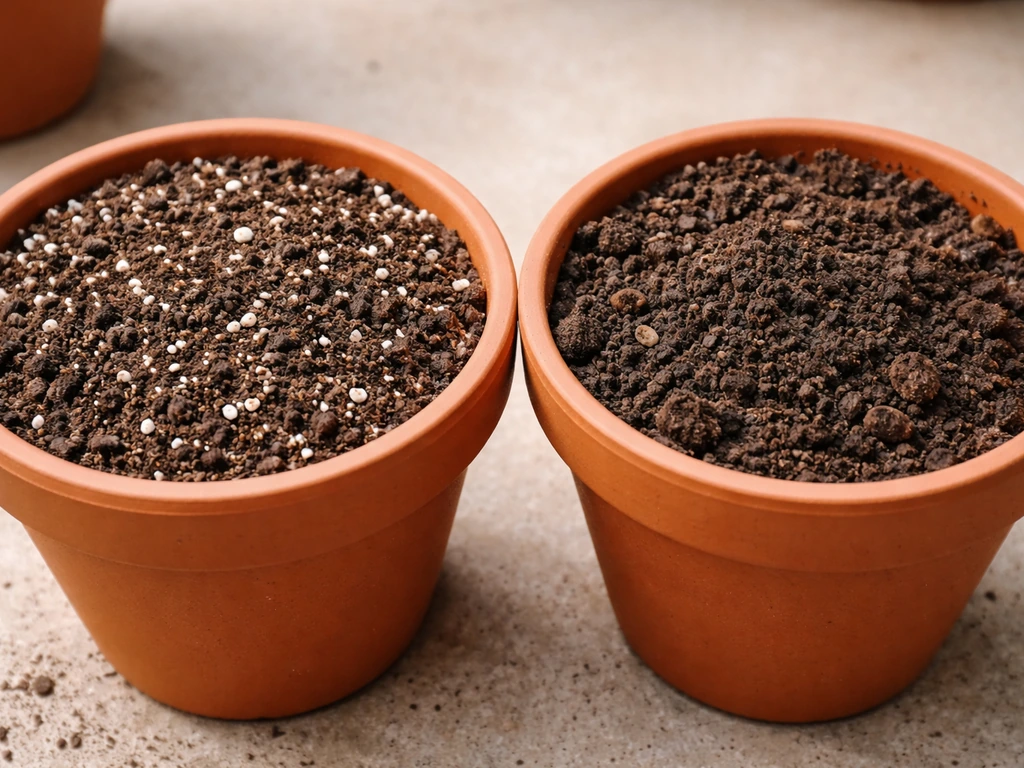
Never use garden soil in containers. It compacts quickly, drains poorly in pots, and suffocates roots within a season. A quality potting mix designed for containers has perlite or bark for aeration, and the pore structure stays functional over time. Container size matters too: ISHS research specifically calls out overly small containers as a cause of oxygen deficiency in the root zone. When a plant looks stunted in a pot despite good watering and fertilizing, repotting into a larger container with fresh mix often produces visibly faster growth within two to three weeks.
Mistakes and myths that are slowing your plants down
A few common errors consistently hold gardeners back, and some of them are so widespread they feel like conventional wisdom.
- Over-fertilizing for faster growth: More fertilizer doesn't mean faster growth. High nitrogen levels without adequate phosphorus and potassium produce lush, weak, pest-prone plants. Excess salts from fertilizer also damage roots directly. Stick to package rates and pair fertilizing with structural soil improvements.
- Adding sand to clay: This one persists because it sounds logical. In reality, adding a small amount of sand to clay soil can create a concrete-like mixture that's worse than the original clay. You'd need to add enough sand to completely change the particle ratio (roughly 50% or more by volume) for it to improve drainage, and at that point you're basically replacing the soil. Add compost instead.
- Thinking nutrients alone drive speed: Gardeners often focus entirely on fertilizer (or, in a related myth, on chemical plant boosters) without addressing structure, drainage, or pH. Nutrients that are physically present in soil but locked up by wrong pH or unavailable because roots can't access waterlogged zones are completely useless to the plant. Structure and pH come first.
- Amending too deeply too fast: Working amendments deeply into undisturbed subsoil can disrupt beneficial soil layers and bury organic matter where aerobic decomposition is limited. Work compost and amendments into the top 6 to 8 inches, which is where most root activity happens for annuals and vegetables.
- Ignoring the container size: A plant that's root-bound in a small pot is physically constrained from growing faster regardless of how good the soil mix is. Pot up one size when you see roots circling the drainage holes or emerging from the bottom.
Your practical soil improvement plan and what to watch next
Here's how to put this into action depending on where your soil is starting from. Most of these improvements can be made this weekend.
- Run your drainage, texture, and pH tests today. You need these results before buying any amendments. A $10 pH test kit and 30 minutes of observation will save you from spending money on the wrong fix.
- Address the biggest bottleneck first. Compaction and drainage problems come before nutrient additions. If your drainage test shows water sitting for hours, no amount of fertilizer is going to help until you fix aeration. Aerating and adding compost is the first step.
- Work in compost regardless of soil type. Two to four inches incorporated into the top 6 to 8 inches is a safe starting move for almost any in-ground bed. It's hard to over-apply well-finished compost.
- Adjust pH if needed before fertilizing. Lime takes 2 to 3 months to fully change soil pH, but you'll start seeing benefits sooner. Sulfur-based acidifiers work a bit faster. Apply, then retest in 6 to 8 weeks.
- Add a balanced slow-release fertilizer after structural work is done. Organic granular fertilizers (like a 5-4-3 or similar) release nutrients gradually and work well with the microbial activity you're building.
- For containers, repot into the next size up with fresh potting mix if the plant has been in the same pot for more than a year or is visibly root-bound.
What to monitor to confirm your plants are responding
Growth response to soil improvement is usually visible within two to four weeks for fast-growing plants like tomatoes, lettuce, or annuals. Slower-growing shrubs or perennials may take a full season to show obvious differences.
Watch for these signals that your changes are working: new leaf production picking up pace, leaves holding a consistent healthy green color without yellowing or unusual spots, consistent soil moisture (not drying out within a day in mild weather, not staying soggy for more than a day after watering), and visible root health if you ever unpot a container plant (white tips, not brown or mushy).
If growth is still stalling after 3 to 4 weeks despite soil improvements, revisit light, watering frequency, and temperature as the next variables. Soil matters enormously, but it works together with the other conditions your plants are growing in.
Faster plant growth from better soil is real and achievable. It just requires diagnosing your specific situation rather than reaching for a one-size-fits-all bag of something at the garden center. If you are wondering whether do GMOs make plants grow faster, the bigger story is that growing conditions like soil, light, water, and temperature often matter more than plant genetics alone. Fix structure and drainage, feed your soil biology with organic matter, get pH right, and then give nutrients. Greenhouses help plants grow by creating a controlled microclimate that supports the same soil conditions you are working to improve how do greenhouses help plants grow. That sequence, in that order, is what consistently produces faster-growing, healthier plants.
FAQ
Can I make plants grow faster by using only fertilizer, without changing the soil?
Usually not. If the soil has poor aeration, the wrong pH, or low organic matter, roots cannot access nutrients efficiently. In that case fertilizer can do little or even worsen stress, so fix drainage/compaction and pH first, then add a balanced slow-release feed to support the improved root zone.
What soil pH test should I trust, home kit or lab results?
Home kits are useful for screening, especially if they show you are outside the 6.0 to 7.0 range. If your results are borderline or surprising, confirm with a lab test before making big changes like adding lime or sulfur, because correcting pH too aggressively can temporarily disrupt nutrient availability.
How do I know whether my problem is drainage or watering frequency?
Do a simple drainage check: after watering, see how long it stays wet. If the soil remains soggy for more than a day, drainage is likely the limiting factor. If it dries quickly in mild weather, the issue is more often water retention, organic matter, or root damage, not drainage alone.
Is adding compost safe, or can it slow plants down at first?
Compost is generally safe when it is well-decomposed, dark, and crumbly. If you use fresh manure or uncomposted material, nitrogen can be tied up or pathogens can be introduced, which can stall growth. Apply compost as described (worked into the top layer) and avoid heavy applications all at once.
How much compost is enough for faster growth without making soil too rich?
For in-ground beds, many fast-growing vegetables respond well to raising organic matter with about 3 to 4 inches of compost worked in, aiming for roughly 5% organic matter by volume. Going much higher can be counterproductive for some plants (like Mediterranean herbs) that prefer leaner conditions, so match amendment level to the crop.
Should I aerate compacted soil before adding amendments?
Often yes. If the main bottleneck is compaction, amendments alone may not open pore space enough for oxygen. Lightly loosening and then incorporating compost can restore airflow, improve root penetration, and speed up visible growth, especially in clay or walk-on areas.
Does soil temperature affect how fast my amended soil helps plants?
Yes. Even with great soil, microbial activity and nutrient availability often increase in warm, consistently moist, well-aerated conditions. If you add compost or adjust pH while the soil is cold, you may not see quick gains until temperatures rise, so timing matters for fast response.
Are raised beds always better for faster plant growth?
They are often better because they improve drainage and you control the mix, but they are not automatically optimal. The main win is root-zone conditions: loose structure, good aeration, and correct pH. If your raised bed mix is too dense or container-like compaction happens, growth will still stall.
What container mistakes most often prevent faster growth even with good soil?
Two big ones are using garden soil in pots (it compacts and drains poorly) and choosing containers that are too small, which increases the risk of oxygen deficiency. If plants stay stunted after you have provided adequate light and feeding, repot into a larger container with fresh aerating potting mix.
Will my plants grow faster immediately after I amend soil?
Not always immediately. Fast-growing annuals often show changes within two to four weeks, but the timing depends on whether the limiting factor is chemical (pH), physical (drainage and compaction), or biological (microbial activity). If nothing improves after 3 to 4 weeks, reassess light, watering consistency, and temperature as possible bottlenecks.
Should I adjust pH before or after adding compost and fertilizer?
A practical approach is to test first, then amend for structure and organic matter, while correcting pH based on results. Fertilizer is best added after the soil is moving toward the right pH and aeration, so nutrients are not locked up. Adding fertilizer while pH is far off can increase waste and delay the growth response.
Next Articles
Does Hot Water Help Plants Grow Faster? Practical Guide
Find out if hot water helps plants grow faster, learn safe warm water ranges, and get step-by-step tips to avoid root sh
How Do Greenhouses Help Plants Grow: The Real Mechanisms
Learn how greenhouses boost growth by regulating light, temperature, humidity, airflow, and pests for faster, less-stres
What Chemicals Help Plants Grow Faster Safely
Learn which nutrients and safe plant growth regulators speed growth, avoid overfertilizing, and match inputs to stages.