Yes, peeing on plants can genuinely help them grow, but only under the right conditions. Human urine contains real plant nutrients, primarily nitrogen, and when diluted correctly and applied to the soil (not the leaves), it can act as a mild liquid fertilizer. The catch is that undiluted urine, frequent application, or using it on the wrong plants can cause salt burn, nutrient overload, and root damage. So the answer isn't a flat yes or no. It's: yes, if you use it right.
Does Peeing on Plants Help Them Grow? Myth vs Reality

Marcus Holloway
25 Apr 2026
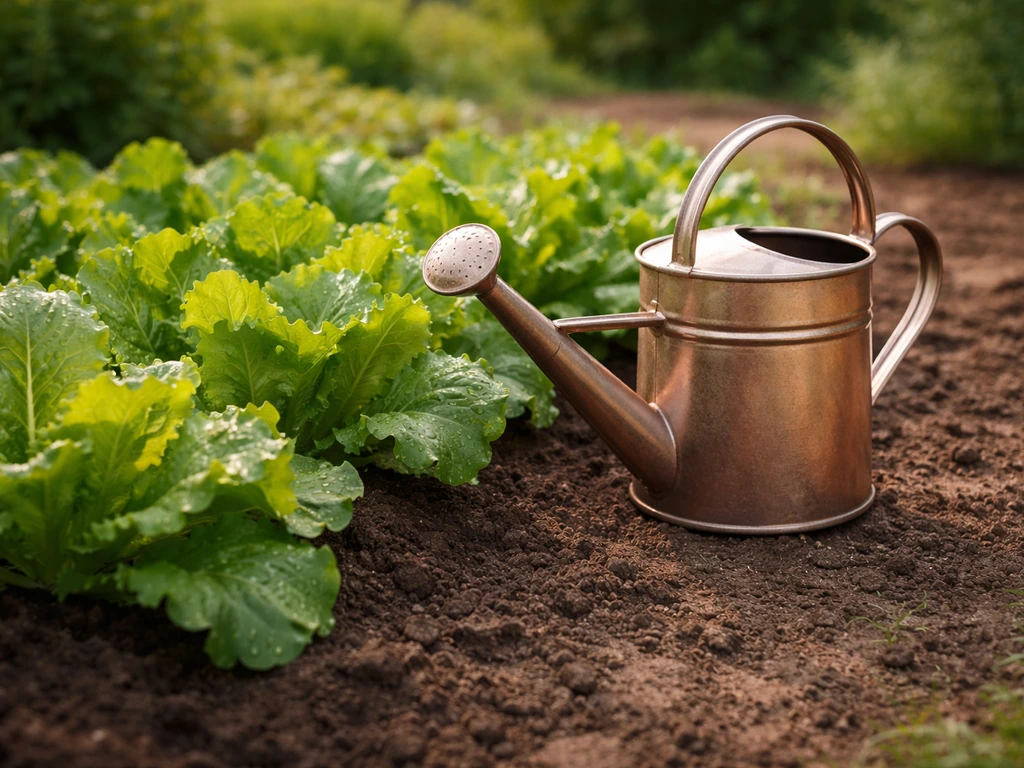
Does urine actually fertilize plants
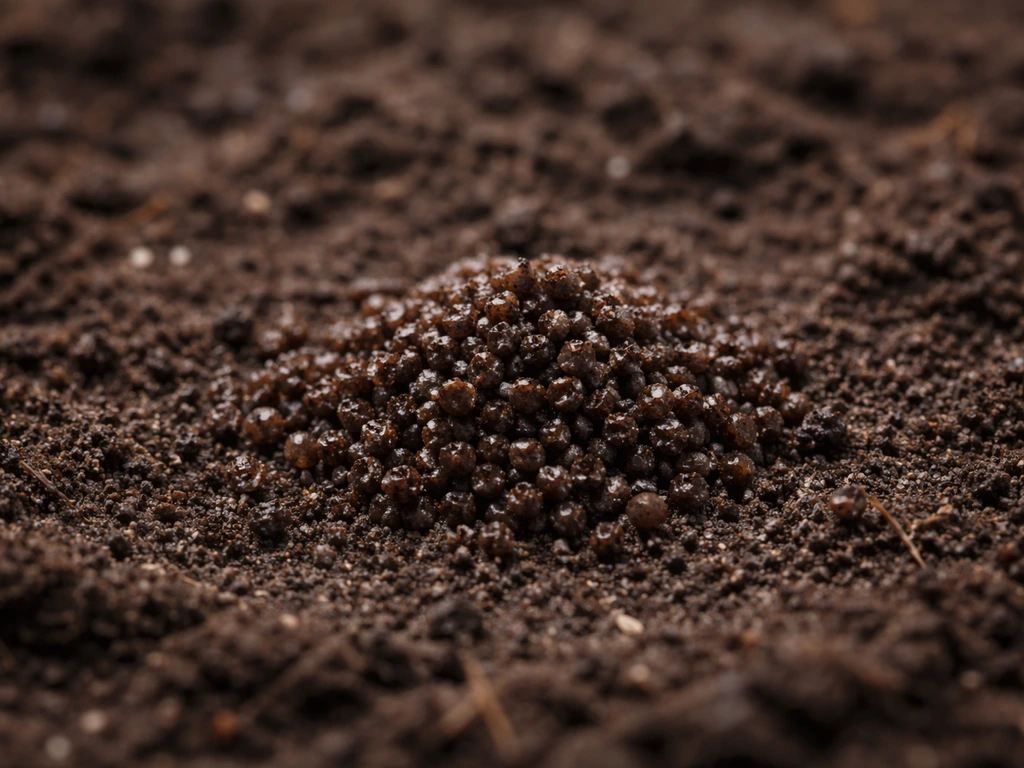
Urine is about 95% water, but the remaining 5% contains compounds that plants genuinely need. The main one is urea, which breaks down into ammonium and then nitrate in the soil. Nitrate is one of the most important nitrogen forms plants absorb through their roots. Nitrogen drives leafy green growth, chlorophyll production, and overall vigor. Because plants use nitrogen to build chlorophyll and new leafy growth, the extra nitrogen from urine can help a plant grow how does water help a plant grow. So the core fertilizer claim holds up: urine does contain a real, usable nitrogen source.
Research has confirmed that urine-derived fertilizers can produce measurable growth responses in plants. Studies on liquid fertilizers processed from urine have shown results comparable to conventional nitrogen inputs. In a comprehensive field study, urine-derived bio-based fertilizers showed crop yield effects comparable to conventional NPK inputs, while also noting sodium chloride as a potential risk when salts build up after repeated applications urine-derived fertilizers can produce growth responses comparable to conventional nitrogen inputs. That's not the same as walking outside and relieving yourself on a tomato plant, but it does confirm the underlying chemistry isn't just folklore. The nitrogen is real. Whether it helps or harms your specific plants comes down to how you apply it.
What's in urine: nitrogen vs salts (and why that matters)
The nutrient profile of urine is worth understanding before you use it, because it's not just nitrogen in there. Fresh human urine typically contains urea (the nitrogen source), potassium, phosphorus in smaller amounts, and salts, particularly sodium chloride. That last part is the problem. Sodium doesn't help plants and at elevated concentrations it actively damages them by interfering with how roots absorb water.
The electrical conductivity (EC) of undiluted urine is high, largely because of the sodium chloride and uric acid content. High EC in the root zone creates osmotic stress, meaning water is pulled away from roots rather than into them. This is the same mechanism that makes seawater toxic to most plants. Regular application of undiluted urine builds up salt in the soil over time, and that accumulation is harder to reverse than it is to prevent.
The nitrogen-to-salt ratio is what determines whether urine is a net benefit. When diluted, you preserve useful nitrogen while reducing salt concentration to a level plants can tolerate. That's why dilution isn't optional. It's the core technique that separates helpful urine application from damaging it.
When it helps vs when it harms
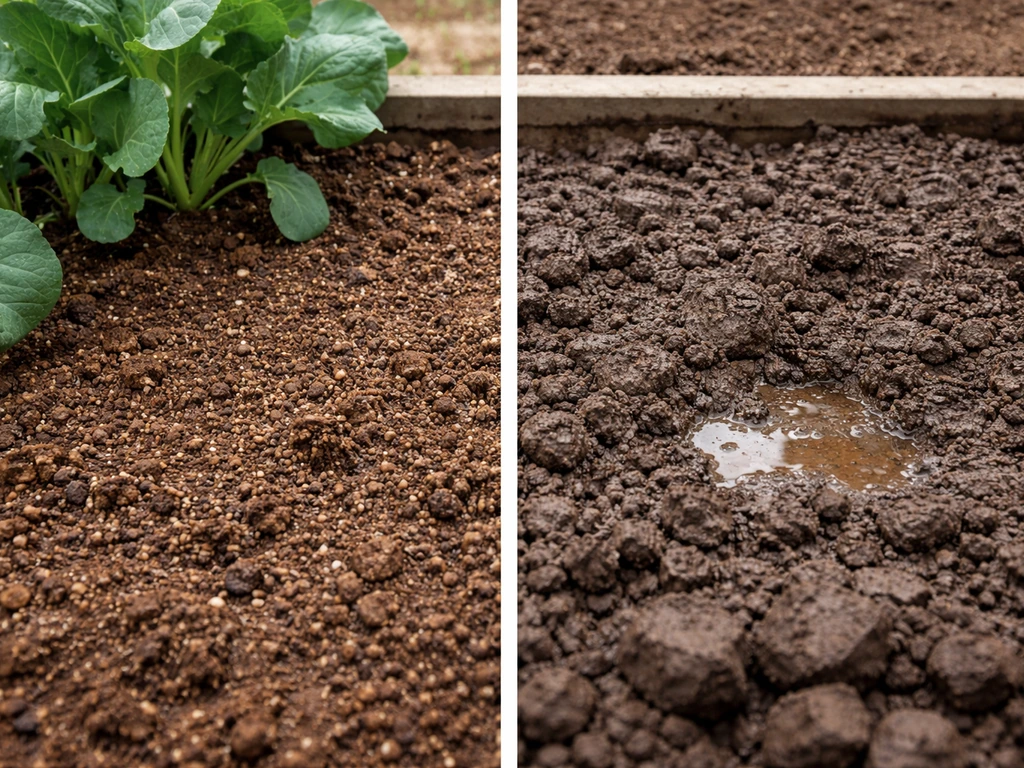
Urine is most useful on nitrogen-hungry plants in nutrient-poor, well-draining soil. Think heavy feeders like corn, squash, leafy brassicas, or established trees and shrubs. These plants need consistent nitrogen, and their root systems are large enough to absorb diluted urine without concentrated exposure. Sandy soils with low organic matter benefit most because they hold fewer nutrients to begin with and salts flush through more easily.
It does the most harm in compacted or clay-heavy soils where salt accumulates rather than draining through. Container plants are especially vulnerable because there's nowhere for salt to go. Plants that are already drought-stressed are a bad target, since their root membranes are already under osmotic pressure. Acid-loving plants like blueberries, azaleas, and rhododendrons are sensitive to sodium and pH disruption, so avoid them entirely. Seedlings and young transplants are too vulnerable to concentrated inputs of any kind.
| Situation | Use urine? | Notes |
|---|---|---|
| Nitrogen-hungry heavy feeders (corn, squash, brassicas) | Yes, diluted | Apply to soil, not leaves. Dilute 10:1 or more. |
| Established trees or shrubs | Yes, diluted | Apply away from trunk, water in well |
| Container plants | Avoid | Salt has nowhere to drain, accumulation risk is high |
| Drought-stressed plants | No | Osmotic stress compounds the existing water deficit |
| Acid-loving plants (blueberries, azaleas) | No | Sodium and pH effects can damage these plants |
| Seedlings and young transplants | No | Too sensitive to any salt or nutrient overload |
| Sandy, nutrient-poor soil | Yes, with caution | Drains well, lower salt accumulation risk |
| Clay or compacted soil | Avoid | Poor drainage increases salt buildup |
How to apply safely: amounts, dilution, and where to apply
The standard dilution recommendation for applying urine to garden plants is a 10:1 ratio of water to urine. That's 10 parts water to 1 part urine, which brings the EC down to a plant-safe range while still delivering usable nitrogen. Some gardeners go as high as 20:1 for sensitive plants or during hot weather when salt stress is amplified. Never apply undiluted urine directly to plants or soil you care about.
Always apply to the soil, not the foliage. Urine on leaves can cause scorch through direct salt and urea contact, and it creates hygiene and contamination concerns. Apply at the base of the plant and try to avoid the immediate crown or stem. If you're applying to a larger plant like a fruit tree, pour it a foot or more away from the trunk so it reaches the outer root zone rather than concentrating at the base.
Frequency matters. Once every two to three weeks during active growing season is a reasonable interval for most plants. More frequent application doesn't give sodium time to flush out between waterings and accelerates salt buildup. After each application, water the area thoroughly. That extra water helps push salts deeper into the soil profile, away from the active root zone.
- Collect urine in a clean container and dilute immediately: 10 parts water to 1 part urine (or 20:1 for smaller or more sensitive plants)
- Apply only to the soil surface around the plant, keeping it away from stems, crowns, and foliage
- Water the application area well afterward to help flush salts downward
- Limit applications to once every 2 to 3 weeks during the growing season
- Skip any application if the plant is wilted, drought-stressed, or showing existing leaf burn
- If you notice yellowing or crispy leaf edges after an application, flush the soil deeply with plain water and stop applying for at least a month
Edible plants, safety, and harvest timing
This is the part most people want a straight answer on: is it safe to use urine on vegetables you're going to eat? The honest answer is that healthy human urine is considered sterile when it leaves the body, and the pathogen risk from urine is significantly lower than from feces. However, there is still a risk of contamination from certain infections, medications in the urine, and the small chance of cross-contamination during collection and application. Health organizations including the WHO have developed frameworks for managing these risks in agricultural settings, and they recommend specific health protection measures and withholding times before harvest.
The WHO's guidelines for safe use of excreta in agriculture include a withholding period of at least one month as a risk-reduction measure. The US EPA provides guidance on agricultural nutrient management and fertilizer application, including concerns about applying certain wastes improperly and the resulting human health and ecological risks EPA guidance on agricultural nutrient management and fertilizer use. For home gardeners, applying that same principle is a reasonable precaution: stop applying urine-based fertilizer at least one month before you harvest edible crops, especially anything where you eat parts that are close to the soil (root vegetables, lettuce, strawberries). For fruiting crops where the edible part is well above the soil (tomatoes, peppers, squash), the contamination risk from soil-applied urine is lower, but the one-month buffer is still a smart habit.
Also avoid applying urine to anything you eat raw without cooking. And if you're on medication, be aware that some compounds in pharmaceuticals pass through urine and can accumulate in soil over time. This is a real concern in larger-scale agricultural systems and worth considering even in a home garden context.
- Stop applying urine to edible crops at least one month before harvest
- Never apply to the edible parts directly (foliage, fruit, or exposed roots)
- Apply only to soil, and water in thoroughly each time
- Avoid using urine on crops you eat raw and close to the soil surface (lettuce, radishes, strawberries)
- If you take regular medications, the risk of pharmaceutical residue in the soil is worth factoring in
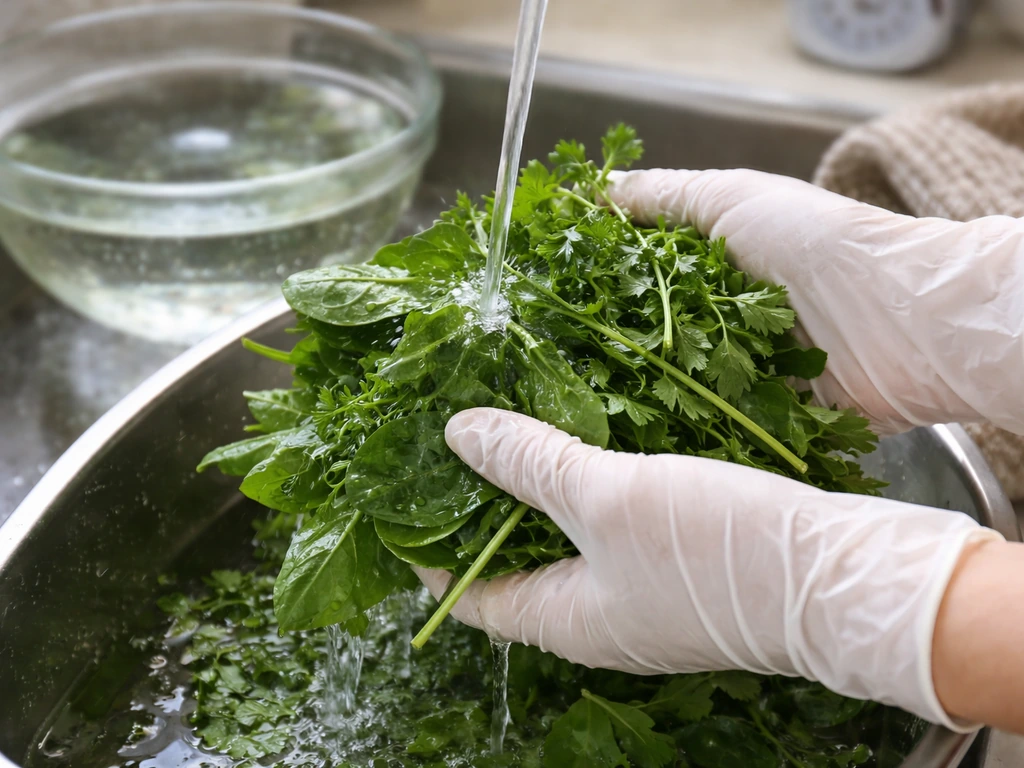
- Wash all harvested produce thoroughly regardless of what fertilizer you used
Better alternatives and how to choose based on your soil needs
Urine is a free, nitrogen-rich input that can genuinely work in the right situations, but it's not the most controllable option available. If you want consistent, predictable results, a balanced liquid fertilizer or a slow-release granular fertilizer gives you known NPK ratios without the salt risk. A product labeled 10-10-10 or a dedicated nitrogen fertilizer like blood meal or feather meal lets you match the input to what your soil actually needs, ideally after a basic soil test.
Compost is the better default for most home gardeners because it improves soil structure, adds a broad range of nutrients slowly, and builds the microbial community that helps plants absorb everything more efficiently. Unlike urine, compost reduces salt concentration in soil rather than adding to it. For plants that need a quick nitrogen boost, a diluted fish emulsion or liquid kelp product is easier to dose precisely and carries no hygiene concerns.
| Option | Nitrogen availability | Salt risk | Hygiene concerns | Best for |
|---|---|---|---|---|
| Diluted urine (10:1) | Medium, fast-release | Moderate if overused | Low to moderate | Established heavy feeders in open soil |
| Compost | Low, slow-release | Very low | None | All garden plants, improving soil structure |
| Blood meal or feather meal | High, controlled dose | Very low | None | Fast nitrogen boost with measurable input |
| Balanced liquid fertilizer | High, fast-release | Low at label rates | None | Any plant when precise dosing matters |
| Fish emulsion | Medium, fast-release | Low | Minor odor | Edibles and container plants |
Before you fertilize with anything, take stock of what your soil actually needs. A basic home soil test kit (available at most garden centers for under $20) will tell you your current nitrogen, phosphorus, potassium, and pH levels. If your nitrogen is already adequate, adding more through urine or any other source will stress plants rather than help them. If nitrogen is genuinely deficient, urine can bridge the gap, but so can half a dozen other options that are easier to control and carry less risk on edible crops. The best fertilizer is always the one matched to what your specific soil and plant actually need right now, not whatever is most convenient.
If you've been curious about other unconventional liquid inputs, the same logic applies. Things like banana water, rainwater, and milk have all been tested in similar ways. Rainwater can help plants grow too, mainly by acting as a gentle water source and delivering whatever nutrients are naturally present. Milk can also be used as a nutrient source in small amounts, but it may not help plants grow the way properly balanced fertilizers do. They each have real chemistry behind them, and whether they help or hurt depends on the same factors: concentration, frequency, soil type, and plant needs. Urine isn't uniquely good or uniquely risky. It's just one nitrogen source among many, and the more you understand what's actually in it, the better you can decide whether it earns a spot in your garden routine.
FAQ
If I accidentally pee on a plant, will it harm it?
If you pee on the ground near the plant, the benefit depends on how much dilution and flushing happens afterward. A single accidental splash is usually far less concentrated than a planned application, but repeated exposure in a small spot can still raise salt and burn roots, especially in containers or clay-heavy soil.
Can you use diluted urine in hydroponics or water culture?
Yes, but only in the same “dilute, soil-only, not foliage” way. For hydroponics there is no soil buffering, so salts build up quickly and can damage roots fast. If you try it at all, you would need a very dilute, monitored approach and ideally EC testing, because hydro systems are less forgiving than garden beds.
What should I change if I live in a hot, dry climate?
Best practice is to measure dilution consistently, then apply in a band to wet the root zone. If you cannot control timing, use less often (for example once every three weeks) and always water thoroughly after. In hot weather, salt stress intensifies, so consider a higher dilution like 20:1 rather than using the standard 10:1.
Is it okay to use urine fertilizer on seedlings and transplants?
Generally, avoid seedlings, newly rooted cuttings, and recently transplanted plants, because their roots are smaller and more sensitive to osmotic stress. If you decide to use urine anyway, treat it as an emergency nitrogen bridge, use the highest dilution you can manage (closer to 20:1), and keep the application away from the stem base.
Does peeing on plants replace all fertilizer needs?
No, urine is most useful as a nitrogen input, not a full fertilizer. If a soil test shows low phosphorus or potassium, urine will not correct those deficiencies. That can lead to “green growth” without strong fruiting or flowering, so you may need a separate amendment or a complete fertilizer.
When during the year should I avoid using urine on plants?
Use on actively growing plants that can take up nitrogen, and avoid it when growth is slowed by cold, drought, or dormancy. Applying during dormancy can still add salts and urea breakdown products without giving the plant a chance to utilize nitrogen.
How long before harvest should I stop using urine on vegetables?
For edible crops, timing matters more than the ingredient. Even if risk is lower than feces, stopping urine-based feeding about one month before harvest reduces contamination concerns, especially for leafy greens and any produce that touches the soil or is harvested close to the ground.
How can I tell if my plants actually need nitrogen before using urine?
Yes, if you are using urine because you think nitrogen is low, verify with a soil test if possible or observe the plant response carefully. Symptoms like pale, older leaves can indicate nitrogen deficiency, but yellowing can also come from other issues like overwatering or iron deficiency, and urine will not fix those.
What are signs urine is harming my plants, and what should I do?
If you notice leaf tip burn, wilting despite adequate watering, or crusting/salt residue on container soil, stop using urine immediately. Flush the container thoroughly with plain water, improve drainage, and consider repotting or replacing some topsoil if symptoms persist, because salt accumulation can remain in the root zone.
What are the biggest mistakes people make when using urine in the garden?
The most common mistake is applying it undiluted, too frequently, or directly onto leaves. Another frequent issue is placing it right at the crown or trunk, which concentrates salts where roots are most sensitive. Keep to diluted soil application to the root area, and water after each use.
Next Articles
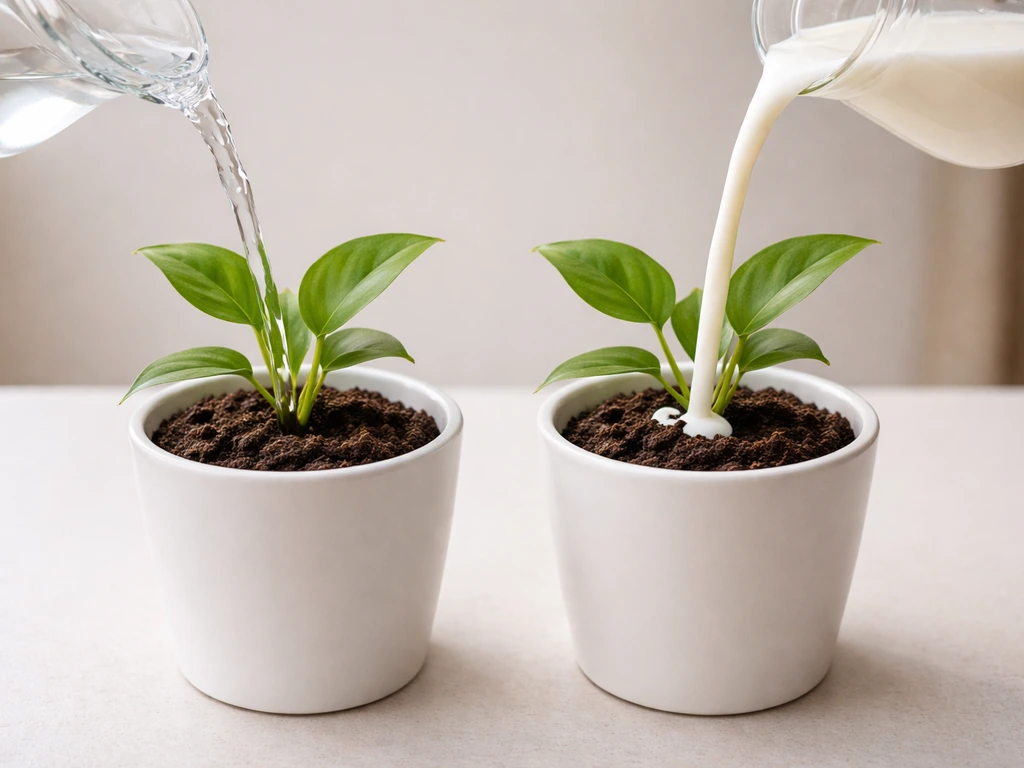
Does Milk Help Plants Grow Faster Than Water? What Science Says
Does milk help plants grow or speed growth vs water? Science, mechanisms, safety risks, and better alternatives.
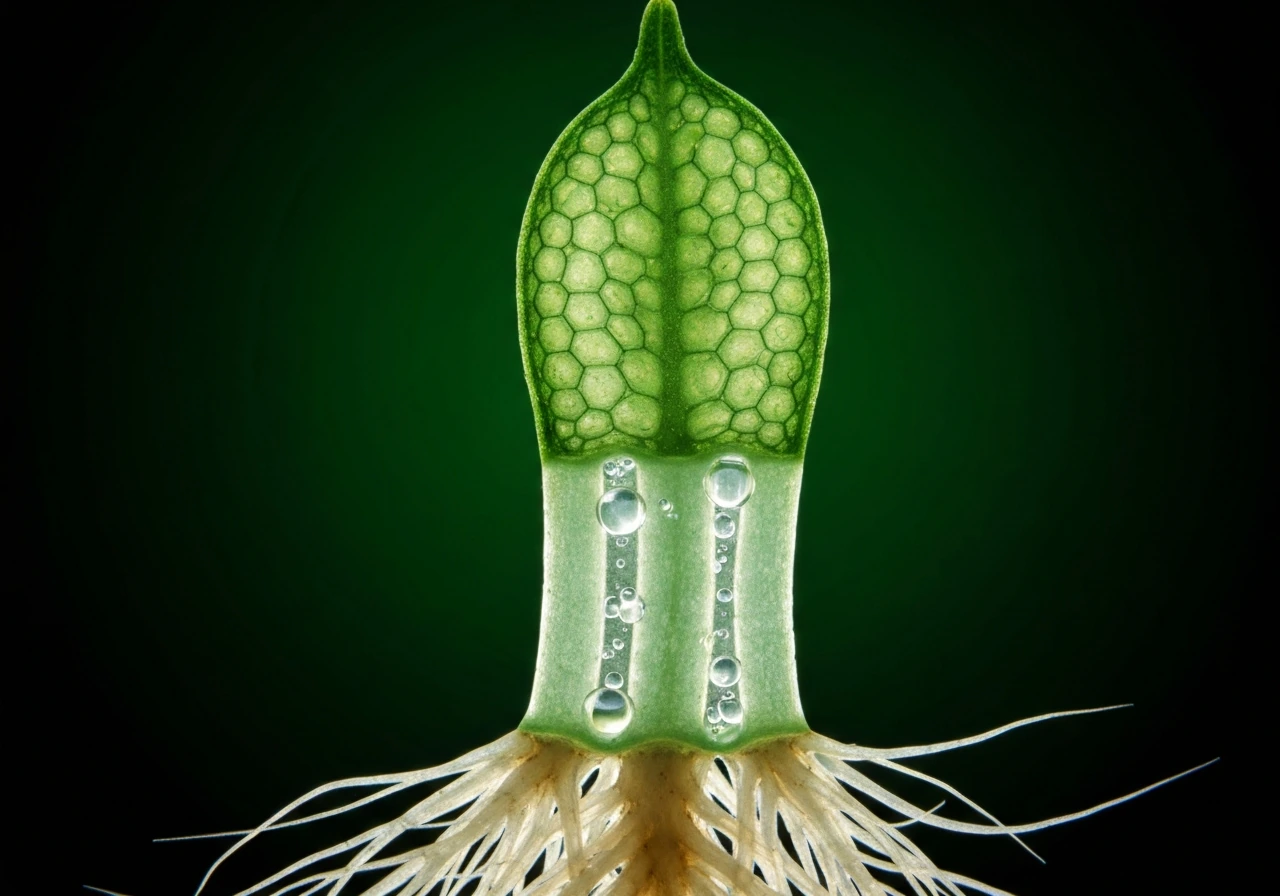
How Does Water Help a Plant Grow? Science and Watering Tips
Learn how water drives photosynthesis, transports nutrients, and keeps cells turgid, plus watering tips, myths, and fixe
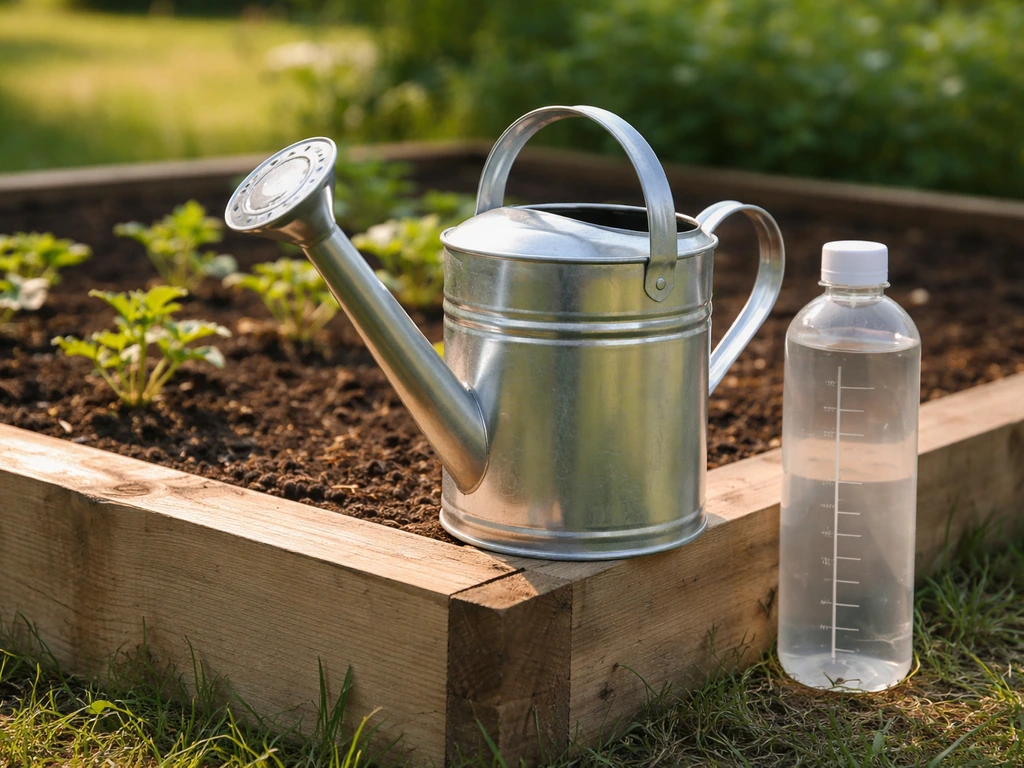
Can Urine Help Plants Grow? Safe How-To and Limits
Can urine help plants grow? Learn safe dilution, soil-only steps, risks, and how it compares to light, watering, and fer