Water is the single most important input you can give a plant, and most gardeners still get it wrong. Not because they don't care, but because the advice floating around is vague or flat-out backwards. So let's get into what water actually does inside a plant, what's in the water that matters, and how to water in a way that genuinely helps your plants grow instead of slowly stressing them out.
How Does Water Help a Plant Grow? Science and Watering Tips

Marcus Holloway
18 Apr 2026
How water supports plant growth (the big picture)
Plants are mostly water. Depending on the species and conditions, they're anywhere from 80 to 95% water by weight. That's not a coincidence. Water is the medium for nearly every biological process that happens inside a plant. It keeps cells inflated and structurally rigid (that's called turgor pressure), it carries dissolved nutrients from the soil into the roots and up through the plant, it participates directly in photosynthesis, and it cools the plant through evaporation at the leaf surface.
When any of those functions get compromised because the plant doesn't have enough water, growth slows or stops. When a plant has too much water in the wrong place (like waterlogged soil drowning roots), oxygen gets cut off and the plant can actually die faster than it would from drought. So 'more water' is not always better. It's about the right amount, in the right place, at the right time.
What water does inside the plant: photosynthesis, nutrients, and transport
Here's where it gets genuinely interesting. Most people know plants need water to survive, but the specific mechanisms explain a lot about why watering habits matter so much.
Turgor pressure and stomatal control
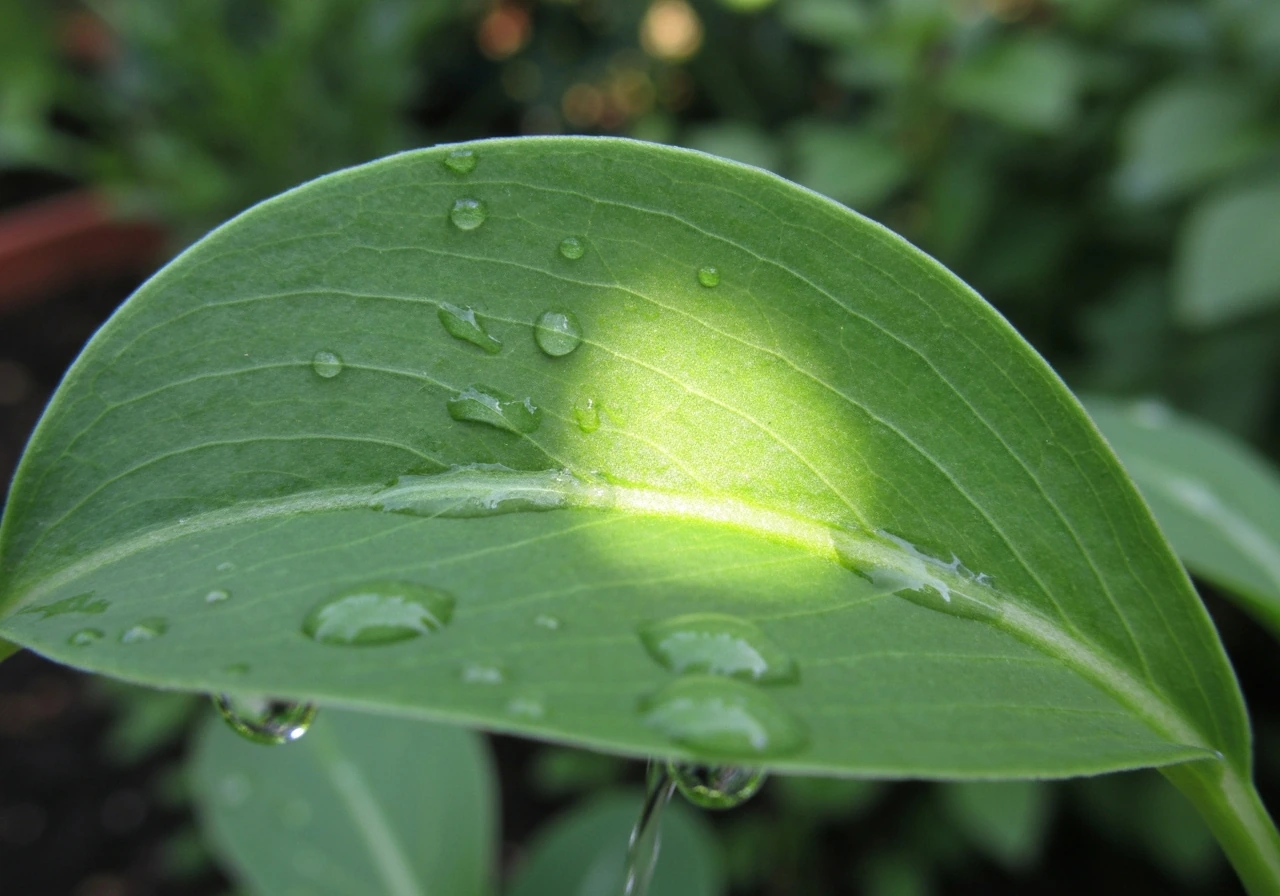
Every leaf has tiny pores called stomata, controlled by specialized guard cells. When the plant is well-hydrated, those guard cells are inflated with water, which causes them to bow outward and open the pore. When water is scarce, turgor pressure drops, guard cells go limp, and the stomata close. Research from UC ANR confirms that water deficit lowers turgor pressure and directly reduces stomatal opening. That matters enormously because open stomata are how the plant takes in carbon dioxide for photosynthesis. No water, stomata close, photosynthesis slows. It's that direct.
There's a tradeoff here worth understanding. Open stomata let CO2 in, but they also let water vapor out (that's transpiration). Guard cells constantly balance this: open enough to capture CO2 for photosynthesis, but not so wide that the plant loses water faster than roots can replace it. Studies published in plant physiology journals have shown that guard cell photosynthesis itself is critical for maintaining the turgor needed to keep stomata open at a steady, productive level. When that system breaks down under drought, the whole photosynthetic engine stalls.
The xylem: your plant's water highway
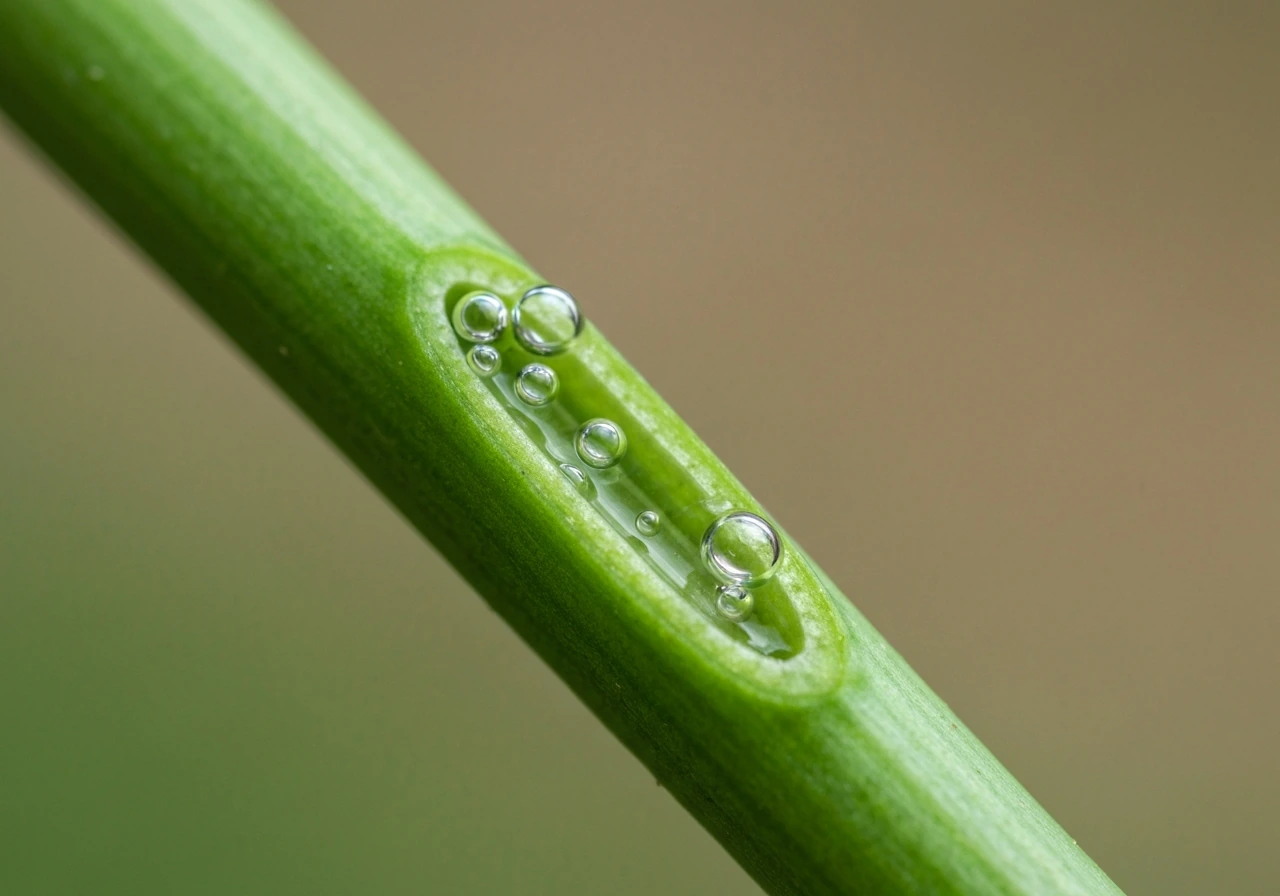
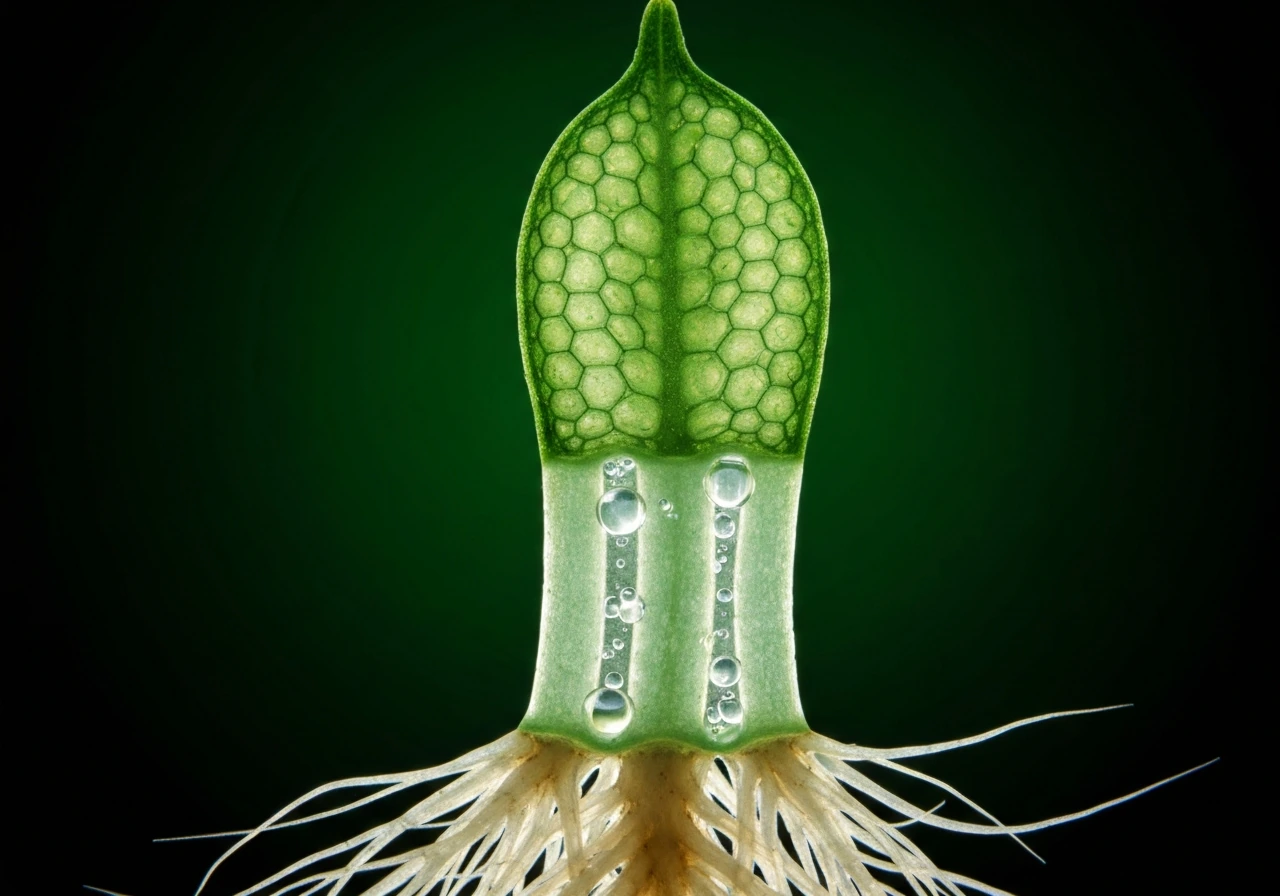
Water absorbed by the roots travels up through the xylem, a network of tube-like cells running through the stem and into every leaf. This isn't a pump-driven system. Water moves through the xylem under negative pressure, essentially pulled upward by evaporation from the leaves. As water evaporates at the leaf surface, it creates a tension that draws more water up from below, all the way down to the roots. Research published in Nature confirmed that xylem water can exist under this negative pressure and still flow effectively, which is a pretty remarkable physical feat.
When a plant goes through severe drought, air bubbles can form in the xylem (called embolisms), which physically block water flow. One study on Scots pine found that drought reduced stem hydraulic conductivity by about 46% when xylem water potential dropped to around -3.2 MPa. That kind of hydraulic failure limits the plant's ability to recover even after you start watering again. This is why prolonged drought does damage that doesn't always reverse quickly.
Nutrient transport and phloem
Water is the solvent that dissolves nutrients in the soil and carries them into the root hairs. From there, minerals like nitrogen, phosphorus, and potassium travel up through the transpiration stream alongside water molecules. Without water flow, nutrients sit in the soil but never reach the plant. Drought also impairs the phloem, the plant's separate transport system that moves sugars from leaves to roots and growing tissue. When phloem transport breaks down under water stress, the communication between the plant's source tissues (leaves making sugar) and sink tissues (growing roots, fruits, seeds) gets disrupted, which directly reduces growth and yield.
Temperature regulation
Transpiration isn't just a side effect of gas exchange. It's also the plant's cooling system. As water evaporates from leaf surfaces, it carries heat away, keeping the leaf temperature within a productive range. On a hot day, a well-watered plant can keep its leaf temperature 5 to 10 degrees cooler than the air around it. Cut off water supply, transpiration stops, leaves overheat, and enzyme activity for photosynthesis degrades. So water plays a temperature regulation role that's completely separate from its role in photosynthesis chemistry.
What's actually in water that helps (or hurts) plants
This question comes up a lot, and the honest answer is: plants grow from water's physical and chemical roles, not because water is secretly loaded with plant food. The hydrogen and oxygen in water molecules are used directly in photosynthesis to produce glucose. That's real and important. But beyond the H2O molecule itself, what matters is what else is dissolved in your water, and that cuts both ways.
Some mineral content in water is fine and even mildly beneficial. Calcium and magnesium in moderately hard tap water aren't harmful at typical levels. Problems arise at the extremes. High sodium from ion-exchange water softeners is a real issue: Penn State Extension warns that softened water can harm indoor plants because the softening process replaces calcium and magnesium with sodium, and sodium accumulates in soil over time, impairing water uptake and causing toxicity.
pH is another factor worth knowing about. Texas A&M AgriLife research explains that irrigation water pH doesn't directly throttle plant growth, but it affects how nutrients exist in the soil solution. Very alkaline water can lock up iron and manganese, causing deficiency symptoms even when those nutrients are physically present. Oregon State University Extension recommends testing your irrigation water and checking for mineral ion levels that could affect nutrient balance, especially if you're growing in containers where imbalances concentrate faster.
What about chlorine in tap water? Standard municipal tap water at typical chlorine levels is generally fine for most plants. High chlorine concentrations are a different story, and University of Arizona Cooperative Extension notes that chlorine in irrigation water does carry phytotoxicity risk at elevated concentrations. For most home gardeners using city tap water, letting the water sit uncovered for a few hours before using it on sensitive plants is a reasonable precaution, but it's not an emergency.
People often ask about alternative water sources. Rainwater is genuinely excellent for plants. It's soft, slightly acidic, and free of chlorine and sodium. Dew contributes some surface moisture but nowhere near enough to substitute for root-zone watering. And some folk remedies like banana water or milk have circulated in gardening circles for years. These work primarily as dilute nutrient supplements in specific contexts, not because of something magical about the liquid itself.
Practical watering rules you can use today
The most important shift you can make as a gardener is to stop watering on a fixed calendar schedule and start watering based on what the soil is actually doing. Plants don't know what day it is.
How deep and how often
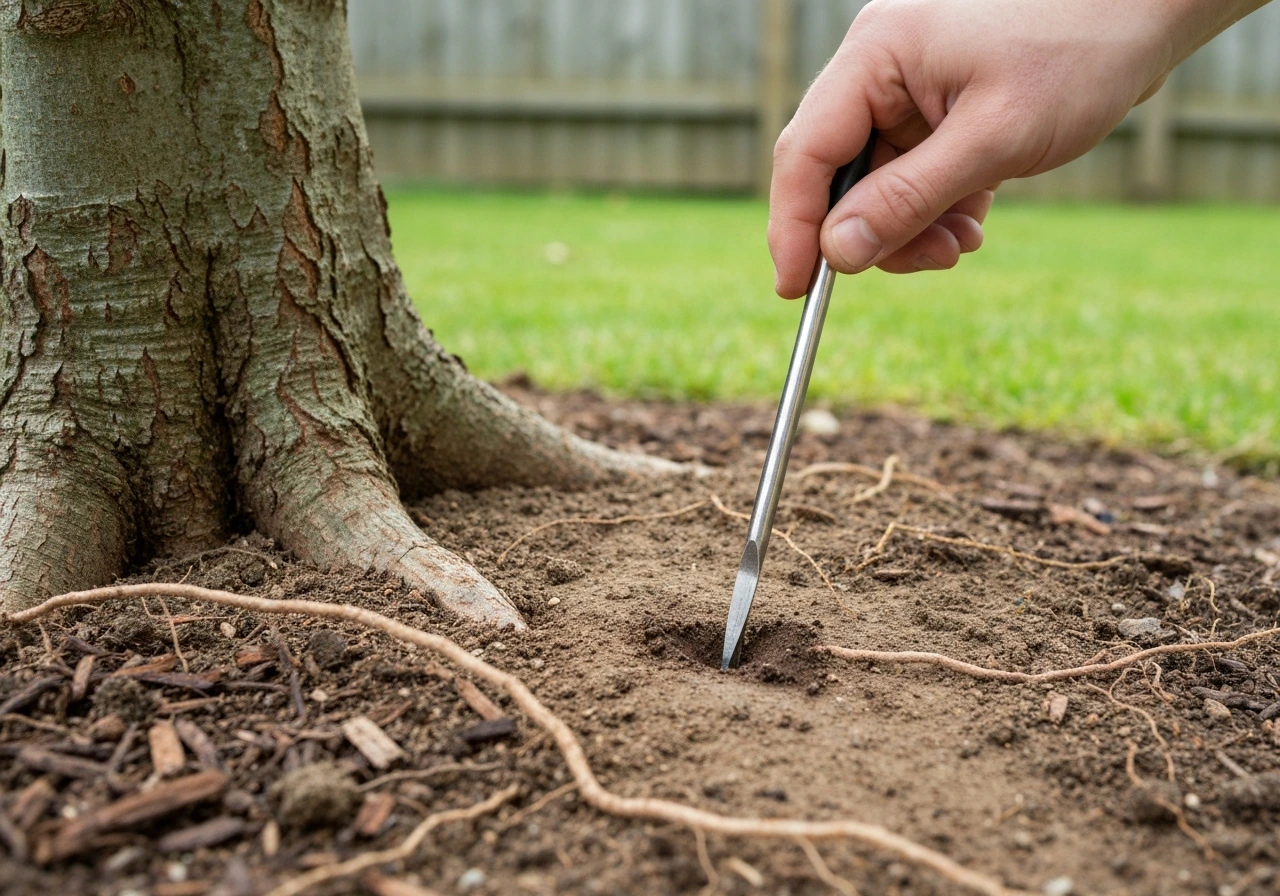
University of Minnesota Extension recommends deep watering for established trees and shrubs so that the top 6 to 9 inches of soil are genuinely moist through the root zone. Shallow, frequent watering produces shallow roots that are more vulnerable to heat and drought stress. Utah State University Extension makes this explicit: frequent light irrigation trains roots to stay near the surface, which is the opposite of what you want for a resilient plant. As a planning benchmark, USU suggests about 1/2 to 1 inch of water per week for small trees and shrubs under typical conditions, but always adjust based on your soil, climate, and plant size.
For a simple field check, the University of Arizona Cooperative Extension offers a practical test: push a soil probe (or a long screwdriver) into the ground. If it won't penetrate more than 3 to 4 inches, the soil is dry enough to water. Oregon State University Extension suggests aiming for moisture down to 12 to 15 inches for deeper root-zone watering in most landscape situations.
Containers vs. in-ground plants
Containers dry out much faster than garden beds, and the rules shift accordingly. University of Illinois Extension advises applying enough water that it reaches the bottom of the container, but cautions against letting the growing medium dry out completely between waterings (which causes flower and fruit drop) and against keeping it consistently waterlogged (which starves roots of oxygen and can kill the plant). Check container soil moisture with your finger every day or two during warm weather. In-ground plants with established root systems are far more forgiving.
Watering method matters
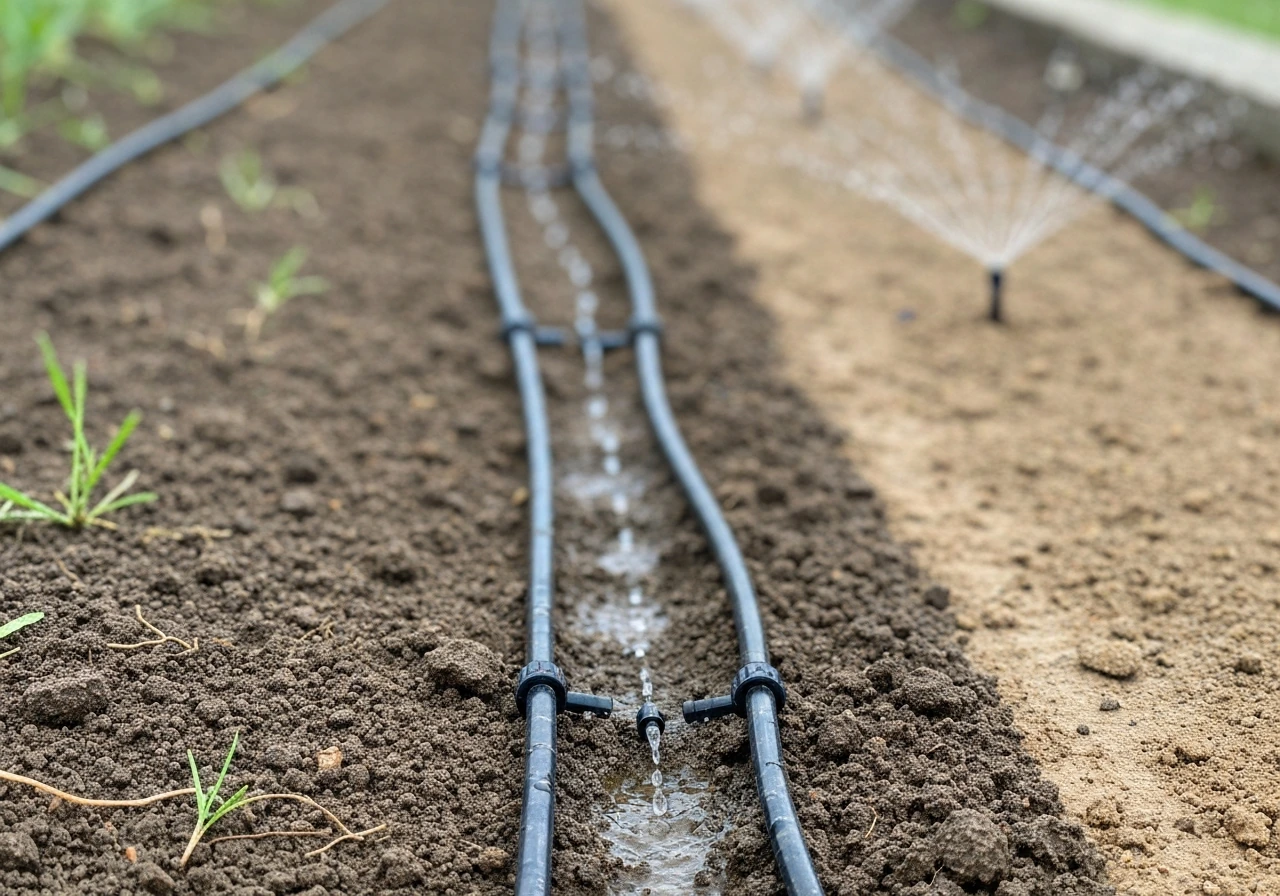
How you deliver water affects more than efficiency. University of Maryland Extension reports that drip irrigation delivers 90 to 95% of water directly into the soil, compared to overhead sprinklers which lose a significant fraction to evaporation and wetting of foliage. Wisconsin Horticulture Extension explains that overhead watering creates a leaf wetness period, and plant pathogens need free moisture on leaf surfaces to infect. Watering at the base of the plant, or using drip, keeps leaves dry and disease pressure lower. Oregon State Extension echoes this: water the soil, not the leaves.
Too little vs. too much: signs and quick fixes
The frustrating reality is that overwatered and underwatered plants can look almost identical at first glance. Both can wilt. Both can yellow. LSU AgCenter explicitly notes that drought stress and overwatering symptoms overlap, which is why checking the soil (not just looking at the plant) is non-negotiable for accurate diagnosis.
| Symptom | More likely underwatering | More likely overwatering |
|---|---|---|
| Wilting | Wilts during heat of day, partially recovers at night | Wilts even when soil feels wet |
| Leaf color | Dry, crispy brown edges and tips | Yellowing, soft, mushy leaves |
| Soil feel | Dry, pulling away from pot edges | Consistently wet, may smell sour |
| Root appearance | Dry, shrunken roots | Brown, mushy roots (root rot) |
| Other signs | Leaves curl inward | Fungal growth, algae on soil surface |
University of Maryland Extension makes an important diagnostic point: root rot (caused by overwatering) can actually cause wilting because the damaged roots can no longer deliver water to the plant even though the soil is wet. So a wilting plant in wet soil almost always means root damage, not drought. University of Georgia Extension lists yellowing, dieback, and thinning canopy as overwatering symptoms, along with fungal leaf spots that thrive under persistently wet conditions.
Quick fixes
- Underwatering fix: Water slowly and deeply, letting the water soak in rather than run off. If soil has pulled away from pot edges, set the container in a tray of water and let it absorb from the bottom for 30 minutes.
- Overwatering fix: Stop watering immediately, improve drainage if possible, and let the soil dry to the appropriate depth before watering again. For containers with root rot, unpot the plant, trim dead roots, let them air briefly, and repot in fresh dry mix.
- For in-ground overwatering: Aerate compacted soil, add organic matter to improve drainage, and mulch to slow evaporation once the plant recovers.
- When unsure: Always check soil moisture at root depth before deciding to water. Use your finger, a probe, or a moisture meter.
Water quality and setup tips that actually move the needle
For most gardeners, standard tap water is perfectly fine. But there are a few situations where water quality genuinely affects plant performance, and knowing them saves a lot of diagnostic headaches.
- Softened water: Avoid using water from ion-exchange softeners on plants, especially in containers. The sodium that replaces calcium and magnesium accumulates in the soil and interferes with water absorption over time. Use an unsoftened bypass line if your house has one.
- pH: If you're seeing persistent nutrient deficiency symptoms despite regular fertilizing, test your water pH. Alkaline water (above 7.5) can tie up iron and manganese in soil. You can acidify with a small amount of pH-down solution or vinegar, but test rather than guess.
- Reused or stored water: If you're collecting rainwater or reusing irrigation water, University of Missouri Extension research on water reuse for produce safety highlights that stored water can develop biofilm and microbial issues. This matters more in edible gardens than ornamental ones.
- Watering in the morning: Morning watering gives foliage time to dry before nightfall, reducing fungal disease risk. Evening watering leaves leaves wet overnight, which is exactly the extended leaf wetness period that pathogens exploit.
- Mulching: A 2 to 3 inch layer of organic mulch over the root zone reduces evaporation, moderates soil temperature, and dramatically reduces how often you need to water.
Watering myths worth busting
A lot of common watering advice is either oversimplified or just wrong. Penn State Extension has an entire resource dedicated to garden watering myths, and several of the most persistent ones are worth addressing directly.
Myth: Plants need water every day
This is probably the most damaging myth in home gardening. Most established garden plants, shrubs, and trees do not need daily watering. Daily light watering trains roots to stay shallow, increases disease risk, and in containers can lead to chronic overwatering. Water deeply and infrequently based on actual soil moisture, not the calendar.
Myth: Misting is a good substitute for watering
Misting wets the leaf surface, which can briefly raise local humidity around the leaf. It does nothing for root-zone moisture, which is where water availability actually matters for plant growth. If you're growing humidity-loving tropicals, a pebble tray with water under the pot is more effective than misting. And remember, wet leaf surfaces increase disease risk if done repeatedly.
Myth: Talking or playing music to plants helps them grow
This one comes up surprisingly often. Walter Reeves, a well-known Georgia gardener, has directly addressed why the claim that music helps plants grow is false science. The Naked Scientists have also examined the talking-to-plants claim and found the scientific evidence extremely weak. Here's the thing: if talking to your plants gets you spending more time near them, noticing early signs of stress, and adjusting their water and light, then indirectly it helps. But the sound waves themselves? That's not what's driving growth. Water, light, soil quality, and nutrients are. Speaking of unorthodox inputs, whether urine helps plants grow is a question that at least has a mechanistic answer rooted in nutrient chemistry, and the same goes for peeing on plants directly. These aren't magic water sources but rather dilute fertilizer scenarios with real tradeoffs.
Myth: Any water source is equally good for plants
As covered above, softened water with high sodium, highly alkaline water affecting nutrient availability, and water with elevated chlorine or contaminants are not interchangeable with clean tap water or rainwater. Source and quality matter, especially for container plants where problems concentrate. Test your water if you're seeing persistent unexplained symptoms despite good watering habits.
Put it together: your next steps
Water helps plants grow through a web of interconnected mechanisms: it inflates cells and opens stomata for photosynthesis, it carries nutrients from soil to leaf, it enables the negative-pressure transport system in the xylem, and it keeps leaves cool enough to function. None of that is folklore. It's the actual biology.
For practical action today: check your soil moisture before your next watering, not the date. Water deeply enough to wet the root zone, not just the top inch. Water at the base of the plant rather than overhead when you can. Avoid softened water, especially in containers. And if something looks wrong, check whether the soil is wet or dry before deciding what's wrong. That single diagnostic habit will save more plants than any other advice in this article.
FAQ
How do I tell whether my plant needs more water or is being overwatered? (They can both wilt)
If you water “too much,” roots can lose access to oxygen because pore spaces in soggy soil get filled with water. That can cause root rot, wilting even though the soil feels wet, and a slowdown that looks similar to drought stress. Use a moisture check (finger or probe) before adding more water, and let the root zone partially dry between deep waterings for most plants.
Is it better to water often or water deeply?
A plant usually does not benefit from frequent small sips unless it’s in very shallow, fast-drying conditions. The goal is to wet the root zone thoroughly, then wait until moisture drops again. Practically, this means watering until excess drains (containers) or until the probe reaches the target depth (in-ground), rather than stopping once the top inch looks damp.
What time of day should I water plants for best growth?
For most gardens, the best timing is when the soil can absorb the water and leaves can dry reasonably quickly. Early morning is often preferred because evaporation and wind-driven runoff are lower, and leaf surfaces dry faster which can reduce disease pressure. Late evening watering can raise the time leaves stay wet, especially in humid areas.
Can the pH or mineral content of my tap water affect how water helps plants grow?
Water pH rarely acts like a direct “growth switch,” but it can change nutrient availability. Very alkaline water can make iron, manganese, and some micronutrients less usable, leading to deficiency symptoms while the nutrients appear to be present in the soil. If you see persistent yellowing patterns or stunted new growth despite correct fertilizing, test irrigation water and soil.
Should I let tap water sit out to remove chlorine before watering?
Letting chlorine off the water is usually only helpful for sensitive seedlings, hydroponics, and some ornamentals. For typical city tap water at household levels, you generally do not need emergency measures. If you repeatedly see poor growth or leaf damage in sensitive plants, test or use a simple approach like using water that has sat uncovered briefly (and avoid water softeners with high sodium).
How should watering guidance change for plants in pots and window boxes?
In containers, the main risk is that the mix can swing between fully dry and waterlogged because limited volume makes moisture changes fast. Aim for even moisture: water until it reaches the bottom drainage holes, then wait until the upper portion begins to dry before watering again. Also ensure drainage holes are open and the pot is not sitting in runoff water.
Does rain count as watering, or do I still need to irrigate after a storm?
Many people miss that rainfall is not the same as irrigation delivery. A light drizzle may wet leaves and top soil but fail to recharge the root zone, especially for established plants with deeper roots. After rain, check soil depth moisture, and only skip irrigation if the root-zone probe indicates enough wetness.
If water carries nutrients, why do plants sometimes still look underfed?
Use water as a “nutrient carrier,” but don’t assume fertilizer failures are because of water. If nutrients are not reaching roots, the usual culprits are wrong watering pattern (dry spells or waterlogged soil), compacted or poorly draining medium, or salinity buildup in containers. When growth stalls despite fertilizing, check soil moisture and consider a targeted flush to reset salts.
Is softened water ever safe for plants, especially in containers?
Over time, softened water can build up sodium in the root zone, which can interfere with uptake of calcium and potassium and contribute to toxicity. This is especially important for container plants because salts and sodium concentrate faster with each watering cycle. If you must use softened water, monitor plant performance closely and consider alternate sources like rainwater for sensitive plants.
What should I do if my plant is wilting but the soil feels wet?
If a plant is wilting in wet soil, the most likely issue is root damage and reduced water delivery through the xylem, not drought. The practical next step is to inspect roots if feasible (especially for containers), reduce watering immediately, improve drainage, and avoid fertilizing until the root system recovers.
Next Articles
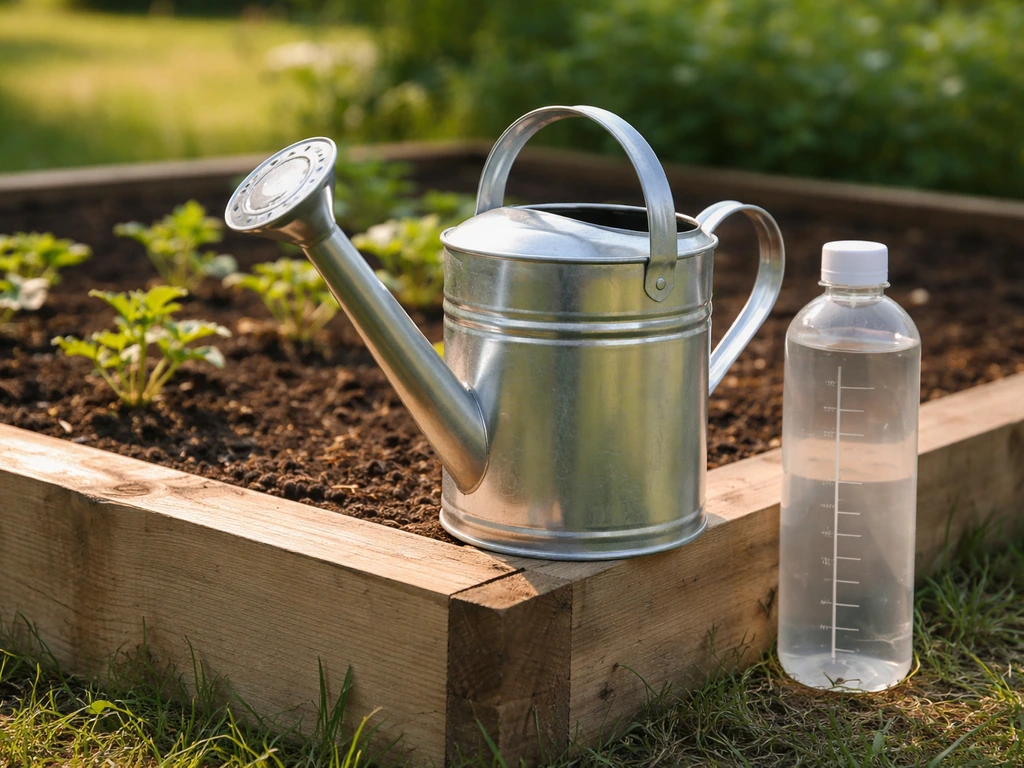
Can Urine Help Plants Grow? Safe How-To and Limits
Can urine help plants grow? Learn safe dilution, soil-only steps, risks, and how it compares to light, watering, and fer
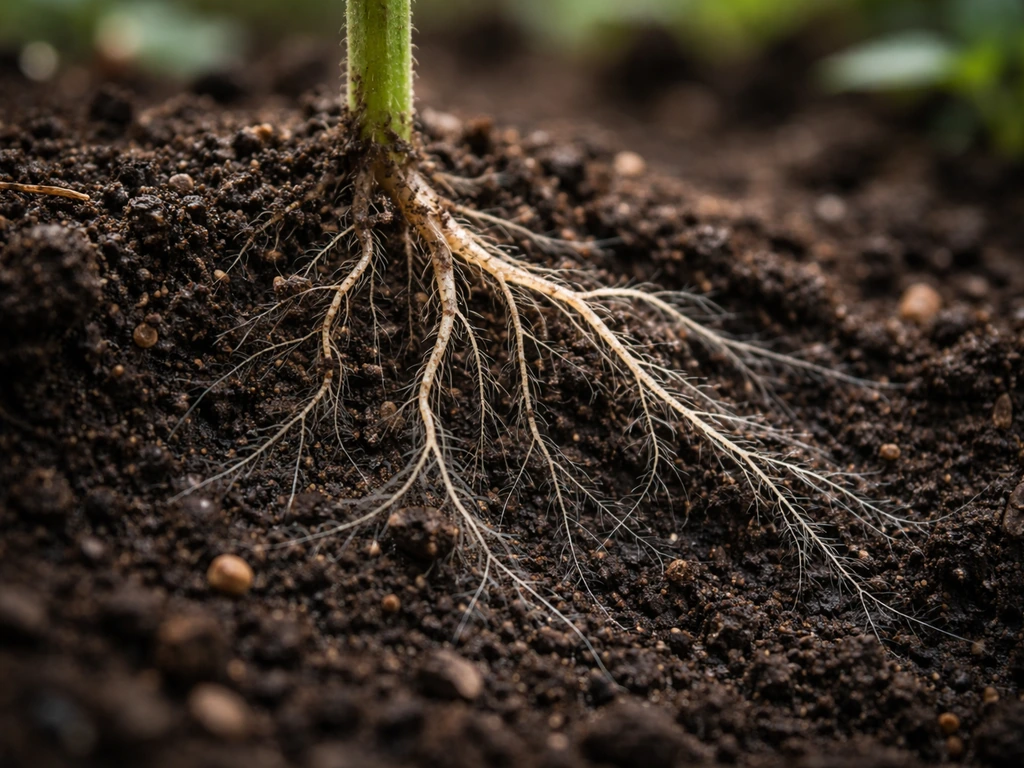
Do Mushrooms Help Plants Grow? Science and How to Use
Science-backed answer on whether mushrooms help plants grow, plus how to use mycorrhiza, compost, and test results.
Does Fungi Help Plants Grow? How to Boost Health and Size
Yes. Learn how mycorrhizal fungi boost plant size and health by improving nutrients, drought tolerance, and resilience,