Yes, urine can help plants grow, and it's not just folk wisdom. Fresh human urine is a legitimate source of nitrogen, phosphorus, and potassium, the same three macronutrients you'll find on any bag of fertilizer. The catch is that applying it wrong, too concentrated, too frequently, or without basic safety precautions, can do more harm than good. So the real question isn't whether it works. It's whether you're willing to do it carefully enough to actually benefit your plants.
Can Urine Help Plants Grow? Safe How-To and Limits

Marcus Holloway
17 Apr 2026
Why urine can (sometimes) help your plants
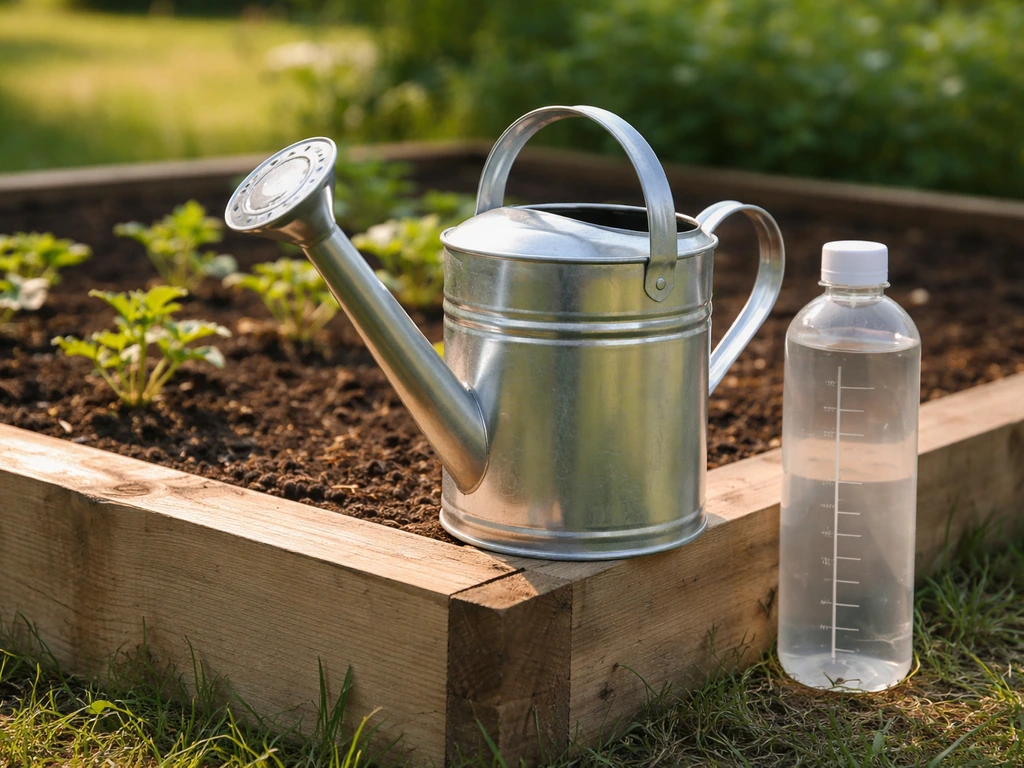
Human urine is essentially a dilute liquid fertilizer that your body produces every single day. The dominant nutrient is nitrogen, averaging around 7 to 9 grams per liter, most of it in the form of urea. Urea is actually the same compound used in many commercial granular fertilizers. Your urine also contains roughly 0.80 to 2.0 g/L of phosphorus and about 2.74 g/L of potassium. That's a meaningful NPK profile, especially on the nitrogen side.
Once urine hits warm, moist soil, urease enzymes in the soil break urea down into ammonia and then ammonium, which plant roots can absorb. This hydrolysis process takes about 3 to 7 days in typical warm soil conditions and is the same nitrogen conversion pathway that happens with any urea-based fertilizer. Because urine represents the majority of nitrogen in human excreta, historically many agricultural cultures used it as a crop input, and there's modern research backing why that worked.
There's also a sustainability angle worth mentioning. A University of Birmingham study testing stored urine on spinach found soil microbial community resilience comparable to synthetic fertilizers. And because urine is source-separated from solid waste, its pathogen load is far lower than that of fecal matter, which makes it more practical to handle safely. If you're already curious about alternative liquid inputs, it's worth comparing this to what you'd get from something like banana water for your plants, which delivers potassium but virtually no nitrogen.
How to actually use urine in your garden (step by step)
Dilution: the most important step
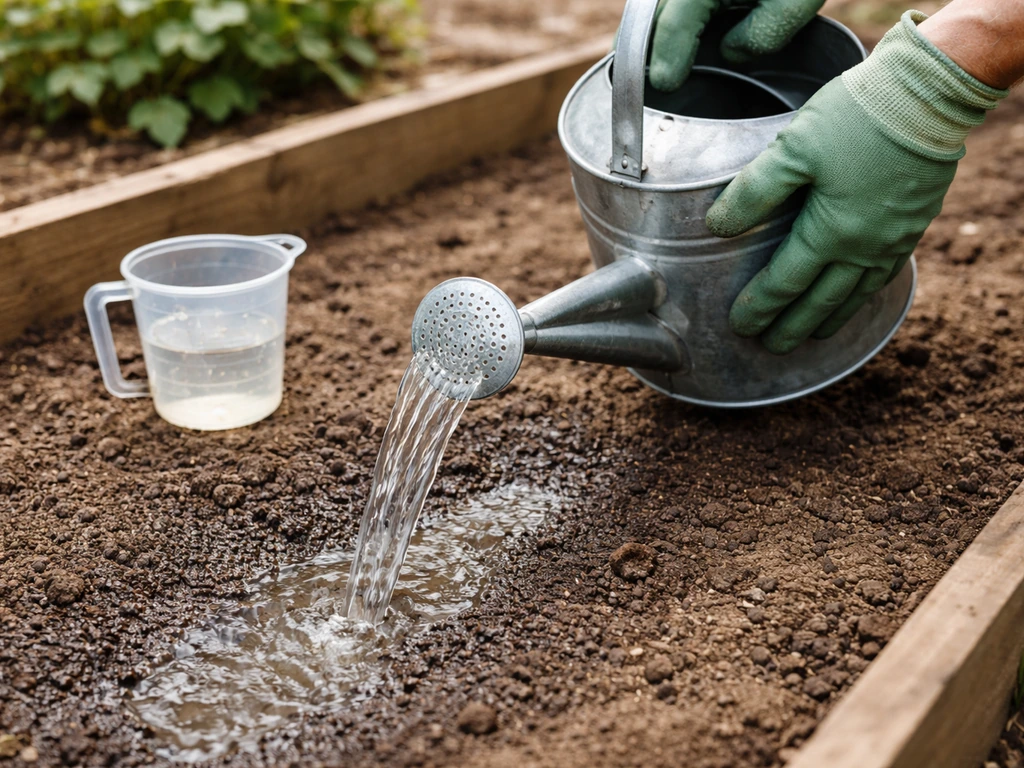
Applying urine straight from the source to your soil is almost never a good idea. The nitrogen concentration is simply too high, and you risk salt buildup and root burn. SARE's practical guidance for urine fertilization recommends dilution rates ranging from 1:1 (one part urine to one part water) on the light end, up to 1:15 for sensitive plants or sandy soils that drain quickly. A r/Permaculture thread also collects user-reported urine watering schedules and dilution ratios, which can give anecdotal context for how different gardeners apply it. For general garden use on established vegetables and heavy feeders like corn or leafy greens, a 1:5 or 1:8 dilution is a reasonable starting point. For seedlings or anything in containers, go closer to 1:10 and treat it as a gentle top-up rather than a primary feed.
How to apply it
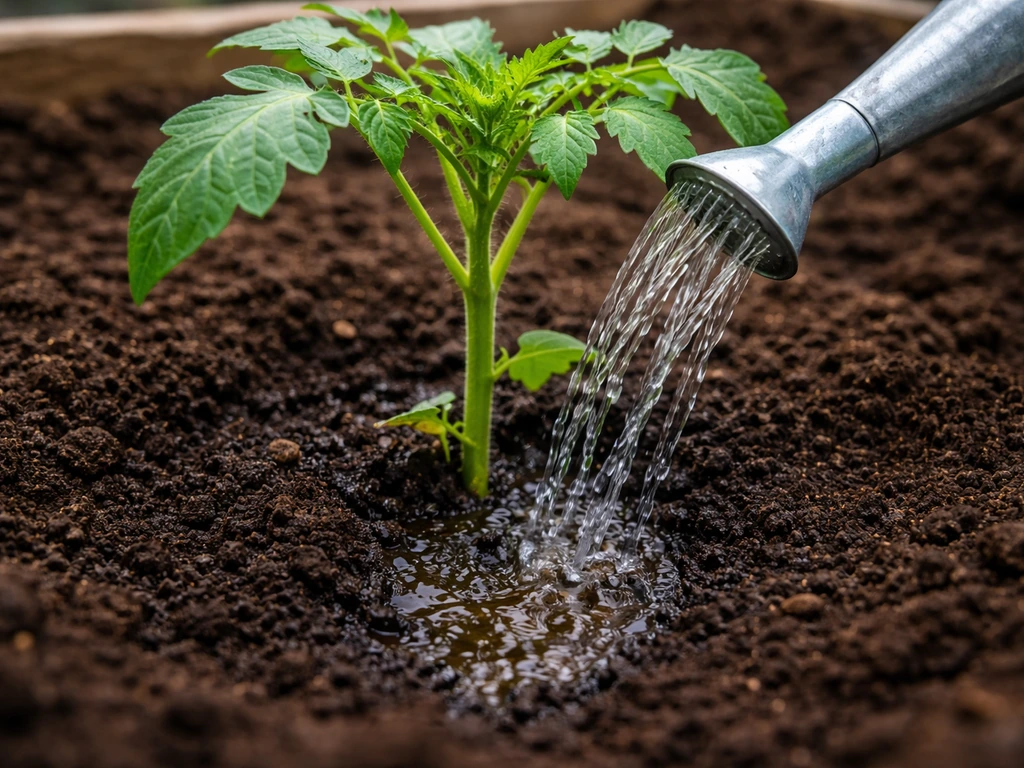
- Lightly water your bed first to moisten the soil. This helps nitrogen move into the root zone instead of evaporating off the surface.
- Mix your diluted urine in a watering can, not a spray bottle. You want a soil soak, not foliar contact. Getting urine on leaves invites burn and, more importantly, food safety concerns on edible crops.
- Pour slowly around the base of plants, targeting the root zone, not the stem or foliage.
- Water lightly again after application to help push the nitrogen further into the soil and reduce ammonia volatilization at the surface.
- Keep a simple log of when and how much you applied, especially if you're running this as an experiment.
Timing matters more than most guides admit
Apply during active growing season when plants are actually pulling nutrients. Nitrogen applied to cold or dormant soil can volatilize or leach before roots take it up. University of Wisconsin Extension research shows that ammonia loss from urea increases significantly with soil temperature, meaning a hot summer application on dry soil with no follow-up water can lose up to 30% of available nitrogen within 72 hours. Apply in the morning or evening to slow volatilization, and never apply before heavy rain that would wash it past the root zone. A spacing of about two weeks between applications gives soil biology time to process what you've added and helps you catch any buildup before it becomes a problem.
What urine won't do: knowing its real limits
Here's where I want to pump the brakes a little, because this is the part most enthusiastic urine-fertilizer guides skip. Urine is a nitrogen source with some potassium and phosphorus. It is not a complete plant nutrition solution, and it does nothing for the other factors that actually drive plant growth.
Plants need light at the right spectrum to photosynthesize. No amount of nitrogen changes that. They need soil structure that supports root development, drainage, and beneficial microbial communities. And understanding how water helps a plant grow is just as foundational as any nutrient input, because water is the transport medium for every ion your plant absorbs, including the nitrogen from urine. Urine can supplement these essentials, but it can't substitute for them. A plant in compacted, airless soil under insufficient light won't suddenly thrive because you're feeding it diluted urine.
Urine also doesn't supply calcium, magnesium, sulfur, or most micronutrients in meaningful quantities. If your soil is already deficient in these, urine fertilization will push nitrogen-heavy growth without the supporting minerals, which can actually stress plants or make them more susceptible to disease. Think of urine as one instrument in an orchestra, not the whole band.
Risks, safety, and what can go wrong
Pathogens and how to manage them
Fresh urine from a healthy person is relatively low in pathogens compared to fecal matter, but it's not sterile. WHO guidance recommends storing collected urine for at least 6 months at around 20°C before applying it to crops, particularly edibles. That storage period raises pH and free ammonia levels, which inactivates most pathogenic bacteria and reduces viral load significantly. A PubMed study evaluating bacteria and virus inactivation found that dilution rate strongly affects pathogen persistence, meaning more dilute urine stored longer is considerably safer. Practically, WHO's approach considers this treatment sufficient for unrestricted agricultural use.
If you're not storing it and you're applying fresh urine to edible crops, apply to the soil only, never to leaves or fruit, and observe a pre-harvest interval of at least a month. Wash all produce thoroughly regardless. The CDC is explicit that anyone handling human waste in any form should use gloves, have access to handwashing facilities, and follow basic hygiene protocols. That's worth taking seriously even for a backyard garden application.
One genuinely interesting finding worth noting: University of Michigan researchers found that aging urine in sealed containers for several months deactivated around 99% of antibiotic resistance genes present in urinary bacteria. That's a real public health consideration if you're gardening with others or near water sources.
Salt buildup and soil health
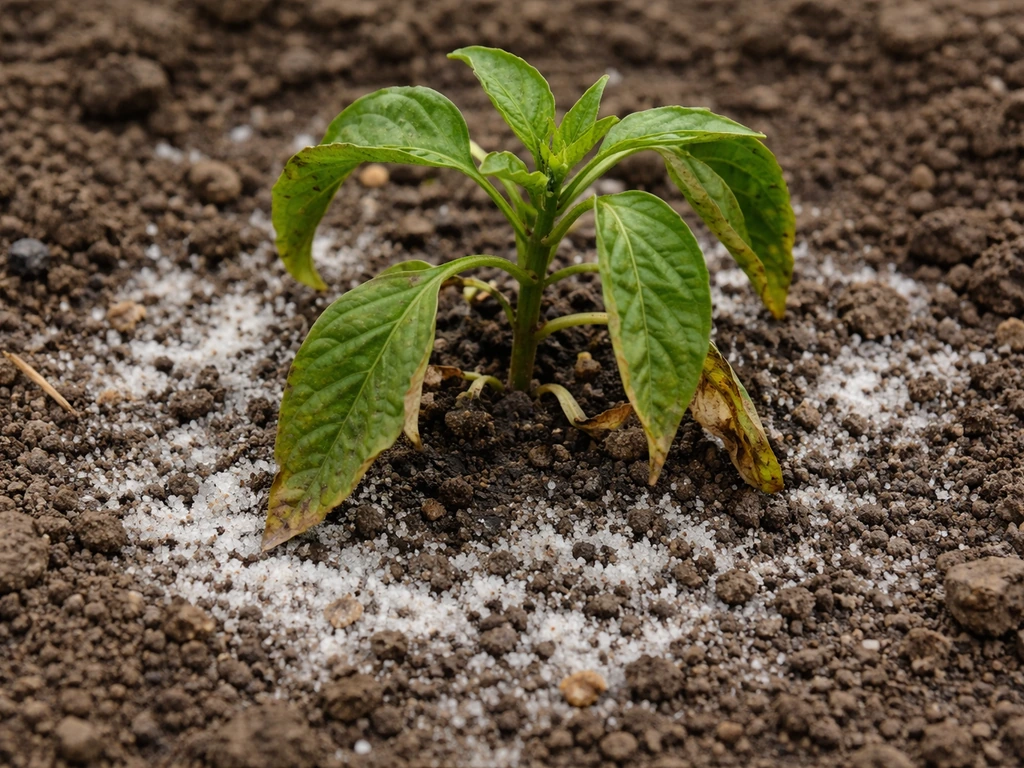
Repeated urine applications, especially at higher concentrations, can increase soil electrical conductivity (EC) and salinity. A 2023 PubMed-indexed study in calcareous soil reported that only excessive source-separated human urine input noticeably increased soil electrical conductivity by about 183% soil electrical conductivity (EC) and salinity. Research has shown that frequent use of urine or urine concentrates can raise soil EC to levels that reduce plant health and yield over time. This is the same salt accumulation problem you see with over-application of synthetic fertilizers. The fix is the same: dilute adequately, don't over-apply, and flush the soil periodically with plain water. If you're growing in containers, this is an especially important concern since salts have nowhere to go.
Urine vs. other nutrient options: a quick comparison
| Option | Primary Nutrient Benefit | Ease of Use | Safety Concerns | Cost |
|---|---|---|---|---|
| Human urine (diluted) | High nitrogen, some P and K | Moderate (requires dilution and care) | Pathogen risk if fresh, salt buildup if over-applied | Free |
| Compost | Balanced NPK plus micronutrients and biology | Easy | Minimal if properly made | Low to free |
| Balanced liquid fertilizer | Complete NPK plus micronutrients | Very easy | Minimal | Low to moderate |
| Blood meal | Very high nitrogen | Easy | Minimal | Moderate |
| Milk solution | Calcium, some nitrogen | Easy | Odor, fungal risk if over-applied | Low to moderate |
If the main thing you're after is nitrogen and you're comfortable with the handling requirements, diluted urine is genuinely effective and costs nothing. But if you're looking for something simpler with a more complete nutrient profile, a standard balanced liquid fertilizer or well-made compost is going to be easier to manage without the safety considerations. Compost in particular builds soil biology in a way that no liquid input, urine included, can replicate on its own. And if you've ever wondered whether milk can help plants grow the same way urine does, the mechanisms are quite different: milk primarily delivers calcium and acts on soil biology rather than providing a direct nitrogen hit.
Troubleshooting: is it working, or is something going wrong?
Signs it's working
- Noticeably deeper green leaf color within 1 to 2 weeks of application, especially in plants that were showing pale or yellowish leaves from nitrogen deficiency.
- Increased leaf size and faster stem elongation during the growing season.
- No scorching or browning at leaf tips, which tells you dilution was adequate.
- Soil continues to drain well and plants show no signs of salt stress (wilting despite moist soil, marginal leaf burn, or white crusty deposits on container surfaces).
Signs to stop and adjust
- Brown or scorched leaf tips and margins, especially if they appear within days of application. This is the most common sign of over-concentration or too-frequent application.
- Wilting even when soil feels moist, which can indicate salt accumulation interfering with water uptake.
- Rapid, lush, dark green growth with weak stems and poor fruiting, which signals nitrogen excess pushing vegetative growth at the expense of flowering and yield.
- Persistent strong ammonia odor at the soil surface after application, which means the nitrogen is volatilizing rather than being absorbed. Water more thoroughly after applying.
- Any unusual pattern of plant decline after you begin applications: stop, flush the soil with plain water, and give plants two to three weeks before restarting at a lower concentration.
One thing worth remembering when troubleshooting is that nitrogen from urine behaves like nitrogen from any urea-based source. The rules around watering it in, timing, and watching for burn are not unique to urine. They apply to any soluble nitrogen input. If you've been peeing directly on plants rather than diluting first, that's the most likely source of the problem, and switching to a properly diluted watering-can application will usually resolve it.
A note on water quality alongside urine use
The water you use to dilute urine matters more than most people think. Heavily chlorinated tap water can slow the urease activity in soil that drives nitrogen conversion, and hard water high in calcium and magnesium can interact with the phosphorus in urine to form precipitates before it reaches roots. If you have the option, using rainwater to help your plants grow as your dilution base is genuinely better. Rainwater is soft, slightly acidic, and free of the additives in municipal supply. And if rainwater isn't available, even leaving tap water out overnight to off-gas chlorine before mixing helps. Some gardeners also like to use dew as a gentle plant growth aid in the morning before any soil application, which shows just how much the quality and source of water ripples through everything you do in the garden.
Bottom line: urine works as a fertilizer when it's diluted properly and applied with a bit of care. It's not magic, it's not gross science fiction, and it's not a complete growing solution on its own. Treat it like a free, nitrogen-heavy liquid fertilizer that requires the same attention you'd give any other soluble input, and it will reliably give you something back.
FAQ
How can I tell if I’m diluting urine too strongly or not strongly enough?
Watch leaf color and growth rate. Too weak usually looks like pale, slow growth on plants that should be thriving, while too strong often shows leaf-tip burn, dark green but stunted growth, or crusty salt on soil surface. If you see any burn signs, stop urine and water deeply with plain water to flush salts, then restart at a higher dilution.
Should I measure anything like soil pH or EC when using urine regularly?
Yes, at least EC is helpful for repeat applications, especially in containers. Urine can raise soil electrical conductivity (salt level), which can quietly reduce yield before you notice obvious burns. If you have no meter, use conservative dilution and plan periodic plain-water flushes (for containers, run-off is your signal salts are moving out).
Can urine be used on tomatoes, strawberries, or other fruiting edible crops?
It can, but timing matters. Apply only to the soil, not on leaves, flowers, or fruit, and follow a pre-harvest interval of at least a month. Also avoid applying right before the crop will be harvested or if irrigation or rain could splash soil onto fruit.
Is it ever safe to use urine on houseplants or indoors?
It can be done, but odor control and sanitation are critical. Use only well-diluted urine in a watering can, keep it off foliage, and ensure good drainage. Wipe any spilled droplets immediately and wash hands, because indoor containers can concentrate salts faster and any smell will linger in enclosed spaces.
What’s the best way to apply without risking root burn or salt buildup?
Use small amounts, diluted, and water in promptly. For established plants, a slow pour around the base zone (not concentrated in one spot) helps distribute nutrients. Avoid soaking dry soil without follow-up water, since concentrated nitrogen can linger near roots.
How long can urine be stored before using it, and does storage change safety or results?
Storage mainly affects microbial inactivation and chemistry. Longer storage generally reduces pathogen risk, but it can also change ammonia and pH, which can affect odor and how quickly nitrogen becomes plant-available. If you store, do it in sealed containers with labeling, and do not use if you suspect contamination or improper storage temperature.
Can I mix urine with compost tea, manure tea, or other fertilizers?
Be cautious. Combining inputs can increase nitrogen and salts beyond what either would alone, and can create unpredictable pH changes. If you want to pair with another fertilizer, add urine at a reduced rate and do it separately over multiple weeks rather than mixing everything together in one bucket.
Will urine work if my soil is very clay-heavy or poor drainage?
It may work less reliably because nitrogen conversion depends on soil conditions and drainage. In heavy clay, nutrients can stay near the root zone longer, increasing burn risk, and waterlogging can stress roots. Use a lower dilution, apply in smaller doses, and ensure you’re not creating standing water.
What are common signs that urine isn’t improving plant growth, and what should I change first?
If plants look healthy but don’t grow faster, the limiting factor might be light, water consistency, or missing micronutrients rather than nitrogen. Your first change should be to verify watering regularity and sunlight, then confirm dilution and timing. If deficiencies like yellowing between veins show up, you likely need a micronutrient source beyond urine.
Next Articles
How Do Microorganisms Help Plants Grow: Practical Guide
Learn how microbes in the rhizosphere fix nitrogen, boost phosphorus, aid roots, suppress disease, and how to grow them.
How Does Yeast Help Plants Grow? Safe, Practical Guide
Learn how yeast boosts plant growth via soil microbes, safe dilution and timing, plus myths, limits, and troubleshooting
Do Mushrooms Help Plants Grow? Science and How to Use
Science-backed answer on whether mushrooms help plants grow, plus how to use mycorrhiza, compost, and test results.