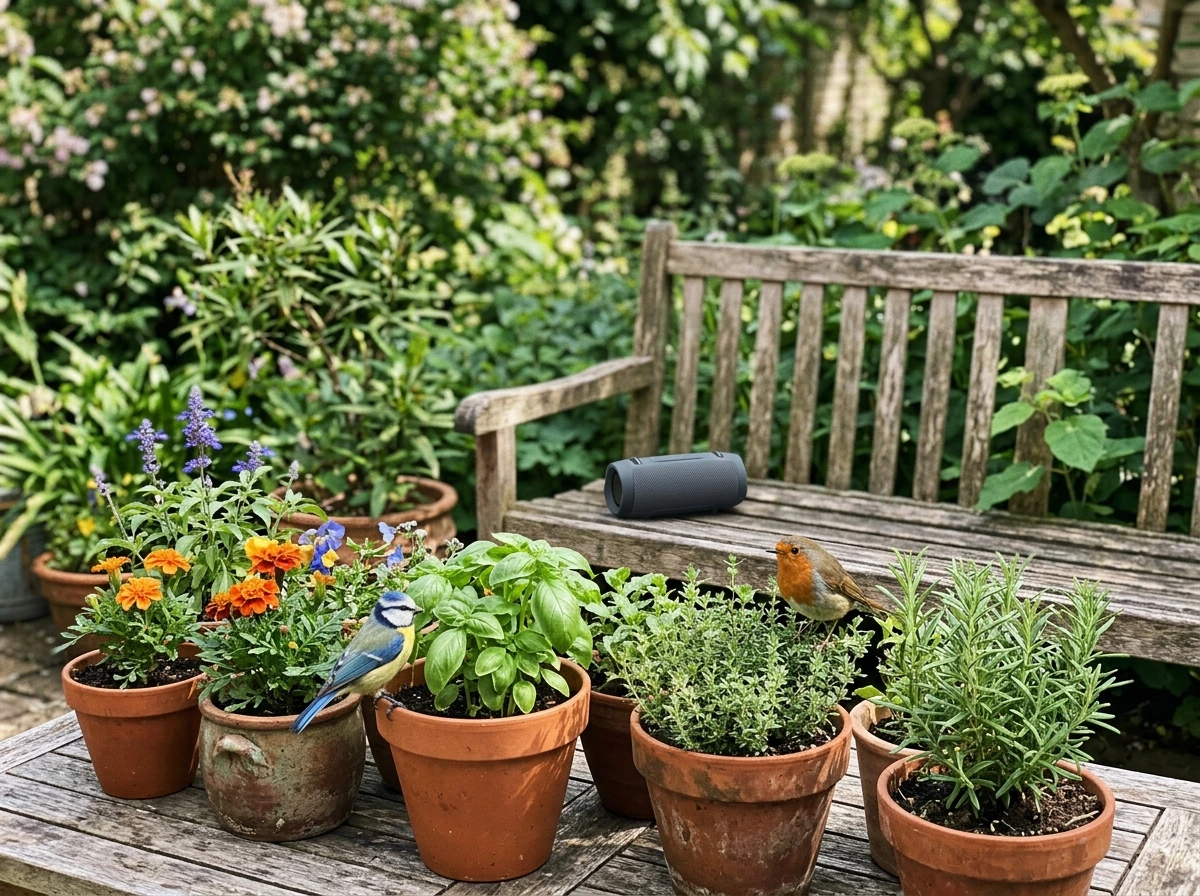
Bird chirping does not directly help plants grow in any meaningful, practical way. If you are wondering about singing to plants specifically, the evidence still does not show meaningful growth benefits in real-world gardening conditions does singing to plants help them grow. The short answer is that no credible field evidence shows that the sound of birds singing in your garden measurably improves plant growth, yield, or health, so, too, does the question of whether can music help plants grow in a meaningful way tend to lack strong proof. Where birds genuinely help plants, it is through their behavior: eating insects, pollinating flowers, dispersing seeds, and depositing nutrient-rich droppings. The short answer is that no credible field evidence shows that the sound of birds singing in your garden measurably improves plant growth, yield, or health. Where birds genuinely help plants, it is through their behavior: eating insects, pollinating flowers, dispersing seeds, and depositing nutrient-rich droppings. The sound itself is essentially a bystander. If you heard otherwise, here is exactly what the science does and does not say.
Do Birds Chirping Help Plants Grow? Science vs Myth
The direct answer: chirping is not a growth trigger
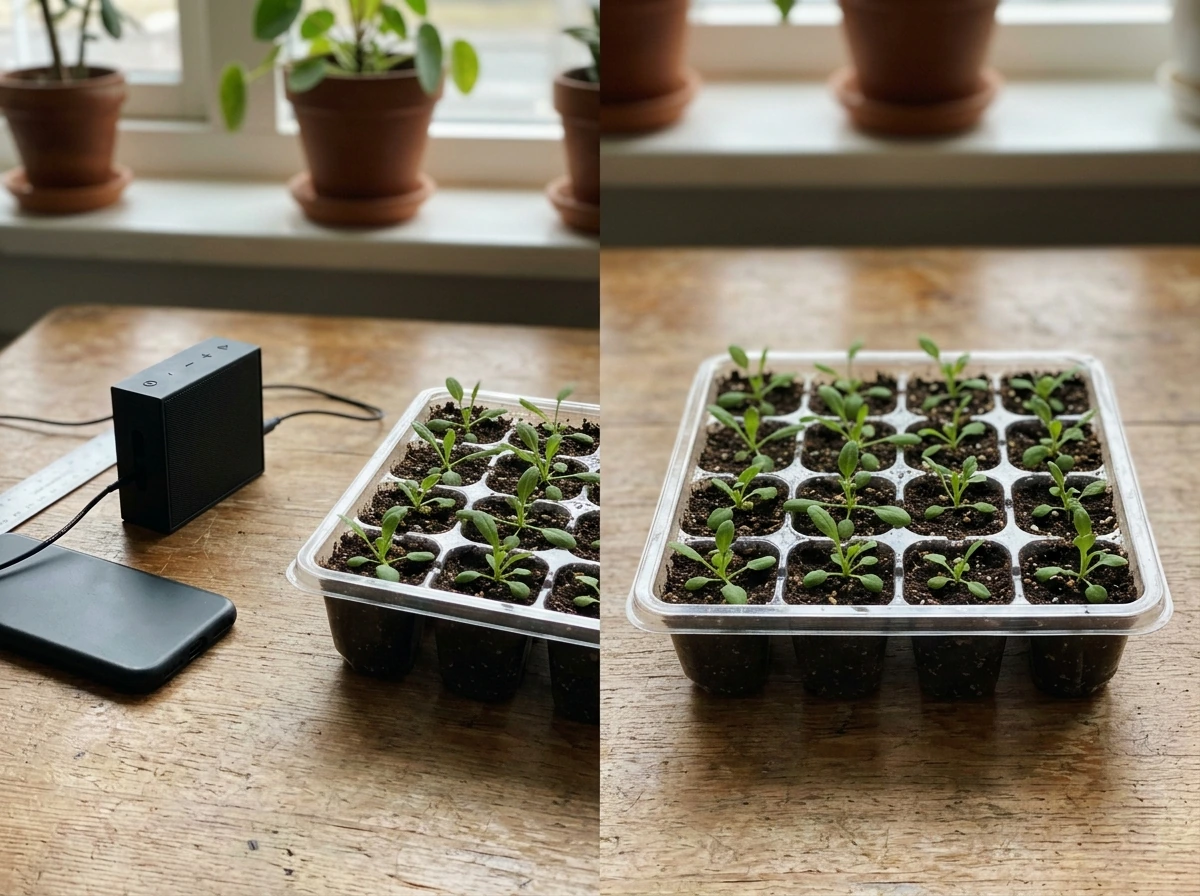
Plants can respond to sound waves under very specific laboratory conditions. Research on Arabidopsis roots found that 200 Hz sound waves applied continuously for two weeks induced roots to grow toward the sound source, a response called positive phonotropism. Other studies have documented changes in stomatal conductance, water status, and even calcium signaling in plant cells when sound vibrations are applied at controlled frequencies and amplitudes. So plants are not completely deaf to their acoustic environment.
But here is the critical gap: every one of those studies used precisely calibrated acoustic equipment, controlled frequencies, specific durations, and consistent amplitude levels. A 2026 measurement study found that songbird vocalizations range from roughly 60 to 88 dB(A) depending on species, which puts them in the same ballpark as normal conversation or a running dishwasher. More importantly, backyard bird song is intermittent, directionally scattered, spectrally complex, and constantly varying. It bears almost no resemblance to the focused, sustained, single-frequency stimulus used in plant acoustics experiments. The research literature itself cautions that acoustic effects on plants are frequency- and amplitude-dependent, and calls for more mechanistic work before practical conclusions can be drawn. What that means for your garden: there is no evidence that robins chirping in your oak tree are doing anything useful to the tomatoes below.
Why the "sound helps plants" idea sticks around
This falls into the same category of gardening folklore as talking to your plants (does talking to plants help them grow?) or playing classical music in the greenhouse. (If you have explored those topics, you will find the science tells a very similar story: the mechanisms are plausible in theory, underpowered in practice, and easy to conflate with other variables.) The reason these ideas spread is that they feel intuitive. Plants are living organisms, and it seems reasonable that a rich sensory environment would help them thrive. And in a loose sense, a garden full of birds probably is healthier than one without. This falls into the same category of gardening folklore as talking to your plants (does talking to plants help them grow?) or playing classical music in the greenhouse. does talking to flowers help them grow
How birds genuinely help your garden (it is not the chirping)
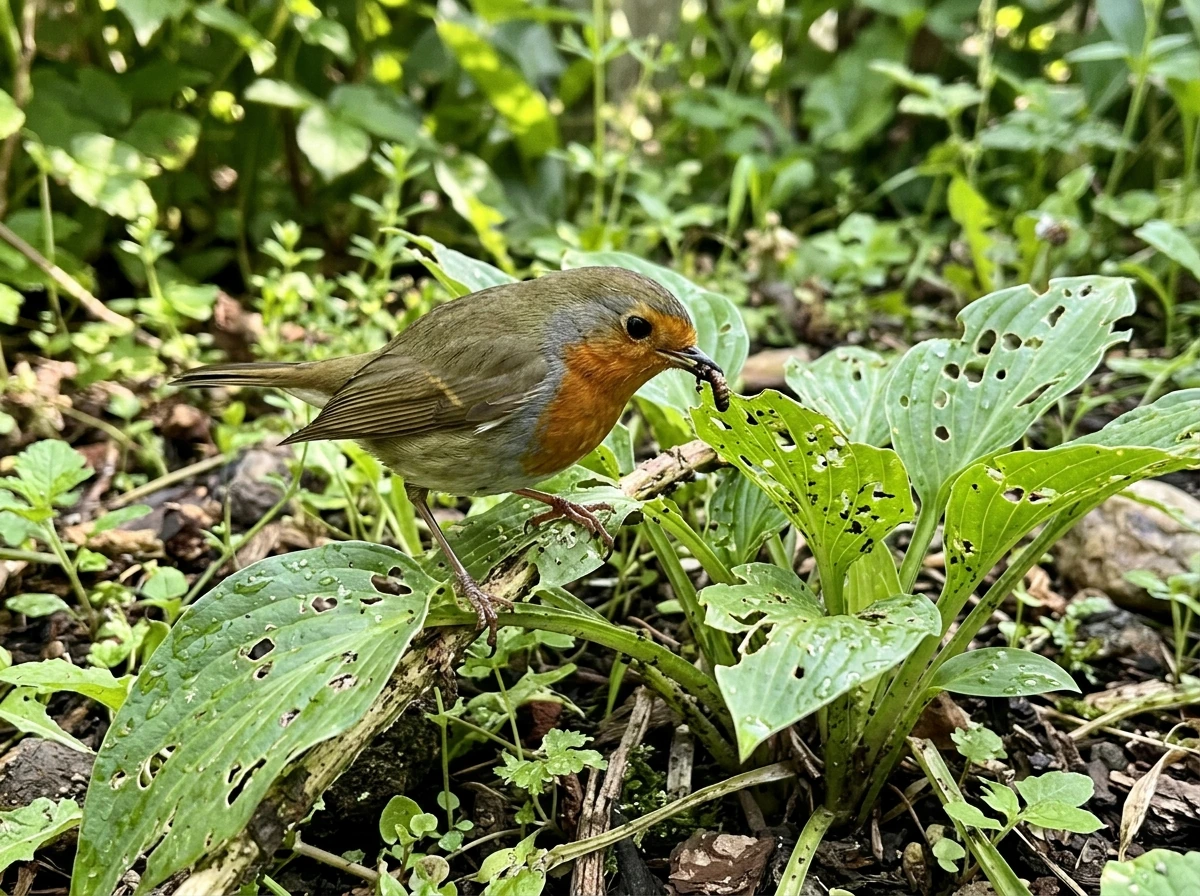
Pest control that you can actually measure
Insectivorous birds eat a staggering number of insects, and that has real consequences for plant health. Research synthesizing bird pest-control evidence found that birds can meaningfully reduce pest insect populations and prevent crop damage, though the effect size varies considerably by crop type, landscape, and bird community. A University of California study cited in farm ecology outreach found up to a 30% reduction in insect pest damage to alfalfa when birds had access to habitat features like trees and field edges compared to configurations that discouraged bird activity. That is not a trivial number. A reduction in pesticide use tied to higher insectivorous bird abundance has also been documented in agricultural research, with one 2024 study noting that reduced insecticide applications were associated with increased abundance and diversity of insect-eating birds. The mechanism matters here: fewer pest insects means less feeding damage, less disease entry through wounds, and healthier plants overall. The bird's song played no role. Its stomach did.
Pollination for the right plant species
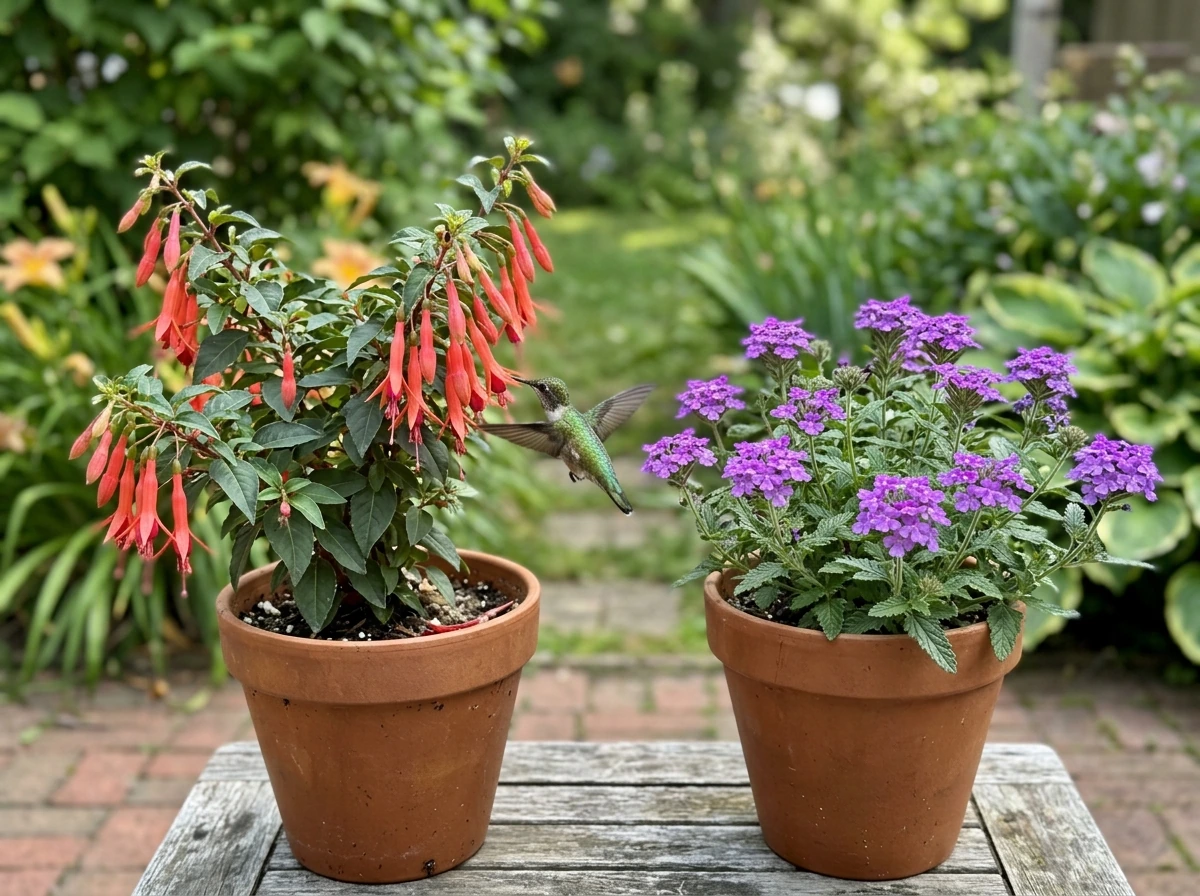
Hummingbirds are the primary bird pollinators in the continental United States, and they work hard: ruby-throated hummingbirds can visit upward of 2,000 flowers per day. If you grow tubular-flowered plants like salvias, trumpet vines, bee balm, or cardinal flowers, hummingbirds are transferring pollen every single visit. However, bird pollination is genuinely species-specific. A large analysis of pollination networks found that birds appeared in only 9 of 53 studied networks, with hummingbirds making up the majority of bird-involved pollinators. For most common vegetables and many ornamentals, birds are not pollinators at all. Bees, wind, and other insects handle that job. So if you are growing corn, squash, or most fruiting vegetables, hummingbirds at your feeder are lovely but they are not boosting your harvest directly.
Seed dispersal and soil nutrient cycling
Birds disperse seeds, and passage through a bird's gut can actually accelerate germination. A 2025 study found that seeds of a nightshade species germinated faster after moving through a bird's digestive tract, giving those seedlings a head start on establishment. For wild gardens and naturalistic plantings, this matters. Birds are planting your next generation of native shrubs and ground covers whether you ask them to or not.
Droppings are the other side of this. Bird guano is a legitimate nutrient source. Research in the Florida Everglades documented how wading bird guano significantly elevated phosphorus levels in tree island soils, enriching the nutrient chemistry around nesting and roosting sites. In a backyard garden context, regular bird activity near a bed does deposit small amounts of nitrogen and phosphorus over time. It is not a substitute for intentional fertilization, but it is a real input, not a myth.
When birds become a problem for your plants
Birds are not unconditionally beneficial. Some species cause serious crop losses, and ignoring the tradeoff does not serve you as a gardener. Red-winged blackbirds and other flocking species can devastate grain and berry crops. Fruit crops are especially vulnerable: Oregon State Extension notes that even partial bird damage to fruit increases the incidence of disease and insect entry, reducing marketability well beyond the directly eaten portion. One pecked strawberry can become a mold-infected strawberry by the next morning.
Mismanaged bird feeding can also attract rodents, introduce salmonella through contaminated droppings near food crops, and create hygiene issues around water sources. Droppings near vegetable beds warrant caution, particularly for crops eaten raw. These are realistic tradeoffs, not reasons to hate birds, but they do mean that a thoughtful approach beats a blanket "more birds equals better garden" assumption.
Bird chirping versus real plant growth factors: a comparison
| Factor | Direct effect on plant growth? | Practical priority |
|---|---|---|
| Bird chirping / singing | No credible evidence in field conditions | Ignore for growth purposes |
| Soil pH and nutrient availability | Yes, foundational to all nutrient uptake | Test soil first; target pH 6.0–7.0 for most vegetables |
| Adequate watering | Yes, directly governs photosynthesis and nutrient transport | Most vegetables need 1–2 inches per week depending on season |
| Light quality and duration | Yes, drives all photosynthetic growth | Maximize direct light exposure; address shading issues |
| Bird pest control (behavior, not sound) | Yes, indirectly via reduced insect feeding damage | Encourage insectivorous birds with habitat |
| Bird pollination (hummingbirds) | Yes, for specific plant species | Plant native tubular flowers if relevant to your goals |
| Bird droppings / nutrient cycling | Modest yes, adds N and P over time | A supplemental input, not a primary fertilization strategy |
What to actually focus on for growth today
If your goal is faster, healthier plant growth, here is where to put your energy. Start with a soil test. Oklahoma State Extension recommends testing for soil pH plus plant-available nitrogen, phosphorus, and potassium before making fertilization decisions. UConn Extension puts the optimal pH range for most vegetables at about 6.0 to 7.0, with 6.5 being the sweet spot. Wrong pH locks up nutrients that are physically present in your soil, making fertilization nearly pointless until you correct it. A soil test costs around $15 to $30 and gives you a specific action plan.
Water is the next variable most home gardeners get wrong, usually in the direction of inconsistency rather than total volume. Most vegetable crops need about 1 inch of water per week during the growing season, scaling up to roughly 2 inches per week during peak summer heat in July and August. Deep, infrequent watering encourages deep root development; shallow daily sprinkles do the opposite. Mulching conserves soil moisture between watering sessions and matters more than most gardeners realize.
Light is non-negotiable and often under-addressed. Most fruiting vegetables need 6 to 8 hours of direct sun. If a bed is underperforming and you have not honestly assessed the light it receives hour by hour across the day, do that before buying any amendment or product. You can optimize soil chemistry perfectly and still get weak, stretched plants if light is the real constraint.
How to actually encourage helpful birds in your garden
Attracting the right birds, in the right way, is a legitimate garden strategy. The goal is to bring in insectivorous species and, if your plants benefit from it, hummingbirds. Here is how to do that without creating problems.
- Plant native shrubs and trees that provide food, shelter, and nesting sites. Native plantings support native insectivorous birds far more effectively than a feeder full of sunflower seeds.
- Add a shallow water source. A bird bath with fresh, moving water (even a simple dripper) attracts more birds than food does in many yards. Change the water every two to three days to prevent mosquito breeding.
- Avoid or minimize broad-spectrum insecticides. This is the single most impactful choice you can make for bird-friendly gardening. Insecticides remove the food supply that insect-eating birds depend on. Research directly links reduced insecticide use to higher insectivorous bird abundance.
- Install nest boxes appropriate to your local species. Cavity-nesting birds like chickadees and wrens are voracious insect hunters. Match box dimensions and entrance hole size to the species you want to attract.
- Keep feeders clean. The South Carolina DNR and Georgia DNR both recommend cleaning seed feeders weekly with a 10% bleach solution (1 part bleach to 9 parts water), rinsing thoroughly, and letting them dry completely. Moldy seed and contaminated feeders spread disease between birds and can attract rodents.
- Place feeders away from vegetable beds. This reduces the concentration of droppings near crops you will eat fresh and minimizes any pathogen transfer risk near edible plants.
- Use physical netting to protect fruit crops if berry-eating birds are a problem. This lets you have both the bird community in your broader garden and protected fruit, without resorting to deterrents that disrupt the whole bird ecosystem.
Your practical checklist for right now
- Stop worrying about bird chirping as a growth input. Redirect that attention to the variables below.
- Get a soil test if you have not done one in the past two to three years. Fix pH before adding fertilizer.
- Check your watering schedule against the 1 to 2 inch per week benchmark for your current season and crop type.
- Walk your beds at different times of day and honestly count how many hours of direct sun each one gets.
- Identify which birds are already visiting your garden. Insect-eaters (wrens, chickadees, warblers) are your allies. Fruit-eating flocking species near berry crops warrant a netting plan.
- Add a clean water source if you do not have one. It is the lowest-effort, highest-return bird habitat investment.
- Plant at least one native shrub or perennial this season to build long-term habitat for insectivorous birds.
- If you use any insecticides, review whether they are truly necessary and whether a targeted or biological alternative exists.
- If you grow plants that benefit from hummingbird pollination, add one or two tubular-flowered native species to the bed.
- Keep feeders maintained with weekly cleaning if you use them, and position them away from edible crops.
Birds are genuinely useful to a garden, but the usefulness lives entirely in what they eat, pollinate, and deposit, not in the sounds they make. The chirping is just a pleasant bonus. Treat it that way, get your soil, water, and light right, and then build a yard that brings in the birds whose behavior actually moves the needle.
FAQ
Will playing recordings of birds chirping help my plants grow faster?
No. In practical garden conditions, backyard bird song is intermittent, variable in frequency and volume, and not delivered like the controlled, continuous acoustic stimuli used in lab studies. If you want to change plant growth, put energy into soil nutrients, watering consistency, and light, because those factors predictably drive growth rather than ambient sound.
Do plant-growth effects show up if I use a speaker, grow tent, or greenhouse to deliver bird song?
Likely not in a meaningful way. Even if plants can respond to vibration under tightly controlled lab parameters, typical home setups (speaker type, room or garden acoustics, changing intensity, and varying direction) do not match the calibrated frequency and amplitude conditions. If you try it anyway, treat it as harmless ambience, not a growth strategy, and do not expect yield improvements.
How can I get the real benefits of birds for my garden if chirping itself does nothing?
Bird activity can help plants, but not by sound. Focus on plant access to the benefits birds provide, for example, keeping insect-rich habitat nearby, planting tubular or nectar plants if you want hummingbirds, and allowing seed-dispersing species to use areas where native plants can reproduce.
Does bird poop in my garden replace fertilizer?
Start by avoiding “guess fertilizing” based on birds alone. Bird droppings are a small, uneven nutrient input, and depending on where guano lands, it can be too concentrated in spots or too contaminated for crops eaten raw. Use the droppings only indirectly (for example, composting them with proper handling) and rely on soil test results for N, P, and K.
If birds reduce pests, how do I know whether it is actually improving my plants?
If birds are feeding on insects in your landscape, insect pressure can drop, but the outcome depends on which pests are present and how much bird access you provide. Crop type matters, too, since some crops are more sensitive to bird foraging than to insect damage. The safest approach is to monitor pest levels and plant damage, then adjust habitat and exclusion methods accordingly.
What should I watch for to confirm birds are helping rather than just being present?
Use crop-specific thresholds and simple monitoring. For example, check leaf injury rates, pest counts (like aphids or caterpillars), and disease presence weekly. If birds are present but you still see increasing pest pressure or disease, do not assume “birds will handle it,” use integrated pest management steps and reassess.
Are there situations where attracting birds will make my plants worse?
Yes, birds can hurt yields. Flocking species can peck fruit and small berries, and injuries can increase disease entry. If you grow fruiting crops, especially strawberries, consider netting, row covers, or targeted deterrents during the ripening window instead of trying to “welcome all birds at all times.”
What’s the safest way to set up bird feeders near a vegetable garden?
Feeding stations can be a double-edged sword. They may attract larger numbers of birds that then forage on crops, and droppings near vegetables can raise hygiene concerns, especially for crops eaten raw. If you keep feeders, place them away from vegetable beds, keep water sources clean, and prevent seed spill into garden areas.
Will hummingbirds at my feeder improve pollination for vegetables?
Not generally. Birds are often not effective pollinators for many vegetables and many common fruits, and even when hummingbirds visit, they may not be transferring pollen efficiently for your specific crop species. If pollination is a limiting factor, focus on crop-appropriate pollinator habitat (usually insects like bees), compatible flowering plants, and correct timing.
Can birds disperse seeds in a way that improves my cultivated garden beds?
Usually no. Birds can disperse seeds, but that benefit targets naturalistic and native plantings more than cultivated vegetables or established beds. If you want seed dispersal benefits, design areas for native regeneration and accept that birds may also drop viable seeds in unwanted places.
How do I balance encouraging beneficial birds with protecting my crops from bird damage?
Treat it as tradeoffs: birds can reduce insect damage, but some species can also cause direct feeding damage. A balanced strategy is to attract insectivorous species with habitat (trees, shrubs, edges) while using barriers like netting on the specific vulnerable crop types during peak fruiting periods.
If my plants aren’t thriving, what should I troubleshoot first instead of blaming bird chirping?
A good next step is to start with a soil test and a light check before assuming birds are the issue. If your plants are underperforming, confirm pH and nutrient availability, ensure correct weekly water amount with deep watering, and verify the bed’s direct sun hours across the day. Birds are unlikely to be the bottleneck if those fundamentals are off.
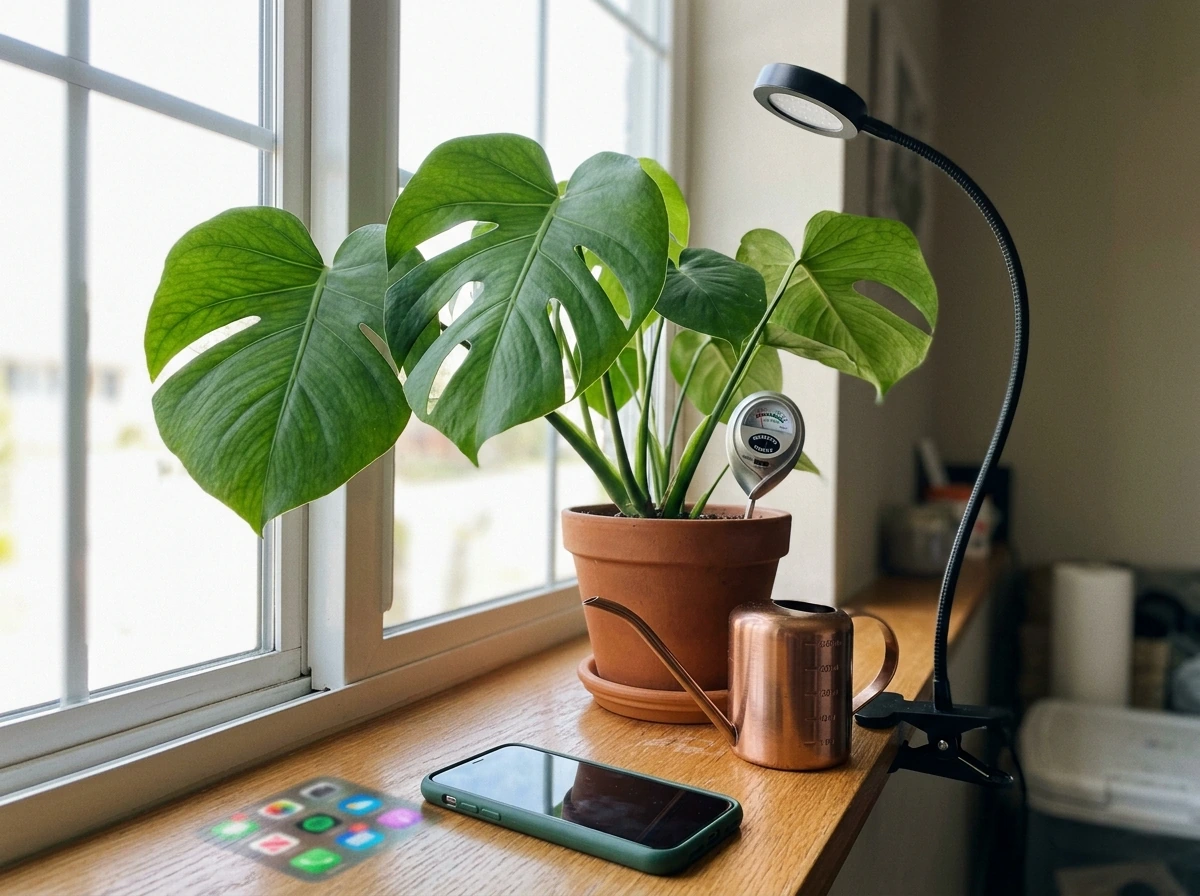
Evidence says singing does not reliably boost plant growth; focus on light, water, soil, nutrients, and airflow instead.
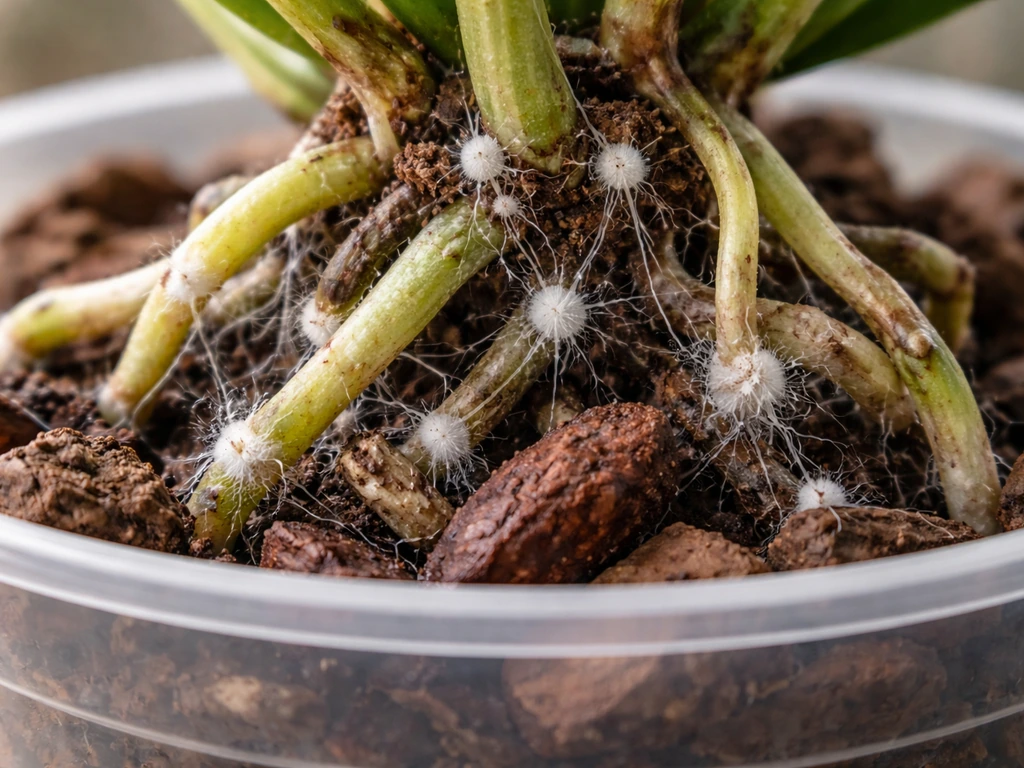
Learn which mycorrhizal fungi help orchids root, access nutrients, resist stress, and how to apply them safely today.
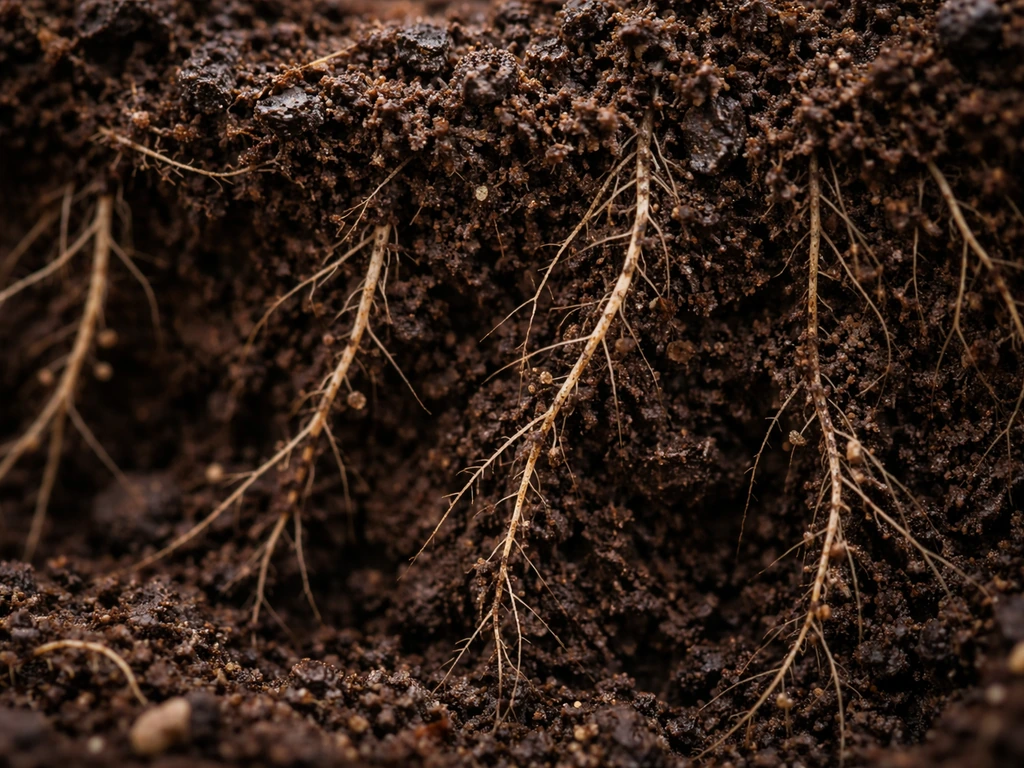
Learn how soil bacteria decompose matter and boost root nutrient uptake, plus practical steps to improve plant health.