Talking to your flowers will not measurably improve their growth or blooms. There is no credible, peer-reviewed study showing that human speech directed at plants produces better flowers when light, water, nutrients, and soil are properly controlled. That is the short answer. But the longer answer is more interesting than a flat no, because there is real science about how plants do sense their environment, why the talking myth has stuck around for over 170 years, and what you can do today that will genuinely move the needle on flower health.
Does Talking to Flowers Help Them Grow? The Real Answer
Marcus Holloway
24 Mar 2026
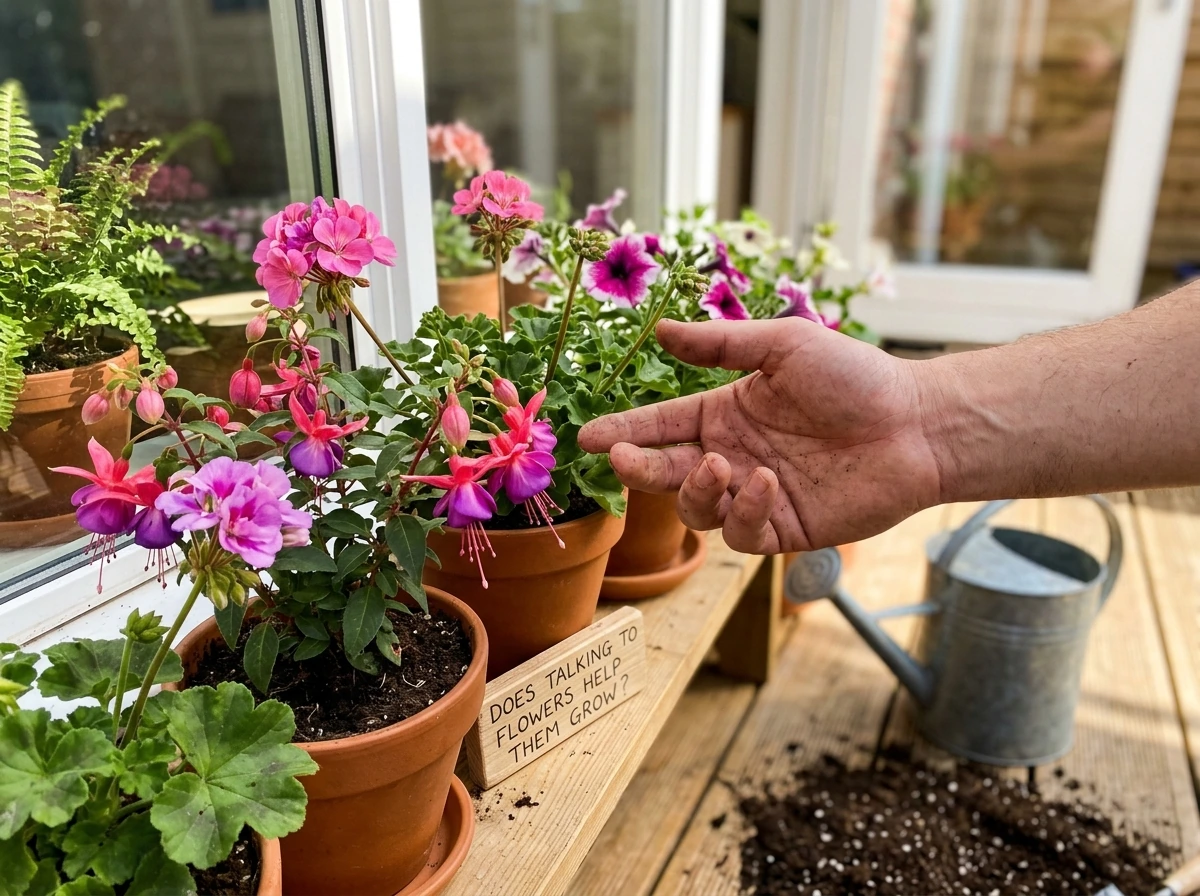
The direct answer: does talking to flowers actually help?
No, not in any way that holds up under scrutiny. Penn State researchers put it plainly: for the carbon dioxide from your breath to meaningfully boost photosynthesis, you would need to stand there talking for at least several hours a day, and even then the effect would be trivial compared to normal atmospheric CO2 levels in an outdoor or well-ventilated space. The Washington Post, summarizing the broader body of research, concluded the evidence is simply not conclusive. I have seen this question come up constantly in gardening communities, and every time someone points to a plant that seemed to thrive after being talked to, the real explanation is usually a change in attention: more consistent watering, noticing a pest problem early, or just moving the pot to a better light spot while they were chatting with it.
That is the crux of it. Talking to flowers does not hurt anything, and if the habit makes you check in on your plants more often, there is an indirect benefit to that attention. But the speech itself is not doing the work.
What flowers actually respond to
Plants are not passive objects. They are genuinely sophisticated sensors, just not of human words or emotions. Here is what they are actually reading from their environment every single day.
Light: the most powerful signal of all
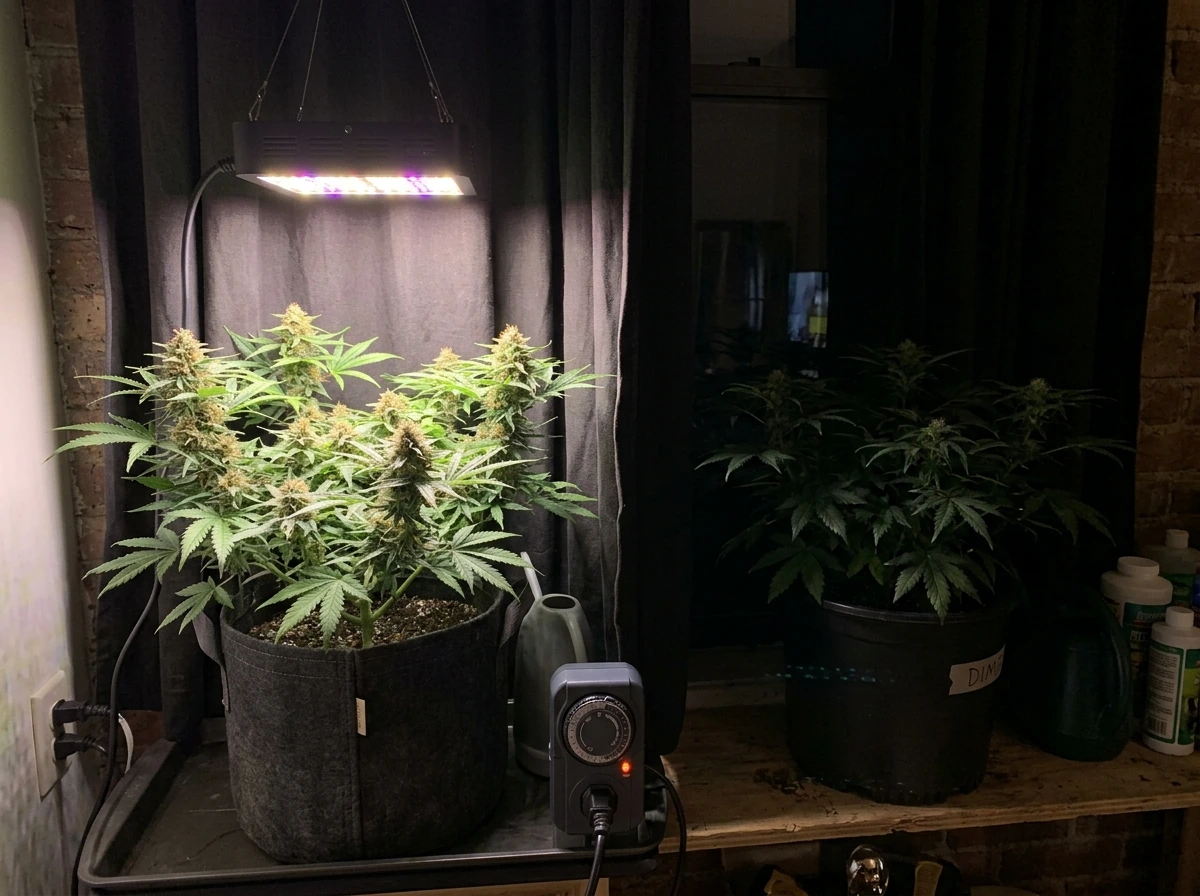
Flowering in many species is triggered by photoperiod, the ratio of light to darkness in a 24-hour cycle. Photoreceptors including phytochromes detect light wavelength and duration, and they regulate the transition from vegetative growth to reproductive (flowering) growth. Chlorophyll absorbs most strongly in the red and blue wavelengths, which is why full-spectrum or purpose-built grow lights outperform standard warm incandescent bulbs for indoor flowers. A plant sitting in the wrong light for its species is not going to flower well no matter what else you do.
Water, soil, and nutrients
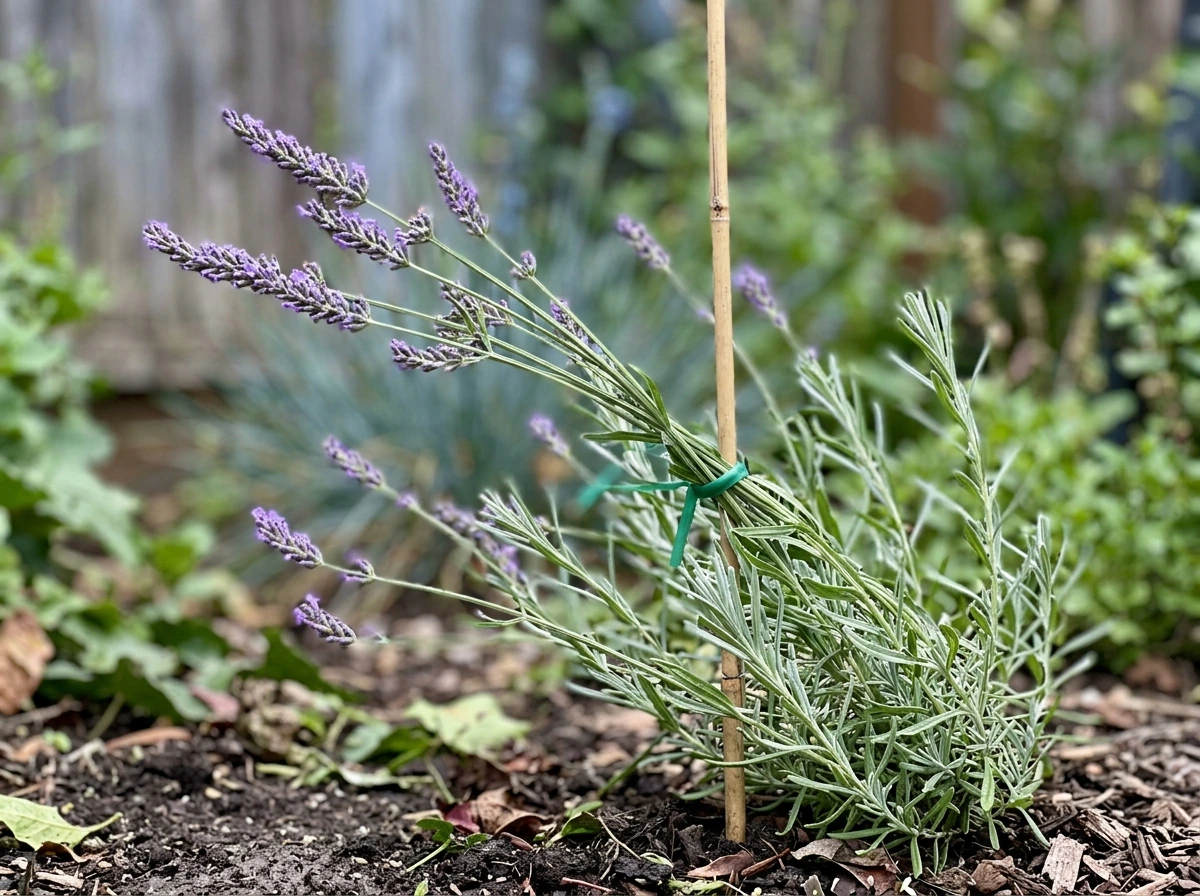
Root health is everything for flower production. Overwatering or poor drainage leads to root rot, which shuts down nutrient uptake and prevents blooming entirely. Soil pH and nutrient availability are tightly linked: Penn State Extension recommends soil testing because pH directly controls whether nutrients are chemically available to roots at all, even if those nutrients are present in the soil. A fertilizer application that misses the root zone, or soil that is outside the ideal pH range for your flower, will underperform regardless of how lovingly you talk to the pot.
Gravity, touch, and mechanical stress
Plants respond to gravity (gravitropism) and touch (thigmotropism). Gentle air movement and physical contact actually stimulate stronger stem development. This is a real, measurable effect, and it is one of the reasons plants grown in breezy outdoor conditions often develop sturdier stems than those kept in perfectly still indoor air.
Biochemical and molecular signals
Plants communicate internally through hormones like auxin, ethylene, and gibberellins, and they respond to environmental stress by shifting gene expression. Vernalization (exposure to cold temperatures) is another trigger that many flowering species require before they will bloom. None of these systems have an input channel for human conversation.
Why the talking myth has lasted so long
The idea that plants respond to human voices dates at least to 1848, when German philosopher Gustav Fechner suggested plants had souls and emotional lives. That is a long time for an idea to embed itself in gardening culture. More recently, the myth has been kept alive by a genuine overlap with something real: sound vibration research.
Studies have shown that plants can respond to sound vibrations at the molecular level. A Scientific Reports study found that Arabidopsis exposed to sound vibration showed measurable changes in gene expression, protein levels, and hormones. Separate research showed that Arabidopsis roots exposed to around 200 Hz sound for two weeks grew directionally toward the sound source, a phenomenon called phonotropism. Separate research showed that Arabidopsis roots exposed to around 200 Hz sound for two weeks grew directionally toward the sound source, a phenomenon called phonotropism. Other work, including experiments with cucumber and Chinese cabbage exposed to several hours of structured sound daily, found biochemical and physiological changes compared to controls. This is legitimate, peer-reviewed science.
The problem is the leap from that to human speech. Music and structured sound experiments use specific frequencies, intensities, and durations under controlled lab conditions. Human conversation is inconsistent, low-intensity, and brief. Popular summaries of these studies often blur the line between 'sound can affect plants' and 'talking to your roses helps them bloom,' and that blurring is where the myth gets its modern credibility boost. You can read more about the music angle in the article on whether music helps plants grow, but the short version is the same: the conditions in lab sound studies do not match what happens when someone narrates their morning routine to their windowsill orchid.
There is also the older, thoroughly debunked 'Backster effect,' the claim that plants respond to human emotions and can detect intent or stress. That line of research has not held up and is not a basis for any gardening recommendation.
Does speaking near plants change anything measurable?
Technically, a few things change when you are near a plant and speaking. Your breath adds a small amount of CO2 near the leaves. Your body radiates warmth. Your voice produces low-level vibrations in the air. But none of these rise to a level that drives meaningful growth differences under normal care conditions. Singing to plants is similar, since everyday voices and sounds do not match the controlled conditions where sound effects have been measured. Penn State's analysis is direct on the CO2 point: the volumes involved in realistic speech, for realistic amounts of time, are not enough to shift photosynthesis compared to what a plant gets from the surrounding air. And indoor plants are rarely CO2-limited in the first place compared to the bigger constraints of light intensity and root health.
Where the 'talking' habit can genuinely help is as a proxy for attentive care.
What actually works: a science-backed checklist for better blooms
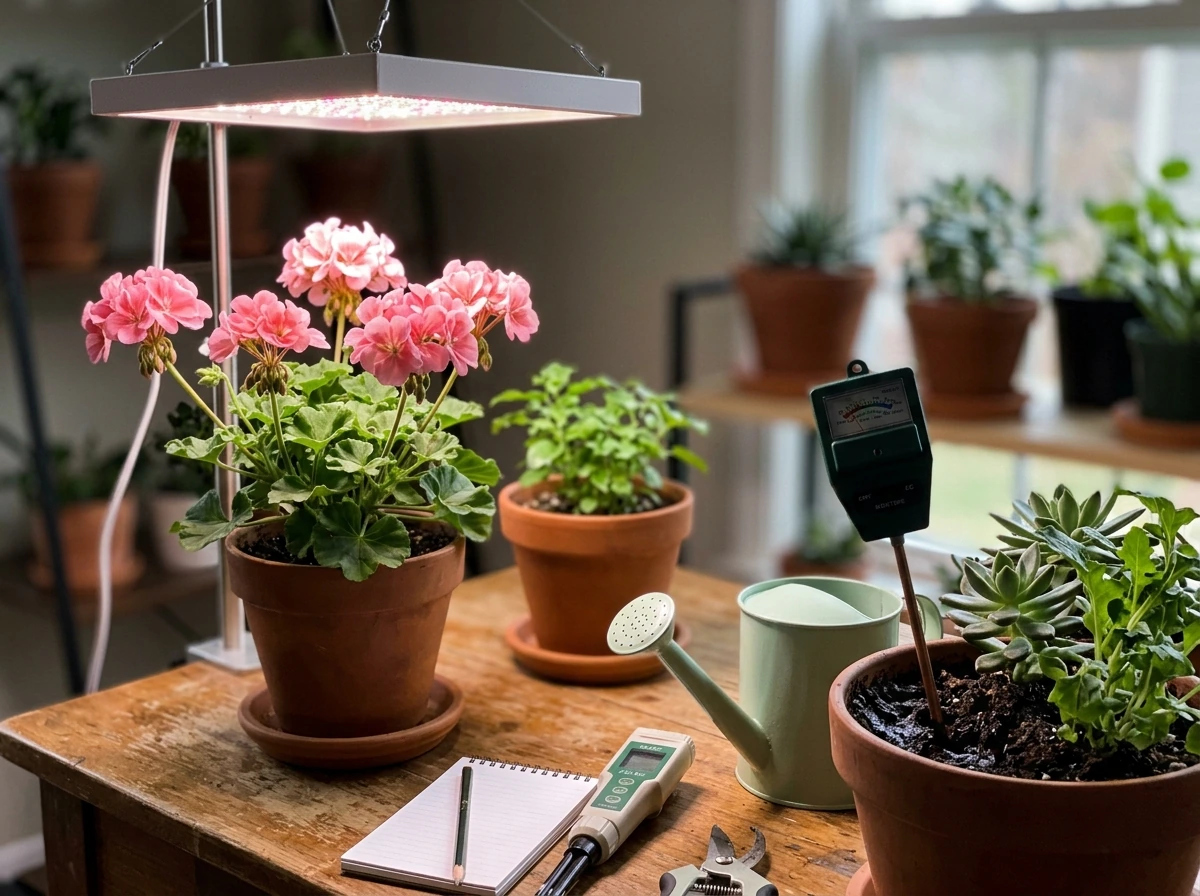
If you want to improve flower health and bloom production starting today, here is where to put your energy. These are the variables with documented, measurable effects on flowering plants.
- Match light to photoperiod requirements. Find out whether your flower is a short-day, long-day, or day-neutral plant. Adjust exposure accordingly. For indoor growing, supplemental lighting in the red and blue spectrum (not standard warm-white bulbs) directly supports photosynthesis and can be used for night interruption at very low intensity (around 2 to 3 μmol/m²/s for a 4-hour extension) to manipulate flowering timing in photoperiod-sensitive species.
- Test and correct your soil pH. Most flowering plants prefer a slightly acidic to neutral range, roughly pH 6.0 to 7.0, but this varies by species. A simple soil test kit or extension service test reveals whether nutrients you have already applied are actually available to the roots. Adjust with lime (to raise pH) or sulfur (to lower it) before your next planting or top-dress.
- Water at the root zone, not overhead. Overhead watering wets foliage and promotes fungal disease, which directly damages flower health. Water slowly at soil level and make sure containers have drainage holes. Stick your finger 2 inches into the soil before watering: if it is still moist, wait.
- Feed with the right fertilizer at the right time. High phosphorus fertilizers (the middle number on NPK labels) support root development and blooming. Switch from high-nitrogen feeds (which push leafy growth) once plants are approaching flowering stage.
- Ensure airflow. Stagnant air encourages fungal disease and weak stem development. A small fan running a few hours a day near indoor plants, or choosing an outdoor spot with natural breeze, makes a measurable difference in stem strength and disease resistance.
- Manage temperature and humidity. Most flowering plants have an optimal temperature range, and night temperatures slightly cooler than day temperatures can actually trigger or improve flowering in many species. Research the specific requirements for what you are growing.
- Scout for pests and disease weekly. Early detection is the highest-leverage intervention available. A pest infestation caught at 5 bugs is trivially manageable. At 500, it can end a bloom season. The 'talking habit' is actually useful here if it means you are regularly inspecting the undersides of leaves.
How talking vs. real variables stack up
| Factor | Mechanism | Measurable effect on flowers | Practical action |
|---|---|---|---|
| Human speech (talking, singing) | Trace CO2, low-level sound vibration, warmth | Not demonstrated under controlled conditions | Skip as a growth strategy; keep as an attention habit |
| Light spectrum and duration | Photoreceptor activation, photoperiodism, photosynthesis | Strong and well-documented | Match spectrum and day length to species requirements |
| Soil pH and nutrients | Controls nutrient availability and root uptake | Strong and well-documented | Test soil, amend pH, use appropriate fertilizer |
| Watering practice | Root health, disease prevention, nutrient transport | Strong and well-documented | Water at root zone, check soil moisture before each watering |
| Airflow | Stem strengthening, disease prevention, transpiration | Moderate and documented | Use a fan indoors or choose a breezy outdoor spot |
| Sound/vibration (structured, lab conditions) | Transcriptomic and hormonal changes at molecular level | Measurable in lab studies, practical application unclear | Not actionable for home gardeners yet |
| Temperature management | Flowering trigger, metabolic rate | Strong for many species | Research species-specific range; allow cooler nights |
Run your own experiment: talking vs. real variables
If you want to test this yourself rather than take anyone's word for it, here is how to set it up in a way that will actually tell you something. The key is holding all other variables constant, which is the step most informal 'I talked to my plant and it grew better' experiments skip entirely.
- Start with at least four plants of the same species, same age, and same size. Three to four plants per group gives you a basic buffer against individual variation, following the kind of multi-plant measurement approach recommended in formal plant phenotyping protocols.
- Divide them into two groups: a 'talking group' and a 'control group.' Place both groups in identical locations with the same light source, same distance from the window or lamp, same temperature, and the same watering schedule using measured amounts of water.
- For the talking group, speak near the plants for a consistent, defined period each day, say 10 minutes morning and evening. For the control group, approach the plants for the same amount of time but say nothing. This matters because simply being near the plants (and checking on them) should be equal across groups.
- Measure weekly. Record plant height with a ruler, count buds and open blooms, note leaf color and overall vigor. Take photos from the same angle and distance each week. MSU plant phenotyping guidelines recommend structured, repeated measurements over time rather than single-point observations.
- Run the experiment for at least 6 to 8 weeks to capture any flowering difference.
- At the end, compare your data across both groups. If the talking group outperforms on multiple measurable metrics, you have something interesting. If results are similar or mixed, that matches what the research literature shows.
The honest expectation is that you will find no consistent difference attributable to the talking itself. What you may find is that the discipline of measuring and recording forces you to notice care problems earlier in both groups, and that your overall flower health improves just from paying closer attention. That is a genuinely useful outcome from the experiment, even if it is not the one the myth predicts.
The bottom line: spend your talking time near your flowers if you enjoy it, but spend your thinking time on light, soil, water, and airflow. Those are the levers that actually work, and every one of them is something you can adjust today.
FAQ
If talking to flowers does not help growth, can it at least hurt them?
For most home conditions it is harmless, but avoid anything that indirectly changes care, like bumping the pot, moving it for better “listening,” or trapping heat by crowding plants near a window during hot days. Also avoid spraying water while talking, since wet foliage can raise disease risk if airflow is poor.
Could music or certain sounds help more than normal conversation?
Sound can affect plants when it is structured (specific frequencies, intensity, and timing), and lab setups use controls that conversation cannot match. If you want to try sound anyway, treat it as an experimental variable and keep lighting, watering, and fertilizer identical, otherwise you will not know what caused any change.
Does your breath adding CO2 make a difference if you talk to indoor plants for a long time?
Even with extended talking, the CO2 added by breath is too small compared with normal air exchange for typical indoor setups. If CO2 were truly limiting, you would usually see responses to ventilation and CO2 enrichment in controlled growing, not from casual narration near leaves.
What is the most common reason people think their plant grew better after talking?
The biggest culprit is attention-driven changes, like noticing yellowing earlier, adjusting light position, watering on schedule, improving drainage, or spotting pests sooner. Another frequent factor is coincidence, since many plants bloom after a natural developmental trigger unrelated to any household habit.
If I want to test this at home, what is the safest way to avoid misleading results?
Use two groups with identical conditions (same cultivar, pot size, soil, light hours, watering schedule, and airflow). Change only one variable, the sound or talking, for a defined period, and measure the same outcomes (bud count, time to first bloom, leaf color, weekly height). If you cannot keep conditions matched, any difference is likely from care changes.
How long would I need to “talk” to expect any real effect, if one existed?
A meaningful effect would have to be measured over enough time to override normal constraints like light and root health. However, since conversation is not CO2- or frequency-structured, the practical expectation is no consistent change, so run the test for weeks with real metrics rather than days with impressionistic observations.
Does talking to plants work better for seedlings or flowering plants?
Flowering depends heavily on photoperiod and overall light quality, while seedlings depend most on consistent nutrients and adequate light. Since speech is not an input for photoperiod or nutrient uptake, there is no reason to expect better results for one life stage over another beyond the fact that you might notice and correct care issues sooner.
Can the timing of when you talk to plants matter (morning vs night)?
Plants track day length and light-dark cycles through photoreceptors, so the main “timing lever” is lighting, not sound. If sound affects anything, it would be through altered stress or vibrational exposure, but normal conversation is inconsistent, so do not rely on timing to create a controllable effect.
What should I focus on instead if my flowers are not blooming?
Start with light (hours and wavelength), then drainage and root health, then soil pH and nutrient availability. If photoperiod-sensitive species are involved, ensure they get the correct light-dark rhythm. Fixing these usually produces faster, measurable results than any habit involving speech.
Is there any plant-care practice that sounds similar to “talking to plants” but is actually evidence-based?
Yes, routine monitoring and gentle airflow or physical support. The science-supported part is not voice, it is consistent conditions, early problem detection, proper airflow (which reduces disease and supports sturdier stems), and correct watering and fertilization based on measured soil and light.
Next Articles
Does Talking to Plants Help Them Grow? What Science Says
Find out if talking helps plants grow, what science says about hearing, and how to run a simple at-home test.
Do Birds Chirping Help Plants Grow? Science vs Myth
See if birds chirping boosts plant growth. Myth vs science, plus real bird benefits and practical steps for healthier pl
Does Singing to Plants Help Them Grow? The Evidence
Evidence says singing does not reliably boost plant growth; focus on light, water, soil, nutrients, and airflow instead.