Touching plants can help them grow, but only when the touch is intentional and purposeful. Casually petting or rubbing leaves does not stimulate meaningful growth and can actually cause minor damage over time. What genuinely moves the needle is purposeful handling: pruning to break apical dominance, training stems to improve light exposure, rotating pots for even growth, and using your fingers to monitor soil moisture and catch problems early. Magnetic fields are sometimes discussed as a plant-growth aid, but the evidence is mixed and not a substitute for the real essentials like light, water, and nutrients. Random touching is not a growth hack. But deliberate, careful contact as part of real horticultural care absolutely matters.
Does Touching Plants Help Them Grow? What Actually Works
Marcus Holloway
4 Jun 2026
What actually counts as 'touching' a plant
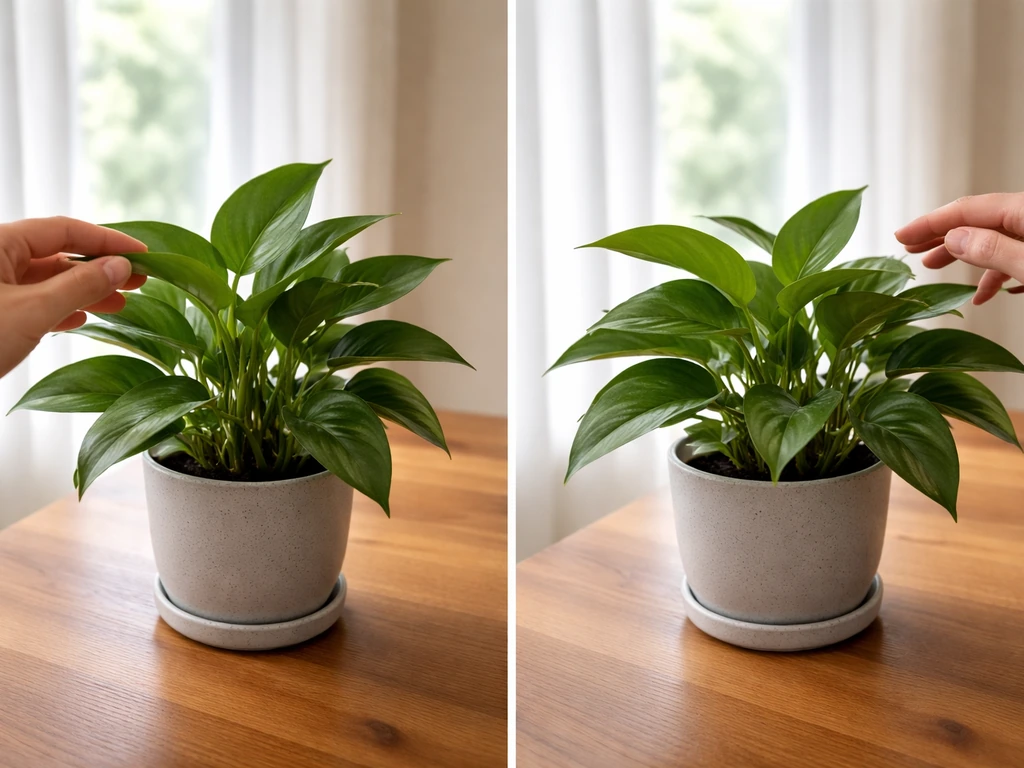
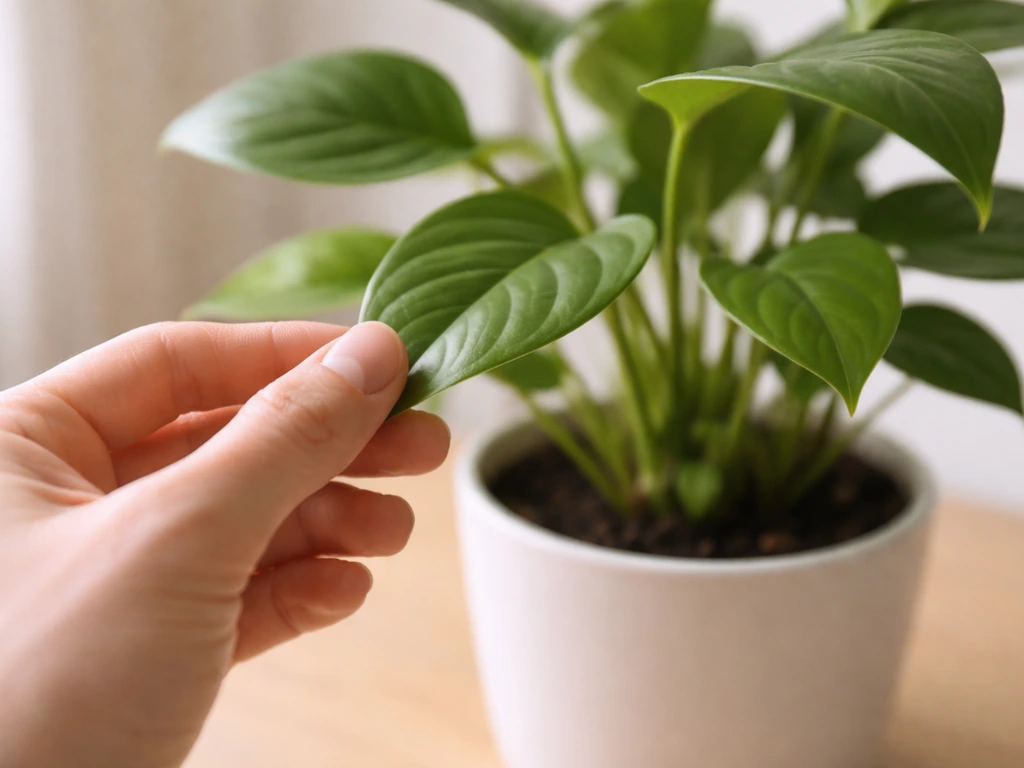
People mean very different things when they ask whether touching helps plants grow. There's the casual stuff: stroking leaves while you walk by, misting foliage, checking if the soil feels dry. Then there's purposeful handling: pruning stems, pinching off growing tips, rotating the pot, staking and training, and repotting. These are not the same activity, and they don't produce the same results. Plant science lumps mechanical contact under a field called thigmomorphogenesis, which is basically how plants sense and respond to being touched or moved. But the type of contact, how often it happens, and which species you're dealing with all change the outcome significantly. Gentle leaf-stroking and a pruning cut are biologically worlds apart.
For the purposes of actually helping your plants, the touches that matter are the ones with a clear horticultural purpose. Inspecting leaves for pests, feeling the soil, redirecting a wayward stem, removing dead or diseased growth, and turning the pot are all forms of touch that have measurable effects. The touchy-feely stuff, like massaging leaves or giving your monstera daily attention to show it you care, sits more in the folklore category. It's not evil, but it's not doing what people think it is.
Does petting or rubbing leaves actually help growth?
Probably not in the way most people hope. Research on Arabidopsis (a common lab plant) found that touching plants three times a day actually stunted growth, inhibited stem elongation, and delayed flowering compared to plants left alone. This is thigmomorphogenesis in action: repeated mechanical stimulation triggers a stress response, not a growth boost. Plants that are repeatedly touched can produce more compact, tougher growth as an adaptive response, similar to how wind exposure shapes plants in the wild. That's not the lush, vigorous growth most gardeners are after.
There's also a practical concern with rubbing leaves directly. The waxy coating on leaf surfaces (the epicuticular wax) serves as a protective barrier against water loss and pathogens. Repeated rubbing can disturb this layer. Leaves can regenerate the wax depending on their developmental stage, but it's a temporary reduction in protection that doesn't offer any upside. If you've seen someone on social media wiping down their pothos leaves with olive oil to make them shiny, this is exactly the kind of well-meaning but counterproductive touching to avoid.
The mechano-sensing system in plants also desensitizes with repeated stimulation. That means more touching doesn't produce a continuously bigger response. The plant adapts, and the effect plateaus or reverses. This is worth remembering any time someone suggests that more attention through touch is always better for plants.
The touches that genuinely help: pruning, training, repotting, and rotating
These four are where intentional handling earns its keep. Each works through a clear biological mechanism, not folklore.
Pruning and pinching
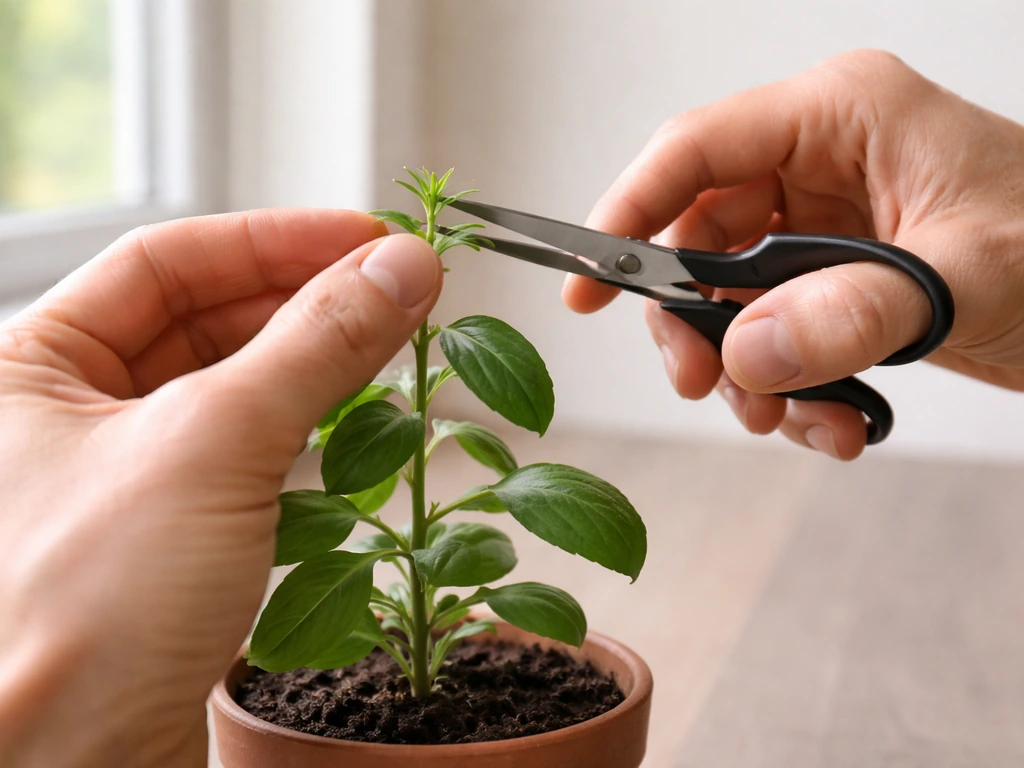
When you remove a growing tip (apical meristem), you break something called apical dominance. The main shoot tip produces auxin, a hormone that suppresses side bud growth and keeps the plant growing in one direction. Remove that tip, and auxin drops. Cytokinin activity rises, and dormant axillary buds get the signal to grow out into new branches. The result is a fuller, bushier plant. Basil is a perfect example: pinching off upper stem tips prevents flowering and forces the plant to branch out, which is exactly what you want for a continuous harvest. The same principle applies to tomatoes (removing suckers improves harvestable yield and keeps the canopy manageable), shrubs, and most herb plants. This is real, measurable growth change driven entirely by where and how you make a cut.
Training and staking
Redirecting stems toward better light or training a vine to climb changes how much photosynthesis a plant can perform. A sprawling pothos with half its leaves in shade is not thriving at its potential. Tucking stems onto a moss pole, tying up a tomato plant, or fanning out a climbing rose along a trellis lets more leaf surface capture light. This is touch with a clear payoff: more light captured equals more energy for growth. Do birds help plants grow by spreading seeds and influencing plant ecosystems more light captured equals more energy for growth.
Repotting
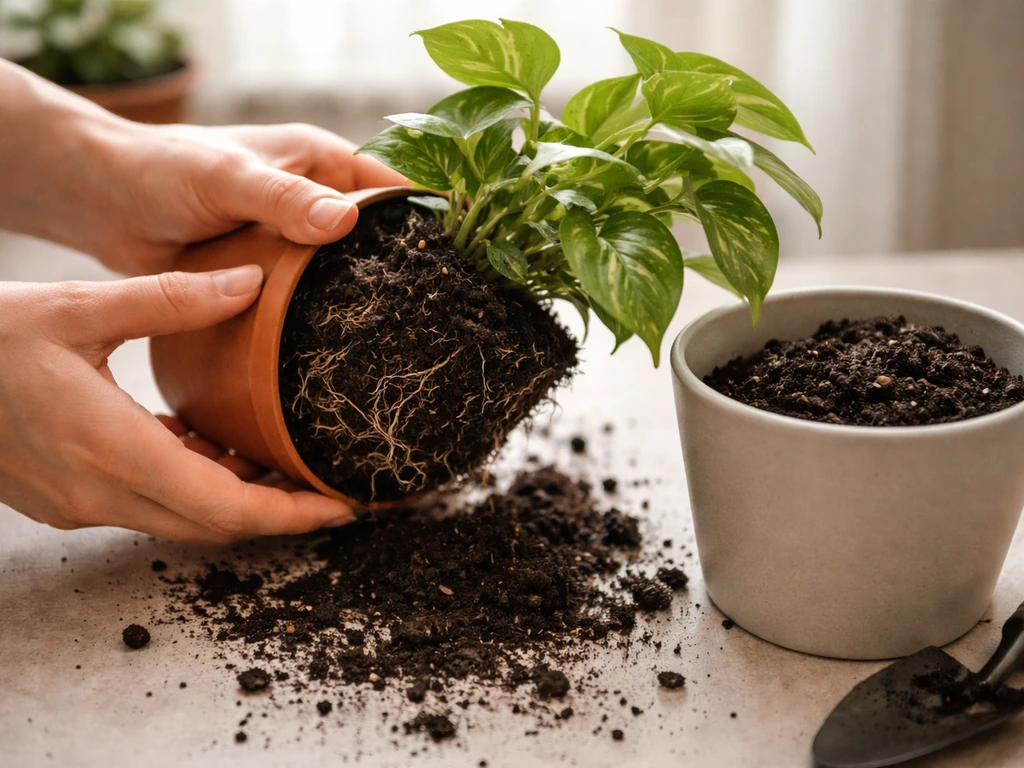
A root-bound plant in exhausted soil is starving for nutrients and room. Repotting into fresh media with better drainage removes a genuine constraint on growth. The handling involved does stress the roots, and timing matters a lot. Repotting an orchid in full bloom, for example, can trigger flower and bud drop as the plant diverts energy to root recovery instead of maintaining flowers. The principle applies broadly: repot when the plant has the resources to recover, not when it's already under stress or in active bloom. Done at the right time with gentle handling, repotting is one of the highest-impact touches you can give a plant.
Rotating
Plants grow toward their light source. Left in one position, they lean and develop unevenly. Rotating a pot a quarter turn every week or two keeps growth balanced and prevents the plant from putting all its energy into one side. This is low-effort, high-return touch that takes about two seconds and makes a visible difference over a few months.
Using touch to monitor: soil moisture and plant health
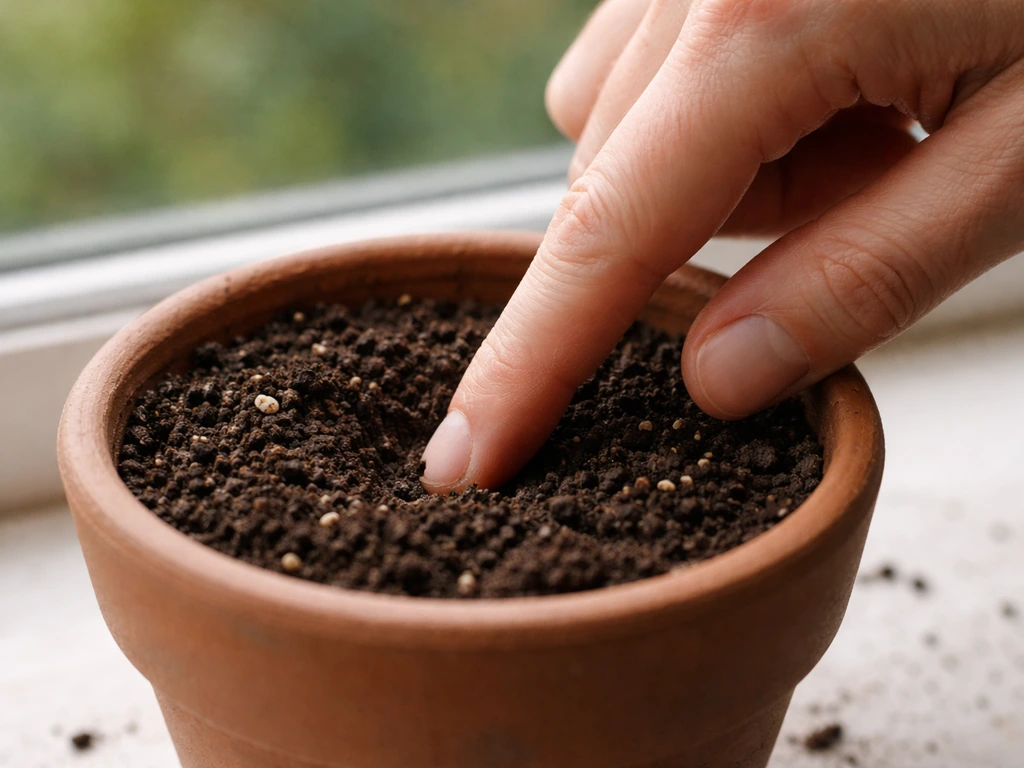
Your fingers are actually a decent soil moisture sensor. Pushing a finger about an inch into the soil tells you whether the top layer is dry, moist, or soggy, and that information is genuinely useful for avoiding both overwatering and underwatering. A more refined version of this is the ribbon test used for outdoor soils: take a pinch of soil, roll it, and try to form a ribbon between your thumb and finger. How it behaves (crumbles, holds shape, smears) tells you about both moisture and soil texture. For pots where the root ball is too dense to probe by finger easily, a wooden skewer or chopstick works similarly: push it in, pull it out, and check how much soil sticks to it and whether it feels damp. Moisture meters and electronic sensors are good tools too, but the finger method is immediate and free.
Beyond moisture, handling plants during inspection catches problems you'd miss from a distance. Running your fingers along leaf undersides is one of the best ways to detect early spider mite webbing, scale crawlers, or aphid colonies before they become infestations. Gently squeezing a stem (lightly) can reveal soft rot you wouldn't see just by looking. This kind of deliberate, exploratory touch is genuinely useful plant care, not just fussing.
When touching actually hurts your plants
There are several situations where leaving a plant alone is the right call, and handling it will make things worse.
- Seedlings: Young seedlings are fragile, with delicate stems and undeveloped root systems. Handling them too early or too roughly is one of the most common reasons seedlings fail. When you do need to move them, handle by the cotyledons (seed leaves) rather than the stem.
- Bruising: Repeated contact bruises plant tissue. Bruised cells die and can become entry points for pathogens. This is especially true with soft-stemmed plants and herbs. A plant that's been squeezed, bent, or repeatedly rubbed will show brown or mushy spots at contact points.
- Disease and pest spread: Your hands and tools move pathogens between plants with alarming efficiency. Touching a plant with a fungal issue and then inspecting another plant without washing your hands spreads the problem. Pruning tools are especially risky: disinfect blades with alcohol between plants, not just between sessions. Some viruses can even be inactivated by washing hands with soap, which is a good baseline practice during any handling session.
- Removing leaf wax: Rubbing, wiping with oily products, or rough handling strips the epicuticular wax layer. This temporarily reduces the leaf's ability to regulate water loss and resist pathogens.
- Overwatered or drought-stressed plants: Handling a plant that's already under moisture stress adds mechanical stress on top of physiological stress. When roots are compromised by root rot or drought, repotting or aggressively handling the plant accelerates decline rather than helping recovery.
- Plants in bloom: Repotting or heavily manipulating flowering plants, especially orchids, often causes bud and flower drop. The energy budget shifts to recovery rather than maintaining blooms.
A quick comparison: which types of touch help vs. hurt
| Type of Touch | Effect on Plant | Worth Doing? |
|---|---|---|
| Pruning/pinching growing tips | Breaks apical dominance, promotes branching and bushier growth | Yes, with clean tools and good timing |
| Training/staking stems | Improves light exposure and air circulation | Yes, regularly for climbing or sprawling plants |
| Rotating the pot | Balances light exposure, evens out growth | Yes, every 1-2 weeks |
| Repotting | Removes root-bound constraints, refreshes soil nutrients and drainage | Yes, but at the right growth stage and not during bloom |
| Finger/skewer soil moisture check | Helps time irrigation accurately, prevents over/underwatering | Yes, routine practice |
| Leaf/stem inspection by hand | Early pest and disease detection | Yes, weekly if possible |
| Casually petting/stroking leaves | No meaningful growth benefit; potential epicuticular wax disruption with repeated contact | Not particularly useful |
| Rubbing leaves with oils | Clogs stomata, disrupts wax layer, reduces gas exchange | No |
| Handling seedlings by the stem | High risk of bruising and cell damage to fragile tissue | No, handle by seed leaves instead |
| Using dirty/unsterilized tools | Spreads fungal spores, bacteria, and viruses between plants | No, always disinfect first |
How to touch less, but better, starting today
The goal is purposeful touch, not more touch. Here's how to set that up as a practical routine:
- Do a weekly inspection, not a daily petting session. Pick one day a week to go through your plants deliberately. Check leaf undersides for pests, look for discoloration or soft spots, check soil moisture with a finger or skewer, and rotate pots a quarter turn. This takes a few minutes and gives you far more useful information than daily casual contact.
- Prune with purpose and clean tools. Before you make any cut, sterilize your pruning blades with isopropyl alcohol. Pinch herbs like basil every week or two to prevent bolting and encourage branching. For houseplants, remove dead or yellowing leaves cleanly rather than tearing them off. For tomatoes and other garden plants, prune suckers and lower foliage that touches the ground to reduce fungal risk.
- Train early and gently. If you have climbing plants or vining varieties, get them onto a support structure while stems are still young and pliable. Use soft ties (not wire) and check periodically that ties aren't cutting into expanding stems.
- Repot on a schedule, not in a panic. Check whether roots are circling or escaping the drainage hole. Repot into a container one size up, using fresh potting mix suited to the species. Do it in spring when growth is active and the plant has reserves to handle root disturbance. Avoid repotting during bloom or during winter dormancy.
- Wash your hands before and between plants. This is especially important if any of your plants show signs of disease or pests. Soap and water before moving to the next plant is a simple step that cuts disease spread dramatically.
- Skip the leaf-rubbing. If you want shiny leaves, wipe them gently with a lightly damp cloth to remove dust (which genuinely does block light and reduce photosynthesis). That's it. No oils, no polishes, and no need for daily rubbing.
- Let the real drivers do the heavy lifting. Light, water, nutrients, and soil quality are responsible for the vast majority of how well a plant grows. If your plant is struggling, adjusting those factors before increasing how much you touch the plant will almost always yield better results.
Touching plants is not inherently good or bad. It depends entirely on what you're doing and why. The idea that more attention through touch equals better growth doesn't hold up to what we know about plant physiology. Plants aren't social animals; they don't reward affection with extra growth. Mirrors, like other forms of surface handling or environmental tweaks, only help if they change the plant's real needs such as light exposure more attention through touch. What they do respond to is having their real constraints removed: good light, appropriate watering, nutrients, space for roots, and the occasional strategic cut that redirects their growth energy. If you're curious about other types of plant stimulation in this vein, the science around whether shaking plants or playing music affects growth follows similar logic: stimulus type, dose, and mechanism all matter far more than the general idea of giving plants more stimulation.
Treat handling as a tool, not a habit. Touch your plants when you have a reason to: to check, to prune, to train, to move. Do it cleanly and carefully. Then step back and let soil, light, and water do what they do best.
FAQ
How often is it actually helpful to touch a plant?
Help comes from tasks, not frequency. Aim for a consistent inspection rhythm (for many houseplants, weekly) and touch only to prune, train, rotate, or check moisture. Repeated “daily petting” is more likely to trigger stress than improve growth, especially if it happens during active growth or near delicate leaves.
Does touching help seedlings or young plants more than mature ones?
Young plants are generally more sensitive to disturbance. Pinching and pruning can help branching, but constant handling can increase stress and slow elongation. If you must move seedlings for light, do it briefly and rotate carefully, rather than handling leaves repeatedly.
What’s the safest way to inspect leaves with your fingers?
Touch the leaf gently, especially the undersides where pests hide, and avoid tugging. If you notice sticky residue, webbing, or unusual spots, treat the cause promptly instead of continuing to handle the plant. Washing hands before and after inspection reduces spreading pests between plants.
Is misting foliage considered “touch,” and can it replace watering?
Misting is surface wetting plus light mechanical contact, not a substitute for root watering. It may raise short-term humidity around leaves, but it often dries quickly and can encourage fungal issues if airflow is poor. Use it sparingly and only when the species benefits from higher humidity, otherwise rely on soil moisture checks.
Should I rotate my pot every week, or is that too much touch?
Rotation is usually beneficial when done gently and predictably. A quarter turn every 1 to 2 weeks is a common approach, but stop adjusting if the plant shows signs of stress or if it was just repotted and still recovering. Consistency matters more than frequent micro-moves.
Does training vines or tying stems require constant touching?
No. Training is high-impact because you change light exposure and growth direction, but it should be done in deliberate sessions. Once the plant is oriented and secured, leave it alone except for periodic checks to prevent ties from cutting into the stem and to adjust as it grows.
Can touching leaves transfer pests or diseases to other plants?
Yes. Your hands and tools can move pests, eggs, or residue from one plant to another, even if you do not see anything immediately. Disinfect pruners between plants, and consider washing hands or using disposable gloves when you suspect mites, scale, or aphids.
Is it better to touch when the plant is dry or when it is wet?
For most inspections, dry conditions are safer. Wet leaves can tear more easily and may spread pathogens if you accidentally bruise tissue or wipe debris around. If the plant is already compromised, handle minimally and avoid rubbing leaf surfaces.
Does rubbing leaves (even gently) improve shine or photosynthesis?
It doesn’t provide a growth boost and can reduce the protective leaf wax temporarily by disturbing the epicuticular wax layer. If you want to clean leaves, use a mild, species-appropriate method (often a gentle wipe with water or a damp cloth, not oils) and keep it infrequent.
How do I know if my “touch” is actually doing harm?
Watch for symptoms like leaf spotting, unexpected browning at touch points, slowed new growth, or increased drop after handling. If these happen after repeated inspections or repositioning, switch to fewer, more purposeful interventions and focus on the fundamentals (light, correct watering, and nutrients).
What should I do if repotting requires handling, but the plant is blooming?
Delay repotting when possible. If repotting cannot wait, reduce disturbance, keep roots as intact as practical, and expect possible bud or flower drop due to root recovery. In bloom, prioritize stability, appropriate light, and careful watering until the plant resumes vegetative growth.
Next Articles
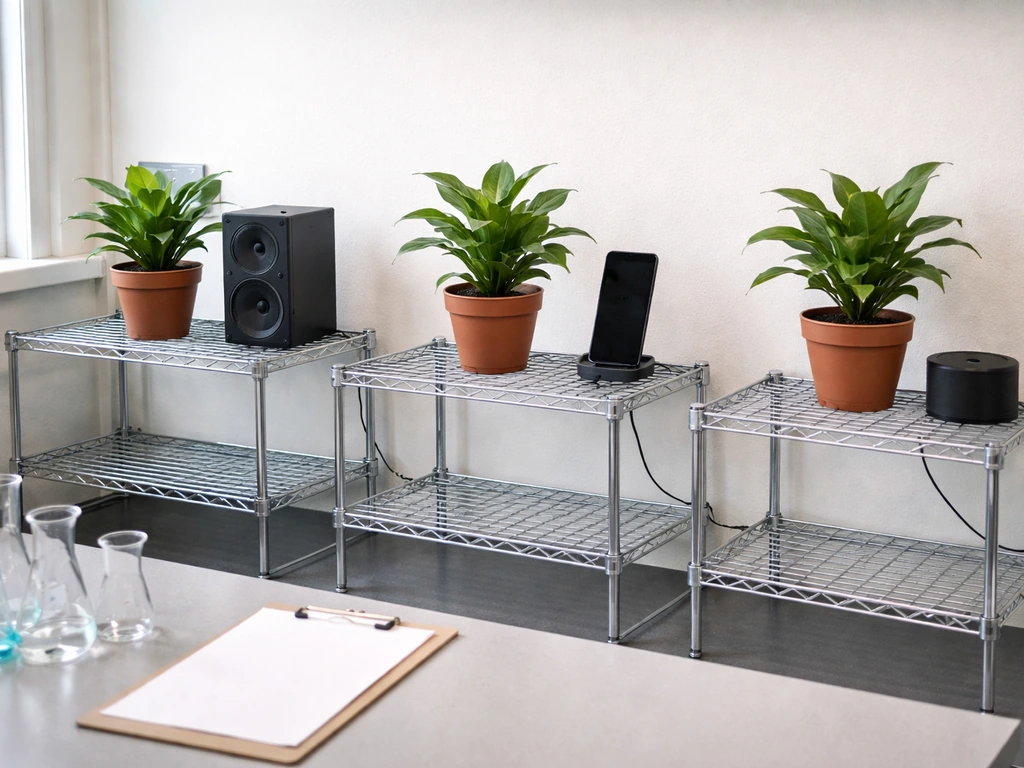
Does Music Help Plants Grow? Mythbusters-Style Test and Evidence
Mythbusters-style test on whether music boosts plant growth, what science says, and safer ways to improve yields.
Do Mirrors Help Plants Grow? Indoor Guide and Best Practices
Do mirrors boost indoor plant growth by redirecting light? Learn best placement, angles, tests, and risks.
Do Mushrooms Help Plants Grow? Science and How to Use
Science-backed answer on whether mushrooms help plants grow, plus how to use mycorrhiza, compost, and test results.