Yes, birds genuinely help plants grow, but the way they do it is more ecological than magical. The real benefits come down to four concrete mechanisms: moving seeds into new places, pollinating certain flowers, depositing nutrients through droppings, and eating the insects that damage plants. Each of these can make a measurable difference in a garden or newly established habitat, but each one also comes with limits and trade-offs worth understanding before you start planning around birds.
Do Birds Help Plants Grow? Real Benefits in New Gardens
Marcus Holloway
4 Jun 2026
How birds actually help plants (the realistic pathways)
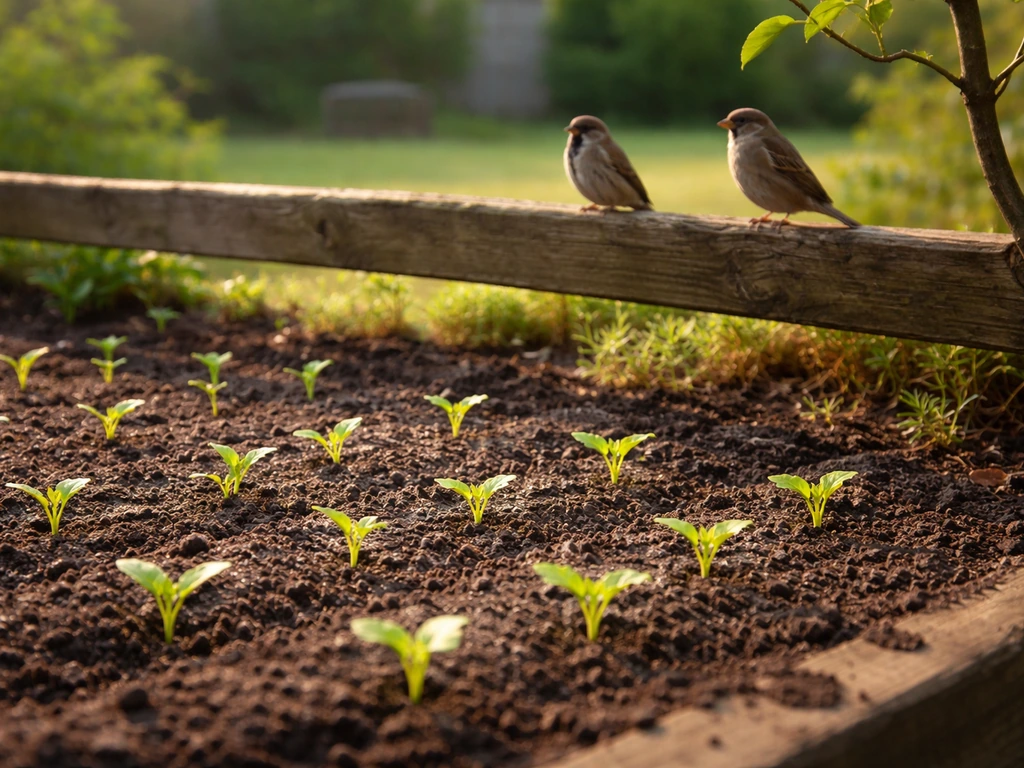
Birds interact with plants in ways that span the whole plant life cycle. They move seeds from one place to another, sometimes improving the seeds' germination odds in the process. They visit flowers and carry pollen, at least for certain plant types. Their droppings add nitrogen and phosphorus to soil. And by eating insects, they reduce the populations of pests that would otherwise chew through leaves, stems, and fruit. None of these benefits work in isolation or work for every plant, but together they make birds a meaningful ecological partner in a garden or landscape.
The catch is that birds are not a garden tool you can dial in the way you would irrigation or fertilizer. They respond to habitat, food availability, and season. The practical goal is to make your space attractive enough that birds show up consistently, and then let their natural behaviors do the work. That said, it helps enormously to understand which specific behaviors are doing the heavy lifting.
Seed dispersal: the best thing birds do for plants in new places
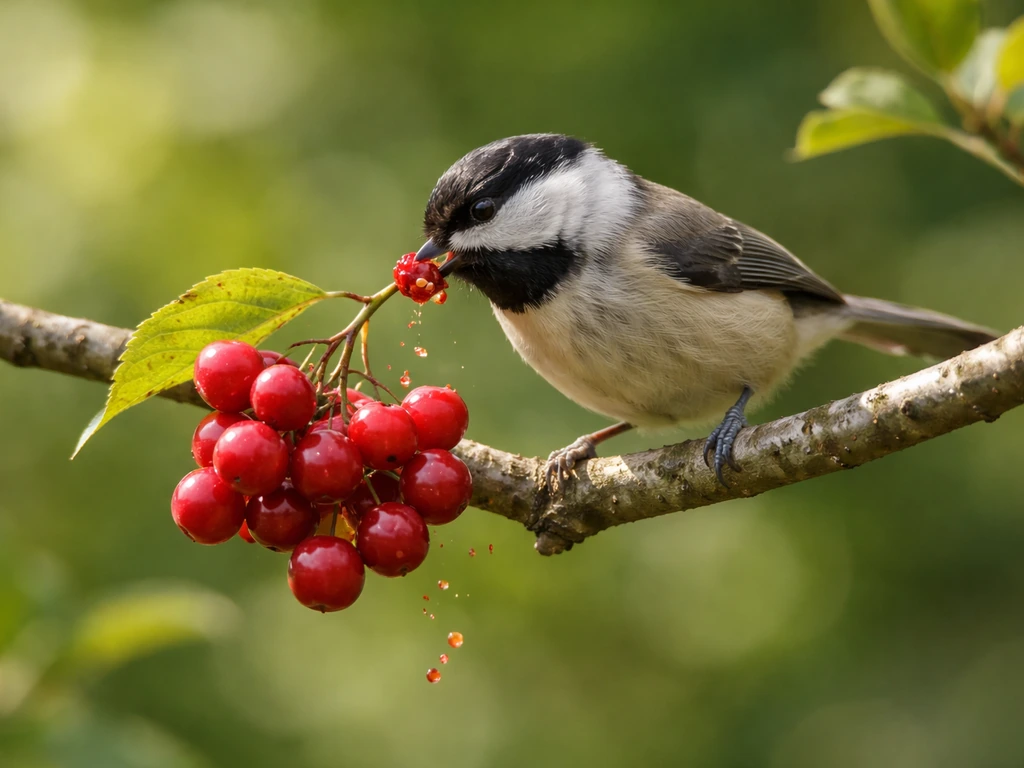
If you have a new garden, a recently cleared lot, or a habitat restoration project, seed dispersal is where birds earn their keep most clearly. Frugivorous birds (those that eat berries and fleshy fruit) swallow seeds whole, carry them in their gut, and deposit them somewhere new when they defecate, sometimes miles from the parent plant. This is called endozoochory, and it is one of the primary ways many plant species colonize new areas naturally.
What is especially interesting for gardeners is that the gut passage itself can matter for germination. A review of vertebrate frugivore studies found that gut passage affects seed germinability or germination rate in roughly 50% of the plant species studied. The digestive acids and enzymes can scarify hard seed coats, effectively giving seeds a head start they would not get if they simply fell to the ground beneath the parent plant. Timing of germination can shift as well. The conservation physiology research on this topic makes clear that outcomes depend on the specific plant and the specific bird, so it is not a universal improvement, but for many native shrubs and trees it is a real one.
There is also a spatial benefit that goes beyond the seeds themselves. When birds use perches, they tend to defecate nearby, concentrating seed rain under trees, along fence lines, or near shrub edges. Research on artificial perches in restoration projects has confirmed this: adding perch structures increases bird use of an area and measurably boosts seedling establishment, which is a practical tool you can actually use in a new garden (more on that below).
One honest caveat: birds do not filter seeds by what you want to grow. A robin or cedar waxwing carrying seeds from a neighboring yard might be bringing native serviceberry or it might be bringing invasive bittersweet. In restoration settings, monitoring what germinates under bird perches is part of the work.
Bird pollination: when it matters and when it does not
Bird pollination is real, but it is much more specialized than most people assume. The USDA estimates that around 2,000 bird species worldwide feed on nectar, pollen, or the insects attracted to flowers. In the Americas, hummingbirds are the dominant bird pollinators. In Africa and Asia, sunbirds fill that role. In Australia, parrots and honeyeaters do much of the work. But in most temperate North American or European gardens, the vast majority of pollination is done by bees, flies, beetles, and other insects, not birds.
Plants that genuinely benefit from bird pollination tend to share a recognizable set of traits: large, tubular, red or orange flowers with no scent and generous amounts of dilute nectar. Hummingbirds are attracted to color, not fragrance (they have a weak sense of smell), and they need energy-dense visits, so the flower architecture has to match their beak and hover-feeding behavior. Trumpet vine, cardinal flower, salvia, red columbine, and penstemon are classic examples. If your plants do not fit this profile, hummingbirds visiting them are likely incidental, and you should not expect meaningful pollination from birds.
In practical terms, if you want birds to improve pollination in your garden, plant species specifically adapted to bird pollination. If you are growing tomatoes, squash, apples, or most vegetables and fruit trees, insects are doing the pollination work, and focusing on bee habitat will serve you far better than focusing on birds.
Bird droppings as fertilizer: helpful doses vs harmful ones
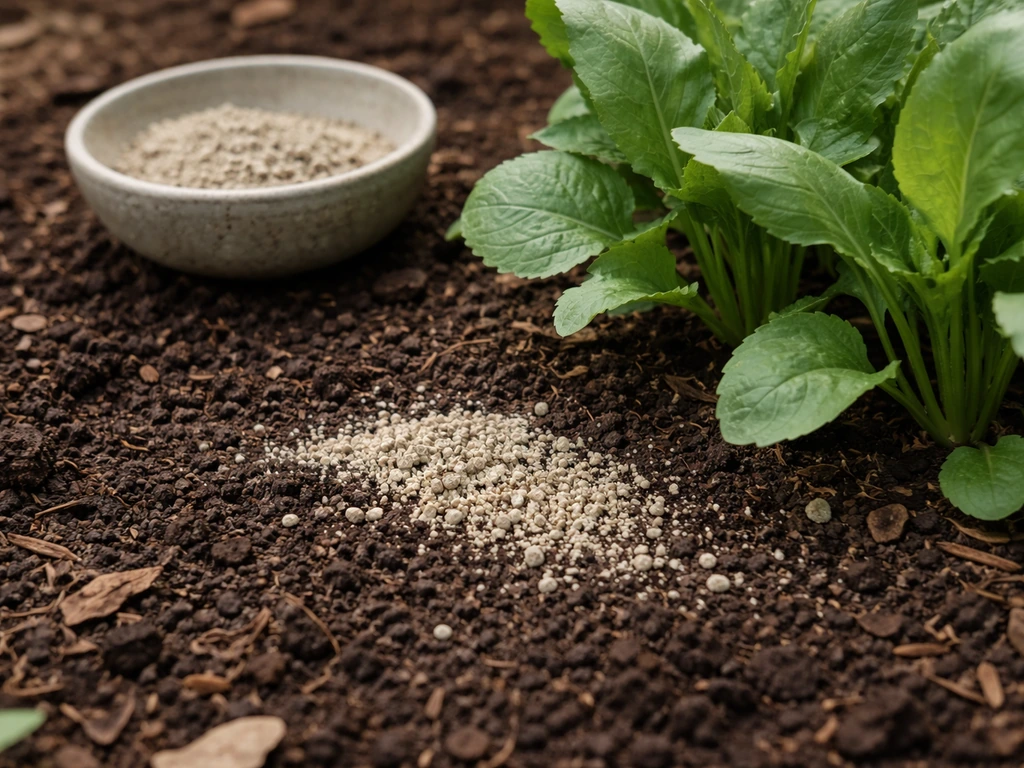
Bird guano has been used as a serious agricultural fertilizer for centuries, and the science backs up why. Seabird guano from dense nesting colonies can contain 15 to 20% nitrogen by weight, according to studies on Baltic Sea cormorant colonies. That is extraordinarily concentrated. In garden or forest settings with regular (but not colonial seabird) bird activity, measured nitrogen inputs from droppings range from about 0.44 to 3.49 kg of nitrogen per hectare per year, with a mean around 1.15 kg per hectare per year. That is a modest but real contribution, roughly comparable to a light top-dressing of organic fertilizer applied across a broad area.
Growth chamber research on seabird guano has shown that it shifts soil concentrations of ammonium (NH4+), nitrate (NO3-), phosphate (PO4^3-), and potassium (K+), and that these changes show up in plant tissue as well. For plants growing in nutrient-poor soils, such as newly established or degraded sites, even modest bird-derived nitrogen can support noticeably better growth.
Where it goes wrong is concentration. If birds are roosting heavily in one spot, perhaps a covered patio, under a bird feeder, or on a single tree branch directly above a planting bed, the nitrogen loading can shift from helpful to harmful. High ammonium concentrations can burn roots, raise soil pH in ways that lock out nutrients, and cause salt stress in sensitive plants. Leaf burn from direct droppings on foliage is also common. If you notice yellowing, brown-edged leaves, or patches of dead grass directly under a roost, excess nitrogen is the most likely culprit.
Signs bird droppings are helping vs hurting
| Condition | What it looks like | What to do |
|---|---|---|
| Light, distributed droppings | Modest green-up, steady growth near bird activity areas | Nothing, this is the benefit working as intended |
| Heavy droppings under a single roost or feeder | Dark or yellowed patches, stunted plants, salt crust on soil | Move the feeder, add mulch, flush soil with water |
| Droppings directly on foliage | Brown spots or burn marks on leaves | Rinse leaves promptly, consider repositioning feeders |
| New seedlings appearing in drop zones | Volunteer plants of unknown origin | ID before you pull, could be desirable or invasive |
Pest control: birds reduce insects, but results vary by crop
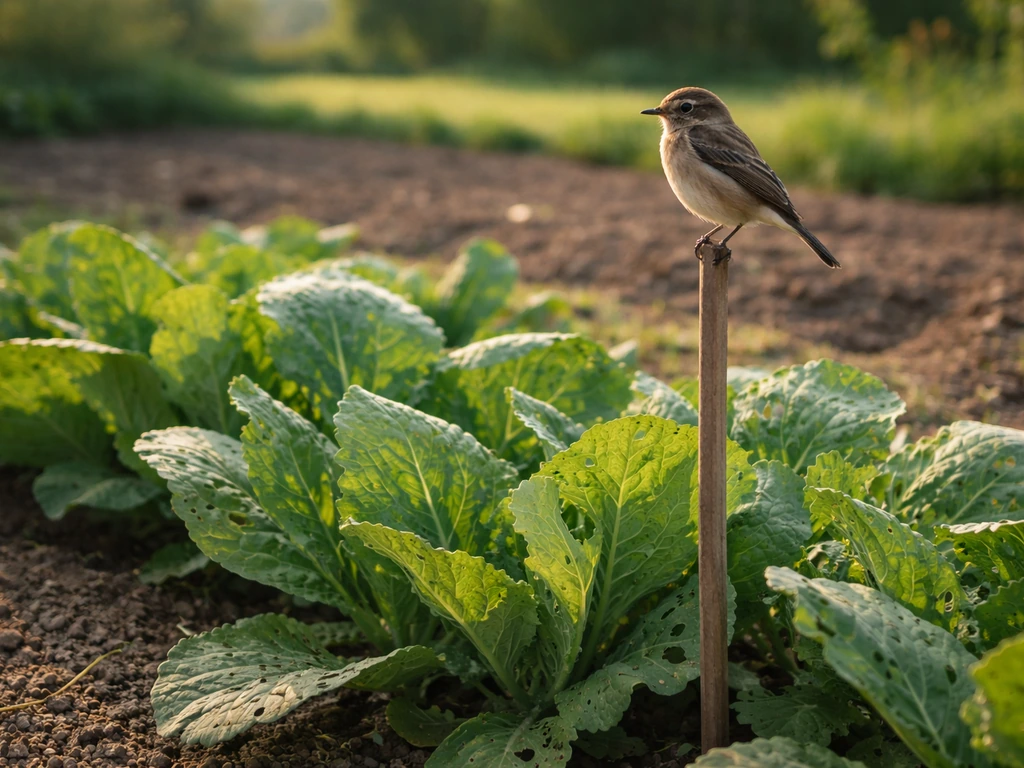
Insectivorous birds are among the most significant natural predators of arthropods on the planet. Research has estimated that birds consume somewhere between 400 and 500 million tons of prey annually on a global scale. In a garden context, that translates to real reductions in caterpillar, aphid, beetle, and other insect pest populations, especially during nesting season when parent birds are making dozens of foraging trips per hour to feed chicks.
That said, US Forest Service research comparing crop pest populations and leaf damage with birds present versus excluded found that pest control effectiveness is crop-specific and inconsistent. In some crops, bird exclusion led to measurably higher pest damage. In others, the effect was negligible or birds introduced their own damage by pecking at fruit. The honest takeaway is that birds can reduce pest pressure, but you cannot rely on them as a precise pest management tool the way you would a targeted spray or beneficial insect release.
Practically, the birds most useful for pest control in a garden are insectivores that forage actively in plantings: chickadees, nuthatches, wrens, swallows, and warblers during migration. Encouraging these species through habitat structure (dense shrubs, dead wood, water sources) gives you the best chance of consistent pest reduction as a side benefit, even if it is not guaranteed.
How to actually use birds to support your garden today
The most effective approach is to make your garden a place birds want to spend time in, rather than trying to use bird products or accessories as a shortcut. Here are the steps that actually move the needle:
- Plant native fruiting shrubs and trees. Species like elderberry, serviceberry, dogwood, viburnum, and native hollies attract frugivorous birds that will then disperse seeds across your property and neighboring areas. These plants also support the insects that insectivorous birds feed to their young, so you get pest control as a bonus.
- Add a reliable water source. A simple bird bath with fresh water, cleaned weekly, is consistently the single fastest way to bring more bird species into a garden. Position it 10 to 15 feet from dense shrubs so birds feel safe.
- Install perches in new or bare areas. In a new garden with few established plants, simple wooden posts or brush piles give birds a place to land. They will defecate nearby and deposit seeds. Research on restoration sites confirms this speeds up natural regeneration measurably.
- Plant hummingbird-syndrome flowers if you want bird pollination. For North American gardens, this means red tubular flowers like cardinal flower (Lobelia cardinalis), salvia, trumpet vine, or native columbine. Plant them in clusters for visibility.
- Place feeders strategically. Position feeders at least 10 feet from vulnerable plantings to avoid concentrated droppings in a single spot. Sunflower and nyjer feeders attract seed-eaters; suet brings in insectivores year-round.
- Reduce or eliminate pesticide use. Insecticides remove the prey birds rely on. If you want birds to control pests, you need to tolerate some pest presence so the food chain stays intact.
- Add dense native shrub layers. Shrubs at 3 to 6 feet height give nesting and foraging cover, which keeps birds on-site rather than just passing through.
Setting realistic expectations and troubleshooting
One thing I want to be clear about: birds are not a growth hack. The folklore version of this question imagines birds singing to plants or somehow transmitting energy (the same wishful thinking that comes up with music or talking to plants). People sometimes ask whether do mirrors help plants grow, but the same focus on realistic, biological plant interactions matters more than reflecting light or birds. That is not what is happening. Birds help plants through physical and chemical interactions, and those interactions take time to show up as visible results. Seed dispersal benefits play out over seasons, not days. Nutrient inputs from droppings are gradual. Pest control is probabilistic, not guaranteed. Some gardeners also wonder whether talking nicely to plants has a similar effect, but plant growth depends much more on light, water, soil nutrients, and proven ecological interactions than on verbal cues talking nicely to plants help them grow.
In a brand-new garden, the most visible bird benefit you are likely to notice in year one is volunteer seedlings appearing in spots where birds have been perching and defecating. This is especially common under a feeder or along a fence line. Some of those seedlings will be things you want to keep. Others, especially fast-growing vines or shrubs from neighboring yards, may be invasive. Get comfortable identifying seedlings early, so you can make quick decisions rather than letting an unwanted plant get established.
If birds are visiting but you are not seeing any of the expected benefits, ask yourself a few diagnostic questions: Are the birds actually spending time foraging in plant areas, or just passing through to the feeder? Is your soil so degraded that even nutrient inputs cannot help without broader soil building? Are pesticides in your yard or neighboring yards reducing insect populations to the point where birds have no reason to forage there? If you are looking at “do magnets help plants grow” as another outside-the-box option, remember that nutrient and soil biology limitations can matter more than any one trick. These are the most common reasons bird activity does not translate into plant benefits.
On the flip side, if birds are causing damage, the most common culprits are fruit pecking (especially by starlings and robins), soil disturbance from ground-feeding species like towhees and thrashers, and concentration of droppings under heavy roost sites. Netting over fruiting crops, moving feeders away from vulnerable plantings, and diversifying the habitat to spread bird activity across a wider area all address these problems without having to exclude birds entirely.
What to track to know if it is working
- Count volunteer seedlings per season in areas with high bird activity versus low bird activity
- Note plant health differences (leaf color, growth rate) between beds near bird activity zones and those away from them
- Track visible pest levels on foliage in early summer when insectivorous birds are feeding chicks most actively
- Check for soil nutrient changes annually with a simple soil test if you are trying to assess the fertilizer contribution
- Watch for signs of nitrogen burn (brown edges, yellowing, salt crust) under feeders or roost sites and adjust placement as needed
The bottom line is that birds are a genuine, science-backed ally for plants, especially in new gardens or areas you are trying to establish naturally. The key is creating conditions that keep them present and active in the right places, understanding which benefits apply to your specific plants and goals, and not expecting instant visible results. Birds work at ecological timescales, and a garden that has hosted active bird populations for three or four seasons will look noticeably different, in a good way, from one that has not.
FAQ
Will birds make my garden grow faster in the first few weeks?
Usually no. Most benefits are slower, like seed rain taking seasons to establish, nutrients from droppings building gradually, and pest suppression varying with nesting timing. In year one, the most noticeable sign is often volunteer seedlings near perches, not overall faster growth everywhere.
How can I tell whether birds are actually helping or just feeding nearby?
Watch where birds spend time, not just where they perch. If bird activity clusters at feeders or along a single roost and not among plantings, you may get scattered results. For seed and nutrient benefits, look for seedlings and droppings under natural perching spots within the garden beds you want to improve.
Do bird droppings work like fertilizer for all plants?
Not evenly. Nitrogen inputs can help in nutrient-poor or newly established soils, but concentrated roosting can burn roots, raise soil pH, and cause salt stress. If you see leaf burn or dead patches right under a roosting site, reduce exposure by moving feeders, changing perches, or protecting sensitive plants.
Could birds spread invasive species when they disperse seeds?
Yes, and it is common in disturbed or suburban edges. Birds typically do not distinguish between desired and unwanted seeds, so you can end up with fast-growing vines or shrubs from neighboring properties. Plan to identify seedlings early and remove the most aggressive volunteers before they root deeply.
Will attracting hummingbirds guarantee better pollination for my flowers?
Only if your plants match hummingbird pollination traits, like tubular shapes, red or orange coloration, and abundant dilute nectar with little scent. If your flowers do not fit, visits are often incidental, and insects will still do most pollination. A good next step is to add a few proven bird-adapted natives rather than assuming pollination will follow.
Are birds better for pest control than beneficial insects or row covers?
They can reduce pest pressure, especially when insectivorous birds forage in plantings during nesting season, but results are crop-specific and not guaranteed. For predictable protection, use integrated options like row covers for vulnerable plants, then support birds for background suppression.
What birds are most likely to help plants in a typical backyard?
Look for local insectivores that forage within vegetation, such as wrens, chickadees, nuthatches, and swallows, plus warblers during migration. Birds that only visit a feeder may not provide much benefit to nearby crops, so prioritize habitat features that keep them moving through the garden.
How far should I place bird feeders from fruiting crops to reduce damage?
Avoid placing feeders directly adjacent to plants that birds peck at, especially fruit. A practical approach is to position feeders so birds forage for seed in a different zone, and to use netting on fruit during peak ripening if fruit-eating species show up. Monitor for a week and adjust based on which plants they target.
What if my soil is heavily degraded, will birds still help?
Bird-derived nutrients and seed dispersal can help, but they cannot replace foundational soil building when soil is severely depleted or compacted. If plants fail to establish even where seedlings appear, focus first on improving soil structure and organic matter, then use birds as a supporting factor for dispersal and pest regulation.
Should I avoid pesticides because they reduce the benefits of birds?
Often yes. If pesticides reduce insect populations, insectivorous birds lose a major reason to forage in plantings, and your pest cycle shifts. If you use any treatments, consider targeting and timing to minimize harm to beneficial insects that feed birds, and reduce blanket spraying where possible.
Do birds help vegetables and fruit trees the same way they help native shrubs?
Usually not in the same way. Birds are most clearly tied to seed dispersal and nutrient inputs, while pollination for many vegetables and many fruit trees is still largely insect-driven in temperate regions. Focus on bee-supporting habitat for pollination, and let birds contribute indirectly through pest reduction and occasional seed-driven volunteers.
Next Articles
Does Touching Plants Help Them Grow? What Actually Works
Does touching plants help them grow? Learn which gentle handling boosts health and which harms leaves, stems, pests, and
Does Music Help Plants Grow? Mythbusters-Style Test and Evidence
Mythbusters-style test on whether music boosts plant growth, what science says, and safer ways to improve yields.
Do Mirrors Help Plants Grow? Indoor Guide and Best Practices
Do mirrors boost indoor plant growth by redirecting light? Learn best placement, angles, tests, and risks.